
The Allergy That Never Seems to End
The first sign was a headache. Nothing particularly alarming, just a familiar pressure behind the eyes that seemed to appear without warning. By midmorning, the nose became congested, the stomach started bloating, and an uncomfortable itching sensation developed across the skin. By evening, exhaustion had settled in, yet falling asleep felt nearly impossible. The following morning, the entire cycle began again, leaving one frustrating question unanswered: How could so many seemingly unrelated symptoms occur in the same body?
For people experiencing this pattern, the search for answers can become an exhausting journey through different medical specialties. An allergist might investigate environmental triggers, a gastroenterologist might examine digestive complaints, and a neurologist might evaluate recurring headaches. Each specialist may uncover something valuable, yet the patient can still feel that nobody has connected the dots. What if some of these symptoms share a common chemical messenger involved in immune responses, digestion, and neurological communication?
That messenger is histamine, a remarkable biological compound that most people associate exclusively with sneezing, watery eyes, and seasonal allergies. Yet histamine participates in far more than allergic reactions. It helps regulate stomach acid, influences blood vessel behavior, communicates with immune cells, and contributes to the brain’s sleep-wake cycle. When histamine signaling becomes excessive, or when the body struggles to metabolize histamine from food, the resulting symptoms can affect multiple organ systems.
This broader picture raises an important question about the way we approach chronic health complaints. Are we identifying the underlying physiological disturbances, or are we simply managing individual symptoms as they appear? Antihistamines can provide meaningful relief, and they remain valuable treatments for many allergic conditions. However, recurring symptoms may also warrant investigation into gastrointestinal disease, environmental exposures, immune activation, and the biochemical pathways responsible for histamine metabolism.
Understanding histamine overload begins with recognizing that histamine itself is not harmful. It is an essential messenger that becomes problematic under certain circumstances. The real challenge lies in determining whether excessive release, increased exposure, impaired degradation, or an entirely different condition is responsible for the symptoms.
Histamine: The Chemical Messenger That Can Turn Protection Into Inflammation
Histamine was first identified as a biologically active substance in the early twentieth century, and subsequent research revealed its powerful effects on blood vessels, smooth muscle, and inflammatory responses. Scientists eventually discovered that histamine plays an essential role in allergic reactions, but its biological importance extends well beyond allergies. Today, researchers recognize histamine as a signaling molecule that connects immune activity, gastrointestinal function, and the nervous system.
The body produces histamine from histidine, an amino acid obtained through normal protein metabolism. An enzyme called histidine decarboxylase converts histidine into histamine, which can then be stored or released by specialized cells. Mast cells and basophils are particularly important because they contain granules loaded with histamine and other inflammatory mediators. These cells function as rapid-response components of the immune system, helping the body react to certain threats and environmental exposures.
Mast cells are strategically positioned throughout the body, especially near blood vessels, nerve endings, respiratory tissues, the skin, and the intestinal lining. Their location allows them to respond quickly to allergens and other biological signals. During a classic allergic reaction, an allergen can interact with IgE antibodies attached to mast cells, triggering the release of histamine and additional inflammatory substances.
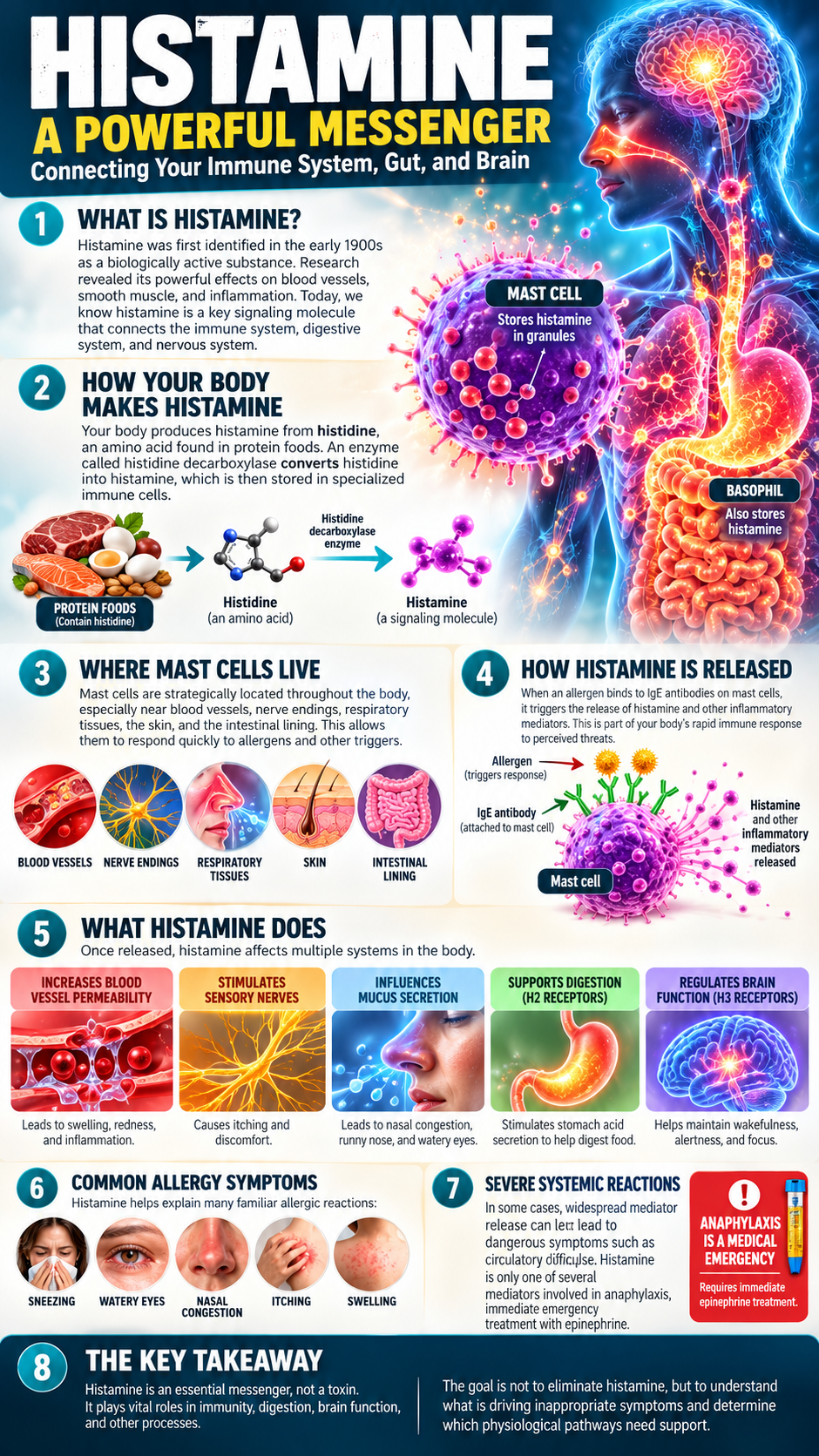
Once released, histamine can increase blood vessel permeability, stimulate sensory nerves, and influence mucus secretion. These effects explain why allergic reactions frequently involve swelling, itching, nasal congestion, and watery eyes. In severe systemic reactions, widespread mediator release can contribute to dangerous breathing difficulties and circulatory collapse. Histamine is only one of several mediators involved in anaphylaxis, which requires immediate emergency treatment with epinephrine.
The same molecule also supports normal digestion by stimulating gastric acid secretion through H2 receptors. Within the brain, histamine-producing neurons help maintain wakefulness and alertness. Histamine additionally participates in immune-cell communication through several receptor pathways. This diversity explains why histamine-related disturbances may produce symptoms that seem unrelated at first glance.
The important distinction is between normal histamine activity and pathological histamine signaling. The goal of a comprehensive health strategy should never be to eliminate histamine entirely. Instead, it should be to understand what is driving inappropriate symptoms and determine which physiological pathways require attention.
The Four Histamine Receptors: One Chemical, Multiple Body Systems
Histamine produces different effects depending on which receptor it activates. Scientists have identified four major histamine receptors, designated H1, H2, H3, and H4. These receptors occur in different tissues and help explain why histamine can influence everything from nasal congestion to gastric acid secretion.
H1 receptors are particularly important in allergic inflammation. They contribute to itching, vascular permeability, and several familiar allergy symptoms. H2 receptors are strongly associated with gastric acid production, although they also participate in other physiological processes. H3 receptors help regulate neurotransmitter release within the nervous system, while H4 receptors participate in immune-cell signaling and inflammatory regulation.
These pathways reveal why histamine cannot be understood as merely an allergy chemical. Its biological effects depend on receptor distribution, local concentration, tissue sensitivity, and the presence of other signaling molecules. A reaction occurring in the intestinal tract may feel different from one involving the respiratory system or skin, even when histamine participates in both.
However, the presence of histamine receptors throughout the body does not prove that every headache, digestive complaint, or episode of fatigue results from histamine excess. Many conditions produce overlapping symptoms through entirely different mechanisms. The receptor system provides a scientific explanation for histamine’s broad physiological influence, not a universal diagnosis for chronic illness.
The Histamine Bucket: When Exposure Exceeds Your Ability to Cope
Imagine carrying a bucket that gradually fills throughout the day. Some histamine comes from food, some arises through normal biological processes, and additional amounts may be released during allergic or inflammatory responses. Meanwhile, the body continuously metabolizes histamine through specialized enzyme systems.
For educational purposes, this bucket represents the balance between histamine exposure, release, degradation, and individual sensitivity. When several contributing factors occur together, some people may experience more symptoms than they would from any single exposure. A meal containing aged cheese, fermented vegetables, and red wine might coincide with seasonal pollen exposure and gastrointestinal discomfort, creating an especially difficult evening.
The bucket analogy helps explain why symptom patterns can seem inconsistent, although it is not a validated diagnostic model. There is no accepted laboratory measurement of total-body histamine burden, and symptoms cannot reliably indicate how full someone’s hypothetical bucket has become. Nevertheless, the concept encourages careful attention to combined exposures rather than focusing exclusively on one food or environmental trigger.
Dietary histamine deserves particular consideration because histamine levels vary dramatically among foods. Fermented products, aged cheeses, cured meats, certain alcoholic beverages, and improperly stored fish can contain substantial quantities. Microbial activity and storage conditions strongly influence histamine accumulation, meaning two servings of the same food may contain different concentrations.
Alcohol adds another complication because it may contribute to flushing and other symptoms through several mechanisms. Some alcoholic beverages contain histamine or other biogenic amines, while alcohol itself can influence vascular responses and histamine metabolism. Consequently, symptoms after drinking wine do not automatically establish histamine intolerance.
Recognizing these complexities can help individuals identify reproducible patterns without developing unnecessary fear of food. The objective is to determine whether particular exposures consistently produce symptoms and whether those reactions have a plausible biological explanation.
Your Gut May Hold the Missing Piece of the Histamine Puzzle
The gastrointestinal tract represents one of the most important areas to investigate when histamine-related symptoms appear after eating. Far from functioning as a simple digestive tube, the intestine contains an elaborate network of epithelial cells, immune tissues, nerve endings, microorganisms, and chemical signaling pathways. These systems work together to absorb nutrients, maintain barrier integrity, and regulate interactions with the outside environment.
The intestinal lining forms a selective barrier between digestive contents and the bloodstream. Specialized proteins help regulate movement between epithelial cells, while mucus and immune defenses limit unwanted contact with microbes and dietary antigens. This barrier is dynamic, constantly adapting to food intake, microbial signals, inflammation, and physiological stress.
When intestinal inflammation develops, barrier function may become altered. Conditions such as celiac disease, inflammatory bowel disease, and certain gastrointestinal infections can disrupt epithelial integrity. These disturbances may affect nutrient absorption, local immune signaling, and the intestinal environment in which dietary histamine is metabolized.
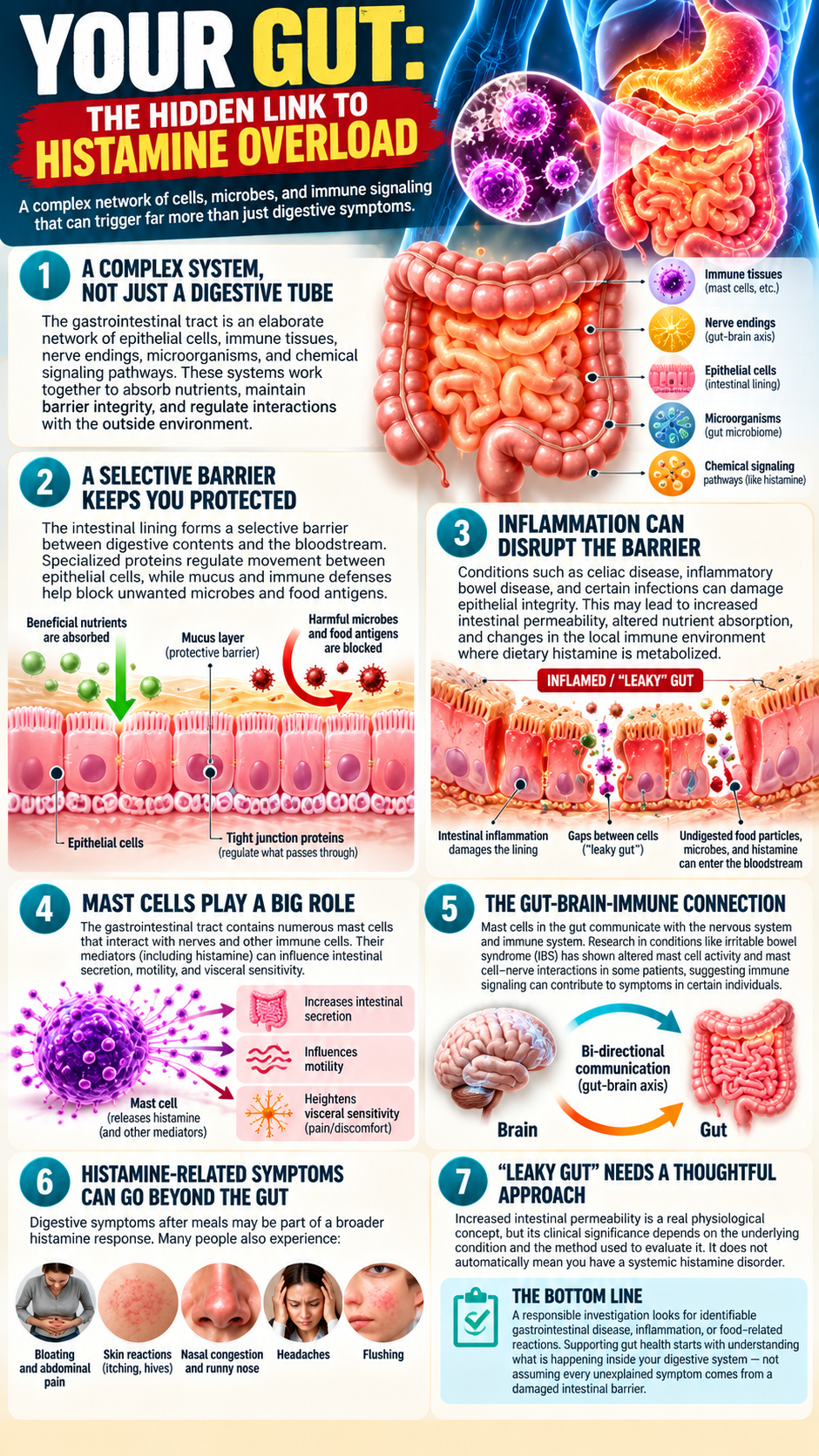
The gastrointestinal tract also contains numerous mast cells that interact with nerves and other immune cells. Their mediators can influence intestinal secretion, motility, and visceral sensitivity. Researchers studying irritable bowel syndrome have identified altered mast cell activity and mast cell–nerve interactions in some patient populations, suggesting that immune signaling may contribute to symptoms in particular subsets.
This relationship becomes especially interesting when digestive symptoms accompany flushing, headaches, itching, or nasal congestion. A patient who experiences abdominal discomfort after meals may also notice skin reactions or other symptoms that suggest a broader process. Such patterns justify investigation, but they do not prove that intestinal permeability or histamine intolerance is responsible.
The term leaky gut is frequently used to describe increased intestinal permeability. Although intestinal permeability is a legitimate physiological concept, its clinical significance depends on the underlying condition and the method used to evaluate it. Increased permeability does not automatically establish a systemic histamine disorder, and many commercially marketed tests lack sufficient validation for routine diagnosis.
A responsible functional investigation therefore asks whether identifiable gastrointestinal disease, inflammation, or food-related reactions may be contributing to symptoms. Supporting gut health begins with understanding what is actually happening inside the digestive system rather than assuming every unexplained symptom originates from a damaged intestinal barrier.
DAO: The Enzyme Responsible for Breaking Down Dietary Histamine
One of the most important biochemical pathways involved in dietary histamine processing centers on an enzyme called diamine oxidase, commonly abbreviated DAO. This enzyme helps degrade extracellular histamine, particularly within the intestinal environment. Its activity may influence how effectively the body handles histamine consumed through food.
A second enzyme, histamine N-methyltransferase, or HNMT, participates primarily in intracellular histamine metabolism. These enzymes operate through different mechanisms and in different biological compartments. Together, they contribute to normal histamine regulation, although their relative importance varies across tissues.
Researchers have proposed that insufficient intestinal DAO activity may contribute to symptoms in some individuals who react to histamine-rich foods. This proposed condition is often called histamine intolerance. Reported symptoms include headaches, flushing, abdominal discomfort, diarrhea, nasal congestion, and occasional palpitations.
However, histamine intolerance remains an evolving area of clinical research. Experts have not established a universally accepted diagnostic gold standard, and many reported symptoms overlap with more common gastrointestinal, allergic, and neurological disorders. The possibility of impaired histamine degradation is biologically plausible, but establishing it in an individual patient can be difficult.
Intestinal diseases may affect DAO activity because intestinal epithelial health contributes to the enzyme’s normal function. Certain medications and genetic variations have also been investigated as possible influences on histamine metabolism. Nevertheless, evidence surrounding many proposed drug interactions and genetic markers remains incomplete.
Commercial serum DAO testing presents additional limitations. Blood measurements do not consistently reflect intestinal DAO function, and research has produced conflicting findings regarding diagnostic accuracy. A low result should therefore not be treated as definitive evidence that histamine intolerance explains a patient’s symptoms.
DAO supplementation has attracted growing interest, and several small studies suggest potential benefits for selected symptoms. Yet the available evidence remains limited, and supplements cannot replace evaluation for established allergic, gastrointestinal, or mast cell disorders. Understanding DAO is valuable because it reveals a potential metabolic pathway worth investigating, not because it provides a simple explanation for every chronic complaint.
The Microbiome Connection: When Gut Bacteria Influence Histamine
The human digestive tract contains an extraordinarily complex microbial ecosystem that influences metabolism, immune signaling, and intestinal physiology. Some microorganisms can produce histamine through enzymes that convert histidine into histamine. Others may influence inflammatory responses or interact with pathways involved in gastrointestinal barrier function.
This raises an intriguing possibility: changes in microbial communities could influence local histamine exposure and immune activity. Laboratory studies have identified histamine-producing capabilities in certain bacterial strains, while other strains demonstrate potentially beneficial immune-modulating properties. However, microbial behavior is highly strain-specific, making broad generalizations unreliable.
The relationship between probiotics and histamine illustrates this complexity. Certain bacterial strains can produce histamine under specific laboratory conditions, while others may influence histamine-related signaling in different ways. Yet these findings do not justify labeling all probiotics as harmful or claiming that particular strains universally cure histamine intolerance.
Fermented foods create a similar dilemma. Foods such as kefir, sauerkraut, kimchi, and kombucha may provide fermentation-derived compounds, but their histamine content can vary considerably. For someone experiencing reproducible reactions to these foods, temporarily reducing exposure may help clarify whether dietary histamine is relevant.
Importantly, the presence of histamine-producing bacteria does not establish that a person has small intestinal bacterial overgrowth, intestinal permeability, or a systemic histamine disorder. Those conditions require separate clinical consideration. Research into microbial histamine metabolism is promising, but reliable microbiome-based treatments for suspected histamine intolerance have not yet been established.
The larger lesson is that gut health and immune regulation are deeply interconnected. The microbiome deserves attention because it participates in numerous physiological processes, not because every chronic allergy or digestive complaint can be traced to one supposedly harmful bacterial species.
Mast Cells: When the Immune System’s Alarm Becomes Excessive
Mast cells occupy a fascinating position at the intersection of immunity, inflammation, and nervous system communication. They respond to allergens, participate in tissue defense, and release a wide variety of signaling molecules. Histamine is among their best-known mediators, but mast cells also release substances such as tryptase, prostaglandins, leukotrienes, and cytokines.
In certain individuals, recurrent episodes of excessive mast cell mediator release can produce symptoms involving multiple organ systems. These may include flushing, hives, abdominal cramping, diarrhea, wheezing, low blood pressure, and cardiovascular changes. When specific consensus criteria are satisfied, clinicians may diagnose mast cell activation syndrome, commonly abbreviated MCAS.
MCAS is not simply another name for histamine intolerance. Histamine intolerance generally refers to suspected difficulty handling histamine exposure, particularly from food. MCAS involves recurrent systemic mast cell activation supported by clinical findings, objective mediator testing, and an appropriate treatment response.
The distinction is especially important because nonspecific symptoms alone cannot establish MCAS. Chronic fatigue, brain fog, digestive discomfort, and food sensitivities occur in numerous conditions. A proper evaluation may include serum tryptase measurements during episodes and comparison with an individual’s baseline, alongside specialist assessment.
Severe mast cell reactions also demand appropriate emergency recognition. Sudden breathing difficulty, throat swelling, fainting, or rapidly progressive symptoms affecting multiple systems may indicate anaphylaxis. Such episodes require immediate emergency care rather than dietary experimentation or supplementation.
Understanding mast cells expands our appreciation of immune physiology while reinforcing the importance of diagnostic precision. The immune system is complex, and effective care depends on identifying which mechanisms are genuinely involved.
The Bigger Picture: Connecting Allergies, Digestion, and Immune Health
Histamine sits at a biological crossroads where several important systems communicate. The immune system uses it during inflammatory responses, the gastrointestinal tract encounters and metabolizes it, and the nervous system responds to its signaling. These connections help explain why some individuals experience symptoms that cross traditional medical specialties.
Yet the existence of these connections does not mean every chronic illness results from histamine overload. Similar symptoms can arise from food allergies, migraine, gastrointestinal disease, medication effects, endocrine disorders, and numerous other conditions. A comprehensive approach must distinguish established diagnoses from plausible but unconfirmed mechanisms.
This is where root-cause thinking becomes especially valuable. Instead of asking only which medication might suppress a symptom, we can investigate whether environmental allergens, intestinal inflammation, food exposures, altered histamine metabolism, or mast cell activation are contributing to the clinical picture. Appropriate treatment may include medication, dietary modification, environmental management, and targeted care for underlying disease.
The most important shift is from assuming that every symptom represents a separate problem to investigating whether meaningful connections exist. Sometimes those connections lead directly to a treatable diagnosis. Other times, careful evaluation reveals several overlapping conditions that require different strategies.
Histamine should not be viewed as a toxin that must be eliminated, nor should the immune system be regarded as an enemy that needs constant suppression. Both are essential components of human physiology. The challenge is understanding when normal protective processes become dysregulated and what can be done to restore healthier function.
The Path Back to Balance Begins With Understanding the Trigger
Imagine spending years believing your body has somehow turned against you. Foods you once enjoyed suddenly produce headaches, fermented vegetables leave your stomach bloated, and a glass of red wine triggers facial flushing that lasts for hours. Seasonal allergies seem to linger long after pollen counts decline, while restless nights and unexplained fatigue make everyday life increasingly difficult. Eventually, you begin eliminating foods, avoiding social gatherings, and wondering whether your immune system will ever settle down.
For people experiencing suspected histamine-related symptoms, the temptation is to search for one supplement, one diet, or one treatment capable of correcting everything. Yet histamine biology rarely offers such a simple solution. The body produces histamine for essential reasons, and its release involves intricate communication between immune cells, nerves, digestive tissues, and metabolic enzymes. Effective management begins by identifying which mechanisms are actually contributing to symptoms rather than assuming every reaction has the same cause.
A functional approach considers several possibilities simultaneously. Environmental allergies may be increasing mast cell activation, gastrointestinal inflammation may be influencing dietary histamine handling, and particular foods may be aggravating symptoms. Sleep disruption, alcohol exposure, medications, and unrelated digestive disorders can complicate the picture further. Each possibility deserves thoughtful evaluation because addressing a genuine underlying contributor may provide more lasting improvement than repeatedly reacting to symptoms.
The objective is not to create a life built around avoiding histamine. It is to restore as much dietary freedom, physical comfort, and confidence as possible while treating identifiable health problems. Achieving that goal requires understanding the difference between reducing histamine exposure, supporting normal metabolism, and managing established immune disorders.
Your Intestinal Lining: The First Place to Investigate
The intestinal lining is one of the body’s most sophisticated protective interfaces. Every day, it encounters nutrients, microorganisms, digestive secretions, and countless environmental compounds entering through food and beverages. Its epithelial cells must absorb essential nutrients while regulating contact between intestinal contents and the immune system. When this process functions normally, digestion and immune surveillance operate together with remarkable efficiency.
Inflammatory gastrointestinal conditions can interfere with this balance. Celiac disease, inflammatory bowel disease, and certain infections may alter intestinal epithelial integrity and local immune signaling. Because intestinal tissues contribute to diamine oxidase activity, disorders affecting these tissues may also influence the handling of dietary histamine. However, intestinal inflammation does not automatically establish histamine intolerance, and improving gut health does not guarantee that every histamine-related symptom will disappear.
This distinction matters because the phrase leaky gut has become an umbrella explanation for almost every chronic complaint. Increased intestinal permeability is a legitimate physiological finding in certain conditions, but its presence, significance, and treatment depend on the underlying disease. Commercial tests claiming to diagnose generalized intestinal leakage often lack adequate clinical validation, making them unreliable foundations for extensive treatment programs.
A more useful investigation begins with the patient’s actual digestive symptoms. Persistent diarrhea, abdominal pain, unexplained weight loss, anemia, or blood in the stool may warrant evaluation for conditions that require specific treatment. Even without these warning signs, recurrent bloating and altered bowel habits deserve attention because lactose intolerance, celiac disease, and disorders of gut-brain interaction can resemble food-related histamine reactions.
Nutritional adequacy also plays a critical role in maintaining intestinal function. The epithelial lining requires sufficient energy, protein, vitamins, and minerals to support normal cellular renewal. Severe dietary restriction can undermine that process by reducing nutrient diversity and overall food intake. For this reason, gut restoration should begin with identifying genuine disease and supporting balanced nutrition rather than automatically introducing a complicated collection of elimination diets and supplements.
The Low-Histamine Diet: A Temporary Investigation, Not a Lifetime Sentence
Dietary histamine represents one of the few potentially modifiable exposures that individuals can investigate directly. Certain foods contain histamine produced during fermentation, aging, bacterial activity, or prolonged storage. When symptoms consistently follow these foods, a structured dietary trial may help determine whether histamine exposure is clinically relevant.
The difficulty is that published low-histamine food lists frequently disagree. Histamine concentrations vary according to processing methods, storage temperatures, microbial activity, and the age of the product. A food categorized as problematic on one list may contain relatively little histamine when freshly prepared, while another serving may contain substantially more after extended storage.
Aged cheeses, fermented vegetables, cured meats, certain fish products, and alcoholic beverages commonly appear on restriction lists because they can contain meaningful quantities of histamine or other biogenic amines. Freshly prepared foods generally offer greater control over storage-related histamine accumulation, although freshness alone cannot guarantee low histamine content. Some foods also provoke symptoms through mechanisms unrelated to histamine, making individual reactions especially important.
A short, supervised low-histamine trial may be reasonable when the clinical history strongly suggests food-related reactions. The objective should be to observe whether symptoms improve during a limited period and whether they return with carefully selected food reintroductions. Because the evidence supporting low-histamine diets remains limited, prolonged restriction without clear benefit is difficult to justify.
The most important part of any elimination diet is the reintroduction phase. Without reintroducing foods, individuals may never learn whether histamine exposure was responsible for their symptoms. Instead, they can become trapped in an increasingly restrictive eating pattern that compromises nutrition, creates anxiety, and makes social eating unnecessarily difficult.
A successful dietary investigation should ultimately expand confidence around food, not reduce the number of foods someone feels safe consuming.
Food Storage: The Histamine Factor Many People Overlook
Histamine accumulation in certain foods depends heavily on bacterial activity. Microorganisms possessing histidine decarboxylase can convert histidine into histamine, particularly when conditions allow bacterial growth. This process helps explain why storage practices matter when evaluating dietary histamine exposure.
Fish provides a particularly important example. Certain species, including tuna and mackerel, contain substantial amounts of histidine in their tissues. When fish is improperly refrigerated, bacteria can generate high concentrations of histamine. The resulting condition, known as scombroid poisoning, may cause flushing, headache, rash, gastrointestinal distress, and other symptoms resembling an allergic reaction.
Cooking does not reliably destroy histamine already formed in contaminated fish. Consequently, proper refrigeration and food handling are essential for preventing this form of foodborne illness. Scombroid poisoning is distinct from chronic suspected histamine intolerance, but it demonstrates how dramatically food handling can influence histamine exposure.
At home, promptly refrigerating or freezing perishable foods, following food safety recommendations, and avoiding questionable leftovers can reduce unnecessary bacterial growth. Freezing slows further histamine production but does not remove histamine already present. Individuals who notice reproducible symptoms after certain stored foods may find that changing preparation and storage habits helps clarify their triggers.
The objective is not to fear leftovers or assume every refrigerated meal is dangerous. Rather, understanding food chemistry allows people to make practical decisions without resorting to extreme dietary rules.
DAO, Nutritional Status, and the Search for Better Histamine Metabolism
Diamine oxidase remains an important focus of research into dietary histamine handling. This enzyme participates in the breakdown of extracellular histamine, particularly within the intestinal environment. When intestinal DAO activity is insufficient relative to histamine exposure, researchers have proposed that symptoms may develop in susceptible individuals.
Nutritional factors may influence normal enzyme function, although the clinical evidence supporting specific nutrient treatments for histamine intolerance remains incomplete. Copper participates in DAO’s enzymatic structure, while vitamin B6 and vitamin C have been investigated in relation to histamine metabolism and inflammatory physiology. These observations have encouraged interest in nutritional supplementation, but biochemical involvement does not prove that taking larger doses will resolve symptoms.
The distinction between correcting a deficiency and supplementing beyond normal requirements is especially important. Someone with a documented nutrient deficiency may benefit from appropriate nutritional correction. However, excessive copper can be toxic, and prolonged high-dose vitamin B6 supplementation can cause peripheral neuropathy. Nutrients should be evaluated according to actual dietary intake, clinical findings, and established deficiency risks.
Vitamin C has attracted attention because some studies suggest relationships between vitamin C status and circulating histamine concentrations. Yet evidence does not establish vitamin C supplementation as a reliable treatment for histamine intolerance or mast cell activation syndrome. Similar limitations apply to quercetin, a plant flavonoid studied for potential effects on mast cell signaling.
DAO supplements may offer symptom relief for selected individuals, but published trials remain small and heterogeneous. They should not be presented as a way to cure underlying intestinal disease or prevent severe allergic reactions. A thoughtful nutritional strategy prioritizes adequate food intake and correction of demonstrated deficiencies before relying on high-dose supplements.
The Microbiome: Supporting Beneficial Bacteria Without Making Histamine Worse
The intestinal microbiome participates in immune regulation, nutrient metabolism, and communication with the intestinal lining. Certain bacterial strains can produce histamine, while others influence inflammatory pathways through different metabolites and signaling molecules. This complex relationship has generated considerable interest in microbiome-directed approaches to histamine-related symptoms.
Unfortunately, much of the popular discussion oversimplifies the evidence. Probiotic bacteria cannot reliably be classified as universally histamine-producing or histamine-reducing based solely on their species names. Individual strains may behave differently, and laboratory findings do not always predict what happens inside the human intestine.
Some probiotic strains have demonstrated potentially beneficial effects on immune signaling in experimental studies. However, robust clinical trials have not established a universal probiotic protocol for histamine intolerance. Introducing multiple probiotic products without understanding their composition may also complicate symptom tracking, particularly in individuals with sensitive gastrointestinal systems.
Supporting microbial diversity through a varied, nutritionally adequate diet is generally a more defensible starting point. Fiber-containing vegetables, fruits, legumes, and whole grains can support beneficial microbial activity for many people, although specific choices must account for individual tolerances and medical conditions. People following carbohydrate-restricted diets can obtain fiber from tolerated nonstarchy vegetables, seeds, and other suitable plant foods.
Fermented foods deserve individualized consideration. Although they can contribute useful microorganisms and fermentation products, some also contain histamine. Someone experiencing consistent reactions to fermented foods may reasonably reduce those exposures temporarily while maintaining dietary variety through other foods.
The goal should be a healthier gastrointestinal environment, not the indiscriminate elimination of bacteria or the assumption that every digestive symptom requires an antimicrobial protocol.
The Nervous System, Stress, and the Immune Connection
The immune system and nervous system communicate continuously through chemical messengers, hormones, and neural pathways. Mast cells are positioned near peripheral nerves in several tissues, allowing interactions that may influence inflammation, vascular responses, and sensory sensitivity. Researchers have investigated these relationships in allergic conditions, gastrointestinal disorders, and stress-associated symptom patterns.
Stress can influence immune function through the hypothalamic-pituitary-adrenal axis and autonomic nervous system. Experimental research suggests that certain stress-related signals can modify mast cell behavior, although the effects vary according to tissue, disease, and individual physiology. This does not mean stress causes every histamine-related disorder or that symptoms are psychological.
The vagus nerve also participates in communication between the brain and gastrointestinal tract. Its sensory and motor pathways influence digestive function and interact with broader inflammatory signaling networks. However, claims that vagus nerve stimulation universally lowers histamine or cures mast cell disorders have not been established through high-quality clinical evidence.
Chiropractic care may be useful for selected musculoskeletal complaints, but there is insufficient evidence that spinal adjustments correct DAO deficiency, normalize systemic histamine levels, or treat allergic disease. Distinguishing established effects from emerging hypotheses allows nervous system health to remain part of a comprehensive discussion without overstating therapeutic outcomes.
Stress-management strategies can still provide meaningful benefits. Regular physical activity within individual tolerance, consistent sleep schedules, relaxation exercises, and supportive social relationships may improve overall well-being. For individuals whose symptoms worsen during stressful periods, these practices can complement appropriate medical evaluation and treatment.
The goal is not to persuade people that they can think their way out of histamine-related illness. It is to recognize that physiological resilience depends on several interacting systems, including sleep, nervous system regulation, and immune function.
The Histamine Reset: A Practical At-Home Strategy for Finding Relief
A practical plan should begin with observation rather than immediate supplementation. For approximately two weeks, record meals, symptoms, sleep patterns, alcohol intake, medication use, and relevant environmental exposures. Include the timing of symptoms because reactions occurring within minutes may suggest different mechanisms from symptoms developing many hours later. This record can help identify reproducible associations while providing useful information for a healthcare professional.
Next, evaluate whether high-histamine foods appear consistently associated with symptoms. If the pattern is convincing, consider a short, nutritionally adequate low-histamine trial with professional guidance, followed by systematic reintroduction. Avoid eliminating large categories of foods indefinitely without demonstrating a meaningful benefit. Individuals with histories of severe allergic reactions should not perform food challenges at home.
Food handling deserves attention throughout this process. Purchase perishable foods from reliable sources, refrigerate them promptly, and freeze portions that will not be eaten within recommended storage periods. Maintain appropriate food safety practices, particularly with fish and meat. These measures support general food safety while reducing opportunities for bacterial histamine production in susceptible foods.
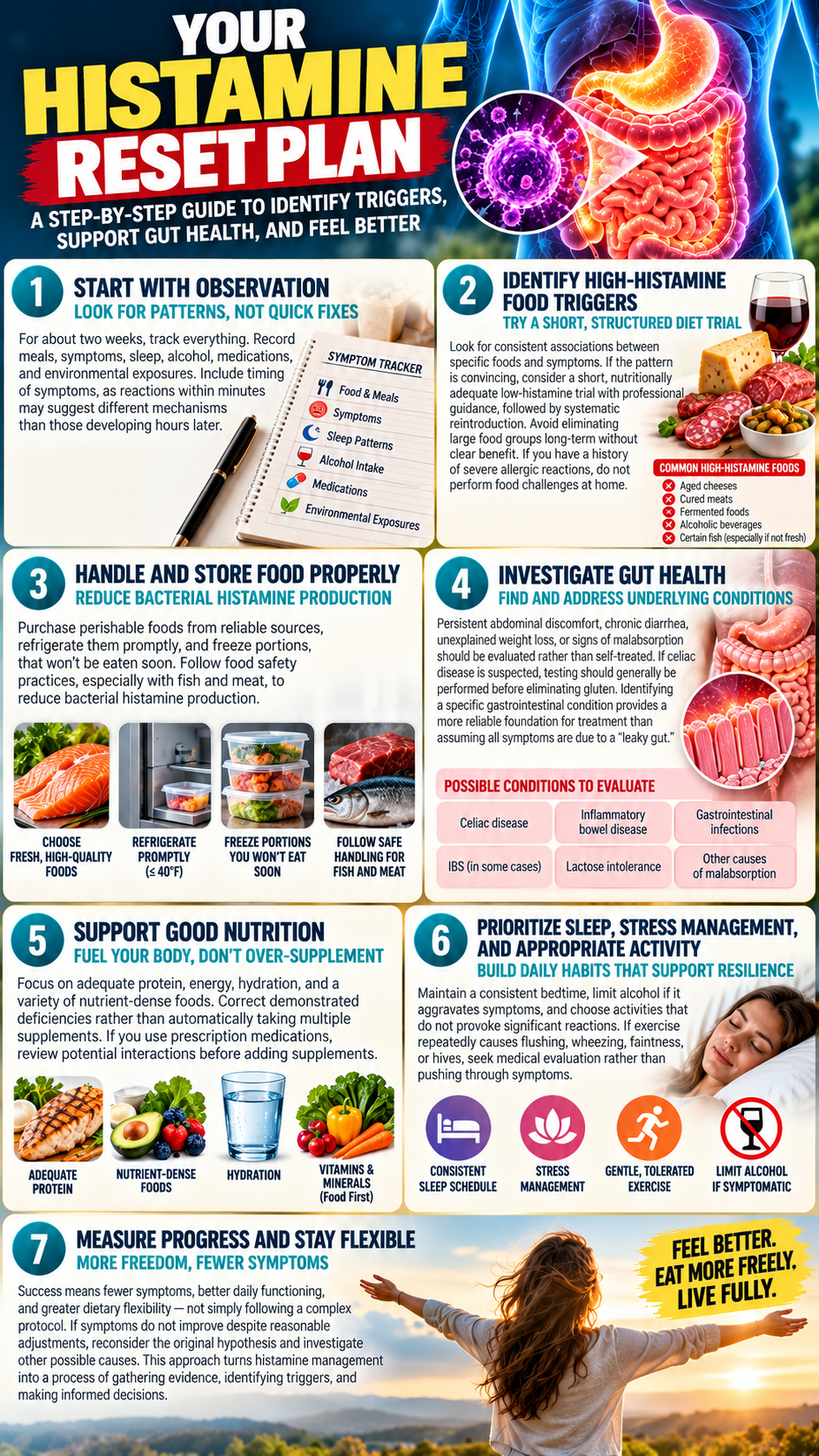
The next priority is gastrointestinal health. Persistent abdominal discomfort, chronic diarrhea, unexplained weight loss, or symptoms suggesting malabsorption warrant evaluation rather than self-treatment with extensive supplements. If celiac disease is suspected, testing should generally occur before eliminating gluten because dietary restriction can interfere with diagnostic accuracy. Identifying an established gastrointestinal condition provides a more reliable foundation for treatment than assuming all digestive complaints reflect intestinal permeability.
Nutritional support should focus on adequate protein, energy, hydration, and micronutrient intake. Rather than automatically purchasing DAO, copper, vitamin B6, quercetin, and multiple probiotics, evaluate whether there is a clear reason to use each product. Correcting demonstrated deficiencies is different from taking large doses in the hope of suppressing histamine. People using prescription medications should also review potential interactions before introducing supplements.
Sleep and daily activity deserve equal consideration. Maintain a consistent bedtime, limit alcohol when it aggravates symptoms, and choose physical activities that do not provoke significant reactions. If exercise repeatedly causes flushing, wheezing, faintness, or widespread hives, seek evaluation rather than pushing through symptoms. In rare cases, exercise can participate in serious allergic reactions that require specialized management.
Finally, establish clear criteria for success. Improvement should mean fewer symptoms, better daily functioning, and greater dietary flexibility, not simply compliance with a complicated protocol. If symptoms do not improve despite reasonable dietary adjustments, reconsider the original hypothesis and investigate alternative explanations.
This structured approach transforms histamine management from an endless series of restrictions into a process of gathering evidence, identifying triggers, and making informed decisions.
When Histamine Symptoms Require More Than Dietary Changes
Not every histamine-like reaction can be managed safely through nutrition and lifestyle changes. Recurrent hives, severe flushing, unexplained fainting, breathing difficulties, or reactions affecting several organ systems may require allergy or immunology evaluation. A history of anaphylaxis demands an individualized emergency action plan and appropriate access to epinephrine.
Patients with suspected mast cell activation syndrome may require specialized testing, including appropriately timed serum tryptase measurements. Those with persistent gastrointestinal symptoms may need evaluation for inflammatory, infectious, or malabsorptive disorders. Medication-related reactions, migraine, endocrine conditions, and other causes of flushing should also remain within the differential diagnosis.
Importantly, conventional allergy treatments and root-cause investigation are not opposing philosophies. Antihistamines, intranasal corticosteroids, allergen immunotherapy, and other evidence-based treatments can improve quality of life when appropriately indicated. Meanwhile, identifying relevant exposures and underlying diseases may reduce the burden of recurring symptoms.
A comprehensive approach uses every reliable tool available while remaining cautious about unvalidated testing and unsupported treatment claims.
Healing Begins When We Stop Confusing the Messenger With the Problem
Histamine is not a biological mistake. It is a necessary chemical messenger that helps coordinate immune defense, digestion, neurological activity, and vascular function. The challenge emerges when its effects become excessive, when dietary exposure exceeds an individual’s tolerance, or when an underlying disorder produces symptoms that resemble histamine overload.
For some people, identifying a food trigger may bring meaningful improvement. Others may discover that gastrointestinal inflammation, environmental allergies, medication effects, or a genuine mast cell disorder requires attention. Still others may learn that histamine was never the primary explanation for their symptoms.
The most valuable outcome is not a label. It is a clearer understanding of what the body is communicating and which interventions have a reasonable chance of helping. That understanding allows people to move beyond endless experimentation and toward a practical, evidence-informed plan.
The body possesses remarkable systems for regulating inflammation, metabolizing chemical messengers, repairing tissues, and maintaining internal balance. Supporting those systems requires adequate nutrition, appropriate medical care, healthy daily routines, and careful attention to individual responses. Rather than declaring war on histamine, we can work toward identifying and correcting the disturbances that make normal physiology uncomfortable.
Ultimately, the goal is not to live inside an ever-shrinking list of acceptable foods. It is to reclaim the freedom to eat, sleep, move, and live with greater confidence, while respecting the complexity of the immune system and the science that continues to reveal its connections with the gut and nervous system.