
The Receipt You Never Questioned
Imagine purchasing groceries, filling your gas tank, or picking up a prescription at your neighborhood pharmacy. The cashier hands you a receipt, and you casually slip it into your wallet. Nothing about that ordinary exchange suggests a potential chemical exposure. Yet the thin paper between your fingers may contain compounds capable of interfering with the body’s hormonal signaling systems.
Unlike traditional paper, many modern receipts contain chemical coatings that react to heat. These coatings allow thermal printers to produce words and numbers without ink. Unfortunately, some manufacturers rely on industrial chemicals called bisphenols to make this technology work. Two particularly concerning examples include bisphenol A (BPA) and bisphenol S (BPS).
Scientists classify certain bisphenols as endocrine-active chemicals because they can interact with biological pathways involved in hormone regulation. Research has connected BPA exposure with changes in reproductive signaling, metabolism, immune function, and other physiological processes. However, scientists continue investigating whether everyday receipt exposure contributes meaningfully to specific human diseases.
The concern extends beyond occasional shopping trips. Grocery cashiers, restaurant employees, pharmacists, and retail workers may handle hundreds of receipts during a single shift. Parents encounter them while shopping, and children sometimes play with discarded paper slips. These repeated interactions create opportunities for chemicals to transfer from thermal paper onto human skin.
The unsettling reality is that a receipt can look completely harmless while carrying biologically active substances. Understanding this exposure begins with examining how manufacturers produce thermal paper and why certain chemicals became so common.
The Industrial Origins of BPA and BPS in Thermal Paper
Thermal printing emerged as an efficient alternative to traditional ink-based printing during the twentieth century. Businesses embraced the technology because it reduced maintenance costs and accelerated transactions. Manufacturers developed specialized paper containing heat-sensitive dyes and chemical developers. When a printer applies heat, these ingredients react and produce the familiar dark lettering.
For decades, BPA served as an effective chemical developer because of its performance and relatively low manufacturing cost. Its widespread industrial use also extended into polycarbonate plastics and epoxy resins. These applications helped establish BPA as a familiar component of modern consumer manufacturing.
However, thermal paper differs from hard plastic products in one important respect. Manufacturers typically incorporate BPA into a surface coating rather than chemically binding it into a durable polymer. Consequently, contact and friction can transfer some of the chemical onto fingers and nearby objects.
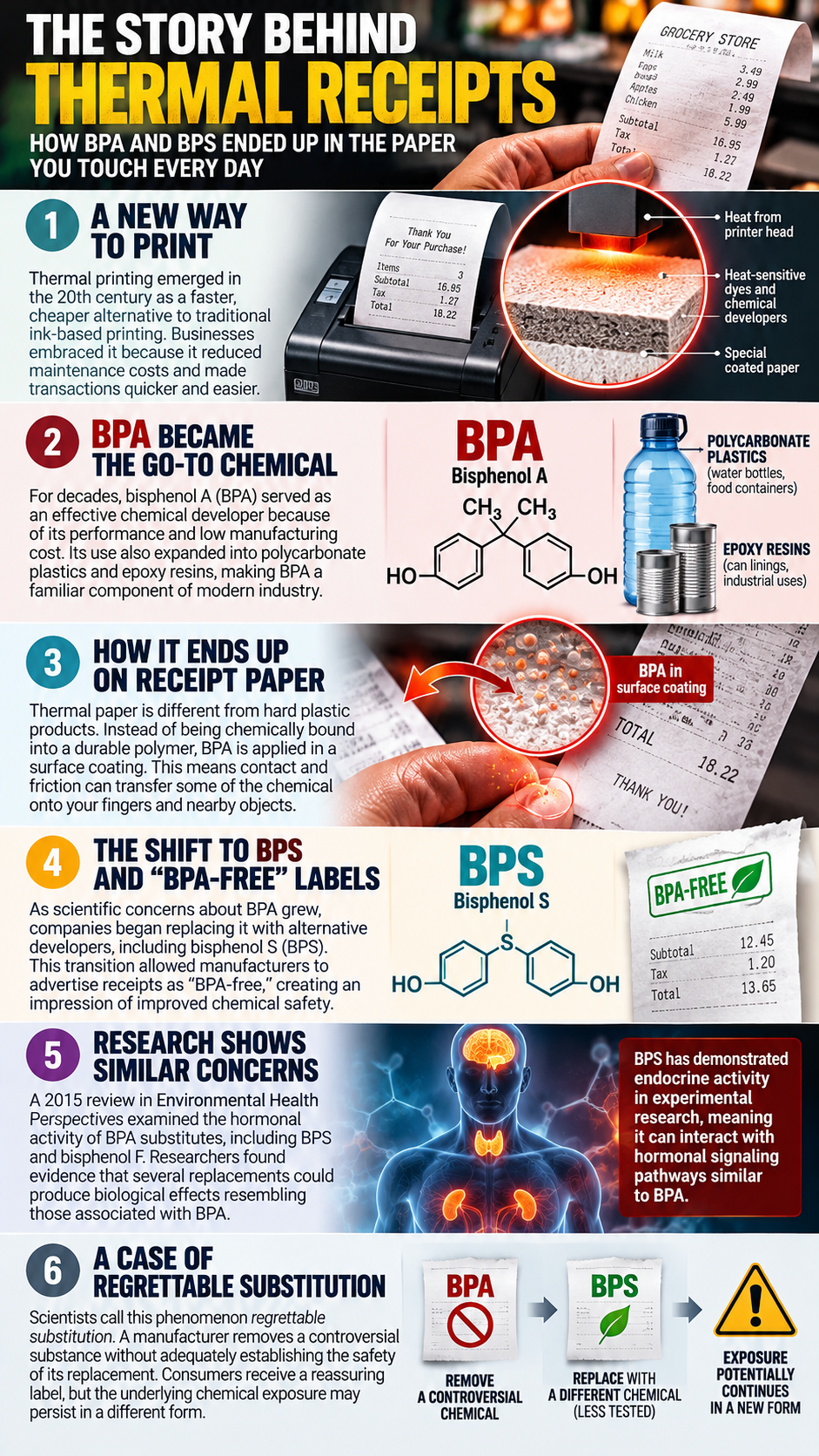
As scientific concerns intensified, companies began replacing BPA with alternative developers, including BPS. The transition encouraged manufacturers to advertise products as BPA-free, creating an impression of improved chemical safety. Yet BPS shares structural similarities with BPA and has demonstrated endocrine activity in experimental research.
A 2015 review published in Environmental Health Perspectives examined the hormonal activity of BPA substitutes, including BPS and bisphenol F. Researchers identified evidence suggesting that several replacements could produce biological effects resembling those associated with BPA. Although human health risks remain under investigation, the findings raised concerns about replacing one problematic chemical with another.
Scientists call this phenomenon regrettable substitution. A manufacturer removes a controversial substance without adequately establishing the safety of its replacement. Consumers receive a reassuring label, but the underlying chemical exposure may persist in a different form.
How Receipt Chemicals Enter the Human Body
Human skin provides an essential protective barrier against environmental substances, but it cannot prevent every chemical from crossing its surface. Studies demonstrate that BPA can transfer from thermal paper onto fingers during ordinary handling. The amount depends on the receipt’s chemical composition, contact duration, skin condition, and surrounding circumstances.
A 2014 study published in JAMA investigated BPA exposure among participants handling thermal receipts under controlled conditions. Researchers observed increased urinary BPA concentrations after prolonged receipt handling without gloves. Participants wearing gloves did not experience the same exposure pattern.
Another study, published in PLOS ONE in 2014, investigated how certain hand sanitizers and skin-care products influenced BPA transfer. Researchers found that specific formulations increased chemical transfer and absorption under experimental conditions. Contaminated fingers also created opportunities for BPA to reach food and enter the digestive tract.
These findings reveal two potential exposure routes: absorption through skin and ingestion through contaminated hands. Nevertheless, chemical transfer does not mean every molecule reaches circulation. Absorption, metabolism, and elimination determine how much exposure ultimately affects the body.
The concern becomes more relevant when contact occurs repeatedly throughout the day. Retail workers may encounter thermal paper far more frequently than occasional shoppers. Their exposure patterns deserve particular attention because occupational contact can involve prolonged handling and repeated opportunities for chemical transfer.
Endocrine Disruption: When Chemicals Interfere With Hormonal Communication
The endocrine system coordinates essential functions through hormones that communicate between organs, tissues, and cells. These chemical messengers influence metabolism, reproduction, growth, stress responses, and neurological development. Even subtle changes in signaling can alter biological processes under certain circumstances.
BPA attracts scientific attention because it can interact with estrogen receptors and additional hormone-related pathways. Experimental studies suggest that some bisphenols may influence hormone receptor activity, cellular signaling, and endocrine regulation. Researchers have also investigated potential effects involving thyroid hormones, androgen signaling, and pancreatic function.
Unlike many conventional toxic substances, endocrine disruptors may produce complex biological responses that depend on exposure timing and developmental stage. Scientists therefore investigate whether exposure during pregnancy, infancy, or puberty carries different implications than exposure during adulthood.
The European Food Safety Authority strengthened concerns about BPA in its 2023 reassessment. Its scientific panel sharply reduced the tolerable daily intake, primarily because of evidence involving potential immune-system effects. That assessment focused on dietary exposure rather than establishing disease risks from touching individual receipts.
Although laboratory findings demonstrate biological activity, they do not automatically establish disease causation in humans. Researchers must consider exposure concentrations, individual susceptibility, competing environmental influences, and the quality of available human studies.
The Metabolic Connection: BPA, Insulin Resistance, and Weight Gain
Metabolic health depends on communication among the pancreas, liver, skeletal muscles, adipose tissue, and endocrine system. Insulin helps regulate blood glucose, while other hormones influence energy storage, appetite, and fat metabolism. Disruptions within these networks can contribute to metabolic dysfunction.
Scientists have investigated BPA as a potential obesogen, a term describing chemicals that may influence fat development or metabolic regulation. Laboratory and animal studies suggest BPA can affect adipocyte biology, insulin-related signaling, and glucose metabolism. Some studies also report metabolic effects associated with BPS exposure.
Human observational research has identified associations between urinary bisphenol concentrations and obesity, insulin resistance, or diabetes. However, these findings remain inconsistent and cannot establish that receipt handling causes metabolic disease.
Dietary patterns introduce another complication because packaged foods can contribute to bisphenol exposure. Individuals with higher exposure may also differ in nutrition, lifestyle, and other metabolic risk factors. Separating these influences requires carefully designed research.
Nevertheless, the emerging science supports investigating environmental exposures within a broader metabolic health assessment. Nutrition, physical activity, sleep, genetics, and established medical conditions remain major determinants of metabolic function.
BPA, BPS, and the Thyroid: A Potentially Disrupted Hormonal Network
The thyroid regulates metabolic activity through hormones that influence nearly every major organ system. Healthy thyroid function requires coordinated communication among the hypothalamus, pituitary gland, thyroid gland, and peripheral tissues.
Experimental research suggests that BPA and certain related compounds can interact with thyroid-associated signaling pathways. Scientists have examined potential influences on thyroid hormone receptors, hormone transport, and cellular responses.
Human studies have reported associations between bisphenol exposure and selected thyroid hormone measurements. However, findings vary considerably, and researchers have not established that everyday receipt exposure causes hypothyroidism.
This distinction matters because symptoms such as fatigue, weight changes, and cognitive difficulties have numerous possible explanations. Chemical exposure may warrant consideration, but it cannot replace appropriate thyroid testing and clinical evaluation.
Reproductive Health and the Vulnerability of Developing Bodies
Reproductive development depends on precise hormonal communication throughout pregnancy, childhood, puberty, and adulthood. Estrogen and androgen pathways influence fertility, reproductive tissue development, and numerous cellular functions.
Experimental studies have linked BPA and BPS exposure with changes in reproductive signaling and developmental processes. Some observational studies also report associations involving fertility-related measurements and reproductive hormone concentrations.
Yet these findings do not establish that occasional receipt handling causes infertility or pregnancy complications. Exposure timing, chemical dose, and other environmental influences remain important scientific uncertainties.
Pregnant individuals and young children deserve particular consideration because development involves sensitive periods of hormonal regulation. Avoiding unnecessary contact with potentially endocrine-active chemicals offers a practical precaution while research continues.
The Bigger Problem: A Chemical Exposure Nobody Asked For
The most troubling aspect of thermal receipt exposure involves its complete lack of necessity for personal health. Consumers accept these chemicals simply because businesses require inexpensive, convenient transaction records. Neither shoppers nor employees receive meaningful information about the substances coating the paper.
Europe restricted BPA concentrations in thermal paper beginning in January 2020, reflecting concerns about unnecessary chemical exposure. However, some replacement developers introduce additional questions about long-term safety.
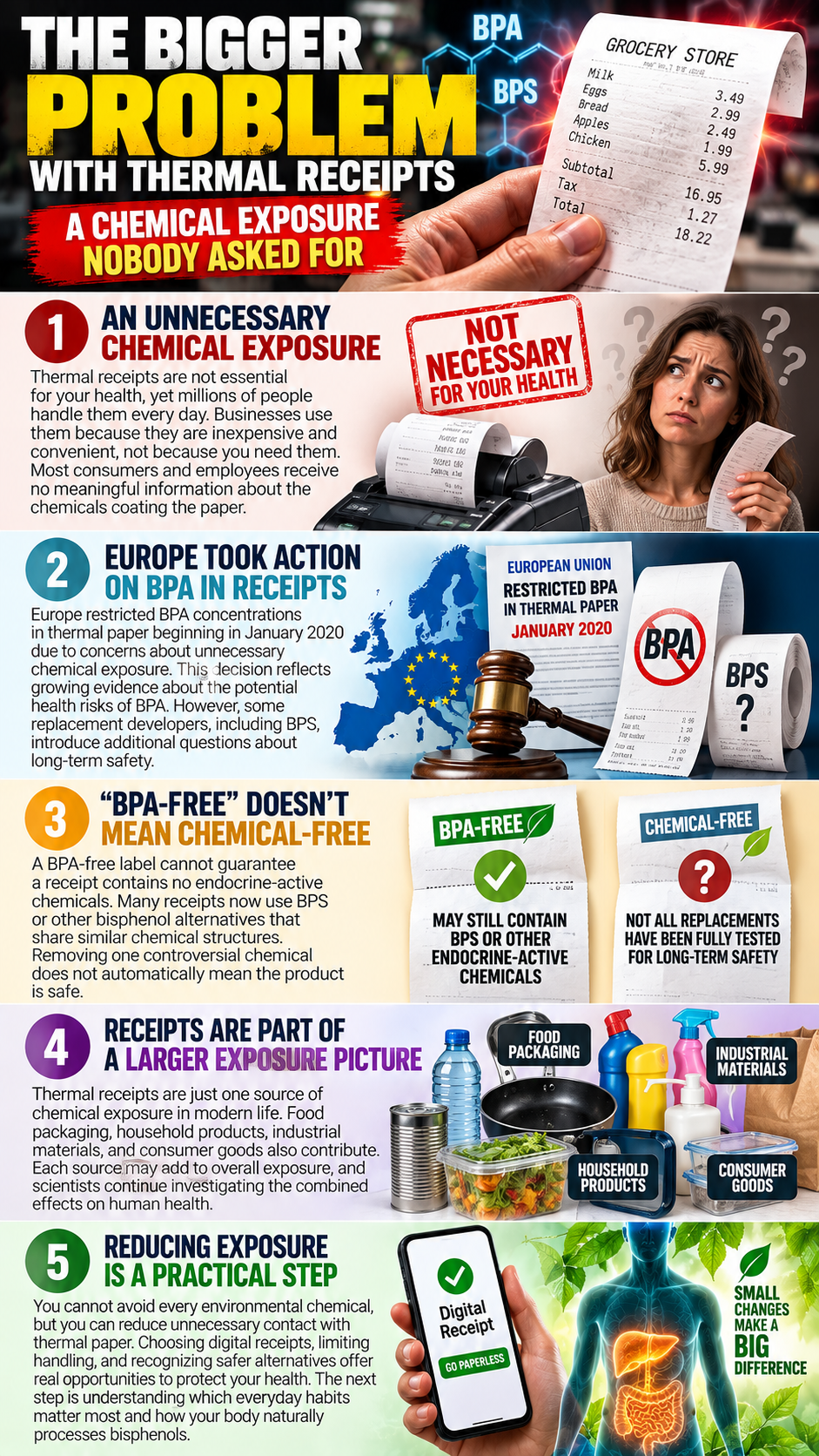
A BPA-free label therefore cannot guarantee that a receipt contains no endocrine-active chemicals. Consumers must distinguish the removal of one compound from comprehensive evidence of product safety.
Ultimately, receipts illustrate a larger environmental health challenge. Modern life introduces numerous chemical exposures through food packaging, household products, industrial materials, and consumer goods. Each source may contribute differently to overall exposure, and scientists continue investigating their combined biological significance.
Reducing unnecessary contact with thermal paper offers one manageable opportunity to limit exposure. The next step involves understanding which everyday habits matter most, how to recognize safer alternatives, and how the body naturally processes bisphenols.
The Hidden Cost of Convenience: Taking Control of Everyday Chemical Exposure
Every day, the human body encounters chemicals that previous generations rarely experienced. Some arrive through food packaging, household products, drinking water, and polluted air. Others enter our lives through seemingly harmless objects, including the receipts we collect without a second thought.
The problem extends beyond the presence of BPA and BPS in thermal paper. Repeated exposure creates opportunities for these chemicals to interact with biological systems that regulate metabolism, reproduction, and development. Scientists continue investigating the health consequences of these interactions, particularly during sensitive developmental periods.
Fortunately, reducing exposure does not require abandoning modern conveniences or purchasing expensive detoxification programs. Meaningful prevention begins by identifying unnecessary chemical contact and eliminating it wherever practical. This approach addresses exposure at its source rather than relying on treatments after chemicals enter the body.
A functional approach to environmental health recognizes that prevention, metabolism, nutrition, and lifestyle habits work together. Understanding these connections empowers families to make informed decisions without becoming overwhelmed by every potential environmental hazard.
Digital Receipts: Eliminating Exposure Before It Begins
The simplest way to avoid BPA and BPS from thermal receipts involves declining unnecessary paper altogether. Electronic receipts provide transaction records without requiring contact with chemically coated paper. Many retailers already offer email receipts, digital purchase histories, and electronic payment confirmations.
Consider how frequently an average household encounters receipts throughout a typical week. Grocery stores, restaurants, pharmacies, coffee shops, and gas stations generate numerous opportunities for contact. Choosing electronic records at these locations can eliminate a recurring source of thermal-paper exposure.
Research examining chemical developers in American receipts has found that BPS remains a prominent replacement for BPA. Although non-bisphenol alternatives have become more common, chemical composition varies considerably among businesses.
For households, digital receipts also simplify recordkeeping and reduce paper accumulation. Consumers concerned about sharing personal information can decline unnecessary receipts or use existing digital transaction histories. These small adjustments reduce exposure without disrupting daily routines.
Hand Hygiene: Preventing Chemical Transfer Into Food
The connection between thermal receipts and food handling deserves particular attention. Chemicals from receipt coatings can transfer onto fingers and potentially reach food during eating or preparation. This pathway matters because ingestion introduces substances directly into the digestive system.
Research has investigated how certain hand sanitizers influence BPA exposure after handling thermal receipts. Scientists observed increased chemical transfer and absorption under specific experimental conditions. The findings suggest that some skin-care formulations can alter how chemicals move across the skin.
Washing hands with soap and water after handling receipts provides a practical precaution. This habit becomes especially valuable before preparing meals, handling produce, or eating finger foods. Clean, dry hands also help limit opportunities for transferring residues onto food.
Alcohol-based sanitizers remain important for infection prevention when soap and water are unavailable. However, avoiding receipt handling immediately after applying certain sanitizers may help reduce chemical transfer. The objective is not abandoning effective hygiene but separating unnecessary chemical contact from routine hand cleaning.
Protecting Children and Pregnant Women From Unnecessary Exposure
Developing bodies deserve particular attention because hormones coordinate essential stages of growth and organ development. During pregnancy, hormonal signals help guide fetal development, tissue differentiation, and neurological maturation. Researchers therefore investigate whether endocrine-active chemicals have different effects during these sensitive periods.
Children also exhibit behaviors that increase opportunities for environmental exposure. Young children frequently touch objects and place their fingers near their mouths. Allowing a toddler to play with thermal receipts introduces contact that serves no meaningful purpose.
Parents can reduce this exposure by keeping receipts away from children’s hands, toys, and food. Pregnant individuals can choose digital receipts and minimize unnecessary handling whenever convenient. These precautions involve little sacrifice while addressing a plausible exposure pathway.
Importantly, occasional receipt contact does not establish a risk of miscarriage, infertility, or developmental disease. Scientists have not demonstrated that brief receipt handling causes these outcomes. Precautionary decisions should reflect biological plausibility without exaggerating the certainty of human evidence.
Supporting the Liver: Understanding How the Body Processes BPA
The liver plays a central role in processing many environmental chemicals, including BPA. After ingestion, enzymes convert much of the absorbed BPA into more water-soluble metabolites. This process, known as glucuronidation, helps prepare the compound for elimination through urine.
Human pharmacokinetic studies indicate that the body eliminates much of an ingested BPA dose relatively quickly. Controlled research has documented substantial urinary elimination within approximately 24 hours. However, metabolism following skin exposure may differ from metabolism after ingestion.
These findings challenge the popular belief that BPA necessarily accumulates indefinitely inside human tissues. Repeated exposure remains relevant because new contact can occur before previous exposure has completely cleared. Consequently, reducing incoming exposure offers a more dependable strategy than attempting to accelerate elimination.
Supporting normal liver health begins with adequate nutrition, regular physical activity, and limiting excessive alcohol consumption. Sufficient protein provides amino acids needed for numerous metabolic processes, including normal enzyme production. Vegetables, fruits, and other nutrient-rich foods supply vitamins and minerals that support overall physiological function.
No clinical evidence demonstrates that commercial liver cleanses, juice detoxes, or supplement combinations reliably remove BPA from human tissues. The liver already possesses sophisticated metabolic systems, and healthy habits help maintain their normal operation. Reducing exposure remains the most direct intervention.
Gut Health, Fiber, and the Body’s Natural Elimination Pathways
The digestive system contributes to chemical processing through absorption, metabolism, and waste elimination. Some compounds undergo transformations within intestinal tissues, while others enter circulation and reach the liver. Gut microorganisms may also influence how certain environmental chemicals behave within the digestive tract.
Researchers increasingly investigate interactions between bisphenols and the intestinal microbiome. Experimental studies suggest that particular exposures can alter microbial communities under certain conditions. Nevertheless, scientists have not established that ordinary receipt exposure causes clinically meaningful microbiome damage.
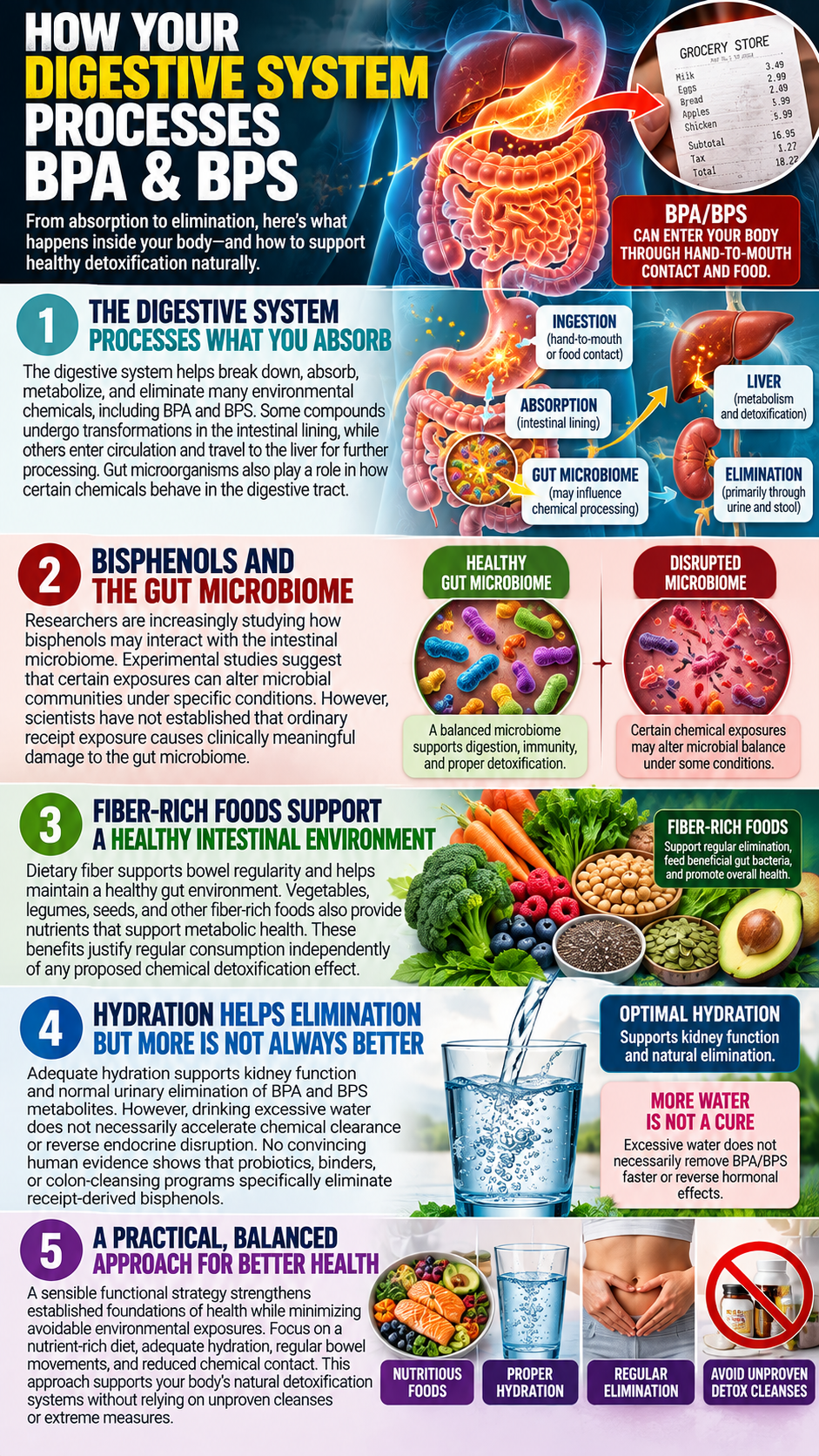
Dietary fiber supports bowel regularity and helps maintain a healthy intestinal environment. Vegetables, legumes, seeds, and other fiber-rich foods also contribute nutrients that support metabolic health. These benefits justify regular consumption independently of any proposed chemical detoxification effect.
Adequate hydration supports kidney function and normal urinary elimination. However, drinking excessive water does not necessarily accelerate BPA clearance or reverse endocrine disruption. Similarly, no convincing human evidence shows that probiotics, binders, or colon-cleansing programs specifically eliminate receipt-derived bisphenols.
A sensible functional strategy strengthens established foundations of health while minimizing avoidable environmental exposures. It does not require attributing every digestive complaint to chemicals or prescribing unsupported detoxification treatments.
BPA-Free Is Not Always Bisphenol-Free: Choosing Safer Alternatives
Manufacturers increasingly advertise receipt paper as BPA-free, but that label provides incomplete information. Some products replace BPA with BPS, another compound exhibiting endocrine activity in experimental research. Other manufacturers use non-bisphenol developers or different printing technologies.
Environmental agencies recommend electronic receipts and identify phenol-free alternatives for businesses requiring paper records. Certain products use vitamin C-based developers, while others employ alternative printing systems. These technologies can reduce reliance on BPA and BPS, although alternative chemicals still warrant appropriate safety evaluation.
Consumers can ask retailers whether their receipt paper contains BPA, BPS, or other phenolic developers. Business owners can request chemical specifications from paper suppliers before purchasing replacement rolls. Clear purchasing standards offer greater protection than relying exclusively on reassuring marketing language.
Thermal receipts also create environmental concerns after disposal. Recycling processes may transfer chemical developers into wastewater or recycled paper products. Following local waste-management guidance can help prevent unnecessary contamination of recycling streams.
Protecting Workers Who Handle Hundreds of Receipts
For cashiers and restaurant employees, thermal-paper exposure represents an occupational issue rather than an occasional inconvenience. Repeated handling creates more opportunities for chemical transfer throughout a workday. Employees may also encounter additional exposure through food packaging and other consumer materials.
Businesses can reduce contact by adopting digital transactions, offering phenol-free paper, and limiting unnecessary printing. Protective fingertips or suitable gloves may help employees who frequently change receipt rolls. Regular handwashing and separating receipt handling from food preparation provide additional safeguards.
Employers should also consider the needs of pregnant workers and employees with particularly frequent contact. Occupational exposure assessments can identify practical improvements without assuming that every worker faces the same risk. The most effective workplace strategy reduces exposure before relying on individual protective behavior.
The Bigger Lesson: Prevention Is More Powerful Than Reaction
Environmental health rarely depends on one chemical, one product, or one isolated exposure. Daily habits create patterns that influence the substances people encounter throughout their lives. Thermal receipts represent one preventable contribution to that larger exposure picture.
The scientific evidence supports reducing unnecessary contact with BPA-containing thermal paper. Research also raises legitimate questions about BPS and certain replacement chemicals. However, the magnitude of disease risk from ordinary receipt handling remains uncertain.
Families can act without waiting for every scientific question to reach a final answer. Digital receipts, careful food handling, appropriate hygiene, and informed purchasing decisions provide realistic opportunities to reduce exposure. Healthy nutrition and lifestyle habits support normal physiological function without requiring unproven detoxification promises.
Ultimately, protecting health means recognizing where unnecessary exposures originate and making thoughtful decisions to limit them. The next time a cashier offers a receipt, consider what that small piece of paper represents. A simple decision to decline it can eliminate one avoidable chemical contact from your day.
The most effective response to unnecessary chemical exposure begins before the chemical enters your body. Prevention may lack the glamour of elaborate detoxification programs, but it offers something more valuable: a practical strategy grounded in exposure science.