
The Body Begins to Betray You Long Before the Mirror Reveals It
The first warning rarely arrives as a medical diagnosis. Instead, it appears during the ordinary moments of everyday life. A suitcase feels heavier than it did five years ago. Climbing stairs requires an unexpected pause halfway up. Getting off the floor after playing with grandchildren suddenly demands a nearby chair for support. Even opening a stubborn jar becomes an exercise in frustration.
Most adults dismiss these changes as inevitable consequences of getting older. They assume strength naturally disappears with age, just as hair turns gray and skin develops wrinkles. Yet beneath these seemingly harmless inconveniences, a profound biological transformation may already be underway. The body could be losing one of its most valuable metabolic resources: skeletal muscle.
This loss involves far more than shrinking arms or weakening legs. Muscle tissue helps regulate blood sugar, supports metabolic flexibility, stabilizes joints, and protects physical independence. It also provides essential amino acid reserves during illness, injury, and recovery. As muscle deteriorates, the consequences can reach nearly every major system responsible for maintaining health.
What makes this problem especially dangerous is its remarkable ability to remain hidden. Someone can maintain the same body weight for decades while progressively losing muscle and accumulating fat. Their physician may see little change on the scale, and routine bloodwork may reveal no obvious warning. Meanwhile, strength, insulin sensitivity, and physical resilience can quietly decline.
For adults over 50, this raises an uncomfortable question that deserves serious attention. Are the foods you eat actually providing enough protein to protect your muscles? Or have decades of conventional dietary habits left your body struggling to maintain the very tissue that supports healthy aging?
Sarcopenia: The Silent Erosion of Your Body’s Strength
Scientists use the term sarcopenia to describe a progressive skeletal muscle disorder involving declining strength and muscle quantity or quality. The condition commonly develops with aging, although inactivity, chronic disease, and inadequate nutrition can accelerate its progression. Unlike the sudden weakness accompanying an injury, sarcopenia often advances gradually. Many people recognize the damage only after everyday activities become noticeably more difficult.
Muscle deterioration can begin during early adulthood, especially among individuals who abandon regular physical activity. After 50, age-related changes in muscle protein metabolism can make preservation increasingly challenging. By the seventh and eighth decades, these accumulated changes may significantly affect mobility, balance, and independence. However, individual trajectories vary enormously, and resistance training can meaningfully alter them.
The consequences extend beyond reduced athletic performance or physical appearance. Weak leg muscles make standing, walking, and climbing stairs more difficult. Declining muscular power can impair balance and increase vulnerability to falls. When weakness combines with osteoporosis, the consequences of a fall may become especially serious.
Muscle loss also creates a dangerous cycle of inactivity. As movement becomes difficult, people naturally begin avoiding demanding activities. Reduced movement then provides fewer signals for muscles to maintain their strength and size. Over time, this cycle can transform manageable weakness into significant physical disability.
Perhaps the greatest misconception surrounding sarcopenia is that aging makes it unavoidable. Age influences muscle biology, but lifestyle strongly affects the rate of decline. Nutrition, resistance exercise, illness, and recovery all help determine whether muscle remains functional. Understanding these influences begins with examining what muscle actually does inside the body.
Your Muscles Are a Metabolic Organ, Not Just a Movement System
Most people view skeletal muscle as the machinery responsible for lifting, walking, and maintaining posture. However, muscle also functions as a major metabolic tissue that participates in regulating blood glucose and energy use. Its importance becomes particularly apparent after meals, when the body must manage incoming nutrients. Healthy skeletal muscle provides a substantial destination for circulating glucose.
Insulin helps facilitate glucose uptake into muscle cells, where the body can use or store that energy. Regular muscular activity improves this process through several complementary physiological mechanisms. Exercise also stimulates glucose uptake through pathways that do not depend entirely on insulin. These adaptations help explain why physical activity plays such an important role in metabolic health.
When muscle mass declines alongside physical inactivity, glucose regulation may become less efficient. Excess body fat, chronic inflammation, and insulin resistance can further complicate this relationship. The result may contribute to a metabolic environment associated with type 2 diabetes and cardiovascular disease. Muscle loss does not independently cause every metabolic disorder, but it can reduce the body’s metabolic resilience.
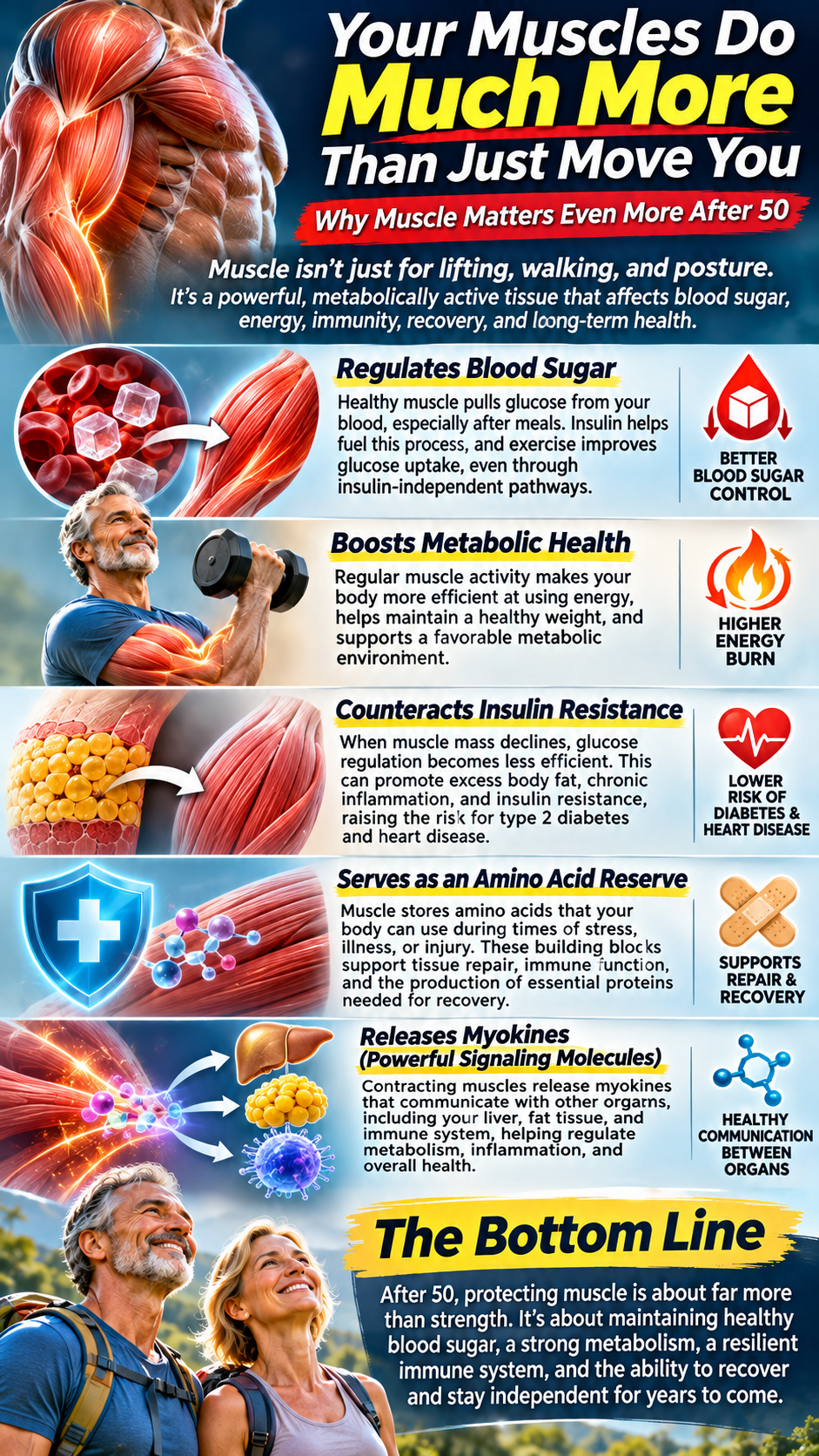
Muscle also acts as an amino acid reservoir during periods of physiological stress. During serious illness, the body may break down muscle proteins to obtain materials needed elsewhere. These amino acids contribute to numerous processes, including tissue repair and the production of essential proteins. Individuals entering illness with poor muscle reserves may face additional challenges during recovery.
Researchers have also discovered that contracting muscles release signaling molecules called myokines. These molecules participate in communication between skeletal muscle and other tissues, including fat, liver, and immune cells. Their effects vary depending on the molecule, exercise conditions, and individual physiology. Nevertheless, this research reveals that muscle serves functions extending far beyond mechanical strength.
Protecting muscle after 50 therefore means protecting a vital component of metabolic and functional health. The question becomes why maintaining this tissue grows increasingly difficult with age.
Anabolic Resistance: When Aging Muscles Stop Listening to Protein
Every day, your body performs an extraordinary balancing act between destroying old proteins and constructing new ones. Scientists call these processes muscle protein breakdown and muscle protein synthesis. When synthesis keeps pace with breakdown, muscle tissue can maintain its structure and function. When breakdown consistently exceeds synthesis, muscle gradually disappears, even without obvious changes in body weight.
During younger adulthood, consuming protein generally produces a strong anabolic response within skeletal muscle. Digestive processes release amino acids, which enter circulation and become available for tissue maintenance. Specialized cellular pathways recognize these nutrients and help stimulate new protein production. Resistance exercise further strengthens this response by signaling that muscles must adapt to physical demands.
Aging changes this biological conversation through a phenomenon known as anabolic resistance. Older muscles often respond less vigorously to the same amount of dietary protein. Consequently, a small protein serving may stimulate less muscle protein synthesis than expected. This reduced responsiveness can become especially problematic when meals contain inadequate essential amino acids.
Leucine, an essential amino acid, plays an important role in activating muscle-building pathways, including mTORC1. Foods such as eggs, beef, poultry, fish, and soy provide leucine alongside other essential amino acids. However, leucine alone cannot build complete muscle proteins without sufficient additional amino acids. Muscle preservation requires adequate protein quality, total intake, and physical stimulation working together.
Anabolic resistance also reflects more than advancing birthdays. Sedentary behavior, prolonged bed rest, inflammation, and certain metabolic disorders can worsen muscular responsiveness. Conversely, resistance training improves the body’s ability to use dietary protein for muscle remodeling. The underlying problem involves both inadequate nutritional signals and insufficient mechanical demands.
The Protein Gap: Are Standard Dietary Recommendations Leaving Older Adults Behind?
For decades, Americans have encountered a familiar protein recommendation: 0.8 grams per kilogram of body weight daily. This Recommended Dietary Allowance aims to meet the basic requirements of nearly all healthy adults. However, meeting basic nutritional needs does not necessarily maximize muscle preservation during aging. That distinction becomes increasingly important when physical strength and independence begin declining.
Consider a 180-pound adult consuming approximately 65 grams of protein daily under the standard RDA. Expert groups studying older adults have recommended higher amounts for many individuals, particularly after 65. The PROT-AGE and ESPEN groups recommend approximately 1.0–1.2 grams per kilogram for generally healthy older adults. Physically active individuals may benefit from higher intakes, depending on their circumstances.
At 180 pounds, consuming 1.2 grams per kilogram requires approximately 98 grams of protein daily. An intake of 1.5 grams per kilogram increases that figure to approximately 122 grams. These differences can meaningfully change how someone plans breakfast, lunch, and dinner. Nevertheless, higher protein targets require individual consideration, particularly when kidney disease or other medical conditions affect nutritional requirements.
Many adults never calculate their daily protein consumption because their attention remains focused on calories. Breakfast might consist of cereal and fruit, while lunch features soup, crackers, or a salad. Dinner finally delivers a substantial serving of chicken, fish, or beef. Although these meals may provide sufficient energy, they can fall short of optimal protein intake.
The problem becomes more pronounced when appetite declines or restrictive diets eliminate major protein sources. Someone attempting rapid weight loss may unintentionally reduce both calories and essential amino acids. Without sufficient resistance exercise, this nutritional shortfall can accelerate muscle loss. The resulting weakness may undermine the very metabolic health that weight reduction intended to improve.
The Dangerous Connection Between Muscle Loss, Insulin Resistance, and Belly Fat
Muscle deterioration frequently develops alongside another concerning change: increasing abdominal fat. A person may notice a widening waistline despite maintaining relatively stable body weight. This combination can reflect declining lean mass alongside increasing fat accumulation. Researchers sometimes describe the coexistence of excess adiposity and impaired muscle health as sarcopenic obesity.
Visceral fat, which accumulates around internal abdominal organs, carries particular metabolic significance. Excess visceral adiposity associates with insulin resistance, altered lipid metabolism, and inflammatory signaling. When these changes coexist with inactivity and declining muscle function, metabolic regulation can become increasingly difficult. The relationship is complex, with several processes reinforcing one another.
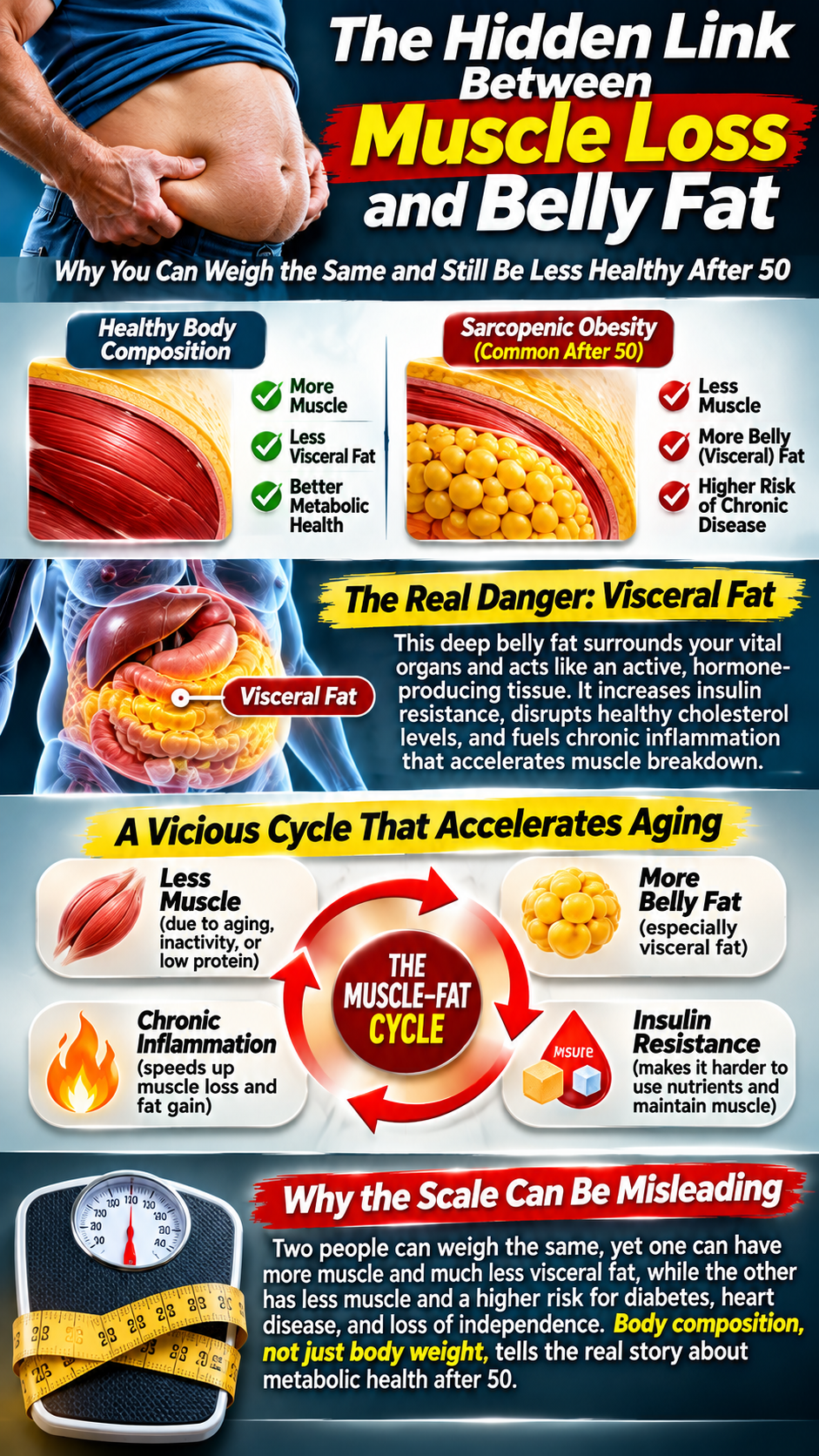
Insulin resistance can also interfere with the normal anabolic effects of nutrients under certain conditions. Meanwhile, declining muscular activity reduces opportunities for glucose disposal and metabolic adaptation. Chronic inflammatory disease may further promote muscle breakdown through changes in cellular signaling. Together, these influences can create an environment that favors fat accumulation and functional deterioration.
This explains why scale weight alone provides an incomplete picture of aging-related metabolic health. Two individuals may weigh exactly the same while possessing dramatically different muscle and fat distributions. Their strength, physical endurance, and metabolic risk profiles may differ substantially. Evaluating body composition and functional capacity therefore offers information that ordinary weight measurements cannot provide.
Chronic Inflammation, Hormonal Changes, and the Accelerating Loss of Strength
Muscle preservation becomes more difficult when persistent inflammation disrupts normal tissue maintenance. Inflammatory signaling molecules can influence muscle protein metabolism, particularly during chronic illness or prolonged physiological stress. Conditions involving significant systemic inflammation may increase muscle breakdown and reduce physical performance. However, inflammation represents one contributing mechanism rather than a universal explanation for age-related weakness.
Hormonal changes also influence the muscular environment as people grow older. Declining testosterone, estrogen, and other hormonal signals can affect body composition and tissue maintenance. These changes interact with nutrition, activity, sleep, and underlying medical conditions. Hormonal decline alone does not explain every case of sarcopenia, nor does it automatically justify hormone replacement.
The nervous system contributes another overlooked dimension of muscular aging. Motor neurons activate muscle fibers, coordinate contractions, and help generate physical force. Age-related changes in motor units can reduce muscular power even before dramatic tissue loss occurs. Consequently, maintaining muscle size does not guarantee preservation of strength or coordination.
These overlapping mechanisms reveal why simply consuming more protein cannot solve every case of muscle deterioration. The body needs appropriate nutrients, meaningful physical challenges, and sufficient recovery to maintain functional tissue. Identifying chronic illness, nutritional deficiencies, or neurological dysfunction may also prove necessary. Effective muscle preservation requires understanding the biological obstacles rather than treating aging as a single disease.
The Real Cost of Losing Muscle After 50
The greatest danger of muscle loss is not an unfavorable reflection in the mirror. It is the gradual erosion of the physical abilities that make independent living possible. Weakness can transform ordinary household activities into exhausting challenges and increase vulnerability during illness. Over time, reduced mobility may further accelerate inactivity, frailty, and declining quality of life.
Yet this trajectory is not predetermined. Research supports combining adequate dietary protein with regular resistance exercise to maintain muscle function during aging. Nutritional requirements differ among individuals, but preserving strength deserves greater attention than scale weight alone. The central question is whether daily habits provide enough nourishment and stimulation to protect the body’s muscular foundation.
Understanding these mechanisms changes how we should approach nutrition after 50. Protein becomes more than another number on a food label. It represents an essential resource for preserving metabolic health, physical capability, and resilience. Combined with appropriate movement, it can help older adults resist aspects of the decline often attributed entirely to age.
The Muscle Recovery Equation: Why Eating More Protein Is Only the Beginning
The human body possesses an extraordinary ability to repair, rebuild, and adapt throughout life. Even after 50, muscle tissue responds to nutritional improvements, physical challenges, and better recovery habits. However, aging changes the biological conditions required for these adaptations. What once happened almost effortlessly now demands greater attention to how the body receives and utilizes nutrients.
Consider an older adult who increases protein consumption but continues spending most of the day sitting. Additional amino acids enter circulation, providing essential materials for muscle repair and maintenance. Yet without regular muscular contractions, the body receives fewer signals to strengthen existing tissue. Protein alone cannot fully compensate for a lifestyle that continually tells muscles they are unnecessary.
The opposite situation creates another nutritional problem. Someone begins exercising aggressively while consuming insufficient protein, calories, and essential nutrients. Their muscles experience increased mechanical demands without adequate resources to support recovery. Over time, this imbalance may contribute to fatigue, disappointing strength gains, and unnecessary muscle loss.
The solution requires understanding that muscle preservation depends on several interconnected biological processes. Adequate protein provides essential amino acids, while resistance exercise stimulates muscle protein synthesis. Sufficient calories support tissue remodeling, and restorative sleep helps regulate recovery. Metabolic health and the management of underlying illness further influence how effectively these systems function.
Rather than searching for one miracle supplement, adults over 50 should focus on rebuilding this physiological foundation. The objective involves creating an internal environment that consistently supports muscle maintenance. That process begins with correcting one of the most overlooked nutritional mistakes associated with aging.
Reconsidering Protein Requirements After 50
For decades, the standard adult protein recommendation has remained approximately 0.8 grams per kilogram of body weight daily. This Recommended Dietary Allowance represents a baseline designed to prevent inadequacy in nearly all healthy adults. However, preventing protein deficiency differs from optimizing muscle preservation during aging. Older muscles often require a stronger nutritional stimulus because their response to dietary amino acids becomes less efficient.
Researchers describe this phenomenon as anabolic resistance, a reduced muscle-building response to ordinary protein servings. Consequently, many nutrition experts recommend higher protein intakes for healthy older adults. A practical range of approximately 1.2–1.6 grams per kilogram may support muscle maintenance and resistance-training adaptations. Individual needs still depend on physical activity, body composition, medical history, and total energy intake.
For a 160-pound adult, this range translates to approximately 87–116 grams of protein daily. Someone weighing 190 pounds might target approximately 103–138 grams under similar circumstances. These amounts can appear surprisingly high to people accustomed to light breakfasts and carbohydrate-heavy lunches. However, distributing protein strategically makes these targets easier to achieve without excessive portions.
More protein does not automatically mean better results. Adults with chronic kidney disease may require different targets based on kidney function and nutritional status. Those carrying substantial excess body fat may also benefit from adjusted-weight calculations rather than using actual body weight. The goal involves meeting physiological needs, not consuming the largest possible quantity.
Protein Quality: The Missing Link Between Eating and Building Muscle
Protein quantity matters, but amino acid composition influences how effectively the body can use it. Skeletal muscle requires all nine essential amino acids to construct new muscle proteins. Because humans cannot manufacture these nutrients in adequate amounts, food must provide them. A diet lacking sufficient essential amino acids may limit muscle protein synthesis despite containing substantial total calories.
Leucine plays a particularly important role in activating cellular pathways associated with muscle growth. It helps stimulate mTORC1, a signaling complex involved in regulating protein synthesis. Eggs, poultry, beef, fish, dairy, and soy provide leucine alongside other essential amino acids. However, leucine cannot independently build muscle without sufficient quantities of the remaining amino acids.
Protein digestibility introduces another important consideration. Animal-derived proteins generally provide highly digestible essential amino acids in concentrated servings. Soy foods and carefully planned combinations of other plant proteins can also support muscle maintenance. Individuals following plant-based diets may need larger portions or greater protein variety to meet equivalent amino acid requirements.
Whole-food protein sources offer nutritional advantages beyond their amino acid content. Fish provides omega-3 fatty acids, while eggs supply choline and several essential micronutrients. Meat contributes vitamin B12, zinc, and highly bioavailable iron, although nutrient concentrations vary by food. Selecting varied protein sources helps support overall nutritional adequacy while meeting muscle-preservation goals.
The objective is not to declare one protein source universally superior. Instead, adults should consistently consume enough digestible protein and essential amino acids to support their individual requirements.
The At-Home Muscle Restoration Plan: Turning Nutrition Into Lasting Strength
Understanding muscle biology becomes valuable only when that knowledge changes everyday behavior. Fortunately, meaningful improvements do not require expensive equipment, complicated meal plans, or extreme dietary restrictions. A deliberate approach to food, movement, and recovery can address several major contributors to age-related muscle decline. The following strategies provide a practical foundation for protecting muscle after 50.
Rebuild Breakfast Around Protein Instead of Sugar and Starch
Breakfast represents one of the easiest opportunities to improve daily protein intake. Unfortunately, many traditional breakfast foods provide abundant carbohydrates while delivering relatively few essential amino acids. Toast, cereal, pastries, and fruit may supply energy without meaningfully supporting muscle protein synthesis. This imbalance becomes increasingly relevant when older muscles respond less efficiently to smaller protein servings.
A more supportive breakfast begins with a substantial source of high-quality protein. Three large eggs provide approximately 19 grams, while additional turkey or salmon can increase the meal’s protein content. Someone avoiding animal products might choose tofu, tempeh, or a protein-rich soy preparation. These combinations can help establish a meaningful amino acid supply early in the day.
Breakfast does not need to exclude carbohydrates to support muscle health. Berries, vegetables, and other fiber-rich foods can complement protein while providing valuable nutrients. The central objective involves replacing nutritionally incomplete meals with balanced combinations that support metabolic function. Consistency matters more than following a rigid dietary formula.
Make Every Meal an Opportunity for Muscle Maintenance
Many adults unknowingly concentrate most of their daily protein into dinner. Breakfast might contain fewer than ten grams, while lunch provides another fifteen. Dinner then becomes the only substantial source of essential amino acids. This pattern can make it difficult to meet daily protein requirements consistently.
A practical alternative involves distributing protein across two or three substantial meals. Someone targeting 120 grams daily might consume approximately 40 grams at each of three meals. This approach provides repeated opportunities to stimulate muscle protein synthesis throughout the day. Nevertheless, total daily intake remains the most important nutritional priority.
Meal frequency should also reflect appetite, digestion, and personal preferences. Individuals practicing intermittent fasting can meet protein requirements within shorter eating windows. However, consuming adequate protein becomes more challenging when only one or two meals are available. Older adults experiencing poor appetite or unintended weight loss may benefit from a less restrictive schedule.
The most effective eating pattern provides sufficient nutrition without creating unnecessary stress or discomfort.
Challenge Your Muscles Before They Forget How to Work
Muscles respond to the physical demands placed upon them. When everyday activity requires little strength, the body receives fewer signals to maintain muscular capacity. Prolonged inactivity can accelerate declines in muscle size, strength, and physical endurance. Resistance exercise interrupts this process by creating a meaningful stimulus for muscular adaptation.
Begin with movements that strengthen the major muscle groups used throughout daily life. Chair squats develop lower-body strength, while supported step-ups challenge the legs and hips. Resistance-band rows strengthen the upper back, and wall push-ups provide accessible upper-body training. These exercises can form the foundation of an effective home routine.
Two or three weekly sessions provide a reasonable starting point for many adults. Each movement should feel challenging while allowing controlled technique and comfortable breathing. As strength improves, gradually increase repetitions, resistance, or exercise difficulty. This progressive overload encourages continued adaptation rather than allowing muscular capacity to stagnate.
Walking, cycling, and swimming provide additional cardiovascular benefits, but they cannot fully replace resistance training. Muscles require sufficient mechanical tension to maximize strength improvements. Individuals with significant frailty, balance problems, or medical limitations should seek appropriate exercise guidance. The goal involves developing sustainable strength rather than pursuing exhaustion.
Stop Sacrificing Muscle in the Pursuit of Weight Loss
Weight loss becomes increasingly complicated when adults overlook the distinction between fat and muscle. A shrinking waistline may reflect beneficial fat reduction, but declining scale weight can also include lean tissue. Severe calorie restriction increases this concern, particularly when protein intake remains inadequate. Without resistance training, the body may lose muscle that becomes difficult to rebuild.
A better strategy emphasizes gradual fat reduction while protecting functional strength. Adequate dietary protein helps provide the amino acids needed during calorie restriction. Resistance exercise supplies the mechanical stimulus that encourages muscle preservation. Together, these strategies can improve body composition more effectively than dieting alone.
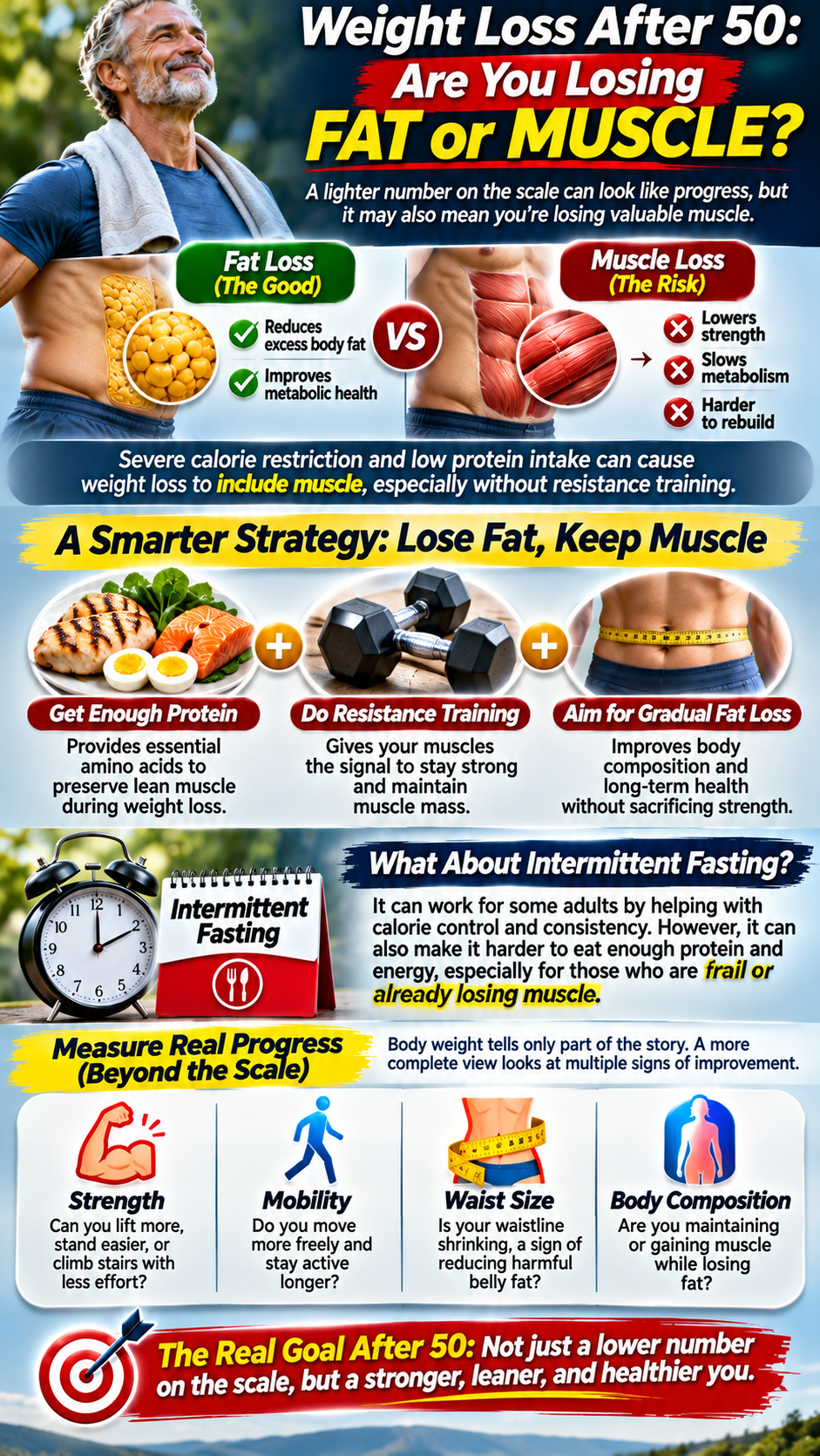
Intermittent fasting requires similar consideration. Some adults find structured eating windows helpful for managing calorie intake and dietary consistency. Others struggle to consume sufficient protein and energy within limited meal periods. Extended fasting may be particularly unsuitable for frail individuals or those already losing muscle unintentionally.
The scale should never become the sole measure of progress. Strength, mobility, waist circumference, and body composition provide a more complete picture of physical improvement. A person who maintains muscle while reducing excess fat may achieve better long-term functional outcomes. Protecting metabolic health requires more than simply becoming lighter.
Investigate Digestive Problems That Interfere With Nutrition
Eating sufficient protein does not guarantee adequate nutritional status when significant digestive disorders interfere with absorption. The stomach and pancreas help break dietary proteins into smaller components. The small intestine then absorbs amino acids and peptides for use throughout the body. Disruptions involving these processes can contribute to nutritional deficiencies and unintended weight loss.
Conditions such as celiac disease, pancreatic insufficiency, and certain intestinal disorders can impair nutrient absorption. Persistent diarrhea, unexplained weight loss, or ongoing abdominal discomfort may signal the need for evaluation. However, ordinary bloating does not automatically indicate inadequate stomach acid or digestive enzyme production. Accurate assessment prevents unnecessary treatments and helps identify the actual cause.
At home, individuals can begin by choosing tolerable protein sources and eating at a comfortable pace. Smaller, more frequent meals may help when appetite or early fullness becomes problematic. Adequate hydration and varied whole foods also support normal digestive function. Persistent symptoms require appropriate investigation rather than relying exclusively on supplements.
Digestive health matters because the body cannot maintain muscle without consistent access to essential nutrients.
Restore Recovery Through Sleep and Nutritional Adequacy
Muscle growth and maintenance continue long after exercise ends. During recovery, the body remodels muscle proteins and adapts to previous physical demands. Poor sleep can undermine exercise performance, appetite regulation, and metabolic health. Repeated sleep restriction may therefore make muscle preservation more difficult.
Most adults should aim for approximately seven to nine hours of sleep nightly. Consistent bedtime routines, reduced evening caffeine, and comfortable sleeping environments can improve sleep quality. Persistent insomnia or symptoms suggesting sleep apnea deserve appropriate evaluation. Restorative sleep supports the broader physiological conditions necessary for healthy aging.
Micronutrient adequacy also deserves attention, especially when weakness accompanies fatigue or poor physical performance. Vitamin D deficiency can contribute to muscle weakness, while inadequate vitamin B12 may affect neurological function. Iron deficiency can impair exercise tolerance, and magnesium participates in normal muscular and nerve activity. Correcting documented deficiencies supports health, although excessive supplementation does not guarantee additional muscle growth.
Recovery also requires sufficient calories to support the body’s ongoing maintenance needs. Chronically undereating can undermine muscle preservation even when protein consumption appears reasonable. A sustainable nutritional strategy must therefore consider the entire diet rather than isolated nutrients.
Measuring Muscle Health: Look Beyond the Bathroom Scale
Body weight provides limited information about muscular health. Someone can maintain the same weight while gradually losing lean tissue and accumulating fat. This change may affect strength and metabolic health without producing an obvious visual warning. Functional measurements offer a more meaningful perspective on the aging process.
Begin by observing everyday activities that require muscular strength. Rising from a chair without assistance, climbing stairs, and carrying groceries can reveal changes in physical capacity. Recording exercise repetitions and resistance levels also helps identify improvements over time. Gradual progress suggests that muscles are adapting to consistent nutritional and mechanical demands.
Clinicians may use grip-strength testing, walking-speed measurements, and chair-stand assessments when evaluating suspected sarcopenia. Body-composition testing can provide additional information about lean tissue and fat distribution. However, no single measurement captures every aspect of muscle function. Combining physical performance with nutritional and medical assessment offers a more complete picture.
Rapidly worsening weakness, unexplained muscle loss, or significant unintended weight reduction requires medical evaluation. These symptoms may reflect underlying conditions that nutrition and exercise alone cannot address. Early identification can help prevent additional functional decline.
The Longevity Advantage: Preserving the Strength to Live Independently
Healthy aging should involve more than extending the number of years a person remains alive. It should preserve the physical capacity to participate meaningfully in those additional years. Muscle strength supports independence through its contributions to mobility, balance, and everyday physical performance. Its metabolic functions also help the body manage nutrients and respond to physiological challenges.
The encouraging reality is that adults can improve strength well beyond their fiftieth birthday. Research demonstrates meaningful responses to resistance training even among much older individuals. Appropriate protein intake can support these adaptations, particularly when previous consumption was inadequate. The combination provides a practical foundation for maintaining functional capacity.
However, muscle preservation does not emerge from a single supplement, restrictive diet, or exercise trend. It develops through consistent habits that reinforce one another over months and years. Protein provides essential building materials, resistance training stimulates adaptation, and adequate recovery supports tissue maintenance. Addressing underlying health conditions helps remove additional barriers to progress.
The most important question after 50 is not whether aging will change the body. Biological change is inevitable, but the degree of functional decline remains influenced by daily decisions. Nourishing muscles and challenging them appropriately can help preserve strength, confidence, and independence. These investments become increasingly valuable with every passing decade.
The true reward of protecting muscle after 50 is not simply looking stronger. It is maintaining the physical freedom to live actively, recover confidently, and remain independent for as long as possible.