The Silent Crisis Behind Modern Medicine
Antibiotics changed medicine forever, yet they created a hidden crisis that few people understand today. These drugs saved lives during severe infections, especially in emergency and hospital settings, yet their widespread use has produced consequences that extend far beyond the original illness. Most people believe antibiotics simply remove harmful bacteria and restore health, but that belief ignores a deeper biological reality that unfolds inside the human body.
The real issue lies in how antibiotics interact with the human microbiome, a vast ecosystem within the gut that governs digestion, immunity, metabolism, and mental clarity. When antibiotics disrupt this ecosystem, they trigger a chain reaction that affects nearly every system in the body. The damage often remains unseen, yet it drives chronic symptoms that people struggle to explain or connect to a past prescription.
Mainstream medicine often focuses on eliminating pathogens quickly, without examining the long-term effects on the body’s internal terrain or resilience. Functional medicine challenges that approach by asking deeper questions about why infections occur and how the body recovers afterward. This difference in perspective reveals why so many people feel worse after repeated antibiotic use despite temporary symptom relief.
Understanding this topic requires a shift in thinking away from symptom suppression and toward restoration of balance. The conversation must move beyond killing bacteria and toward rebuilding the internal environment that sustains health. Only then can lasting healing begin and chronic dysfunction be reversed.
What Is the Microbiome and Why It Matters
The microbiome refers to trillions of microorganisms living inside the human body, primarily within the digestive tract, forming a complex and dynamic ecosystem. These organisms include bacteria, fungi, viruses, and other microbes that coexist in a delicate balance that supports life. This system acts as a command center for many essential biological processes that keep the body functioning properly.
Beneficial bacteria help break down food, absorb nutrients, and produce essential vitamins that the body cannot create on its own. They regulate immune responses and prevent harmful organisms from taking over by competing for space and resources. When this system functions properly, the body operates with efficiency, resilience, and stability across multiple systems.
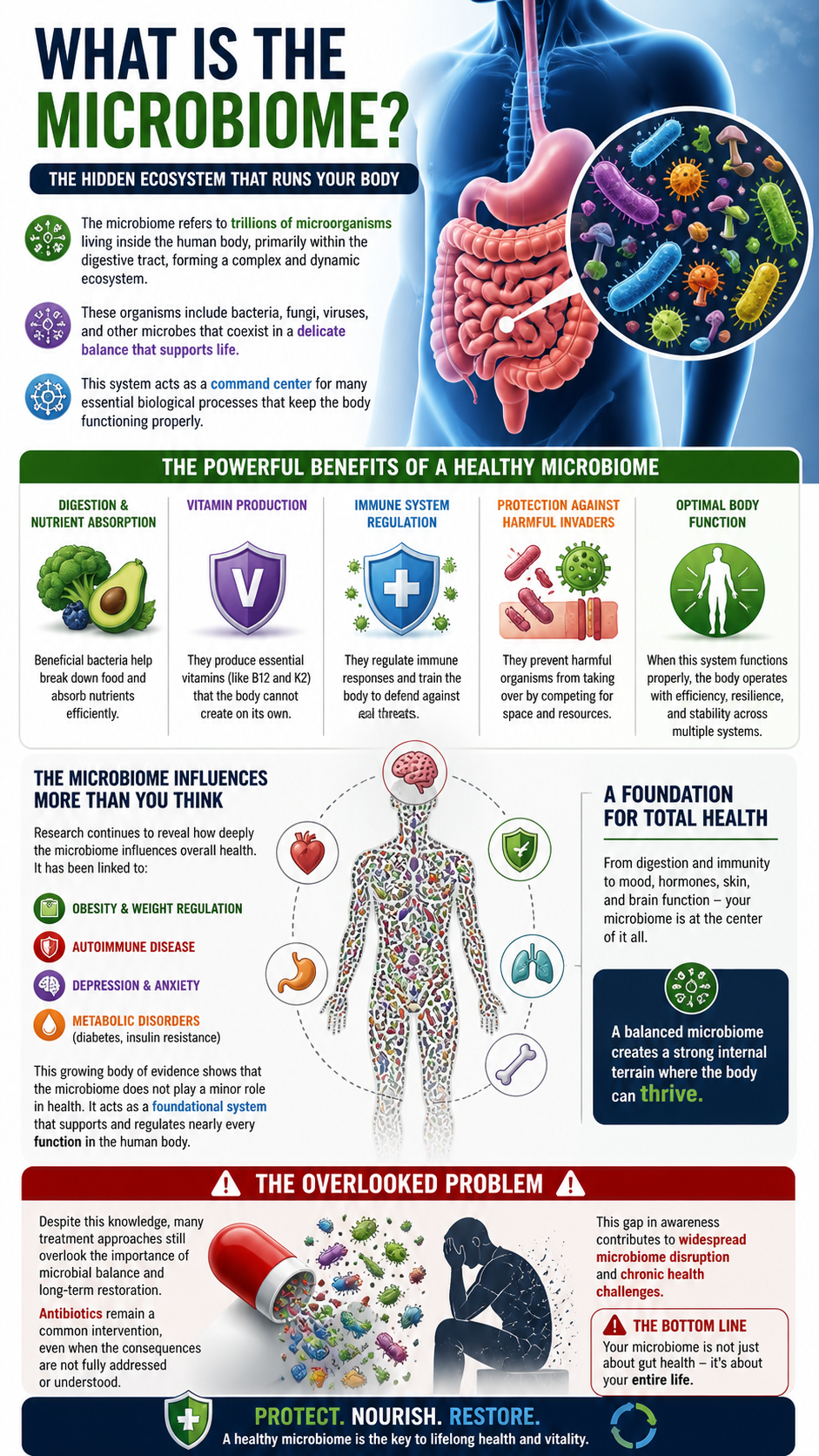
Research continues to reveal how deeply the microbiome influences overall health, with links to obesity, autoimmune disease, depression, and metabolic disorders. This growing body of evidence shows that the microbiome does not play a minor role in health. It acts as a foundational system that supports and regulates nearly every function in the human body.
Despite this knowledge, many treatment approaches still overlook the importance of microbial balance and long-term restoration. Antibiotics remain a common intervention, even when the consequences are not fully addressed or understood. This gap in awareness contributes to widespread microbiome disruption and chronic health challenges.
The True Origin of the Problem
The overuse of antibiotics developed over decades through a combination of medical habits, patient expectations, and pharmaceutical influence. Doctors often prescribe antibiotics quickly to satisfy patient demands or reduce liability concerns. This pattern has become deeply embedded in healthcare systems and continues to shape treatment decisions.
In many cases, antibiotics are prescribed for viral infections where they offer no benefit and no therapeutic advantage. Conditions such as colds, flu, and respiratory infections do not respond to these drugs, yet prescriptions continue at high rates. This unnecessary exposure increases the risk of microbiome damage without providing meaningful results.
Agriculture has also contributed significantly to the problem by introducing antibiotics into the food supply. Livestock producers use antibiotics to promote growth and prevent disease in crowded conditions. These substances enter the human diet through meat and dairy, exposing people to low levels of antibiotics over time.
The cumulative effect of these practices has created a population with weakened microbial ecosystems and reduced resilience. Many individuals experience chronic symptoms without realizing that repeated antibiotic exposure may play a central role. This reality highlights the need for a more intentional and strategic approach to health.
What Antibiotics Do Inside the Body
Antibiotics work by targeting bacterial cells and disrupting their ability to survive, grow, or reproduce effectively. While this mechanism eliminates harmful bacteria, it also affects beneficial species that support health and stability. Most antibiotics cannot distinguish between harmful and beneficial organisms within the body.
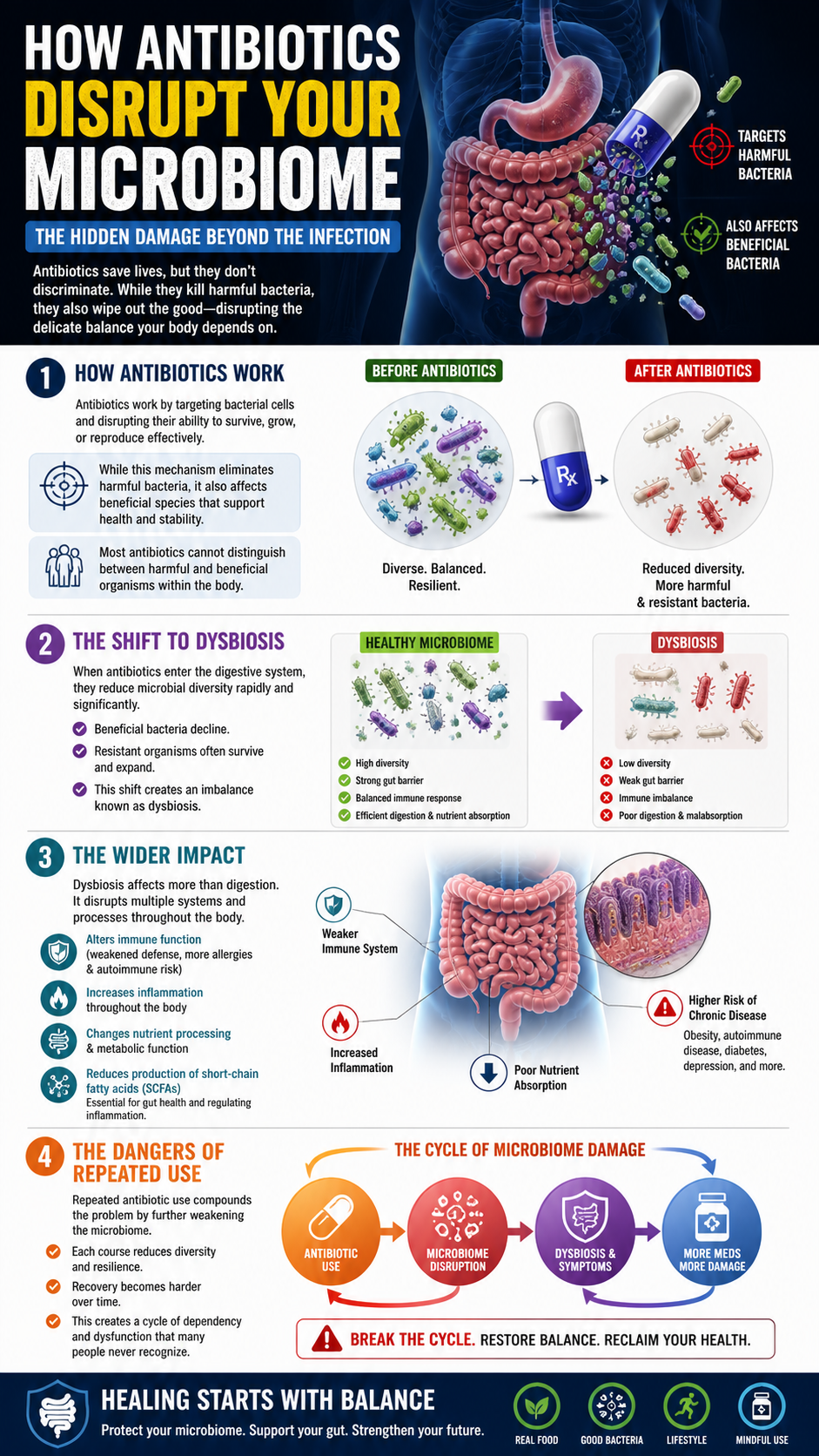
When antibiotics enter the digestive system, they reduce microbial diversity rapidly and significantly. Beneficial bacteria decline, while resistant organisms often survive and expand their presence. This shift creates an imbalance known as dysbiosis, which disrupts normal biological function.
Dysbiosis affects more than digestion because it alters immune function, increases inflammation, and changes nutrient processing. The loss of beneficial bacteria reduces the production of important compounds such as short-chain fatty acids. These compounds play a critical role in maintaining gut health and regulating inflammation.
Repeated antibiotic use compounds the problem by further weakening the microbiome with each exposure. Each course reduces diversity and resilience, making recovery more difficult over time. This pattern creates a cycle of dependency and dysfunction that many people never recognize.
Microbiome Collapse: A Deeper Look
Microbiome collapse occurs when the diversity and stability of the microbial ecosystem break down significantly and persistently. This condition represents more than a temporary imbalance and reflects a deeper disruption in regulation. The body loses one of its primary systems for maintaining equilibrium.
A healthy microbiome contains a wide range of species that work together to maintain balance and resilience. When antibiotics reduce this diversity, the system becomes fragile and vulnerable to disruption. Opportunistic organisms then take advantage of the weakened environment.
This collapse often leads to symptoms that appear unrelated at first and seem difficult to trace back to a cause. Individuals may experience digestive issues, fatigue, skin conditions, and mood disturbances. These symptoms reflect the widespread influence of the microbiome on multiple systems.
Recovery from microbiome collapse requires intentional strategies that support restoration and long-term resilience. Waiting for the body to recover on its own often leads to incomplete healing. A proactive approach creates better outcomes and more stable health.
The Damage to the Gut Barrier
The intestinal lining acts as a protective barrier that controls what enters the bloodstream from the digestive tract. Beneficial bacteria play a key role in maintaining this barrier and supporting its integrity. They help strengthen the lining and prevent harmful substances from passing through.
When antibiotics reduce these beneficial bacteria, the gut barrier weakens and becomes more permeable. This condition allows toxins, undigested food particles, and microbial fragments to enter circulation. The immune system responds to these intrusions with inflammation.
This process contributes to systemic inflammation and can trigger chronic conditions over time. The damage extends beyond the digestive system and affects the entire body. Many health issues begin with this breakdown in barrier function.
Restoring the gut barrier becomes a critical step in rebuilding health after antibiotic use. Without repairing this foundation, other interventions may not produce lasting results. A strong barrier supports overall recovery and resilience.
Immune System Disruption
The immune system depends heavily on signals from the microbiome to function properly and efficiently. Beneficial bacteria help train immune cells to respond appropriately to threats and maintain balance. They also help distinguish between harmful and harmless substances.
When the microbiome becomes imbalanced, immune signaling becomes inconsistent and unreliable. The body may overreact to minor triggers or fail to respond to genuine threats effectively. This imbalance increases susceptibility to infections, allergies, and autoimmune responses.
Antibiotics weaken this regulatory system by removing key bacterial species that support immune communication. The result is a less coordinated and less effective immune response. This dysfunction often persists long after antibiotic use ends.
Supporting immune health requires restoring the microbiome and addressing the underlying imbalance directly. This approach focuses on rebuilding function rather than suppressing symptoms. A balanced immune system depends on a balanced microbiome.
The Rise of Opportunistic Infections
A disrupted microbiome creates an environment where opportunistic organisms can grow without resistance or control. These organisms include yeast, harmful bacteria, and other microbes that normally remain in balance. When beneficial bacteria decline, these species expand rapidly.
This overgrowth leads to conditions such as yeast infections and digestive disorders that often recur. Many treatments involve additional medications that further disrupt the microbiome. This pattern creates a cycle that becomes difficult to break.
Addressing the root cause of imbalance reduces the likelihood of recurring infections. Restoring microbial balance limits the ability of opportunistic organisms to thrive. This approach provides a more sustainable solution than repeated suppression.
Breaking this cycle requires a shift in strategy toward rebuilding rather than eliminating symptoms repeatedly. A balanced microbiome creates a natural defense system within the body. This defense reduces the need for ongoing intervention.
Metabolic and Hormonal Consequences
The microbiome plays a central role in metabolism and hormone regulation throughout the body. It influences how the body processes nutrients and manages energy balance. It also affects appetite signals and cravings.
When antibiotics disrupt this system, metabolic processes become less efficient and more unstable. Individuals may experience weight gain, sugar cravings, and difficulty maintaining stable blood sugar levels. These changes often persist despite dietary efforts.
Hormonal balance also suffers when the microbiome becomes disrupted and imbalanced. The microbiome helps regulate hormones such as estrogen and cortisol through complex pathways. Disruption leads to imbalances that affect mood, energy, and overall health.
Restoring these systems requires rebuilding the microbial environment that supports proper function. Addressing metabolism without addressing the microbiome often leads to limited success. True balance depends on restoring the internal ecosystem.
The Gut-Brain Connection
The gut and brain communicate through a complex network known as the gut-brain axis, which links physical and mental health. This connection allows the microbiome to influence mood, cognition, and emotional stability. Beneficial bacteria produce neurotransmitters that affect brain function.
When these bacteria decline, the production of neurotransmitters decreases and alters brain chemistry. This change can lead to symptoms such as anxiety, depression, and brain fog. Many individuals do not connect these symptoms to gut health.
Antibiotic use disrupts this communication pathway by altering microbial balance and reducing beneficial species. The effects extend beyond digestion and impact mental health and cognitive performance. This connection highlights the importance of a healthy microbiome.
Supporting the gut-brain axis requires restoring microbial diversity and reducing inflammation. A balanced microbiome supports clear thinking and emotional stability. This relationship underscores the importance of gut health in overall well-being.
Actionable Steps to Rebuild the Microbiome
Removing ongoing stressors represents the first step in restoring balance within the microbiome. Processed foods, excess sugar, and artificial additives feed harmful organisms and worsen imbalance. Eliminating these inputs creates a more favorable environment for beneficial bacteria.
Repairing the gut lining supports recovery and restores barrier function within the digestive system. Nutrients such as glutamine, zinc, and collagen provide essential building blocks for healing. Consistent intake supports long-term restoration.
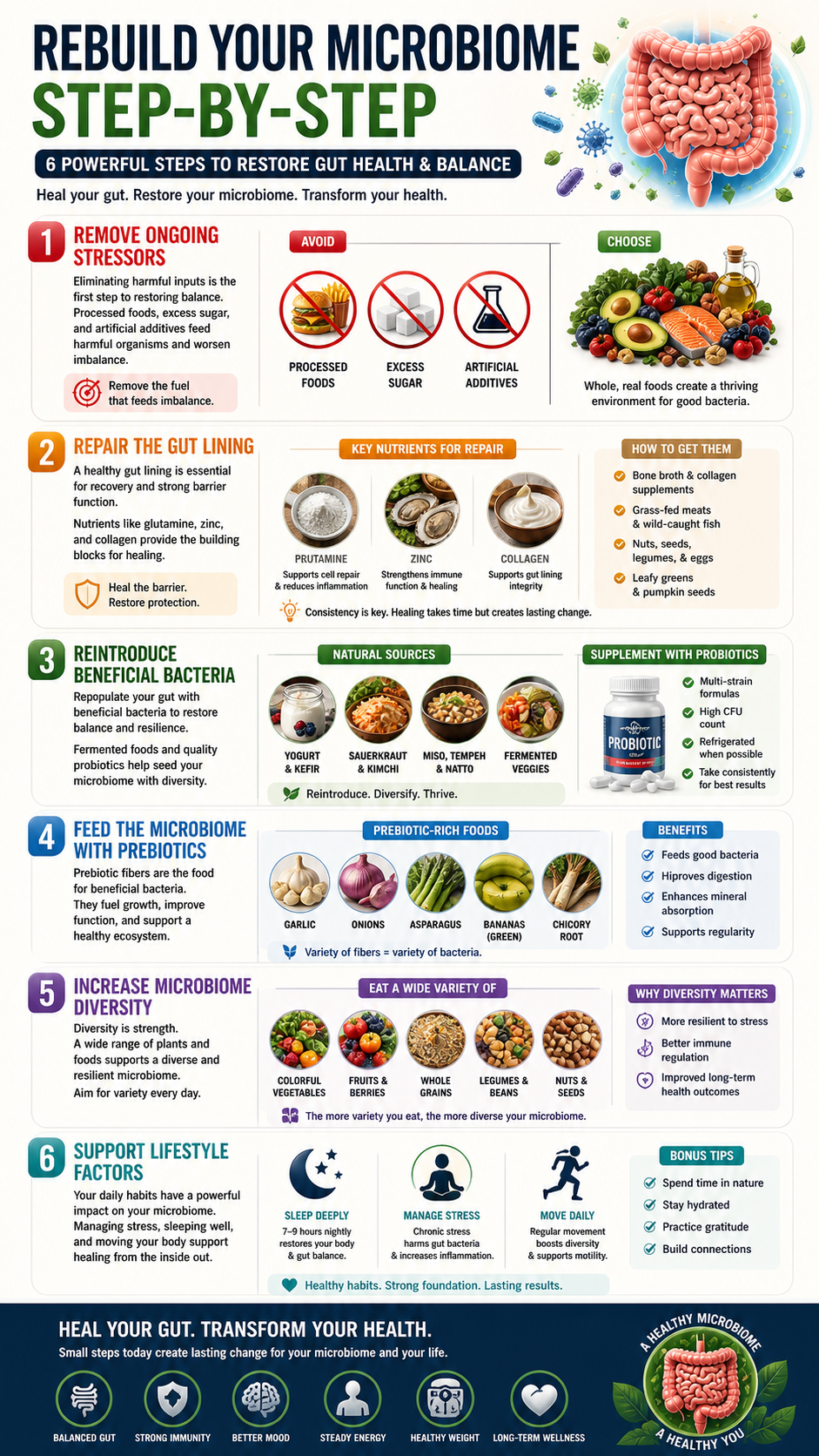
Reintroducing beneficial bacteria helps reseed the microbiome with supportive organisms that promote balance. Fermented foods provide natural sources of diverse bacterial strains. High-quality probiotics can complement this process when used correctly.
Feeding the microbiome with prebiotic fibers supports the growth and activity of beneficial bacteria. Foods such as garlic, onions, and asparagus provide essential nutrients for microbial health. A varied diet enhances diversity and resilience.
Increasing microbial diversity strengthens the ecosystem and improves overall stability within the body. Eating a wide range of whole foods introduces different nutrients and supports various bacterial species. This diversity enhances long-term health.
Supporting lifestyle factors such as sleep, stress management, and movement enhances the effectiveness of dietary interventions. Chronic stress disrupts microbial balance and weakens recovery. Addressing these factors supports a more complete healing process.
Rethinking the Future of Health
The conversation around antibiotics must evolve to include long-term consequences and recovery strategies. These drugs remain valuable tools when used appropriately and with caution. However, their impact on the microbiome cannot be ignored or minimized.
A more thoughtful approach considers both immediate needs and long-term health outcomes. It emphasizes prevention, resilience, and restoration rather than quick solutions. This perspective aligns with a more complete understanding of human biology.
Building a strong internal environment reduces the need for frequent interventions and supports natural defense mechanisms. It shifts the focus from treating disease to maintaining health proactively. This approach creates more sustainable results.
Conclusion: Rebuilding What Was Lost
The human body has an incredible ability to heal when given the right conditions and support. Rebuilding the microbiome requires patience, consistency, and attention to root causes. Antibiotics may solve immediate problems, but they often create deeper challenges.
Recognizing this reality allows individuals to take control of their health and make informed decisions. Restoration begins with understanding the damage and taking deliberate steps to repair it. With the right approach, balance and vitality can return.
True healing comes from rebuilding the systems that support life rather than suppressing symptoms alone. The microbiome represents a foundation for health that deserves attention and care. Protecting and restoring it creates lasting benefits for the entire body.