
The Hidden Environmental Crisis Behind Falling Male Fertility
Something deeply personal is changing inside the modern male body, yet most men never feel it happening. Sperm concentration can decline without pain, fatigue, fever, or any obvious warning. Motility can deteriorate while a man still feels strong, exercises regularly, and maintains a normal sex drive. Sperm DNA can accumulate damage long before a couple begins trying to conceive. By the time infertility enters the conversation, the underlying biological stress may have been developing for years.
Male fertility deserves attention far beyond the fertility clinic. Researchers have documented substantial declines in sperm concentration across studied populations during recent decades. The exact causes remain debated, and no single exposure explains every case. However, environmental chemicals, metabolic dysfunction, smoking, obesity, heat, medications, and lifestyle pressures remain important suspects. Modern men face a reproductive environment their grandfathers never encountered at the same scale.
The critical question is not simply whether a man produces enough sperm. We must examine the biological environment responsible for producing those sperm. Healthy sperm require coordinated hormones, functioning mitochondria, sufficient nutrients, controlled inflammation, and effective antioxidant defenses. They also require healthy testicular cells and intact genetic material. Disruptions anywhere along this chain can influence fertility.
This broader perspective changes the entire investigation. Male infertility stops looking like an isolated problem inside the reproductive organs. Instead, sperm quality becomes a window into metabolism, endocrine function, oxidative stress, and environmental exposure. The semen analysis remains important, but it represents the final report card. Functional sperm rescue begins by investigating what happened before that report card arrived.
The Male Fertility Decline Is Bigger Than a Sperm Count
The conversation surrounding declining male fertility intensified after researchers examined decades of semen data. A major 2023 meta-analysis reported declining sperm concentration and total sperm counts across multiple regions. The analysis included data collected between 1973 and 2018. Researchers also reported evidence suggesting the decline accelerated after 2000. These findings cannot prove one universal cause, yet they demand serious investigation.
Sperm count represents only one dimension of male reproductive health. Motility determines whether sperm can move effectively toward an egg. Morphology describes structural characteristics that may influence reproductive potential. Semen volume and concentration provide additional information. DNA integrity adds another layer because apparently normal-looking sperm may still carry damaged genetic material.
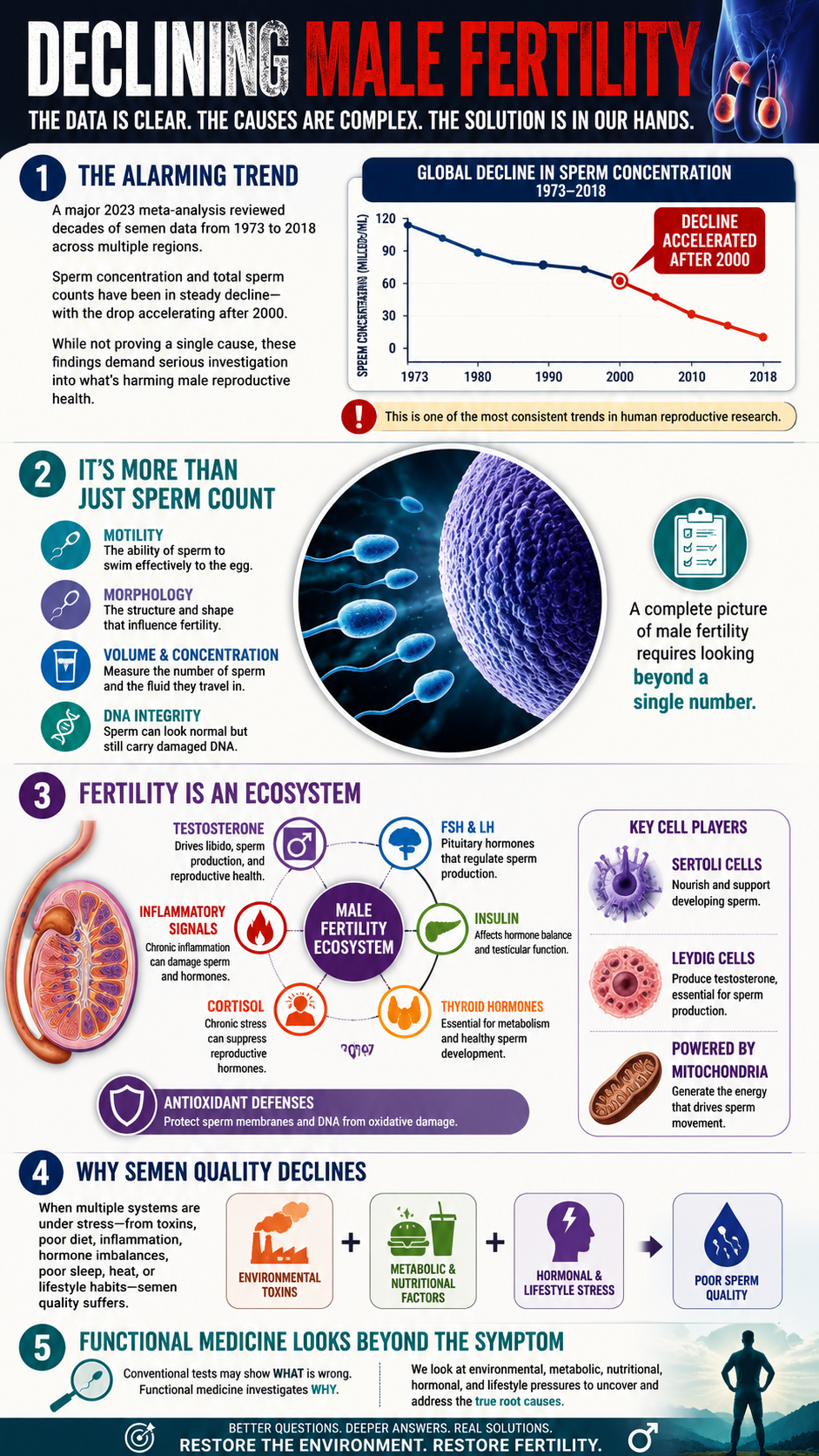
Male fertility therefore resembles an ecosystem rather than a single laboratory measurement. Testosterone, follicle-stimulating hormone, luteinizing hormone, insulin, thyroid hormones, cortisol, and inflammatory signals influence that ecosystem. Sertoli cells support developing sperm, while Leydig cells produce testosterone. Mitochondria generate energy needed for sperm movement. Antioxidant systems protect vulnerable cellular membranes and DNA from excessive oxidative damage.
When these systems struggle together, semen quality can deteriorate. Conventional testing may identify the abnormal sperm parameter without explaining the biological conditions behind it. That distinction matters because identifying an abnormality and explaining its origin are different tasks. Functional medicine asks what environmental, metabolic, nutritional, hormonal, and lifestyle pressures could be driving the dysfunction.
The Problem Often Begins Long Before Conception
Sperm do not appear overnight. Spermatogenesis requires roughly 74 days, followed by additional maturation and transport through the reproductive tract. Today’s semen sample therefore reflects biological conditions from previous months. Poor sleep, smoking, illness, metabolic dysfunction, heat, nutritional problems, and chemical exposures can influence that developmental environment.
Think of sperm production like agriculture. A farmer who discovers weak crops would never study only the harvested vegetables. Soil quality, water, temperature, nutrients, pests, contamination, and weather would all enter the investigation. The crop reflects the environment that produced it. Sperm deserve the same systems-based reasoning.
Testicular tissue must maintain remarkably precise conditions during sperm development. Temperature must remain lower than core body temperature. Hormonal signals must arrive at appropriate concentrations. Cells require nutrients for methylation, mitochondrial energy, membrane production, and DNA synthesis. Antioxidant defenses must control reactive oxygen species without eliminating their normal signaling functions.
Modern life can challenge several of these requirements simultaneously. A man may sleep poorly, carry visceral fat, drink heavily, smoke, and eat processed foods. He may also encounter plasticizers, pesticides, solvents, metals, and polluted air. Each factor carries a different evidence base and risk magnitude. Combined exposures create a more complicated biological environment than any single chemical explains.
Endocrine-Disrupting Chemicals Enter the Hormonal Conversation
Hormones communicate through extraordinarily sensitive signaling systems. The hypothalamus releases signals that direct the pituitary gland. The pituitary then releases luteinizing hormone and follicle-stimulating hormone. These hormones communicate with testicular cells that support testosterone production and spermatogenesis. Disrupting this communication can affect reproductive function.
Endocrine-disrupting chemicals have become an important research focus because some compounds can influence hormone pathways. Scientists have studied phthalates, bisphenols, certain pesticides, PFAS compounds, and other environmental chemicals. Experimental evidence shows that specific chemicals can interact with androgen, estrogen, thyroid, or steroidogenic pathways. Human evidence varies according to the chemical, exposure level, population, and outcome measured.
Phthalates deserve particular attention because exposure remains widespread. Manufacturers have used these chemicals in plastics, fragrances, personal-care products, flooring, packaging, and numerous consumer goods. Some phthalates demonstrate anti-androgenic activity in experimental models. Human studies have also examined associations between phthalate metabolites and semen parameters.
Bisphenol A created similar concerns because manufacturers historically used it in polycarbonate plastics and epoxy resins. Consumer awareness pushed many companies toward BPA-free products. However, replacement chemicals do not automatically guarantee biological neutrality. Researchers continue examining related bisphenols and their possible endocrine effects.
The practical message requires balance rather than panic. One plastic container does not suddenly cause infertility. Exposure depends upon chemical properties, dose, duration, temperature, route, metabolism, and individual susceptibility. Repeated exposure from numerous sources creates the more meaningful concern.
Plastics Have Changed the Human Chemical Environment
Plastic has become nearly inseparable from modern food systems. Bottled drinks, storage containers, wrappers, disposable cups, takeout packaging, and cooking tools surround daily meals. Heat, ultraviolet exposure, age, and physical wear can influence chemical migration from certain materials. Consequently, food preparation habits deserve consideration during fertility optimization.
Microplastics have added another dimension to the discussion. Researchers have detected microplastics in numerous human tissues and biological samples. Their health significance remains under active investigation, and sensational claims exceed current evidence. Still, their widespread presence demonstrates how profoundly synthetic materials have entered the human environment.
A functional approach focuses on exposure reduction rather than fear. Glass and stainless steel can replace plastic for hot foods and beverages. Scratched containers can leave the kitchen. Bottled water stored inside hot vehicles deserves particular avoidance. Fresh foods can also replace heavily packaged products whenever practical.
These choices offer benefits beyond fertility. Reducing packaged food often improves diet quality and lowers ultra-processed food intake. Better food choices can improve glucose regulation, body composition, and micronutrient intake. One environmental intervention can therefore influence several reproductive pathways simultaneously.
Oxidative Stress May Be the Common Biological Intersection
Many fertility stressors eventually converge on oxidative stress. Reactive oxygen species serve legitimate biological functions inside sperm. Controlled amounts help regulate capacitation, motility, and fertilization. Problems develop when reactive oxygen species overwhelm antioxidant defenses and begin damaging cellular structures.
Sperm membranes contain large amounts of polyunsaturated fatty acids. These fats support membrane flexibility, but they also remain vulnerable to lipid peroxidation. Excessive oxidation can damage membrane integrity and interfere with sperm movement. Mitochondrial dysfunction can then generate additional reactive oxygen species, creating a damaging feedback loop.
DNA represents an even greater concern. Oxidative stress can contribute to sperm DNA fragmentation and abnormal chromatin integrity. Standard semen testing cannot fully describe these molecular changes. A man may therefore show acceptable concentration while carrying another layer of reproductive dysfunction.
Smoking offers a clear example of this oxidative burden. Tobacco smoke introduces numerous reactive compounds and toxicants while increasing systemic oxidative stress. Research repeatedly associates smoking with poorer semen parameters and greater sperm DNA fragmentation. Quitting tobacco therefore remains one of the strongest home interventions available to men seeking fertility improvement.
Heavy Metals Can Reach Far Beyond the Workplace
Lead, cadmium, mercury, and arsenic existed long before industrial civilization. Human activity, however, has changed where these metals accumulate and how people encounter them. Occupational exposure remains important, but contaminated food, water, smoke, dust, and consumer products can also contribute.
Heavy metals can affect reproductive biology through several mechanisms. Oxidative stress represents one pathway, while mitochondrial injury provides another. Certain metals may also interfere with steroid production, cellular enzymes, membrane stability, or testicular function. Toxicity always depends upon dose, chemical form, exposure duration, and individual biology.
Occupational history therefore becomes essential during a fertility investigation. Welders, battery workers, painters, mechanics, miners, construction workers, firefighters, and industrial employees may face distinct exposures. Hobby shooting can also increase lead exposure without the man considering it an occupational risk.
Testing should follow evidence rather than fashionable detoxification marketing. A detailed exposure history should guide appropriate blood or urine testing. Validated testing matters because poorly interpreted environmental panels can generate unnecessary fear. Functional medicine works best when investigation remains targeted, measurable, and clinically meaningful.
Air Pollution Can Become a Reproductive Exposure
The lungs do not create an impenetrable border between pollution and the reproductive system. Fine particulate matter can trigger inflammatory and oxidative responses throughout the body. Combustion products also contain numerous chemicals capable of affecting systemic physiology. Researchers have therefore examined air pollution alongside semen quality.
Studies have reported associations between pollution exposure and changes in sperm morphology, motility, concentration, and DNA integrity. Results vary because populations encounter different pollutants at different concentrations. Temperature, occupation, smoking, diet, and socioeconomic factors also complicate interpretation. Nevertheless, the reproductive system clearly participates in the body’s response to environmental conditions.
Indoor air deserves equal attention. Cooking fumes, tobacco smoke, solvents, paints, fragrances, mold-related contaminants, and occupational residues can affect indoor exposure. Poor ventilation may intensify that burden. Men often spend most of their lives indoors, making household and workplace air highly relevant.
Reducing unnecessary exposure creates a sensible strategy even before scientists answer every remaining question. Better ventilation, smoke avoidance, appropriate occupational protection, and cleaner household products reduce known respiratory burdens. Those changes may also reduce systemic oxidative pressure that can affect reproductive physiology.
Metabolic Dysfunction Can Magnify Environmental Stress
Environmental toxins tell only half the story. The body’s internal metabolic condition helps determine how effectively it handles external stress. Insulin resistance, visceral obesity, nutrient deficiencies, sleep deprivation, and chronic inflammation can weaken physiological resilience. A metabolically unhealthy man may therefore experience multiple fertility pressures simultaneously.
Adipose tissue actively influences hormones and inflammatory signaling. Excess visceral fat commonly accompanies insulin resistance, altered testosterone metabolism, inflammation, and sleep apnea. These conditions can disturb reproductive signaling and overall endocrine health. Weight problems should therefore never be reduced to appearance when fertility enters the conversation.
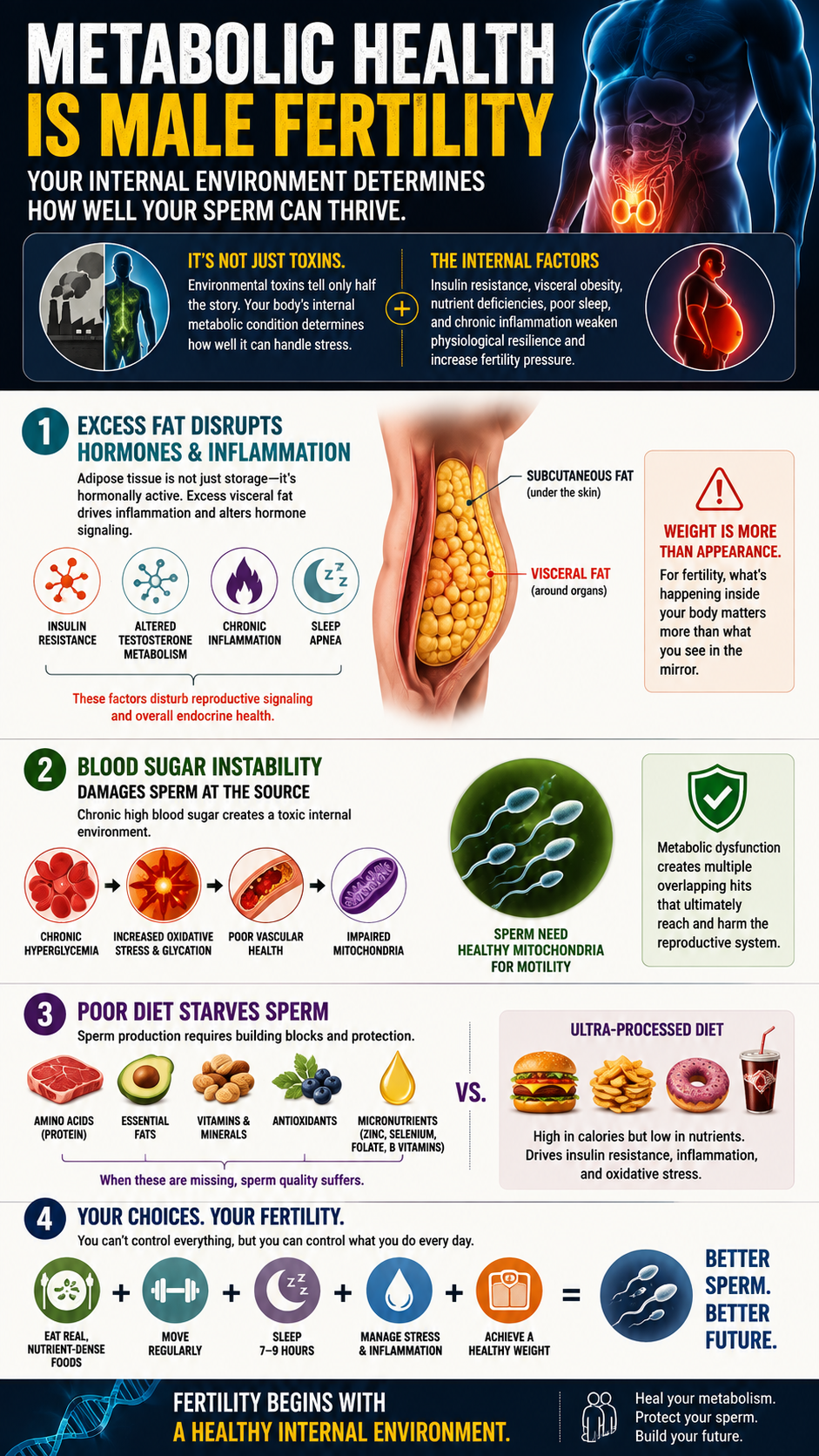
Blood sugar instability creates additional pressure. Chronic hyperglycemia can increase oxidative stress and glycation while impairing vascular and mitochondrial health. Sperm require functioning mitochondria for effective motility. Metabolic dysfunction can therefore reach the reproductive system through several overlapping pathways.
Poor diet compounds these problems because sperm production demands micronutrients, amino acids, essential fats, and antioxidant support. Ultra-processed diets frequently deliver abundant calories without comparable nutrient density. They also encourage insulin resistance when paired with inactivity and excessive energy intake. Fertility restoration must therefore address metabolism alongside environmental exposure.
Heat Creates Another Overlooked Fertility Stress
The testes sit outside the abdominal cavity for an important physiological reason. Sperm production functions best below core body temperature. Persistent testicular heating can interfere with spermatogenesis and temporarily worsen semen parameters. Modern habits can unintentionally create that thermal stress.
Frequent hot tubs represent an obvious example. Extended high-temperature sauna use can also affect sperm production in some men. Certain occupations expose workers to substantial heat for hours. Laptops placed directly over the groin provide another unnecessary source.
Heat does not explain the entire fertility decline, but it represents a modifiable variable. Removing preventable thermal stress costs almost nothing. Improvement also requires patience because new sperm need weeks to develop. A man cannot reverse months of reproductive stress within several days.
Testosterone Therapy Can Become a Fertility Trap
Few fertility contradictions confuse men more than testosterone therapy. Testosterone supports male reproductive physiology, yet externally administered testosterone can suppress sperm production. The apparent contradiction disappears once the hormonal feedback loop becomes clear.
Exogenous testosterone tells the hypothalamus and pituitary that sufficient androgen already exists. Gonadotropin-releasing hormone, LH, and FSH signaling can subsequently decline. Intratesticular testosterone may then fall despite higher testosterone levels in the bloodstream. Spermatogenesis can become severely suppressed.
Men who want children should therefore discuss testosterone use with a reproductive specialist. Abruptly changing prescribed therapy without guidance creates unnecessary risk. Fertility-preserving approaches may exist depending upon the individual’s circumstances. Proper evaluation should determine the strategy.
This example reveals an important lesson about male fertility. Bigger laboratory numbers do not automatically mean better biological function. Hormones operate through feedback loops rather than simple replacement equations. Functional sperm rescue requires understanding those relationships before intervening.
Begin by Removing What the Body Must Constantly Fight
The first stage of functional sperm rescue does not begin with a supplement cabinet. It begins by reducing unnecessary exposure. Continually adding environmental stress while swallowing antioxidants creates a backwards strategy. Remove avoidable inputs before trying to compensate for them.
Start with food storage and preparation. Use glass or stainless steel for hot foods whenever practical. Never microwave meals inside questionable plastic containers. Replace heavily scratched plastic storage containers and avoid leaving bottled water inside hot vehicles.
Next, examine personal-care products. Fragrances can contain numerous compounds, including chemicals used as solvents or fragrance stabilizers. Choose simpler products when alternatives work equally well. Reducing unnecessary scented sprays, air fresheners, and heavily fragranced grooming products can lower avoidable chemical exposure.
Household dust also deserves attention because several environmental contaminants accumulate there. Regular vacuuming and damp dusting can reduce contaminated particles. Washing hands before eating offers another simple defense. Removing shoes at the entrance can reduce outdoor contaminants carried indoors.
Clean Up the Water Without Falling for Detox Hype
Water quality varies dramatically by geography and source. Municipal treatment solves important infectious risks but does not guarantee identical contaminant profiles everywhere. Private wells create different concerns. Anyone worried about water should begin with actual local testing information.
Filtration should match the contaminant. Activated carbon can reduce many organic compounds and chlorine-related chemicals. Reverse osmosis can reduce a broader range of dissolved contaminants. Specific metals or microbial problems may require different treatment strategies.
The goal involves reducing exposure rather than achieving imaginary chemical perfection. No realistic environment contains absolutely zero contaminants. Marketing that promises completely toxin-free living usually sells fear rather than physiology. A rational program prioritizes the largest controllable exposures first.
Men using private wells should consider appropriate periodic testing. Older homes may also warrant attention to plumbing and lead risk. Local water reports can guide decisions for municipal supplies. Evidence should determine the filtration strategy.
Rebuild the Metabolic Environment That Produces Sperm
Food becomes one of the most powerful daily signals affecting metabolism. A fertility-focused diet should emphasize nutrient density rather than obsessive calorie counting. Adequate protein provides amino acids needed for tissue repair and enzyme production. Healthy fats support cellular membranes and hormone physiology.
Remove or sharply reduce refined sugar and ultra-processed foods. These products can promote glucose instability and excessive energy intake. Replace them with minimally processed proteins, vegetables, healthy fats, and whole-food carbohydrate sources when appropriate. Individual metabolic status should guide carbohydrate intake.
Men carrying excessive visceral fat should prioritize gradual fat loss. Crash diets create another physiological stressor and may compromise nutrient intake. Resistance training, walking, adequate protein, and improved insulin sensitivity offer a more sustainable approach.
Fasting can help selected individuals improve metabolic flexibility, but more fasting does not always produce better fertility. Chronic under-eating can impair reproductive signaling. Energy availability matters to endocrine function. The goal remains metabolic health rather than dietary extremism.
Feed Sperm With Nutrients Instead of Marketing Claims
Several nutrients participate directly in male reproductive physiology. Zinc supports numerous enzymes and reproductive processes. Selenium contributes to antioxidant systems and sperm development. Folate participates in methylation and DNA synthesis. Vitamin C and vitamin E contribute to antioxidant defenses.
Omega-3 fatty acids support cellular membrane structure and inflammatory balance. Magnesium participates in hundreds of enzymatic reactions. B vitamins contribute to energy metabolism and methylation. Coenzyme Q10 participates in mitochondrial energy production and antioxidant biology.
However, biological importance does not prove that megadosing improves fertility. Deficiency correction differs fundamentally from indiscriminate supplementation. Excess selenium can become toxic, while excessive zinc can disrupt copper balance. More antioxidants can also disturb normal redox signaling.
Food should therefore establish the foundation. Targeted supplementation can follow laboratory findings, diet history, medical evaluation, and individual need. This strategy treats nutrients as biological tools rather than magical fertility pills.
Restore Mitochondrial Function Through Daily Movement
Sperm tails cannot propel themselves without energy. Mitochondria supply much of that energy, making mitochondrial health central to sperm motility. Exercise provides one of the most accessible ways to improve whole-body mitochondrial function.
Resistance training improves insulin sensitivity and helps preserve lean mass. Walking after meals can improve post-meal glucose regulation. Moderate cardiovascular exercise supports vascular health and mitochondrial adaptation. Together, these activities create a metabolic environment more favorable to reproductive function.
Extreme exercise deserves caution. Excessive training combined with inadequate calories can increase stress hormones and suppress reproductive signaling. Performance-enhancing anabolic steroids create an even greater fertility threat. A muscular appearance does not guarantee reproductive health.
Aim for consistency rather than punishment. Several weekly resistance sessions, regular walking, and appropriate cardiovascular activity provide a strong foundation. Recovery should remain part of the program rather than an afterthought.
Make Eight Hours of Sleep a Fertility Intervention
Sleep affects testosterone, glucose regulation, appetite, inflammation, and nervous-system recovery. Fertility cannot remain isolated from those systems. Repeated short nights can create a hormonal and metabolic environment that undermines other interventions.
Establish consistent sleep and wake times whenever possible. Darken the bedroom and keep it comfortably cool. Reduce late-night alcohol because it fragments sleep architecture. Bright screens should also decrease before bedtime when they delay sleep.
Morning sunlight helps synchronize circadian rhythms. Outdoor light shortly after waking provides a powerful timing signal to the brain. Regular daytime activity reinforces that rhythm. Evening darkness then allows normal melatonin signaling to develop.
Persistent snoring deserves investigation rather than jokes. Obstructive sleep apnea can disrupt oxygenation, metabolism, blood pressure, and hormonal health. Treating sleep disorders may improve far more than daytime energy. Better sleep strengthens the entire physiological terrain supporting fertility.
Cool the Testes and Remove Reproductive Heat Stress
Men attempting conception should reduce unnecessary testicular heating for several months. Frequent hot tubs should disappear during this period. Excessive sauna exposure can also be reduced when semen parameters remain poor. Workplace heat deserves specific attention.
Keep laptops away from direct groin contact. Long periods of sitting should include movement breaks. Clothing should remain comfortable without turning underwear selection into an obsession. The largest heat exposures deserve priority.
Remember that sperm development takes time. Today’s cooler environment will not transform tomorrow’s semen sample. New sperm must develop under the improved conditions. Patience becomes part of the treatment strategy.
This delayed response makes a 90-day framework practical. It allows enough time for meaningful biological change to begin appearing. Longer interventions may prove necessary depending upon the underlying cause.
Stop Smoking and Reconsider Alcohol
Few environmental interventions carry more obvious value than eliminating tobacco. Cigarette smoke delivers oxidative compounds, metals, and numerous toxic chemicals. Smoking has been associated with poorer semen quality and increased sperm DNA fragmentation. Quitting improves far more than fertility.
Cannabis also deserves discussion during fertility optimization. Research remains more complicated than tobacco data, yet heavy use may affect reproductive hormones or semen parameters. Men experiencing unexplained infertility should disclose cannabis use during evaluation.
Alcohol requires dose awareness. Occasional consumption differs from heavy daily drinking. Excessive alcohol can disrupt liver function, sleep, testosterone metabolism, nutrition, and metabolic health. Reducing intake removes several potential fertility stressors simultaneously.
Anabolic steroids present an even clearer problem. These substances can profoundly suppress gonadotropins and sperm production. Men using them should seek appropriate medical guidance when fertility matters. Supplements cannot overcome ongoing hormonal suppression.
Build a 90-Day Functional Sperm Rescue Plan
During the first month, concentrate on removing obstacles. Clean up food storage, improve water quality when needed, eliminate tobacco, and reduce excessive alcohol. Remove unnecessary fragrances, improve household ventilation, reduce testicular heat, and review occupational exposures.
The second month should focus heavily on rebuilding physiology. Improve insulin sensitivity through whole foods, resistance training, and regular movement. Establish consistent sleep and correct obvious nutrient deficiencies. Address excess visceral fat without aggressive starvation diets.
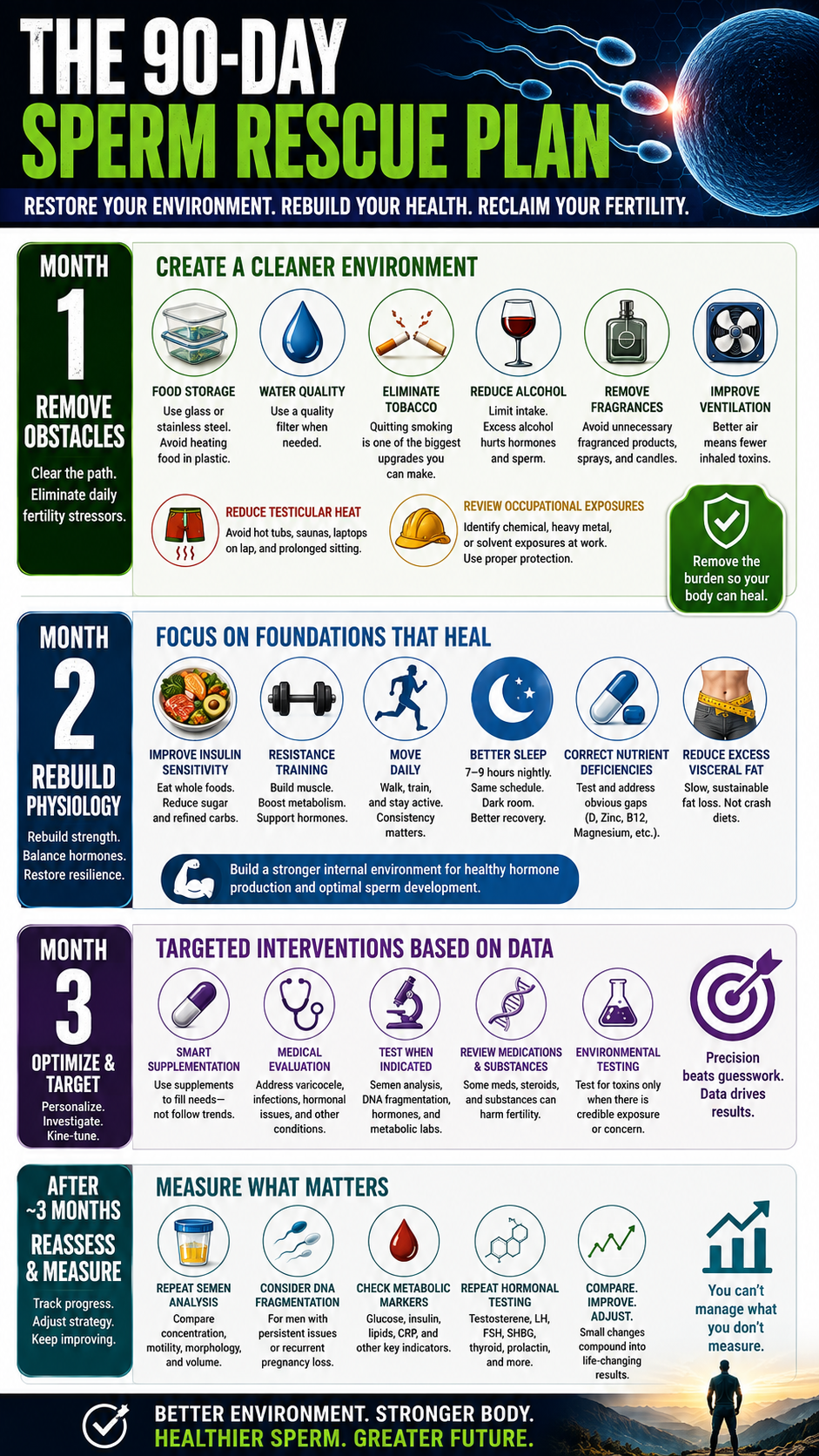
Month three reinforces those foundations while adding targeted interventions based on data. Nutrient supplementation should address actual needs rather than internet trends. Medical conditions, varicocele, infections, hormonal abnormalities, and medication effects require appropriate evaluation. Environmental testing should follow credible exposure concerns.
After approximately three months, reassessment becomes valuable. Repeat semen testing when appropriate and compare concentration, motility, morphology, and volume. Selected cases may justify sperm DNA fragmentation testing. Metabolic and hormonal markers can also show whether the internal terrain improved.
The Goal Is Not Merely Better Sperm
Male fertility tells a much larger biological story. Sperm develop inside the same body that regulates blood sugar, produces hormones, processes environmental chemicals, manages inflammation, and generates mitochondrial energy. Poor reproductive function can therefore reveal weaknesses extending beyond reproduction.
This perspective transforms fertility optimization. The objective no longer involves finding one miraculous supplement that raises sperm count. Instead, the man rebuilds the environment responsible for creating sperm. Cleaner exposures, stronger metabolism, adequate nutrients, restorative sleep, appropriate exercise, and reduced oxidative stress work together.
Medical evaluation still matters because lifestyle cannot correct every fertility disorder. Varicocele, genetic abnormalities, obstruction, infections, endocrine disease, previous cancer therapy, and structural problems may require specialized care. Functional strategies should complement accurate diagnosis rather than replace it.
Yet men possess enormous influence over many daily variables. Every meal changes the metabolic environment. Every cigarette avoided removes an oxidative insult. Every night of restorative sleep supports hormonal regulation. Every unnecessary chemical exposure removed decreases the burden that physiology must manage.
Declining male fertility should therefore become more than another alarming statistic. It should serve as a warning about the environment surrounding modern male biology. Sperm cells may be tiny, but they reflect extraordinarily complex systems. Their health depends upon the terrain in which they develop.
Functional sperm rescue begins when we stop asking only how many sperm appear on a laboratory report. Better questions examine the man producing them, the environment surrounding him, and the metabolic conditions operating inside him. Once those conditions improve, the reproductive system finally receives something medicine cannot manufacture inside a bottle: a healthier biological environment in which to do what it was designed to do.