
The carnivore diet is one of the most debated approaches in modern nutrition. Built entirely on animal foods, it challenges nearly everything conventional medicine has taught for decades. The absence of fruits, vegetables, grains, and fiber challenges deeply ingrained beliefs about what constitutes a “balanced” diet. For many clinicians trained within that system, the carnivore diet appears not only unconventional but potentially dangerous.
At the same time, there is a growing population of individuals who report profound improvements in their health after adopting this approach. These are not casual observations or vague claims of feeling “better.” Many describe measurable changes in autoimmune markers, reductions in chronic pain, improvements in digestive function, and a restoration of energy that had been absent for years. These outcomes raise an important question: if the diet is inherently harmful, how can such results occur?
The tension between these two perspectives reflects a deeper issue within healthcare. There is a tendency to evaluate dietary patterns through a narrow lens, focusing on isolated variables such as cholesterol or saturated fat while overlooking the broader physiological context. This reductionist approach often fails to account for how complex systems interact within the human body, particularly in states of chronic disease.
To understand whether the carnivore diet is a therapeutic breakthrough or a potential risk, it is necessary to examine it through a more comprehensive framework. This includes not only its macronutrient composition but also its effects on immune function, gut integrity, metabolic health, and systemic inflammation. Only then can a more accurate and balanced assessment be made.
Understanding the Physiological Context of Autoimmunity
Autoimmune diseases are commonly described as conditions in which the immune system mistakenly attacks the body’s own tissues. While this description is widely accepted, it is incomplete and, in many ways, misleading. The immune system does not act randomly or without purpose. Its primary role is to identify and respond to threats, and when it becomes chronically activated, there is usually an underlying reason.
One of the most significant contributors to autoimmune activity is persistent immune stimulation. This can arise from a variety of sources, including infections, environmental toxins, and dietary antigens. When the immune system is repeatedly exposed to these triggers, it may begin to lose tolerance, leading to sustained inflammation and tissue damage. This process is not a malfunction but rather a consequence of ongoing exposure to perceived threats.
The gastrointestinal tract plays a central role in this dynamic. It is not only responsible for digestion but also serves as a major interface between the external environment and the immune system. A large portion of immune activity occurs within the gut, where the body must constantly distinguish between harmless substances and potential dangers. When this system is disrupted, the consequences can extend far beyond digestion.
In individuals with autoimmune conditions, it is common to find evidence of increased intestinal permeability. This state allows substances that would normally remain confined to the gut to enter the bloodstream, where they can trigger immune responses. Over time, this can create a cycle of inflammation that perpetuates the disease process. Addressing this underlying dysfunction is essential for meaningful healing.
The Role of Diet in Immune Activation
Dietary inputs represent one of the most consistent and influential factors affecting immune function. Every meal introduces a complex array of compounds into the body, some of which may interact with the immune system in significant ways. While many foods are well tolerated in healthy individuals, those with compromised gut integrity may respond differently.
Plant foods, often regarded as universally beneficial, contain a variety of bioactive compounds that can influence digestion and immunity. These include lectins, oxalates, phytates, and other substances that serve as natural defense mechanisms for the plant. In certain contexts, these compounds may contribute to irritation of the intestinal lining or interfere with nutrient absorption.
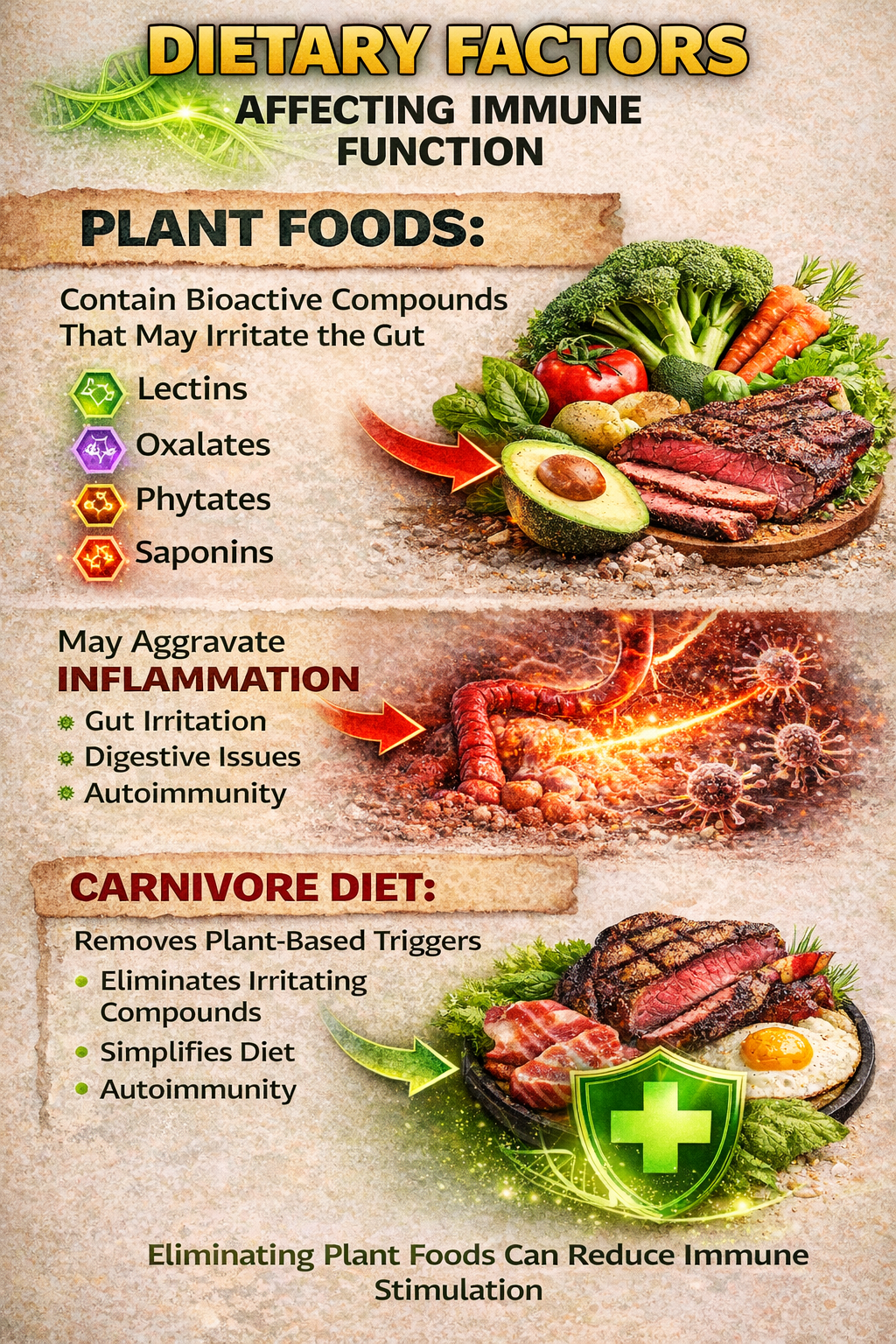
For individuals with robust digestive systems, these effects are typically minimal and may even confer benefits. However, in those with existing inflammation or permeability issues, these compounds can exacerbate symptoms. The immune system may interpret them as threats, leading to further activation and inflammation. This variability highlights the importance of context when evaluating dietary recommendations.
The carnivore diet removes these variables entirely by eliminating plant-based foods. This approach simplifies the dietary landscape, reducing the number of potential triggers and allowing the immune system to operate in a less reactive environment. While this does not address all possible causes of immune activation, it can significantly reduce one of the most consistent sources of stimulation.
Gut Integrity and the Potential for Healing
The concept of gut healing is central to understanding the potential benefits of the carnivore diet. When the intestinal lining is compromised, the body is placed in a constant state of defense. Restoring the integrity of this barrier can have far-reaching effects on overall health, particularly in individuals with autoimmune conditions.
Animal-based foods are uniquely suited to support this process due to their high bioavailability and relatively low antigenic load. Proteins and fats from animal sources are generally easier to digest and absorb, placing less strain on the digestive system. This can be particularly advantageous for individuals whose digestive capacity has been impaired by chronic inflammation.
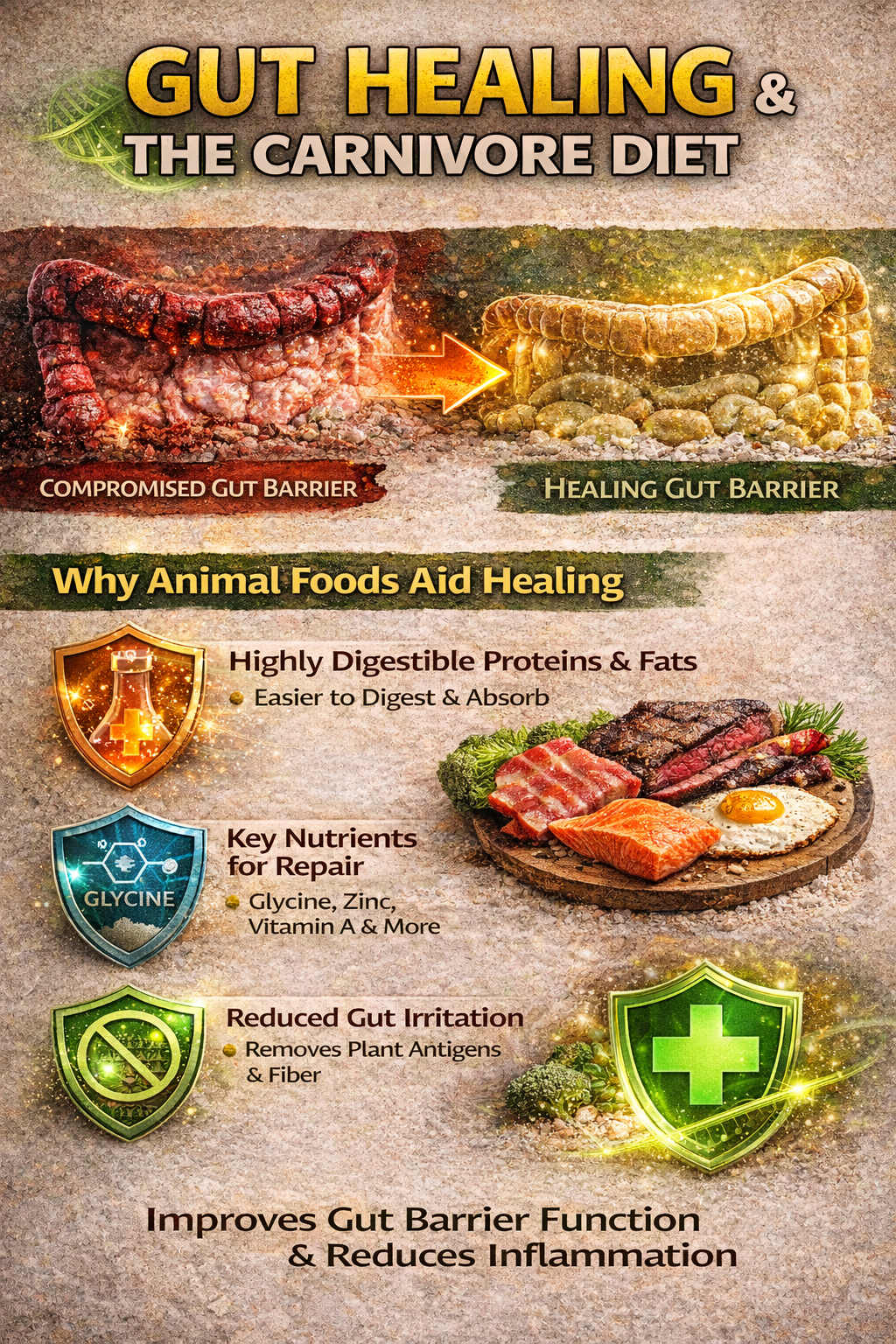
In addition to being easier to process, animal foods provide essential nutrients that play a direct role in tissue repair. Amino acids such as glycine and proline are critical for maintaining the structure of the intestinal lining, while nutrients like zinc and vitamin A support immune regulation. These components are often present in higher concentrations and more usable forms in animal products.
By reducing irritation and supplying the building blocks needed for repair, the carnivore diet may create conditions that allow the gut to recover. As the barrier function improves, the influx of immune-triggering substances decreases, potentially leading to a reduction in systemic inflammation. This sequence of events can help explain the improvements reported by many individuals following this dietary approach.
Metabolic Effects and Inflammatory Regulation
Beyond its impact on the gut, the carnivore diet also influences metabolic processes in ways that can affect inflammation. The absence of carbohydrates shifts the body toward a state of fat metabolism, often referred to as ketosis. In this state, ketone bodies become a primary source of energy, and this shift has been associated with several beneficial effects.
One of the most significant changes is the stabilization of blood sugar levels. Frequent spikes and drops in glucose can contribute to oxidative stress and inflammation, particularly in individuals with insulin resistance. By eliminating dietary carbohydrates, the carnivore diet minimizes these fluctuations, creating a more stable metabolic environment.
Ketones themselves have been shown to possess anti-inflammatory properties. They may influence signaling pathways that regulate immune activity, potentially reducing the production of inflammatory cytokines. This effect, combined with improved insulin sensitivity, can contribute to a reduction in systemic inflammation.
These metabolic changes are not unique to the carnivore diet but are more pronounced due to its strict elimination of carbohydrates. For individuals with metabolic dysfunction, this shift can provide a level of stability that is difficult to achieve through more moderate dietary approaches. The resulting decrease in inflammation may play a role in the improvements observed in autoimmune conditions.
Reexamining the Cardiovascular Risk Narrative
The primary concern raised by critics of the carnivore diet centers on its potential impact on cardiovascular health. The high intake of saturated fat and cholesterol is often cited as a major risk factor for heart disease. This perspective is rooted in a long-standing model that links dietary fat to elevated cholesterol and, subsequently, to arterial plaque formation.
However, this model does not fully account for the complexity of cardiovascular disease. While cholesterol is present in arterial plaques, it is not the sole or even primary driver of the disease process. The initial event is typically damage to the endothelial lining of blood vessels, which can be caused by inflammation, oxidative stress, and metabolic dysfunction.
In this context, cholesterol may play a reparative role rather than a causative one. It is involved in the maintenance of cell membranes and the production of hormones, and its presence at sites of damage may reflect an attempt by the body to restore integrity. Focusing solely on cholesterol levels without considering the underlying causes of vascular damage can lead to an incomplete understanding of risk.
Moreover, dietary patterns that reduce inflammation and improve metabolic health may offset some of the concerns associated with higher cholesterol levels. The carnivore diet, by stabilizing blood sugar and reducing exposure to certain inflammatory compounds, may influence these underlying factors in a favorable way. This does not eliminate all potential risks but suggests that the relationship between diet and heart disease is more nuanced than commonly portrayed.
Interpreting Lipid Markers in a Broader Context
Traditional lipid panels often emphasize total cholesterol and LDL levels as primary indicators of cardiovascular risk. While these markers provide useful information, they do not capture the full picture. The characteristics of LDL particles, including their size and susceptibility to oxidation, are important factors that are not always reflected in standard tests.
In individuals following low-carbohydrate or carnivore diets, it is not uncommon to see an increase in LDL cholesterol. However, this is often accompanied by changes that suggest improved metabolic health, such as lower triglycerides and higher HDL levels. These shifts are generally considered favorable and may indicate a reduced risk of cardiovascular disease.
The context in which these changes occur is critical. Elevated LDL in the presence of low inflammation and stable blood sugar may carry different implications than elevated LDL in a state of metabolic dysfunction. Without considering these additional variables, it is difficult to draw accurate conclusions about risk.
A more comprehensive approach to cardiovascular assessment would include markers of inflammation, insulin sensitivity, and oxidative stress. By evaluating these factors alongside traditional lipid measures, a clearer understanding of an individual’s risk profile can be achieved. This broader perspective is essential when assessing the impact of any dietary intervention.
Practical Considerations and Responsible Implementation
For individuals considering the carnivore diet, a thoughtful and structured approach is essential. While the diet has the potential to produce significant benefits, it is not without challenges, and its success often depends on how it is implemented.
Food quality should be a primary consideration. Nutrient density and the absence of contaminants are important factors that can influence outcomes. Choosing high-quality animal products, such as grass-fed meats and wild-caught fish, can help ensure that the diet supports rather than undermines health.
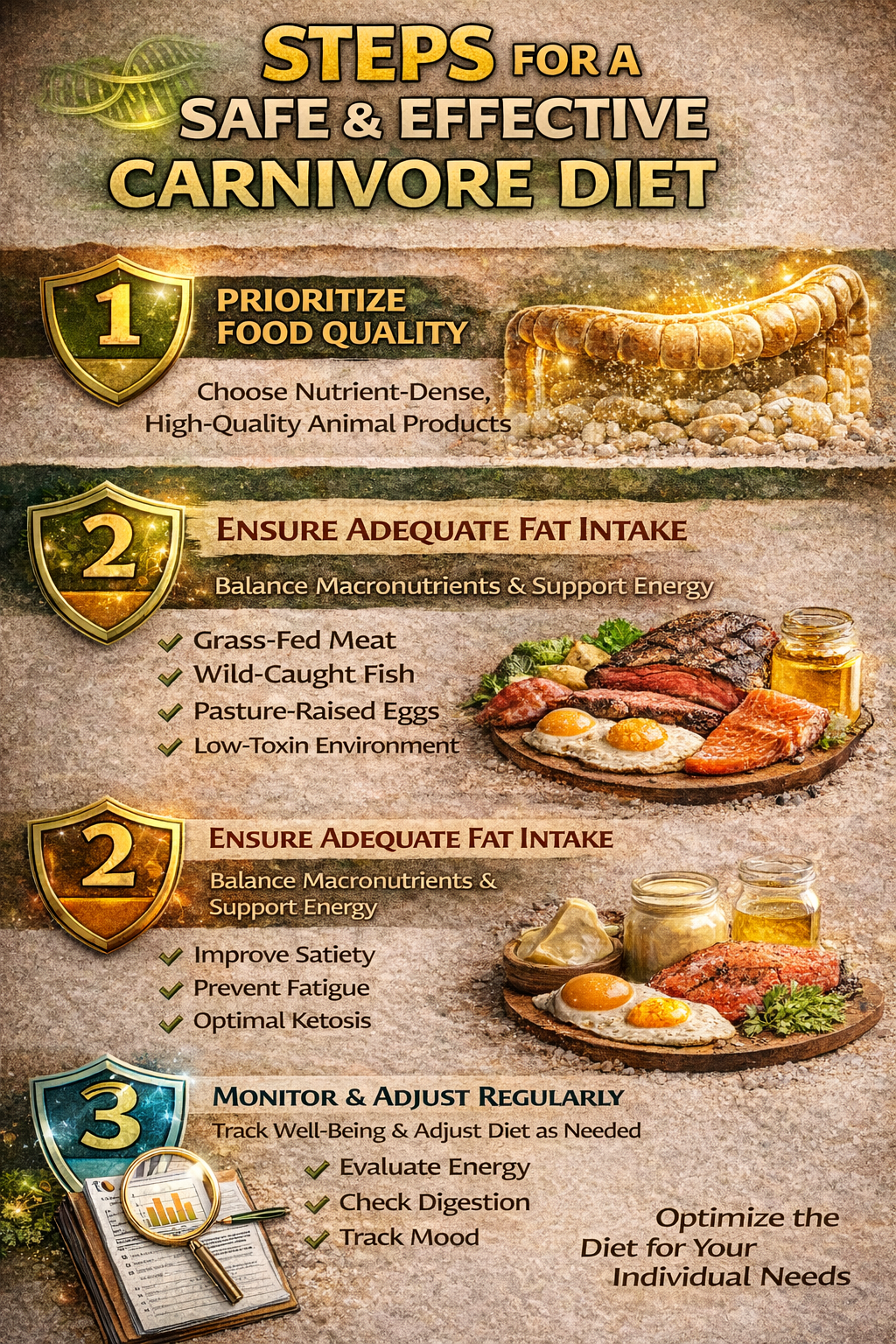
Adequate intake of fat is also important, as it serves as the primary energy source in the absence of carbohydrates. Insufficient fat intake can lead to fatigue and difficulty adapting to the diet. Balancing macronutrients in a way that supports energy needs is a key aspect of successful implementation.
Monitoring the body’s response is equally important. Changes in energy levels, digestion, and overall well-being can provide valuable feedback. A defined trial period, followed by reassessment, allows individuals to evaluate the effectiveness of the diet and make adjustments as needed. This iterative approach aligns with a more personalized model of healthcare.
Conclusion: Moving Beyond Simplistic Narratives
The carnivore diet cannot be accurately described as either a universal solution or an inherent danger. Its effects depend on a range of factors, including the individual’s health status, the quality of the foods consumed, and the context in which it is used. Simplistic narratives that categorize it as wholly beneficial or entirely harmful fail to capture this complexity.
What the carnivore diet does reveal is the importance of questioning assumptions and exploring alternative approaches when conventional methods fall short. It highlights the need for a more nuanced understanding of nutrition, one that considers individual variability and the interconnected nature of physiological systems.
For some, the carnivore diet may provide a path to healing that was previously inaccessible. For others, it may serve as a temporary tool or not be necessary at all. The key lies in approaching it with curiosity, critical thinking, and a willingness to adapt based on evidence and experience.
In the end, the goal is not to adhere to a particular dietary ideology but to restore balance and function within the body. The carnivore diet, when viewed through this lens, becomes not a controversy to be resolved, but a possibility to be explored with care and intention.