
The Blood Sugar Battle: Are We Treating the Disease or Chasing the Numbers?
A patient walks into a doctor’s office complaining of relentless fatigue, stubborn belly fat, brain fog, and uncontrollable sugar cravings. His laboratory results reveal elevated fasting glucose, rising hemoglobin A1c, and early signs of insulin resistance. Within minutes, the conversation turns toward metformin, one of America’s most frequently prescribed diabetes medications. Yet an important question often receives far less attention: What caused his metabolism to malfunction in the first place?
Perhaps his liver has accumulated excessive fat, interfering with normal glucose regulation. Maybe years of inadequate sleep, physical inactivity, and excess calorie consumption have weakened his insulin sensitivity. Chronic stress, genetic susceptibility, certain medications, and disrupted circadian rhythms may also contribute. These factors can interact for years before blood glucose crosses the diagnostic threshold for diabetes.
Now imagine that same patient discovering berberine, a plant-derived compound attracting considerable scientific interest for its glucose-lowering properties. Researchers have investigated whether this botanical alkaloid can influence insulin signaling, liver metabolism, and cellular energy production. Some clinical trials suggest that berberine improves blood sugar measurements, occasionally producing results resembling those achieved with metformin. However, comparing their effects requires examining much more than a single laboratory number.
The real story involves insulin resistance, metabolic inflammation, mitochondrial function, and the body’s ability to regulate energy. Understanding these interconnected processes reveals why blood sugar rises and how different interventions influence that process. It also exposes a crucial distinction between improving a biomarker and reversing the metabolic dysfunction responsible for it.
Insulin Resistance: The Metabolic Problem Behind Type 2 Diabetes
Before comparing berberine and metformin, we must understand the biological environment that makes either intervention necessary. Insulin serves as a hormonal messenger, helping muscle and fat cells absorb glucose from the bloodstream. It also signals the liver to reduce glucose production when circulating energy supplies are sufficient. Under healthy conditions, these coordinated actions maintain glucose within a relatively narrow range.
Insulin resistance develops when important tissues respond less effectively to insulin’s instructions. The pancreas initially compensates by releasing additional insulin, sometimes maintaining normal glucose levels for years. During this period, fasting insulin may rise before conventional glucose measurements reveal obvious abnormalities. Eventually, pancreatic beta cells may struggle to meet increasing demands, allowing blood glucose to climb.
Excess visceral fat contributes significantly to this process through altered fatty acid delivery and inflammatory signaling. Fat accumulation within the liver and skeletal muscle can also interfere with normal insulin activity. These changes disrupt cellular pathways responsible for transporting glucose and regulating energy storage. Genetics, sleep disturbances, inactivity, and certain hormonal disorders can intensify these metabolic abnormalities.
The consequences extend far beyond elevated glucose readings. Insulin resistance frequently accompanies increased triglycerides, reduced HDL cholesterol, fatty liver disease, and elevated blood pressure. Together, these abnormalities increase cardiovascular risk and complicate long-term metabolic health. Treating glucose without addressing these contributing factors may leave important disease mechanisms unresolved.
What Elevated Blood Sugar Actually Does to the Body
Persistently elevated glucose can damage blood vessels, nerves, kidneys, and other vulnerable tissues through several interconnected mechanisms. One involves the formation of advanced glycation end products, commonly called AGEs. These compounds develop when sugars react with proteins, lipids, and other biological molecules. Their accumulation can alter tissue structure and activate inflammatory pathways.
Within blood vessels, chronic hyperglycemia promotes oxidative stress and impairs normal endothelial function. The endothelium regulates vascular relaxation, clotting activity, and communication between circulating blood and surrounding tissues. When this protective lining becomes dysfunctional, cardiovascular complications become more likely. Diabetes also accelerates atherosclerosis through interactions involving inflammation, lipid abnormalities, and vascular injury.
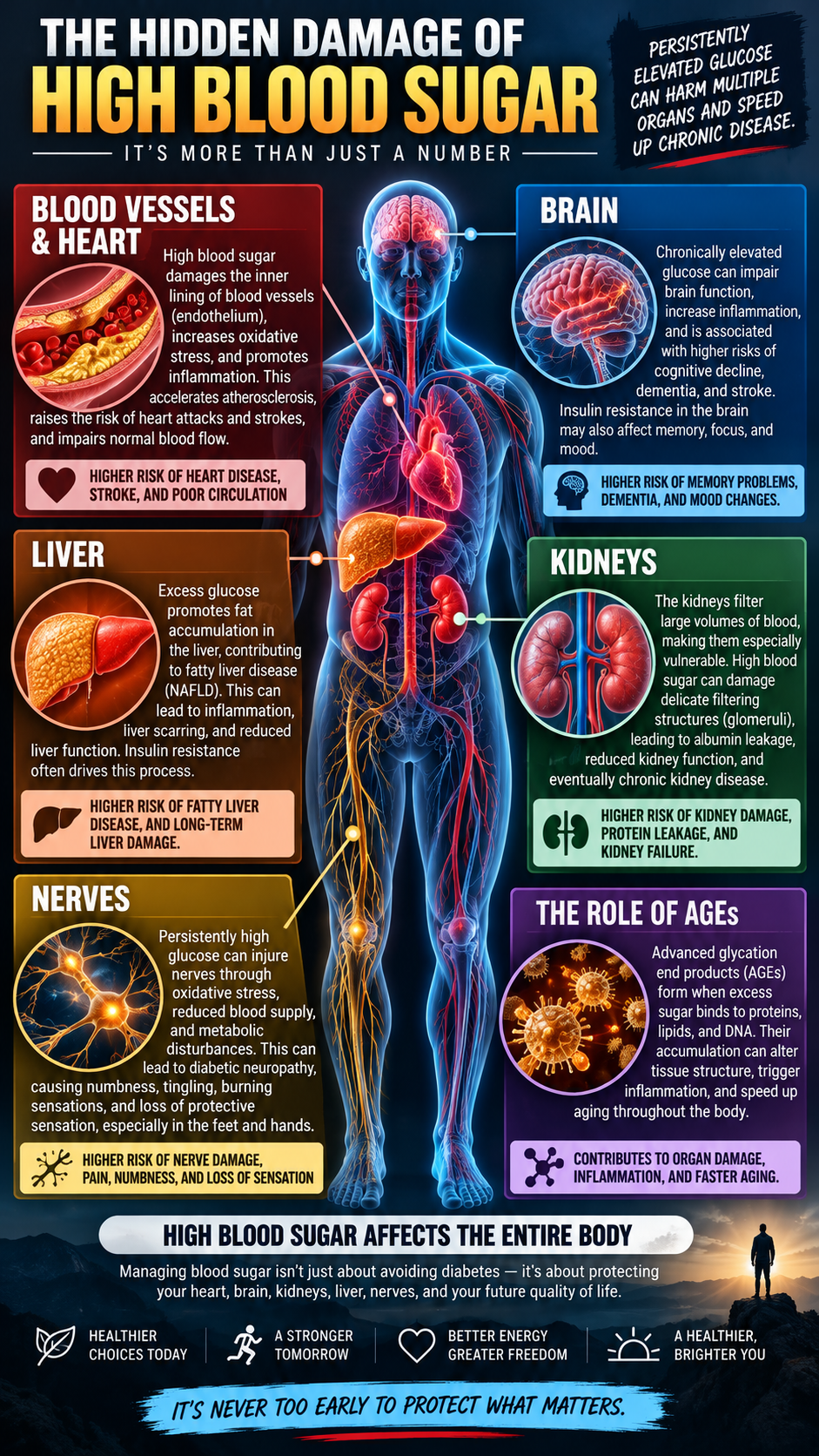
The kidneys face particular challenges because their delicate filtration structures encounter large volumes of circulating blood. Prolonged hyperglycemia can damage glomerular capillaries, increasing the risk of albumin leakage and declining kidney function. Peripheral nerves may suffer from oxidative injury, altered blood supply, and disturbances in cellular metabolism. These processes contribute to diabetic neuropathy, including numbness, burning sensations, and reduced protective sensation.
The brain and liver also participate in this metabolic disturbance. Insulin resistance correlates with fatty liver disease and increased risks of several cardiovascular and neurological conditions. However, these associations involve multiple biological pathways rather than glucose alone. Effective metabolic treatment must therefore consider the broader metabolic environment alongside glucose control.
Metformin: A Pharmaceutical Treatment With Botanical Origins
Metformin’s history challenges the simplistic division between natural medicine and pharmaceutical science. Its development traces partly to investigations involving Galega officinalis, commonly known as French lilac or goat’s rue. Scientists studied guanidine-related compounds associated with this medicinal plant before developing modern biguanide medications. Metformin eventually became a cornerstone of type 2 diabetes treatment.
Its principal glucose-lowering action involves reducing excessive glucose production within the liver. In insulin-resistant individuals, hepatic glucose output may remain elevated despite adequate circulating glucose. Metformin helps suppress this inappropriate production while influencing several additional metabolic pathways. Researchers continue investigating its effects on mitochondrial respiration, intestinal glucose handling, and cellular energy regulation.
Metformin also influences AMP-activated protein kinase, or AMPK, an important regulator of cellular energy metabolism. However, AMPK activation represents only part of its complex biological activity. The medication affects intestinal physiology and may alter microbial metabolism within the gastrointestinal tract. These mechanisms help explain why its effects extend beyond simply suppressing liver glucose production.
Clinical evidence consistently demonstrates that metformin can lower hemoglobin A1c by approximately one percentage point or more. It rarely causes hypoglycemia when used alone and generally produces neutral or modestly favorable weight changes. Nevertheless, gastrointestinal discomfort remains common, particularly during treatment initiation. Long-term use can also reduce vitamin B12 levels, potentially contributing to anemia or neurological symptoms.
Metformin requires additional caution in patients with significant kidney impairment or certain acute illnesses. Although metformin-associated lactic acidosis is rare, it can become life-threatening when it occurs. These considerations make individualized treatment and appropriate monitoring essential. They also help explain growing interest in other metabolic interventions.
Berberine: An Ancient Botanical Compound Meets Modern Metabolic Science
Berberine belongs to a family of naturally occurring compounds called isoquinoline alkaloids. Several plants contain it, including barberry, goldenseal, and Chinese goldthread. Traditional medical systems historically employed these plants for gastrointestinal complaints and other conditions. Modern researchers now investigate berberine’s potential effects on glucose metabolism, insulin resistance, and cardiovascular risk markers.
One particularly interesting feature involves berberine’s influence on cellular energy regulation. Experimental studies suggest that berberine can affect mitochondrial activity and activate AMPK-related signaling pathways. These changes may influence hepatic glucose production, glucose uptake, and lipid metabolism. However, laboratory findings do not always translate into equivalent effects within human tissues.
Berberine also interacts extensively with the gastrointestinal environment. Its oral bioavailability remains relatively low because absorption and metabolism limit circulating concentrations. Intestinal microorganisms can transform berberine into metabolites with different absorption characteristics. Researchers are investigating whether these interactions contribute meaningfully to its observed metabolic effects.
Another promising research area involves cholesterol and triglyceride regulation. Some clinical trials report reductions in total cholesterol, LDL cholesterol, and circulating triglycerides following berberine supplementation. Proposed mechanisms include changes in hepatic lipid handling and LDL receptor regulation. These findings suggest broader metabolic activity, although evidence for preventing cardiovascular events remains insufficient.
Despite its botanical origin, berberine should not automatically be considered harmless. Gastrointestinal symptoms, including constipation, diarrhea, nausea, and abdominal discomfort, can occur during supplementation. Berberine may also interact with medications through effects on drug transporters and metabolic enzymes. Pregnant individuals, breastfeeding mothers, and infants should avoid berberine because of important safety concerns.
Berberine vs. Metformin: The Clinical Trial That Changed the Conversation
In 2008, researchers published a small clinical investigation comparing berberine with metformin in adults with type 2 diabetes. The initial study enrolled 36 newly diagnosed patients and followed treatment outcomes for three months. Participants received either berberine or metformin, allowing investigators to compare several important metabolic measurements. The findings attracted attention because both groups experienced meaningful improvements in glucose regulation.
Among participants receiving berberine, average hemoglobin A1c declined from approximately 9.5% to 7.5%. Fasting glucose decreased from approximately 191 mg/dL to 124 mg/dL. Researchers also observed improvements in post-meal glucose and triglyceride measurements. These results suggested that berberine possessed clinically meaningful glucose-lowering activity.
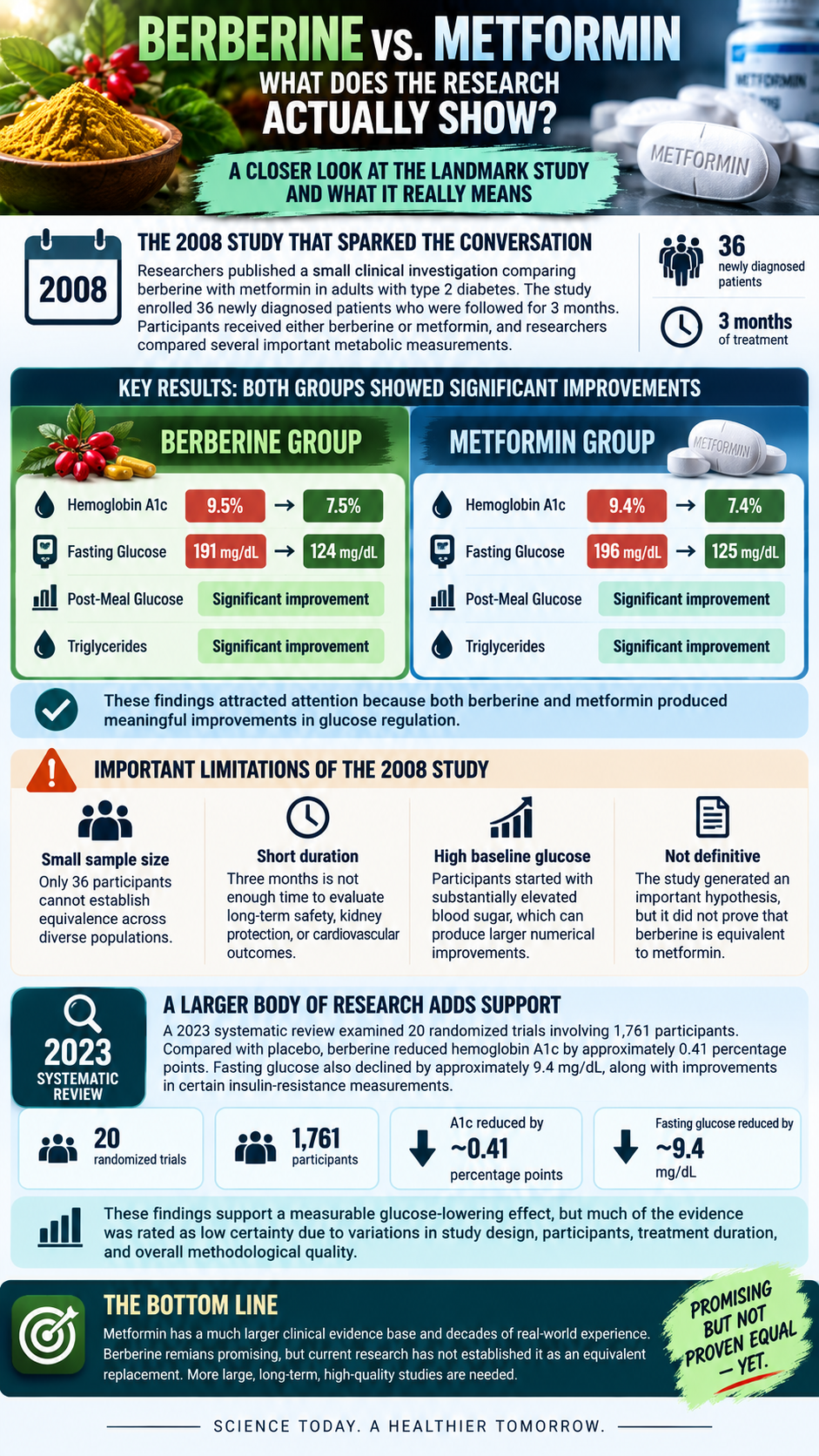
However, this investigation contained important limitations. Thirty-six participants cannot establish therapeutic equivalence between two treatments across diverse patient populations. Three months also provides insufficient time to evaluate cardiovascular complications, kidney protection, or long-term safety. Furthermore, substantial baseline hyperglycemia can produce impressive numerical improvements during short treatment periods.
A larger body of research has since strengthened interest in berberine without resolving every uncertainty. A 2023 systematic review examined 20 randomized trials involving 1,761 participants. Compared with placebo, berberine reduced hemoglobin A1c by approximately 0.41 percentage points. Fasting glucose also declined by approximately 9.4 mg/dL, alongside improvements in certain insulin-resistance measurements.
Those findings support a measurable glucose-lowering effect, but investigators rated much of the evidence as low certainty. Studies varied in design, participant characteristics, treatment duration, and methodological quality. Meanwhile, metformin possesses a substantially larger clinical evidence base and extensive long-term treatment experience. Berberine therefore remains promising, but researchers have not established it as an equivalent replacement.
The Question That Matters More Than Choosing a Winner
Comparing berberine and metformin reveals something important about modern metabolic healthcare. Both interventions can influence glucose regulation, but neither automatically corrects every contributor to insulin resistance. Liver fat accumulation, poor sleep, inadequate muscle activity, and excessive energy intake may continue driving metabolic dysfunction. Successful treatment requires identifying which factors matter most for each individual.
The strongest approach combines objective metabolic assessment with interventions targeting those contributing factors. Appropriate treatment may include nutritional changes, resistance exercise, improved sleep, weight management, and carefully selected medications or supplements. Patients should not discontinue prescribed diabetes treatment solely because a botanical compound produces encouraging research findings. Uncontrolled hyperglycemia carries risks that extend far beyond an unfavorable laboratory report.
Ultimately, the goal should encompass more than achieving a lower A1c. Preserving pancreatic function, protecting blood vessels, improving metabolic flexibility, and reducing long-term complications deserve equal attention. Berberine offers an intriguing area of investigation, while metformin provides a more extensively studied treatment option. Understanding their differences creates an opportunity to pursue comprehensive metabolic health rather than choosing sides in a pharmaceutical-versus-natural debate.
Beyond Blood Sugar: What the Latest Research Reveals
The debate surrounding berberine and metformin exposes a fundamental question about treating type 2 diabetes. Should treatment focus primarily on lowering circulating glucose, or should it address the metabolic disturbances producing that elevation? Ideally, effective care accomplishes both objectives while reducing the risk of long-term complications. Understanding the research requires separating promising biochemical effects from proven clinical outcomes.
A 2024 meta-analysis examining 50 randomized controlled trials involving approximately 4,150 participants reported encouraging results for berberine. Researchers observed improvements in fasting glucose, post-meal glucose, hemoglobin A1c, and several cholesterol measurements. Some studies also suggested additional benefits when patients combined berberine with existing diabetes medications. However, considerable variation in trial quality and treatment protocols limited the certainty of these conclusions.
Metformin’s evidence base remains substantially stronger, particularly regarding consistent glucose control and long-term clinical experience. Its effectiveness has been evaluated across diverse populations, including patients with newly diagnosed diabetes and established metabolic disease. Berberine studies generally involve smaller populations, shorter treatment periods, and less standardized preparations. Consequently, similar glucose improvements in selected trials do not establish equal protection against diabetic complications.
The distinction matters because improving laboratory values represents only one measure of treatment success. Preventing kidney failure, cardiovascular events, vision loss, and neuropathy requires sustained metabolic management. Researchers have not yet demonstrated that berberine independently prevents these complications to the same extent as established diabetes therapies. Its potential deserves continued investigation without exaggerating what existing studies prove.
The AMPK Connection: Understanding the Body’s Cellular Energy Regulator
One fascinating similarity between berberine and metformin involves AMP-activated protein kinase, commonly called AMPK. This enzyme helps cells monitor energy availability and adjust metabolic activity accordingly. When cellular energy becomes limited, AMPK participates in pathways that increase energy production and reduce unnecessary energy consumption. Its activity influences glucose transport, fat metabolism, and mitochondrial function.
Laboratory investigations indicate that both compounds can influence AMPK signaling, although their precise mechanisms differ. Metformin affects cellular energy metabolism through several pathways, including actions involving mitochondrial function. Berberine can also alter mitochondrial activity and influence downstream metabolic signals. Neither compound works exclusively through AMPK, making simplistic descriptions of an identical mechanism misleading.
Interestingly, physical activity activates many of these same energy-regulating pathways through normal physiological processes. Contracting skeletal muscles increase glucose uptake, including through mechanisms that do not require insulin. Regular exercise also improves mitochondrial adaptations and strengthens insulin sensitivity over time. These benefits demonstrate how lifestyle interventions can influence metabolic pathways targeted by medications.
However, AMPK activation does not automatically guarantee diabetes reversal or improved longevity. Biological pathways interact with numerous hormonal, nutritional, and environmental signals. The clinical significance depends on the intervention, patient population, and measurable outcomes. Understanding this complexity encourages a more comprehensive approach to metabolic recovery.
The Liver: Where Insulin Resistance Often Gains Momentum
The liver plays a central role in blood glucose regulation, particularly between meals and during overnight fasting. Under normal circumstances, insulin signals the liver to reduce glucose output after eating. Insulin resistance weakens this regulation, allowing excessive hepatic glucose production despite adequate circulating energy. Consequently, fasting glucose may remain elevated even after several hours without food.
Excess liver fat frequently contributes to this dysfunction. Metabolic dysfunction-associated steatotic liver disease, previously called nonalcoholic fatty liver disease, commonly accompanies obesity and type 2 diabetes. Accumulated hepatic fat can interfere with insulin signaling and alter normal lipid metabolism. Yet fatty liver can also develop in individuals without obvious obesity.
Metformin primarily helps control excessive hepatic glucose production rather than directly eliminating liver fat. Berberine has demonstrated potentially favorable effects on liver metabolism in experimental studies and some clinical investigations. Nevertheless, evidence that berberine reliably reverses fatty liver disease remains limited. Neither intervention eliminates the importance of addressing the dietary and lifestyle factors contributing to hepatic fat accumulation.
Research demonstrates that sustained weight reduction can substantially improve liver fat and insulin sensitivity. Even modest weight loss may produce measurable metabolic benefits in individuals carrying excess body fat. Greater reductions sometimes lead to type 2 diabetes remission, particularly earlier in the disease process. This finding shifts attention toward improving the underlying metabolic environment rather than relying exclusively on glucose-lowering compounds.
The Gut Microbiome: An Overlooked Player in Metabolic Health
The intestinal microbiome contains trillions of microorganisms that participate in digestion, immune signaling, and metabolic regulation. These organisms metabolize dietary fibers, produce biologically active compounds, and interact with intestinal cells. Some microbial metabolites influence glucose regulation and inflammatory signaling. However, the relationship between microbiome composition and diabetes remains complex.
Berberine attracts scientific interest partly because its limited absorption leaves substantial quantities within the gastrointestinal tract. Researchers have observed changes in microbial populations and metabolites following berberine exposure. Certain intestinal bacteria can also transform berberine into compounds with different absorption characteristics. These findings suggest that intestinal activity may contribute to its metabolic effects.
Metformin also influences gastrointestinal physiology and microbial composition. Some studies suggest that microbiome changes contribute to both its therapeutic activity and gastrointestinal side effects. Nevertheless, researchers have not established a universal microbial pattern responsible for insulin resistance. Commercial microbiome testing currently cannot reliably determine whether berberine or metformin will work better for an individual.
The practical lesson involves supporting intestinal health through established nutritional principles. Fiber-rich vegetables, appropriately selected legumes, and other minimally processed plant foods can support beneficial microbial metabolism. Dietary choices should reflect individual glucose responses, digestive tolerance, and nutritional requirements. Restrictive diets that unnecessarily eliminate diverse nutritious foods may undermine long-term sustainability.
At-Home Strategy: Rebuilding Insulin Sensitivity Through Daily Habits
Improving insulin resistance begins with understanding that skeletal muscle serves as a major destination for circulating glucose. After eating, muscle tissue helps clear glucose from the bloodstream and stores some of it as glycogen. Physical inactivity reduces opportunities for this glucose disposal. Conversely, regular movement improves insulin sensitivity and strengthens metabolic resilience.
One practical intervention involves walking for approximately 10–15 minutes after meals. Post-meal movement stimulates muscular glucose uptake and can reduce glucose excursions following carbohydrate-containing meals. Patients with limited mobility can begin with shorter, comfortable periods of activity. Consistency matters more than achieving an aggressive exercise target immediately.
Resistance training provides another powerful intervention because muscle tissue contributes substantially to whole-body glucose disposal. Performing strength exercises two or three times weekly can improve muscular fitness and insulin sensitivity. Squats, resistance bands, modified push-ups, and supervised weight training offer adaptable options. Exercise programs should account for cardiovascular disease, neuropathy, physical limitations, and individual fitness levels.
Nutrition deserves equal attention, particularly when excess energy intake contributes to weight gain and liver fat accumulation. Replacing refined carbohydrates and sugary beverages with minimally processed foods can improve dietary quality and glucose regulation. Meals containing adequate protein, vegetables, and unsaturated fats may also support satiety. Carbohydrate quantities should reflect personal glucose responses rather than a universal restriction.
Sleep represents another frequently neglected component of metabolic health. Repeated sleep restriction can impair insulin sensitivity and increase hunger-related hormonal disturbances. Adults should generally aim for seven to nine hours of sleep each night. Persistent snoring, daytime sleepiness, or suspected sleep apnea warrant appropriate evaluation because untreated sleep apnea can worsen metabolic health.
Measuring Progress Beyond Hemoglobin A1c
Hemoglobin A1c provides valuable information about average glucose exposure over approximately three months. However, it does not directly measure insulin resistance, pancreatic reserve, or every aspect of metabolic health. Certain blood disorders and changes in red blood cell turnover can also distort results. Therefore, interpreting A1c alongside other clinical measurements provides a more complete picture.
Fasting glucose, lipid measurements, blood pressure, waist circumference, and liver enzymes can reveal important metabolic patterns. Clinicians may also consider fasting insulin or HOMA-IR in selected situations, although these lack universally standardized diagnostic thresholds. Kidney function and urine albumin measurements remain particularly important for patients with diabetes. Continuous glucose monitoring may offer additional insights for appropriately selected individuals.
Patients considering berberine should discuss potential medication interactions and glucose monitoring with their healthcare professional. Combining glucose-lowering supplements with insulin or sulfonylureas may increase hypoglycemia risk. Supplement quality, formulation, and dosage can also vary considerably between manufacturers. Berberine should not replace prescribed treatment without an individualized medical assessment.
The objective is not simply collecting more laboratory measurements. Meaningful progress includes improved metabolic markers, better physical function, and reduced long-term disease risk. Tracking sustainable changes over months provides more useful information than chasing dramatic short-term glucose fluctuations. Clinical decisions should ultimately reflect both laboratory evidence and the patient’s broader health circumstances.
Berberine or Metformin: Choosing a Strategy That Addresses the Whole Person
The evidence supports metformin as a well-established glucose-lowering medication with decades of clinical investigation. Berberine demonstrates promising metabolic effects, particularly involving glucose and lipid measurements, but its long-term outcomes remain less certain. Some patients may benefit from carefully supervised complementary approaches. Others require established medication to maintain safe glucose control while addressing lifestyle-related contributors.
A functional approach should investigate insulin resistance, liver fat accumulation, sleep quality, dietary patterns, and physical inactivity. These factors often interact, creating metabolic dysfunction that no single compound can completely resolve. Importantly, identifying underlying contributors does not mean withholding effective medication when clinically necessary. Comprehensive care integrates appropriate treatment with sustainable improvements in everyday physiology.
The encouraging reality is that metabolic health can improve substantially through consistent, evidence-informed action. For some individuals, meaningful weight reduction and sustained lifestyle changes can even produce type 2 diabetes remission. Others will continue needing medication despite excellent habits, reflecting differences in genetics, pancreatic function, and disease progression. Both outcomes can represent successful, individualized healthcare.
Berberine and metformin are not opposing philosophies competing for ownership of metabolic health. They are different interventions with overlapping biological effects and unequal levels of clinical evidence. The deeper opportunity lies in understanding why glucose regulation deteriorated and addressing the modifiable forces driving that deterioration. Ultimately, lasting metabolic improvement requires more than choosing a pill or supplement; it requires building conditions that support healthier physiology every day.