
The Conversation Your Brain Never Stops Having With Your Gut
Imagine waking up after eight hours of sleep, yet feeling as though you never rested. Your mind struggles to focus, your stomach feels bloated, and an unexplained sense of anxiety follows you throughout the morning. By lunchtime, fatigue has replaced motivation, and your digestive system seems to have a personality of its own. You may blame stress, hormones, poor sleep, or something you ate the night before. Yet another possibility deserves investigation: the communication network connecting your intestines, brain, and nervous system may not be functioning optimally.
For generations, medicine approached the digestive system and nervous system as separate departments within the human body. Gastroenterologists investigated stomach pain, constipation, and intestinal inflammation, while neurologists focused on headaches, cognitive dysfunction, and neurological disease. Psychiatrists addressed anxiety and depression, often without examining digestive symptoms. These specialties developed valuable diagnostic and treatment methods, but their traditional separation sometimes obscured the biological relationships connecting their fields. Modern neuroscience and microbiome research now reveal that digestion, immunity, metabolism, and brain function participate in a remarkably interconnected physiological network.
Scientists call this network the gut-brain axis, a bidirectional communication system connecting the gastrointestinal tract with the central nervous system. Its pathways include the vagus nerve, enteric nervous system, immune signaling, endocrine hormones, and metabolites produced by intestinal microorganisms. These pathways continuously exchange information about digestion, nutrient availability, inflammation, microbial activity, and physiological stress. The brain influences how the intestines move and respond, while signals originating in the gut can influence brain activity, appetite, and emotional experience.
This discovery challenges the simplistic assumption that digestive symptoms always originate inside the digestive tract. Chronic stress can alter intestinal motility and increase visceral sensitivity, while gastrointestinal inflammation can influence fatigue, discomfort, and stress responses. The relationship works in both directions, creating feedback loops that may either support physiological stability or perpetuate symptoms. Understanding these connections offers a more comprehensive approach to digestive health, particularly when conventional evaluations fail to explain the full pattern of a person’s complaints.
Your Intestines Contain a Nervous System of Their Own
Hidden within the walls of your digestive tract lies an extraordinary neurological structure known as the enteric nervous system. This network contains hundreds of millions of neurons distributed throughout the gastrointestinal tract, forming an intricate system capable of coordinating digestive functions. Scientists frequently describe it as the body’s second brain, although that expression should not suggest that the intestines possess consciousness or independent thought. Instead, the enteric nervous system operates as a sophisticated control network responsible for regulating essential digestive processes.
These neurons coordinate the muscular contractions that move food through the intestines, control digestive secretions, and help regulate local blood flow. They also communicate with intestinal immune cells and sensory receptors that monitor the chemical and mechanical environment. Remarkably, many digestive reflexes can continue without direct instructions from the brain, demonstrating the enteric system’s substantial autonomy. Nevertheless, the brain and enteric nervous system remain closely connected through autonomic nerves and other signaling pathways.
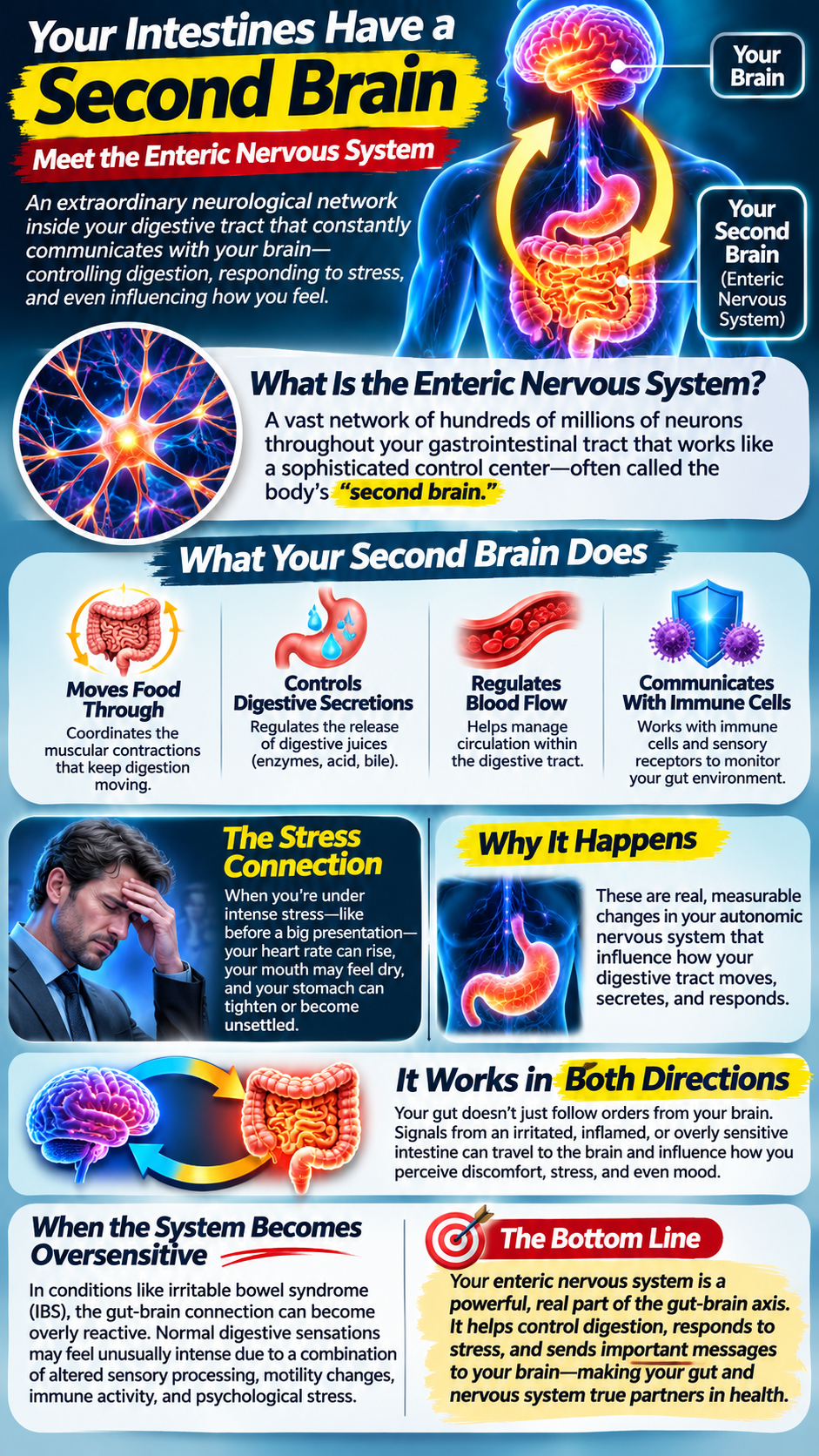
Consider what happens when you experience intense emotional stress before delivering a public speech. Your heart rate increases, your mouth becomes dry, and your stomach may suddenly tighten or become unsettled. These responses are not imaginary, nor are they simply evidence of psychological weakness. They reflect measurable changes in autonomic nervous system activity that influence gastrointestinal movement, secretion, and sensitivity.
The reverse relationship also matters. Intestinal distension, inflammation, and abnormal digestive activity can generate signals that reach the central nervous system and influence how the body perceives discomfort. In people with disorders of gut-brain interaction, such as irritable bowel syndrome, ordinary digestive sensations may become unusually intense. Researchers increasingly recognize that altered sensory processing, motility, immune activity, and psychological stress can interact in these conditions. The resulting symptoms are real, even when standard imaging or laboratory testing reveals no obvious structural disease.
The Vagus Nerve: A Biological Highway Between Your Gut and Brain
Among the body’s communication pathways, the vagus nerve deserves particular attention. This cranial nerve extends from the brainstem into the chest and abdomen, helping regulate cardiovascular, respiratory, and digestive functions. Its extensive branching network provides important communication between the brain and several internal organs. Within the digestive system, vagal pathways participate in stomach accommodation, digestive reflexes, satiety signaling, and aspects of intestinal motility.
One particularly fascinating characteristic of the vagus nerve involves the direction of information flow. Approximately 80 percent of its fibers are sensory, carrying information from the body toward the brain rather than sending commands outward. This does not mean that 80 percent of all gut-brain communication occurs through the vagus nerve, but it illustrates the importance of incoming physiological information. Your brain continually receives signals about internal conditions, including stomach stretching, nutrient exposure, and inflammatory activity.
When food enters the digestive tract, specialized intestinal cells release hormones and activate sensory pathways that help inform the brain about the meal. These signals contribute to appetite regulation, digestive coordination, and the sensation of fullness. Gut microorganisms may also influence some of these pathways indirectly through metabolites, immune signaling, and interactions with intestinal cells. Animal experiments demonstrate several intriguing microbial-vagal relationships, although their clinical importance in humans remains under investigation.
Chronic stress can disrupt autonomic regulation, potentially altering digestion and visceral sensitivity. Researchers often examine heart-rate variability as one indirect measure of cardiac autonomic regulation, but it cannot independently diagnose vagus nerve dysfunction or intestinal disease. Likewise, a person experiencing bloating, constipation, or anxiety should not automatically conclude that their vagus nerve is damaged. The more useful clinical question concerns whether autonomic regulation, digestive function, and stress physiology are interacting in ways that contribute to symptoms.
The Microbiome: Trillions of Organisms Participating in the Conversation
Your digestive tract houses a complex ecosystem of bacteria, archaea, viruses, fungi, and other microorganisms collectively known as the intestinal microbiome. These organisms help process dietary components, produce metabolites, interact with immune cells, and influence the intestinal environment. Their collective genetic capacity enables biochemical reactions that human cells cannot perform independently. Rather than behaving as passive passengers, intestinal microbes participate in a dynamic relationship with their human host.
One important microbial function involves fermenting dietary fibers into short-chain fatty acids, including acetate, propionate, and butyrate. These compounds provide energy for certain intestinal cells, participate in immune regulation, and influence metabolic signaling. Butyrate is particularly important as a fuel source for colonocytes and has demonstrated anti-inflammatory properties in experimental settings. However, the effects of these metabolites depend on concentration, tissue location, and the individual’s physiological circumstances.
Microorganisms also participate in the metabolism of tryptophan, an essential amino acid involved in several important biological pathways. Tryptophan can contribute to serotonin production, kynurenine metabolism, and the formation of microbial indole compounds. These pathways influence intestinal signaling, immune responses, and potentially neurological processes. Their complexity helps explain why dietary patterns and microbial activity may affect more than digestive comfort alone.
Researchers have identified associations between intestinal microbial patterns and conditions such as depression, anxiety, Parkinson’s disease, and certain neurodevelopmental disorders. However, association does not establish that microbial changes caused these conditions. Illness, medication use, diet, sleep, and behavior can themselves alter the microbiome, making cause and effect difficult to separate. Human intervention studies remain essential before specific microbial treatments can be presented as reliable therapies for neurological or psychiatric disease.
Serotonin, Dopamine, and the Chemistry of Gut-Brain Communication
Serotonin frequently appears in discussions about the gut-brain axis because approximately 90 percent of the body’s serotonin is produced in the gastrointestinal tract. Specialized enterochromaffin cells manufacture much of this serotonin, which helps regulate intestinal motility, secretion, and sensory signaling. Certain gut microorganisms can influence serotonin-related pathways through their interactions with intestinal cells and metabolites. These discoveries reveal a substantial biochemical relationship between the microbiome and intestinal neurotransmitter signaling.
Yet an important distinction often disappears from popular health discussions. Serotonin produced in the intestines does not simply travel into the brain to improve mood because it cannot readily cross the blood-brain barrier. The brain maintains its own serotonin synthesis and regulation, although peripheral processes may influence brain function through indirect pathways. Consequently, increasing intestinal serotonin does not automatically increase cerebral serotonin or cure depression.
Dopamine and gamma-aminobutyric acid, commonly called GABA, also appear in gut-brain research. Some microorganisms can produce or metabolize compounds associated with these neurotransmitter systems, while the intestinal nervous system uses multiple chemical messengers to coordinate digestion. Experimental studies suggest that microbial metabolites may influence neural and immune signaling, but their effects vary considerably across species and environments. Findings from laboratory cultures or mice should not be interpreted as proof that consuming a particular probiotic will directly change human brain neurotransmitter levels.
The emerging picture is more sophisticated than the claim that good bacteria manufacture happiness chemicals. The gut and brain communicate through interconnected neural, hormonal, metabolic, and immune pathways, many of which influence one another. Supporting digestive health may therefore contribute to broader well-being, but neurological symptoms require appropriate assessment rather than assumptions about neurotransmitter deficiencies.
When the Intestinal Barrier Becomes Compromised
The intestinal lining performs a remarkable balancing act. It must absorb water and nutrients while limiting the passage of harmful microorganisms and potentially damaging substances into surrounding tissues. Specialized epithelial cells, mucus, immune defenses, and structures known as tight junctions work together to maintain this barrier. The intestine is therefore not merely a digestive tube; it is also a critical interface between the external environment and the body’s internal systems.
Researchers use the term increased intestinal permeability to describe circumstances in which the intestinal barrier allows greater passage of certain substances than expected. This phenomenon can occur in conditions such as celiac disease and inflammatory bowel disease, and it may also be influenced by infections, medications, and other physiological disturbances. Increased permeability is a measurable biological phenomenon, but the popular label leaky gut syndrome is not a universally accepted standalone diagnosis. Furthermore, symptoms such as fatigue, brain fog, and bloating cannot establish intestinal permeability without appropriate evaluation.
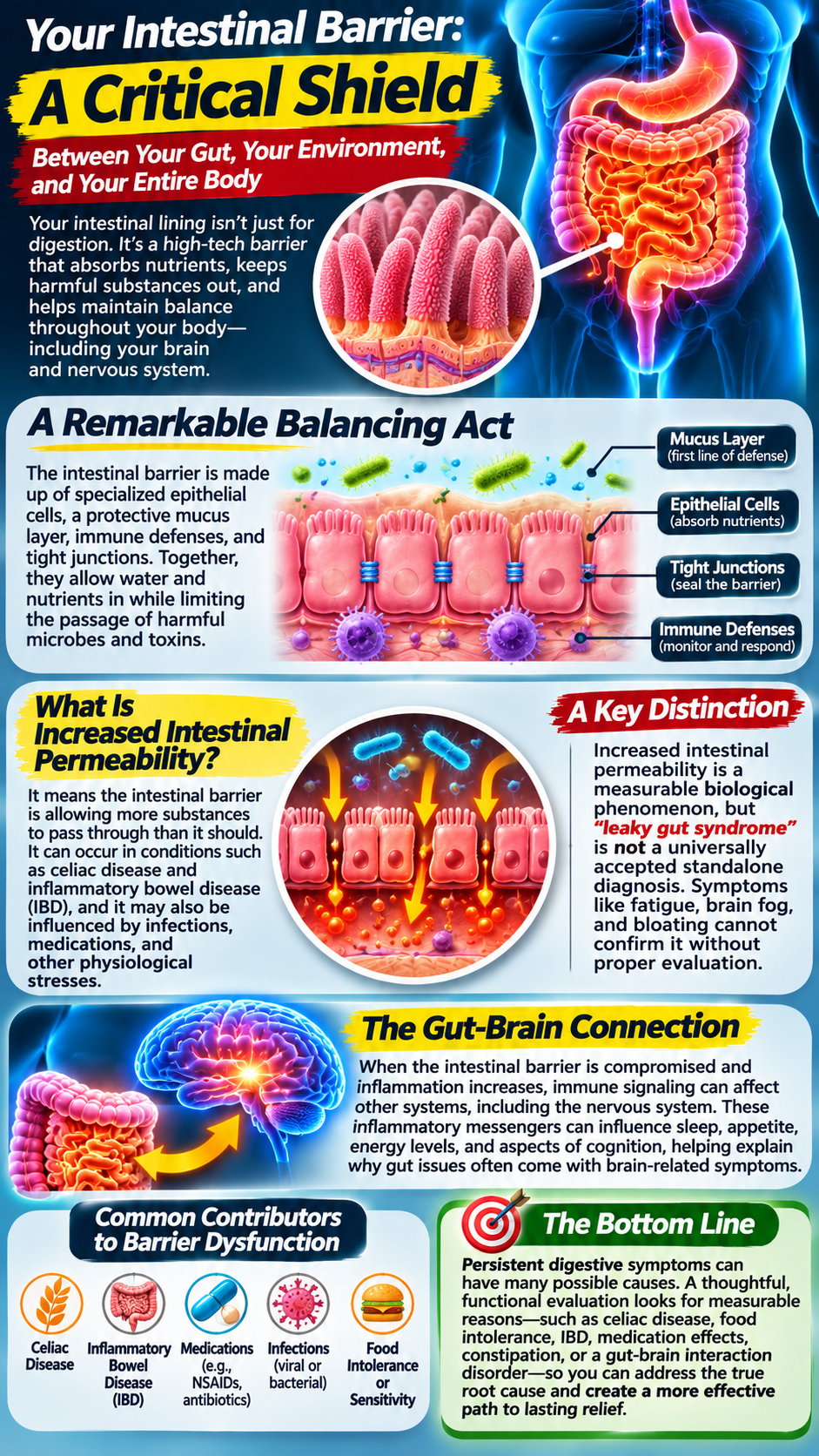
When intestinal barrier dysfunction accompanies inflammation, immune signaling may affect other organ systems, including the nervous system. Inflammatory mediators can influence sleep, appetite, fatigue, and aspects of cognition, particularly during significant illness. Scientists are investigating whether chronic, lower-grade intestinal immune activation contributes to certain neurological and psychiatric symptoms. However, the precise causal relationships remain uncertain, and no single permeability test reliably explains the wide range of symptoms often attributed to leaky gut.
This distinction matters because meaningful functional investigation should seek measurable causes rather than assign a broad diagnosis to every unexplained complaint. Persistent digestive problems may arise from celiac disease, food intolerance, inflammatory bowel disease, medication effects, constipation, or disorders of gut-brain interaction. Identifying the actual mechanism provides a stronger foundation for recovery than assuming every symptom originates from a damaged intestinal barrier.
The Stress-Inflammation-Digestion Cycle
The hypothalamic-pituitary-adrenal axis, commonly called the HPA axis, coordinates important aspects of the body’s response to stress. When the brain perceives a threat, this system helps regulate cortisol release while autonomic pathways adjust cardiovascular and digestive activity. These responses can be protective during short periods of danger. Problems may develop when stress remains persistent and recovery becomes inadequate.
Chronic stress can alter intestinal transit, increase sensitivity to digestive sensations, and influence immune function. Some studies also suggest that stress may affect intestinal permeability and microbial composition, although responses differ between individuals. Meanwhile, ongoing digestive discomfort can increase worry, disrupt sleep, and heighten physiological vigilance. This creates a reciprocal cycle in which stress aggravates symptoms and symptoms generate additional stress.
A person experiencing constipation, bloating, fatigue, and anxiety may therefore have several interacting contributors rather than one isolated disease. Sleep disruption can intensify pain sensitivity, dietary restriction can reduce nutritional diversity, and fear surrounding food may further complicate digestion. Successful treatment often requires addressing these overlapping influences without assuming that every symptom has the same origin.
The central lesson is that digestive health and neurological regulation cannot always be separated into independent categories. The gut-brain axis offers a biological explanation for their relationship while reminding us that each pathway must be investigated carefully. Understanding the conversation is the first step; learning how to support it provides the practical opportunity for change.
Healing Begins When You Restore the Conversation Between Your Gut and Brain
Your intestines and brain were never designed to operate independently. Every meal, stressful experience, restless night, and inflammatory response influences the biological communication occurring between these two systems. When that communication becomes disrupted, the consequences may extend beyond digestive discomfort. Changes in intestinal motility, microbial activity, immune signaling, and nervous system regulation can contribute to a complicated pattern of symptoms involving digestion, sleep, mood, and physical well-being.
The encouraging reality is that many factors influencing gut-brain communication respond to daily habits. What you eat, how you breathe, when you sleep, and how frequently you move can influence the physiological environment supporting your digestive and nervous systems. These activities cannot reverse every gastrointestinal disorder, but they provide practical opportunities to improve health while addressing underlying medical conditions. Rather than searching for a single miracle supplement, a more sustainable approach involves rebuilding the foundations that allow the body to function effectively.
Functional medicine encourages examining the relationships between digestive health, nutritional status, inflammatory activity, and neurological regulation. This perspective becomes particularly useful when symptoms involve multiple systems or worsen under identifiable lifestyle conditions. However, effective investigation also requires recognizing conditions such as celiac disease, inflammatory bowel disease, and neurological disorders that need specific diagnosis and treatment. The objective is to identify contributing factors and address them with the most appropriate interventions.
The At-Home Gut-Brain Restoration Plan: Practical Steps You Can Begin Today
Begin Every Morning by Supporting Your Nervous System
The way you begin your morning can influence your stress response, digestive comfort, and circadian rhythm throughout the day. Immediately reaching for a phone, rushing through breakfast, or consuming large quantities of caffeine may increase physiological arousal in susceptible individuals. A calmer routine provides an opportunity to establish predictable patterns that support digestion and emotional regulation. Although morning routines cannot directly reset the vagus nerve, they can help reduce unnecessary stress and improve consistency.
Begin by drinking a glass of water after waking, particularly if your fluid intake has been inadequate. Adequate hydration supports normal bowel function, although drinking excessive water does not provide additional digestive benefits. Next, spend approximately five minutes practicing comfortable diaphragmatic breathing. Inhale gently through your nose while allowing your abdomen to expand, then exhale slowly without forcing the breath or holding it.
Follow this routine with ten to fifteen minutes of outdoor walking or natural morning light exposure. Daylight helps regulate the circadian system, which coordinates sleep-wake cycles and influences metabolic and digestive processes. Walking also encourages physical activity early in the day and may help establish regular bowel habits. Over time, these simple practices can become a consistent foundation for better sleep, stress management, and digestive comfort.
Rebuild Your Intestinal Environment With Real, Nutrient-Dense Foods
Your intestinal microbiome depends partly on the nutrients and compounds reaching the digestive tract. Diets dominated by highly processed foods may provide fewer diverse fibers and plant compounds than dietary patterns built around minimally processed ingredients. These differences can influence microbial metabolism and the production of substances involved in intestinal physiology. Improving dietary quality is therefore one of the most accessible ways to support gut health.
At home, begin by preparing meals containing adequate protein, colorful vegetables, and healthy fats. Eggs, wild-caught fish, poultry, and other quality protein sources provide amino acids needed for normal tissue maintenance. Avocados, extra-virgin olive oil, and fatty fish contribute unsaturated fats that support cardiovascular and metabolic health. Vegetables such as broccoli, asparagus, leafy greens, and zucchini supply vitamins, minerals, and varying amounts of fiber.

Pay particular attention to fermentable fibers, which certain intestinal microorganisms convert into short-chain fatty acids. Butyrate, one of these compounds, helps fuel cells lining the colon and participates in immune regulation. Foods containing prebiotic fibers include onions, garlic, asparagus, legumes, and certain fruits. If these foods produce significant bloating, begin with smaller portions and gradually increase intake according to tolerance rather than forcing a high-fiber diet immediately.
For the next fourteen days, consider replacing packaged snacks and sugar-sweetened beverages with whole-food alternatives while observing changes in digestion and energy. A simple food and symptom journal can help identify patterns without encouraging unnecessary dietary restriction. The objective is not to eliminate every carbohydrate or force everyone onto the same diet. It is to develop an eating pattern that supports nutritional adequacy, microbial diversity, and comfortable digestion.
Support Your Intestinal Barrier Through Nutrition and Recovery
The intestinal barrier is composed of specialized cells, mucus, immune defenses, and tight junctions that regulate what passes through the intestinal lining. This barrier requires adequate nutrition and a healthy physiological environment to function normally. Certain illnesses, infections, and medications can interfere with barrier integrity, while nutritional deficiencies may impair tissue maintenance. Supporting normal intestinal function begins with addressing these identifiable factors.
Prioritize adequate dietary protein and foods containing zinc, vitamin A, and other essential micronutrients. Beef, poultry, seafood, eggs, and appropriately selected plant foods can contribute these nutrients. Glutamine, an amino acid found in protein-containing foods, serves as an important metabolic fuel for intestinal cells. Although glutamine supplementation has been investigated for certain gastrointestinal conditions, evidence does not support recommending it universally as a treatment for intestinal permeability.
You can also support the intestinal environment by reducing excessive alcohol consumption and avoiding unnecessary use of medications known to irritate the gastrointestinal tract. Prescribed treatments should never be discontinued without appropriate medical guidance. If you experience persistent diarrhea, unexplained weight loss, blood in the stool, or significant abdominal pain, seek medical evaluation rather than assuming that dietary changes alone will repair the problem.
Consistency matters more than dramatic detoxification routines. The intestinal lining continually renews itself through normal biological processes, and a nutrient-adequate diet helps support this activity. There is no reliable evidence that colon cleanses, aggressive fasting, or unverified detoxification supplements are necessary to restore intestinal barrier function.
Practice Daily Breathing Exercises to Encourage Autonomic Balance
The vagus nerve plays an important role in regulating digestive activity and communicating internal sensory information to the brain. Stress-related changes in autonomic activity can influence stomach function, intestinal motility, and visceral sensitivity. Although the vagus nerve cannot simply be switched on through a single exercise, relaxation practices may help reduce physiological arousal and improve digestive comfort.
Set aside five minutes before lunch and dinner for relaxed diaphragmatic breathing. Sit comfortably with your shoulders relaxed and place one hand over your abdomen. Inhale gently for approximately four seconds, then exhale for five or six seconds, adjusting the rhythm to remain comfortable. Continue without forcing deep breaths, holding your breath, or creating dizziness.
This routine may be particularly useful for individuals whose digestive discomfort increases during stressful periods. Slow breathing can promote relaxation and may help reduce the intensity of stress-related gastrointestinal sensations. It should not be interpreted as a proven method for repairing vagal nerve damage or correcting microbiome abnormalities. Its value lies in supporting the broader nervous system environment in which digestion occurs.
Consider combining this practice with slower, more attentive eating. Sit down for meals, chew thoroughly, and reduce distractions when possible. Eating rapidly may contribute to swallowing excess air and can aggravate discomfort in certain individuals. Establishing calmer mealtimes offers a practical way to support digestive comfort without complicated equipment or expensive interventions.
Restore Your Sleep to Support the Gut-Brain Rhythm
Sleep disruption affects more than daytime energy. Inadequate or irregular sleep can influence stress hormones, appetite regulation, pain sensitivity, and emotional processing. Digestive symptoms can also interrupt sleep, creating a cycle in which poor rest and gastrointestinal discomfort reinforce one another. Improving sleep provides an opportunity to support both neurological and digestive health.
Begin by establishing a consistent bedtime and waking time, including weekends whenever practical. Most adults benefit from approximately seven to nine hours of sleep each night. Reduce caffeine late in the day, limit bright light exposure before bedtime, and keep the bedroom cool, dark, and quiet. Individuals experiencing nighttime reflux may also benefit from avoiding large meals close to bedtime.
Spend the final thirty minutes before sleep engaging in a relaxing activity rather than stimulating work or continuous screen use. Reading, gentle stretching, or comfortable breathing can help establish a predictable transition into sleep. These routines do not guarantee changes in intestinal bacteria, but they support circadian stability and stress regulation. Those benefits may indirectly improve digestive symptoms and overall well-being.
Move After Meals to Encourage Digestion and Metabolic Health
Physical movement influences intestinal motility, metabolic regulation, and nervous system function. Sedentary behavior can contribute to constipation in some people, while regular exercise supports cardiovascular health, glucose regulation, and psychological well-being. Emerging research also suggests that exercise may influence the microbiome, although the effects depend on diet, activity level, and individual physiology.
A practical starting point involves walking for ten to fifteen minutes after one or two daily meals. This activity may help reduce post-meal glucose excursions and contributes to overall movement goals. Gradually build toward approximately 150 minutes of moderate physical activity each week, adding resistance exercise on at least two days. People with limited mobility or chronic health conditions can adjust their activities according to medical guidance and physical capacity.
Avoid assuming that more exercise always produces better digestive outcomes. Excessively intense activity can provoke gastrointestinal discomfort in some individuals, especially when hydration or recovery is inadequate. Moderate, consistent movement is generally a more sustainable approach than extreme training routines.
Reduce Daily Stress Before It Becomes a Digestive Trigger
The relationship between stress and gastrointestinal function is well established, particularly in disorders of gut-brain interaction such as irritable bowel syndrome. Psychological stress can alter intestinal motility, increase sensitivity to digestive sensations, and influence autonomic responses. At the same time, persistent abdominal discomfort can heighten anxiety and interfere with normal daily activities. Addressing stress can therefore be an important part of digestive symptom management.
Create two short periods each day when you intentionally disengage from work, screens, and other demands. Use these moments for a brief walk, prayer, meditation, stretching, or quiet reflection. The specific activity matters less than whether it helps you feel calmer and can be practiced consistently. Maintaining meaningful social relationships and spending time outdoors may provide additional benefits for emotional well-being.
Individuals experiencing persistent digestive symptoms associated with anxiety may benefit from gut-directed cognitive behavioral therapy or hypnotherapy. These approaches have demonstrated benefits for some people with irritable bowel syndrome and other disorders of gut-brain interaction. They work by addressing the interaction between nervous system processing and digestive sensations, not by suggesting that symptoms are imaginary. Professional support can complement practical at-home stress management.
Track Your Progress and Identify What Your Body Is Telling You
One of the most useful at-home strategies involves recording patterns rather than relying on memory or isolated symptoms. For the next thirty days, maintain a simple journal documenting meals, bowel movements, sleep duration, stress levels, and digestive discomfort. Use a consistent scale to describe symptom intensity and note whether particular activities or foods appear to influence your experience. This information can reveal patterns that are otherwise difficult to recognize.
For example, you may discover that abdominal discomfort worsens after unusually large meals, that constipation improves with consistent activity, or that poor sleep precedes increased digestive sensitivity. These observations can guide reasonable lifestyle adjustments and provide useful information during clinical evaluation. However, a symptom journal cannot independently diagnose food allergies, intestinal permeability, dysbiosis, or vagus nerve dysfunction.
Avoid eliminating numerous foods based solely on a few uncomfortable experiences. Excessively restrictive diets can create nutritional deficiencies and unnecessary anxiety surrounding eating. If symptoms remain persistent despite reasonable changes, targeted evaluation may identify treatable causes. The goal is to understand your body’s responses while avoiding unsupported conclusions.
Building a Sustainable Gut-Brain Recovery Routine
Restoring healthier daily patterns does not require implementing every intervention simultaneously. Begin with a consistent sleep schedule, a nutrient-dense dietary pattern, adequate hydration, and regular walking. Add comfortable breathing exercises before meals and observe whether calmer eating habits improve digestive comfort. Over several weeks, these changes may help reduce stress-related symptoms and improve overall health.
It is equally important to recognize the limits of lifestyle interventions. Significant gastrointestinal inflammation, untreated celiac disease, neurological disorders, and other medical conditions require appropriate assessment and condition-specific treatment. A functional approach should investigate these possibilities rather than assume that all digestive and neurological complaints originate from microbial imbalance. The most effective plan combines practical self-care with accurate identification of underlying disease when present.
Your Gut and Brain Are Partners in Your Health
The gut-brain axis reveals that human physiology depends on communication between systems rather than isolated organ function. Intestinal microorganisms, immune cells, digestive nerves, hormones, and brain networks continuously exchange information that influences how the body responds to its environment. This relationship helps explain why digestive symptoms can worsen during stress and why gastrointestinal disorders sometimes accompany changes in sleep, mood, and energy.
The encouraging message is that everyday decisions can influence several components of this network. Eating nourishing foods, maintaining regular sleep, moving consistently, and managing stress provide a foundation for digestive and neurological well-being. These practices cannot guarantee recovery from every chronic condition, but they support physiological processes involved in maintaining health.
Lasting improvement begins with understanding what contributes to symptoms and choosing interventions supported by both individual needs and reliable evidence. Rather than chasing temporary solutions or assuming that one treatment can correct every imbalance, focus on creating conditions that support normal digestive function and nervous system regulation. Your intestines and brain are communicating continuously, and the habits you practice each day can help make that relationship healthier and more resilient.