
When a Metabolic Problem Feels Like an Emotional One
Anxiety can arrive without an obvious warning. Your heart accelerates while you sit quietly at your desk. Your hands begin trembling even though nothing frightening has happened. A strange internal restlessness makes concentrating nearly impossible. Your chest feels tight, your thoughts race, and an uncomfortable sense of danger seems to appear from nowhere. Because these symptoms feel emotional, most people naturally assume the problem begins inside the mind. Yet the body can generate many of these sensations through something far more physical: a disturbance in blood sugar regulation.
The relationship between blood sugar and anxiety deserves far more attention than it receives. Glucose provides essential fuel for the brain, muscles, organs, and nervous system. However, the body must keep circulating glucose within a relatively narrow physiological range. When glucose rises rapidly and then falls sharply, several regulatory systems respond. Insulin changes, stress hormones increase, hunger signals shift, and the autonomic nervous system becomes involved. The resulting sensations can resemble anxiety remarkably well.
This does not mean every anxiety disorder comes from blood sugar instability. Anxiety has many possible contributors, including psychological stress, trauma, sleep disruption, medications, thyroid disorders, substance use, and underlying medical conditions. Yet metabolism belongs in that conversation because the brain never operates separately from the body. Every thought, emotion, heartbeat, and stress response depends upon chemistry, energy production, hormones, and neurological signaling. When those systems become unstable, emotional experience can change with them.
That possibility raises an important question. What if some episodes labeled as unexplained anxiety contain a metabolic component that nobody has investigated? Understanding that connection requires looking beyond symptoms and examining what happens after food enters the bloodstream.
The Blood Sugar Roller Coaster Begins With Modern Food
Blood glucose naturally rises after eating carbohydrates, and that rise is not inherently harmful. Problems can develop when meals repeatedly deliver large amounts of rapidly absorbed carbohydrates with little protein, fiber, or fat. Sweetened drinks, pastries, candy, refined cereals, white breads, desserts, and many ultra-processed foods can deliver carbohydrates rapidly. Digestion breaks those carbohydrates into smaller sugars, including glucose. Glucose then enters circulation, and pancreatic beta cells respond by releasing insulin.
Insulin performs an essential job. It helps move glucose from the bloodstream toward cells that can use or store it. After a balanced meal, this process usually occurs without dramatic symptoms. However, frequent high-glycemic meals can produce larger glucose excursions in susceptible people. The resulting pattern may include rapid glucose elevation followed by a significant decline several hours later. That downward movement can become particularly noticeable when meals contain refined carbohydrates without enough protein, fiber, or fat.
People often recognize the crash without understanding its physiology. They may feel hungry shortly after eating, despite consuming plenty of calories. Irritability appears unexpectedly, concentration deteriorates, and another craving quickly follows. Some people reach for coffee, sweets, energy drinks, or another carbohydrate-heavy snack. That choice may temporarily improve how they feel because circulating glucose rises again. Unfortunately, repeatedly solving a glucose crash with another glucose surge can perpetuate the cycle.
Over time, this pattern can influence far more than appetite. The body interprets declining glucose as a potential energy problem, particularly when the fall becomes rapid or reaches abnormally low levels. Protective systems begin responding because maintaining adequate glucose availability matters greatly to the brain. That protective response introduces the first major connection between blood sugar fluctuations and anxiety symptoms: stress hormones.
When Falling Blood Sugar Activates the Alarm System
The human body contains powerful defenses against dangerously low blood glucose. When glucose falls, pancreatic glucagon helps encourage the liver to release stored glucose. The sympathetic nervous system can also become activated. Epinephrine, commonly called adrenaline, contributes to the counter-regulatory response. Cortisol and other hormones may also participate, especially during prolonged metabolic stress.
Consider what adrenaline feels like inside the body. Heart rate may increase. Hands can become shaky. Sweating may develop. A person might feel restless, tense, weak, hungry, or unusually alert. These sensations overlap substantially with symptoms people associate with anxiety. The individual experiencing them may therefore interpret a metabolic alarm as an emotional threat. Once frightening thoughts become attached to those physical sensations, the experience can intensify further.
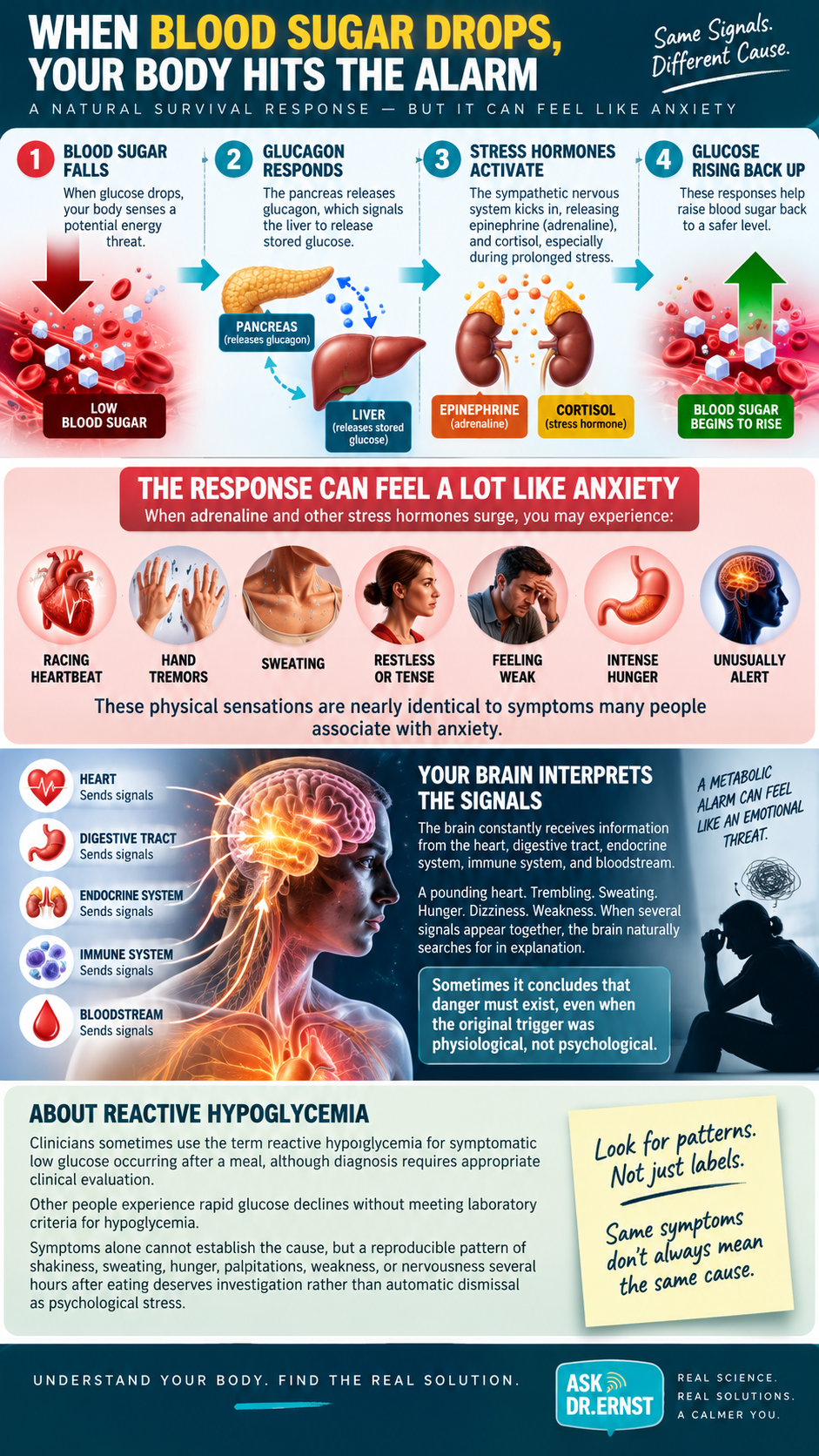
This interaction illustrates why separating mind and body creates an incomplete picture of anxiety. The brain constantly interprets signals arriving from the heart, digestive tract, endocrine system, immune system, and bloodstream. A pounding heart becomes information. Trembling becomes information. Sudden hunger, dizziness, sweating, and weakness become information. When several signals appear together, the brain naturally searches for an explanation. Sometimes it concludes that danger must exist, even when the original trigger was physiological.
Clinicians sometimes use the term reactive hypoglycemia for symptomatic low glucose occurring after a meal, although diagnosis requires appropriate clinical evaluation. Other people experience rapid glucose declines without meeting laboratory criteria for hypoglycemia. Those distinctions matter because symptoms alone cannot establish the cause. Nevertheless, a reproducible pattern of shakiness, sweating, hunger, palpitations, weakness, or nervousness several hours after eating deserves investigation rather than automatic dismissal as psychological stress.
The Brain Is an Energy-Hungry Organ
The adult brain represents only a small portion of total body weight, yet it consumes a substantial share of resting energy. Under ordinary dietary conditions, glucose serves as a major cerebral fuel. The brain can also use ketone bodies during fasting, carbohydrate restriction, or prolonged metabolic adaptation. Regardless of fuel source, stable energy availability remains essential for normal neurological function.
When energy availability becomes disrupted, cognitive and emotional symptoms may emerge. Concentration can become difficult. Thinking may feel slower or strangely scattered. Irritability can increase, while mental clarity disappears. Some people describe these episodes as brain fog. Others experience nervousness, confusion, fatigue, or an urgent feeling that something is wrong. These sensations can become frightening when they arrive suddenly.
The brain also coordinates the body’s response to perceived threats. Structures involving the hypothalamus, brainstem, limbic system, and autonomic nervous system continuously integrate internal and external information. Metabolic disturbances therefore do not remain confined to the bloodstream. They influence neurological signaling and behavioral responses designed to protect survival. Hunger itself provides an obvious example because falling energy availability can powerfully change mood, motivation, and attention.
That biological reality changes how we should think about anxiety symptoms. Instead of asking only what stressful thought preceded an episode, another question becomes relevant. What happened metabolically during the preceding several hours? The answer may reveal skipped meals, excessive caffeine, alcohol, sleep deprivation, prolonged fasting, intense exercise, or a large refined-carbohydrate meal. None proves causation, but each can provide useful clues.
Insulin Resistance Changes the Metabolic Landscape
Blood sugar problems do not always mean that glucose runs too low. The opposite problem can gradually develop when tissues respond less effectively to insulin. The pancreas compensates by producing more insulin, often maintaining apparently acceptable glucose levels for years. This condition, commonly called insulin resistance, can precede prediabetes and type 2 diabetes.
Insulin resistance develops through multiple interacting influences. Excess visceral fat, physical inactivity, genetics, sleep deprivation, chronic calorie excess, and dietary patterns can all contribute. The process is more complicated than simply eating sugar. Skeletal muscle plays an important role because it represents a major destination for glucose after meals. When muscle becomes less insulin-sensitive, glucose disposal becomes more difficult and pancreatic demand can rise.
Early insulin resistance can remain remarkably quiet. A standard fasting glucose measurement may still fall within the reference range while insulin levels have already increased. Post-meal glucose responses may also reveal information that fasting measurements miss. Consequently, metabolic health cannot always be understood from one glucose measurement taken during an annual examination. Clinical context, risk factors, and additional testing sometimes provide a more complete picture.
Why does this matter when discussing anxiety? Insulin resistance often travels with other physiological disturbances, including altered lipid metabolism, increased visceral adiposity, sleep problems, and chronic inflammation. Those conditions can influence energy, cognition, and mood through several pathways. Researchers continue studying the complex relationship between metabolic dysfunction and mental health. The important point is not that insulin resistance automatically causes anxiety. Rather, metabolic health and mental health interact more closely than the traditional separation between them suggests.
Cortisol Can Push the Cycle in Both Directions
Blood sugar affects the stress response, but stress can also affect blood sugar. This creates a two-way relationship that can become self-reinforcing. During stress, cortisol and catecholamines help make additional energy available. The liver can increase glucose output, providing fuel for tissues that might need immediate energy. In an acute emergency, that response offers a clear survival advantage.
Modern stress rarely resembles the short physical threats that shaped human physiology. Deadlines, financial concerns, relationship conflict, insufficient sleep, constant notifications, and relentless work demands can maintain psychological pressure for long periods. Chronic stress may contribute to higher glucose levels and impaired insulin sensitivity in susceptible individuals. Poor sleep compounds the problem because sleep loss can affect appetite hormones, insulin sensitivity, food choices, and emotional regulation.
Caffeine can further complicate the picture. Many exhausted people begin the morning with coffee before eating substantial food. Others consume high-caffeine energy drinks throughout the day. Caffeine stimulates the central nervous system and can increase alertness, but excessive intake may produce jitteriness, palpitations, restlessness, and anxiety-like sensations. Someone already experiencing unstable meals and poor sleep may therefore layer one stimulating signal upon another.
The cycle can become difficult to recognize because each behavior seems to solve the previous problem temporarily. Poor sleep creates fatigue, so caffeine increases. Energy crashes encourage sugar consumption, which supplies rapid fuel. Stress interferes with sleep, while inadequate sleep worsens food choices and metabolic control. Eventually, the person may describe feeling simultaneously exhausted and wired. That combination often reflects several systems struggling at once rather than a single isolated problem.
The Gut Adds Another Layer to the Blood Sugar–Anxiety Connection
The digestive system participates in metabolic regulation through far more than carbohydrate absorption. Intestinal cells, gut microbes, bile acids, immune signals, and enteroendocrine hormones interact with appetite and glucose metabolism. Hormones such as GLP-1 and GIP help coordinate insulin secretion after food arrives. The gut therefore functions as an active metabolic signaling organ rather than a simple tube for processing calories.
Dietary patterns strongly influence this environment. Fiber-rich whole foods support microbial fermentation and production of short-chain fatty acids. In contrast, diets dominated by ultra-processed foods often contain less fiber and more rapidly digestible starches, refined fats, sodium, and added sugars. These patterns can alter satiety, calorie intake, and metabolic health. They may also affect the gut microbiome, although researchers are still determining which microbial changes cause disease and which simply accompany it.
The gut communicates with the brain through neural, endocrine, immune, and metabolic pathways. The vagus nerve represents one important communication route, but it is not the only one. Microbial metabolites, inflammatory mediators, and circulating hormones can also influence nervous-system function. Scientists frequently call this network the gut-brain axis. Its existence helps explain why digestive, metabolic, and emotional symptoms can sometimes appear together.
However, simplistic claims that one gut organism or one supplement explains anxiety should raise caution. The gut ecosystem contains enormous biological complexity, and microbiome science remains young. A stronger approach examines the broader terrain: food quality, fiber intake, meal timing, sleep, activity, medications, gastrointestinal symptoms, and metabolic markers. The goal should be understanding the entire system rather than finding another isolated villain.
Inflammation Connects Metabolism With the Nervous System
Metabolic dysfunction can also intersect with chronic low-grade inflammation. Visceral adipose tissue functions as an active endocrine organ and can release inflammatory signaling molecules. Insulin resistance frequently accompanies this inflammatory environment. At the same time, chronic inflammation can influence insulin signaling, creating another bidirectional relationship.
Inflammatory signals can communicate with the brain and affect neurotransmission, motivation, sleep, and energy regulation. Researchers have documented associations between inflammatory markers and several psychiatric conditions, including depression and some anxiety disorders. Association does not mean inflammation explains every case. Still, the findings reinforce a broader principle: emotional symptoms can have meaningful biological correlates throughout the body.
Oxidative stress may contribute another layer. Persistent hyperglycemia can increase oxidative damage and promote the formation of advanced glycation end products. These processes become particularly important in established diabetes, where prolonged glucose elevation damages blood vessels, nerves, kidneys, and other tissues. Metabolic dysfunction therefore deserves attention long before someone experiences obvious complications.
The nervous system depends heavily upon vascular and metabolic health. Blood vessels must deliver oxygen and nutrients efficiently, while mitochondria must generate usable cellular energy. Hormones must communicate appropriately, and neurons must maintain electrochemical gradients. Anxiety exists within this biological environment. Treating mental and metabolic health as unrelated categories ignores the physiology connecting them.
What Repeated Blood Sugar Instability Can Do to the Body
Short-term glucose fluctuations can produce uncomfortable symptoms, but chronic metabolic dysfunction carries larger consequences. Persistently elevated glucose and insulin resistance can progress toward prediabetes and type 2 diabetes. These conditions increase cardiovascular and kidney risks and can damage peripheral nerves and the retina. They also commonly coexist with high triglycerides, hypertension, fatty liver disease, and increased abdominal adiposity.
The cardiovascular system experiences substantial metabolic pressure when insulin resistance advances. Endothelial function can deteriorate, inflammatory signaling can increase, and abnormal lipid patterns may develop. Elevated blood pressure frequently joins the picture. These changes do not arise overnight, which makes early metabolic dysfunction easy to ignore. The absence of immediate pain does not mean the underlying process is harmless.
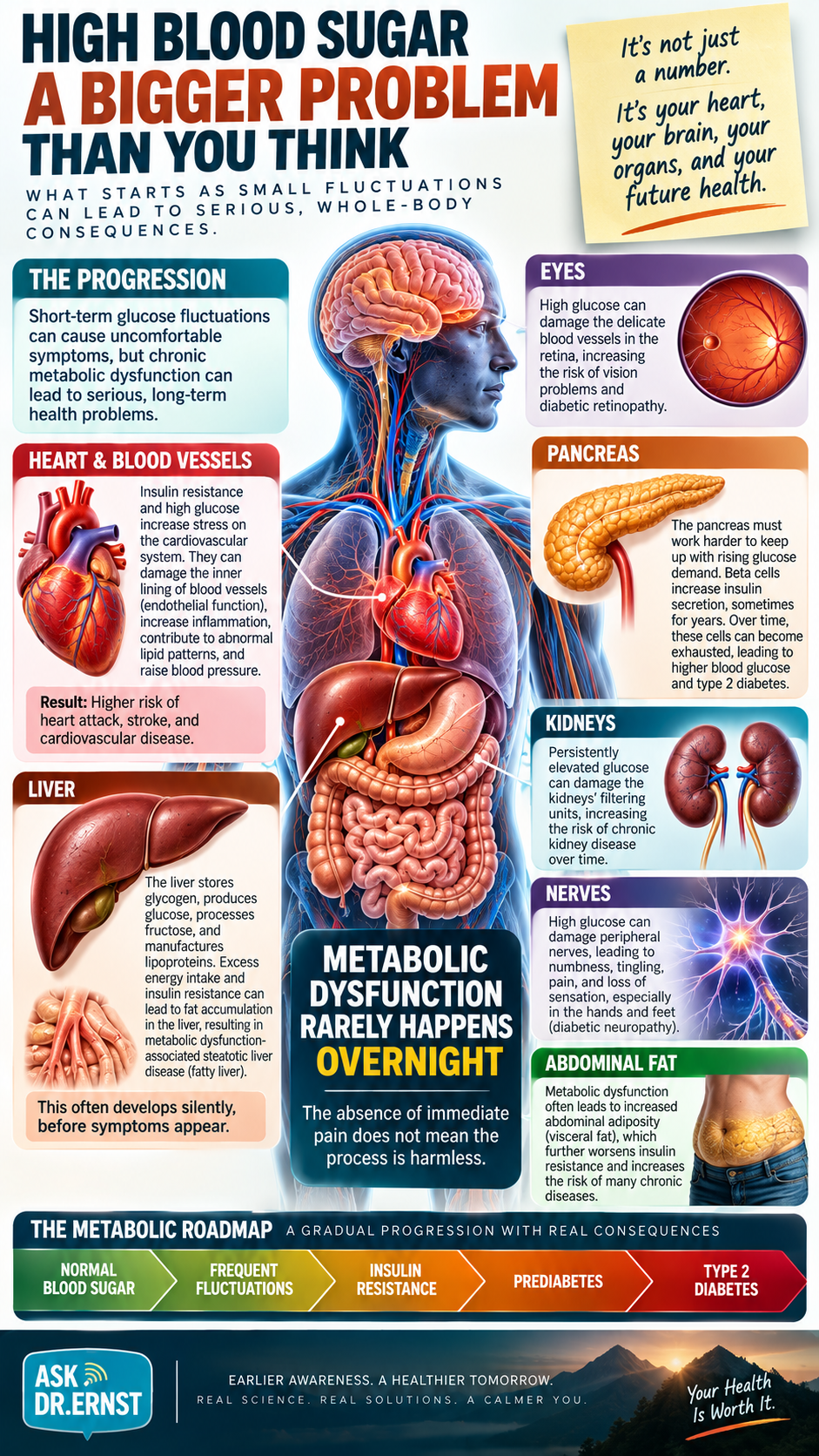
The liver also sits near the center of metabolic regulation. It stores glycogen, produces glucose when needed, processes fructose, manufactures lipoproteins, and coordinates numerous metabolic pathways. Excess energy intake and insulin resistance can encourage fat accumulation inside the liver. Metabolic dysfunction-associated steatotic liver disease can develop silently, sometimes before a person realizes their metabolic health has deteriorated.
Meanwhile, the pancreas must continually respond to glucose demand. Beta cells can compensate for insulin resistance by increasing insulin secretion, sometimes for many years. Eventually, susceptible individuals may lose sufficient beta-cell function to maintain normal glucose control. Blood glucose then rises more consistently, and diabetes becomes easier to detect. Waiting for fasting glucose to become obviously abnormal can therefore mean waiting until metabolic dysfunction has already progressed substantially.
Why the Symptoms Are So Easy to Misread
One reason the blood sugar–anxiety connection gets overlooked involves the timing of medical evaluation. A person may experience a severe episode at 3:00 p.m., yet have bloodwork performed days later after an overnight fast. That laboratory snapshot cannot automatically reconstruct what happened during the original episode. Similarly, an isolated glucose value cannot explain every fluctuation occurring throughout an ordinary day.
Symptoms also overlap among many conditions. Palpitations can accompany anxiety, hypoglycemia, hyperthyroidism, anemia, arrhythmias, stimulant use, dehydration, and several other problems. Dizziness has an equally broad differential diagnosis. Trembling, sweating, weakness, and brain fog also lack a single exclusive cause. That overlap makes careful evaluation more important, not less important.
A useful investigation therefore examines patterns rather than relying solely upon labels. When did the symptoms begin? What did the person eat beforehand? How much caffeine was consumed? Was alcohol involved the previous evening? Did the individual sleep adequately? Does exercise improve symptoms or trigger them? Do episodes occur after high-carbohydrate meals, during prolonged fasting, or at random times?
These questions can uncover connections that isolated testing misses. They also help prevent an equally important mistake: assuming every anxiety episode comes from glucose. If symptoms occur regardless of meals, other causes deserve serious consideration. If someone experiences true hypoglycemia without diabetes treatment, medical evaluation becomes especially important because uncommon endocrine, hepatic, medication-related, and other causes can exist.
Anxiety May Be a Message, Not Merely a Label
The most useful shift may involve changing the question itself. Instead of asking only, “How do I stop feeling anxious?” ask, “What systems are creating or amplifying this sensation?” That question does not dismiss psychological contributors. It expands the investigation to include sleep, nutrition, metabolism, hormones, stimulants, inflammation, physical activity, medications, and neurological signaling.
For some people, emotional stress will remain the dominant driver. For others, metabolic instability may amplify an already sensitive stress response. Another group may discover that skipped meals, excessive caffeine, poor sleep, and refined carbohydrates repeatedly precede their worst episodes. Human physiology rarely obeys simplistic either-or categories. Mental health and metabolic health constantly interact.
Recognizing this connection creates an opportunity because metabolic patterns can often be measured and modified. Meal composition can change. Muscle activity can increase. Sleep can improve. Caffeine exposure can be adjusted. Glucose patterns can be investigated when clinically appropriate. Insulin resistance and diabetes risk can be evaluated rather than ignored until disease becomes obvious.
The deeper lesson extends beyond blood sugar. The body constantly communicates through symptoms, and those symptoms deserve thoughtful interpretation. Anxiety may involve thoughts and emotions, but it also occurs inside a living metabolic system. Understanding that system can reveal contributors that a purely psychological explanation might miss.
Rebuilding Metabolic Stability and Calming the Alarm
Understanding the connection between blood sugar and anxiety changes what happens next. Instead of viewing every episode as purely emotional, you can investigate the metabolic environment surrounding those symptoms. The goal is not to eliminate carbohydrates or chase perfectly flat glucose readings. Healthy blood glucose naturally rises after meals and falls afterward. The goal is metabolic flexibility, appropriate insulin sensitivity, reliable energy, and fewer extreme fluctuations that provoke uncomfortable symptoms.
This approach also changes the definition of progress. Someone may initially focus only on whether anxiety disappears. Yet metabolic improvement often announces itself through subtler changes first. Afternoon crashes become less severe, cravings lose their intensity, and meals provide longer-lasting satisfaction. Concentration becomes steadier, while the constant need for caffeine begins fading. Sleep may improve as nighttime hunger and erratic eating patterns settle. Those changes suggest that the body is regaining better control over energy.
Start With the Meal That Creates the Next Three Hours
Blood sugar stability begins with what enters the body. A breakfast built around sweetened cereal, juice, pastries, or flavored coffee can deliver considerable carbohydrate quickly. A lunch centered on bread, chips, soda, and dessert may repeat the same pattern. Neither meal necessarily causes anxiety by itself. However, repeated high-glycemic meals can create larger glucose excursions, especially in people with impaired glucose regulation.
Protein provides an important starting point because it supports satiety and helps preserve lean tissue. Eggs, poultry, beef, fish, turkey, and other minimally processed protein sources can anchor a meal. Plant proteins may also contribute when tolerated and appropriate. The exact amount should reflect body size, activity, age, kidney function, and overall nutritional needs. What matters most is moving away from meals dominated by rapidly digested carbohydrates.
Healthy fats can add another layer of satiety. Avocado, olives, extra-virgin olive oil, seeds, nuts, eggs, and fatty fish provide useful options for many people. Fat slows gastric emptying and changes how a mixed meal enters circulation. However, adding unlimited fat to an already excessive diet does not automatically improve metabolism. Energy balance still matters, particularly when insulin resistance and excess visceral fat already exist.
Fiber-rich vegetables and other minimally processed plant foods can further slow carbohydrate absorption. Their volume also helps create fullness without delivering the concentrated carbohydrate load found in many processed foods. A plate built around protein, vegetables, and appropriate natural fats usually behaves differently from a plate dominated by refined starch. That difference may become noticeable within hours through hunger, energy, and mental clarity.
Stop Drinking Your Blood Sugar
Liquid sugar deserves special attention because beverages can deliver substantial carbohydrate with little satiety. Soda, sweet tea, sweetened coffee, sports drinks, juice, and many energy drinks can contain surprisingly large sugar loads. Because chewing and fiber are often absent, these calories become remarkably easy to consume. Someone trying to stabilize glucose should examine beverages as carefully as food.
Replacing sweetened drinks with water, mineral water, unsweetened tea, or other unsweetened alternatives removes an obvious source of added sugar. Juice deserves similar scrutiny, even when the label says 100 percent fruit juice. Whole fruit contains intact cellular structure and fiber that changes the eating experience. Drinking several pieces of fruit within minutes produces a different metabolic challenge from slowly eating one intact piece.
Energy drinks create another problem because some combine sugar with substantial caffeine. Even sugar-free versions may contain enough caffeine to produce palpitations, trembling, restlessness, or sleep disruption in sensitive individuals. Those sensations can closely resemble anxiety. A person may therefore spend the day treating fatigue with stimulants while unknowingly intensifying the sensations they want to escape.
Build a Consistent Eating Rhythm Before Experimenting With Fasting
Intermittent fasting can be useful for some adults, particularly when it reduces unnecessary snacking and overall energy intake. However, fasting should not become a contest to see how long someone can tolerate feeling terrible. A person experiencing recurrent shakiness, dizziness, sweating, or suspected hypoglycemia needs a different starting point. Stability should come before aggressive fasting.
Begin by observing whether structured meals reduce symptoms. Eating adequate protein and minimally processed foods can often decrease the urge to snack continuously. Once meals become satisfying, the overnight fasting interval naturally becomes longer because late-night eating disappears. That approach differs significantly from skipping food all day while surviving on coffee and then overeating at night.
People using insulin or glucose-lowering medications require particular caution with fasting and major dietary changes. Medication requirements can change as carbohydrate intake and body weight change. Hypoglycemia can become dangerous, especially with insulin and certain diabetes medications. Anyone in that situation should coordinate significant changes with an appropriate healthcare professional.
Use Muscle as a Metabolic Tool
Skeletal muscle provides one of the body’s largest destinations for glucose. Muscle contractions can increase glucose uptake through mechanisms that do not depend entirely upon insulin. This makes physical activity a powerful component of metabolic health. The solution does not require becoming an endurance athlete or spending hours inside a gym.
Walking after meals offers an exceptionally practical starting point. Even a short walk encourages working muscles to use circulating glucose. Regular post-meal movement may reduce postprandial glucose excursions while improving daily activity levels. Instead of collapsing onto the couch after dinner, consider making movement part of the meal itself. The habit costs nothing and requires no specialized equipment.
Resistance training adds another advantage because maintaining muscle improves glucose disposal capacity. Squats, lunges, push-ups, resistance bands, dumbbells, and appropriately programmed strength exercises can all contribute. Progressive training matters more than complicated exercise selection. Building metabolically active tissue creates benefits that extend beyond the workout itself.
Exercise also influences anxiety through mechanisms beyond glucose. Regular activity can improve sleep, cardiovascular fitness, stress tolerance, and mood. However, excessive training combined with inadequate food and poor sleep can create another physiological stressor. More exercise is not always better. The objective remains resilience rather than exhaustion.
Sleep May Be the Missing Blood Sugar Intervention
Many people attempt to repair metabolism while sleeping five hours nightly. That strategy works against basic physiology. Sleep restriction can reduce insulin sensitivity, increase appetite, alter food choices, and impair emotional regulation. The next morning often begins with fatigue, followed by caffeine and cravings for rapid energy.
A consistent sleep schedule provides a powerful foundation. Keep the bedroom dark, quiet, and comfortably cool. Reduce stimulating screen exposure before bedtime when it interferes with sleep. Avoid large late-night meals when they cause reflux or disrupt rest. Most adults should generally aim for at least seven hours, although individual sleep needs vary.
Caffeine deserves another examination here because its effects can persist for hours. Someone who consumes coffee throughout the afternoon may fall asleep but obtain poorer sleep quality. The resulting fatigue encourages more caffeine the following day. Breaking that loop can improve both nervous-system stability and metabolic behavior.
Your At-Home Blood Sugar and Anxiety Investigation
Before buying complicated supplements, become an investigator of your own patterns. For two weeks, record meal timing, major foods, caffeine intake, sleep duration, exercise, and anxiety symptoms. Note when shakiness, sweating, irritability, brain fog, palpitations, intense hunger, or sudden nervousness occurs. Patterns often become clearer when information moves from memory onto paper.
Pay particular attention to the two-to-four-hour period after eating. Does anxiety repeatedly appear after a carbohydrate-heavy breakfast? Do symptoms occur after skipping lunch? Does afternoon coffee precede palpitations? Does poor sleep predict stronger cravings the following day? These observations cannot diagnose a medical condition, but they can reveal valuable relationships worth investigating.
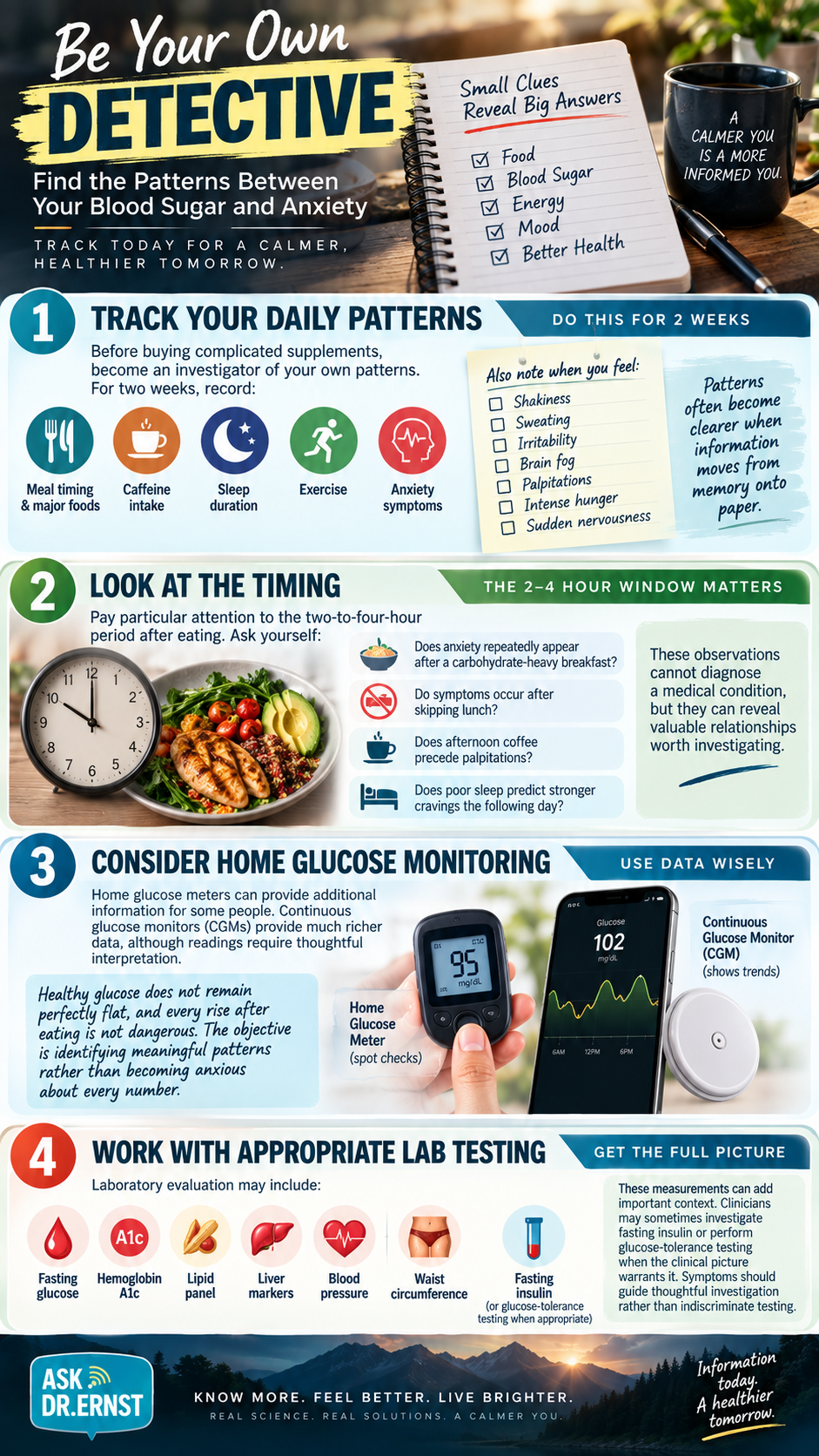
Home glucose meters can provide additional information for some people. Continuous glucose monitors provide much richer data, although readings require thoughtful interpretation. Healthy glucose does not remain perfectly flat, and every rise after eating is not dangerous. The objective is identifying meaningful patterns rather than becoming anxious about every number.
Laboratory evaluation may include fasting glucose and hemoglobin A1c, depending on clinical circumstances. Lipids, liver markers, blood pressure, waist circumference, and other metabolic measurements can add context. Clinicians may sometimes investigate fasting insulin or perform glucose-tolerance testing when the clinical picture warrants it. Symptoms should guide thoughtful investigation rather than indiscriminate testing.
Break the Cycle at Its Weakest Point
The blood sugar–anxiety cycle rarely begins with one catastrophic mistake. It develops through repeated daily inputs. Poor sleep encourages caffeine. Caffeine can suppress appetite temporarily, leading to skipped meals. Hunger eventually drives a quick carbohydrate choice. Glucose rises, energy briefly improves, and another crash may follow. Anxiety then increases stress, which can further disrupt sleep and eating behavior.
Fortunately, the same principle works in reverse. A protein-centered breakfast can reduce midmorning hunger. A balanced lunch can support steadier afternoon energy. Walking after dinner improves activity and glucose handling. Better sleep can reduce next-day cravings and stimulant dependence. Small improvements begin reinforcing other improvements.
That is the central message behind the metabolic connection between blood sugar and anxiety. The body does not divide itself into separate emotional, hormonal, neurological, and metabolic compartments. These systems communicate continuously. A disturbance in one can amplify problems elsewhere, while restoring stability in one area may support the entire network.
Anxiety still deserves appropriate psychological and medical care when needed. Chest pain, fainting, severe palpitations, confusion, persistent hypoglycemia, or rapidly worsening symptoms should never be dismissed as ordinary blood sugar fluctuations. Yet anxiety symptoms also deserve a broader investigation than many people receive. Sometimes the racing heart and trembling hands are not merely telling you to calm your thoughts. They may be asking you to examine the metabolic environment feeding them.
The path forward begins with observation rather than fear. Stabilize meals, prioritize protein and whole foods, remove unnecessary liquid sugar, move after eating, strengthen muscle, protect sleep, and reconsider excessive caffeine. Track what changes and investigate persistent abnormalities appropriately. When the body’s energy supply becomes more predictable, the nervous system may receive fewer metabolic reasons to sound the alarm.
Healing rarely comes from silencing every warning signal. It begins by understanding what those signals may be trying to communicate.