
The Blood Test Your Annual Physical May Be Missing
A heart attack rarely begins the morning someone experiences crushing chest pain. Its biological foundations often develop over decades through changes in blood vessels, metabolism, inflammation, and cellular function. During those years, a person may feel remarkably healthy while important risk factors remain undetected. Conventional blood testing identifies many of these dangers, yet certain metabolic disturbances can escape routine evaluation.
Consider a 57-year-old businessman who believes he has done everything necessary to protect his cardiovascular health. His cholesterol appears acceptable, his blood pressure remains controlled, and his annual examination produces reassuring results. Nevertheless, he experiences increasing mental fatigue, occasional tingling in his feet, and difficulty concentrating during meetings. His symptoms suggest that something deserves investigation, even though familiar laboratory measurements offer few explanations.
Further testing eventually reveals elevated homocysteine and a significant vitamin B12 deficiency. Suddenly, several previously disconnected findings begin forming a recognizable biochemical picture. His body struggles to maintain an important metabolic pathway that supports normal amino acid processing and neurological function. Although this hypothetical patient’s homocysteine cannot explain every symptom, the finding directs attention toward a potentially treatable deficiency.
Homocysteine is an amino acid produced naturally during the metabolism of methionine, an essential component of dietary protein. Under normal circumstances, the body continually recycles or metabolizes homocysteine through pathways requiring specific vitamins and enzymes. When these processes become impaired, concentrations can rise in the bloodstream. Researchers have associated elevated homocysteine with cardiovascular disease, stroke, cognitive impairment, and several underlying metabolic disorders.
Despite decades of investigation, homocysteine rarely receives the public attention given to cholesterol, glucose, or blood pressure. Routine screening remains controversial because lowering mildly elevated levels has not consistently prevented cardiovascular events. Nevertheless, the marker can provide valuable clues about nutritional deficiencies, kidney dysfunction, and selected neurological concerns. Understanding those clues requires examining where homocysteine originates and how its metabolism affects the body.
The Discovery That Challenged the Cholesterol-Centered View of Heart Disease
During the 1960s, pathologist Dr. Kilmer McCully encountered an extraordinary medical puzzle involving children with severe vascular disease. These young patients suffered from homocystinuria, a rare inherited disorder that disrupts normal homocysteine metabolism. Some developed dangerous blood clots and vascular abnormalities at ages when typical atherosclerosis remains uncommon. Their conditions suggested that profound metabolic disturbances could damage blood vessels independently of traditional adult cardiovascular risk patterns.
McCully examined the relationship between these metabolic abnormalities and the vascular injuries observed in affected patients. In 1969, he published his influential research in the American Journal of Pathology. His findings raised the possibility that excessive homocysteine could contribute to arteriosclerotic changes. The hypothesis challenged researchers to investigate cardiovascular mechanisms extending beyond cholesterol accumulation.
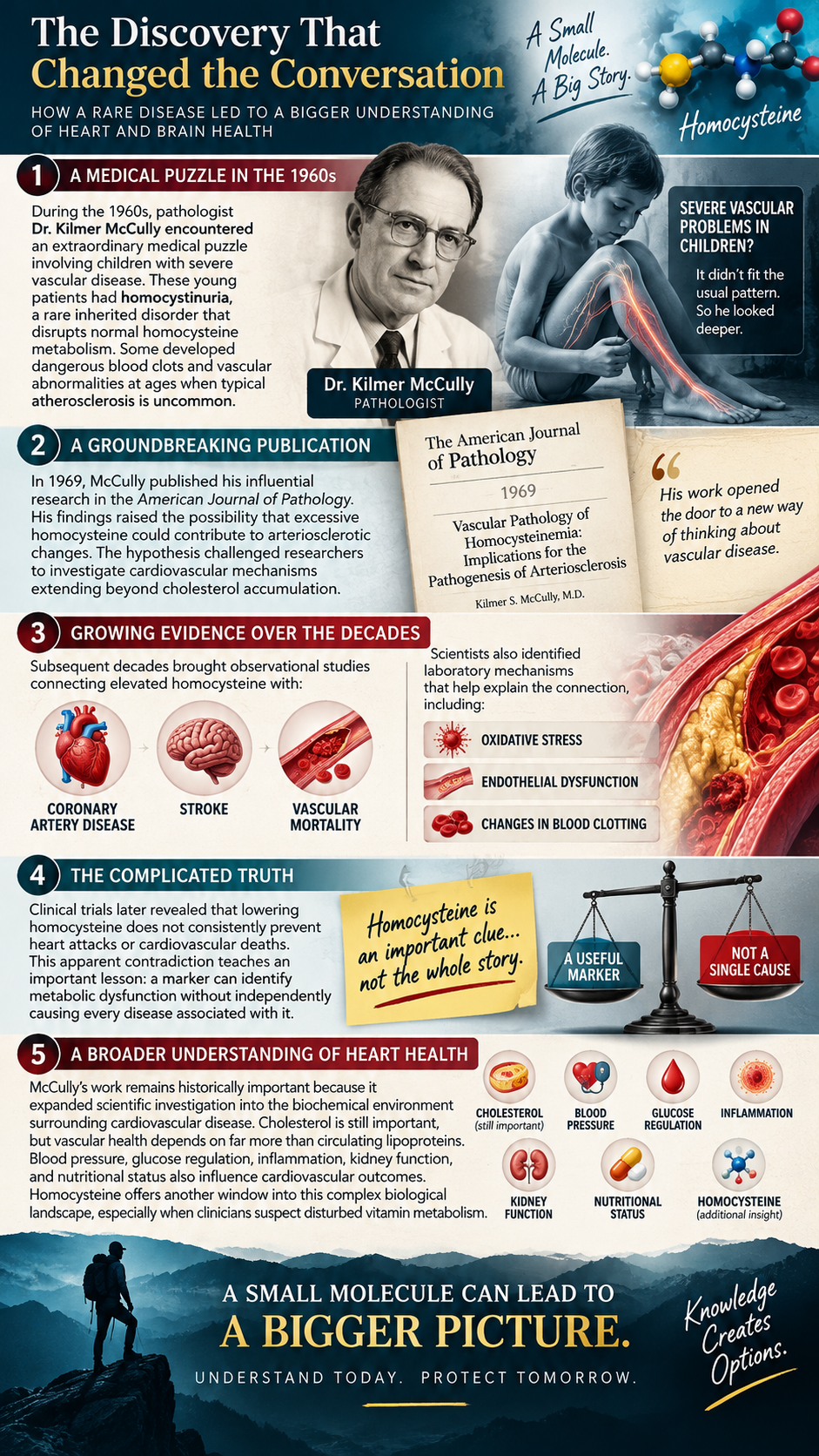
Subsequent decades brought observational studies connecting elevated homocysteine with coronary artery disease, stroke, and vascular mortality. Scientists also identified laboratory mechanisms involving oxidative stress, endothelial dysfunction, and changes in blood clotting. These findings strengthened the biological plausibility of homocysteine-related vascular injury. However, clinical trials later revealed that lowering homocysteine does not consistently prevent heart attacks or cardiovascular deaths.
This apparent contradiction reveals an essential principle of human biology. A marker can identify metabolic dysfunction without independently causing every disease associated with it. Severe inherited homocysteine elevations clearly contribute to dangerous vascular complications, while modest elevations have more complicated implications. The challenge involves distinguishing a direct pathological mechanism from a warning signal reflecting other underlying problems.
McCully’s work remains historically important because it expanded scientific investigation into the biochemical environment surrounding cardiovascular disease. Cholesterol remains important, but vascular health depends on far more than circulating lipoproteins. Blood pressure, glucose regulation, inflammation, kidney function, and nutritional status also influence cardiovascular outcomes. Homocysteine offers another window into this complex biological landscape, particularly when clinicians suspect disturbed vitamin metabolism.
Where Homocysteine Comes From: The Methylation Cycle Explained
Every time someone consumes eggs, fish, poultry, or other protein-containing foods, digestion releases amino acids into circulation. One of these amino acids, methionine, participates in numerous reactions essential for normal cellular function. The body converts methionine into S-adenosylmethionine, commonly abbreviated SAM. This compound supplies methyl groups that support biochemical processes throughout the body.
Methylation involves transferring a small chemical group containing one carbon atom and three hydrogen atoms. Although the reaction sounds simple, its biological applications are remarkably diverse. Cells use methylation in DNA regulation, protein modification, phospholipid metabolism, and numerous other biochemical reactions. These processes help maintain normal cellular activity without functioning as a universal switch controlling every aspect of health.
After SAM donates its methyl group, the metabolic sequence eventually produces homocysteine. This intermediate represents a normal part of human physiology rather than an inherently dangerous substance. Healthy metabolism continually directs homocysteine into pathways that recycle or transform it. Problems emerge when nutritional deficiencies, enzyme disturbances, or other conditions interfere with these processes.
The first major pathway, remethylation, converts homocysteine back into methionine. This reaction depends heavily on vitamin B12 and a biologically active form of folate. Vitamin B2 also contributes by supporting the MTHFR enzyme involved in folate metabolism. Another pathway uses betaine to assist remethylation, particularly within the liver and kidneys.
The second pathway, transsulfuration, directs homocysteine toward cysteine production through several enzymatic reactions. Vitamin B6 serves as an essential cofactor within this metabolic sequence. Cysteine subsequently contributes to the synthesis of glutathione, an important antioxidant involved in cellular protection. However, elevated homocysteine alone cannot establish glutathione deficiency or impaired detoxification.
These pathways demonstrate why nutrition plays such an important role in homocysteine regulation. Inadequate folate, vitamin B12, or vitamin B6 can disrupt normal processing and increase circulating concentrations. Kidney dysfunction, thyroid abnormalities, and certain medications can also influence the result. Consequently, homocysteine provides a biochemical clue rather than a diagnosis of one specific disorder.
How Elevated Homocysteine May Contribute to Cardiovascular Damage
The cardiovascular system contains an intricate network of arteries, veins, and microscopic blood vessels supporting every organ. Along the interior surface of these vessels lies a specialized cellular layer called the endothelium. This tissue regulates vascular relaxation, inflammatory signaling, blood clotting, and the movement of substances between circulation and surrounding tissues. Healthy endothelial function helps preserve circulation while responding to changing physiological demands.
Nitric oxide plays an important role in this regulatory system by helping blood vessels relax appropriately. Experimental research suggests that excessive homocysteine can interfere with nitric oxide signaling under certain conditions. Scientists have also observed increased oxidative activity and disturbances in endothelial cellular processes. These mechanisms offer possible explanations for the associations between homocysteine and vascular disease.
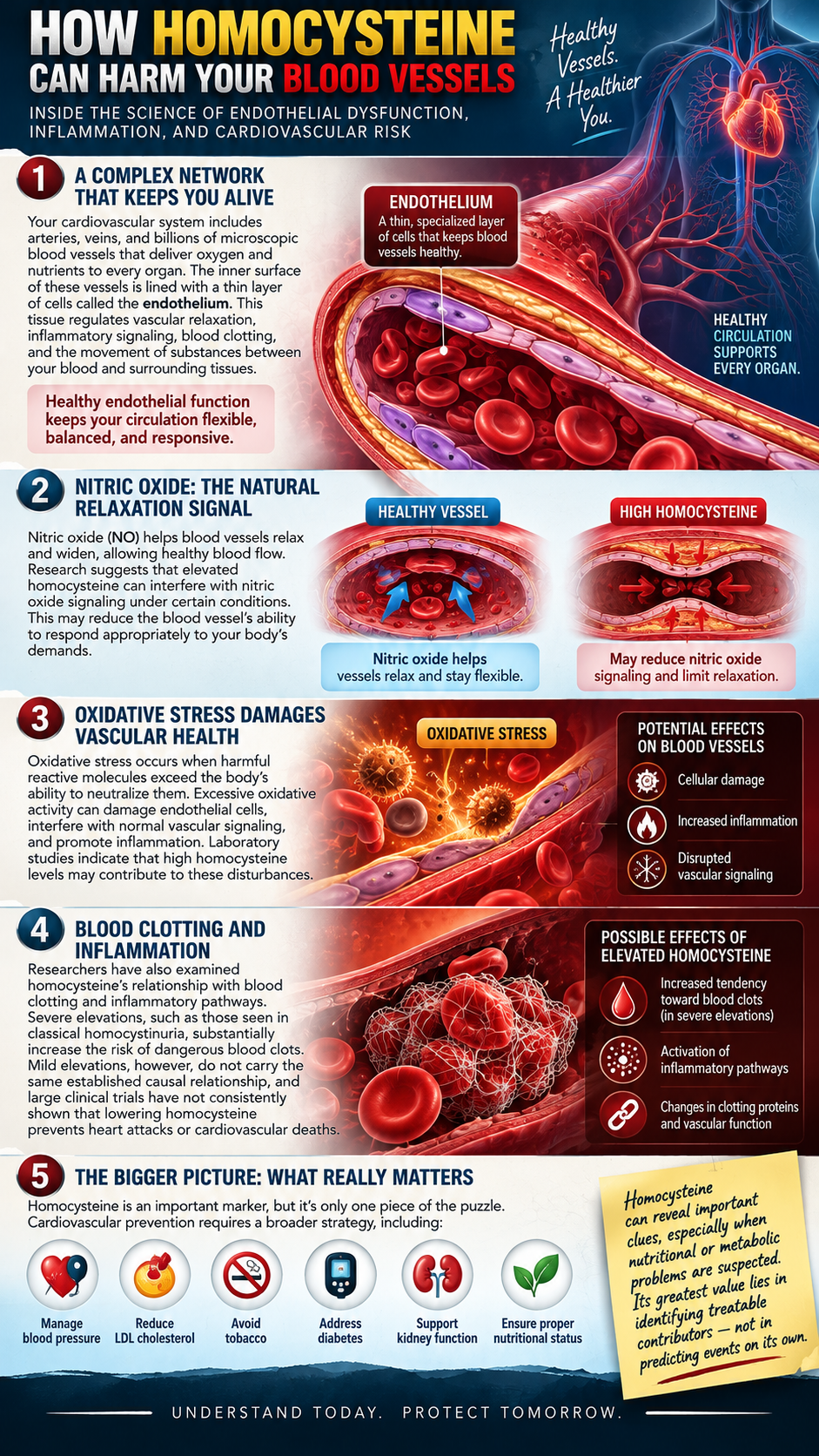
Oxidative stress develops when reactive molecules exceed the capacity of protective systems to maintain biochemical balance. Excessive oxidative activity can damage cellular structures and interfere with normal vascular signaling. Laboratory studies indicate that high homocysteine concentrations may contribute to these disturbances. Nevertheless, experimental findings cannot establish that every modest elevation causes progressive arterial injury in humans.
Researchers have also investigated homocysteine’s relationship with blood clotting and inflammatory pathways. Severe elevations associated with classical homocystinuria substantially increase the risk of thrombotic complications. Mild elevations, however, do not carry the same established causal relationship. Large trials have failed to demonstrate consistent cardiovascular protection from lowering homocysteine with vitamin supplements.
This distinction matters because cardiovascular prevention requires interventions supported by meaningful clinical outcomes. Managing hypertension, reducing excessive LDL cholesterol, avoiding tobacco, and addressing diabetes remain essential. Homocysteine testing may identify an additional metabolic issue when circumstances justify investigation. Its greatest value often comes from revealing treatable contributors rather than predicting cardiovascular events independently.
The Neurological Connection: Stroke, Brain Aging, and Memory Loss
The human brain depends on continuous blood flow to deliver oxygen, glucose, and essential nutrients. Its neurons maintain demanding electrical and biochemical activities throughout waking and sleeping hours. Even temporary disruptions in circulation can threaten neurological function when oxygen delivery becomes inadequate. Consequently, researchers have examined whether elevated homocysteine influences the vascular conditions associated with stroke.
Observational investigations have repeatedly linked higher homocysteine concentrations with increased stroke risk. Some randomized studies suggest that folic acid supplementation may reduce strokes in populations with inadequate folate availability. The China Stroke Primary Prevention Trial, published in JAMA in 2015, provides a notable example. Researchers observed fewer first strokes among hypertensive adults receiving enalapril combined with folic acid than among those receiving enalapril alone.
The findings attracted attention because the study population lacked widespread mandatory folic acid food fortification. Baseline nutritional status may influence the benefits observed with certain vitamin interventions. However, other trials have produced less favorable results, particularly for broader cardiovascular outcomes. Folate supplementation therefore cannot replace blood pressure control or other proven stroke prevention strategies.
Beyond stroke, researchers have investigated homocysteine’s relationship with memory loss and neurodegenerative disease. A 2002 Framingham study associated higher plasma homocysteine concentrations with increased dementia incidence during follow-up. Subsequent research explored relationships involving cognitive decline, vascular brain changes, and structural brain atrophy. These associations suggest possible biological connections without establishing homocysteine as a direct cause of Alzheimer’s disease.
The VITACOG trial examined whether B-vitamin supplementation could influence brain atrophy among older adults with mild cognitive impairment. Researchers reported slower brain atrophy in the treated group over two years. Additional analyses suggested that participants with higher baseline homocysteine experienced particularly notable effects. Nevertheless, these findings do not establish B vitamins as proven treatments for Alzheimer’s disease or established dementia.
An important clinical opportunity involves identifying nutritional deficiencies that independently affect neurological function. Vitamin B12 deficiency can produce numbness, balance problems, cognitive changes, and sometimes persistent nerve damage. Folate deficiency may also affect neurological and hematological health through several metabolic pathways. Elevated homocysteine can help direct attention toward these possibilities when symptoms and clinical history justify further evaluation.
The Vitamin B12 Problem That Can Hide Behind Normal Laboratory Results
Vitamin B12 deficiency represents one of the most clinically important explanations for elevated homocysteine. This vitamin supports normal neurological function, red blood cell formation, and essential biochemical reactions. Inadequate B12 interferes with the remethylation pathway responsible for recycling homocysteine into methionine. As a result, circulating homocysteine may increase before clinicians recognize the underlying nutritional problem.
Patients can develop B12 deficiency through several distinct mechanisms. Pernicious anemia interferes with intrinsic factor, a protein necessary for normal B12 absorption. Gastrointestinal disorders, digestive surgery, restrictive diets, and certain medications can also reduce availability. Long-term metformin use and prolonged acid-suppressing therapy deserve consideration in susceptible individuals.
Neurological symptoms sometimes appear before the classic blood abnormalities associated with B12 deficiency. Patients may experience tingling, numbness, impaired balance, or difficulty concentrating without obvious anemia. A normal complete blood count therefore cannot reliably exclude clinically significant B12 deficiency. Additional testing, including methylmalonic acid, may help clarify uncertain cases.
The danger lies in overlooking a treatable deficiency while neurological injury continues. Prolonged B12 deficiency can sometimes cause damage that does not completely reverse after replacement. Correcting the deficiency addresses a recognized medical problem with established neurological implications. This provides a stronger rationale for investigation than assuming that every elevated homocysteine result independently predicts dementia.
MTHFR Genetic Variations and the Truth About Impaired Methylation
Genetic discussions surrounding homocysteine frequently focus on the MTHFR enzyme. This enzyme helps generate 5-methyltetrahydrofolate, an active folate compound required for normal remethylation. Common genetic variants, particularly C677T and A1298C, can influence enzyme activity. Their effects depend partly on genotype, nutritional availability, and other physiological conditions.
Individuals carrying two C677T variants generally demonstrate reduced enzyme activity compared with those lacking the variant. Under conditions of inadequate folate intake, this difference may contribute to elevated homocysteine. However, many people carrying these variants maintain normal homocysteine concentrations throughout their lives. Genetic variation does not automatically establish disease, dangerous blood clotting tendencies, or widespread methylation dysfunction.
Commercial genetic testing has sometimes encouraged exaggerated interpretations of these common variants. Patients may receive reports suggesting that an MTHFR variation explains fatigue, cardiovascular disease, or numerous unrelated symptoms. Yet professional organizations discourage routine MTHFR polymorphism testing during inherited thrombophilia evaluations. Actual biochemical findings usually provide more useful clinical information than genetic assumptions alone.
Methylfolate supplements may have specific applications, but common MTHFR variants do not universally require specialized supplementation. Standard folic acid remains effective for many individuals, including those carrying these variants. The central question concerns whether someone has a meaningful nutritional or metabolic disturbance. Investigating the patient’s actual physiology offers a more reliable foundation than treating a genetic variation as a diagnosis.
What Your Homocysteine Level May Be Trying to Tell You
Homocysteine testing measures the total concentration of several circulating forms of this amino acid. Laboratories generally report results in micromoles per liter, abbreviated µmol/L. Many conventional reference intervals place the upper boundary near 15 µmol/L. Higher concentrations warrant interpretation alongside nutritional status, kidney function, medications, and relevant clinical findings.
Mild elevations commonly fall between 15 and 30 µmol/L, while moderate elevations may extend considerably higher. Severe concentrations above 100 µmol/L raise concern for significant metabolic abnormalities, including inherited disorders. Some functional practitioners favor lower concentrations, frequently discussing values between approximately 5 and 10 µmol/L. However, evidence has not established that achieving this narrower range universally prevents cardiovascular disease or cognitive decline.
The laboratory number becomes most meaningful when clinicians connect it with other findings. Vitamin B12, methylmalonic acid, folate, kidney function, and thyroid testing may help identify contributing conditions. A complete blood count and careful medication review provide additional information. These investigations help distinguish correctable nutritional deficiencies from problems requiring different clinical approaches.
Ultimately, homocysteine illustrates the importance of understanding health through interconnected physiological systems. Cardiovascular function, neurological maintenance, nutrition, and metabolism cannot always be understood through isolated laboratory measurements. Elevated homocysteine may reveal an overlooked deficiency or signal another condition deserving investigation. Its value lies in asking better questions, identifying genuine abnormalities, and choosing interventions supported by evidence.
The next challenge involves translating this biochemical understanding into meaningful action. Nutrition, gastrointestinal absorption, kidney health, medication exposures, and lifestyle choices all influence the broader metabolic picture. Addressing these factors requires more than purchasing a supplement advertised for methylation support. It requires identifying the underlying problem and developing a practical strategy that supports lasting cardiovascular and neurological health.
The Real Problem Is Not Always Homocysteine Itself
When a laboratory report reveals elevated homocysteine, the immediate temptation is to find a supplement that lowers it. This approach may improve the number while leaving the underlying physiological problem unresolved. Homocysteine does not rise without a reason, although that reason may involve several interacting factors. Nutritional deficiencies, kidney dysfunction, thyroid disorders, medication exposures, and inherited metabolic conditions can all influence its concentration.
Consider a patient whose homocysteine measures 19 µmol/L despite maintaining what appears to be a nutritious diet. Increasing folate intake might reduce the concentration, but the original problem could involve impaired vitamin B12 absorption. Another patient may have elevated homocysteine because declining kidney function has altered normal metabolic processing. Treating both individuals with identical supplements would overlook important differences in their underlying conditions.
The body’s biochemical systems rarely operate independently of one another. Folate metabolism interacts with vitamin B12 availability, while kidney function influences circulating homocysteine concentrations. Thyroid activity, gastrointestinal health, and certain medications can further complicate this metabolic environment. Understanding these relationships creates opportunities to address actual deficiencies rather than chasing laboratory numbers.
This distinction becomes especially important when evaluating cardiovascular and neurological risk. Lowering homocysteine does not consistently prevent heart attacks, dementia, or cardiovascular mortality in randomized clinical trials. Correcting genuine nutritional deficiencies, however, can prevent or improve specific complications associated with those deficiencies. The most meaningful strategy therefore begins by identifying which physiological problem actually requires intervention.
The Laboratory Investigation That Reveals What Routine Testing May Miss
A comprehensive homocysteine evaluation begins with the patient’s symptoms, medical history, dietary habits, and existing laboratory findings. Total plasma homocysteine provides one measurement, but it cannot identify the cause of an elevation. Additional testing may reveal deficiencies or metabolic disturbances that require different approaches. Selecting appropriate tests matters more than ordering every available marker.
Vitamin B12 deserves particular attention because deficiency can disrupt homocysteine recycling and damage neurological function. Serum B12 testing offers an initial assessment, although borderline results sometimes require further investigation. Methylmalonic acid can help clarify suspected functional B12 deficiency, especially when symptoms and serum measurements disagree. Kidney dysfunction can also elevate methylmalonic acid, making clinical interpretation essential.
Folate status provides another important piece of the investigation. Inadequate folate can interfere with remethylation and contribute to elevated homocysteine concentrations. A complete blood count may reveal anemia or enlarged red blood cells associated with certain deficiencies. Nevertheless, normal blood counts do not exclude neurological complications from vitamin B12 deficiency.
Kidney function should never disappear from this evaluation. Creatinine and estimated glomerular filtration rate help identify impaired renal function that may contribute to higher homocysteine. Thyroid-stimulating hormone and free thyroxine may also prove useful when symptoms suggest hypothyroidism. Medication history can reveal additional contributors, including metformin, certain antiseizure medications, and prolonged acid suppression.
Some functional medicine discussions promote extensive methylation panels without establishing whether their results change patient outcomes. A focused investigation often provides clearer answers than an expensive collection of poorly validated measurements. The objective is identifying clinically meaningful abnormalities that can guide treatment. Laboratory testing becomes valuable when it answers a specific question and informs an appropriate decision.
Food as the Foundation of Healthy Homocysteine Metabolism
The body’s ability to process homocysteine depends partly on nutrients obtained through everyday meals. Folate, vitamin B12, vitamin B6, and riboflavin support the enzymatic reactions involved in its metabolism. Consistently inadequate intake can interfere with these pathways, particularly when additional absorption problems exist. Food quality therefore provides an important foundation for maintaining normal biochemical function.
Folate-rich vegetables deserve a regular place in a nutrient-dense eating pattern. Spinach, asparagus, broccoli, Brussels sprouts, and avocado provide folate alongside other valuable nutrients. Legumes also supply substantial folate for individuals who tolerate and include them. These foods contribute to broader nutritional adequacy rather than functioning as specific cures for cardiovascular disease.
Vitamin B12 requires different dietary considerations because reliable natural sources come primarily from animal-derived foods. Beef, poultry, fish, eggs, and dairy products provide varying amounts of this essential nutrient. People following vegan diets need dependable fortified foods or appropriate supplementation to prevent deficiency. Individuals with impaired absorption may require treatment even when dietary intake appears sufficient.
Vitamin B6 supports the transsulfuration pathway, which helps direct homocysteine toward cysteine production. Poultry, salmon, tuna, chickpeas, and potatoes provide dietary sources of this nutrient. Riboflavin also contributes to folate metabolism through its role in MTHFR enzyme function. Eggs, meat, mushrooms, and certain green vegetables can help supply riboflavin.
A healthy eating pattern should provide these nutrients without excessive reliance on fortified products or high-dose supplements. Variety helps reduce the likelihood of multiple deficiencies developing simultaneously. However, dietary changes alone may not correct pernicious anemia or other significant absorption disorders. Recognizing the difference between inadequate intake and impaired absorption remains essential.
The Overlooked Gut Connection: When Eating Healthy Is Not Enough
A nutritious diet cannot guarantee adequate vitamin status when the digestive system struggles to absorb essential nutrients. Vitamin B12 absorption requires several coordinated steps involving stomach acid, intrinsic factor, and the terminal ileum. Disruption anywhere along this pathway can reduce availability despite sufficient dietary intake. Consequently, gastrointestinal health deserves attention when laboratory findings suggest unexplained B12 deficiency.
Pernicious anemia represents a particularly important example because autoimmune processes interfere with intrinsic factor production. Without adequate intrinsic factor, normal dietary B12 absorption becomes severely compromised. Crohn’s disease affecting the terminal ileum and certain gastrointestinal surgeries can produce similar nutritional challenges. These conditions require specific evaluation rather than generalized digestive supplements.
Celiac disease and other malabsorptive disorders may contribute to deficiencies involving folate and additional nutrients. Persistent diarrhea, unexplained weight loss, anemia, or multiple deficiencies can provide clues to underlying gastrointestinal problems. Identifying the disorder matters because dietary restrictions or targeted medical treatment may be necessary. Simply increasing vitamin intake without investigating persistent malabsorption can delay appropriate care.
Long-term medication use also deserves consideration during a digestive and nutritional assessment. Metformin can reduce vitamin B12 availability in some patients, while prolonged acid suppression may contribute to deficiency. These medications often provide important benefits and should not be discontinued without appropriate clinical guidance. Periodic nutritional assessment can help identify complications while preserving necessary treatment.
The Methylation Supplement Trap: Why More Is Not Always Better
The growing popularity of methylation supplements has created an appealing but sometimes misleading message. Consumers frequently encounter products containing methylfolate, methylcobalamin, vitamin B6, betaine, and numerous additional compounds. Marketing may imply that elevated homocysteine automatically signals widespread methylation failure. Human metabolism, however, cannot be accurately summarized through one laboratory measurement.
Folate supplementation can lower homocysteine when folate availability limits normal remethylation. Vitamin B12 replacement can also improve elevated concentrations associated with genuine deficiency. These biochemical improvements demonstrate that the pathways respond to nutritional support. They do not automatically establish reductions in heart attacks, dementia, or overall mortality.
High-dose supplementation introduces additional concerns that deserve attention. Excessive vitamin B6 intake can cause sensory neuropathy, sometimes resembling symptoms associated with nutritional deficiency. Large folate doses can complicate recognition of untreated B12 deficiency when clinicians rely heavily on blood counts. Certain patients also require individualized supplementation because of kidney disease, medication interactions, or other medical conditions.
The form of a vitamin does not automatically determine whether it produces superior clinical outcomes. Methylfolate and methylcobalamin have legitimate uses, but common MTHFR variants do not universally require these preparations. Standard folic acid and other established B12 formulations remain effective in many circumstances. Supplement selection should follow documented needs, tolerability, and clinical evidence rather than genetic marketing claims.
The Cardiovascular Habits That Matter Beyond Homocysteine
A successful cardiovascular strategy must address the factors most strongly associated with preventable disease. Elevated blood pressure damages vascular structures and substantially increases stroke and heart disease risk. Excessive atherogenic lipoprotein exposure contributes directly to atherosclerotic plaque development. Smoking, diabetes, physical inactivity, and impaired kidney function create additional threats to long-term vascular health.
Regular physical activity improves several of these risk factors simultaneously. Walking, cycling, swimming, and resistance training can support blood pressure regulation, glucose metabolism, and cardiovascular fitness. Most adults benefit from progressing toward at least 150 minutes of moderate aerobic activity weekly. Individual limitations and existing cardiovascular conditions should guide exercise intensity.
Smoking cessation offers particularly substantial benefits because tobacco exposure damages blood vessels through multiple established mechanisms. Excessive alcohol consumption can also undermine cardiovascular health and nutritional adequacy. Reducing these exposures addresses risks that extend far beyond homocysteine metabolism. No methylation supplement can reliably compensate for continued tobacco exposure or uncontrolled hypertension.
Sleep deserves attention because inadequate rest can worsen metabolic regulation and cardiovascular risk profiles. Persistent sleep apnea may contribute to hypertension, impaired oxygenation, and other physiological disturbances. Appropriate evaluation becomes important when loud snoring accompanies daytime sleepiness or resistant hypertension. Better sleep supports overall health, although it is not a proven treatment for elevated homocysteine.
At-Home Actions to Support Healthy Homocysteine Levels Naturally
Improving homocysteine metabolism at home begins with understanding which nutritional habits deserve attention. A food journal can reveal whether meals consistently provide folate, B12, B6, and other essential nutrients. Recording several ordinary days often identifies dietary patterns that memory alone overlooks. This exercise becomes especially valuable for individuals following restrictive diets.
Begin by building meals around nutrient-dense protein sources and a variety of appropriate vegetables. Eggs with sautéed spinach provide B12, riboflavin, folate, and other nutrients in one practical meal. Salmon with asparagus and avocado offers additional vitamins, protein, and beneficial unsaturated fats. These combinations support nutritional adequacy without requiring complicated recipes or expensive specialty foods.
Individuals following ketogenic or low-carbohydrate diets can obtain folate from several non-starchy vegetables. Spinach, broccoli, asparagus, and avocado fit many carbohydrate-conscious meal plans. Those following carnivore diets should recognize that removing plant foods may limit folate sources and require careful nutritional planning. Dietary preferences should never obscure the importance of preventing measurable deficiencies.

Home routines should also include regular movement and appropriate blood pressure monitoring when indicated. Consistent walking and resistance exercise offer cardiovascular benefits supported by substantial clinical evidence. Adequate hydration and sensible alcohol intake contribute to general health, although neither specifically corrects homocysteine elevations. The goal is strengthening overall physiology rather than pursuing unsupported detoxification claims.
Patients with documented deficiencies should not rely exclusively on dietary experimentation. Vitamin B12 deficiency, particularly when accompanied by neurological symptoms, may require prompt replacement therapy. Folate deficiency also deserves appropriate treatment and investigation of its cause. Rechecking laboratory values after treatment can help determine whether the intervention corrected the identified problem.
A Practical 30-Day Plan for Supporting Your Heart, Brain, and Metabolism
The first week should focus on understanding current habits and identifying possible nutritional gaps. Review typical meals, protein sources, vegetable intake, and any long-standing dietary restrictions. Consider whether digestive symptoms, medications, or previous laboratory abnormalities suggest possible malabsorption. Individuals with persistent neurological complaints should arrange appropriate evaluation rather than waiting for dietary changes to work.
During the second week, improve meal quality through consistent nutrient-dense food choices. Include reliable B12 sources and folate-rich vegetables according to dietary preferences and medical needs. Replace frequently consumed ultra-processed foods with balanced meals containing protein, fiber, and appropriate fats. Maintain sufficient energy intake rather than introducing extreme fasting or unnecessary restrictions.
The third week can emphasize cardiovascular habits with established preventive benefits. Establish regular physical activity, monitor blood pressure when appropriate, and improve sleep consistency. Review tobacco and alcohol exposure while addressing barriers to healthier routines. These interventions improve the broader cardiovascular environment regardless of whether homocysteine changes.
The fourth week provides an opportunity to assess progress and review relevant clinical findings. Patients receiving treatment for confirmed deficiencies should follow the recommended monitoring schedule. Repeat homocysteine testing may be appropriate when the original elevation had a meaningful clinical indication. Improvements should be judged through symptoms, nutritional status, underlying disease management, and overall cardiovascular risk.
The Bigger Picture: Understanding the Body Instead of Chasing Numbers
Homocysteine represents a fascinating intersection of nutritional biochemistry, vascular biology, genetics, and neurological health. Its concentration can reveal disruptions involving vitamin metabolism, kidney function, and other physiological processes. These connections explain why researchers continue studying its relationship with cardiovascular disease and cognitive decline. However, the marker’s importance should not be exaggerated beyond what clinical evidence supports.
The most compelling opportunity involves identifying conditions that conventional screening may not immediately reveal. Vitamin B12 deficiency can produce serious neurological consequences even when routine blood counts appear normal. Folate deficiency can disrupt essential metabolic pathways, while kidney dysfunction can elevate homocysteine through different mechanisms. Recognizing these distinctions allows interventions to address genuine problems rather than presumed biochemical imbalances.
A meaningful health strategy therefore combines nutritional adequacy with established cardiovascular prevention and individualized medical evaluation. Healthy food choices, physical activity, appropriate sleep, and avoidance of tobacco support long-term physiological resilience. Targeted treatment can correct documented deficiencies and reduce their associated complications. None of these measures requires believing that one laboratory number controls the entire future of cardiovascular or neurological health.
The central lesson extends beyond homocysteine itself. Human health emerges from interconnected systems that continually influence one another through complex biochemical relationships. A laboratory abnormality may offer an important clue, but its meaning depends on the circumstances surrounding it. The greatest progress begins when that clue leads to an accurate diagnosis, appropriate intervention, and sustainable changes that protect long-term health.