
When the Body’s Metabolic Furnace Begins to Cool
The thermometer reads 96.8°F. Yesterday morning it read 97.0°F, and several earlier readings looked remarkably similar. Meanwhile, your hands stay cold indoors, and your feet require socks beneath the blankets. Energy disappears every afternoon, digestion seems slower, and losing weight has become increasingly difficult. Perhaps bloodwork even showed a thyroid-stimulating hormone level within the laboratory reference range. Yet something about your metabolism still feels different.
Low body temperature cannot diagnose hypothyroidism, but dismissing the connection entirely ignores basic physiology. Thyroid hormones influence metabolic rate, oxygen consumption, energy expenditure, and thermogenesis. When thyroid activity falls substantially, the body can generate less metabolic heat. Cold intolerance becomes one possible outward sign of a much deeper change occurring inside cells.
The real problem, therefore, is not simply a low thermometer reading. The important question asks why the body struggles to produce, distribute, or conserve heat. Thyroid dysfunction represents one possible answer, but several metabolic disturbances can create similar symptoms. Understanding the difference requires examining how the body creates heat in the first place.
Body Temperature Is Really an Energy Story
Most people think about body temperature only when fever appears. However, maintaining temperature requires enormous coordination between metabolism, circulation, muscles, hormones, and the nervous system. Every moment, the body generates heat while simultaneously losing heat into its surroundings.
The hypothalamus helps regulate this delicate balance. When the body encounters cold, blood vessels near the skin constrict and reduce heat loss. Muscles can begin shivering, which generates additional warmth through rapid contractions. Metabolism can also increase heat production without shivering through a process called thermogenesis.
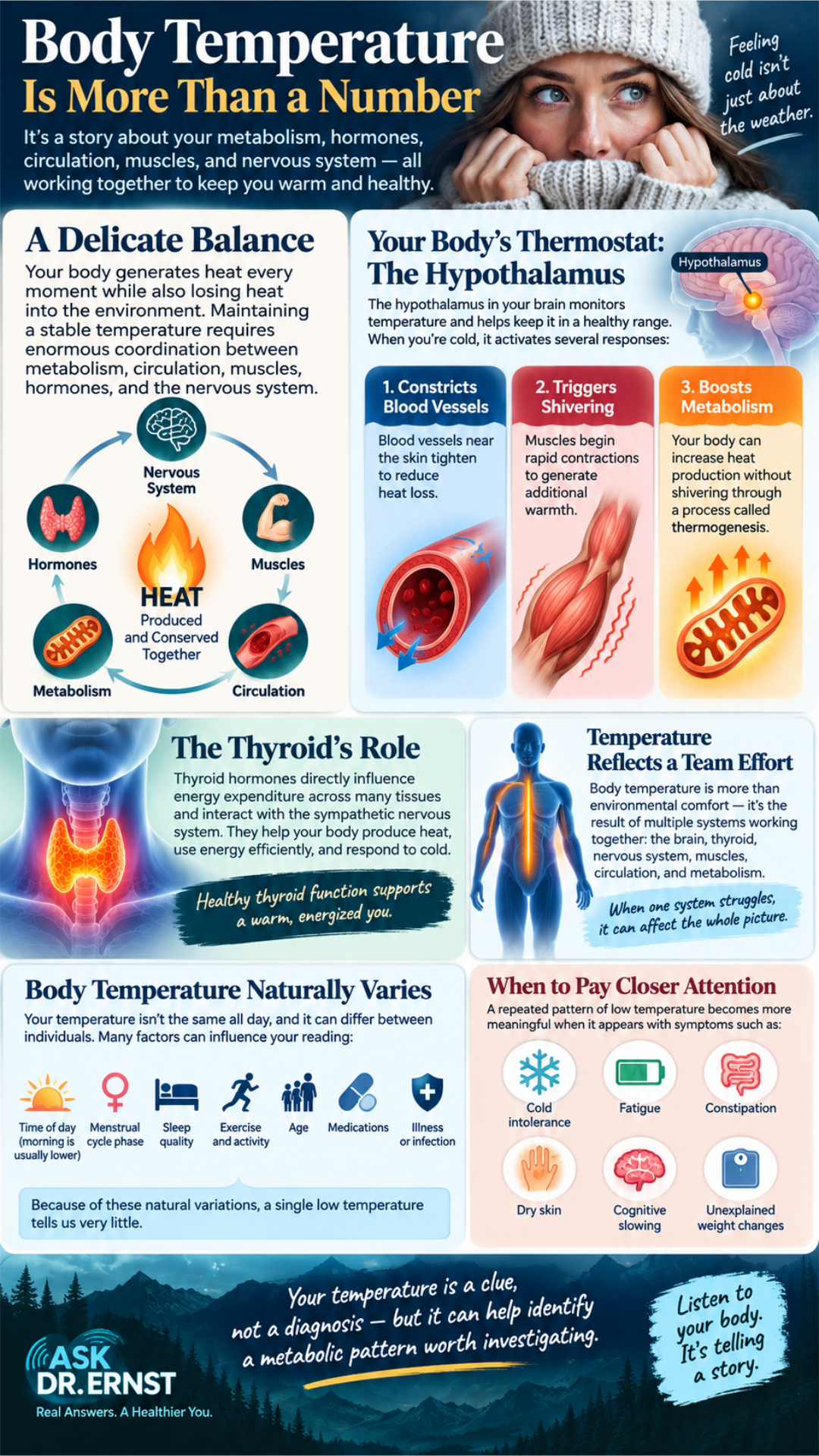
Thyroid hormones participate directly in this metabolic response. They influence energy expenditure across numerous tissues and interact with sympathetic nervous system signaling. Consequently, temperature represents more than environmental comfort. It reflects the combined activity of several systems responsible for producing and conserving energy.
Normal temperature also varies between people and throughout the day. Morning measurements generally run lower because body temperature follows a circadian rhythm. Menstrual-cycle phase, sleep, exercise, age, medications, illness, and measurement technique can also change readings. Therefore, one low temperature tells us very little.
A repeated pattern becomes more interesting when symptoms accompany it. Persistent cold intolerance alongside fatigue, constipation, dry skin, cognitive slowing, or unexplained weight changes deserves greater attention. The thermometer still cannot provide the diagnosis, but it can help identify a metabolic pattern worth investigating.
The Thyroid Helps Set Metabolic Speed
The thyroid gland sits at the front of the neck, yet its hormonal influence reaches nearly every tissue. Thyroid hormones affect cardiovascular activity, digestion, neurological function, muscle metabolism, cholesterol handling, and energy expenditure. Heat production belongs within that larger metabolic network.
The process begins with communication from the brain. The hypothalamus releases thyrotropin-releasing hormone, which signals the pituitary gland. The pituitary then releases thyroid-stimulating hormone, commonly called TSH. TSH instructs the thyroid gland to produce and release thyroid hormones.
Most hormone released by the thyroid comes as thyroxine, known as T4. Smaller amounts appear as triiodothyronine, or T3. However, T3 exerts stronger effects at thyroid hormone receptors. Tissues must therefore convert substantial amounts of T4 into T3.
Specialized enzymes called deiodinases help control this conversion. These enzymes allow tissues to regulate thyroid hormone activity according to their metabolic requirements. Thyroid physiology therefore continues long after hormones leave the gland.
That complexity explains why the thyroid should not be imagined as a simple on-off switch. Production matters, but conversion, transport, receptor signaling, tissue requirements, illness, and nutritional status also influence thyroid physiology. Temperature emerges downstream from this entire network.
Mitochondria Turn Metabolism Into Heat
To understand why someone with hypothyroidism can feel cold, we need to travel inside the cell. There we find mitochondria, structures responsible for producing much of the energy required for cellular function. They convert energy from food into ATP, which powers countless biological processes.
This conversion also produces heat. Human metabolism never transforms every unit of food energy into cellular work. Some energy becomes thermal energy, contributing to body temperature. Heat production therefore reflects ongoing metabolic activity.
Thyroid hormones influence mitochondrial function and cellular energy expenditure. When thyroid hormone action declines significantly, oxygen consumption and metabolic activity can fall. The body’s internal heat production may decrease alongside them.
Imagine thousands of microscopic furnaces operating throughout your tissues. Each furnace contributes only a tiny amount of heat, but together they support the body’s metabolic output. Lowering their collective activity can affect temperature, energy, digestion, movement, and cognition simultaneously.
That helps explain why true hypothyroidism rarely produces only cold hands. Fatigue may deepen, bowel movements can slow, muscles may feel weak, and thinking can become sluggish. Skin and hair may change as well. The cold sensation becomes one visible expression of a larger metabolic slowdown.
Brown Fat Reveals the Thyroid-Temperature Connection
Another fascinating piece of this story involves brown adipose tissue. Unlike white fat, which primarily stores energy, brown fat specializes in producing heat. Its cells contain large numbers of mitochondria equipped for thermogenesis.
Within those mitochondria sits uncoupling protein 1, commonly called UCP1. This protein allows stored energy to generate heat rather than directing everything toward ATP production. The process is called non-shivering thermogenesis.
Thyroid hormones interact with this heat-producing system. T3 supports thermogenic activity, while sympathetic nervous system signals activate brown fat during cold exposure. Local conversion of T4 into T3 can strengthen that response.
Temperature regulation therefore depends upon a conversation between hormones, nerves, mitochondria, circulation, and available energy. A disruption anywhere within this network can alter how warm someone feels. That makes the thyroid important without making it responsible for every case of cold intolerance.
When Cold Becomes Part of a Larger Pattern
Clinically significant hypothyroidism can reduce metabolic activity enough to produce persistent cold intolerance. People often notice that they require more clothing than everyone around them. Bedrooms feel too cold, air conditioning becomes uncomfortable, and warming the hands or feet takes unusually long.
Other symptoms can emerge as metabolism slows. Constipation may develop because gastrointestinal motility changes. Fatigue can become relentless, even after adequate sleep. Cognitive processing may feel slower, while concentration becomes more difficult.
Lipid metabolism can also change. Untreated hypothyroidism can contribute to higher LDL cholesterol and other lipid abnormalities. Cardiovascular changes may include a slower heart rate and altered vascular resistance.
Yet these symptoms remain nonspecific. Iron deficiency can produce fatigue and cold sensitivity. Poor sleep can create cognitive problems and metabolic changes. Medications, inadequate nutrition, vascular disorders, and chronic illness can produce overlapping symptoms.
That overlap explains why low temperature should never become a shortcut to diagnosis. Symptoms must be interpreted as patterns, and those patterns need objective investigation.
Chronic Dieting Can Quiet the Metabolic Furnace
One overlooked source of low body temperature begins with prolonged calorie restriction. Someone wants to lose weight, so portions shrink and meals disappear. When progress slows, calories fall further while exercise increases.
The body recognizes something entirely different. It detects reduced energy availability and begins conserving resources. Resting energy expenditure can decline during significant weight loss and prolonged restriction. Researchers often describe part of this response as adaptive thermogenesis.
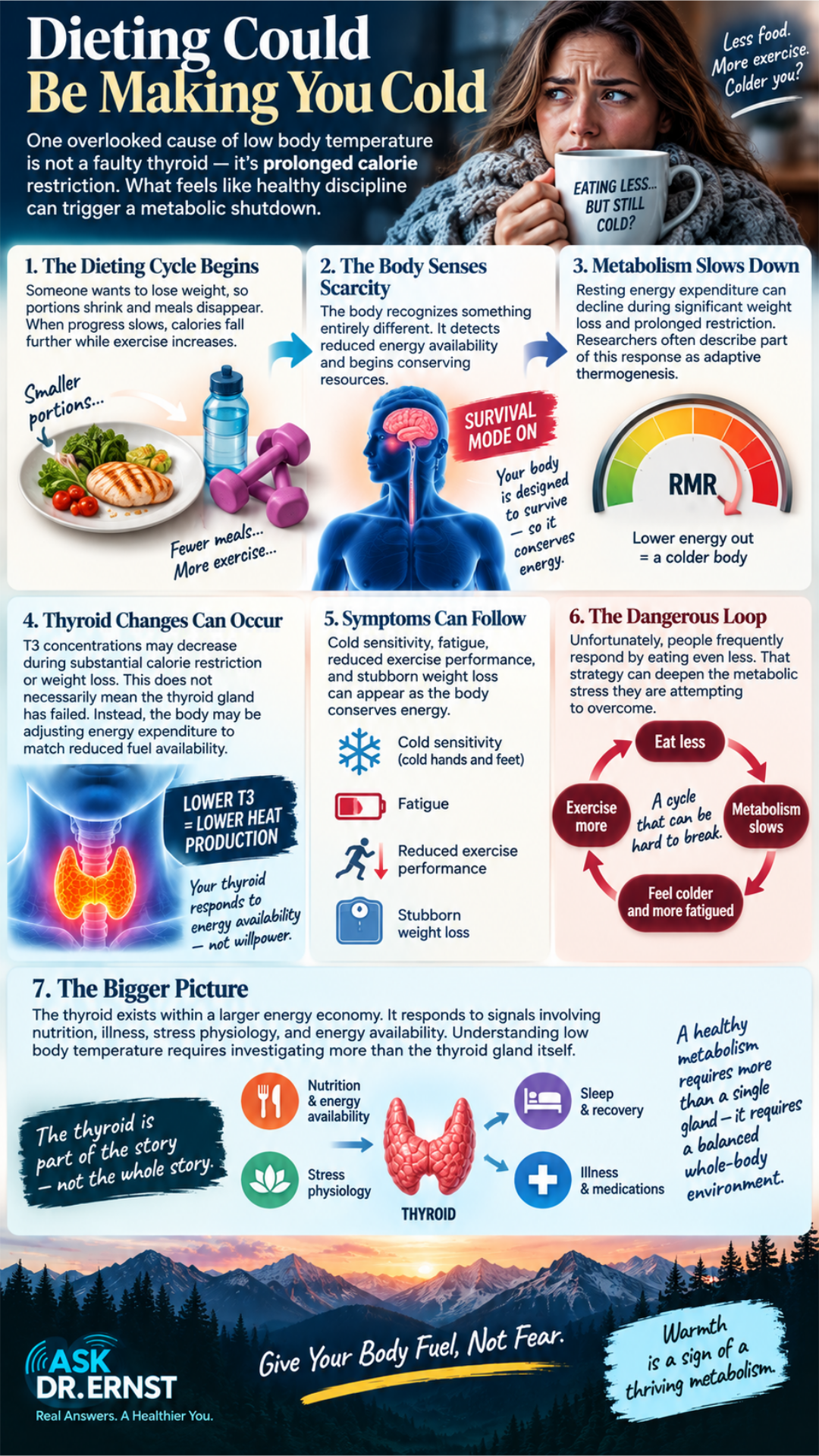
Thyroid-related changes can accompany this adaptation. T3 concentrations may decrease during substantial calorie restriction or weight loss. This does not necessarily mean the thyroid gland has failed. Instead, the body may be adjusting energy expenditure to match reduced fuel availability.
Cold sensitivity, fatigue, reduced exercise performance, and stubborn weight loss can follow. Unfortunately, people frequently respond by eating even less. That strategy can deepen the metabolic stress they are attempting to overcome.
The thyroid exists within this larger energy economy. It responds to signals involving nutrition, illness, stress physiology, and energy availability. Consequently, understanding low body temperature requires investigating more than the thyroid gland itself.
The Thermometer Is a Clue, Not the Diagnosis
The relationship between low body temperature and thyroid function is real, but it requires context. Thyroid hormones influence mitochondrial activity, metabolic rate, and thermogenesis. Significant hypothyroidism can therefore reduce heat production and increase cold intolerance.
However, a thermometer cannot identify the cause. Chronic dieting, nutrient deficiencies, medications, illness, circulation problems, and other metabolic factors can create similar experiences. Even normal circadian changes can produce lower morning readings.
The deeper problem is not simply that the body feels cold. Something may have changed within the systems responsible for producing, distributing, or conserving energy. The challenge involves identifying where that change originated.
That is where the investigation must go next. Part Two will examine the major root causes that can contribute to low body temperature. More importantly, it will explain practical steps you can take at home to support healthy thyroid function, metabolic energy, and heat production without treating the thermometer as the disease.
Why the Body Turns Down the Heat
Low body temperature becomes more interesting when it appears with fatigue, sluggish digestion, brain fog, or stubborn weight changes. The question is not simply how to raise the number on a thermometer. The more useful question is why heat production changed in the first place. That investigation leads into thyroid signaling, mitochondrial function, nutrition, sleep, circulation, and energy availability.
The body constantly adjusts how much energy it spends. Heat production requires fuel, oxygen, hormones, muscle activity, and functioning mitochondria. When resources become limited, the body can reduce energy expenditure and prioritize survival. That response may feel frustrating, but it reflects a deeply conserved biological strategy.
Chronic Dieting Can Push Metabolism Into Conservation
One of the most overlooked contributors to feeling cold is prolonged calorie restriction. Many people respond to weight-loss resistance by eating less and exercising more. When progress slows, they tighten the diet again. Over time, the body may reduce energy expenditure to match the lower energy supply.
This adaptation can influence thyroid physiology as well. T3 levels may decline during major calorie restriction or significant weight loss. That change does not always mean the thyroid gland itself is failing. Sometimes it reflects the body’s effort to conserve energy during perceived scarcity.
The problem becomes worse when someone interprets fatigue and cold intolerance as proof they need even stricter dieting. Reduced food intake can deepen the energy shortage and make recovery harder. Metabolism cannot be forced upward indefinitely while fuel continues moving downward.
Nutrient Deficiencies Can Mimic Thyroid Symptoms
Thyroid hormone production depends upon several nutrients, but supplementation should never become a guessing game. Iodine is essential because thyroid hormones contain iodine. However, excessive intake can disrupt thyroid function in susceptible people. More is not always better.
Selenium supports thyroid hormone metabolism and antioxidant defenses. Zinc contributes to many enzyme systems, while iron supports oxygen transport and cellular energy production. Deficiency in any of these nutrients can contribute to symptoms that resemble thyroid dysfunction.
Iron deserves special attention because low iron status can produce fatigue, weakness, exercise intolerance, and cold sensitivity. Menstruating women may face greater risk because of ongoing blood loss. Someone can therefore spend months focusing only on the thyroid while another deficiency drives much of the symptom pattern.
The Mitochondria Sit at the Center of the Story
The thyroid can send metabolic instructions, but cells still need machinery capable of carrying them out. Mitochondria convert nutrients into usable cellular energy, and that process also produces heat. When cellular energy production slows, whole-body energy can decline with it.
This connection helps explain why thyroid-related symptoms often feel so widespread. Fatigue, poor exercise tolerance, slower digestion, and cold intolerance may all reflect changes in energy metabolism. The outward symptoms differ, but they can arise from the same underlying reduction in cellular activity.
Fuel availability matters here as much as hormonal signaling. Even perfectly functioning thyroid hormones cannot fully compensate for inadequate nutrition, severe iron deficiency, or chronic sleep deprivation. Metabolism is a network, not a single hormone pathway.
Muscle Is a Major Heat-Producing Organ
Skeletal muscle plays a surprisingly important role in thermogenesis. Muscle consumes energy at rest and produces substantial heat during movement. That is why even a brisk walk can rapidly change how warm the body feels.
Muscle also supports glucose regulation, physical resilience, and overall metabolic health. Repeated dieting can become problematic when weight loss includes substantial muscle loss. The scale may decrease while metabolic capacity quietly declines.
Resistance training can help preserve or build lean tissue when performed appropriately. Regular walking also supports circulation and energy expenditure. The key is matching activity with adequate food and recovery rather than using exercise as punishment.
Sleep Can Quietly Disrupt Metabolic Regulation
Poor sleep can amplify almost every complaint associated with sluggish metabolism. Insufficient sleep can impair appetite control, glucose regulation, mood, recovery, and physical performance. It can also complicate body-temperature patterns because temperature follows circadian rhythms.
Many people respond by increasing caffeine throughout the day. That may improve alertness temporarily, but it does not repair the underlying sleep debt. Late caffeine intake can then worsen nighttime sleep and create another fatigued morning.
Restoring metabolic health therefore requires attention to the night as well as the day. Consistent sleep and wake times help reinforce circadian rhythm. Morning daylight, reduced evening stimulation, and adequate sleep duration can support a more stable metabolic environment.
What You Can Do at Home to Rebuild Metabolic Health
The first step is improving the quality of the information you collect. Use the same thermometer, measurement site, and general time each morning. Record temperature alongside energy, sleep quality, bowel function, cold intolerance, and other symptoms.
Women who menstruate should also record cycle timing. Progesterone naturally raises basal temperature after ovulation, which can change morning readings. Without that context, normal hormonal variation can look like a metabolic problem.
Track patterns for several weeks rather than reacting to one low number. A single reading provides very little information. Repeated changes that correlate with worsening symptoms become much more useful when discussing the issue with a healthcare professional.
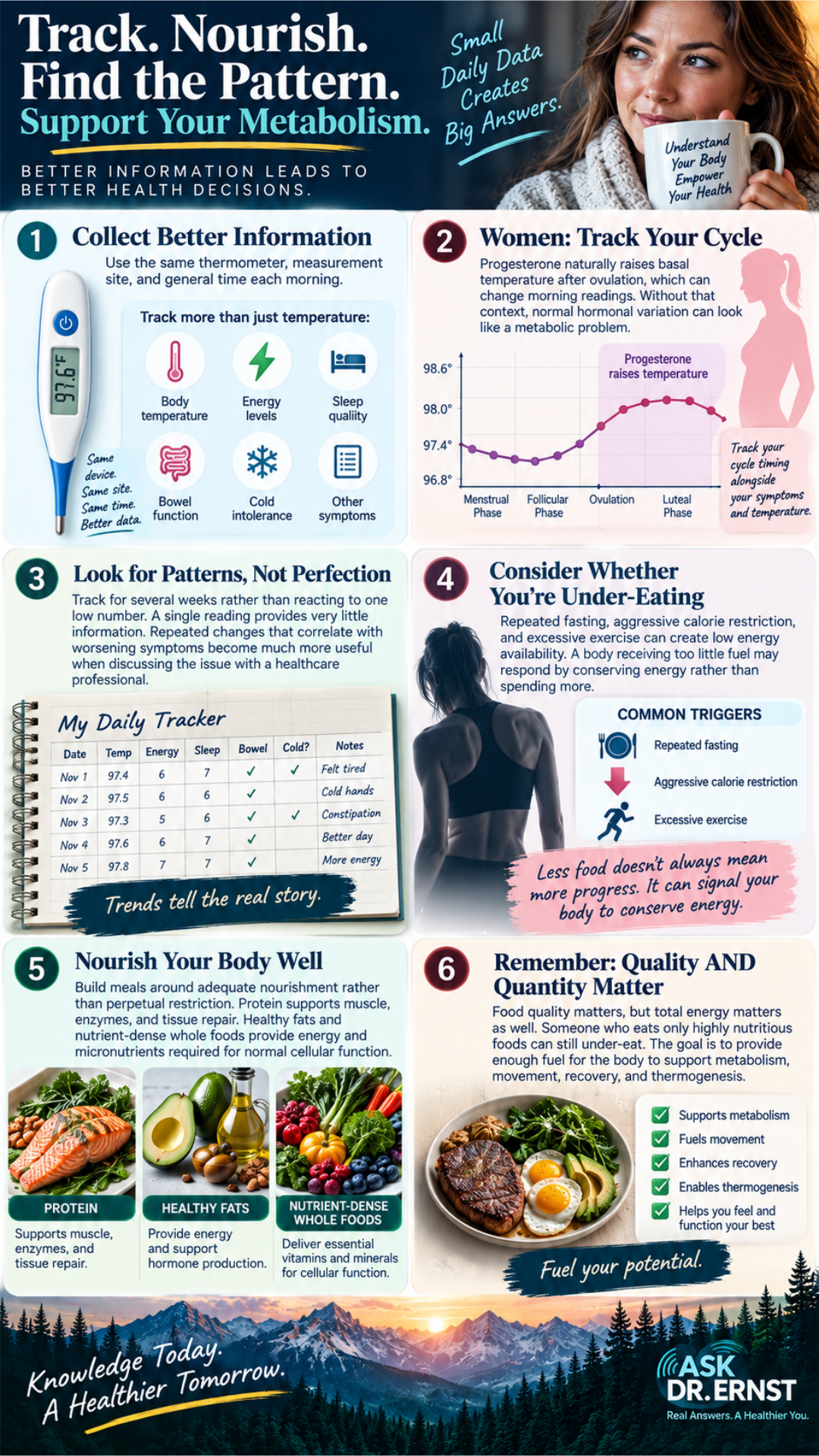
Next, examine whether chronic under-eating may be part of the problem. Repeated fasting, aggressive calorie restriction, and excessive exercise can create low energy availability. A body receiving too little fuel may respond by conserving energy rather than spending more.
Build meals around adequate nourishment rather than perpetual restriction. Protein supports muscle, enzymes, and tissue repair. Healthy fats and nutrient-dense whole foods provide energy and micronutrients required for normal cellular function.
Food quality matters, but total energy matters as well. Someone who eats only highly nutritious foods can still under-eat. The goal is to provide enough fuel for the body to support metabolism, movement, recovery, and thermogenesis.
Give the Thyroid the Nutrients It Needs Without Overdoing It
Whole foods should provide the nutritional foundation whenever possible. Eggs, fish, seafood, meat, and other nutrient-dense foods can provide protein and important minerals. Individual needs vary, so no single food list fits everyone.
Avoid automatically taking high-dose iodine, selenium, or iron. Excessive supplementation can create new problems, especially when no deficiency exists. Testing suspected deficiencies offers a more precise strategy than guessing based on symptoms alone.
If fatigue, cold intolerance, and poor exercise tolerance persist, iron status may deserve investigation. Thyroid testing may also be appropriate when other symptoms point in that direction. The goal is identifying the real limitation rather than assuming every symptom comes from one gland.
Use Movement to Strengthen Metabolic Capacity
Daily walking provides a simple way to increase movement without overwhelming the body. It supports circulation, improves glucose handling, and creates gentle heat production. Resistance exercise adds another layer by helping preserve metabolically active muscle.
Training should match current capacity. Someone already exhausted from under-eating does not need another extreme workout plan. Recovery matters just as much as the exercise stimulus itself.
Adequate food, sleep, and rest help the body adapt positively to movement. That combination encourages strength and metabolic resilience. Exercise becomes far more effective when the body has enough resources to rebuild afterward.
Know When Home Strategies Are Not Enough
Persistent cold intolerance should not be ignored when it travels with other concerning symptoms. Significant fatigue, constipation, hair changes, menstrual disruption, unexplained weight changes, or cognitive slowing deserve professional evaluation. Thyroid testing may be appropriate depending upon the clinical picture.
Severe weakness, fainting, confusion, marked swelling, breathing difficulty, or an unusually slow heart rate require more urgent attention. Those symptoms should never be treated with home experiments. They can signal conditions that need prompt medical assessment.
The same caution applies to thyroid hormone and high-dose supplements. Neither should be used simply because someone feels cold. Treating the wrong problem can delay the correct diagnosis.
The Goal Is Better Physiology, Not a Perfect Temperature
Body temperature naturally varies across people and throughout the day. A warmer number does not automatically mean healthier metabolism, and one low reading does not prove thyroid disease. The real goal is restoring healthy energy regulation.
That process may involve correcting inadequate nutrition, improving sleep, building muscle, addressing nutrient deficiencies, or identifying thyroid dysfunction when it truly exists. The correct solution depends on the actual cause. That is why investigation matters more than chasing symptoms.
Low body temperature can become a valuable clue because thyroid hormones genuinely influence thermogenesis. Yet the thermometer cannot identify the source of the problem. The answer appears only when you follow the metabolic signal upstream and ask what changed.
When that investigation is done carefully, the cold hands begin to make more sense. They stop being the diagnosis and become part of a larger story about energy, hormones, nutrition, and cellular function. That broader view is where meaningful correction can begin.