
Looking Beyond the Headlines to Understand One of the Most Controversial Nutrition Therapies Ever Created
For nearly a century, few nutritional therapies have sparked as much admiration and criticism as Gerson Therapy. Supporters describe it as a remarkable approach that transformed lives after conventional treatments failed. Critics dismiss it as an unproven regimen that promises far more than available scientific evidence can support. Between those two extremes lies a far more interesting story, one filled with historical discoveries, evolving scientific understanding, passionate debate, and countless personal testimonies. The controversy continues because the therapy touches one of medicine’s oldest questions: can nutrition alone restore health when disease has already taken hold?
Modern healthcare often divides treatments into opposing camps. One side embraces pharmaceuticals and surgery as the primary answers to disease. The other places greater emphasis on food, lifestyle, and environmental influences. Gerson Therapy emerged long before functional medicine became popular, yet many of its core concepts resemble ideas now receiving serious scientific attention. Nutrition, inflammation, oxidative stress, gut health, mitochondrial function, and toxin exposure all appear frequently in today’s research literature. That does not automatically validate every aspect of the therapy, but it explains why interest continues to grow despite decades of criticism.
Understanding Gerson Therapy requires more than reading headlines or social media opinions. The therapy deserves careful examination because it represents one of history’s most ambitious attempts to use nutrition as a therapeutic intervention. Appreciating its strengths and recognizing its limitations both require understanding where it originated, what biological principles it proposes, and how current scientific evidence supports or challenges those ideas.
The Physician Behind the Protocol
The story begins with Max Gerson, a German physician born in the late nineteenth century. During his early medical career, Gerson struggled with debilitating migraines that resisted available treatments. Instead of accepting chronic suffering, he began experimenting with dietary changes. His observations suggested that eliminating certain foods while emphasizing fresh plant foods dramatically reduced his symptoms. This personal experience sparked a lifelong fascination with nutrition’s influence on disease.
As Gerson expanded his clinical practice, patients with other chronic illnesses began following similar dietary principles. Some reported unexpected improvements in inflammatory conditions, skin disorders, digestive complaints, and general vitality. These observations encouraged Gerson to investigate whether nutritional therapy could influence diseases traditionally considered irreversible. Eventually, he proposed that nutrition could affect nearly every organ system by altering the body’s internal environment.
After immigrating to the United States, Gerson continued refining his approach. His protocol eventually combined intensive vegetable juicing, strict dietary restrictions, nutritional supplementation, and detoxification practices. Although controversial from the beginning, his work attracted patients who had exhausted conventional options. Some reported remarkable recoveries, while critics argued that anecdotal reports could never substitute for carefully controlled clinical trials.
The debate surrounding Gerson Therapy has remained remarkably consistent over decades. Supporters emphasize clinical experience and individual success stories. Skeptics emphasize the absence of large randomized controlled trials demonstrating effectiveness for cancer or other serious diseases. Understanding both perspectives requires examining the biological theories underlying the therapy.
The Central Theory Behind Gerson Therapy
At its foundation, Gerson Therapy proposes that chronic illness develops because the body’s normal cellular functions become disrupted by nutritional deficiencies, excessive toxin exposure, impaired metabolism, and chronic inflammation. According to this theory, disease reflects a systemic imbalance rather than an isolated malfunction occurring inside one organ.
This concept differs from conventional medicine’s tendency to classify diseases according to affected organs. Instead of viewing arthritis strictly as a joint disease or cardiovascular disease solely as a heart problem, Gerson considered many illnesses manifestations of widespread metabolic dysfunction. Modern systems biology increasingly recognizes that inflammation, immune regulation, mitochondrial performance, hormonal signaling, and oxidative stress interact continuously throughout the body. Although these observations do not validate every component of Gerson Therapy, they demonstrate that the body’s systems operate far more interconnectedly than once believed.
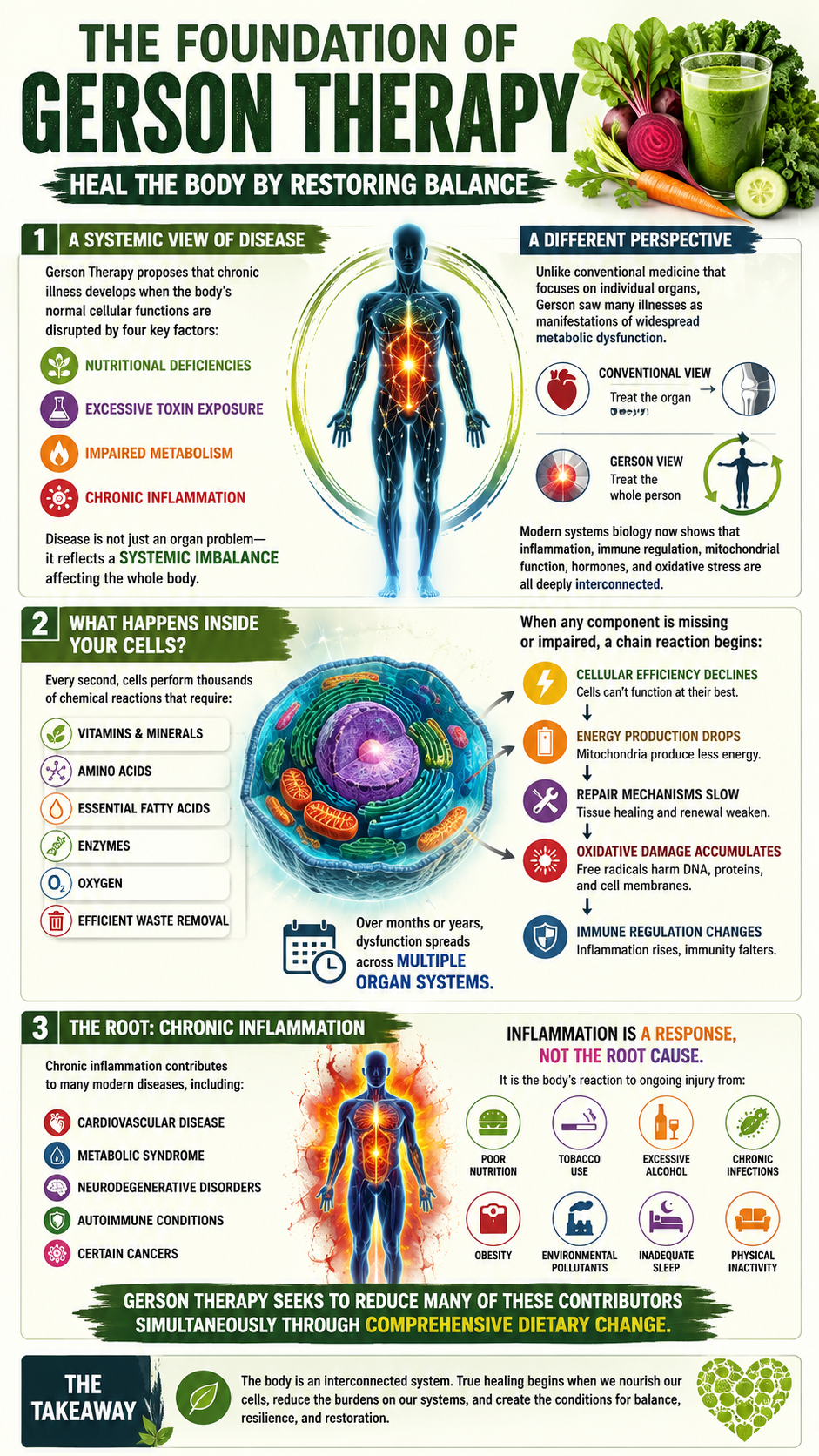
Cells depend upon thousands of chemical reactions occurring every second. Those reactions require vitamins, minerals, amino acids, essential fatty acids, enzymes, oxygen, and efficient waste removal. When any component becomes impaired, cellular efficiency declines. Reduced energy production follows. Repair mechanisms slow. Oxidative damage accumulates. Immune regulation changes. Over months or years, dysfunction may spread across multiple organ systems.
Researchers now recognize that chronic inflammation contributes to numerous diseases, including cardiovascular disease, metabolic syndrome, neurodegenerative disorders, autoimmune conditions, and certain cancers. Inflammation itself does not represent the root cause. Instead, it reflects the body’s response to ongoing injury. That injury may arise from poor nutrition, tobacco use, excessive alcohol, chronic infections, obesity, environmental pollutants, inadequate sleep, physical inactivity, or numerous other factors. Gerson Therapy attempts to reduce many of these contributors simultaneously through comprehensive dietary change.
Why Juicing Became the Centerpiece
Perhaps no aspect of Gerson Therapy receives more attention than its intensive juicing schedule. The original protocol recommends consuming multiple glasses of freshly prepared vegetable juice throughout the day. At first glance, this practice appears excessive. Understanding Gerson’s reasoning requires appreciating the nutritional environment during the early twentieth century.
Food processing expanded rapidly during Gerson’s lifetime. Refined flour, sugar, canned foods, hydrogenated fats, and preserved products increasingly replaced fresh produce. Many populations experienced declining intake of vitamins, minerals, and phytochemicals despite adequate calorie consumption. Gerson believed concentrated vegetable juice offered an efficient method for restoring micronutrient density without overwhelming digestion.
Fresh vegetables contain vitamins, minerals, polyphenols, carotenoids, flavonoids, and thousands of plant compounds collectively known as phytochemicals. Scientists continue discovering biological activities associated with these compounds. Many influence antioxidant defenses, inflammatory signaling, endothelial function, detoxification enzymes, gut bacteria, and immune communication. Rather than acting individually, these molecules appear to work synergistically within whole foods.
Juicing removes much of the insoluble fiber while preserving many water-soluble nutrients. Supporters argue this allows rapid nutrient absorption during periods of illness. Critics counter that fiber itself provides important health benefits through blood sugar regulation, cholesterol reduction, microbial diversity, and bowel function. Modern nutrition science generally favors consuming whole vegetables while recognizing that fresh juice may increase intake for individuals struggling to eat sufficient produce.
Research consistently associates higher vegetable consumption with lower rates of cardiovascular disease, hypertension, certain cancers, and overall mortality. Those findings support increasing vegetable intake but do not prove that intensive juicing alone treats advanced disease. Distinguishing between these concepts remains essential when evaluating Gerson Therapy objectively.
What Happens When Nutrition Declines
The average Western dietary pattern differs dramatically from the nutritional environment humans evolved to consume. Ultra-processed foods now dominate grocery shelves and restaurant menus. These products often provide abundant calories while supplying relatively few protective micronutrients. Many also contain excess sodium, refined sugars, unhealthy fats, and additives that encourage overconsumption.
Micronutrient insufficiency develops gradually. Individuals rarely notice immediate symptoms. Cellular function slowly becomes less efficient as enzyme systems lose essential cofactors. Mitochondria generate less energy. Antioxidant defenses weaken. Repair processes decline. Immune responses become less coordinated. Over time, fatigue, poor recovery, digestive complaints, metabolic dysfunction, and chronic inflammation may emerge.
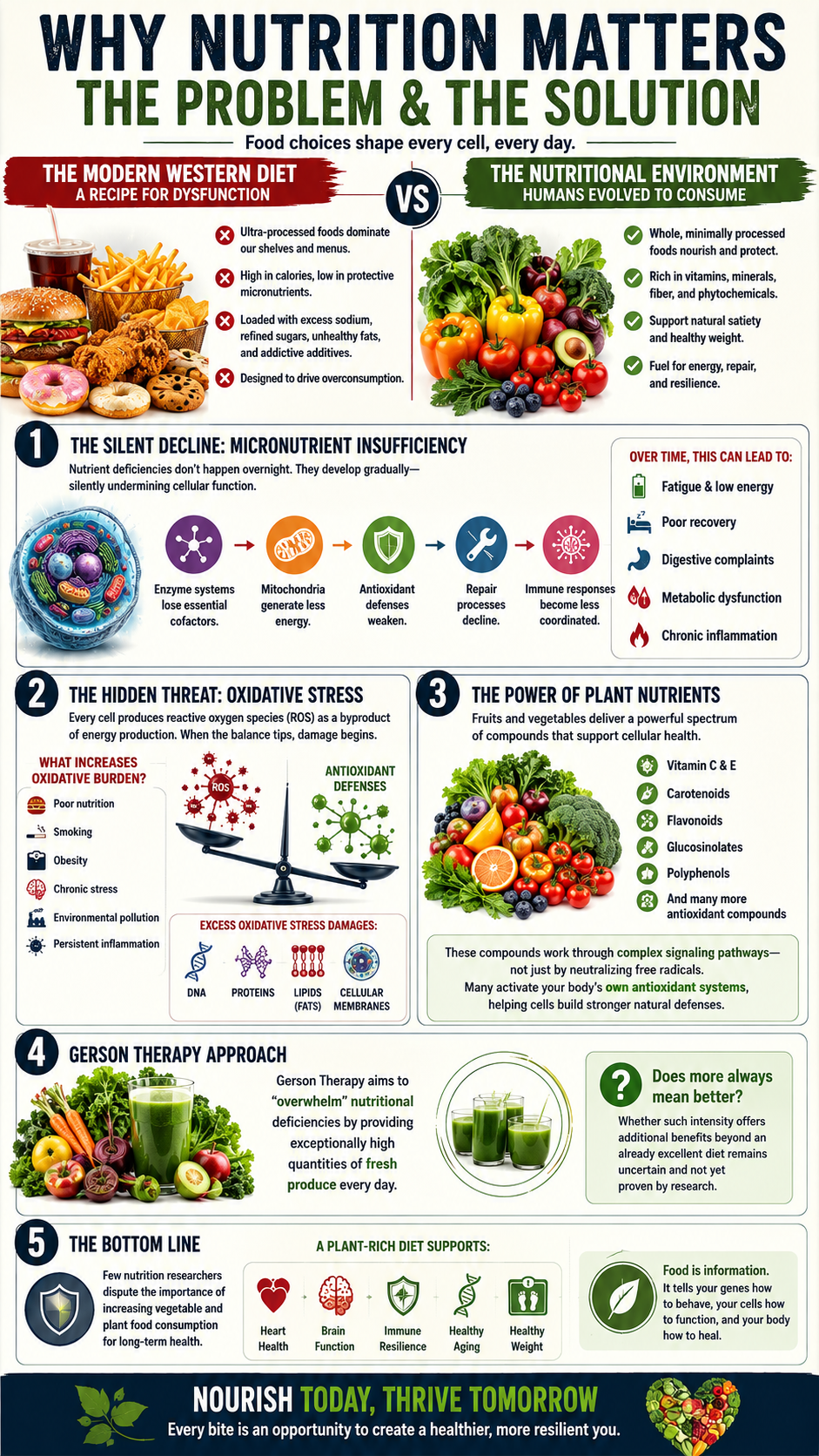
Oxidative stress further complicates this picture. Every cell naturally produces reactive oxygen species during energy production. Under healthy conditions, antioxidant systems neutralize these molecules before significant damage occurs. Poor nutrition, smoking, obesity, chronic psychological stress, environmental pollution, and persistent inflammation increase oxidative burden beyond the body’s defensive capacity. Excess oxidative stress damages DNA, proteins, lipids, and cellular membranes.
Fresh fruits and vegetables contribute vitamins C and E, carotenoids, flavonoids, glucosinolates, and numerous antioxidant compounds that help maintain normal redox balance. Scientists increasingly recognize that these compounds function through complex signaling pathways rather than simply neutralizing free radicals. Many activate endogenous antioxidant systems, allowing cells to strengthen their own protective capacity.
Gerson Therapy attempts to overwhelm nutritional deficiencies by supplying exceptionally high quantities of fresh produce every day. Whether such intensity offers additional benefit beyond an already excellent diet remains uncertain. Nevertheless, few nutrition researchers dispute the importance of increasing vegetable consumption for long-term health.
The Role of Chronic Inflammation
Inflammation serves as one of the body’s essential protective mechanisms. Without inflammation, wounds would never heal, infections would spread unchecked, and damaged tissues could not repair themselves. Problems arise when inflammatory pathways remain activated continuously.
Persistent inflammation alters insulin signaling, damages blood vessels, accelerates atherosclerosis, disrupts hormone regulation, and influences immune behavior. Chronic inflammatory activity also affects brain function, contributing to fatigue, depression, cognitive decline, and reduced resilience. Scientists continue investigating how inflammatory signaling influences cancer development, although cancer remains a highly complex disease involving genetic mutations, immune escape, environmental exposures, and numerous interacting factors.
Diet influences inflammatory status through several mechanisms. Diets emphasizing vegetables, fruits, legumes, nuts, fish, and minimally processed foods consistently associate with lower inflammatory biomarkers. Conversely, dietary patterns dominated by ultra-processed foods, refined carbohydrates, sugar-sweetened beverages, and excessive saturated fats often correlate with increased inflammatory activity. These relationships likely reflect the combined effects of nutrient density, fiber intake, gut microbial diversity, body weight, and metabolic health.
Gerson Therapy emerged decades before inflammatory biomarkers became routinely measurable. Yet its emphasis on whole foods anticipated many principles later incorporated into evidence-based nutritional guidelines. The difference lies in the therapy’s broader claims regarding disease reversal, which remain far more controversial than the general recommendation to consume abundant vegetables.
The Detoxification Question: Does the Body Really Need Help?
Perhaps no aspect of Gerson Therapy creates more controversy than its emphasis on detoxification. The protocol argues that chronic disease develops because toxins accumulate faster than the body can eliminate them. Supporters believe restoring detoxification capacity allows healing to occur naturally. Critics counter that the human body already possesses highly sophisticated detoxification systems and does not require aggressive cleansing practices.
The truth begins with understanding how detoxification actually works. Every minute, the liver filters blood arriving from the digestive tract. It transforms hormones, medications, environmental chemicals, metabolic waste products, and naturally produced toxins into compounds that the kidneys, intestines, lungs, and skin can eliminate. Rather than acting as a single filter, the liver performs thousands of chemical reactions involving enzymes, antioxidants, amino acids, vitamins, and minerals. These reactions require substantial nutritional support because every detoxification pathway depends upon adequate nutrient availability.
Modern life exposes people to a far greater chemical burden than previous generations experienced. Air pollution, cigarette smoke, industrial chemicals, pesticides, plasticizers, heavy metals, solvents, and persistent organic pollutants have become common environmental exposures. Many substances accumulate slowly over years. Others leave the body rapidly after metabolism. Scientists continue investigating how chronic low-dose exposure influences long-term health, particularly when multiple chemicals interact simultaneously.
Nutrition directly influences detoxification capacity. Protein supplies amino acids needed for glutathione production. Selenium supports antioxidant enzymes. Vitamins B2, B6, B12, and folate participate in methylation pathways. Magnesium activates hundreds of enzymes involved in metabolism. Sulfur-containing vegetables such as broccoli, cauliflower, cabbage, and Brussels sprouts stimulate detoxification enzymes that help metabolize certain environmental chemicals. Colorful fruits contribute polyphenols that influence antioxidant defenses and inflammatory signaling.
These observations support eating a nutrient-dense diet that nourishes the body’s existing detoxification systems. They do not prove that aggressive detoxification procedures remove accumulated toxins more effectively than the body’s normal physiology. This distinction remains central to evaluating Gerson Therapy objectively.
Coffee Enemas Remain the Most Controversial Component
No discussion of Gerson Therapy can ignore coffee enemas. They represent the protocol’s most recognizable and controversial recommendation. Max Gerson believed coffee enemas stimulated bile flow, increased glutathione activity, and enhanced toxin elimination through the liver. Supporters continue making similar claims today.
Scientific evidence supporting these proposed mechanisms remains limited. Small laboratory studies suggest certain coffee compounds may influence glutathione-related enzyme activity. However, researchers have not demonstrated that coffee enemas improve clinical outcomes in cancer or other chronic diseases. Most published evidence consists of case reports, observational data, or theoretical mechanisms rather than large randomized clinical trials.
Medical literature has documented potential complications from coffee enemas, including electrolyte disturbances, dehydration, rectal injury, infection, and rare cases of severe illness. These reports explain why major medical organizations do not recommend the practice as a treatment for chronic disease. Individuals considering any invasive procedure should understand both the proposed benefits and documented risks before making healthcare decisions.
Separating the coffee enema debate from the broader nutritional principles of Gerson Therapy proves important. The scientific uncertainty surrounding this practice does not invalidate the established benefits of eating more vegetables. Likewise, evidence supporting vegetable-rich diets does not automatically validate coffee enemas. Each component deserves independent evaluation.
Can Nutrition Alone Treat Cancer?
Cancer represents one of the most biologically complex diseases known to medicine. Rather than a single illness, cancer includes hundreds of distinct diseases involving different genetic mutations, immune interactions, metabolic changes, and environmental influences. Tumors evolve continuously as they adapt to surrounding tissues and evade immune surveillance. This complexity explains why no single therapy succeeds against every cancer.
Nutrition unquestionably influences cancer risk. Extensive research links obesity, excessive alcohol intake, processed meat consumption, low fiber intake, and poor dietary quality with increased risk for several cancers. Conversely, diets rich in vegetables, fruits, legumes, and whole foods associate with lower risk for certain malignancies. These findings emphasize prevention rather than treatment of established cancer.
Once cancer develops, nutrition remains critically important. Patients often experience muscle loss, nutritional deficiencies, inflammation, digestive complications, and treatment-related fatigue. High-quality nutrition supports immune function, tissue repair, physical strength, and overall resilience during treatment. Many oncology centers now integrate registered dietitians into cancer care because nutritional status strongly influences quality of life and recovery.
Current scientific evidence does not demonstrate that Gerson Therapy cures cancer. Systematic reviews consistently conclude that high-quality clinical trials remain insufficient to establish effectiveness. Several published case reports describe remarkable recoveries, while others document disease progression despite strict adherence. Individual stories can inspire hope, yet they cannot establish cause and effect because many variables influence cancer outcomes.
That reality should encourage both humility and continued research. Dismissing every patient experience ignores valuable clinical observations. Accepting anecdotal reports as proof also risks misleading vulnerable individuals. The scientific method exists precisely because human experience alone cannot reliably distinguish coincidence from causation.
Where Modern Research Agrees with Gerson
Although controversy surrounds the complete protocol, many underlying nutritional principles now receive broad scientific support. Researchers consistently encourage diets emphasizing vegetables, fruits, legumes, healthy fats, and minimally processed foods. Such dietary patterns reduce cardiovascular risk, improve insulin sensitivity, support healthy blood pressure, and decrease overall mortality across diverse populations.
Plant foods provide far more than vitamins and minerals. Thousands of naturally occurring phytochemicals interact with human biology in ways scientists continue discovering. Polyphenols influence gene expression. Flavonoids improve endothelial function. Carotenoids support immune regulation. Glucosinolates activate detoxification enzymes. Dietary fiber nourishes beneficial gut bacteria that produce short-chain fatty acids essential for intestinal health.
The gut microbiome has emerged as one of nutrition science’s most exciting frontiers. Trillions of microorganisms inhabit the digestive tract and participate in immune regulation, vitamin synthesis, neurotransmitter production, metabolism, and intestinal barrier integrity. Diet rapidly influences microbial diversity. Fiber-rich vegetables encourage beneficial bacterial species, while highly processed diets often reduce microbial richness.
Researchers also recognize the importance of metabolic health. Excess visceral fat promotes chronic inflammation, insulin resistance, hormonal disruption, and oxidative stress. Nutrient-dense diets combined with regular physical activity improve metabolic flexibility and reduce many chronic disease risks. These principles align closely with Gerson’s emphasis on restoring overall physiological balance rather than focusing exclusively on symptoms.
What the Body Truly Needs to Heal
Healing rarely depends upon a single intervention. Human physiology operates through interconnected systems that influence one another continuously. Nutrition forms only one piece of a much larger picture involving sleep, movement, stress regulation, environmental exposures, relationships, genetics, and appropriate medical care.
Cells require adequate energy to repair damaged tissues. Mitochondria generate that energy using oxygen and nutrients supplied through healthy circulation. Protein provides amino acids for rebuilding structural tissues. Essential fatty acids maintain cellular membranes. Vitamins and minerals activate thousands of enzymatic reactions. Sleep coordinates hormone production and tissue regeneration. Exercise improves insulin sensitivity, circulation, mitochondrial function, and immune regulation. Emotional health influences inflammatory signaling through complex neuroendocrine pathways.
No juice can compensate for chronic sleep deprivation. No supplement replaces regular movement. No detoxification protocol overcomes persistent smoking or excessive alcohol intake. Likewise, medications alone cannot fully substitute for healthy lifestyle habits. Long-term health usually reflects the cumulative effects of many daily decisions rather than one dramatic intervention.
This systems perspective increasingly defines modern preventive medicine. Instead of asking which single therapy cures disease, researchers increasingly investigate how multiple lifestyle factors interact to influence health across decades. That broader perspective offers valuable common ground between conventional nutrition science and many principles emphasized within comprehensive dietary approaches.
Practical Steps You Can Apply at Home
Individuals interested in the nutritional philosophy behind Gerson Therapy need not adopt every component to improve their health. Increasing daily vegetable consumption represents one of the most consistently supported nutritional strategies available. Variety matters because different vegetables supply distinct phytochemicals, minerals, and antioxidants. Deep green leafy vegetables, cruciferous vegetables, brightly colored peppers, carrots, tomatoes, onions, garlic, mushrooms, and herbs each contribute unique biological compounds.
Preparing meals from minimally processed ingredients reduces intake of excess sodium, refined sugars, and industrial additives. Cooking at home also increases awareness of portion sizes and ingredient quality. Replacing sugar-sweetened beverages with water or unsweetened tea further reduces unnecessary calorie intake while supporting hydration.
Regular physical activity complements nutritional improvements by enhancing circulation, insulin sensitivity, mitochondrial efficiency, and immune regulation. Walking after meals improves glucose control. Resistance training preserves muscle mass during aging. Aerobic exercise strengthens cardiovascular health while reducing systemic inflammation.
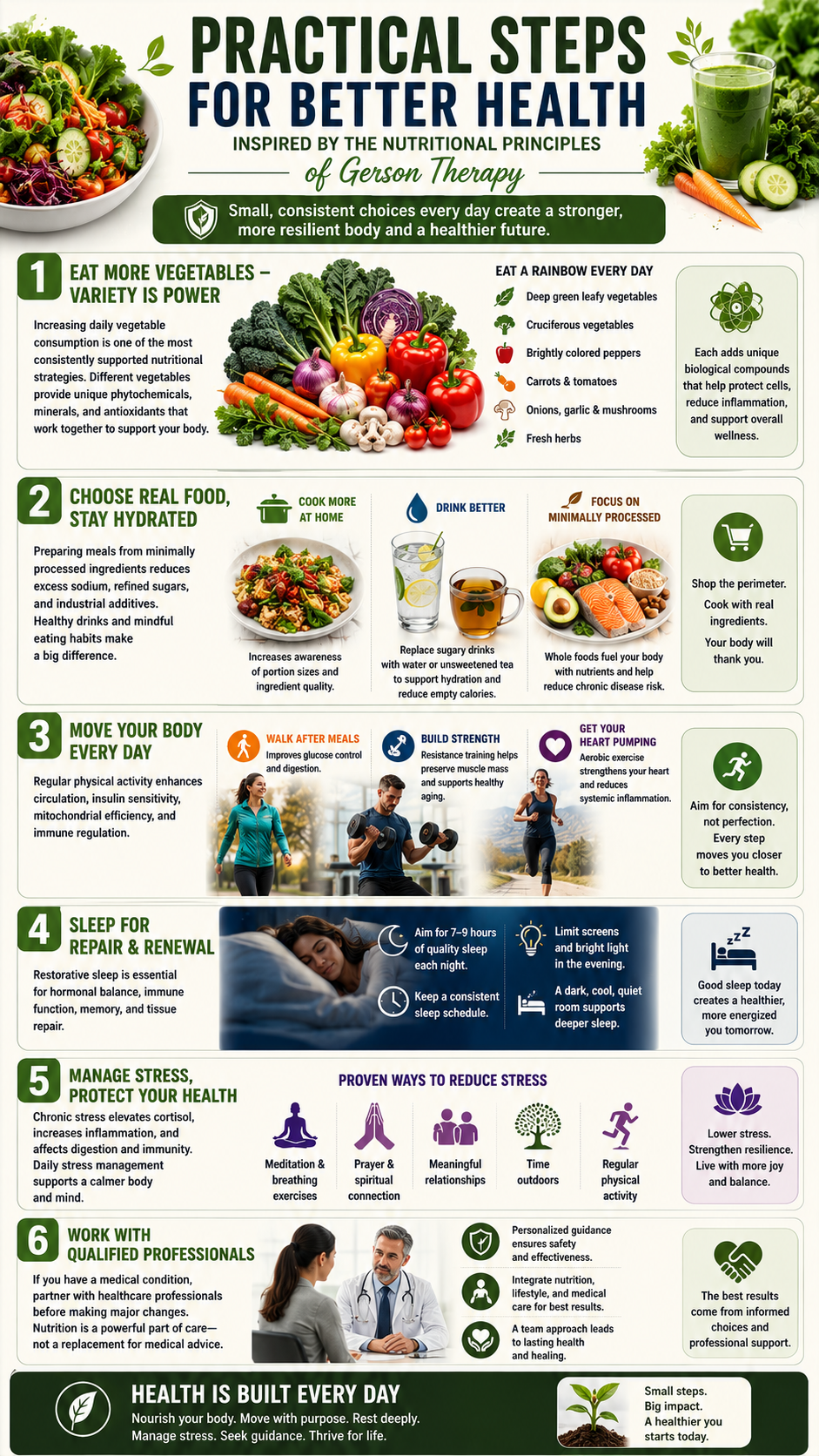
Sleep deserves equal attention because restorative sleep coordinates hormonal balance, immune regulation, memory consolidation, and tissue repair. Adults generally benefit from seven to nine hours of consistent sleep each night. Maintaining regular sleep schedules and limiting evening light exposure often improves sleep quality without medication.
Stress management also influences physiology profoundly. Chronic psychological stress elevates cortisol, alters immune function, increases inflammatory signaling, and affects digestive health. Meditation, prayer, breathing exercises, meaningful relationships, time outdoors, and regular physical activity each help restore autonomic balance.
Individuals facing serious medical conditions should work closely with qualified healthcare professionals before making major dietary changes. Nutrition serves as an important component of comprehensive care rather than a replacement for appropriate medical evaluation. Integrating evidence-based lifestyle strategies with individualized medical guidance often provides the safest and most effective approach.
Final Thoughts: Quack Cure or Legitimate Protocol?
The question that has surrounded Gerson Therapy for nearly one hundred years deserves a thoughtful answer rather than a simplistic label. Calling the entire protocol a miracle cure ignores significant gaps in clinical evidence. Dismissing every aspect as quackery ignores decades of nutritional research supporting many of its foundational principles.
History shows that medicine continually evolves. Ideas once considered unconventional sometimes gain scientific support after better research emerges. Other popular therapies gradually disappear because careful investigation fails to confirm early enthusiasm. Gerson Therapy occupies a unique position between those realities. Its emphasis on fresh vegetables, whole foods, reduced processed food intake, and nutritional restoration aligns with substantial modern evidence. Its broader claims regarding cancer treatment and several detoxification practices remain unsupported by high-quality clinical trials.
Perhaps the greatest lesson from Gerson Therapy extends beyond the protocol itself. It reminds us that nutrition profoundly influences human biology. Every meal communicates with genes, immune cells, hormones, gut bacteria, and metabolic pathways. Food cannot eliminate every disease, yet poor nutrition consistently accelerates many of them. Thoughtful dietary choices create a biological environment that supports resilience, recovery, and long-term health.
The future of medicine will likely depend less on choosing between conventional care and nutritional medicine. Instead, progress will come from integrating rigorous scientific investigation with lifestyle strategies that help the body function at its highest capacity. That balanced perspective respects both the remarkable complexity of human biology and the powerful role that nutrition plays in maintaining it.