
The Forgotten River Running Through Your Digestive System
Every time you eat an egg, avocado, steak, or spoonful of olive oil, something remarkable must happen inside your digestive tract. Fat cannot simply dissolve into the watery environment of your intestines because oil and water naturally resist mixing. Your body must transform dietary fat into smaller, usable structures before those nutrients can cross the intestinal wall. At the center of that transformation sits one of digestion’s most overlooked substances: bile. Most people hear about stomach acid, probiotics, enzymes, fiber, and the microbiome, yet bile rarely receives equal attention. That omission matters because bile connects the liver, gallbladder, small intestine, pancreas, and microbiome through one continuous physiological system.
Bile plays several essential roles at the same time. It helps emulsify dietary fat, supports the absorption of fat-soluble vitamins, participates in cholesterol metabolism, transports bilirubin, and influences the intestinal environment. Bile acids also act as signaling molecules that communicate with receptors involved in metabolism and digestive regulation. When this system functions well, people rarely think about it because digestion seems effortless. When production, composition, release, or recycling becomes impaired, however, the consequences can extend throughout the gastrointestinal tract and beyond.
The bigger problem is that bile dysfunction rarely presents as one obvious condition. Some people develop discomfort after eating fat, while others notice constipation, diarrhea, greasy stools, or poor tolerance to rich meals. Significant malabsorption can interfere with vitamins A, D, E, and K, while metabolic changes can influence gallstone formation. The liver may produce abnormal bile, the gallbladder may empty poorly, or the intestine may fail to recycle bile acids properly. Understanding bile therefore means understanding one of the most important yet underappreciated connections between digestion, metabolism, nutrient absorption, and elimination.
Your Liver Is Producing Bile Right Now
Your liver continuously manufactures bile whether you are eating, sleeping, fasting, or exercising. Hepatocytes, the liver’s primary functional cells, create this fluid from water, bile acids, phospholipids, cholesterol, bilirubin, electrolytes, and other substances. Tiny channels inside the liver collect the newly formed bile and eventually deliver it into the biliary tree. Some bile moves directly toward the small intestine, while a significant portion travels into the gallbladder between meals. The gallbladder then stores and concentrates this fluid so a larger amount can be delivered when digestion requires it.
The gallbladder does much more than simply hold bile. Water and electrolytes are absorbed from stored bile, increasing the concentration of bile acids and other components. When a meal reaches the small intestine, especially one containing fat and protein, intestinal cells release cholecystokinin. This hormone encourages the gallbladder to contract and coordinates pancreatic enzyme release. Bile then travels through the common bile duct toward the duodenum, where it meets partially digested food from the stomach.
This carefully timed release reveals why digestion depends on coordination rather than isolated organs. The liver produces bile, the gallbladder stores and concentrates it, and the intestine sends hormonal signals that trigger release. The pancreas contributes digestive enzymes, while intestinal cells absorb the resulting nutrients. If one part of this sequence fails, the entire process becomes less efficient. That is why persistent digestive symptoms cannot always be explained by the stomach alone.
Why Fat Digestion Depends on Bile
Dietary fat presents a unique digestive challenge because the intestinal environment contains mostly water. Pouring olive oil into a glass of water demonstrates the basic problem. The oil forms large droplets rather than blending evenly throughout the liquid. A similar challenge occurs inside the small intestine after a fatty meal. Pancreatic lipase can break triglycerides apart, but it works more effectively when it can access a larger surface area.
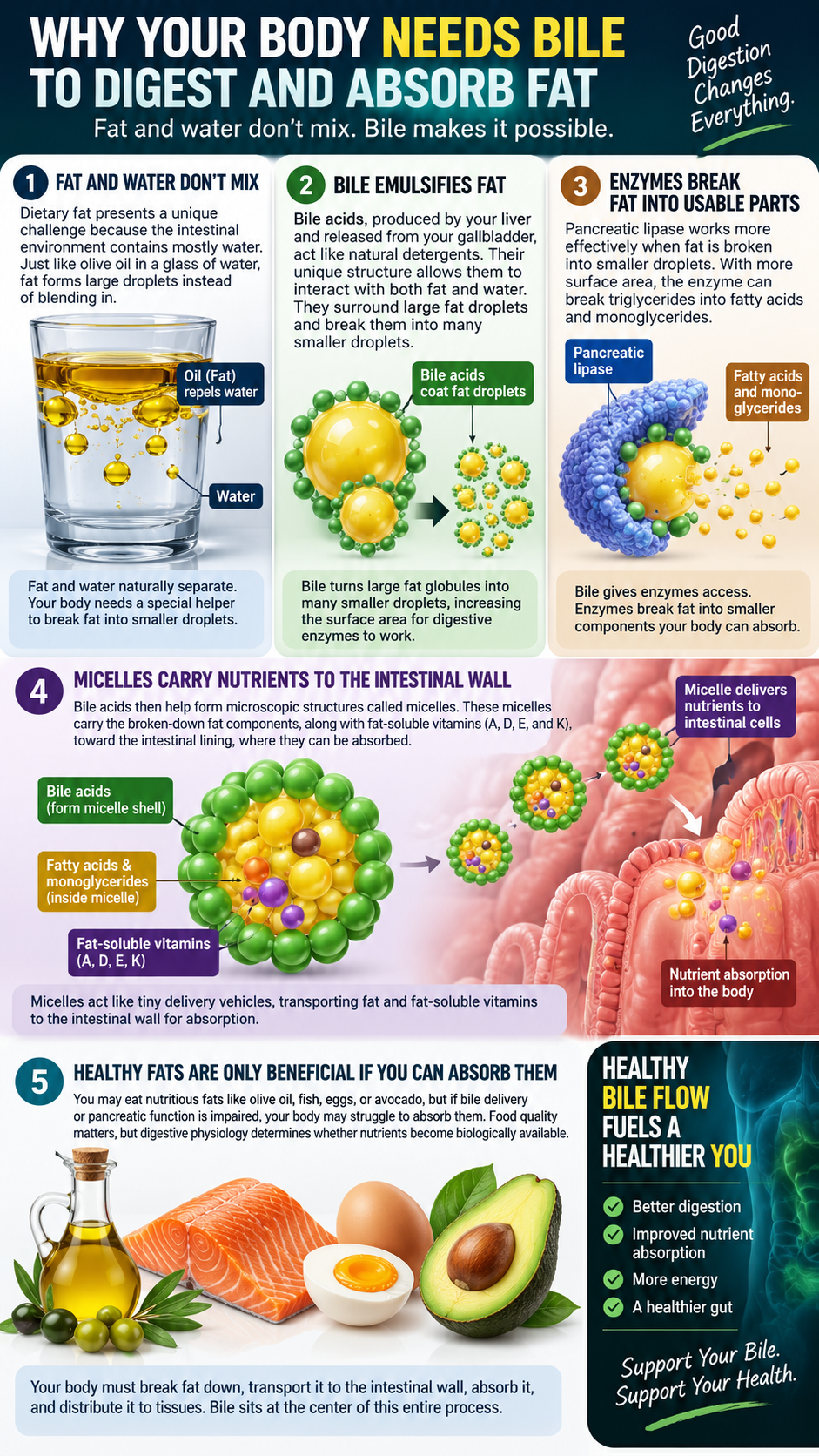
Bile acids help solve this problem because their molecular structure allows them to interact with both fat and water. They surround fat droplets and help disperse them into smaller particles. This process increases the surface area available for pancreatic enzymes. Bile acids then support the formation of micelles, which carry lipid digestion products toward the intestinal lining. Without this mechanism, efficient fat absorption becomes much more difficult.
This distinction explains why eating healthy fats does not guarantee that the body will absorb them effectively. Someone may consume olive oil, fish, eggs, or avocado yet still struggle if bile delivery or pancreatic function remains impaired. Food quality matters, but digestive physiology determines whether nutrients become biologically available. The body must break food down, transport nutrients toward the intestinal wall, absorb them, and distribute them to tissues. Bile sits near the center of that entire process.
Bile Unlocks the Fat-Soluble Vitamins
Vitamins A, D, E, and K are fat-soluble, which means their absorption depends partly on normal fat digestion. Significant disturbances in bile production or delivery can therefore interfere with the body’s ability to absorb these nutrients. This becomes especially important when malabsorption continues for months or years. A person may appear to eat a nutrient-rich diet while still developing functional deficiencies because those nutrients never enter circulation efficiently.
Vitamin A supports vision, epithelial tissues, immune defenses, and cellular differentiation. Vitamin D contributes to calcium regulation, skeletal strength, immune signaling, and many other cellular functions. Vitamin E helps protect lipid-containing structures from oxidative damage, while vitamin K plays critical roles in normal blood clotting and bone-related proteins. These vitamins participate in completely different biological systems, yet they share one important requirement. They all depend on effective fat absorption.
Severe fat malabsorption can eventually create recognizable signs. Stools may become greasy, bulky, unusually pale, foul smelling, or difficult to flush. Some people lose weight because calories leave the body unabsorbed. Others develop nutritional deficiencies before obvious gastrointestinal symptoms appear. Stool changes alone do not diagnose bile dysfunction, but persistent changes can provide valuable clues when viewed alongside symptoms, laboratory findings, and imaging.
The Real Problem Behind Poor Bile Flow
“Poor bile flow” sounds simple, but the underlying causes can be very different. Liver disease can interfere with bile production or secretion. Gallstones can block normal drainage. The gallbladder may contract inefficiently, while inflammation or narrowing can restrict movement through the biliary system. Pancreatic disease can interfere with digestion downstream, and disorders involving the terminal ileum can disrupt bile acid recycling. These conditions may produce overlapping symptoms despite very different mechanisms.
This distinction matters because functional medicine should search for the actual breakdown in physiology. Someone with an obstructing gallstone does not have the same problem as someone with poor gallbladder emptying. A patient with bile acid malabsorption from ileal disease represents another mechanism entirely. Pancreatic insufficiency can create fat malabsorption without impaired bile flow at all. Treating every digestive complaint as “sluggish bile” oversimplifies physiology and can lead to poor decisions.
The better question asks where the system has stopped functioning normally. Is the liver producing bile appropriately? Is the gallbladder storing and releasing it effectively? Are bile ducts open? Is pancreatic digestion intact? Is the intestine absorbing and recycling bile acids correctly? Root-cause medicine becomes meaningful only when these distinctions are respected.
Gallstones Reveal a Deeper Metabolic Problem
Gallstone formation shows how closely bile chemistry connects with metabolism. Cholesterol gallstones can develop when bile becomes supersaturated with cholesterol, crystals begin forming, and the gallbladder fails to empty efficiently. Several factors can push the body toward this environment, including obesity, insulin resistance, genetics, pregnancy, rapid weight loss, age, and certain medications. Stone formation therefore reflects a combination of chemistry, metabolism, motility, and anatomy.
Rapid weight loss deserves particular attention because aggressive dieting can create conditions that favor gallstone development. During rapid fat loss, the liver can secrete more cholesterol into bile. Severe calorie restriction can also reduce gallbladder stimulation, especially when dietary fat becomes extremely low. The result can be more cholesterol entering bile while the gallbladder empties less often. That combination creates an environment where crystals may form more easily.
This is one reason dramatic short-term weight loss should never be confused with improved health automatically. A falling scale can look impressive while underlying physiology moves in the wrong direction. Sustainable weight loss usually creates a more stable metabolic environment than repeated crash dieting. The gallbladder provides an excellent example of how the body often punishes extreme nutritional strategies.
Obesity, Insulin Resistance, and Bile Chemistry
Metabolic dysfunction adds another important layer to the bile story. Obesity and insulin resistance frequently alter hepatic lipid metabolism and can increase cholesterol secretion into bile. These same conditions often overlap with fatty liver disease, elevated triglycerides, abnormal glucose regulation, and chronic low-grade inflammation. The liver sits at the center of these disturbances because it regulates glucose storage, lipid handling, cholesterol metabolism, and bile production simultaneously.
This connection explains why gallbladder health cannot always be separated from metabolic health. The person struggling with poor blood sugar control, abdominal obesity, elevated triglycerides, and fatty liver may also carry increased gallstone risk. These conditions often arise from common metabolic pressures rather than isolated organ failure. Poor diet quality, inactivity, excess calorie intake, inadequate sleep, and genetic susceptibility can all contribute to this broader pattern.
The body does not organize disease into separate medical specialties. Liver metabolism influences bile chemistry, bile chemistry affects digestion, digestion influences nutrient absorption, and nutrient handling influences metabolism again. Each system feeds into the next. Looking at the gallbladder alone can therefore miss the metabolic environment that helped create the problem.
Bile Is Also a Route of Elimination
Bile also plays an important role in moving certain compounds out of the liver and into the intestine. One of the clearest examples involves bilirubin. Red blood cell breakdown eventually produces bilirubin, which the liver processes and secretes into bile. Once bile reaches the intestine, bilirubin undergoes additional transformation before much of its breakdown material eventually leaves the body through stool. This pathway helps explain why severe obstruction can produce pale stools and elevated blood bilirubin.
The liver can also secrete excess cholesterol and selected metabolites into bile. Some medications, environmental compounds, and endogenous substances undergo hepatic processing before biliary elimination. This process contributes to the body’s broader detoxification and waste-removal systems. However, bile should not be described as a universal drain that removes every toxin indiscriminately. Different chemicals leave the body through different pathways, and many water-soluble compounds rely heavily on the kidneys.
The word detoxification therefore requires precision. The liver modifies compounds through specific enzymatic reactions, while the kidneys, intestines, lungs, and other systems participate in elimination. Bile represents one important route among several. Supporting healthy bile physiology can support normal elimination, but stimulating bile does not guarantee that every undesirable compound will suddenly leave the body.
The Enterohepatic Highway
One of the most fascinating parts of bile physiology is that most bile acids are not discarded after a single use. Approximately 95 percent are reabsorbed, especially in the terminal ileum, and returned to the liver through portal circulation. The liver captures these bile acids and sends them through the system again. This loop is called enterohepatic circulation, and it allows the body to conserve an extremely valuable digestive resource.
The efficiency of this recycling system also reveals why intestinal health matters so much. Diseases affecting the terminal ileum can interrupt bile acid reabsorption. Crohn’s disease, surgical removal of ileal tissue, and other intestinal disorders can allow excessive bile acids to enter the colon. There, bile acids can stimulate fluid secretion and intestinal motility. Some patients therefore develop chronic watery diarrhea because bile acids reach the wrong part of the intestine.
This creates a clinically important paradox. Too little bile reaching the upper small intestine can impair fat digestion, while too many bile acids entering the colon can produce diarrhea. Similar digestive complaints can therefore arise from opposite mechanisms. That reality should make clinicians cautious about treating symptoms without understanding physiology first.
Bile Acids Are Metabolic Messengers
Modern research has changed the way scientists think about bile acids. For decades, they were viewed mainly as detergent-like molecules needed for fat digestion. Researchers now recognize that bile acids also activate receptors involved in metabolic regulation. Two important examples include FXR and TGR5, which participate in signaling pathways throughout the intestine, liver, and other tissues.
FXR helps regulate bile acid synthesis, lipid metabolism, glucose metabolism, and intestinal signaling. TGR5 also influences metabolic pathways and cellular communication. These receptors demonstrate that bile acids carry information as well as fat. Their concentration and composition influence signals that help coordinate digestion and metabolism. The intestine and liver therefore communicate continuously through chemical feedback systems.
This discovery changes the entire way we should view bile. The biliary system is not simply plumbing attached to the liver. It is part of an active communication network involving hormones, receptors, microbes, nutrients, and metabolic signals. When bile acid balance changes, the effects can extend beyond digestion because signaling changes along with chemistry.
The Microbiome Changes Bile, and Bile Changes the Microbiome
The intestinal microbiome adds another layer of complexity. The liver produces primary bile acids, which travel into the intestine during digestion. Intestinal microbes then chemically transform some of these molecules into secondary bile acids. Those secondary bile acids possess different biological properties and can interact with intestinal tissues and metabolic signaling pathways.
Bile also shapes the microbial environment because bile acids exert selective pressure on intestinal organisms. Some microbes tolerate bile well, while others struggle in its presence. Changes in bile acid composition can therefore influence microbial populations, while microbial changes can alter bile acid metabolism in return. This creates a bidirectional relationship between the liver, bile, and microbiome.
Scientists still have much to learn about this gut-liver-bile axis, and exaggerated claims should be avoided. Not every case of dysbiosis comes from impaired bile flow, and not every digestive problem reflects a microbiome disorder. What we can say with confidence is that bile and intestinal microbes communicate continuously. That relationship makes bile an essential part of any serious discussion about digestive health.
Why Bile Deserves More Attention
Bile belongs at the center of conversations about digestion because it connects systems that are often discussed separately. It helps process dietary fat, supports fat-soluble vitamin absorption, participates in cholesterol handling, carries bilirubin, influences microbial ecology, and acts through metabolic signaling pathways. When bile production, composition, movement, or recycling becomes impaired, the consequences can reach far beyond one uncomfortable meal.
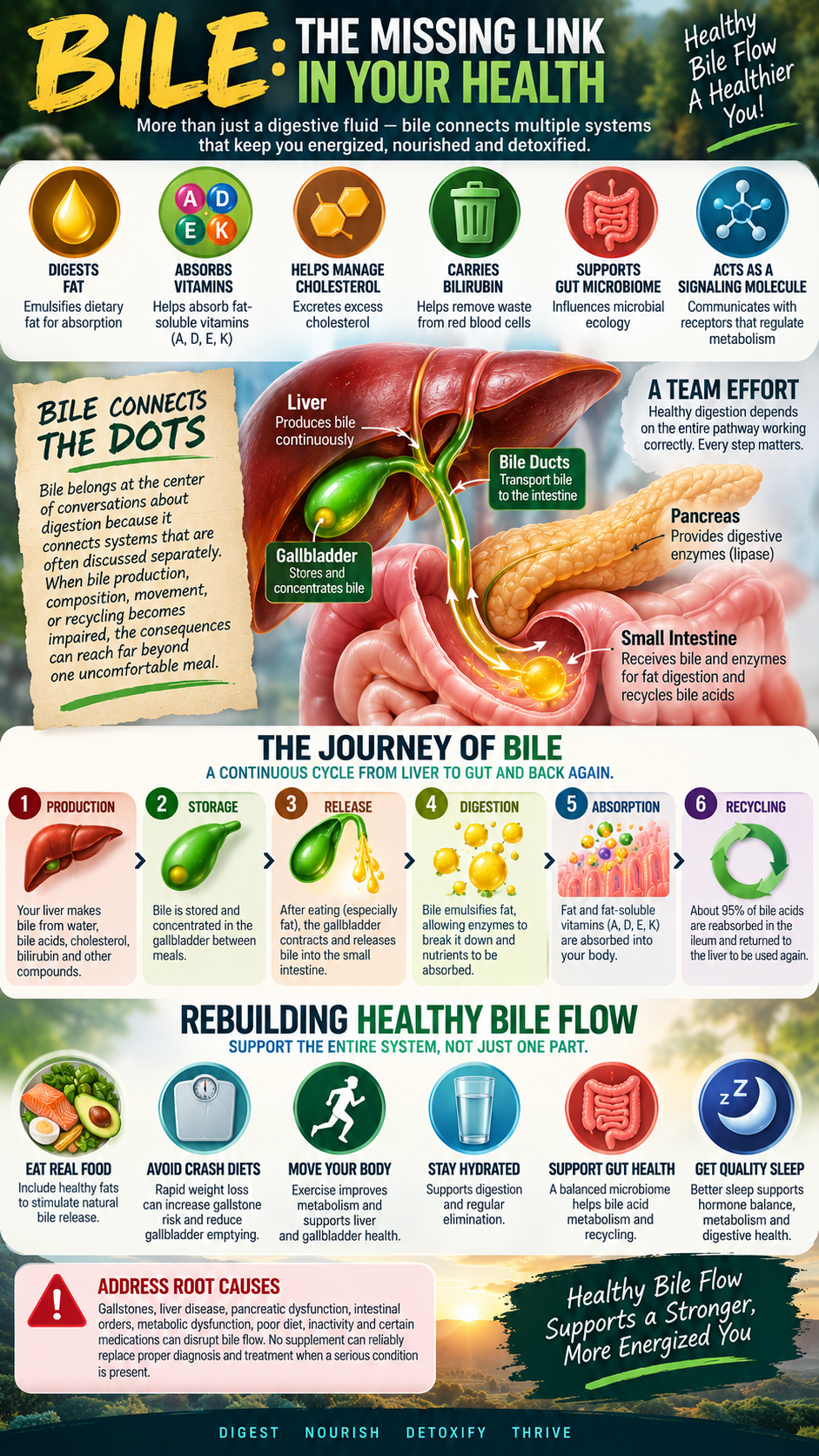
The deeper issue is not simply whether someone has “enough bile.” Healthy physiology depends on the entire pathway functioning correctly. The liver must produce bile, the gallbladder must store and release it, the ducts must remain open, and the intestine must process and recycle bile acids appropriately. Pancreatic enzymes must also work alongside bile to complete fat digestion. Every step matters.
Rebuilding Healthy Bile Flow From the Liver to the Gut
Understanding bile changes the way we approach digestive health because the solution cannot simply be “take something for bile.” The liver must manufacture bile correctly, the gallbladder must concentrate and release it, and the ducts must remain open. Once bile reaches the small intestine, pancreatic enzymes, intestinal cells, microbes, and normal motility must complete the process. Supporting bile flow therefore requires improving the environment surrounding this entire liver-gallbladder-gut system. It also requires recognizing situations where home strategies are inappropriate and proper evaluation becomes essential.
The most effective approach begins by removing factors that disrupt normal physiology. Extreme dieting, rapid weight loss, metabolic dysfunction, poor dietary quality, inactivity, and certain diseases can influence the biliary system. Chronic digestive symptoms can also arise from gallstones, liver disease, pancreatic dysfunction, or intestinal disorders. No supplement can reliably compensate for an unidentified obstruction or serious underlying disease. Restoring healthy bile physiology begins with understanding what the body needs and identifying what might stand in its way.
Stop Treating Fat Like the Enemy
For decades, people were encouraged to fear dietary fat as though every gram threatened their arteries and waistlines. That message created an unintended digestive consequence for some people. Dietary fat provides one of the physiological signals that stimulates cholecystokinin release and gallbladder contraction. Removing nearly all fat from the diet can therefore reduce an important stimulus for normal gallbladder emptying.
This does not mean someone should suddenly consume enormous quantities of butter or oil to “flush” the gallbladder. More fat is not automatically better, especially when gallstones or gallbladder disease already exist. Instead, healthy people generally benefit from consuming appropriate amounts of nutritious fats within balanced meals. Eggs, extra-virgin olive oil, avocado, fatty fish, and other minimally processed foods can provide useful dietary fats alongside essential nutrients.
Pay attention to what happens after those meals. Repeated nausea, upper abdominal discomfort, or pain beneath the right ribs after fatty foods deserves investigation. Pain that radiates toward the back or right shoulder can also occur with gallbladder problems. Forcing additional fat into the diet despite significant symptoms can aggravate discomfort rather than solve the underlying problem.
Abandon the Crash-Diet Mentality
Rapid weight loss creates one of the strangest contradictions in metabolic health. A person can watch pounds disappear while conditions inside the gallbladder become less favorable. During rapid fat loss, more cholesterol can enter bile. Severe calorie restriction may simultaneously decrease gallbladder emptying, especially when dietary fat becomes extremely limited.
Repeated cycles of crash dieting can therefore create more than frustration and metabolic instability. They can also increase gallstone risk in susceptible individuals. A better strategy emphasizes sustainable fat loss while preserving adequate nutrition and lean tissue. Protein, appropriate dietary fat, movement, resistance exercise, sleep, and sensible energy reduction provide a stronger foundation than starvation.
The lesson extends beyond gallstones. Healing physiology rarely responds well to extremes maintained through willpower alone. The liver and gallbladder operate inside a larger metabolic system influenced by glucose regulation, insulin signaling, body composition, and dietary patterns. Improving those systems gradually can support biliary health while producing changes that remain sustainable.
Feed the Liver Instead of Trying to Cleanse It
The liver does not need a weekend juice cleanse to begin detoxifying the body. It performs metabolic transformation every minute of every day. What it needs is adequate nutrition, appropriate energy intake, and freedom from unnecessary metabolic insults. Protein supplies amino acids needed throughout hepatic metabolism, while numerous vitamins and minerals function as cofactors in enzymatic reactions.
Several nutrients also intersect directly with bile physiology. Glycine and taurine participate in bile acid conjugation. Choline contributes to phospholipid metabolism and normal hepatic lipid transport. Phosphatidylcholine represents an important phospholipid component of bile. These relationships demonstrate why severely restrictive diets can become problematic when they fail to provide adequate nutrition.
Whole foods should provide the foundation whenever possible. Eggs are particularly rich in choline, while meat and seafood provide amino acids and varying amounts of taurine. Fish supplies protein alongside beneficial fatty acids. Vegetables, herbs, and other tolerated plant foods contribute micronutrients and compounds that support overall dietary quality. Supporting liver physiology begins with nourishment rather than punishment.
Fix the Metabolic Environment Around the Gallbladder
A healthier gallbladder cannot be separated from a healthier metabolism. Obesity, insulin resistance, fatty liver disease, and abnormal lipid metabolism frequently overlap with increased gallstone risk. Addressing these conditions therefore supports much more than blood sugar or body weight. It changes the metabolic environment in which the liver manufactures bile.
Reducing highly refined foods provides a sensible starting point. Sugary beverages, excessive refined carbohydrates, and heavily processed foods make overeating remarkably easy while offering limited nutritional value. Replacing them with protein-centered meals, minimally processed foods, appropriate fats, and tolerated fiber can improve satiety. Better dietary quality also makes sustainable weight management easier.
Movement strengthens this strategy because skeletal muscle acts as an important destination for circulating glucose. Walking after meals can improve post-meal glucose handling, while resistance exercise builds metabolically active tissue. Regular aerobic activity improves cardiovascular fitness and insulin sensitivity. None of these activities “squeeze toxins” from the liver, but they can improve the metabolic conditions surrounding normal liver function.
Keep the Exit Door Open
Bile secretion into the intestine does not necessarily mean every compound immediately leaves the body. Some bile acids and other molecules undergo intestinal reabsorption and enterohepatic circulation. Eventually, material destined for fecal elimination must travel through the gastrointestinal tract and leave through stool. Normal bowel function therefore remains an important component of digestive health.
Fiber can support this process through several mechanisms. Certain fibers increase stool bulk, support regularity, and interact with bile acids. Increased fecal bile acid loss can require the liver to synthesize replacement bile acids from cholesterol. This mechanism partly explains the cholesterol-lowering effects associated with some soluble fibers.
More fiber is not always better, however. Someone with significant bloating, intestinal narrowing, inflammatory disease, or another gastrointestinal condition may tolerate certain fibers poorly. Increasing intake too quickly can also create gas, distention, and discomfort. Gradual changes allow the digestive tract and microbiome time to adapt while revealing which foods work best.
Hydration Matters, but Water Is Not a Gallbladder Treatment
Adequate hydration supports normal digestive function and helps maintain stool consistency. People who increase fiber while remaining poorly hydrated may worsen constipation rather than improve it. Water also supports circulation and kidney function, making hydration an essential part of overall metabolic health.
Yet hydration should not become another exaggerated cure. Drinking gallons of water cannot dissolve an obstructing gallstone or correct serious liver disease. Lemon water does not magically open bile ducts, and adding trendy ingredients does not transform water into a liver cleanse. Hydration supports physiology; it does not override anatomy.
A practical approach involves drinking consistently throughout the day and using thirst, activity, climate, urine concentration, and individual medical needs as guides. People with kidney, heart, or electrolyte disorders may require specific fluid recommendations. The goal is normal hydration rather than forcing an arbitrary gallon target.
The Gut Microbiome Needs Bile, and Bile Needs the Gut
Supporting intestinal health also means protecting the environment where bile acids undergo transformation. Gut bacteria convert portions of primary bile acids into secondary bile acids. Those compounds can interact with receptors involved in intestinal and metabolic signaling. Bile acids, meanwhile, help shape which microorganisms can thrive within the intestinal ecosystem.
Diet strongly influences this environment. A diverse whole-food diet can provide fermentable substrates for intestinal microbes when those foods are tolerated. Fiber-rich vegetables, herbs, and other plant foods may contribute beneficial substrates. Protein and dietary fat also alter the intestinal environment, making overall dietary balance more important than any single “superfood.”
This relationship provides another reason to avoid indiscriminate supplement protocols. Trying to manipulate the microbiome without considering bile, motility, diet, medications, and intestinal disease treats one part of an interconnected ecosystem. Functional medicine becomes most useful when it connects those systems instead of chasing isolated laboratory abnormalities.
Be Extremely Careful With Gallbladder Flushes
Few natural-health practices illustrate the difference between supporting physiology and forcing physiology better than the gallbladder flush. Popular protocols often combine large amounts of oil, citrus juice, fasting, herbs, or magnesium salts. People may later pass greenish lumps and assume they expelled dozens of gallstones.
That interpretation deserves skepticism. Material created within the gastrointestinal tract during these mixtures can resemble stones without representing true gallstones removed from the gallbladder. More importantly, deliberately stimulating strong gallbladder contraction can create problems when genuine stones already exist. A stone entering and obstructing a duct can trigger severe complications.
Gallstone obstruction can contribute to cholecystitis, cholangitis, jaundice, or pancreatitis depending on location and circumstances. Those conditions can become medical emergencies. Severe persistent abdominal pain, fever, jaundice, repeated vomiting, or significant illness requires prompt evaluation. Supporting natural physiology should never mean ignoring anatomy or delaying necessary care.
What About Bitters, Ox Bile, and Digestive Supplements?
Digestive bitters have traditionally been used before meals to stimulate digestive sensations and secretions. Ox bile supplements provide bile acids directly, while lipase-containing products aim to support fat digestion. These tools may have specific applications, but they should not become universal recommendations for anyone who feels bloated after eating.
The mechanism matters first. Someone without a gallbladder may have different digestive challenges from someone with gallstones. A person with pancreatic insufficiency needs a different strategy from someone with bile acid diarrhea. Someone with an obstructed duct requires evaluation rather than stronger bile stimulation. Similar symptoms can therefore demand completely different interventions.
Supplements should follow physiology rather than replace investigation. When symptoms persist, targeted testing can clarify whether the problem involves liver function, gallbladder structure, pancreatic enzymes, intestinal absorption, or another gastrointestinal disorder. Precision produces better decisions than treating every digestive complaint with the same bottle.
Your At-Home Bile Flow Reset
Begin by rebuilding the daily conditions that support normal digestion. Eat mostly minimally processed foods and include adequate protein at meals. Consume healthy fats according to individual tolerance instead of pursuing extreme fat restriction. Avoid aggressive crash diets, and pursue gradual body-composition improvements when weight loss is appropriate. Give the gallbladder normal physiological reasons to contract rather than attempting to force it through extreme protocols.
Next, make bowel regularity a priority. Consume tolerated fiber from whole foods and increase it gradually when necessary. Drink enough fluid to maintain healthy hydration and comfortable stool consistency. Walk daily, especially after meals, and incorporate resistance training according to physical ability. Protect sleep because poor sleep can worsen appetite regulation, insulin sensitivity, and metabolic health.
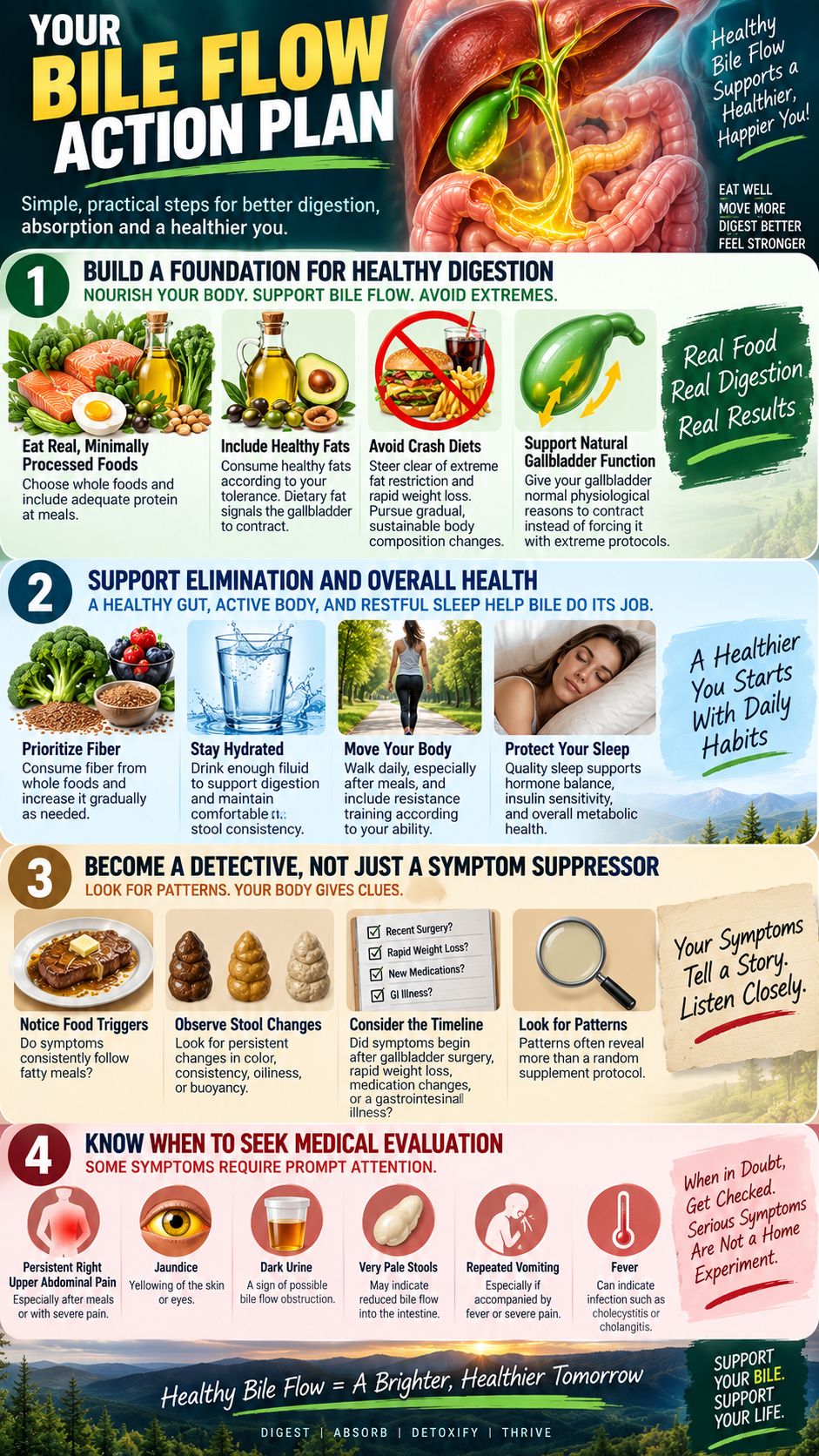
Then become a detective rather than simply suppressing symptoms. Notice whether discomfort consistently follows fatty meals. Observe persistent changes in stool color, consistency, oiliness, or buoyancy. Consider whether symptoms began after gallbladder surgery, rapid weight loss, medication changes, or gastrointestinal illness. Patterns often reveal information that a random supplement protocol misses.
Finally, recognize the boundary between home support and necessary investigation. Persistent right-upper-abdominal pain, jaundice, fever, dark urine, very pale stools, repeated vomiting, or severe pain should not become another home experiment. Those findings can indicate significant hepatobiliary disease. Root-cause thinking means investigating serious warning signs rather than covering them with supplements.
Bile Flow Is About Restoration, Not Force
The most important lesson about bile is surprisingly simple. Healthy bile flow depends on healthy physiology across multiple organs rather than one miracle food, supplement, or cleanse. The liver must produce bile appropriately, the gallbladder must release it effectively, the ducts must remain open, and the intestine must process bile correctly. Pancreatic enzymes, intestinal microbes, bowel motility, and metabolic health complete the picture.
Support those systems with real food, adequate nutrition, healthy fats, movement, hydration, regular elimination, better metabolic health, and sustainable weight management. Investigate persistent symptoms instead of guessing. Most importantly, stop thinking of bile as an insignificant digestive fluid hiding inside the gallbladder. It is a vital link between what you eat, what you absorb, what your liver processes, and what your body ultimately eliminates.
The forgotten river was never unimportant. We simply stopped paying attention to where it flows.