
The Day Anxiety Became an Epidemic
Few illnesses have spread across modern society as quietly as anxiety. It does not arrive with a fever, leave a rash, or appear on an X-ray. Instead, it settles into everyday life disguised as racing thoughts, restless nights, digestive discomfort, heart palpitations, overwhelming fatigue, and a constant feeling that something terrible is about to happen. Millions of people live in this state every day, believing their minds have somehow turned against them. They blame their personalities, their careers, their finances, or their relationships. Yet those explanations rarely answer the most important question: why does the body continue sounding an alarm long after the danger has disappeared?
Conventional medicine often approaches anxiety from the top down. Symptoms begin in the brain, neurotransmitters become unbalanced, and medications attempt to restore chemical equilibrium. While these treatments may help some individuals manage symptoms, they often leave the deeper physiological story untold. The body is far more than a container carrying the brain from one place to another. Every organ constantly communicates with the brain, sending millions of signals every second. When those signals become distorted, the brain responds exactly as it was designed to respond. It prepares the body for survival. Anxiety often represents the consequence of that survival response remaining switched on far longer than nature ever intended.
Emerging research in neuroscience, autonomic physiology, and functional medicine has shifted attention toward an overlooked player in emotional health: the vagus nerve. This remarkable nerve serves as the primary communication highway between the brain and nearly every major organ. When it functions properly, it creates resilience, emotional stability, restorative sleep, efficient digestion, and healthy immune regulation. When communication along this pathway begins to fail, the body gradually loses its ability to distinguish between genuine danger and ordinary daily stress. The result is a nervous system trapped in survival mode.
A Nerve That Quietly Controls Nearly Everything
The vagus nerve derives its name from the Latin word vagus, meaning “wandering.” Few anatomical structures deserve that description more completely. Originating within the brainstem, this extraordinary nerve travels through the neck before extending branches into the heart, lungs, stomach, liver, pancreas, spleen, kidneys, intestines, and numerous other organs. No other cranial nerve influences as many body systems. Rather than acting like a single electrical wire, it resembles an intricate communication network connecting nearly every vital organ to the central nervous system.
Many people assume the brain directs every bodily function through one-way communication. Modern neuroscience paints a different picture. Approximately eighty percent of the fibers within the vagus nerve carry information upward from the organs toward the brain. Only about twenty percent transmit commands downward. Your heart continuously reports its rhythm. Your intestines describe their microbial activity. Your lungs communicate breathing patterns. Even immune cells contribute information regarding inflammation and infection. The brain constantly interprets these incoming messages before deciding how the body should respond emotionally and physically.
This constant exchange explains why emotional health rarely exists independently from physical health. A distressed digestive system influences mood. Chronic inflammation affects emotional resilience. Poor breathing patterns alter brain chemistry. An exhausted cardiovascular system changes stress tolerance. Anxiety therefore represents much more than excessive worrying. It often reflects distorted communication between the body and the brain.
When the Body Forgets How to Feel Safe
Imagine driving a vehicle equipped with a powerful accelerator but only a weak brake. Every slight pressure on the gas pedal launches the car forward, while stopping becomes increasingly difficult. Eventually, even gentle driving feels exhausting because the vehicle remains constantly overactive. The autonomic nervous system functions in much the same way.
The sympathetic nervous system serves as the body’s accelerator. It prepares every organ for immediate survival by increasing heart rate, raising blood pressure, widening the pupils, releasing stored glucose, redirecting blood toward skeletal muscles, and flooding the bloodstream with stress hormones such as adrenaline and cortisol. Thousands of years ago, these changes enabled humans to escape predators and survive dangerous environments. The response remains essential today because genuine emergencies still require rapid action.
Opposing this survival system stands the parasympathetic nervous system, with the vagus nerve acting as its principal conductor. Instead of preparing the body for battle, the vagus nerve slows the heartbeat, stimulates digestion, enhances immune regulation, lowers inflammation, improves sleep quality, supports detoxification, and restores hormonal balance. Every time your body relaxes after a stressful event, the vagus nerve quietly orchestrates that recovery.
Trouble begins when the sympathetic nervous system dominates for weeks, months, or years. Modern stress rarely resembles escaping a predator. Instead, chronic financial concerns, processed food, inflammatory diets, poor sleep, environmental toxins, neck dysfunction, social isolation, excessive screen exposure, and emotional trauma create persistent low-grade stress. The accelerator remains partially pressed all day while the brake gradually weakens. Eventually the nervous system forgets how to return to a state of safety.
The Origin of Vagus Nerve Dysfunction Begins Long Before Anxiety Appears
Most people remember the first panic attack. Few recognize the years of physiological decline preceding that moment. Anxiety seldom appears overnight. Instead, it develops through countless small insults that slowly reshape the nervous system.
Poor nutrition represents one of the earliest contributors. Diets rich in refined carbohydrates, industrial seed oils, and ultra-processed foods generate chronic inflammation throughout the digestive tract. The intestinal lining becomes increasingly permeable, allowing inflammatory compounds to enter the bloodstream. Immune cells respond by releasing cytokines that influence brain function, neurotransmitter production, and vagal signaling. Although these changes initially produce subtle symptoms, they gradually reduce the nervous system’s flexibility.
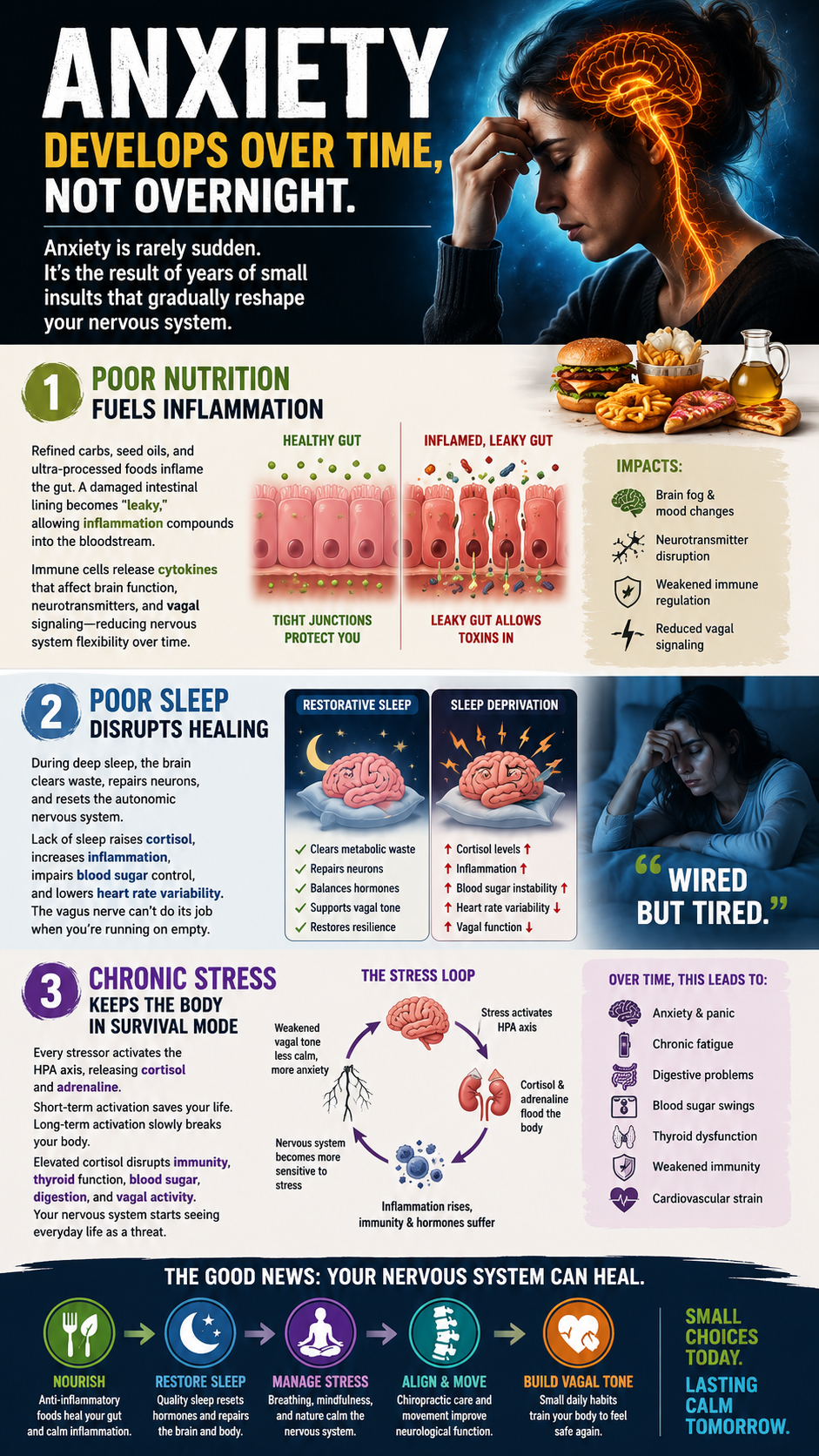
Sleep deprivation compounds the problem. During deep sleep, the brain clears metabolic waste, repairs neurons, and recalibrates autonomic balance. Missing only a few hours each night raises cortisol levels, increases inflammatory markers, impairs glucose regulation, and lowers heart rate variability. The vagus nerve struggles to restore calm when restorative sleep disappears. Individuals often describe feeling “wired but tired,” reflecting simultaneous exhaustion and hypervigilance.
Chronic psychological stress creates another layer of dysfunction. Every stressful event activates the hypothalamic-pituitary-adrenal axis, releasing cortisol and adrenaline into circulation. Acute activation protects life. Continuous activation damages it. Elevated cortisol gradually disrupts immune regulation, impairs thyroid function, destabilizes blood sugar, reduces digestive enzyme production, and weakens vagal activity. The nervous system begins interpreting ordinary daily experiences as threats because it has lost confidence in its ability to recover.
The Neck Holds an Overlooked Piece of the Puzzle
Few regions of the body influence neurological communication as profoundly as the upper cervical spine. The vagus nerve exits the skull near the atlas and axis before descending through the neck toward the chest. Although everyday spinal dysfunction does not typically compress the vagus nerve directly, the surrounding joints, muscles, ligaments, fascia, and sensory receptors play a critical role in autonomic regulation.
The upper cervical spine contains one of the highest concentrations of proprioceptors in the human body. These specialized nerve endings continuously inform the brain about head position, balance, and movement. Healthy communication allows the brainstem to integrate visual, vestibular, and postural information efficiently. Chronic joint dysfunction alters those sensory messages. Instead of receiving accurate information, the brain processes conflicting signals that increase neurological stress.
Researchers continue investigating the relationship between cervical spine dysfunction and autonomic nervous system regulation. Several studies suggest cervical dysfunction may influence heart rate variability, sympathetic activity, and parasympathetic balance. While chiropractic care should never be presented as a cure for anxiety, restoring healthy spinal mechanics may help normalize sensory input into the central nervous system for appropriately selected patients. Many clinicians observe improvements in stress tolerance, sleep quality, muscle tension, and overall well-being following comprehensive care that addresses both neurological and lifestyle factors.
Modern living further magnifies these problems. Hours spent looking downward at smartphones place sustained mechanical stress upon the cervical spine. Forward head posture increases muscular tension, reduces efficient breathing mechanics, and continually stimulates pain-sensitive tissues. Every additional inch the head moves forward dramatically increases the workload placed upon supporting muscles. Over months or years, this constant strain contributes to chronic neurological irritation that may influence autonomic balance.
The Gut and the Brain Never Stop Talking
Perhaps no relationship demonstrates vagal communication more clearly than the gut-brain connection. The digestive tract contains an extensive network of neurons known as the enteric nervous system. Scientists often refer to it as the body’s second brain because of its remarkable independence and complexity. Rather than functioning separately, this system communicates continuously with the brain through the vagus nerve.
Healthy intestinal bacteria produce short-chain fatty acids, neurotransmitter precursors, vitamins, and countless signaling molecules that influence mood, cognition, and immune regulation. Disruptions within this microbial ecosystem alter vagal signaling long before digestive symptoms become severe. Antibiotics, processed food, chronic stress, environmental chemicals, and poor dietary diversity reduce beneficial microbial populations while encouraging organisms that promote inflammation.
As inflammation spreads across the intestinal lining, communication traveling toward the brain changes dramatically. The vagus nerve begins transmitting signals suggesting physiological distress. The brain responds by increasing vigilance because survival historically depended upon recognizing illness quickly. Many individuals notice bloating, constipation, reflux, or irritable bowel symptoms appearing alongside worsening anxiety. This relationship reflects biology rather than coincidence. The gut constantly influences emotional health because the vagus nerve allows both systems to function as one integrated network.
When One Nerve Fails, Every Organ Feels the Consequences
The vagus nerve functions much like the conductor of a symphony orchestra. Every section of the orchestra may contain talented musicians, but without a conductor each instrument gradually falls out of rhythm. The music becomes chaotic despite every individual instrument remaining intact. The human body responds in much the same way. The heart continues beating, the lungs continue breathing, the stomach continues digesting, and the immune system continues defending against infection. Yet when vagal communication weakens, these organs stop working together efficiently. Anxiety becomes only one symptom of a much larger problem affecting nearly every major system in the body.
Many people assume anxiety begins and ends in the brain, but the nervous system never operates in isolation. Every heartbeat, every breath, every bowel movement, every hormonal fluctuation, and every immune response depends upon continuous neurological communication. Reduced vagal tone interrupts that communication. Instead of restoring balance after stressful events, the body remains trapped in a prolonged defensive state. This persistent survival response slowly reshapes metabolism, hormonal regulation, cardiovascular function, digestive efficiency, and immune health.
Over time, individuals often notice symptoms that appear unrelated. They develop chronic fatigue, digestive complaints, poor concentration, frequent infections, unexplained muscle tension, headaches, insomnia, blood sugar instability, and persistent inflammation. Conventional medicine frequently treats these conditions separately because they involve different organs. Functional medicine begins asking a different question. Could these seemingly unrelated symptoms share a common neurological origin?
Chronic Inflammation Silently Weakens the Vagus Nerve
Inflammation represents one of the greatest enemies of healthy vagal function. Acute inflammation serves an essential purpose because it helps the body heal after injury or infection. Chronic inflammation, however, continuously stimulates the immune system long after the original trigger has disappeared. Instead of resolving the problem, inflammatory chemicals circulate throughout the bloodstream, influencing nearly every tissue they encounter.
The vagus nerve normally participates in what scientists call the cholinergic anti-inflammatory pathway. This remarkable mechanism allows the nervous system to help regulate immune activity and prevent excessive inflammatory responses. When vagal signaling weakens, this protective mechanism becomes less effective. Inflammatory cytokines continue rising while the body’s natural braking system loses strength. The nervous system begins interpreting these inflammatory signals as evidence that danger remains present.
Numerous factors contribute to chronic inflammation. Highly processed foods, excessive sugar consumption, industrial seed oils, environmental toxins, obesity, smoking, poor sleep, chronic infections, periodontal disease, sedentary lifestyles, and psychological stress all elevate inflammatory activity. Each contributor places additional strain upon the vagus nerve. Rather than recovering after brief periods of stress, the nervous system remains locked in a perpetual cycle of immune activation and heightened vigilance.
This inflammatory burden also affects the brain directly. Cytokines cross specialized regions of the blood-brain barrier, influencing neurotransmitter production and altering emotional regulation. Serotonin, dopamine, and gamma-aminobutyric acid function less efficiently within an inflamed environment. Anxiety therefore becomes both a neurological and immunological disorder. Treating only the emotional symptoms ignores the inflammatory processes quietly fueling them beneath the surface.
Blood Sugar Swings Keep the Brain Stuck in Survival Mode
Few physiological events activate the stress response faster than unstable blood sugar. The brain consumes tremendous amounts of glucose despite representing only a small percentage of total body weight. Maintaining a consistent energy supply remains critical for survival. Whenever blood sugar falls rapidly, the brain interprets the situation as a potential emergency.
To protect itself, the body immediately releases adrenaline and cortisol. These hormones stimulate the liver to release stored glucose while simultaneously increasing heart rate and blood pressure. Although this response prevents dangerously low blood sugar, frequent fluctuations train the nervous system to remain hypervigilant. Individuals often mistake these physiological reactions for panic attacks because both produce remarkably similar symptoms.
Highly refined carbohydrates worsen this problem by creating dramatic spikes followed by equally dramatic crashes. Sweetened beverages, breakfast cereals, pastries, candy, white bread, and processed snack foods rapidly elevate glucose levels. The pancreas responds by releasing large amounts of insulin, driving glucose downward shortly afterward. This roller coaster continues throughout the day, repeatedly activating stress hormones that suppress healthy vagal function.
Choosing nutrient-dense meals containing adequate protein, healthy fats, fiber-rich vegetables, and minimally processed carbohydrates supports steadier blood sugar regulation. Stable glucose reduces unnecessary cortisol release and allows the parasympathetic nervous system to regain control more frequently throughout the day. Many individuals notice improved emotional stability simply by eliminating the metabolic chaos created by highly processed foods.
The Modern Lifestyle Constantly Trains the Nervous System to Expect Danger
Human physiology evolved under conditions dramatically different from today’s environment. Ancient stress involved short bursts of physical danger followed by prolonged recovery. Modern stress rarely ends. Smartphones deliver constant notifications. News headlines emphasize crisis. Artificial lighting delays melatonin production. Sedentary occupations reduce physical movement. Financial pressures persist month after month. Social media encourages continual comparison while limiting meaningful face-to-face interaction.
The nervous system never evolved for uninterrupted stimulation. Every notification, email, deadline, argument, and sleepless night activates survival pathways that once protected our ancestors from predators. Instead of recovering between stressful events, many people experience overlapping stressors from sunrise until bedtime. Their bodies remain physiologically prepared for emergencies that never actually occur.
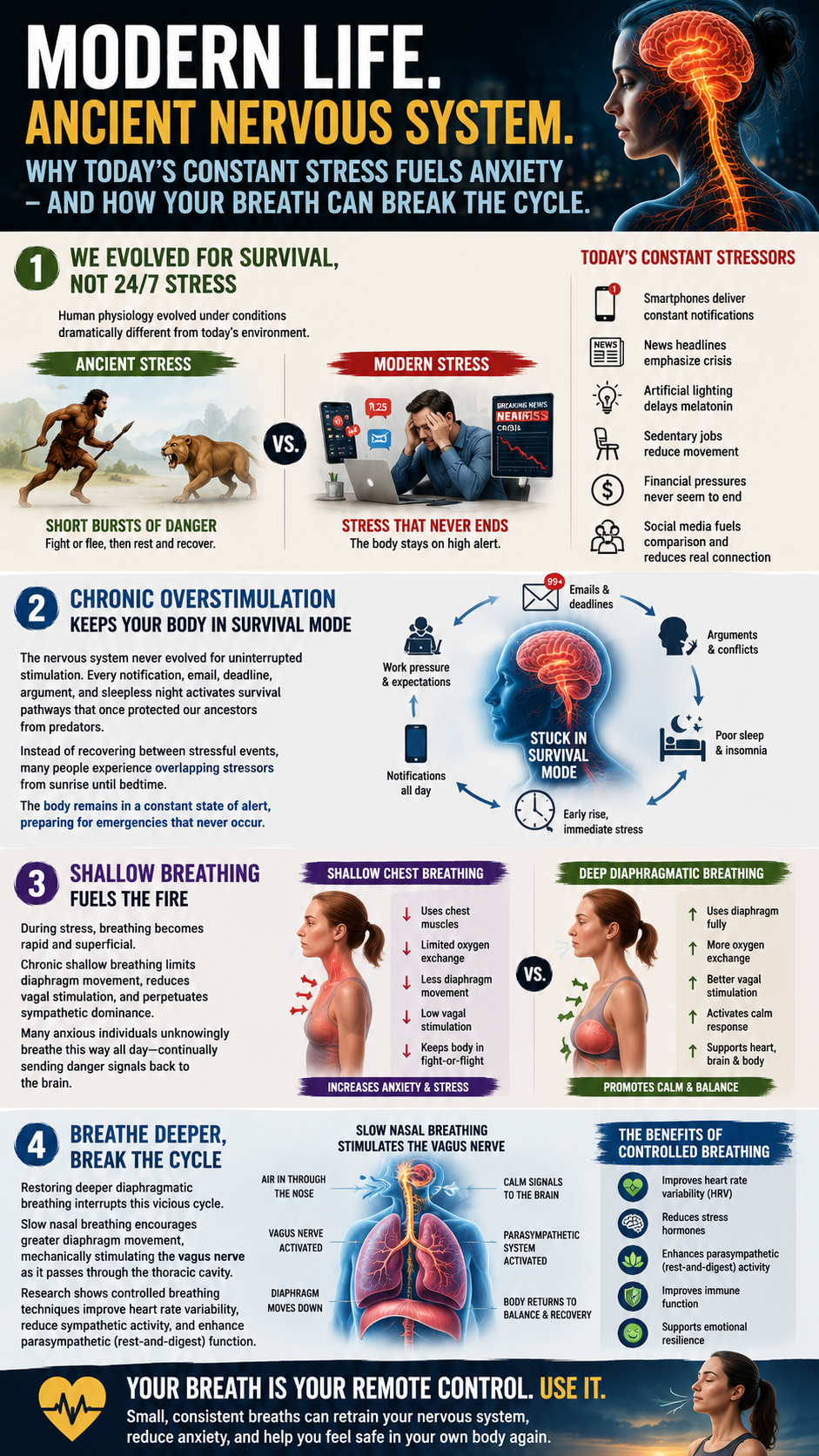
Shallow chest breathing further reinforces this cycle. During periods of stress, breathing naturally becomes rapid and superficial. Unfortunately, chronic shallow breathing limits diaphragm movement, reduces vagal stimulation, and perpetuates sympathetic dominance. Many anxious individuals unknowingly breathe this way throughout the day, continually sending danger signals back to the brain despite sitting safely at their desks.
Restoring deeper diaphragmatic breathing interrupts this vicious cycle. Slow nasal breathing encourages greater movement of the diaphragm, mechanically stimulating the vagus nerve as it passes through the thoracic cavity. Research demonstrates that controlled breathing techniques improve heart rate variability, reduce sympathetic activity, and enhance parasympathetic function. Something as simple as breathing differently can significantly influence nervous system regulation when practiced consistently.
Chiropractic Care May Help Restore Healthy Neurological Communication
The upper cervical spine serves as one of the busiest neurological intersections within the human body. Every movement of the head generates enormous amounts of sensory information that travels toward the brainstem. Healthy spinal motion provides accurate feedback regarding posture, balance, and movement. Dysfunction alters that information, increasing neurological stress and reducing efficient communication throughout the autonomic nervous system.
Modern chiropractic research increasingly examines how restoring normal spinal mechanics influences autonomic balance. Although chiropractic adjustments should never be promoted as a cure for anxiety, several investigations have reported measurable improvements in heart rate variability, muscle tension, pain perception, and overall quality of life following spinal care in appropriately selected patients. Improved sensory input may help reduce unnecessary neurological noise entering the brainstem, allowing autonomic regulation to function more efficiently.
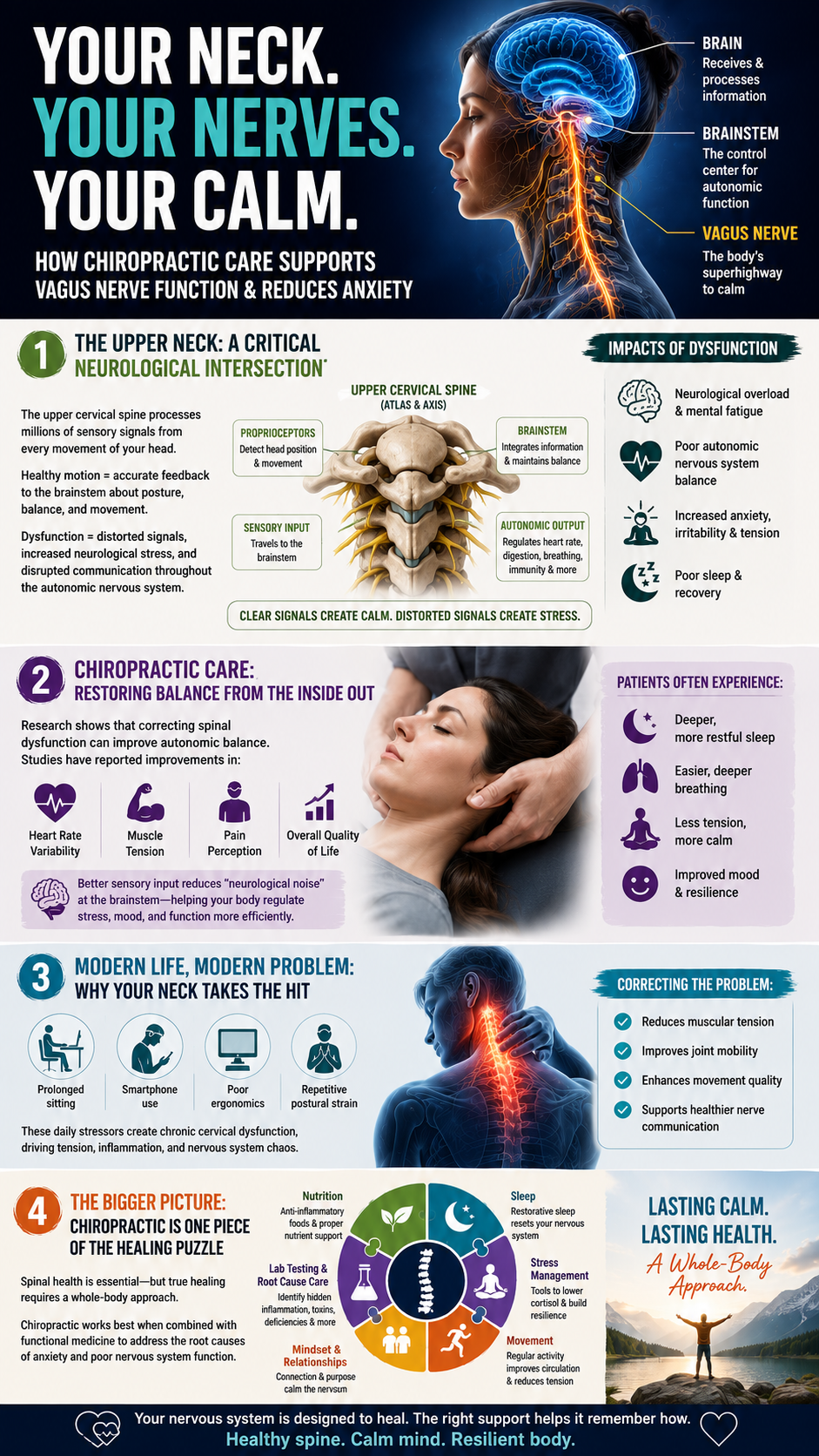
Chiropractic care also addresses one of modern society’s greatest physical stressors: chronic cervical dysfunction created by prolonged sitting, smartphone use, poor ergonomics, and repetitive postural strain. Correcting these mechanical problems reduces muscular tension while improving joint mobility and movement quality. Patients frequently describe sleeping more deeply, breathing more comfortably, and feeling calmer after restoring healthier spinal function. Although multiple mechanisms likely contribute to these improvements, optimizing neurological communication remains an important consideration.
The greatest benefits often occur when chiropractic care becomes one component of a broader functional medicine strategy. Spinal health alone cannot overcome chronic inflammation, nutrient deficiencies, poor sleep, unmanaged stress, or unhealthy dietary habits. Lasting recovery requires addressing every major contributor simultaneously rather than expecting one intervention to solve a complex physiological problem.
Rebuilding Vagal Tone Begins with Everyday Choices
Improving vagal function rarely depends upon a single breakthrough therapy. Instead, recovery develops through consistent daily habits that repeatedly teach the nervous system how to recognize safety again. Every healthy meal, restorative night’s sleep, relaxing walk, chiropractic adjustment, meaningful conversation, and breathing exercise provides another opportunity to strengthen neurological resilience.
Nutrition forms the foundation of this rebuilding process. Anti-inflammatory foods rich in omega-3 fatty acids, colorful vegetables, herbs, spices, quality proteins, and healthy fats provide the nutrients required for optimal nerve function. Magnesium, B vitamins, zinc, selenium, and omega-3 fatty acids participate in countless neurological processes supporting healthy autonomic regulation. Reducing processed foods, refined sugars, and excessive alcohol removes many of the inflammatory triggers that continually burden the nervous system.
Movement also plays an essential role. Moderate physical activity improves circulation, lowers inflammation, enhances insulin sensitivity, and increases heart rate variability. Walking outdoors combines several therapeutic effects simultaneously by exposing the body to natural light, gentle movement, fresh air, and calming visual environments. Unlike exhaustive exercise that temporarily elevates cortisol, consistent moderate activity encourages long-term nervous system resilience.
Sleep deserves equal attention because the brain performs much of its neurological maintenance during deep restorative sleep. Establishing regular sleep schedules, minimizing evening screen exposure, maintaining cool sleeping environments, and avoiding excessive caffeine later in the day help restore healthy circadian rhythms. Better sleep strengthens vagal tone while reducing the inflammatory burden that perpetuates anxiety.
Meaningful human connection provides another surprisingly powerful form of vagal stimulation. Positive conversations, shared laughter, affectionate relationships, singing, prayer, gratitude, and social engagement all activate brain regions associated with parasympathetic regulation. Humans evolved within supportive communities. Isolation deprives the nervous system of many of the signals historically associated with safety and survival.
Healing Anxiety Requires Restoring the Conversation Between the Brain and the Body
Perhaps the greatest misunderstanding surrounding anxiety is the belief that it exists only inside the mind. The science of autonomic physiology tells a far richer story. Anxiety frequently reflects a nervous system struggling to interpret millions of physiological signals arriving from every major organ. When inflammation rises, digestion falters, breathing becomes shallow, sleep deteriorates, posture declines, and chronic stress overwhelms recovery, the vagus nerve loses its ability to reassure the brain that everything is safe.
Healing begins when that communication improves. The goal extends beyond eliminating anxious thoughts. True recovery restores the body’s remarkable capacity to shift effortlessly between action and recovery, stress and relaxation, challenge and resilience. A healthy vagus nerve helps create that flexibility by reconnecting the brain with the organs it was designed to protect.
The journey toward calmer emotional health therefore begins long before the first peaceful thought appears. It begins with restoring healthy physiology. Every nourishing meal, every restorative night’s sleep, every chiropractic adjustment that improves spinal function, every intentional breath, every step taken outdoors, and every effort to reduce chronic inflammation teaches the nervous system a simple but profound lesson. The danger has passed. The body can finally return home to balance, healing, and lasting resilience.