The Overlooked Epidemic of Statin Muscle Pain
Statin muscle pain has quietly become one of the most widespread yet misunderstood health concerns in modern healthcare, affecting millions of individuals prescribed cholesterol-lowering medications such as Atorvastatin, Simvastatin, and Rosuvastatin. These medications are often presented as essential for protecting heart health by lowering cholesterol, yet a significant number of patients experience persistent muscle pain, weakness, fatigue, and reduced physical performance that cannot be explained by aging or lifestyle alone. Many individuals begin these medications feeling relatively well and gradually notice a decline in strength, endurance, and overall vitality, often without connecting these changes to the medication itself. This disconnect creates a situation where symptoms are normalized, dismissed, or attributed to unrelated causes, leaving patients without clear answers or solutions.
From an SEO standpoint, individuals searching phrases like statin muscle pain relief, how to stop statin side effects, or natural alternatives to statins are often looking for deeper insight into what is happening within their body and how to correct it. The truth is that statin-induced muscle pain is not random, nor is it simply a minor inconvenience; it is a predictable physiological response to disrupting a critical biochemical pathway responsible for far more than just cholesterol production. When this pathway is altered, the effects ripple through the body, impacting energy production, muscle integrity, and nervous system function in ways that can significantly diminish quality of life. Understanding this process is the first step toward reclaiming control and addressing the root cause rather than merely managing symptoms.
What Causes Statin Muscle Pain: The True Biochemical Mechanism
To understand what causes statin muscle pain, it is necessary to examine the biochemical pathway targeted by these medications. Statins work by inhibiting an enzyme called HMG-CoA reductase, which plays a central role in the mevalonate pathway responsible for producing cholesterol in the liver. While this mechanism effectively reduces LDL cholesterol levels, it also blocks the production of several other essential compounds that are critical for cellular function, including Coenzyme Q10, a molecule that plays a vital role in energy production within the mitochondria. This dual effect is rarely emphasized, yet it is fundamental to understanding why muscle pain develops.
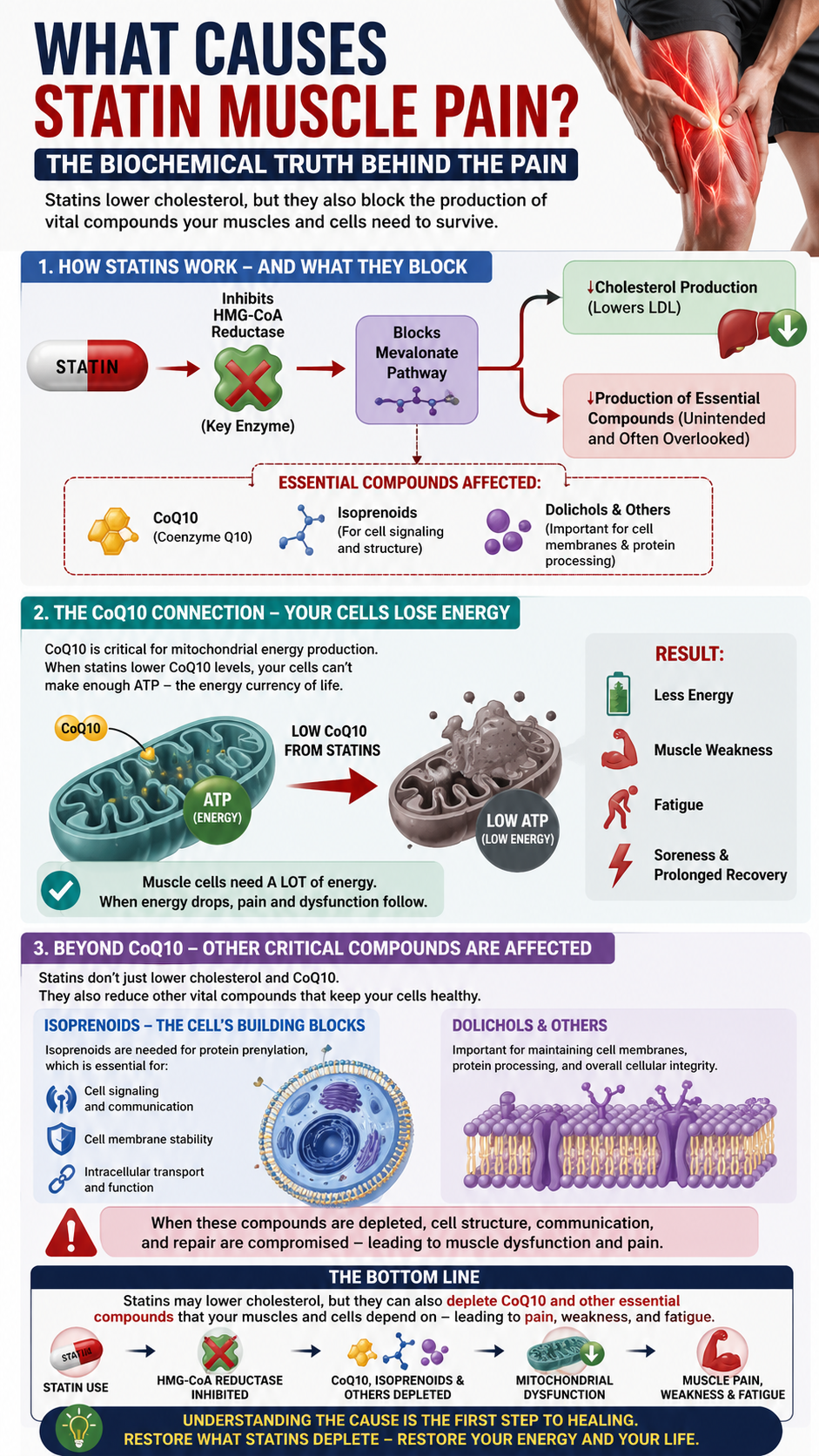
CoQ10 is indispensable for the production of ATP, the molecule that fuels nearly every process in the body, including muscle contraction, repair, and endurance. When statins reduce CoQ10 levels, mitochondrial efficiency declines, leading to decreased energy output and increased susceptibility to fatigue and muscle damage. Muscle cells, which rely heavily on consistent energy supply, begin to struggle under this deficit, resulting in weakness, soreness, and prolonged recovery times. In addition to CoQ10 depletion, the inhibition of the mevalonate pathway also affects the production of isoprenoids and other compounds involved in maintaining cell membrane stability and intracellular communication, further contributing to muscle dysfunction and structural compromise.
How Statins Damage Muscle Tissue and Cellular Energy
The question of how statins cause muscle pain can be answered by examining their impact on mitochondrial function, oxidative stress, and cellular repair processes. When mitochondrial energy production is impaired due to reduced CoQ10 availability, muscle cells are forced to rely on less efficient metabolic pathways that generate increased levels of reactive oxygen species. These molecules create oxidative stress, damaging cellular structures and triggering inflammatory responses that manifest as pain, stiffness, and tenderness within muscle tissue. This oxidative environment not only contributes to discomfort but also interferes with the body’s ability to repair and regenerate damaged muscle fibers.
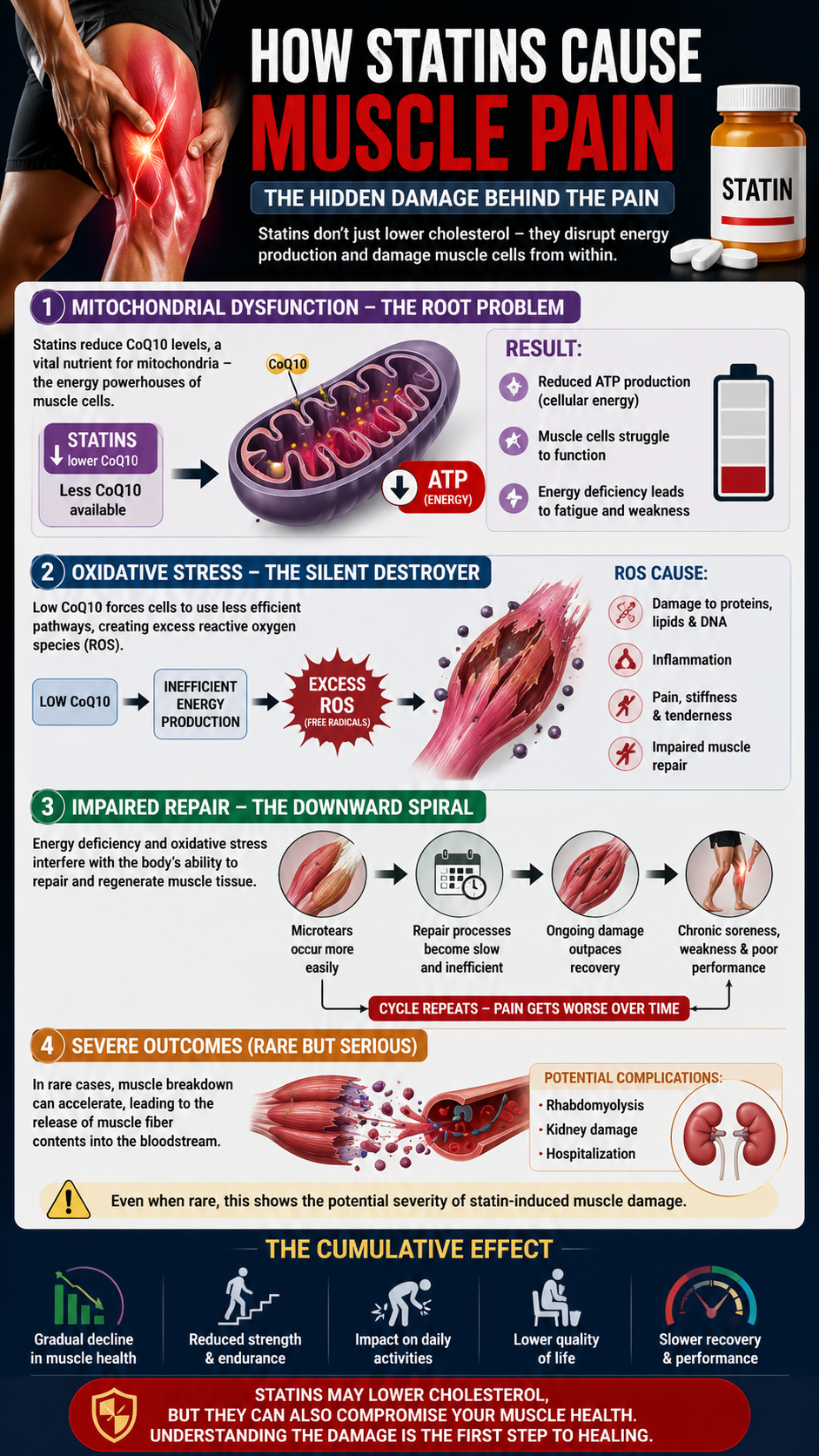
As muscle cells continue to operate under conditions of energy deficiency and oxidative stress, structural integrity begins to deteriorate. Microtears occur more easily, and the normal repair processes that would typically restore strength and function become compromised. This leads to a cycle of ongoing damage and insufficient recovery, resulting in chronic soreness and weakness that does not resolve with rest alone. In more severe cases, the breakdown of muscle tissue can accelerate to the point where cellular contents are released into the bloodstream, highlighting the potential severity of statin-induced muscle damage even if such extreme outcomes are relatively rare. The cumulative effect of these processes is a gradual decline in muscle health that can significantly impact daily activities and overall physical performance.
The Nervous System Connection and the Role of Chiropractic Care
While much of the focus on statin muscle pain centers on biochemical factors, the role of the nervous system is equally important in understanding and addressing the problem. The nervous system controls muscle function by transmitting signals from the brain to the muscles through the spinal cord and peripheral nerves, regulating movement, coordination, and recovery. When this communication system is disrupted, whether by biochemical stress or structural interference, muscle function can become compromised, leading to increased tension, reduced coordination, and impaired healing capacity.
Spinal misalignments, commonly referred to as subluxations, can interfere with nerve signaling, reducing the efficiency of communication between the brain and the muscles. This interference can exacerbate muscle pain and limit the body’s ability to adapt to stress, particularly when combined with the metabolic challenges created by statins. Chiropractic adjustments aim to correct these misalignments, restoring proper alignment to the spine and improving the flow of information throughout the nervous system. By enhancing nerve communication, chiropractic care can help reduce muscle tension, improve coordination, and support the body’s natural healing processes.
Improved spinal alignment also способствует better circulation, ensuring that oxygen and nutrients are delivered more effectively to muscle tissue while facilitating the removal of metabolic waste products. This enhanced circulation can accelerate recovery, reduce inflammation, and improve overall muscle function. Additionally, chiropractic care influences the autonomic nervous system, which regulates processes such as blood flow, inflammation, and stress response, creating a more balanced internal environment that supports healing and resilience.
Functional Medicine Alternatives to Address Statin Muscle Pain
For individuals seeking natural alternatives to statins and solutions for muscle pain, a functional medicine approach focuses on addressing the underlying causes rather than suppressing symptoms. One of the most important interventions is CoQ10 supplementation, which directly replenishes the compound depleted by statin use and supports mitochondrial function. By restoring CoQ10 levels, energy production can improve, oxidative stress can be reduced, and muscle pain can be alleviated, providing a foundation for recovery.
Magnesium plays a crucial role in muscle relaxation, enzyme function, and nerve signaling, and deficiency in this mineral can contribute to increased muscle cramps, stiffness, and fatigue. Supplementing with magnesium can help restore balance, improve muscle function, and support overall energy metabolism. Omega-3 fatty acids provide anti-inflammatory benefits, helping to reduce the inflammatory response associated with muscle damage and support cellular integrity. Vitamin D, often overlooked, is essential for muscle strength and immune function, and low levels are commonly associated with increased pain and weakness.
L-carnitine supports mitochondrial energy production by facilitating the transport of fatty acids into the mitochondria, enhancing metabolic efficiency and endurance. Together, these nutrients create a synergistic effect that addresses multiple aspects of statin-induced dysfunction, providing a comprehensive strategy for restoring muscle health and reducing pain. This approach emphasizes the importance of supporting the body’s natural processes rather than relying solely on pharmaceutical interventions.
Actionable Steps to Fix Statin Muscle Pain at Home
For those searching how to relieve statin muscle pain naturally, there are several practical steps that can be implemented immediately to support recovery and improve overall health. The first step is awareness, recognizing that muscle pain is a signal from the body indicating stress or imbalance rather than something to be ignored or dismissed. Keeping a detailed record of symptoms, including their onset, location, and severity, can provide valuable insight into patterns and triggers, helping guide more effective interventions.
Optimizing nutrition is essential, focusing on whole, nutrient-dense foods that support mitochondrial function and reduce inflammation. This includes high-quality proteins, healthy fats such as olive oil and avocado, and a variety of vegetables rich in antioxidants, while eliminating processed foods, refined sugars, and inflammatory oils that contribute to oxidative stress. Hydration is equally important, as adequate fluid intake supports circulation, detoxification, and cellular function, all of which are critical for muscle health.
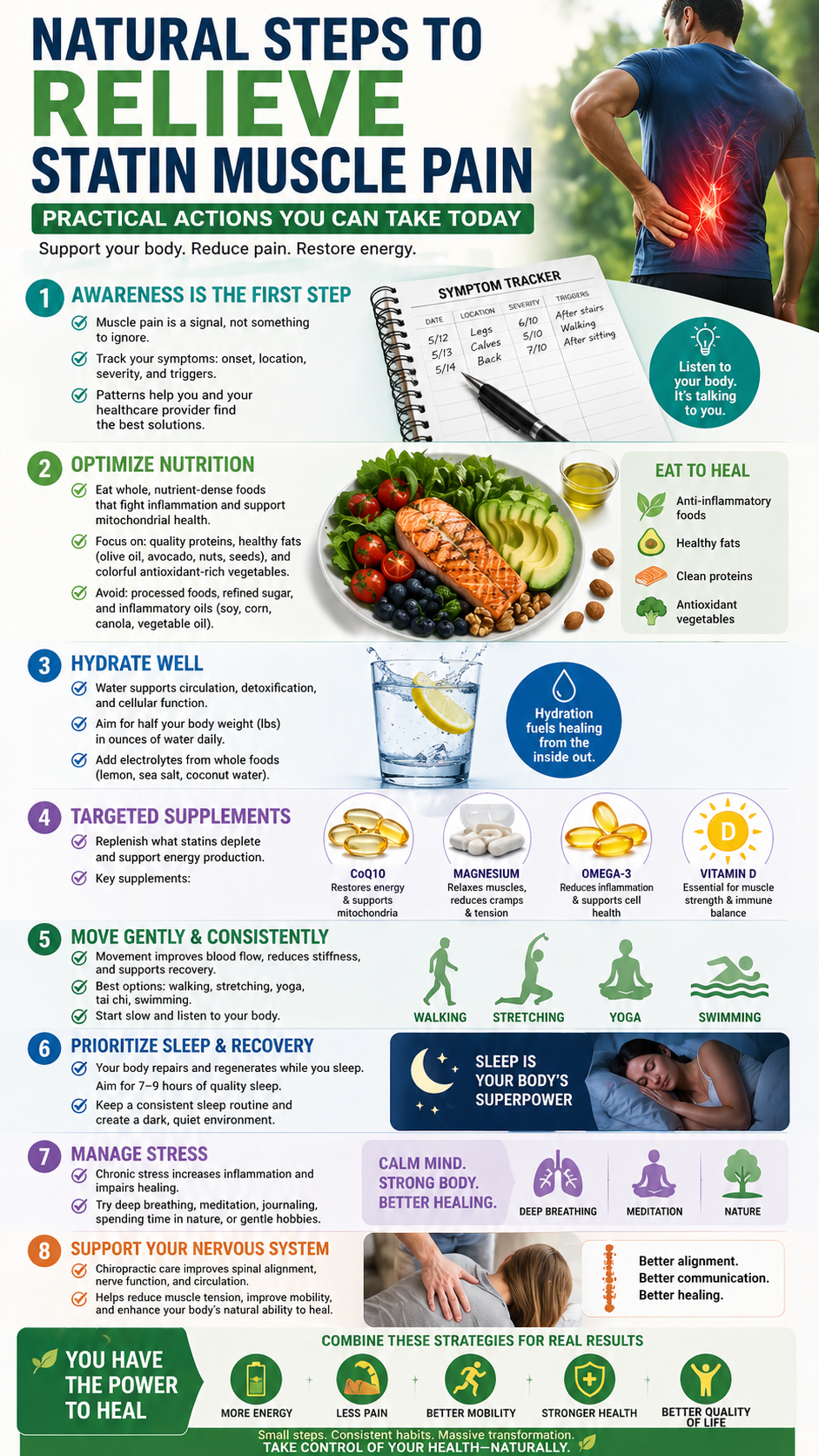
Targeted supplementation with CoQ10, magnesium, omega-3 fatty acids, and vitamin D can provide additional support for the pathways affected by statins, helping to restore energy production and reduce muscle pain. Incorporating gentle movement, such as walking, stretching, and low-impact exercise, can improve blood flow and prevent stiffness without overloading compromised muscles. Prioritizing sleep and recovery is crucial, as the body’s repair processes are most active during rest, and establishing a consistent sleep routine can significantly enhance healing.
Stress management techniques, including deep breathing, meditation, and time spent in nature, can support the nervous system and reduce the overall burden on the body, creating an environment more conducive to recovery. Seeking chiropractic care can further enhance these efforts by improving spinal alignment, optimizing nerve function, and supporting the body’s natural ability to heal. By combining these strategies, individuals can take an active role in addressing statin muscle pain and restoring balance within their body.
Rethinking Cholesterol and Long-Term Health
Addressing statin muscle pain also requires a broader perspective on cholesterol and cardiovascular health, recognizing that cholesterol is not the sole determinant of heart disease risk. Factors such as inflammation, insulin resistance, oxidative stress, and lifestyle habits play a significant role in the development of cardiovascular conditions, and focusing exclusively on lowering cholesterol may overlook these critical contributors. A more comprehensive approach emphasizes the importance of metabolic health, الغذاء quality, physical activity, and stress management in supporting long-term القلب health.
By shifting the focus from a single marker to a more holistic understanding of health, individuals can make informed decisions that support both immediate well-being and long-term resilience. This perspective aligns with a functional approach that prioritizes root cause resolution and empowers individuals to take control of their health through sustainable lifestyle changes.
Conclusion: Taking Back Control from Statin Muscle Pain
Statin muscle pain is not an unavoidable consequence of treatment but a signal that the body is under stress and requires support. By understanding the underlying mechanisms, including mitochondrial dysfunction, nutrient depletion, and nervous system interference, it becomes possible to move beyond symptom management and toward true healing. Chiropractic adjustments, combined with functional medicine strategies and targeted nutritional support, provide a comprehensive framework for restoring balance, reducing pain, and improving overall quality of life.
For those searching how to stop statin muscle pain, natural remedies for statin side effects, or chiropractic care for muscle pain relief, the path forward lies in addressing the root cause and supporting the body’s natural processes. When given the right conditions, the body has an extraordinary capacity to heal, and by taking proactive steps, individuals can reclaim their strength, vitality, and confidence in their health.