
When Thyroid Hormone Takes the Wrong Metabolic Path
A patient can have every symptom people associate with poor thyroid function and still hear the same conclusion: “Your labs look normal.” Energy disappears by midmorning. Weight becomes increasingly difficult to lose. Cold hands become constant. Brain fog interferes with work, conversations, and memory. Hair begins thinning, digestion slows, and workouts feel harder than they should. Yet a routine panel may show an acceptable TSH and free T4. That result can create false closure because thyroid production is only one part of thyroid physiology. The body must also convert, transport, activate, and use thyroid hormone correctly.
This is where reverse T3 enters the conversation. Reverse T3, commonly written as rT3, is produced when the body converts T4 down an inactive metabolic pathway. T4 can become active T3, which supports cellular metabolism, or it can become reverse T3. The distinction matters because T3 strongly influences metabolic activity throughout the body. Reverse T3 does not provide that same signaling effect. Therefore, an altered balance between these pathways can reflect a body shifting away from metabolic activation.
The real issue is not that reverse T3 exists. Healthy people produce it every day as part of normal thyroid hormone metabolism. Problems become more relevant when illness, severe calorie restriction, inflammation, medication effects, or metabolic stress shift conversion away from active T3. In that setting, reverse T3 may rise while active T3 declines. The patient may then feel increasingly hypothyroid despite producing enough T4. That is the metabolic disconnect many routine thyroid panels do not examine directly.
Thyroid Health Is More Than Thyroid Production
The thyroid gland receives most of the attention because it manufactures thyroid hormone. However, thyroid physiology does not end when hormone leaves the gland. T4 must travel through the bloodstream, reach target tissues, enter cells, and undergo further conversion. Enzymes called deiodinases control much of this transformation. Different tissues use these enzymes to activate or deactivate thyroid hormone according to local needs.
The body produces considerably more T4 than T3. That means peripheral conversion becomes essential for proper metabolic signaling. Liver tissue, kidneys, skeletal muscle, brain tissue, and other organs participate in thyroid hormone metabolism. As a result, a perfectly functioning thyroid gland can still exist within an unhealthy metabolic environment. Production may remain adequate while conversion changes elsewhere. This distinction becomes especially important when symptoms and routine bloodwork do not match.
TSH cannot fully describe this process because TSH measures pituitary signaling. It tells us how strongly the pituitary is stimulating the thyroid gland. Free T4 shows how much unbound T4 circulates in the bloodstream. Neither number directly measures tissue-level T3 production. They also do not explain how much T4 is moving toward reverse T3. Therefore, these tests answer important questions without answering every thyroid question.
The Fork Between Active T3 and Reverse T3
T4 faces more than one metabolic destination after entering peripheral tissues. One pathway removes iodine in a way that creates active T3. Another pathway removes iodine differently and creates reverse T3. That chemical difference changes biological activity dramatically. T3 binds thyroid receptors and influences gene expression throughout the body. Reverse T3 has little meaningful activity at those receptors.
This pathway allows the body to fine-tune metabolic output. During normal circumstances, the system maintains enough active thyroid signaling to support energy production and tissue function. During severe physiological stress, however, metabolism can shift toward conservation. The body may reduce active T3 production while increasing inactive metabolites. That response can be adaptive for short periods. Trouble develops when the conservation pattern becomes prolonged or repeatedly reinforced.
A useful comparison is an engine with enough fuel but limited ignition. T4 represents available fuel sitting in the system. T3 acts more like the active signal that drives metabolic output. Reverse T3 reflects fuel being diverted away from that active route. The body may still produce thyroid hormone normally, yet tissues receive less metabolic stimulation. That difference helps explain why symptoms can appear before routine thyroid numbers look dramatically abnormal.
The Body Slows Down for a Reason
Metabolic slowdown is not random. Human physiology evolved to protect survival during periods of infection, starvation, injury, and environmental hardship. High metabolic output becomes expensive when resources are scarce. Therefore, the body can reduce energy expenditure when survival appears threatened. Thyroid hormone metabolism becomes one mechanism used to accomplish that adaptation.
This response makes sense during acute illness. A body fighting severe infection may temporarily reduce activity and conserve energy. Muscle performance falls, appetite changes, and metabolism shifts toward survival. Active T3 often decreases during serious illness, while reverse T3 may increase. This pattern is commonly associated with non-thyroidal illness syndrome. The thyroid gland itself may remain healthy while the rest of the body changes how thyroid hormone is handled.
Problems arise when modern lifestyles create chronic signals that resemble ongoing scarcity or danger. Severe dieting, inadequate sleep, overtraining, chronic inflammation, psychological stress, and metabolic dysfunction can overlap. The body continuously receives messages that recovery is incomplete. Metabolism may then remain more conservative than desirable. Reverse T3 can become one clue that this broader metabolic adaptation is occurring.
Chronic Stress Can Reshape Thyroid Physiology
Stress is often discussed too casually in health conversations. It is not simply feeling overwhelmed or emotionally tense. Stress represents a physiological state involving the nervous system, endocrine system, immune system, and metabolism. Cortisol rhythms change during prolonged strain. Sleep often worsens. Blood sugar becomes less stable. Appetite can increase or disappear. Recovery slows, and inflammatory signaling may rise.
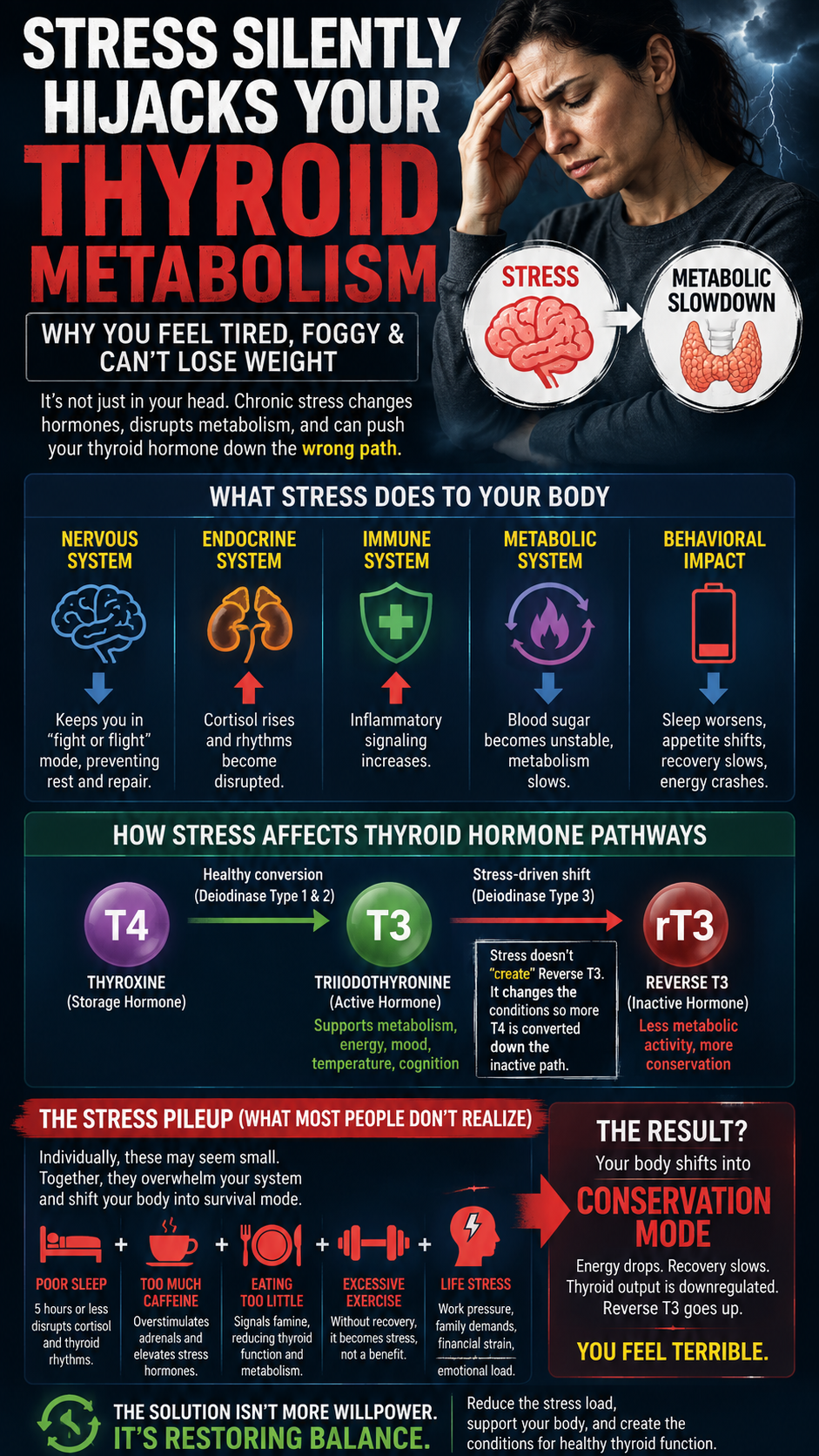
These changes create an environment that can influence thyroid hormone metabolism. Severe physiological stress clearly alters T3 production in many settings. Chronic lifestyle stress may also contribute indirectly through poor sleep, nutritional depletion, excessive exercise, and metabolic dysfunction. The important point is not that cortisol automatically creates reverse T3. Human physiology is more complex than that. Instead, stress changes the conditions under which thyroid hormone conversion occurs.
Many patients unknowingly create a stress pileup. They sleep five hours, drink several caffeinated beverages, eat too little, and perform intense workouts daily. Meanwhile, they manage demanding jobs, family responsibilities, and emotional pressure. Each stressor may appear manageable alone. Together, they create a substantial biological load. The body often responds by sacrificing performance and increasing conservation.
Aggressive Dieting Can Trigger Metabolic Conservation
Few things alter thyroid metabolism more predictably than prolonged energy restriction. The body monitors calorie availability closely because energy scarcity threatens survival. When intake remains low for long periods, metabolism adapts. Active thyroid signaling may decrease while energy expenditure falls. Hunger increases, spontaneous movement declines, and body temperature can drop.
Many people respond to stalled weight loss by eating even less. They then add longer fasting windows and harder workouts. At first, this may produce additional weight loss. Eventually, progress slows again. Fatigue deepens, sleep deteriorates, and cravings intensify. The person assumes they need more discipline. In reality, the body may be defending itself against chronic energy deficiency.
T3 frequently decreases during significant fasting or caloric restriction. Reverse T3 may rise in some circumstances because more T4 moves toward inactive metabolism. That change reduces metabolic expenditure and helps conserve energy. From an evolutionary perspective, this makes perfect sense. From a modern weight-loss perspective, it can create enormous frustration.
The solution is not automatically to abandon every form of fasting or calorie control. Some people tolerate intermittent fasting extremely well. Others do poorly when fasting becomes too aggressive. Context determines the response. A metabolically healthy person differs from someone already exhausted, inflamed, and underfed. The body responds to total physiological circumstances rather than diet labels.
Inflammation Changes the Way Thyroid Hormone Behaves
Inflammation can alter thyroid hormone metabolism through several pathways. Immune signaling can influence deiodinase activity, thyroid hormone transport, and hypothalamic-pituitary communication. These changes become especially obvious during serious illness. However, chronic metabolic inflammation may also contribute to fatigue, insulin resistance, and reduced recovery.
Common inflammatory drivers include excess visceral fat, poor sleep, blood sugar instability, infections, smoking, alcohol excess, and autoimmune disease. Gastrointestinal problems can add another layer by impairing nutrient absorption. Each factor can influence thyroid physiology indirectly. Therefore, treating inflammation as a separate system often misses its endocrine consequences.
The connection between inflammation and thyroid function also explains why symptoms can overlap so dramatically. Both can produce fatigue, poor concentration, low motivation, and reduced exercise tolerance. Inflammation can also worsen insulin signaling and body composition. Those changes further increase metabolic stress. A cycle develops in which inflammation and poor metabolic health continually reinforce one another.
Reverse T3 should not become a generic inflammation marker. That interpretation would be overly simplistic. However, elevated reverse T3 in the right context may point toward altered hormone metabolism during systemic stress. Its greatest value comes from prompting deeper investigation rather than providing a stand-alone diagnosis.
The Liver Plays a Bigger Role Than Most People Realize
The liver is deeply involved in thyroid hormone metabolism. It helps process thyroid hormones, manage binding proteins, and support peripheral conversion. Poor liver function can therefore influence hormone availability even when the thyroid gland itself functions normally. Fatty liver disease, metabolic dysfunction, alcohol exposure, and certain medications may all affect this environment.
The liver also connects thyroid physiology with glucose metabolism. Insulin resistance often accompanies fatty liver disease. Elevated insulin can promote weight gain and inflammation. Those problems then increase metabolic stress and complicate thyroid symptoms. Patients may believe their thyroid alone causes weight gain when several systems are involved simultaneously.
Supporting liver health requires more than taking a detox supplement. Blood sugar control, body composition, food quality, alcohol intake, movement, and nutrient status all matter. The liver works inside a larger metabolic network. Improving that network often produces broader benefits than targeting one organ with one product.
Kidney Function Also Influences Hormone Clearance
Kidneys rarely receive attention in thyroid discussions, yet they participate in hormone metabolism and clearance. Chronic kidney disease frequently alters thyroid hormone patterns. Reduced T3 can occur even when primary thyroid disease is absent. These changes remind us that systemic health influences endocrine signaling throughout the body.
Hydration, blood pressure, glucose control, and medication exposure all affect kidney health. Kidney dysfunction can also alter nutrient levels and acid-base balance. Those disturbances contribute to fatigue and weakness. Therefore, persistent thyroid-like symptoms deserve a broader medical evaluation when kidney function is questionable.
The same principle applies to nearly every major organ system. Thyroid hormone does not operate in isolation. The body constantly integrates information from metabolism, inflammation, nervous system activity, nutrition, and organ function. Any serious root-cause investigation must respect that complexity.
Nutrient Deficiencies Can Disrupt Several Thyroid Steps
Thyroid physiology requires several key nutrients. Iodine forms part of the thyroid hormone molecule itself. Selenium supports deiodinase enzymes and antioxidant protection. Iron contributes to thyroid peroxidase function and oxygen delivery. Zinc supports endocrine signaling and immune activity. Protein supplies amino acids needed for transport proteins and tissue repair.
Deficiency can disrupt different stages of the thyroid pathway. Low iron can cause fatigue independently while also impairing thyroid-related processes. Poor selenium status may affect deiodinase function. Inadequate iodine can reduce thyroid hormone production. Severe protein deficiency can impair recovery and metabolism broadly.
More supplementation is not always better. Excess iodine can disturb thyroid function in susceptible people. Too much selenium can become toxic. Iron supplementation without deficiency creates unnecessary oxidative stress. Nutrients work best within appropriate physiological ranges. Targeted correction beats indiscriminate dosing.
Medications Can Push Thyroid Hormone in Another Direction
Certain medications alter thyroid hormone conversion, signaling, or absorption. Amiodarone is one of the best-known examples because it can change deiodinase activity. Glucocorticoids may reduce T4-to-T3 conversion in some circumstances. Dopamine-related therapies can influence pituitary signaling. Other drugs alter hormone binding or absorption.
Thyroid medication itself can add complexity. Levothyroxine provides T4, which must still undergo peripheral conversion. That T4 can become active T3 or inactive reverse T3. Patients taking T4 medication may therefore experience persistent symptoms for many reasons. Absorption, conversion, nutrient status, inflammation, and medication timing all deserve evaluation.
Food and supplements can also interfere with thyroid medication absorption. Calcium and iron can reduce levothyroxine absorption when taken too closely. Gastrointestinal disorders may produce additional problems. Irregular medication timing creates inconsistent hormone exposure. Small details can have large physiological consequences.
What This Metabolic Shift Does to Energy Production
Low active thyroid signaling can affect nearly every energy-dependent tissue. Mitochondria respond to thyroid hormone by adjusting energy production and heat generation. When active signaling declines, cells may produce energy less efficiently. The person feels tired even after adequate sleep because cellular output has slowed.
Exercise becomes harder because muscles depend on efficient energy metabolism. Recovery takes longer, and soreness may persist. Strength can decline, while motivation falls because physical effort feels unusually demanding. Patients often describe feeling as though their bodies are moving through mud. These experiences can become severe despite acceptable routine labs.
Reduced metabolic activity can also lower resting energy expenditure. The body burns fewer calories across the day. Weight loss becomes harder even when dietary habits remain unchanged. This metabolic slowdown encourages further calorie restriction. That response can worsen the same conservation pattern that caused the problem.
Brain Fog Is a Metabolic Symptom Too
The brain requires enormous amounts of energy. Thyroid hormone influences cerebral metabolism, neurotransmitter activity, and cognitive performance. When active thyroid signaling declines, mental processing can slow. Memory becomes less reliable, and concentration becomes harder.
People often describe brain fog as feeling mentally disconnected. Words become difficult to retrieve. Multitasking feels exhausting. Work that once required little effort now takes much longer. These symptoms can affect confidence and productivity. They also create emotional stress that compounds the underlying physiological burden.
Poor sleep can intensify the same cognitive symptoms. Blood sugar fluctuations can worsen them further. Inflammation adds another layer. Therefore, brain fog should never be blamed on thyroid function automatically. However, reduced thyroid signaling can contribute significantly when the broader picture fits.
Digestion Slows When Metabolic Activity Falls
Thyroid hormone influences gastrointestinal motility. Reduced thyroid signaling can slow intestinal movement and contribute to constipation. Bloating may increase because food remains in the gastrointestinal tract longer. Sluggish digestion can also worsen discomfort after meals.
Constipation creates secondary problems when it becomes chronic. Stool becomes harder, bowel movements become less frequent, and abdominal pressure increases. Some people begin using laxatives regularly without addressing underlying motility. Others eliminate more foods because they assume every symptom represents intolerance.
Restoring healthy thyroid physiology may improve digestive function when low metabolic signaling contributes. However, hydration, magnesium status, fiber tolerance, movement, medications, and gastrointestinal disorders also matter. Again, the solution requires identifying the entire physiological picture.
Temperature Regulation Falls With Metabolic Output
Many people with poor thyroid function feel cold when others remain comfortable. This happens because thyroid hormone supports thermogenesis. Lower metabolic activity means less heat production. Hands and feet often become cold first because peripheral circulation changes.
Morning body temperature may run lower in some individuals. However, temperature alone cannot diagnose thyroid dysfunction. Infection, menstrual cycling, sleep, environment, and calorie intake all influence readings. Temperature works better as a trend than a single diagnostic number.
The broader pattern matters more. Cold intolerance alongside fatigue, constipation, slowed thinking, and reduced exercise tolerance deserves investigation. When multiple symptoms cluster together, they provide stronger context than any one sign alone.
Stop Treating Reverse T3 Like the Disease
The first mistake is attacking reverse T3 as though the molecule itself caused the entire problem. Reverse T3 usually reflects a broader metabolic state. Therefore, lowering the number without changing the environment may accomplish little. The real task involves identifying what forced metabolism toward conservation.
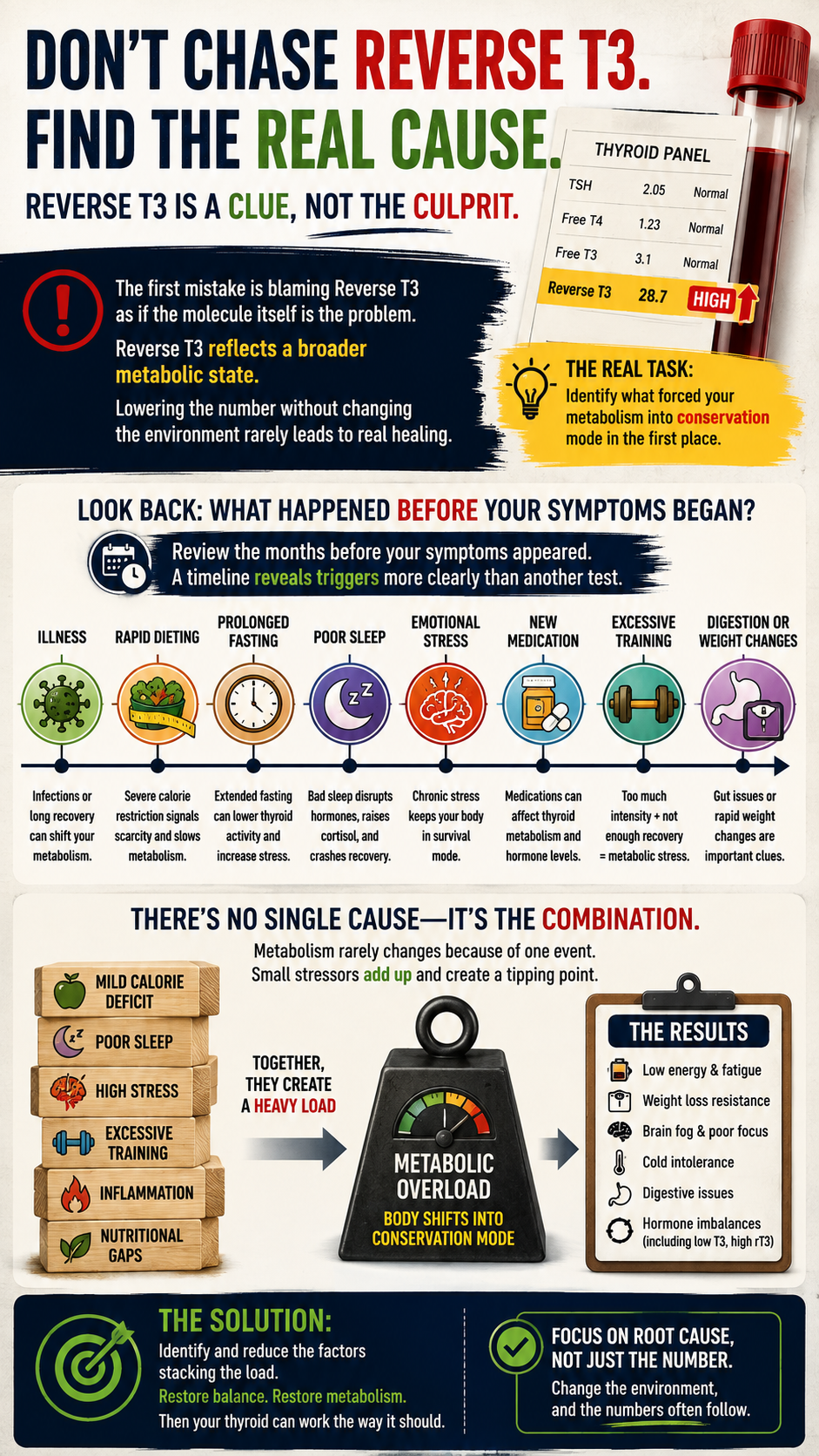
Start by reviewing the months before symptoms began. Look for illness, rapid dieting, prolonged fasting, poor sleep, emotional stress, new medication, or excessive training. Changes in digestion or weight also deserve attention. A timeline often reveals the trigger more clearly than another isolated test.
Consider several factors together rather than searching for one perfect explanation. Metabolism rarely changes because of a single event. A mild calorie deficit may be tolerable until sleep collapses. Training may be healthy until recovery disappears. Stress may feel manageable until inflammation rises. The combined burden often matters most.
Eat Enough to Convince the Body It Is Safe
Chronically underfed bodies do not respond well to endless restriction. Energy availability directly influences metabolic signaling. Therefore, someone with signs of chronic under-eating may need more nourishment, not another fasting challenge. The goal is restoring adequate energy without creating unnecessary excess.
Protein should remain high enough to support muscle, enzymes, and tissue repair. Healthy fats contribute to satiety and hormone production. Carbohydrate intake should match individual metabolic needs and activity. Some people thrive with lower carbohydrates, while others perform better with moderate intake. The correct pattern should improve energy, sleep, and recovery.
Meal timing also matters. Constant fasting can worsen symptoms in someone already depleted. Other patients tolerate structured fasting very well. Use symptoms as feedback rather than ideology. Good nutrition should improve function rather than create fear around eating.
Watch for warning signs of inadequate intake. Persistent coldness, reduced libido, declining exercise performance, hair shedding, and sleep problems can appear during chronic energy deficiency. Irritability and constant food thoughts may also develop. These signs deserve attention before further calorie cutting.
Rebuild Sleep Before Adding More Supplements
Sleep remains one of the most powerful tools for metabolic recovery. Aim for consistent sleep and wake times whenever possible. Circadian regularity improves hormone timing and nervous system stability. A stable schedule often matters more than occasional long nights.
Morning sunlight supports circadian rhythms and daytime alertness. Evening light should decrease as bedtime approaches. Bright screens can delay melatonin release and make sleep harder. Bedrooms should remain dark, quiet, and comfortably cool.
Caffeine deserves careful timing. Many people metabolize caffeine slowly and underestimate its duration. Afternoon consumption can reduce sleep quality even when falling asleep feels easy. Poor sleep then increases fatigue, which encourages more caffeine the next day.
Snoring and daytime sleepiness require special attention. Sleep apnea can mimic thyroid dysfunction remarkably well. Repeated nighttime oxygen drops increase stress hormones and impair metabolic health. Testing for sleep apnea can change the entire treatment direction.
Reduce the Total Stress Burden
Stress reduction should include physical stress, not only emotional stress. Overtraining can keep the nervous system activated. Undereating adds additional stress. Poor sleep increases cortisol and inflammatory signaling. Excessive stimulant use adds another layer.
Walking provides one of the simplest recovery tools. Regular low-intensity movement supports glucose regulation without overwhelming recovery. Strength training also helps preserve muscle and insulin sensitivity. Intensity should match current energy levels.
People who feel chronically depleted may need to reduce high-intensity exercise temporarily. The goal is not avoiding exercise. Instead, exercise should build capacity rather than drain it. Recovery should improve as training becomes more appropriate.
Breathing exercises, prayer, journaling, meditation, and outdoor time can support nervous system regulation. Consistency matters more than complexity. Ten calm minutes every day may help more than one long session weekly. The nervous system responds to repetition.
Remove Inflammatory Pressure
Start with the most obvious inflammatory exposures. Ultra-processed foods, refined sugars, smoking, poor sleep, and excessive alcohol all increase metabolic burden. These factors also worsen glucose regulation and recovery. Removing them creates benefits across multiple systems.
Stable blood sugar can reduce inflammatory signaling. Protein-rich meals and whole foods improve satiety while limiting dramatic glucose swings. Movement after meals can also improve glucose handling. Even short walks can create meaningful benefits.
Body composition matters because visceral fat produces inflammatory signaling molecules. Reducing excessive visceral fat improves metabolic health. However, aggressive starvation should not become the strategy. Sustainable nutrition and consistent movement work better long term.
Digestive health may deserve evaluation when symptoms persist. Chronic bloating, diarrhea, constipation, or reflux can indicate underlying gastrointestinal problems. Poor digestion can also reduce nutrient absorption. Correcting those problems may improve both inflammation and thyroid support.
Supply the Nutrients Thyroid Conversion Requires
Food should provide the foundation for thyroid-supportive nutrients. Protein-rich foods supply amino acids and minerals. Seafood can provide iodine and selenium. Eggs offer several nutrients useful for endocrine health. Meat supplies iron, zinc, and protein.
Selenium deserves special attention because deiodinase enzymes require it. However, supplementation should remain measured. Excess selenium can cause toxicity. Food sources often provide safer baseline intake unless testing shows deficiency.
Iron status also matters, especially in menstruating women or people with chronic blood loss. Low ferritin can produce fatigue even before anemia becomes severe. Iron deficiency can therefore mimic thyroid dysfunction while also interfering with thyroid-related processes.
Iodine requires balance rather than enthusiasm. Too little iodine causes problems, but too much can also disrupt thyroid function. High-dose iodine should never become an automatic thyroid strategy. Individual history and testing should guide decisions.
Review Medications and Supplements Carefully
Write down every prescription, over-the-counter medication, and supplement. Include timing and dosage. Certain substances can influence thyroid hormone metabolism. Others change absorption or laboratory interpretation.
People taking levothyroxine should use consistent timing. Food, calcium, iron, and some medications can reduce absorption. Taking thyroid medication differently each day produces variable exposure. Consistency improves both symptoms and testing reliability.
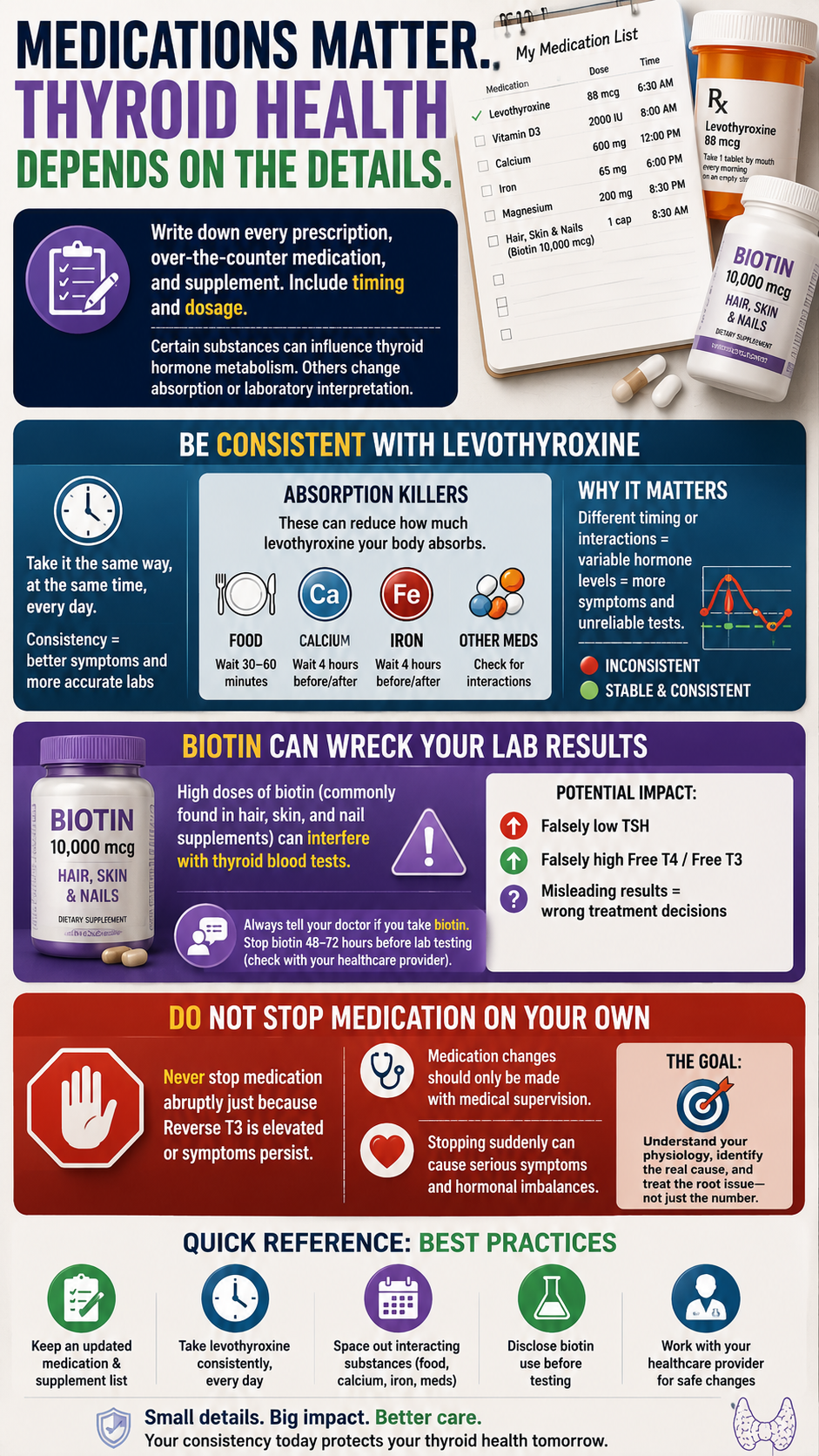
Biotin can interfere with some thyroid assays. Hair and nail supplements often contain large amounts. This can create misleading laboratory results. Always mention biotin use before testing.
Never stop medication abruptly because reverse T3 appears elevated. Medication changes deserve clinical supervision. The goal involves understanding physiology rather than reacting to one number.
Use Better Thyroid Testing When the Clinical Picture Demands It
TSH remains useful, but it should not always stand alone. Free T4 provides additional context about circulating hormone. T3 testing can help in selected situations. Thyroid antibodies can identify autoimmune thyroid disease when appropriate.
Reverse T3 can provide additional information in specific clinical contexts. It may help illustrate altered thyroid hormone metabolism. However, it should never become the sole diagnostic test. A single laboratory number cannot explain complex symptoms.
Broader testing can reveal other causes. A complete blood count may uncover anemia. Iron studies can identify depleted stores. Metabolic testing can show insulin resistance or glucose dysregulation. Liver and kidney markers can reveal organ dysfunction.
Inflammatory markers may provide additional context when systemic inflammation seems likely. Nutrient testing can help identify deficiencies. The best workup matches the patient’s symptoms and history. More testing is not automatically better testing.
Track the Body, Not Just the Laboratory
Keep a simple health journal for several weeks. Record morning energy, sleep quality, bowel movements, and body temperature trends. Add exercise tolerance, mental clarity, and cold intolerance. Women may also track menstrual changes.
Wearable devices can provide resting heart rate and sleep trends. These numbers are not diagnostic, but they show patterns. Improvement often appears in daily function before laboratory values change significantly. Functional progress should count.
Track weight as a trend rather than a daily judgment. Fluid and glycogen create substantial short-term fluctuations. Waist circumference and clothing fit may provide better context. Strength and energy also deserve equal attention.
Look for consistent improvement across several areas. Better sleep should improve morning energy. Better nutrition should enhance recovery. Reduced inflammation may improve mental clarity. Multiple improvements suggest that physiology is moving in the correct direction.
Reverse T3 Is a Clue, Not the Final Diagnosis
The greatest mistake in thyroid care is reducing an incredibly complex system to one laboratory marker. TSH alone cannot explain every symptom. Reverse T3 alone cannot explain them either. Both belong inside a larger physiological framework.
Reverse T3 becomes valuable when it prompts better questions. What changed before symptoms began? Is the patient under-eating? Is sleep poor? Has inflammation increased? Are medications affecting conversion? Are liver or kidney problems present?
Those questions lead toward root causes. A laboratory number only becomes useful when it changes clinical understanding. Otherwise, it becomes another distraction. Functional medicine should use data to clarify physiology rather than collect numbers.
The body constantly adapts to its environment. When energy feels scarce, metabolism slows. When inflammation rises, hormone handling can change. When sleep collapses, endocrine signaling becomes less stable. When recovery improves, the metabolic environment can improve as well.
The Goal Is Restoring Metabolic Direction
Healthy thyroid physiology depends on more than producing enough hormone. The body must convert hormone effectively and deliver the right signal to tissues. That process depends on adequate nutrition, recovery, organ health, and metabolic stability.
Reverse T3 reveals one possible detour in that process. It reminds us that T4 can move toward activation or inactivation. The direction depends partly on the body’s physiological state. Therefore, correcting the state matters more than chasing the marker.
A strong plan addresses the factors that pushed metabolism toward conservation. Restore sleep. Nourish the body adequately. Reduce chronic inflammatory pressure. Improve blood sugar control. Support liver and kidney health. Correct genuine nutrient deficiencies.
Patients should also evaluate medications and gastrointestinal problems. Both can interfere with thyroid hormone absorption or metabolism. Comprehensive care looks for obstacles at every step. That approach produces better questions and often better outcomes.
The message is not that every tired patient has a reverse T3 problem. The message is that thyroid metabolism reaches far beyond TSH. Persistent symptoms deserve a thoughtful investigation. Dismissal serves nobody, but oversimplification helps nobody either.
Reverse T3 matters because it exposes the gap between hormone production and hormone use. That gap can become clinically meaningful when the body enters a prolonged conservation state. Understanding the cause changes the entire treatment strategy.
The right question is not simply, “How do I lower reverse T3?” Ask what made the body shift in that direction. Then correct the conditions creating that signal. When the metabolic environment improves, thyroid physiology has a much better opportunity to normalize.