
WHEN EARLY DETECTION FINDS MORE THAN IT SHOULD
For many men, prostate cancer screening begins without pain, symptoms, or any warning from the body. It begins with a routine blood test and a number called PSA. That number can appear harmless, elevated, or somewhere in the uncomfortable territory between normal and concerning. Once PSA rises, however, the entire medical conversation can change quickly. A man who felt healthy yesterday may suddenly face repeat tests, imaging, specialist visits, and possible biopsy.
The emotional effect often begins before anyone knows whether cancer exists. An elevated PSA can immediately create fear because most men associate the number with prostate cancer. Yet PSA does not directly diagnose cancer. It measures prostate-specific antigen, a protein made by prostate tissue. Cancer may elevate PSA, but many noncancerous conditions can do the same thing.
This distinction sits at the center of the PSA controversy. Prostate enlargement, inflammation, infection, urinary retention, and recent urinary procedures can influence PSA values. Age and prostate size also affect how physicians interpret the number. Therefore, an abnormal PSA should begin an investigation rather than end one. The danger appears when a screening marker becomes treated like a definitive diagnosis.
PSA screening can identify aggressive cancers earlier, and that can save lives. However, screening can also reveal cancers that would never have caused illness. Those cancers may never spread, produce symptoms, or shorten a man’s life. This phenomenon is called overdiagnosis, and it has reshaped the modern discussion around prostate screening.
The real problem is not simply PSA testing itself. The deeper issue involves what happens after the test produces an abnormal result. Once fear enters the process, aggressive testing and treatment can follow quickly. That sequence can expose men to harm long before doctors establish whether the cancer poses a serious threat.
PSA Was Never Designed to Be a Stand-Alone Cancer Verdict
PSA stands for prostate-specific antigen, not prostate-cancer-specific antigen. That difference matters because healthy prostate cells also produce PSA. The protein normally exists within prostate tissue and seminal fluid. Small amounts enter the bloodstream, where laboratory testing can measure its concentration.
Several conditions can increase that concentration without cancer being present. Benign prostatic hyperplasia commonly enlarges the prostate as men age. A larger gland contains more PSA-producing tissue and can naturally increase the blood level. Inflammation may also raise PSA by changing normal tissue barriers.
Prostatitis provides another example of this complexity. The prostate can become inflamed through infection or other inflammatory mechanisms. Irritated tissue may release more PSA into circulation. Urinary symptoms, pelvic discomfort, or painful ejaculation may accompany the condition, although some men remain surprisingly symptom-free.
Temporary factors can further complicate interpretation. Urinary retention can affect PSA, as can certain medical procedures involving the urinary tract. Because values can fluctuate, many clinicians consider repeating an unexpected PSA before recommending invasive testing. This approach can prevent one unusual result from controlling the entire diagnostic journey.
The important point is simple, but often overlooked. PSA measures activity within the prostate, not the presence of cancer alone. A high number deserves respect, but it also deserves context. The most intelligent next step depends on the entire clinical picture.
The Prostate Cancer Screening Paradox
Cancer screening appears logical because early detection often improves outcomes. Find disease sooner, treat it earlier, and prevent advanced illness. That sequence works well for many conditions, but prostate cancer introduces a biological complication. Not every prostate cancer behaves dangerously.
Some prostate cancers grow very slowly and may remain localized for decades. Others behave aggressively and can spread beyond the prostate in a much shorter period. The diagnostic label may be the same, but the biological behavior can be radically different. That difference creates one of the most important challenges in modern prostate care.
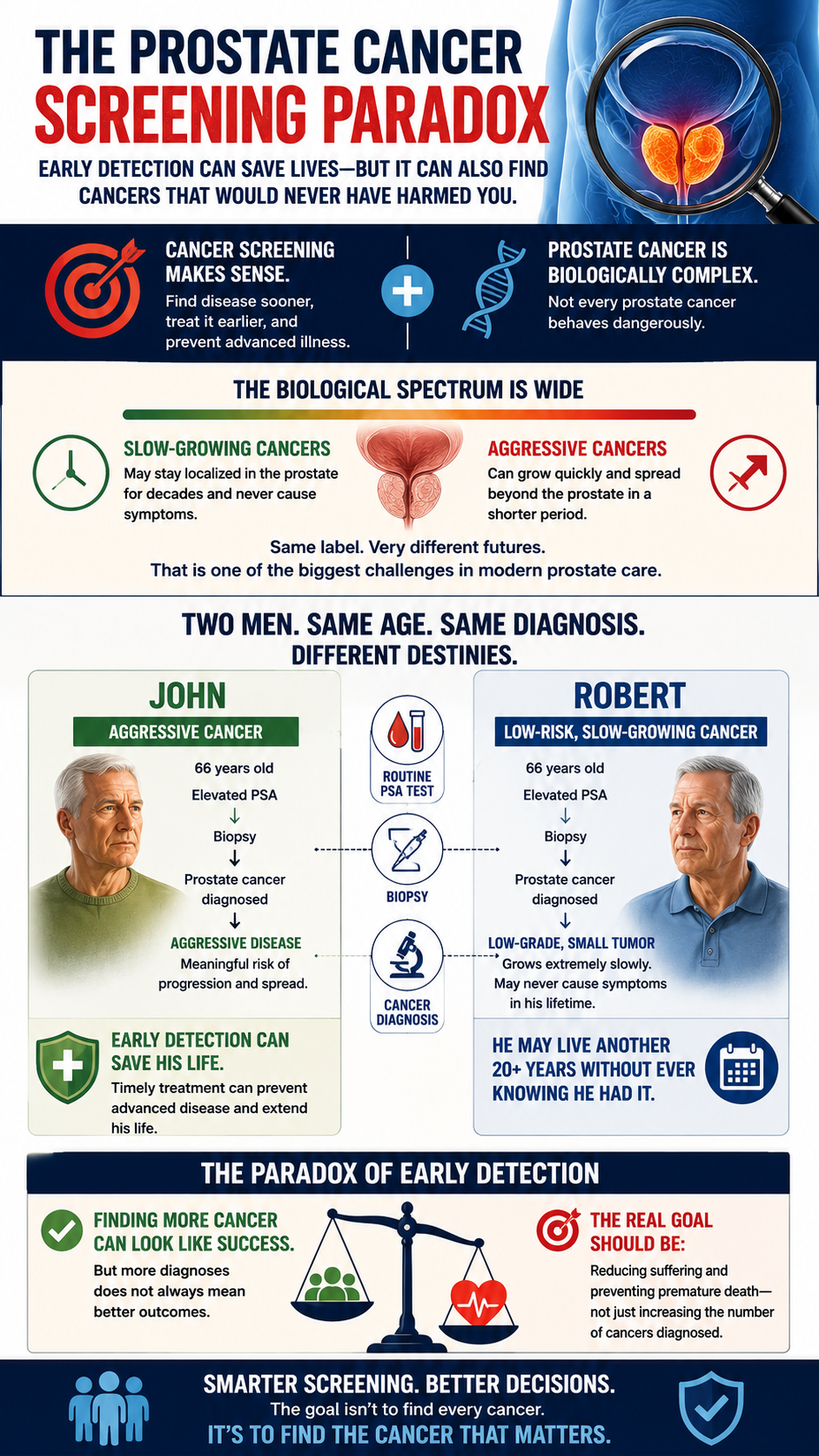
Imagine two healthy men who are both 66 years old. Each receives an elevated PSA result during routine screening. Both eventually undergo biopsies, and both receive a prostate cancer diagnosis. The first man has aggressive disease with a meaningful risk of progression.
The second man has a small, low-grade tumor growing extremely slowly. That tumor may never produce symptoms during his natural lifespan. Without screening, he could live another twenty years without ever knowing the cancer existed. Screening discovered something real, but it may not have discovered something dangerous.
This is the paradox of early detection. Finding more cancer can make a screening program appear successful. However, the true goal should involve reducing suffering and preventing premature death. Those goals are not always identical to increasing the number of cancers diagnosed.
Overdiagnosis Changes a Healthy Man’s Identity
Overdiagnosis means identifying a real disease that would never have caused meaningful harm. The diagnosis itself is technically accurate, yet the information may not improve the patient’s future. This concept can feel uncomfortable because people naturally assume that finding cancer earlier must always be better. Prostate biology proves that assumption can be incomplete.
Once cancer appears on a pathology report, psychological neutrality becomes almost impossible. The man now knows malignant cells exist somewhere inside his body. Family members hear the word cancer and often encourage immediate treatment. Physicians also feel pressure to prevent a future disaster that may never occur.
Fear can therefore drive decisions more powerfully than biology. A man may choose surgery because the idea of living with cancer feels unbearable. Another may choose radiation because he wants the tumor destroyed quickly. Those choices can be appropriate for aggressive disease, but they become more complicated for very low-risk cancer.
Overdiagnosis matters because diagnosis creates momentum. Once the medical system begins moving toward intervention, stopping can become difficult. The next appointment leads to another test, and the next test can lead to treatment. A harmless tumor can therefore become the beginning of a very harmful medical experience.
Overtreatment Becomes the Physical Cost of Overdiagnosis
Overdiagnosis becomes most dangerous when it leads directly to overtreatment. A slow-growing cancer may never damage the body, but unnecessary treatment certainly can. Prostate surgery, radiation, and hormonal therapies all have legitimate roles. They also carry important risks that deserve careful consideration.
Radical prostatectomy removes the prostate gland and surrounding tissues. The procedure can control localized cancer effectively in appropriate patients. However, urinary incontinence and erectile dysfunction can follow treatment. Recovery may also affect pelvic function, emotional health, and intimate relationships.
Radiation therapy can also provide excellent cancer control. Yet radiation may produce urinary irritation, bowel changes, erectile dysfunction, and other complications. Some effects appear during treatment, while others develop months or years later. These outcomes matter greatly when cancer itself might never have caused symptoms.
Androgen-deprivation therapy carries another set of considerations. Suppressing male hormone signaling can slow certain prostate cancers. However, treatment may reduce muscle mass, weaken bones, alter body composition, and affect sexual function. Metabolic and cardiovascular concerns may also become important during long-term therapy.
None of these realities argue against treating dangerous prostate cancer. They argue for matching treatment intensity with disease intensity. The central question should involve the cancer’s biological threat. Treatment should never become more damaging than the disease it was meant to control.
The Real Meaning Behind an Elevated PSA
A rising PSA can originate from several different biological processes. The prostate may simply be enlarging with age. The gland may be inflamed, irritated, or infected. Cancer may also be present, which remains the reason abnormal PSA deserves careful evaluation.
Benign prostatic hyperplasia becomes increasingly common as men grow older. The prostate surrounds part of the urethra, so enlargement can interfere with urine flow. Men may notice frequent nighttime urination, weaker streams, or difficulty completely emptying the bladder. Those symptoms can become bothersome without indicating cancer.
Inflammation creates another pathway toward elevated PSA. Chronic prostate irritation may influence tissue signaling and blood-test results. The cause can involve infection, immune activity, pelvic dysfunction, or other factors. Because several conditions overlap, symptoms alone cannot reliably determine what is happening.
Cancer remains the most serious possibility, but even cancer presents a wide biological range. Some aggressive cancers can produce relatively modest PSA values. Meanwhile, benign disease can sometimes create larger elevations. The number alone does not reliably describe the danger.
That uncertainty explains the importance of layered evaluation. Physicians can examine PSA history, prostate size, imaging, family history, and additional biomarkers. A single number should never replace thoughtful clinical reasoning.
Metabolic Dysfunction Creates an Unhealthy Biological Terrain
Prostate disease does not develop inside an isolated organ. The gland exists within the same hormonal, metabolic, and inflammatory environment affecting the entire body. Excess visceral fat, insulin resistance, poor sleep, smoking, and physical inactivity can influence that environment. These factors deserve attention because they shape how the body ages.
Visceral fat behaves like an active endocrine tissue. It releases chemical messengers that influence metabolism and inflammation. As abdominal fat increases, insulin resistance often develops alongside higher triglycerides and fatty liver. Blood pressure may also rise as metabolic function deteriorates.
The relationship between obesity and prostate cancer remains complex. Excess body fat does not appear to affect every prostate cancer equally. However, obesity has shown stronger associations with aggressive disease and worse outcomes. That distinction deserves serious attention.
The goal of prevention should not focus only on avoiding every microscopic cancer cell. A more meaningful objective involves reducing the risk of aggressive disease and improving overall resilience. Metabolic health therefore becomes one of the most important modifiable targets available.
Insulin Resistance Alters the Cellular Environment
Insulin does far more than move glucose into cells. It also interacts with growth signaling, energy storage, and metabolic regulation. Chronically elevated insulin can reflect significant metabolic dysfunction. That environment may influence several pathways involved in cellular growth.
Insulin-like growth factors add another layer to the discussion. These signaling molecules influence cell survival, repair, and proliferation. Researchers continue studying their relationship with cancer biology. No single pathway explains prostate cancer, but metabolic signaling clearly matters to whole-body health.
Poor glucose control also promotes oxidative stress and vascular dysfunction. Over time, these changes can affect tissues throughout the body. The prostate shares the same circulation and metabolic chemistry as every other organ. It cannot escape systemic dysfunction.
Improving insulin sensitivity therefore supports far more than blood sugar control. Better metabolic health can influence body composition, cardiovascular risk, energy production, and inflammatory balance. Those benefits create a healthier foundation for prostate aging.
Chronic Inflammation Keeps the Tissue Environment Activated
Inflammation protects the body during injury and infection. The problem begins when inflammatory signaling becomes chronic. Persistent inflammation can increase oxidative stress and alter cellular communication. Long-standing tissue irritation can also affect normal repair processes.
Several modern lifestyle factors can support chronic inflammation. Smoking introduces numerous toxic compounds and promotes vascular injury. Excess visceral fat produces inflammatory signaling molecules. Physical inactivity reduces metabolic efficiency and encourages fat accumulation.
Poor sleep can worsen the problem further. Sleep deprivation disrupts insulin sensitivity and appetite regulation. It can also increase stress hormones and make healthy weight management more difficult. Over months and years, those effects create a progressively unfavorable internal environment.
Prostate health therefore depends partly on lowering the overall inflammatory burden. This goal requires more than swallowing an anti-inflammatory supplement. The deeper strategy must address the lifestyle patterns creating the problem. Removing causes generally matters more than adding isolated remedies.
Hormones Influence the Prostate, but the Story Is Complicated
The prostate responds strongly to androgen hormones. Testosterone and dihydrotestosterone influence prostate development and normal function. Because prostate cancer often responds to hormonal manipulation, many people assume testosterone directly causes the disease. That interpretation oversimplifies the biology.
Aging men often experience declining circulating testosterone while prostate enlargement continues. Hormone receptors, local hormone conversion, body composition, and metabolic health all influence tissue behavior. The prostate responds to a complex network rather than one hormone level.
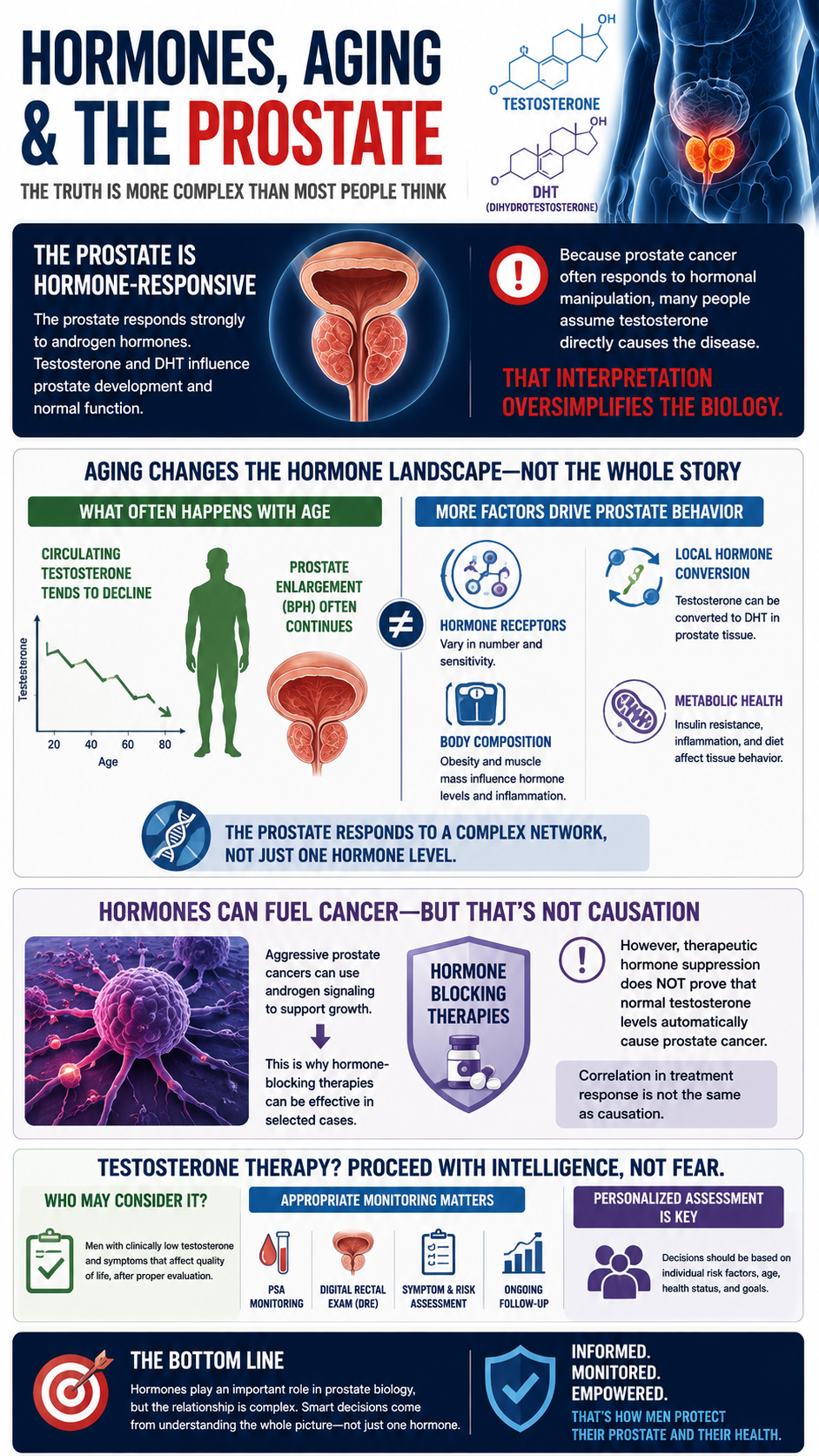
Aggressive prostate cancers can use androgen signaling to support growth. This reality explains the effectiveness of hormone-blocking therapies in selected cases. However, therapeutic hormone suppression does not prove that normal testosterone levels automatically cause cancer.
Men considering testosterone therapy should approach the issue carefully. Appropriate monitoring remains important, especially when prostate risk factors already exist. The answer should involve personalized assessment rather than fear or automatic reassurance.
Genetics Can Increase Risk Without Determining Destiny
Age remains one of the strongest risk factors for prostate cancer. Family history also matters, particularly when close relatives developed the disease. Some inherited genetic variants can further increase risk and may influence tumor aggressiveness.
BRCA2 provides a powerful example of hereditary cancer biology. Most people associate BRCA mutations with breast and ovarian cancer. However, BRCA2 can also increase prostate cancer risk in men. Certain carriers may develop more aggressive disease than average.
Family history should therefore include more than prostate cancer alone. Patterns involving breast, ovarian, pancreatic, and other cancers can reveal hereditary clues. Genetic counseling may become appropriate when several related cancers appear across generations.
Genes influence risk, but they do not eliminate personal agency. A man cannot change inherited DNA, but he can influence body composition and metabolic health. He can also stop smoking and improve physical fitness. These actions support overall survival regardless of genetic background.
Modern Screening Should Search for Dangerous Cancer
The future of prostate screening should focus less on finding every tumor. Instead, the goal should involve identifying clinically significant disease. Additional tools can help refine that process when PSA becomes abnormal.
PSA density incorporates prostate size into interpretation. Percent-free PSA may provide additional context in selected cases. Risk calculators combine several variables to estimate the probability of meaningful cancer. Newer biomarkers can also help guide decisions.
Multiparametric MRI has changed the diagnostic pathway significantly. Imaging can identify suspicious areas before biopsy and improve lesion targeting. MRI cannot detect every cancer, but it can provide valuable anatomical information. This approach can reduce reliance on blind systematic sampling alone.
A better screening system therefore combines information rather than worshipping one number. PSA remains useful, but it works best within a broader clinical framework. The goal should always involve identifying disease capable of causing harm.
Active Surveillance Helps Separate Diagnosis From Treatment
Active surveillance represents one of the most important changes in prostate cancer management. Carefully selected men with low-risk localized disease can sometimes postpone treatment safely. The cancer remains monitored rather than ignored. This strategy reduces unnecessary treatment while preserving future options.
Surveillance may include repeat PSA measurements, examinations, imaging, and occasional tissue evaluation. Physicians watch for changes suggesting greater biological activity. Treatment can begin when evidence shows meaningful progression.
This strategy recognizes that cancer is not one uniform disease. Some tumors deserve immediate action, while others deserve observation. The challenge involves identifying which category fits the individual patient.
Men should understand that active surveillance requires commitment. Missing follow-up appointments can undermine the safety of the strategy. However, well-managed surveillance can protect quality of life while avoiding unnecessary intervention.
BUILDING A PROSTATE HEALTH STRATEGY AT HOME
Prevention does not begin when a biopsy becomes necessary. It begins years earlier through the choices that influence metabolism, body composition, inflammation, and overall resilience. No home strategy can guarantee immunity from prostate cancer. However, daily actions can improve the biological terrain where disease develops.
The strongest natural prevention strategy does not depend on one supplement. It depends on improving the entire system around the prostate. That means reducing visceral fat, improving insulin sensitivity, maintaining muscle, sleeping well, and avoiding toxic exposures. Each step supports prostate health while protecting the heart and brain.
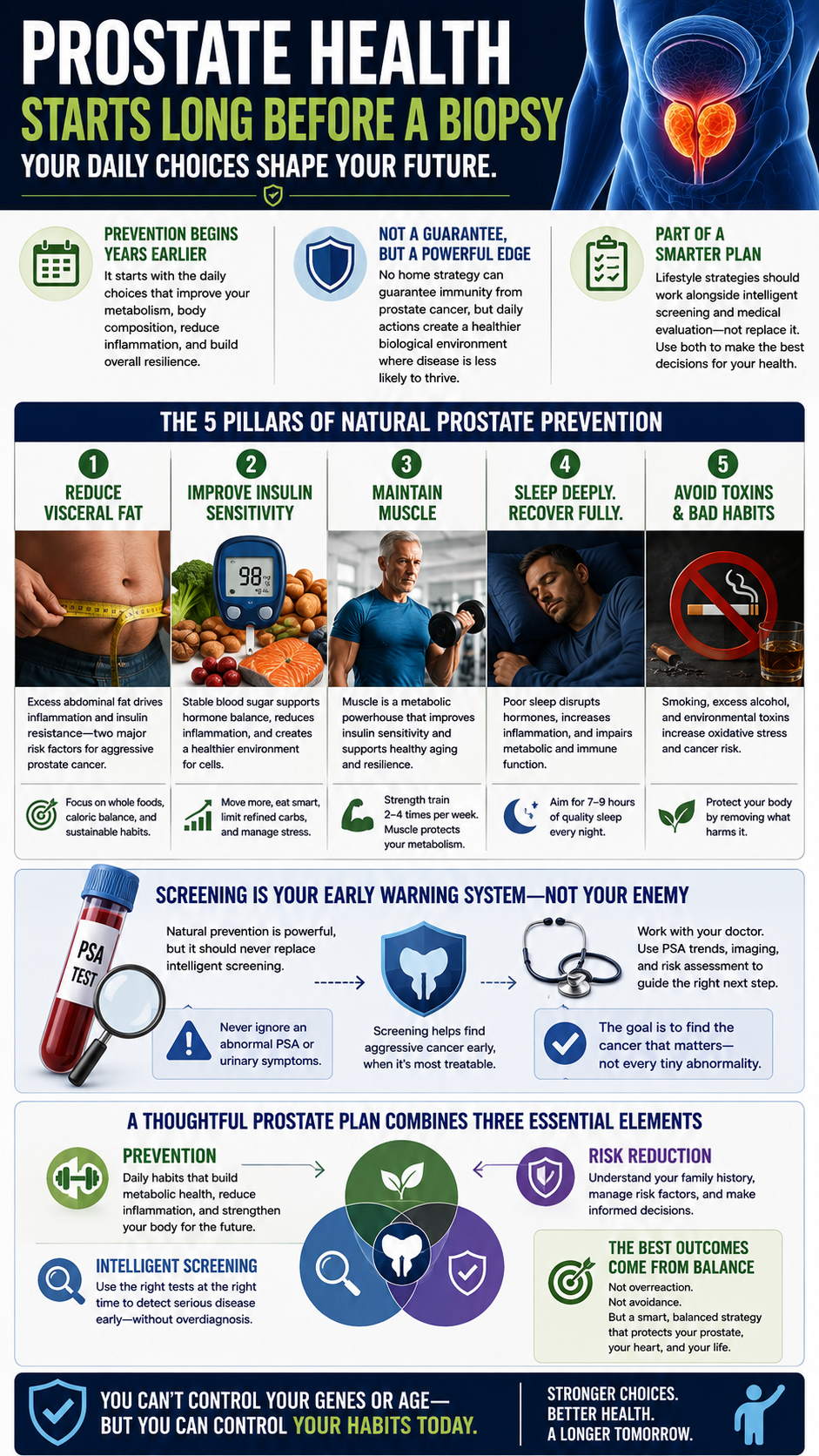
Natural prevention should also work alongside intelligent screening. Lifestyle strategies should never become an excuse to ignore an abnormal PSA. They should strengthen the body while medical evaluation determines whether serious disease exists.
A thoughtful prostate plan therefore combines prevention, screening, and risk reduction. These elements work best when used together. The result is a more intelligent approach than either medical overreaction or complete avoidance.
Reduce Visceral Fat Before It Becomes Metabolic Disease
Abdominal fat represents one of the clearest visible signs of declining metabolic health. Visceral fat surrounds internal organs and behaves differently from fat stored under the skin. It produces signaling molecules that influence inflammation and insulin sensitivity. As waist circumference increases, metabolic risk often rises.
Weight loss should therefore focus on body composition rather than scale numbers alone. Preserving muscle while reducing abdominal fat creates a much healthier outcome. Waist measurements, blood pressure, fasting glucose, and triglycerides can help track progress.
Nutrition should reduce the foods that encourage overeating and unstable blood sugar. Refined carbohydrates, added sugars, and ultra-processed foods deserve particular scrutiny. Whole foods generally provide greater satiety and better nutrient density.
The most effective eating pattern is one that produces measurable metabolic improvement. Different men may respond to different carbohydrate levels. The goal involves better biology, not loyalty to a dietary label.
Build Muscle and Keep It for Life
Muscle functions as one of the body’s largest metabolic organs. Contracting muscle absorbs glucose and improves insulin sensitivity. Greater muscle mass also supports mobility and physical independence during aging. These benefits make resistance training essential for long-term health.
Strength training should become routine rather than occasional. Free weights, machines, resistance bands, and body-weight exercises can all work effectively. The important factor involves progressive resistance over time.
Men should train major muscle groups consistently while respecting injuries. Squatting, pushing, pulling, hinging, and carrying movements provide an efficient foundation. Proper technique matters more than lifting impressive weight.
Preserving muscle also helps prevent age-related frailty. A stronger body handles illness and medical treatment more effectively. Muscle therefore supports resilience even when disease eventually appears.
Walk Frequently and Break Up Long Sitting Periods
Exercise should extend beyond formal workouts. Long periods of sitting can undermine metabolic health despite regular gym sessions. Frequent movement keeps skeletal muscle active and increases daily energy expenditure.
Walking after meals provides a simple starting point. Short walks can improve post-meal glucose control and support digestion. Longer daily walks increase cardiovascular conditioning without creating excessive physical stress.
Movement also helps reduce abdominal fat when combined with appropriate nutrition. The cumulative effect becomes meaningful when repeated every day. Consistency matters more than occasional extreme effort.
Men should therefore think about daily movement volume. Formal exercise provides one piece of the plan. Frequent activity throughout the day completes it.
Remove Tobacco Instead of Trying to Detox Around It
Smoking damages nearly every major organ system. Tobacco introduces carcinogens, increases oxidative stress, and injures blood vessels. It also raises cardiovascular and pulmonary disease risk dramatically.
Research has associated smoking with worse prostate cancer outcomes. This connection makes tobacco cessation an important part of prostate prevention. No supplement can fully counteract continuous exposure.
Many health programs focus excessively on adding therapies. Yet removing harmful exposures often produces greater benefits. Tobacco offers the clearest example of that principle.
The body already possesses complex detoxification systems. Those systems work better when toxic exposure decreases. Reducing the incoming burden should therefore become the first detoxification step.
Make Sleep a Nonnegotiable Metabolic Treatment
Sleep regulates far more than fatigue. It influences appetite, glucose control, stress hormones, immune signaling, and tissue recovery. Chronic sleep deprivation can gradually worsen nearly every component of metabolic health.
Men should aim for consistent sleep schedules whenever possible. A dark and cool bedroom can support better sleep quality. Late-night alcohol and heavy meals may interfere with normal sleep architecture.
Sleep apnea deserves special attention because it commonly goes undiagnosed. Loud snoring and breathing pauses should never be dismissed casually. Persistent daytime exhaustion can also suggest poor overnight breathing.
Restorative sleep supports hormone balance and recovery. Better sleep also makes exercise and healthy eating easier to maintain. It therefore strengthens every other prevention strategy.
Use Supplements Carefully Rather Than Blindly
Natural supplements can support health when used intelligently. However, they should not be treated like insurance against prostate cancer. Biological activity does not automatically equal clinical benefit.
The SELECT trial provided an important warning. Researchers tested selenium and vitamin E for prostate cancer prevention. The expected protective effect did not appear, while vitamin E created unexpected concerns.
This result demonstrates why megadosing nutrients can backfire. More does not always produce better outcomes. The body responds according to dose, baseline status, and individual biology.
Testing can help identify genuine deficiencies when appropriate. Correcting those deficiencies makes biological sense. Taking large amounts without a clear need creates a different situation.
Eat to Improve Metabolism, Not Chase Superfoods
Prostate nutrition should focus on overall metabolic health. No single food can erase the risks created by obesity, smoking, and inactivity. Nutrient-dense meals should therefore form the foundation.
Adequate protein helps maintain muscle during weight loss and aging. Healthy dietary fats support cell membranes and hormone production. Carbohydrate intake can vary according to metabolic tolerance and physical activity.
Vegetables, herbs, and spices can contribute useful nutrients and phytochemicals. Animal foods provide highly bioavailable protein, minerals, and essential nutrients. The exact combination can vary according to individual needs.
A successful nutrition plan should improve measurable outcomes. Waist circumference should decline when excess fat exists. Glucose control should improve, and energy should become more stable.
Investigate PSA Before Reacting Emotionally
An elevated PSA deserves respect without panic. Men should compare the new value with previous results and ask about possible temporary influences. A repeat measurement may sometimes clarify whether the elevation persists.
Further testing can provide more context when necessary. PSA density, specialized biomarkers, risk calculators, and MRI may help estimate cancer risk. These tools can reduce dependence on one isolated number.
A biopsy should answer a meaningful clinical question. The goal should involve finding clinically significant disease. Discovering every microscopic abnormality does not necessarily improve survival.
Men should therefore participate actively in the decision process. Asking thoughtful questions improves informed consent. Better information usually leads to better decisions.
Understand the Cancer Before Choosing the Treatment
A prostate cancer diagnosis should immediately lead to risk assessment. Grade Group, Gleason pattern, imaging, tumor volume, and PSA characteristics all matter. These factors help determine whether cancer appears indolent or aggressive.
Low-risk localized disease may qualify for active surveillance. More aggressive cancer may require surgery, radiation, hormone therapy, or combined approaches. The correct decision depends on individual biology.
Lifestyle optimization still matters after diagnosis. Improving strength, body composition, sleep, and cardiovascular health can support recovery. These habits may also improve tolerance of necessary treatment.
Natural health should complement intelligent cancer care rather than compete with it. The best strategy uses every appropriate tool while avoiding unnecessary harm. That balance creates a far more rational approach.
Build Your Prostate Plan Years Before Trouble Appears
Men should learn their family history while they remain healthy. Knowing whether close relatives developed prostate or related cancers can influence screening decisions. Genetic counseling may become appropriate for some families.
Metabolic health deserves equal attention. Waist circumference, glucose regulation, blood pressure, fitness, sleep, and smoking status provide important information. These factors reveal whether the body is aging in a resilient direction.
Addressing problems early makes prevention more effective. Losing visceral fat becomes easier before severe metabolic dysfunction develops. Building muscle becomes easier before advanced sarcopenia appears.
The same principle applies to prostate screening. Establishing an intelligent baseline creates useful context later. Prevention works best before urgency forces action.
A Better Future for Prostate Screening and Prevention
The PSA controversy teaches an important lesson about modern medicine. Finding more disease does not automatically create better health. The value of screening depends on identifying the cancers that genuinely matter.
PSA remains useful when interpreted carefully. Problems appear when one number drives an entire cascade of testing and treatment. Modern risk assessment can provide a more precise pathway.
Natural prevention adds another important layer. Better body composition, stronger muscles, regular movement, restorative sleep, and tobacco avoidance improve whole-body health. Those changes may also create a healthier environment for prostate aging.
No strategy can eliminate every cancer risk. Genetics and aging remain powerful forces. However, men still possess meaningful control over many factors shaping long-term health.
The best approach avoids two dangerous extremes. Ignoring PSA completely can delay the diagnosis of aggressive disease. Treating every elevated PSA like cancer can create unnecessary harm.
Intelligent screening searches for dangerous disease while respecting biological uncertainty. Natural prevention strengthens the body before disease develops. Together, these strategies offer a more thoughtful path.
The prostate should not become important only after a frightening laboratory result. Its health reflects decades of metabolic and lifestyle influences. Protecting those systems early creates benefits that extend far beyond cancer prevention.
A healthier prostate begins with a healthier internal environment. Better screening begins with understanding what PSA can and cannot reveal. The future belongs to men who combine informed testing with proactive prevention.