
The Illusion of Protection: Why Most Fish Oil Fails to Deliver
The modern consumer has been conditioned to believe that taking omega-3 fish oil is a simple and reliable step toward better health, yet this assumption collapses under closer examination because the majority of products on the market fail to meet even the most basic biochemical standards required for true therapeutic benefit. What appears to be a straightforward solution to inflammation is, in reality, a poorly regulated and misunderstood category flooded with low-grade, oxidized, and improperly formulated oils that do little more than create a false sense of protection while allowing chronic inflammation to persist beneath the surface.
The deeper issue lies in a reductionist mindset that dominates mainstream health recommendations, where omega-3 supplementation is treated as a universal fix rather than a precision-based intervention that demands careful evaluation of quality, dosage, and biological need. Instead of analyzing oxidation status, fatty acid composition, or absorption efficiency, the average person is simply told to “take fish oil,” which leads to widespread misuse and disappointment when results fail to materialize. This gap between recommendation and reality has resulted in millions of individuals consuming supplements daily while experiencing no meaningful improvement in inflammatory markers, cardiovascular risk, or cognitive performance.
At a physiological level, this failure carries significant consequences because chronic inflammation continues to drive disease processes unchecked, contributing to arterial damage, insulin resistance, hormonal imbalances, and neurological decline. The tragedy is not that omega-3s are ineffective, but that they are being used in forms that are unstable, degraded, or insufficiently dosed to influence the body’s complex inflammatory pathways in a meaningful way.
Understanding Inflammation: The Root of the Modern Health Crisis
Inflammation is not inherently harmful; it is a critical biological response designed to protect the body from injury, infection, and environmental threats. However, the modern lifestyle has transformed this protective mechanism into a chronic, low-grade process that continuously disrupts cellular function and accelerates disease development. Constant exposure to processed foods, refined sugars, industrial seed oils, environmental toxins, and chronic psychological stress creates a persistent inflammatory signal that the body is unable to resolve effectively.
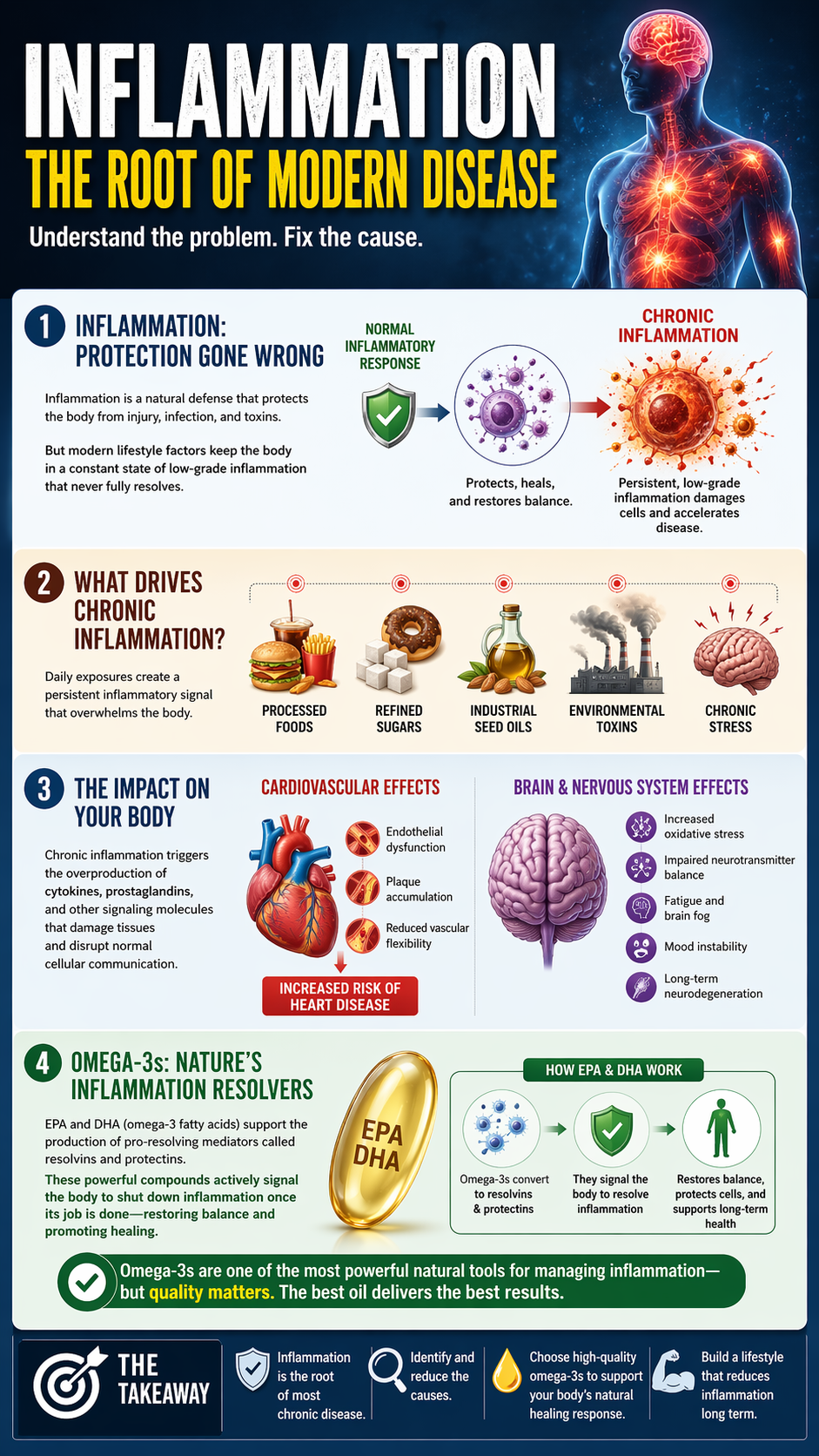
This sustained inflammatory state leads to the overproduction of cytokines, prostaglandins, and other signaling molecules that interfere with normal cellular communication and damage tissues over time. The cardiovascular system becomes particularly vulnerable, as inflammation promotes endothelial dysfunction, plaque accumulation, and reduced vascular flexibility, all of which increase the risk of heart disease. At the same time, the brain experiences increased oxidative stress and impaired neurotransmitter balance, contributing to fatigue, brain fog, mood instability, and long-term neurodegeneration.
Omega-3 fatty acids, particularly EPA and DHA, are designed to counteract this process by supporting the production of specialized pro-resolving mediators such as resolvins and protectins, which actively signal the body to shut down inflammation once it has served its purpose. This regulatory role makes omega-3s one of the most powerful natural tools for managing inflammation, but their effectiveness depends entirely on the quality and integrity of the oil being consumed.
The Hidden Danger: Oxidized Fish Oil and Cellular Damage
One of the most critical yet overlooked problems in the omega-3 supplement industry is oxidation, a chemical process that transforms beneficial fatty acids into harmful compounds before they even enter the body. Because omega-3s are highly polyunsaturated, they are extremely sensitive to heat, light, and oxygen exposure during processing, shipping, and storage, making them prone to degradation long before they reach the consumer.
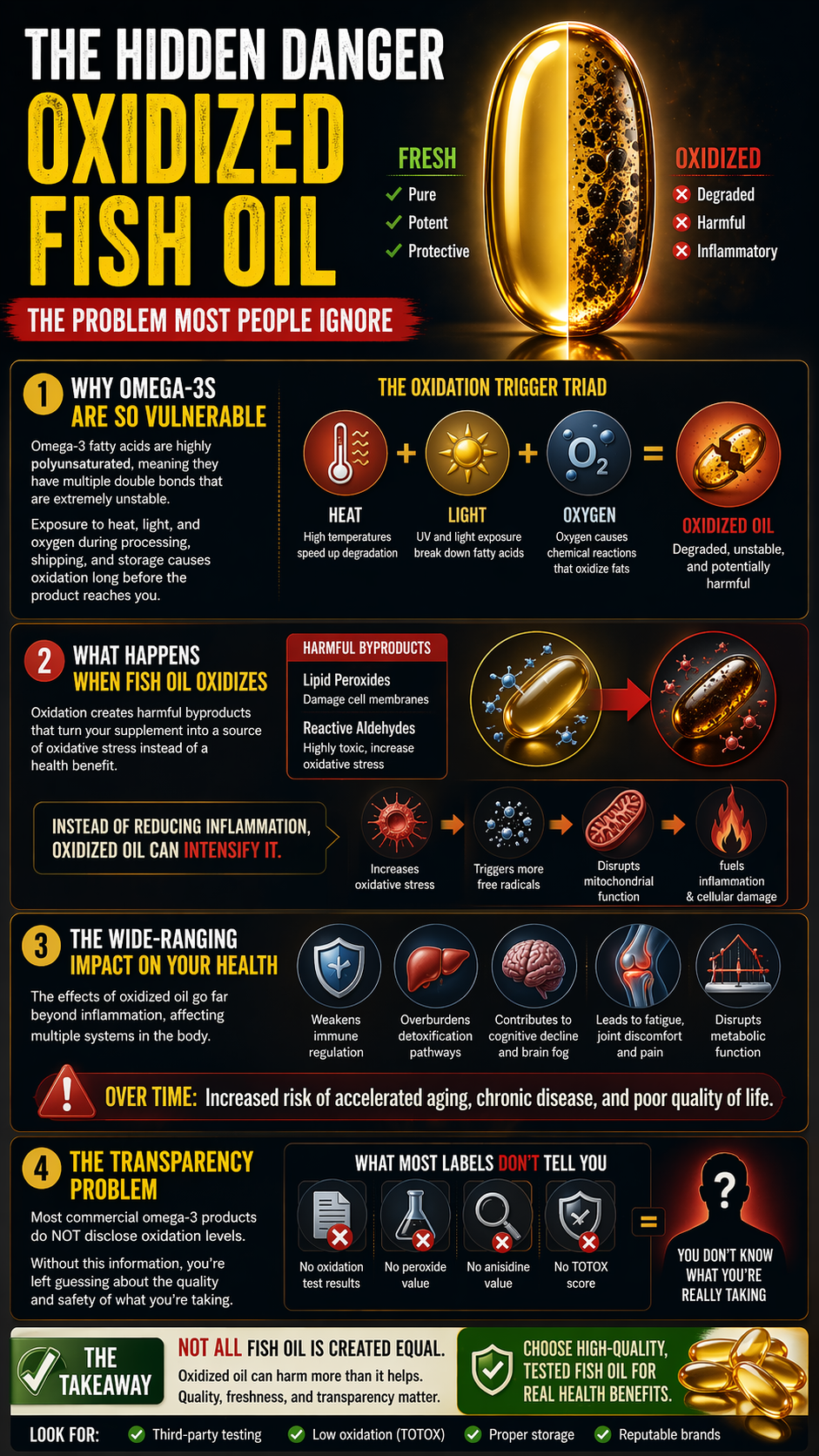
When fish oil oxidizes, it forms lipid peroxides and reactive aldehydes that increase oxidative stress within the body, damaging cell membranes, proteins, and DNA. Instead of reducing inflammation, these compounds can intensify it by triggering additional free radical production and disrupting mitochondrial function, which is essential for energy production and cellular repair. This creates a dangerous paradox in which individuals consume fish oil with the intention of improving their health while unknowingly introducing substances that may accelerate cellular damage and aging.
The physiological impact of oxidized oil extends far beyond inflammation, as increased oxidative stress weakens the body’s detoxification pathways, impairs immune regulation, and contributes to symptoms such as fatigue, joint discomfort, cognitive decline, and metabolic dysfunction. The lack of transparency regarding oxidation levels in most commercial products further compounds the problem, leaving consumers unaware of the potential risks associated with the supplements they trust.
Misleading Labels: The Deception of “1000 mg Fish Oil”
A major source of confusion in the fish oil market is the way products are labeled, often leading consumers to believe they are receiving a therapeutic dose when they are not. Labels frequently advertise “1000 mg of fish oil,” but this number is largely meaningless because it does not reflect the actual amount of active omega-3 fatty acids, specifically EPA and DHA, which are responsible for the anti-inflammatory effects.
In many cases, a 1000 mg fish oil capsule may contain only 300 mg or less of combined EPA and DHA, leaving the remaining content composed of inactive fats that do not contribute significantly to health outcomes. This discrepancy creates a false sense of adequacy, where individuals assume they are meeting their nutritional needs while remaining significantly underdosed from a therapeutic standpoint. Functional medicine recognizes that meaningful reductions in inflammation often require between 1,000 and 3,000 mg of combined EPA and DHA daily, depending on the individual’s level of inflammatory burden and overall health status.
The consequences of underdosing are subtle but impactful, as inflammation continues to persist, symptoms remain unchanged, and individuals may lose confidence in supplementation altogether. The issue is not that omega-3s fail to work, but that the majority of products do not provide sufficient amounts of the active compounds needed to create measurable physiological changes.
Chemical Form Matters: Why Absorption Determines Effectiveness
The effectiveness of omega-3 supplementation is heavily influenced by the chemical form of the fatty acids, which determines how well they are absorbed and utilized by the body. The triglyceride form, which is naturally found in whole fish, is more easily recognized and processed by the digestive system, allowing for efficient absorption and incorporation into cell membranes.
In contrast, many lower-cost supplements use the ethyl ester form, a chemically altered version that is less stable and requires additional enzymatic steps for digestion. This reduced efficiency can lead to lower bioavailability, meaning that even if a product contains high levels of EPA and DHA on the label, the body may not fully absorb or utilize these nutrients. Over time, this limitation can prevent omega-3s from reaching the tissues where they are needed most, diminishing their ability to regulate inflammation and support overall health.
Choosing a high-quality triglyceride or re-esterified triglyceride form ensures that the body can effectively integrate these fatty acids into cellular structures, where they play a critical role in maintaining membrane fluidity, supporting receptor function, and modulating inflammatory signaling pathways.
The Omega Imbalance: Why Diet Still Matters
A fundamental driver of chronic inflammation is the imbalance between omega-6 and omega-3 fatty acids in the modern diet, which has shifted dramatically due to the widespread use of industrial seed oils and processed foods. Omega-6 fats, commonly found in soybean, corn, and canola oils, promote the production of pro-inflammatory compounds when consumed in excess, creating a biochemical environment that favors chronic inflammation.
While omega-6 fats are not inherently harmful, their overconsumption relative to omega-3s disrupts the body’s natural balance, leading to an increased production of inflammatory mediators. This imbalance means that even high-quality omega-3 supplementation may struggle to counteract the inflammatory burden if dietary habits remain unchanged. The body continues to generate pro-inflammatory signals at a rate that exceeds the capacity of omega-3s to resolve them, resulting in persistent inflammation despite supplementation efforts.
Correcting this imbalance requires a comprehensive approach that includes reducing the intake of processed foods and seed oils while prioritizing whole, nutrient-dense foods that support metabolic health. Without addressing the dietary foundation, supplementation alone becomes an incomplete and often ineffective strategy.
Actionable Steps: How to Choose and Use Omega-3s Effectively
To ensure that omega-3 supplementation delivers real benefits, it is essential to move beyond marketing claims and adopt a more informed approach to product selection and usage. Begin by focusing on the actual content of EPA and DHA rather than the total fish oil amount listed on the label, as these are the active components responsible for reducing inflammation and supporting cellular health. Selecting products that clearly disclose these values helps eliminate underdosed options and ensures that supplementation has the potential to create meaningful physiological effects.
Choosing triglyceride or re-esterified triglyceride forms improves both absorption and stability, allowing the body to utilize omega-3s more efficiently. Verifying the freshness of the oil is equally important, as oxidized products can undermine health by increasing oxidative stress. Look for brands that provide transparency regarding oxidation levels and use protective packaging to maintain product integrity.
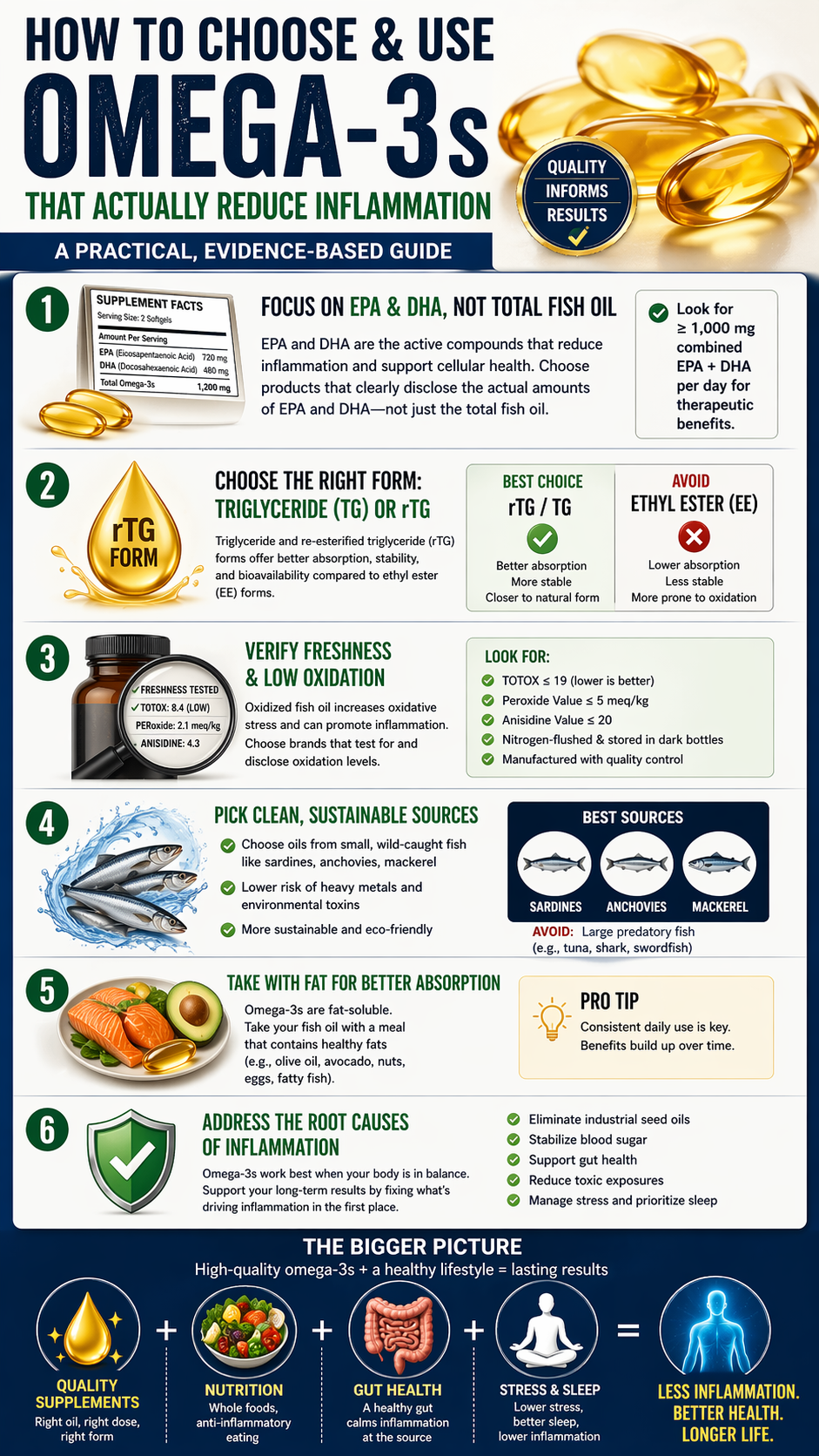
Opting for oils derived from small, wild-caught fish such as sardines and anchovies reduces the risk of contamination with heavy metals and environmental toxins, ensuring a cleaner source of nutrients. Taking omega-3s with meals that contain fat enhances absorption and supports their integration into cell membranes, where they exert their anti-inflammatory effects.
Beyond supplementation, addressing the root causes of inflammation is critical for long-term success. Eliminating industrial seed oils, stabilizing blood sugar levels, supporting gut health, reducing toxic exposures, and managing stress all contribute to a more balanced internal environment where omega-3s can function effectively.
The Functional Truth: Inflammation Is a Signal, Not a Deficiency
Chronic inflammation should not be viewed as a simple deficiency of omega-3 fatty acids but rather as a complex signal indicating deeper imbalances within the body. While high-quality fish oil can play a valuable role in modulating inflammation, it cannot replace the need to address underlying issues such as gut dysfunction, toxin accumulation, metabolic instability, and nervous system dysregulation.
A functional approach recognizes that true healing requires identifying and correcting these root causes rather than relying solely on isolated interventions. Omega-3 supplementation, when used correctly, becomes a supportive tool within a broader strategy aimed at restoring balance and optimizing health at the cellular level.
Conclusion: From Blind Supplementation to Informed Strategy
The widespread use of omega-3 fish oil reflects a genuine desire to improve health, but without proper knowledge, this effort often falls short of its potential. The real issue is not the concept of supplementation itself but the lack of attention to quality, dosage, and individual needs, which leads to ineffective outcomes and continued inflammation.
By shifting from a passive approach to a more informed and strategic mindset, individuals can transform omega-3 supplementation into a powerful tool for reducing inflammation and supporting long-term health. This requires understanding the science, demanding higher standards, and taking responsibility for the choices that influence well-being.
When approached with clarity and precision, omega-3s can fulfill their role as one of the most effective natural regulators of inflammation, offering benefits that extend across cardiovascular, neurological, and metabolic systems. The difference lies not in whether they are used, but in how they are chosen and applied.