
The Mysterious Wake-Up Call Your Body Keeps Sending
At 3:17 in the morning, the bedroom remains perfectly quiet, yet your body suddenly refuses to sleep. Your eyes open without warning, your heart pounds, and an uncomfortable alertness replaces the peaceful exhaustion you expected. Perhaps your thoughts begin racing, your pajamas feel damp, or an unexplained hunger settles into your stomach. You stare at the ceiling, wondering why your body insists on waking when it desperately needs rest.
For countless adults, this frustrating experience becomes a nightly ritual that gradually erodes their energy, concentration, and emotional resilience. They blame an overactive mind, stressful responsibilities, hormonal changes, or the unavoidable consequences of getting older. Some reach for sleeping pills, while others experiment with melatonin, magnesium, or increasingly elaborate bedtime routines. Unfortunately, these approaches may overlook an important question about what happens inside the body during sleep.
Could fluctuating blood sugar be contributing to these mysterious awakenings, even when someone has never received a diabetes diagnosis? The answer requires understanding how the liver, pancreas, brain, and nervous system coordinate energy availability throughout the night. A genuine nighttime blood sugar crash can trigger powerful physiological alarms that interrupt sleep and threaten neurological function. However, similar symptoms also occur with sleep apnea, anxiety, menopause, alcohol consumption, and several other conditions.
The real concern extends beyond losing another hour of sleep. Repeated nighttime disturbances can interfere with metabolic regulation, cardiovascular function, hormone signaling, and the brain’s restorative processes. Identifying the underlying cause offers a better path toward recovery than repeatedly suppressing symptoms without understanding their origin.
Blood Sugar Never Sleeps: The Metabolism Working Behind the Scenes
While you sleep, your body operates an intricate metabolic system that continuously balances energy production, glucose availability, and cellular demands. Your brain remains particularly dependent on a reliable energy supply, even while consciousness fades and physical activity declines. Neurons maintain electrical signaling, regulate essential functions, and participate in memory consolidation throughout different sleep stages. These activities require dependable fuel, making overnight glucose regulation an essential biological responsibility.
Following dinner, the digestive system breaks carbohydrates into smaller sugars, including glucose, which enters circulation and stimulates insulin secretion. Insulin helps muscle and fat cells absorb glucose while encouraging the liver to store excess energy as glycogen. As digestion progresses, circulating insulin generally declines, allowing stored energy to become available between meals. This transition normally occurs smoothly, preventing dangerous glucose fluctuations during an ordinary overnight fast.
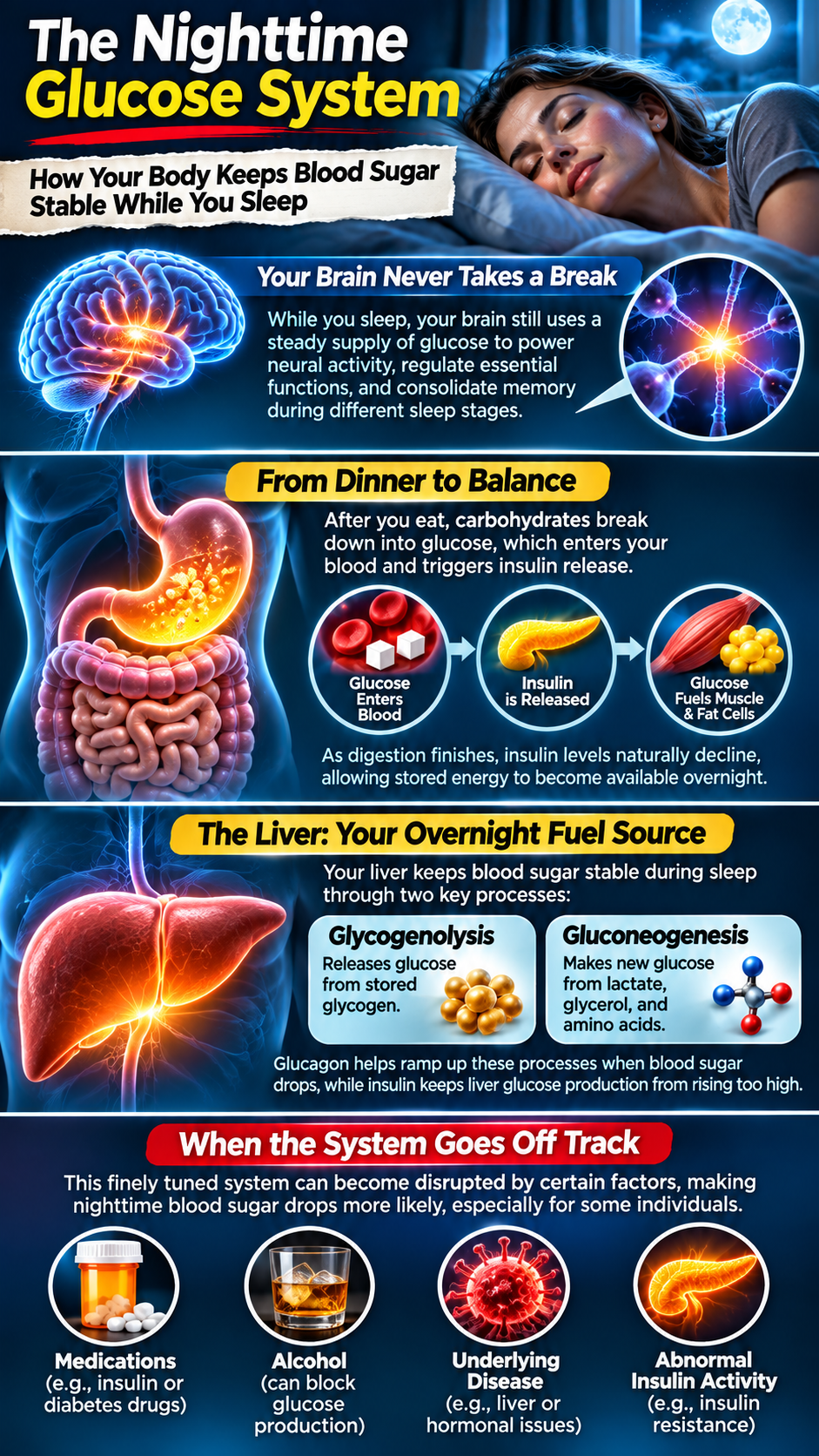
The liver serves as the body’s principal overnight glucose supplier through two closely coordinated processes. Glycogenolysis releases glucose from stored glycogen, while gluconeogenesis manufactures glucose using lactate, glycerol, and selected amino acids. Glucagon encourages these processes when glucose availability decreases, while insulin helps prevent excessive hepatic glucose production. Together, these mechanisms maintain energy availability without requiring someone to wake repeatedly for food.
Trouble develops when this regulatory system encounters disturbances involving medications, alcohol, underlying disease, or abnormal insulin activity. People using insulin or certain diabetes medications face particular risks because treatment effects may outlast recently consumed food. Although metabolic dysfunction can complicate glucose regulation, true fasting hypoglycemia remains uncommon in otherwise healthy adults without glucose-lowering medication. Understanding that distinction prevents an important symptom from becoming an inaccurate diagnosis.
The Adrenaline Alarm: How Low Blood Sugar Can Wake the Brain
Imagine blood glucose falling far enough to threaten the brain’s normal energy supply during the deepest hours of sleep. Specialized glucose-sensing mechanisms recognize this decline and activate protective responses intended to restore circulating glucose. Insulin secretion decreases, glucagon increases, and the sympathetic nervous system releases signals that stimulate adrenaline production. These responses evolved to protect survival, but their physical effects can feel frightening.
Adrenaline accelerates the heartbeat, increases alertness, stimulates sweating, and prepares the body to respond to an immediate physiological threat. Someone experiencing nocturnal hypoglycemia might awaken shaking, hungry, anxious, or unusually alert despite feeling exhausted moments earlier. The brain may interpret these sensations as danger, making returning to sleep especially difficult. What feels like spontaneous nighttime anxiety may occasionally reflect a genuine metabolic emergency.
Low glucose also interferes directly with neurological function when concentrations become sufficiently reduced. Confusion, impaired coordination, unusual behavior, and difficulty concentrating can emerge as the brain struggles to maintain normal activity. Severe hypoglycemia may cause seizures, unconsciousness, or life-threatening complications, particularly among vulnerable individuals. Recurrent episodes can also weaken the body’s warning responses, increasing the danger of future events.
Diabetes guidelines identify glucose below 70 mg/dL as an important alert threshold and below 54 mg/dL as clinically significant hypoglycemia. Yet symptoms alone cannot establish either condition, because several disorders produce similar sensations. Some individuals experience genuine nighttime hypoglycemia without waking, while others awaken with normal glucose concentrations. Measuring glucose during suspected episodes provides essential information that speculation cannot replace.
Cortisol, Circadian Rhythms, and the Early-Morning Stress Response
Cortisol plays an essential role in regulating energy availability, inflammation, cardiovascular activity, and the body’s response to stress. Its secretion follows a circadian rhythm coordinated through communication between the brain, pituitary gland, and adrenal glands. Cortisol generally decreases during the early night before gradually increasing toward morning. This natural rise helps prepare the body for waking and the metabolic demands of daytime activity.
When glucose falls dangerously low, cortisol participates in the counterregulatory response alongside adrenaline, glucagon, and growth hormone. However, adrenaline usually contributes more directly to the immediate shaking, sweating, and rapid heartbeat associated with hypoglycemia. Cortisol supports longer-term glucose availability through effects on metabolism and hepatic glucose production. These different hormonal roles explain why a nighttime awakening cannot automatically be attributed to a cortisol surge.
Chronic psychological stress may nevertheless complicate the picture by increasing physiological arousal and disrupting sleep continuity. Repeated sleep fragmentation can alter circadian signaling, while inadequate sleep may impair insulin sensitivity and glucose tolerance. Someone experiencing prolonged stress may therefore develop both nighttime awakenings and worsening metabolic health. These conditions can reinforce each other without requiring an actual blood sugar crash.
The popular concept of adrenal fatigue frequently appears in discussions about unexplained exhaustion and early-morning awakening. However, research has not established adrenal fatigue as a recognized medical diagnosis or validated explanation for these symptoms. Genuine adrenal insufficiency represents a different condition requiring appropriate medical evaluation. Understanding cortisol physiology demands more precision than assuming every nighttime disturbance indicates exhausted adrenal glands.
The Insulin Resistance Connection: When Dinner Influences the Night
Consider an evening meal dominated by refined carbohydrates, sugary beverages, and a generous dessert. Digestion rapidly releases glucose into circulation, prompting the pancreas to secrete insulin and restore metabolic balance. In someone with normal insulin sensitivity, this response usually regulates glucose effectively. Individuals with insulin resistance may require greater insulin secretion to accomplish the same task.
Insulin resistance develops when responsive tissues become less effective at responding to insulin’s metabolic signals. Excess visceral fat, physical inactivity, genetic susceptibility, disrupted sleep, and other factors can contribute to this condition. The pancreas initially compensates by producing additional insulin, sometimes maintaining normal glucose concentrations for years. Eventually, this compensation may become inadequate, increasing the risk of prediabetes and type 2 diabetes.
Certain individuals experience reactive hypoglycemia after meals, although its mechanisms and clinical significance vary considerably. Symptoms may emerge several hours after eating, particularly when insulin activity becomes excessive relative to available glucose. Nevertheless, a carbohydrate-rich dinner does not automatically produce a dangerous glucose crash during sleep. Insulin resistance more commonly contributes to elevated glucose rather than spontaneous overnight hypoglycemia.
The broader concern involves metabolic instability and its relationship with restorative sleep. Repeated large post-meal glucose elevations may signal impaired glucose tolerance, while chronic sleep restriction can further reduce insulin sensitivity. This interaction creates a potentially damaging cycle involving appetite regulation, energy balance, and cardiovascular risk. Improving metabolic health therefore requires examining dietary patterns and sleep quality together.
The Liver, Alcohol, and the Overnight Energy Supply
The liver performs hundreds of metabolic functions, but its ability to maintain blood glucose becomes particularly important during overnight fasting. Healthy hepatic glycogen stores provide an accessible energy reserve after food absorption declines. As fasting continues, gluconeogenesis contributes increasingly to circulating glucose availability. These processes usually protect healthy adults from dangerous overnight glucose reductions.
Alcohol can interfere with this protection by altering the liver’s ability to manufacture glucose. During alcohol metabolism, changes in hepatic redox balance suppress gluconeogenesis, particularly when glycogen reserves become depleted. People using insulin or certain diabetes medications may face increased delayed hypoglycemia risk after drinking. Combining alcohol with prolonged fasting or unusually strenuous exercise can intensify that vulnerability.
Alcohol also disrupts sleep through mechanisms unrelated to blood glucose. Although an evening drink may initially promote drowsiness, alcohol metabolism can fragment sleep during the second half of the night. Someone awakening with sweating or palpitations after drinking may mistakenly attribute the experience entirely to hypoglycemia. Both metabolic and sleep-related effects deserve consideration.
The liver can also contribute to the opposite problem through excessive overnight glucose production. In type 2 diabetes, impaired insulin signaling may allow hepatic glucose release despite already elevated circulating glucose. Early-morning hormonal changes can amplify this pattern, producing the familiar dawn phenomenon. A high fasting glucose reading therefore does not prove that blood sugar fell dangerously low earlier.
The Damage Beyond the Bedroom: What Repeated Disruptions Do to Your Body
Persistent sleep disruption affects far more than morning energy. Experimental studies show that insufficient sleep can impair insulin sensitivity, alter appetite regulation, and worsen glucose tolerance. Sleep loss may increase cravings for calorie-dense foods while reducing motivation for physical activity. Over time, these changes can contribute to weight gain and worsening cardiometabolic health.
The cardiovascular system also responds to repeated nighttime stress. Sleep fragmentation can increase sympathetic nervous system activity, elevate blood pressure, and interfere with normal overnight cardiovascular recovery. Severe hypoglycemia adds separate concerns because it can provoke electrical instability and increase the risk of dangerous heart rhythm disturbances. These risks become especially important among people with diabetes and existing cardiovascular disease.
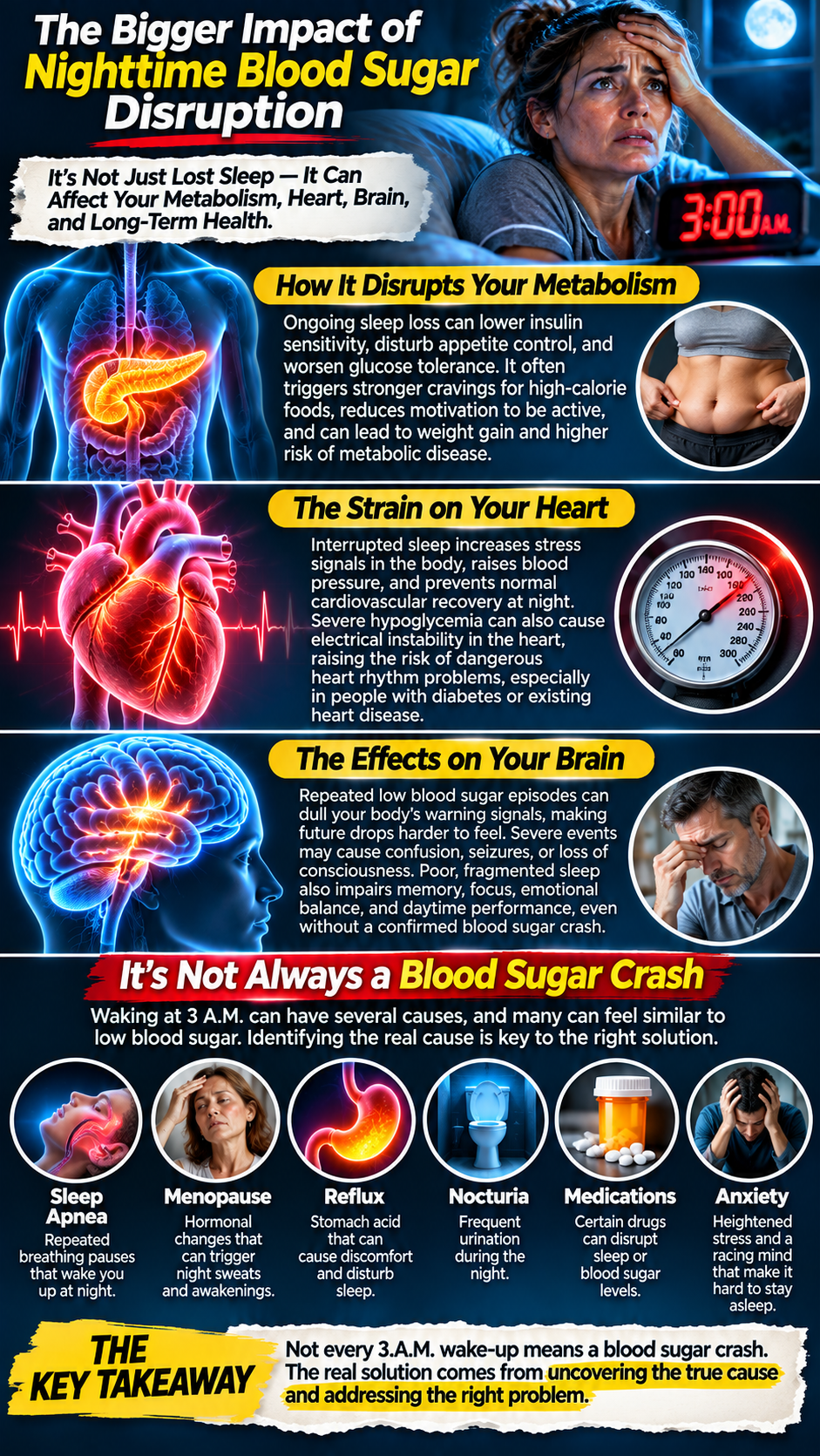
Neurological consequences deserve equal attention. Recurrent significant hypoglycemia can impair awareness of future episodes, making subsequent lows harder to recognize. Severe events may cause confusion, seizures, or loss of consciousness. Meanwhile, chronically inadequate sleep can impair memory, concentration, emotional regulation, and daytime performance, even without documented hypoglycemia.
The greatest mistake involves treating every 3 a.m. awakening as proof of a metabolic crash. Sleep apnea, menopause-related hot flashes, reflux, nocturia, medications, and anxiety can produce nearly identical symptoms. Some conditions also contribute independently to insulin resistance, making the clinical picture more complicated. A meaningful solution begins by identifying which physiological disturbance actually occurs rather than assuming the clock reveals its cause.
From Nighttime Symptoms to Metabolic Recovery
Improving sleep begins with understanding the physiological events that precede each awakening. A person experiencing documented nocturnal hypoglycemia requires a different approach from someone struggling with stress-related insomnia. Similarly, sleep apnea demands different treatment than alcohol-induced sleep fragmentation or menopause-related night sweats. Successful intervention depends on identifying the cause rather than selecting remedies based solely on symptom similarities.
A comprehensive assessment examines glucose regulation, eating patterns, exercise, medications, sleep schedules, and relevant hormonal or metabolic conditions. Fasting glucose and hemoglobin A1c can help evaluate diabetes risk, while additional testing depends on individual findings. Continuous glucose monitoring may provide valuable information for people with diabetes or significant hypoglycemia risk. However, routine glucose monitoring has not demonstrated clear benefit for every otherwise healthy person experiencing insomnia.
The following at-home strategies support healthier glucose regulation and sleep while helping identify potential triggers. They cannot replace medical evaluation for recurrent documented hypoglycemia or another underlying disorder. Their greatest value comes from improving daily metabolic habits while revealing patterns that deserve closer investigation.
Rebuild Your Evening Meal Around Stable Energy
The evening meal influences glucose absorption, insulin secretion, digestion, and overnight energy availability. A dinner dominated by refined starches and added sugars may produce larger glucose elevations than a balanced meal. Replacing these foods with nutrient-dense ingredients can improve overall dietary quality and post-meal glucose responses. The objective involves supporting metabolic regulation rather than eliminating every carbohydrate.
Begin with a substantial serving of protein from fish, poultry, eggs, or another suitable source. Add nonstarchy vegetables, including broccoli, asparagus, zucchini, spinach, or cauliflower, to provide fiber and micronutrients. Include unsaturated fats from avocado, olives, olive oil, or other tolerated foods. Adjust carbohydrate portions according to metabolic health, activity, preferences, and any prescribed diabetes management plan.
Protein supports muscle maintenance and satiety, while dietary fiber can slow carbohydrate absorption and moderate post-meal glucose responses. Unsaturated fats contribute essential fatty acids and may improve meal satisfaction without requiring excessive refined carbohydrates. Together, these ingredients can help create a more balanced metabolic response. Individual glucose responses still vary, making personal observation more useful than rigid universal dietary rules.
Avoid assuming that everyone needs a bedtime snack to prevent overnight hypoglycemia. Most healthy adults maintain glucose during sleep without additional food, even after an early dinner. People with documented nighttime lows may need individualized meal timing or snacks, especially when using glucose-lowering medications. Their treatment plan should address the actual cause rather than relying on unrestricted nighttime eating.
Restore Your Natural Eating Rhythm
Meal timing influences circadian biology, digestive activity, and glucose regulation. Consistent eating schedules can help coordinate metabolic signals with the body’s natural sleep-wake cycle. Large meals immediately before bedtime may worsen reflux and disturb sleep, particularly in susceptible individuals. Finishing dinner several hours before sleep may therefore improve comfort and overnight rest.
Time-restricted eating offers potential metabolic benefits for selected individuals, although outcomes depend on timing, dietary quality, and personal circumstances. Some studies suggest that earlier eating windows may improve insulin sensitivity and certain cardiometabolic markers. Nevertheless, prolonged fasting does not automatically correct nighttime awakening or prevent hypoglycemia. Individuals using insulin or insulin-secretagogue medications require particular caution when changing meal frequency.
Anyone experiencing documented overnight hypoglycemia should avoid extending fasting periods without appropriate clinical guidance. Skipping dinner after taking glucose-lowering medication can create a dangerous mismatch between insulin activity and available carbohydrate. Likewise, unusually low calorie intake may complicate glucose management in susceptible individuals. Consistency and appropriate nourishment generally provide a safer starting point than aggressive dietary restriction.
Strengthen Your Muscles to Improve Insulin Sensitivity
Skeletal muscle represents one of the body’s largest sites for glucose utilization. During exercise, contracting muscles increase glucose uptake through pathways that partly bypass normal insulin signaling. Regular activity improves insulin sensitivity and helps maintain healthy muscle mass. These adaptations support metabolic health throughout the day, including the body’s response to evening meals.
A short walk after dinner offers an accessible way to begin. Walking for ten to twenty minutes can reduce post-meal glucose elevations in many individuals, especially after carbohydrate-containing meals. Consistent resistance training provides additional benefits by preserving metabolically active muscle tissue. Combining walking, strength training, and general daily movement supports more comprehensive metabolic improvement.
Exercise timing requires special attention among people vulnerable to hypoglycemia. Prolonged or strenuous activity may increase insulin sensitivity for several hours, sometimes extending into sleep. Individuals using insulin may therefore experience delayed nighttime glucose reductions after unusually demanding workouts. Appropriate monitoring and individualized diabetes management can help preserve exercise benefits while reducing this risk.
Remove the Hidden Evening Habits That Disrupt Sleep
Alcohol represents one of the most overlooked contributors to nighttime sleep disruption. Its initial sedating effect can create the illusion of better sleep, even as later metabolism increases awakenings. Alcohol also suppresses hepatic gluconeogenesis under certain conditions, increasing hypoglycemia risk in vulnerable individuals. Avoiding evening alcohol may improve sleep continuity while removing an important metabolic complication.
Caffeine creates another problem because its stimulating effects can persist long after the initial energy boost disappears. Individual caffeine metabolism varies considerably, allowing afternoon consumption to interfere with sleep for some people. Reducing caffeine later in the day may improve sleep initiation and maintenance. This adjustment can be particularly valuable when nighttime alertness occurs without evidence of low glucose.
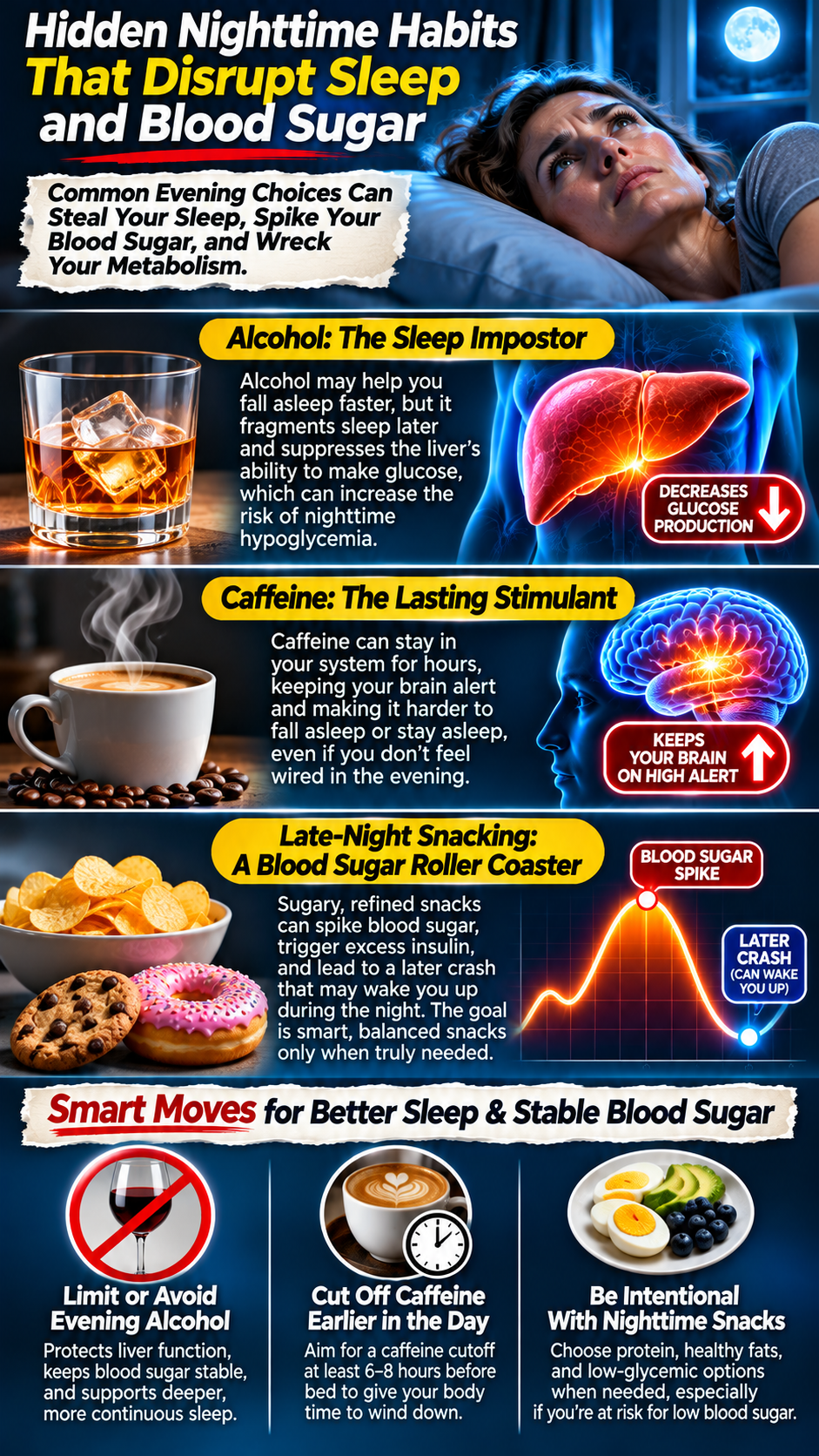
Late-night snacking also deserves examination, especially when it involves refined carbohydrates consumed out of habit rather than hunger. Frequent sugary snacks can increase overall calorie intake and complicate glucose management in susceptible individuals. However, eliminating all evening food may be inappropriate for someone at risk of documented hypoglycemia. The better approach distinguishes unnecessary snacking from clinically appropriate nutritional support.
Investigate the 3 A.M. Pattern Instead of Guessing
A simple sleep journal can uncover relationships that remain invisible during an ordinary medical appointment. Record dinner timing, food composition, exercise, alcohol consumption, bedtime, and nighttime symptoms for approximately two weeks. Note whether awakenings involve sweating, hunger, palpitations, nightmares, or breathing difficulties. Patterns may emerge that connect symptoms with specific behaviors or circumstances.
For people with diabetes, glucose measurements provide particularly valuable information during suspected episodes. Continuous glucose monitors can reveal overnight trends and provide alerts when glucose falls below individualized thresholds. However, pressure on a sensor during sleep can create falsely low readings. Unexpected readings should be confirmed with a finger-stick measurement when feasible and appropriate.
Glucose below 70 mg/dL generally requires prompt attention in people managing diabetes. A conscious person who can swallow safely can often treat a low with 15 grams of fast-acting carbohydrate. Rechecking after 15 minutes helps determine whether additional treatment is necessary. Severe confusion, seizures, unconsciousness, or inability to swallow require emergency assistance and glucagon when available.
Recurrent nighttime lows deserve professional evaluation, especially when glucose falls below 54 mg/dL. People without diabetes who repeatedly document low glucose also need investigation for underlying causes. Changing prescribed medication doses independently can create additional dangers. Accurate measurements and appropriate clinical guidance provide a safer foundation than experimenting with supplements or restrictive diets.
Recalibrate Your Cortisol Rhythm Through Better Sleep Habits
Circadian consistency helps coordinate the hormonal and neurological processes that regulate sleep. Going to bed and waking at similar times reinforces the brain’s internal timing system. Morning sunlight provides a powerful environmental signal that supports circadian alignment. Evening darkness helps promote the normal transition toward sleep.
Reduce bright artificial lighting and stimulating activities during the hour before bedtime. Keep the bedroom cool, dark, and quiet to minimize unnecessary awakenings. Avoid repeatedly checking the clock, which can intensify frustration and reinforce nighttime anxiety. These adjustments support sleep quality without assuming that cortisol levels are abnormal.
Relaxation practices can further reduce physiological arousal before sleep. Slow breathing, gentle stretching, prayer, and mindfulness may help interrupt persistent mental stimulation. Such practices cannot correct genuine hypoglycemia, but they can improve sleep when stress contributes to awakenings. Persistent insomnia may respond particularly well to cognitive behavioral therapy for insomnia.
Address the Metabolic Conditions That May Be Hiding Beneath the Surface
Repeated nighttime awakening sometimes reveals a broader health problem that requires more than dietary adjustment. Loud snoring, gasping, witnessed breathing pauses, and excessive daytime sleepiness raise concern for obstructive sleep apnea. This disorder repeatedly fragments sleep and can contribute to insulin resistance and cardiovascular risk. Appropriate sleep testing can identify a problem that bedtime supplements will not resolve.
Menopause-related hormonal changes may also produce night sweats, palpitations, and abrupt awakenings. Gastroesophageal reflux, chronic pain, nocturia, and medication effects can create similar patterns. Persistent symptoms deserve evaluation when routine sleep improvements fail to provide relief. Identifying these contributors prevents unnecessary treatment for a presumed glucose disorder.
Metabolic screening may reveal prediabetes, type 2 diabetes, or other conditions requiring targeted intervention. Hemoglobin A1c, fasting glucose, blood pressure, lipid measurements, and clinical history offer useful starting points. Additional testing should reflect symptoms and individual risk rather than an indiscriminate collection of hormone panels. The goal involves understanding metabolic health through reliable evidence and appropriate clinical interpretation.
The Long-Term Connection Between Restorative Sleep and Metabolic Health
Restorative sleep supports the biological systems responsible for glucose regulation, cardiovascular recovery, memory processing, and emotional stability. Chronic sleep restriction can reduce insulin sensitivity while increasing hunger and disrupting normal appetite regulation. Poor sleep also makes consistent exercise and healthy food choices more difficult. These effects create a cycle that can gradually undermine metabolic health.
Improving sleep may therefore contribute to better glucose regulation, while improving metabolic health can support more consistent energy and well-being. Neither relationship guarantees that every nighttime awakening will disappear after changing dinner or exercise habits. The underlying cause still determines which intervention offers the greatest benefit. Sustainable improvement requires addressing the factors actually disrupting the body’s normal physiology.
The most effective lifestyle changes rarely involve extreme restriction or elaborate supplement combinations. Consistent meals, regular movement, adequate sleep opportunity, reduced alcohol consumption, and appropriate medical evaluation provide a stronger foundation. These habits support several interconnected physiological systems rather than targeting one hormone in isolation. Over time, their combined benefits may extend well beyond the bedroom.
The Final Message: Your Body Deserves More Than Another Sleepless Night
Waking at 3 a.m. can feel like an inexplicable betrayal by a body that desperately needs rest. Yet nighttime awakening often reflects understandable interactions between sleep regulation, metabolism, hormones, and environmental influences. Sometimes the culprit is genuine nocturnal hypoglycemia, especially among people using insulin or certain diabetes medications. In other cases, the explanation involves disrupted sleep architecture, stress, sleep apnea, or hormonal transitions.
The important lesson is that symptoms deserve investigation rather than automatic interpretation. A racing heart does not prove an adrenaline response to low glucose, and morning fatigue cannot identify an overnight metabolic crash. Reliable measurements, careful observation, and appropriate clinical evaluation help distinguish one explanation from another. That distinction determines whether the solution involves nutritional changes, sleep treatment, diabetes management, or another intervention.
Your body works continuously to preserve energy balance and neurological function, even during the quietest hours of sleep. Supporting those processes begins with nourishing food, consistent movement, circadian regularity, and attention to genuine metabolic abnormalities. When nighttime awakenings persist, investigating their cause can uncover treatable conditions and meaningful opportunities for improvement. Restorative sleep becomes a more achievable goal when the response addresses the underlying disturbance instead of merely masking its symptoms.
The clock may read 3 a.m., but the real story begins long before your eyes open. It unfolds through the choices, physiological processes, and health conditions shaping your entire day. Understanding that story offers the opportunity to reclaim not only a peaceful night, but healthier metabolic function for years ahead.