
The Invisible Immune Disorder Hiding Behind Everyday Symptoms
The human body possesses an extraordinary defense system, designed to recognize danger before that danger becomes disease. Yet imagine that same protective system sounding an alarm every time you eat, exercise, encounter perfume, or experience stress. Suddenly, ordinary activities become unpredictable encounters with your own biology. Your skin flushes without warning, your heart races after meals, and your stomach reacts violently to foods you previously enjoyed. Even a warm shower might trigger itching, dizziness, or overwhelming fatigue.
For some people, these seemingly unrelated symptoms point toward a condition involving excessive mast cell activation. Mast cells are specialized immune cells that help defend against threats and coordinate inflammation. Their protective chemicals can affect blood vessels, nerves, lungs, skin, and the digestive tract simultaneously. When activation becomes inappropriate or excessive, the resulting reactions can disrupt daily life. The immune system begins behaving like an overly sensitive security alarm, responding intensely when the situation does not warrant it.
This phenomenon has attracted increasing attention under the name mast cell activation syndrome (MCAS). However, MCAS represents a specific medical diagnosis, not simply another term for chronic inflammation or food sensitivity. Many conditions can cause similar symptoms, including allergies, autonomic disorders, and gastrointestinal diseases. Understanding the difference requires investigating the biological mechanisms behind mast cell activity. The real question involves discovering what activates these cells and why their inflammatory responses sometimes become so disruptive.
Mast Cells: The Microscopic Guardians Controlling Inflammation
Deep within the body’s tissues lives an immune cell capable of launching an inflammatory response within seconds. Mast cells develop from bone marrow precursors and mature in tissues exposed to environmental threats. They concentrate beneath the skin, throughout the digestive tract, around blood vessels, and near nerve endings. Their strategic placement allows them to detect disturbances and coordinate immediate protective responses. Without mast cells, the body would lose important components of immune surveillance and tissue defense.
Inside these microscopic guardians are granules containing powerful biological chemicals, including histamine and tryptase. Activation can release these substances while stimulating production of prostaglandins, leukotrienes, and inflammatory cytokines. Each mediator carries instructions capable of changing blood flow, nerve sensitivity, airway function, or intestinal activity. These reactions normally help the body respond to allergens, parasites, and tissue injury. Problems arise when the intensity or frequency of activation becomes disproportionate to the circumstances.
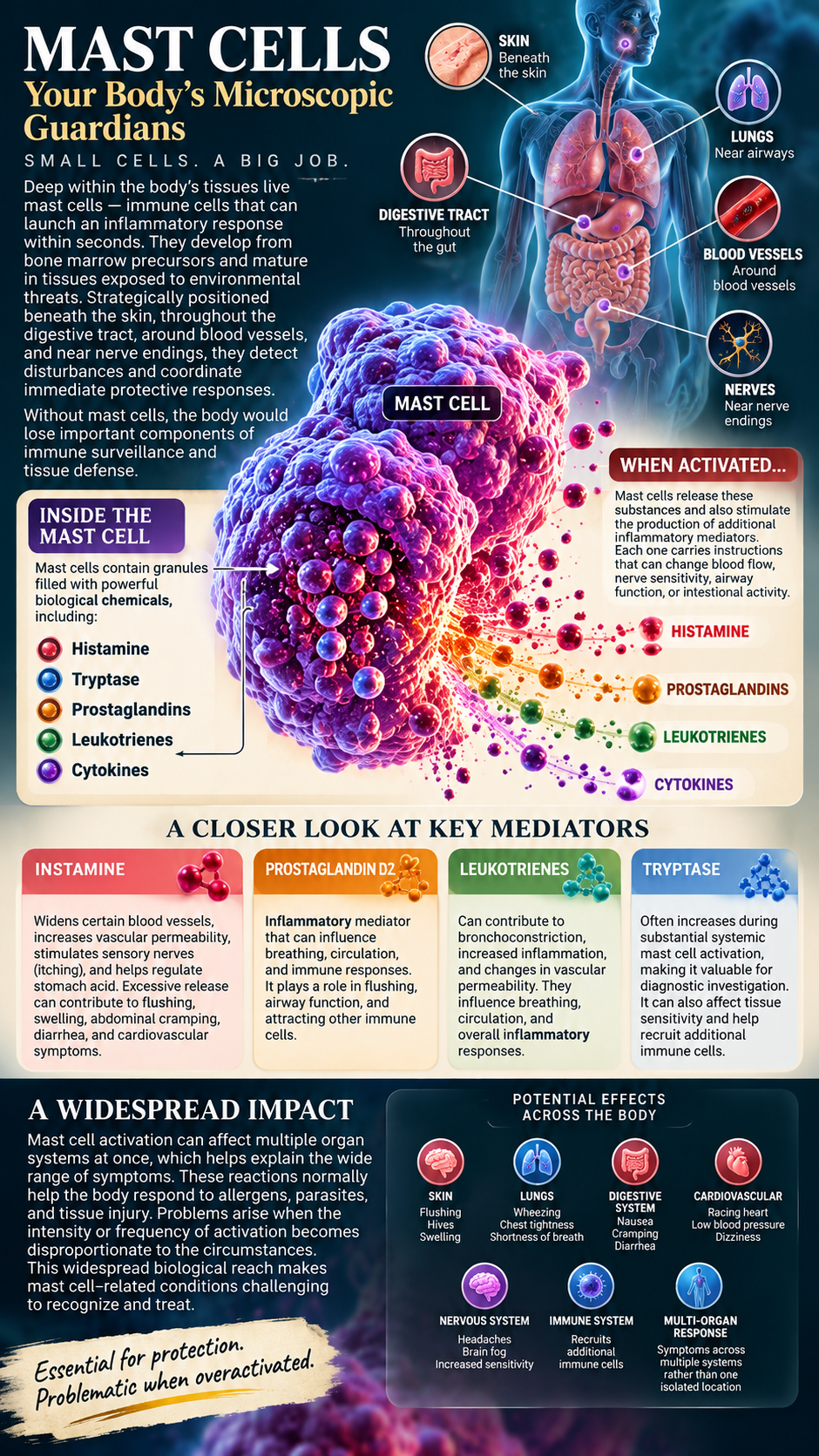
Consider histamine, perhaps the most recognizable chemical associated with mast cell activity. Histamine widens certain blood vessels, increases vascular permeability, and stimulates sensory nerves responsible for itching. It also participates in stomach acid regulation and several neurological signaling pathways. Excessive release can contribute to flushing, swelling, abdominal cramping, diarrhea, and cardiovascular symptoms. Yet histamine represents only one piece of a much larger inflammatory network.
Prostaglandin D2 and leukotrienes can further influence breathing, circulation, and inflammatory responses. Tryptase may increase during substantial systemic mast cell activation, making it valuable for diagnostic investigation. Other mediators can affect tissue sensitivity and recruit additional immune cells into an inflammatory environment. Consequently, mast cell activation may produce symptoms across several organs rather than one isolated location. This widespread biological reach makes the condition particularly challenging to recognize.
The Origins of Mast Cell Hypersensitivity
Mast cell activation does not arise from one universal cause, despite popular claims about hidden toxins or infections. Several distinct biological pathways can produce excessive mast cell mediator release. Some involve conventional allergic reactions, while others arise from abnormal mast cell signaling or clonal cell disorders. Certain individuals experience recurrent episodes without an identifiable underlying cause. Recognizing these differences is essential because effective treatment depends on understanding the mechanism.
Allergic mast cell activation commonly involves immunoglobulin E, a specialized antibody associated with immediate hypersensitivity reactions. Following sensitization, exposure to a relevant allergen can activate mast cells through surface-bound IgE. Foods, insect venom, and certain medications may trigger reactions through this established pathway. In susceptible individuals, the response can escalate into anaphylaxis, a potentially life-threatening systemic reaction. Not every mast cell reaction, however, requires IgE or a traditional allergy.
Clonal mast cell disorders represent another important category. Some patients have acquired changes involving the KIT gene, which helps regulate mast cell growth and survival. These changes can contribute to abnormal mast cell accumulation or activation, depending on the disorder. Systemic mastocytosis belongs to this broader category and differs from ordinary allergic disease. Other patients meet MCAS criteria without evidence of clonal mast cells or an identifiable allergic trigger.
Infections, medications, temperature changes, and physical exertion may provoke mast cell reactions under particular circumstances. Nevertheless, identifying a trigger does not automatically establish why an individual has recurrent systemic activation. The underlying susceptibility may involve several interacting biological factors. Current research continues exploring genetic influences, receptor signaling, and neuroimmune regulation. A meaningful root-cause investigation must distinguish established mechanisms from promising but unproven explanations.
Histamine Overload: When Inflammation Spreads Throughout the Body
Imagine opening every emergency exit inside a building simultaneously, allowing people and equipment to rush through uncontrolled. Something similar happens when excessive inflammatory mediators alter vascular permeability and stimulate surrounding tissues. Blood vessels may widen, fluid can shift into tissues, and sensitive nerve endings begin transmitting distress signals. The resulting symptoms depend on which organs respond and how intensely the mediators affect them. This explains why one patient experiences flushing while another develops abdominal cramping, wheezing, or dangerous blood pressure changes.
The skin often provides the most visible evidence of mast cell activity. Histamine stimulates sensory nerves, producing itching, redness, and raised welts known as urticaria. Increased vascular permeability may cause deeper swelling, particularly around the lips, eyelids, and face. Meanwhile, airway involvement can produce wheezing, chest tightness, or difficulty breathing. Severe systemic reactions can progress rapidly into anaphylaxis, requiring immediate emergency treatment with epinephrine.
Cardiovascular symptoms deserve particular attention because they can signal substantial systemic mediator release. Histamine and other mediators influence vascular tone, potentially causing low blood pressure, dizziness, and fainting. A racing heartbeat may develop as the cardiovascular system attempts to maintain adequate circulation. Some patients also describe profound weakness following an episode. However, palpitations and dizziness have numerous possible causes, making accurate diagnosis essential.
The digestive tract presents another vulnerable target. Mast cell mediators can stimulate intestinal secretion, influence smooth muscle contractions, and alter sensory nerve signaling. These changes may contribute to nausea, diarrhea, abdominal pain, and sudden bowel urgency. Repeated digestive episodes can interfere with food intake and nutritional stability. Over time, patients may develop restrictive eating patterns that create additional health challenges.
The Gut–Immune Connection: Where Hypersensitivity Can Intensify
The intestinal lining represents an extraordinary biological boundary between the outside world and the bloodstream. Every meal introduces proteins, microorganisms, and chemical compounds that require careful immune surveillance. Intestinal epithelial cells, mucus, beneficial microorganisms, and immune cells work together to maintain this delicate relationship. Mast cells participate in that system, particularly near intestinal nerves and blood vessels. Their location allows them to influence digestive function when inflammatory signals arise.
Researchers have investigated intestinal mast cells in irritable bowel syndrome and other disorders involving visceral hypersensitivity. Some studies associate increased mast cell activity near intestinal nerves with greater abdominal discomfort. Inflammatory mediators may amplify pain signaling even without obvious structural damage. However, these findings do not establish that every digestive complaint originates from mast cell activation. Nor do they prove that all patients with irritable bowel syndrome have MCAS.
Intestinal permeability adds another layer of biological complexity. Tight junction proteins help regulate movement between neighboring intestinal cells, preserving the barrier’s selective function. Infections, inflammatory disorders, and certain environmental exposures can disrupt this regulation. Experimental studies suggest that mast cell mediators may influence intestinal barrier integrity under particular conditions. Nevertheless, increased intestinal permeability alone does not establish MCAS or explain every systemic symptom.
The intestinal microbiome also interacts with immune signaling through metabolites, microbial components, and specialized cellular receptors. Certain bacteria can produce histamine, while microbial metabolites may influence inflammatory regulation. Scientists continue exploring whether these interactions affect mast cell responsiveness in specific patient populations. Yet no universally accepted microbiome signature identifies MCAS, and no probiotic combination reliably cures it. Supporting digestive health remains valuable without overstating what microbiome research currently demonstrates.
The Nervous System Connection: Stress, Sensitivity, and Immune Signaling
The nervous system does not operate independently from the immune system. Nerve fibers, immune cells, and circulating hormones constantly exchange information about internal and external conditions. Mast cells frequently reside near sensory nerves, creating opportunities for direct communication. Neuropeptides and inflammatory mediators can influence both immune activity and sensory perception. This relationship helps researchers investigate connections among inflammation, pain, stress, and autonomic function.
Chronic stress may intensify symptoms through changes in sleep, hormonal signaling, and autonomic regulation. Poor sleep can further affect pain sensitivity, emotional resilience, and inflammatory responses. However, psychological stress does not explain every episode of mast cell activation. Patients deserve thorough medical evaluation rather than assumptions that unexplained symptoms originate from anxiety. Biological illness and stress-related symptom amplification can coexist without contradicting one another.
These interactions also explain growing interest in functional neurology and supportive nervous system therapies. Movement, restorative sleep, and appropriate stress management may improve overall physiological resilience. Chiropractic care can address certain coexisting musculoskeletal complaints, although evidence does not establish it as an MCAS treatment. A comprehensive approach should recognize the nervous system’s influence without claiming that spinal dysfunction causes mast cell disease. Scientific precision strengthens rather than weakens a root-cause investigation.
The Dangerous Cycle of Hypersensitivity and Chronic Symptom Burden
Perhaps the most frustrating aspect of mast cell-related illness involves its unpredictable nature. One day, a familiar meal produces no reaction; another day, the same meal precedes intense discomfort. Temperature, exercise, medications, infections, and other exposures may influence symptoms differently across individuals. This inconsistency can make patients question their observations and become fearful of ordinary activities. Over time, the burden extends beyond physical symptoms into nutrition, sleep, work, and relationships.
Recurrent reactions can also encourage progressively restrictive behavior. Patients may eliminate nutritious foods, avoid physical activity, and purchase numerous supplements without identifying their actual triggers. Unfortunately, these responses sometimes introduce new problems without addressing the underlying disorder. The challenge lies in distinguishing genuine mast cell activation from other conditions with overlapping symptoms. Consensus diagnostic standards therefore require compatible episodes, objective mediator evidence, and response to appropriate treatment.
The Path Toward Healing Begins With Understanding Your Triggers
When the immune system becomes hypersensitive, the solution requires more than avoiding another uncomfortable reaction. Lasting improvement begins with understanding which biological signals repeatedly activate mast cells and amplify inflammatory responses. Some patients react to identifiable allergens, while others experience episodes involving medications, infections, temperature changes, or physical exertion. The challenge involves separating genuine triggers from coincidental exposures that happen during an already unstable period. Without that distinction, patients may spend years avoiding harmless foods while overlooking important medical conditions.
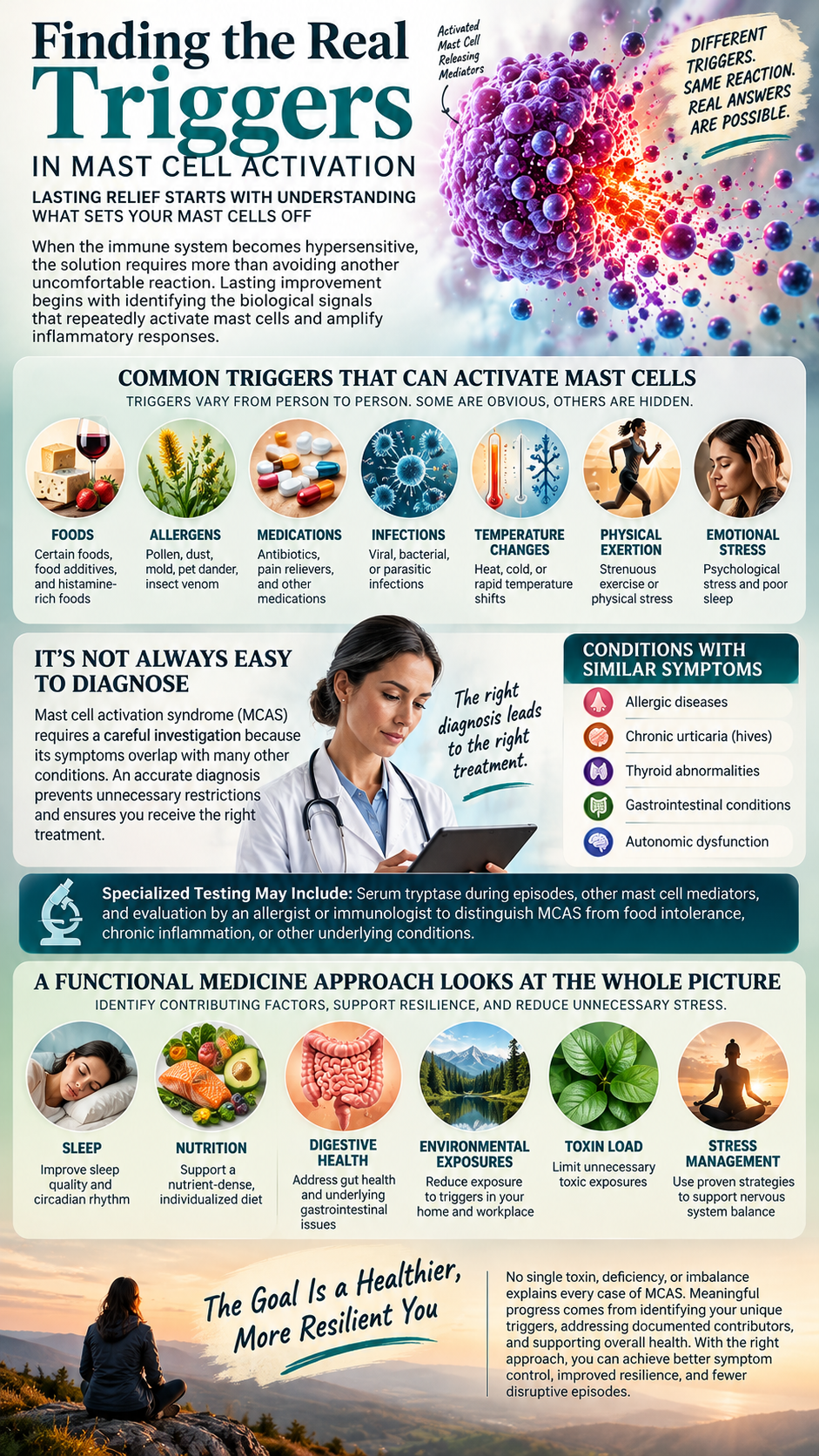
Mast cell activation syndrome demands a particularly careful investigation because its symptoms overlap with numerous other disorders. Allergic diseases, chronic urticaria, thyroid abnormalities, gastrointestinal conditions, and autonomic dysfunction can produce similar complaints. An allergist or immunologist may investigate serum tryptase changes during episodes and evaluate other relevant mast cell mediators. This process helps distinguish systemic mast cell activation from ordinary food intolerance or chronic inflammation. Identifying the correct diagnosis creates a foundation for treatment rather than endless experimentation.
A functional medicine approach can complement this evaluation by examining sleep, nutrition, digestive health, and environmental exposures. However, no single toxin, nutritional deficiency, or intestinal imbalance explains every case of MCAS. Some patients have underlying allergic or clonal mast cell disorders, while others have no identifiable primary cause. Meaningful progress comes from addressing documented contributors and reducing avoidable physiological stress. The objective is better symptom control, improved resilience, and fewer disruptive episodes.
Histamine Overload: Reducing the Burden Without Starving the Body
Histamine plays a central role in many mast cell reactions, making dietary exposure an understandable concern. Fermented vegetables, aged cheeses, cured meats, alcoholic beverages, and certain improperly stored fish may contain substantial histamine concentrations. Yet histamine levels vary according to freshness, bacterial activity, processing, and storage conditions. Consequently, the same food category may produce different experiences depending on preparation and individual tolerance. Understanding this variability prevents unnecessary fear of entire food groups.
A temporary lower-histamine eating pattern may help some individuals identify meaningful dietary triggers. Freshly prepared meats, tolerated vegetables, suitable fruits, and minimally processed foods can provide a practical starting point. Refrigerating meals promptly and freezing leftovers may reduce histamine accumulation associated with bacterial activity. However, no universally validated low-histamine diet exists, and evidence for its effectiveness in MCAS remains limited. Dietary restrictions should therefore remain individualized and nutritionally adequate.
The greatest mistake involves assuming that every symptom represents dietary histamine overload. Mast cells release numerous mediators beyond histamine, and many reactions occur independently of food intake. Excessive restriction can cause inadequate protein intake, micronutrient deficiencies, and unnecessary weight loss. A short, structured elimination trial followed by careful reintroduction often provides more useful information than permanent avoidance. Patients with severe reactions should undertake food challenges only under appropriate medical guidance.
The Gut–Immune Connection: Supporting Digestion Without Chasing Unproven Cures
The intestinal environment deserves attention because mast cells participate directly in digestive immune surveillance. Their mediators can influence intestinal contractions, secretion, permeability, and nerve sensitivity. Repeated digestive symptoms may therefore reflect inflammatory signaling, but they can also indicate unrelated gastrointestinal disorders. Celiac disease, inflammatory bowel disease, infections, and other conditions sometimes require specific diagnostic testing. Treating an identifiable digestive illness may improve overall health without necessarily resolving an independent mast cell disorder.
Nutritional support begins with sufficient protein, appropriate dietary fiber, hydration, and foods the individual tolerates comfortably. These fundamentals help maintain intestinal function and reduce complications from prolonged restrictive eating. Fermented foods and probiotic supplements require individual consideration because some patients report worsening symptoms. Research has not established a particular probiotic strain or gut-repair supplement as a reliable MCAS treatment. More supplementation does not automatically translate into better immune regulation.
The intestinal barrier also benefits from avoiding unnecessary irritants and treating established gastrointestinal disease. Excessive alcohol consumption and certain medications can contribute to gastrointestinal injury in susceptible individuals. Nevertheless, the popular concept of repairing leaky gut should not become a substitute for diagnosis. No validated intestinal permeability test currently identifies the underlying cause of MCAS. Effective digestive care focuses on measurable problems, adequate nutrition, and sustainable improvements.
Environmental Triggers: Creating a Home That Supports Immune Stability
A home should provide refuge from environmental stressors, yet ordinary household exposures sometimes intensify hypersensitivity symptoms. Strong fragrances, cleaning chemicals, smoke, and temperature extremes may provoke discomfort in susceptible individuals. Damp buildings can also aggravate established respiratory allergies and asthma. However, these reactions do not automatically indicate MCAS, mold toxicity, or an impaired detoxification system. Identifying reproducible exposures matters more than assuming every household chemical causes systemic inflammation.
Start by improving ventilation, controlling indoor moisture, and choosing fragrance-free cleaning and personal care products. Address visible mold and repair water leaks before moisture damage spreads. Avoid unnecessary exposure to smoke, aerosolized fragrances, and harsh cleaning fumes. These practical changes can reduce respiratory irritation and improve indoor comfort. Expensive detoxification equipment and unvalidated environmental testing are rarely appropriate starting points.
Temperature regulation deserves similar consideration because heat can aggravate flushing, itching, and cardiovascular symptoms. Some individuals tolerate lukewarm showers better than prolonged exposure to hot water. Others benefit from avoiding abrupt temperature changes or exercising in excessively hot environments. Environmental modifications should follow observed patterns rather than become an endless collection of restrictions. The objective is a comfortable living environment that supports normal daily activity.
Natural Mast Cell Support: Separating Promising Compounds From Proven Treatments
Interest in natural mast cell stabilizers has grown alongside research into flavonoids and plant-derived compounds. Quercetin, found in onions, apples, and several vegetables, demonstrates anti-inflammatory properties in laboratory experiments. Some experimental models suggest quercetin can influence mast cell signaling and mediator release. However, human evidence remains insufficient to establish quercetin supplements as effective MCAS treatment. Laboratory findings cannot reliably predict clinical benefits or appropriate supplement doses.
Vitamin C also participates in normal immune function and antioxidant defense. Researchers have explored relationships between vitamin C status and histamine metabolism, although therapeutic evidence remains limited. Correcting a documented deficiency supports general health, but high-dose supplementation has not demonstrated reliable MCAS control. Magnesium, zinc, and other essential nutrients likewise contribute to ordinary cellular processes. Their biological importance does not establish that additional supplementation will prevent mast cell reactions.
Another popular strategy involves diamine oxidase supplements, commonly called DAO enzymes. DAO participates in extracellular histamine metabolism, particularly within the intestinal environment. Supplemental DAO may help selected individuals with suspected dietary histamine intolerance, but supporting research remains preliminary. It does not directly prevent mast cells from releasing inflammatory mediators throughout the body. Patients should also consider product ingredients, potential reactions, and medical guidance before introducing supplements.
Established treatments remain important when patients experience recurrent systemic reactions. Clinicians may recommend antihistamines, mast cell stabilizers, leukotriene-targeting therapies, or other individualized interventions. These treatments can reduce symptoms while investigations address identifiable triggers and associated conditions. Patients at risk of anaphylaxis need an emergency action plan and prescribed epinephrine when appropriate. Throat swelling, breathing difficulty, or fainting during a suspected reaction requires immediate emergency care, not supplements or home remedies.
Practical At-Home Strategies for Calming Mast Cell Reactivity
Improving daily stability begins with recognizing patterns rather than attempting to control every possible exposure. Keep a detailed symptom journal recording meals, medications, sleep quality, exercise, temperature, and significant reactions. Include the timing and duration of symptoms, particularly when several organ systems become involved. After several weeks, review the record with a qualified clinician to identify consistent associations. This approach can uncover useful patterns while reducing unnecessary dietary restrictions.
Build meals around fresh, nutritious ingredients and foods that have demonstrated good individual tolerance. Maintain consistent hydration and avoid prolonged fasting when it aggravates dizziness, weakness, or digestive discomfort. Store perishable foods safely, refrigerate leftovers promptly, and avoid spoiled or improperly handled fish. If dietary histamine appears relevant, consider a short supervised elimination trial followed by systematic reintroduction. The ultimate goal is the broadest nutritious diet the individual can comfortably tolerate.
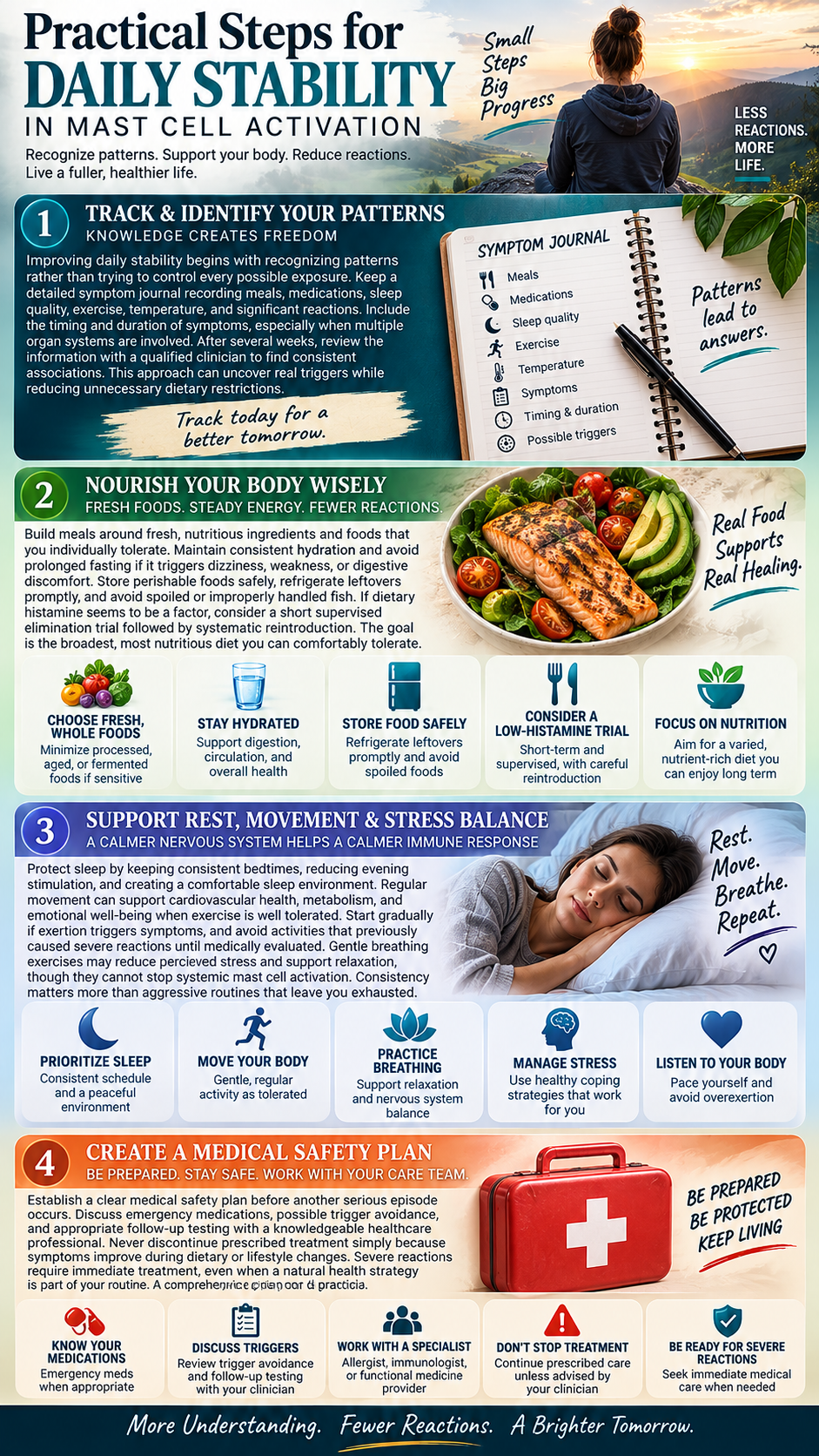
Protect sleep by maintaining consistent bedtimes, reducing evening stimulation, and creating a comfortable sleeping environment. Regular movement can support cardiovascular conditioning, metabolic health, and emotional well-being when exercise is well tolerated. Begin gradually if exertion provokes symptoms, and avoid activities associated with previous severe reactions until medically evaluated. Gentle breathing exercises may reduce perceived stress and support relaxation, although they cannot reliably stop systemic mast cell activation. Consistency matters more than aggressive interventions that leave the body exhausted.
Finally, establish a clear medical safety plan before another serious episode occurs. Discuss emergency medications, possible trigger avoidance, and appropriate follow-up testing with a knowledgeable healthcare professional. Never discontinue prescribed treatment simply because symptoms improve during dietary or lifestyle changes. Severe reactions require immediate treatment, even when a natural health strategy forms part of everyday care. A comprehensive plan combines practical self-care with interventions appropriate to the actual diagnosis.
The Future of Mast Cell Health: Moving Beyond Symptom Suppression
Mast cell activation reveals an important truth about human physiology: protective biological systems can become harmful when their responses lose proportion. The same mediators that defend tissues can disrupt digestion, circulation, breathing, and neurological comfort. Understanding these mechanisms creates opportunities to identify specific triggers and improve symptom management. Yet successful care requires resisting explanations that attribute every unexplained illness to histamine, toxins, or intestinal dysfunction. Scientific curiosity must remain connected to careful diagnosis.
The most productive path combines individualized investigation, sensible environmental modifications, nutritional adequacy, and appropriate medical treatment. Some individuals discover identifiable allergic triggers, while others require evaluation for underlying mast cell disorders. Many benefit from improved sleep, carefully selected foods, and reduced exposure to substances that consistently aggravate symptoms. These measures can improve daily function, although no universal home protocol has demonstrated an ability to cure MCAS.
True progress does not require fighting the immune system or attempting to eliminate every inflammatory signal. Inflammation serves essential protective purposes, and mast cells remain indispensable components of human defense. The objective is to reduce inappropriate activation while preserving normal immune function. With thoughtful investigation and sustainable habits, patients can pursue greater stability without surrendering their lives to fear. Understanding the body’s signals becomes the foundation for making informed choices and reclaiming quality of life.