
When Heartburn Tells the Wrong Story
A burning sensation climbs behind the breastbone after dinner. Pressure develops beneath the ribs, followed by burping, bloating, and an acidic taste. Dinner feels trapped somewhere between the stomach and throat. Most people reach the same conclusion within seconds: there must be too much stomach acid.
That conclusion sounds logical, but human digestion rarely operates that simply. Reflux describes stomach contents moving into the esophagus, not necessarily excessive acid production. Normal stomach acid can burn intensely when it reaches tissue never designed to tolerate repeated exposure. Even someone producing inadequate stomach acid may experience indigestion, pressure, belching, regurgitation, and symptoms that resemble excessive acidity.
This distinction changes the entire conversation surrounding chronic digestive complaints. Suppressing stomach acid may reduce burning because less acidic material reaches the esophagus. However, reduced burning does not always reveal what caused the reflux in the first place. The underlying problem may involve impaired digestion, altered stomach motility, a weakened esophageal barrier, a hiatal hernia, gastritis, microbial imbalance, or several problems working together.
Low stomach acid, medically known as hypochlorhydria, belongs within that investigation. Severe loss of acid production becomes achlorhydria. Neither condition should become a convenient explanation for every case of heartburn. Yet both deserve attention because stomach acid performs vital work throughout digestion.
The stomach was never designed to remain neutral. Its acidity helps break apart proteins, activates important digestive enzymes, supports nutrient absorption, and limits microbial survival. When that environment changes, digestive consequences may travel far beyond occasional heartburn. What begins inside the stomach can eventually influence nutritional status, intestinal bacteria, energy production, bowel function, and overall digestive resilience.
Understanding low stomach acid therefore requires abandoning one misleading question. Instead of only asking how to stop the burning, we must ask what disrupted normal digestive physiology.
Your Stomach Needs Acid for a Reason
Hydrochloric acid sounds destructive because it can damage unprotected tissues. Inside a healthy stomach, however, acidity represents normal physiology rather than disease. Specialized parietal cells produce hydrochloric acid while the stomach lining creates mucus and protective compounds. These systems work together, allowing powerful digestion without routinely digesting the stomach itself.
Food activates a carefully coordinated digestive sequence. Signals from sight, smell, taste, chewing, and swallowing prepare the stomach before food even arrives. The vagus nerve contributes to this process through acetylcholine signaling. Gastrin and histamine add further stimulation, allowing parietal cells to increase acid production when digestion requires it.
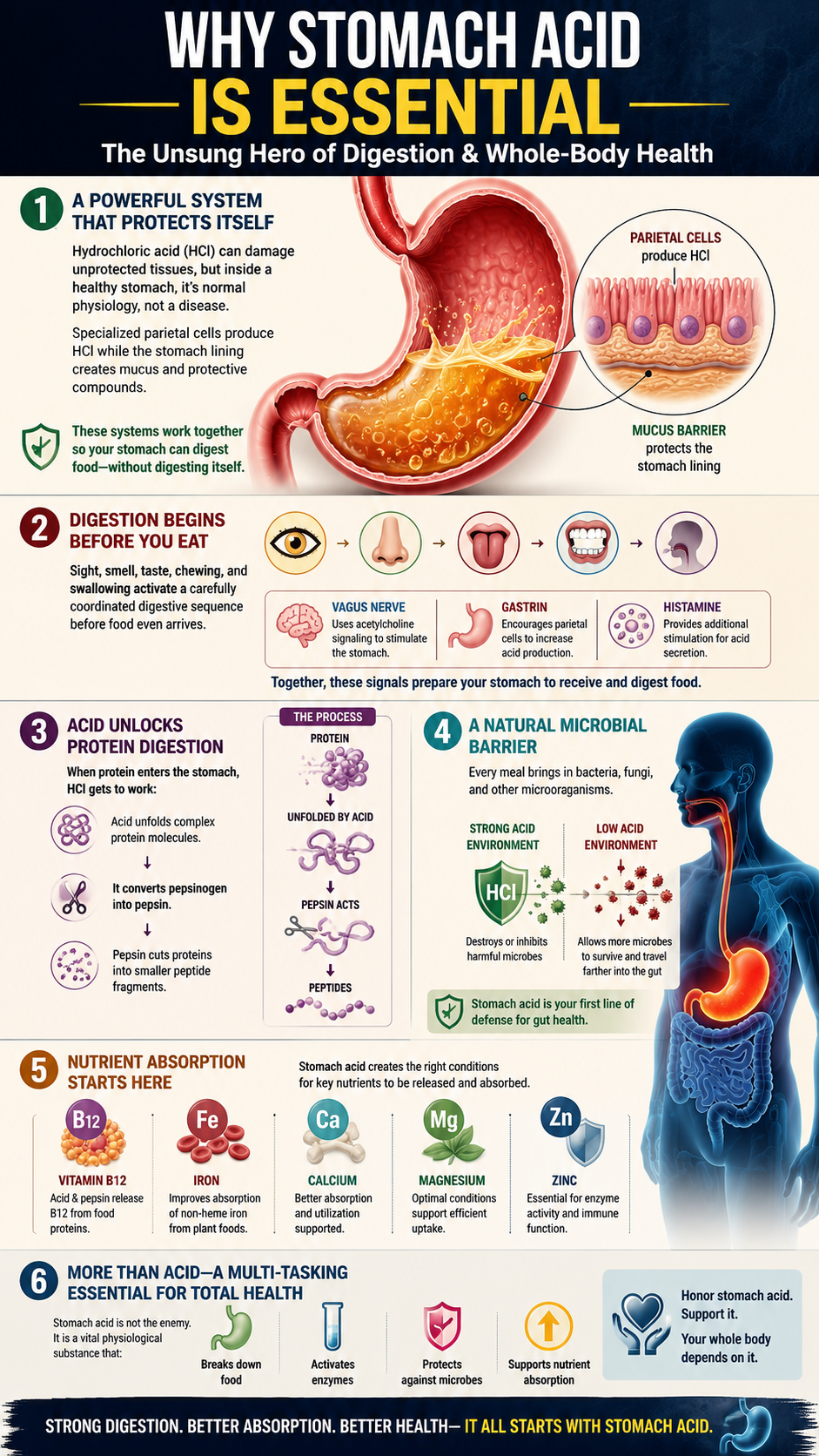
Once protein enters the stomach, hydrochloric acid begins altering its structure. Complex protein molecules must unfold before digestive enzymes can efficiently dismantle them. Acid helps create that unfolding while supporting the conversion of pepsinogen into pepsin. Pepsin then begins cutting large proteins into smaller peptide fragments.
A properly acidic stomach also creates an important microbial barrier. Every meal carries bacteria, fungi, and other microorganisms from food, hands, utensils, and the surrounding environment. Gastric acidity destroys or inhibits many organisms before they reach deeper sections of the gastrointestinal tract. Lowering this defensive barrier can change which microbes survive the journey.
Mineral and vitamin physiology also depends partly upon the gastric environment. Stomach acid supports the release of food-bound vitamin B12 from proteins. It improves conditions needed for efficient non-heme iron absorption. Calcium, magnesium, zinc, and several other nutrients also depend upon wider digestive conditions for optimal utilization.
Therefore, stomach acid serves several purposes simultaneously. It is part digestive fluid, part chemical processor, and part microbial gatekeeper. Treating it only as an irritating substance ignores the biological reason the body produces it.
The Difference Between Acid Production and Acid Reflux
Reflux becomes easier to understand when viewed as a location problem. Acid belongs inside the stomach, where protective mechanisms handle it. The esophagus lacks comparable defenses against repeated acid exposure. Even ordinary amounts of stomach acid can cause substantial discomfort when they repeatedly travel upward.
Several structures normally prevent that movement. The lower esophageal sphincter forms a muscular barrier near the stomach entrance. The diaphragm adds mechanical support, while gravity and coordinated esophageal contractions help move swallowed material downward. Problems arise when these systems lose coordination.
A weakened or frequently relaxing lower esophageal sphincter can permit gastric contents to rise. Hiatal hernias can alter the anatomical relationship between the stomach and diaphragm. Increased abdominal pressure may push contents upward, especially after large meals. Delayed stomach emptying can leave food sitting longer than expected.
These mechanisms explain an important clinical paradox. A person can experience intense acid reflux without manufacturing excessive amounts of acid. Reducing acidity may decrease tissue irritation, yet the mechanical reflux event can continue. The symptom improves while an important contributor remains unchanged.
That difference separates symptom management from physiological restoration. Both have value, but they answer different questions. One approach asks how to reduce irritation today. The deeper investigation asks why stomach contents keep entering the esophagus.
How Low Stomach Acid Develops
Hypochlorhydria rarely appears without context. Several biological and environmental factors can gradually weaken normal gastric acid production. Chronic inflammation of the stomach lining provides one major pathway because parietal cells live within that tissue.
Helicobacter pylori infection offers an important example. This bacterium can colonize the stomach and produce persistent inflammation. Depending upon the location and pattern of gastritis, acid production may rise or fall. More extensive damage involving acid-producing regions can eventually reduce gastric secretory capacity.
Autoimmune gastritis creates another pathway. The immune system mistakenly targets structures associated with parietal cells. Progressive damage can reduce hydrochloric acid production and intrinsic factor availability. Because intrinsic factor plays a central role in vitamin B12 absorption, advanced disease can eventually contribute to pernicious anemia.
Long-term acid suppression also changes gastric physiology intentionally. Proton-pump inhibitors block the final stage of hydrochloric acid secretion. These medications can provide important benefits for ulcers, erosive esophagitis, and several other conditions. However, prolonged suppression naturally creates an environment much less acidic than normal.
Age often gets blamed as another direct cause, but the relationship deserves nuance. Older adults experience more atrophic gastritis, medication exposure, H. pylori history, and autoimmune gastric disease. Those factors may explain much of the declining acid function commonly attributed to age alone.
Nutritional problems can complicate the picture further. Digestive tissues require adequate nutrients to maintain normal cellular function. Chronic illness, restrictive eating patterns, poor dietary quality, and impaired absorption can create feedback loops. Digestion suffers, nutritional status worsens, and weakened nutritional status places additional stress upon digestion.
What Hypochlorhydria Can Feel Like
Low stomach acid rarely produces one unmistakable symptom. Instead, it can create a collection of frustrating complaints that overlap with many digestive disorders. This overlap explains why self-diagnosis based solely upon symptoms often fails.
People may experience bloating shortly after eating, frequent belching, early fullness, nausea, upper abdominal pressure, indigestion, or discomfort after protein-heavy meals. Food may seem to sit in the stomach for hours. Some individuals report reflux or regurgitation despite assuming low acid should prevent those symptoms.
Pressure helps explain part of that contradiction. When digestion slows or stomach contents remain longer, distension can increase. Gas, food volume, altered motility, and mechanical pressure can encourage upward movement. Once gastric contents reach the esophagus, even limited acidity can irritate sensitive tissue.
Protein-heavy meals may become particularly noticeable because stomach acid and pepsin normally begin protein digestion. Someone may assume that meat, eggs, or fish suddenly became intolerable. In reality, weakened digestive capacity could be making normal foods harder to process efficiently.
These symptoms still cannot confirm hypochlorhydria. Similar complaints occur with functional dyspepsia, gastroparesis, gallbladder dysfunction, pancreatic problems, food intolerances, gastritis, and structural reflux disorders. Persistent symptoms require thoughtful investigation rather than assumptions.
Protein Digestion Begins Before the Small Intestine
Protein deserves special attention because hydrochloric acid directly supports its earliest digestive stages. Beef, fish, poultry, eggs, and other proteins arrive in tightly folded molecular structures. Those structures must be opened before digestive enzymes gain efficient access.
Acid helps denature these proteins while creating favorable conditions for pepsin. Pepsin begins cutting large proteins into smaller fragments inside the stomach. Pancreatic enzymes later continue digestion inside the small intestine, eventually creating peptides and amino acids suitable for absorption.
Reducing gastric acidity does not mean protein digestion completely stops. The pancreas and small intestine possess formidable digestive capacity. Nevertheless, altering the stomach’s contribution changes the sequence and may reduce digestive efficiency in susceptible individuals.
That possibility matters whenever someone develops persistent heaviness after protein-rich meals. Removing nutritious protein forever may not address the deeper problem. Investigating stomach function, gastric inflammation, pancreatic support, chewing, portion size, and digestive timing offers a more complete strategy.
Protein provides essential amino acids required for muscle, enzymes, neurotransmitters, antibodies, connective tissue, and cellular repair. Chronic avoidance caused by digestive discomfort can therefore create consequences far beyond the stomach. The digestive complaint may eventually influence strength, recovery, immunity, and metabolism.
The Hidden Nutrient Cost of Poor Gastric Function
A nutrient only becomes useful after the body can release, absorb, transport, and utilize it. Eating nutritious food does not guarantee optimal nutritional status. Digestion controls what becomes biologically available.
Vitamin B12 demonstrates this problem beautifully. Dietary B12 often arrives attached to proteins. Gastric acid and pepsin help separate the vitamin from those proteins. Additional digestive steps eventually allow B12 to bind intrinsic factor before absorption occurs farther downstream.
Iron provides another important example. Gastric acidity helps create conditions favoring non-heme iron absorption. Chronically impaired gastric function may therefore contribute to iron problems in susceptible individuals. Unexplained iron deficiency sometimes provides an important clue toward hidden gastric disease.
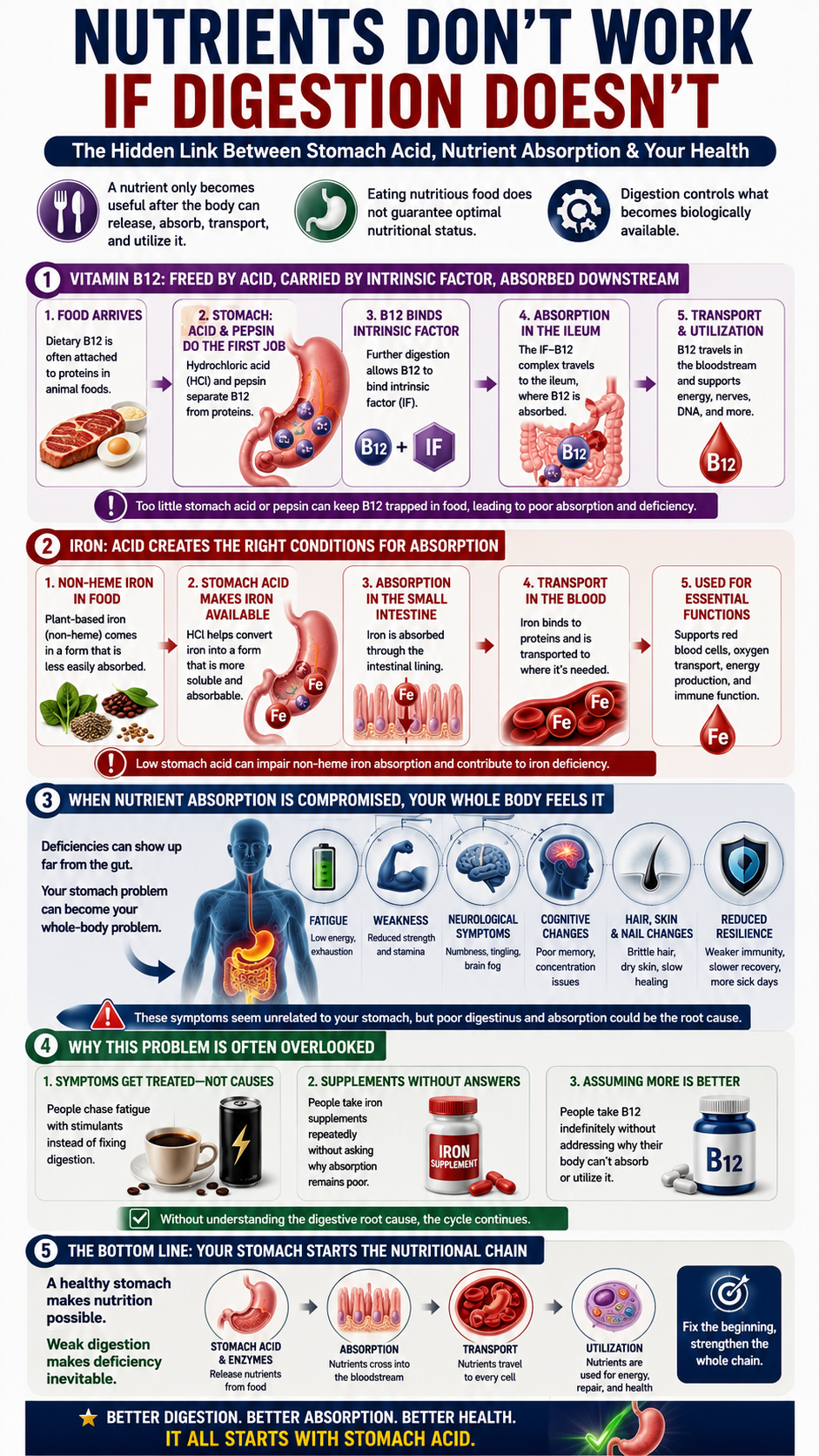
The consequences can eventually appear outside the digestive system. Nutrient deficiencies may contribute to fatigue, weakness, neurological symptoms, poor exercise tolerance, cognitive changes, hair changes, or reduced resilience. These symptoms can seem unrelated to the stomach.
That disconnect often delays investigation. Someone may chase fatigue with stimulants while ignoring digestive dysfunction. Another person may repeatedly supplement iron without asking why absorption remains poor. A third may take vitamin B12 indefinitely without examining possible gastric contributors.
The stomach sits near the beginning of the nutritional chain. When early digestion fails, problems can echo throughout the entire body.
Low Stomach Acid and the Microbiome
The intestinal microbiome does not begin in the colon. Every organism reaching the lower digestive tract must first encounter the mouth, stomach, and small intestine. Gastric acid helps determine which microbes survive that journey.
Lower acidity changes the ecological filter. Organisms normally destroyed inside the stomach may survive more easily and enter the intestine. This does not guarantee dysbiosis, but it changes the biological environment in ways that may matter.
Altered microbial populations can produce additional gas and fermentation. Increased gas can create pressure, distension, and belching. Those changes may worsen reflux tendencies, creating another self-reinforcing digestive cycle.
Small intestinal bacterial overgrowth adds further complexity. SIBO involves excessive or inappropriate microbial populations inside the small intestine. Many factors can contribute, including altered motility, anatomical abnormalities, medications, and disrupted digestive defenses.
Simply swallowing probiotics may not solve an upstream environmental problem. Effective investigation asks why certain organisms became capable of thriving where they should remain limited. Stomach acid, intestinal motility, bile flow, dietary patterns, and medication exposure all belong within that conversation.
Acid Suppression Can Calm Symptoms Without Explaining Them
Few medications relieve severe acid-related symptoms as effectively as proton-pump inhibitors. PPIs substantially decrease stomach acid by inhibiting gastric proton pumps. For appropriate conditions, this effect can promote healing and reduce complications.
Problems begin when symptom relief becomes mistaken for complete physiological explanation. Turning down acid makes refluxed material less irritating. That outcome does not automatically reveal why reflux started.
Someone with a hiatal hernia may still have altered anatomy. Another person may continue eating enormous meals before bedtime. Delayed gastric emptying may persist, while abdominal pressure continues driving gastric contents upward.
Long-term medication decisions should therefore remain individualized and medically supervised. Abruptly stopping prolonged PPI therapy can trigger rebound acid hypersecretion. Severe burning during withdrawal may occur even when the original condition has changed.
Neither medication worship nor medication rejection serves patients well. The better goal involves understanding why treatment became necessary, whether that indication remains present, and what additional factors deserve correction.
H. pylori, Gastritis, and the Injured Stomach
A stomach cannot manufacture normal digestive secretions indefinitely when its acid-producing tissue becomes damaged. Chronic gastritis can gradually reshape the gastric environment, especially when inflammation affects parietal cells.
H. pylori deserves careful attention because infection can remain silent for years. Some individuals develop ulcers, chronic gastritis, iron problems, or upper digestive symptoms. Others notice very little until significant inflammation already exists.
Autoimmune gastritis requires a different strategy because immune-mediated damage targets gastric tissue. Declining acid production may accompany rising gastrin levels and impaired vitamin B12 physiology. Advanced disease can eventually produce substantial nutritional consequences.
These conditions demonstrate why indiscriminately taking hydrochloric acid supplements can become problematic. Adding acid does not diagnose chronic gastritis, eliminate H. pylori, or repair autoimmune injury. The intervention must match the mechanism.
Root-cause thinking starts by identifying the damaged system before attempting to stimulate it. That principle protects patients from replacing one simplistic treatment with another.
The Nervous System Starts Digestion Before Food Arrives
Modern eating often looks nothing like the environment human digestion expects. Meals disappear inside cars, between meetings, while standing over kitchen counters, or during stressful conversations. Phones and televisions compete for attention while chewing becomes an afterthought.
The digestive system nevertheless remains deeply connected to sensory and neurological input. Seeing food, smelling it, tasting it, and anticipating a meal initiate the cephalic phase of digestion. Vagal signaling helps prepare gastric secretions and digestive activity before significant food arrives.
Stress can alter gastrointestinal motility and perception. Rapid eating also increases swallowed air and reduces mechanical breakdown. Large poorly chewed pieces demand more digestive work after entering the stomach.
That does not mean relaxation alone cures hypochlorhydria. Damaged parietal cells will not regenerate because someone played calming music during dinner. However, supporting normal digestive signaling removes one unnecessary obstacle from an already strained system.
Digestive restoration should therefore begin before the first swallow. The circumstances surrounding meals matter because physiology responds to context.
The At-Home Digestive Reset
Begin by changing the way meals enter the digestive system. Sit down rather than eating while walking, driving, or working. Remove electronic distractions and give the meal your attention. The goal involves creating a consistent physiological signal that food has arrived.
Spend several moments seeing and smelling the meal before eating. Take slow breaths and release unnecessary muscular tension. This simple routine helps shift the body away from hurried consumption and toward deliberate digestion.
Chewing deserves far more attention than most people give it. Teeth provide the only meaningful mechanical grinding available before food enters the stomach. Thorough chewing increases surface area and reduces the workload placed upon later digestive stages.
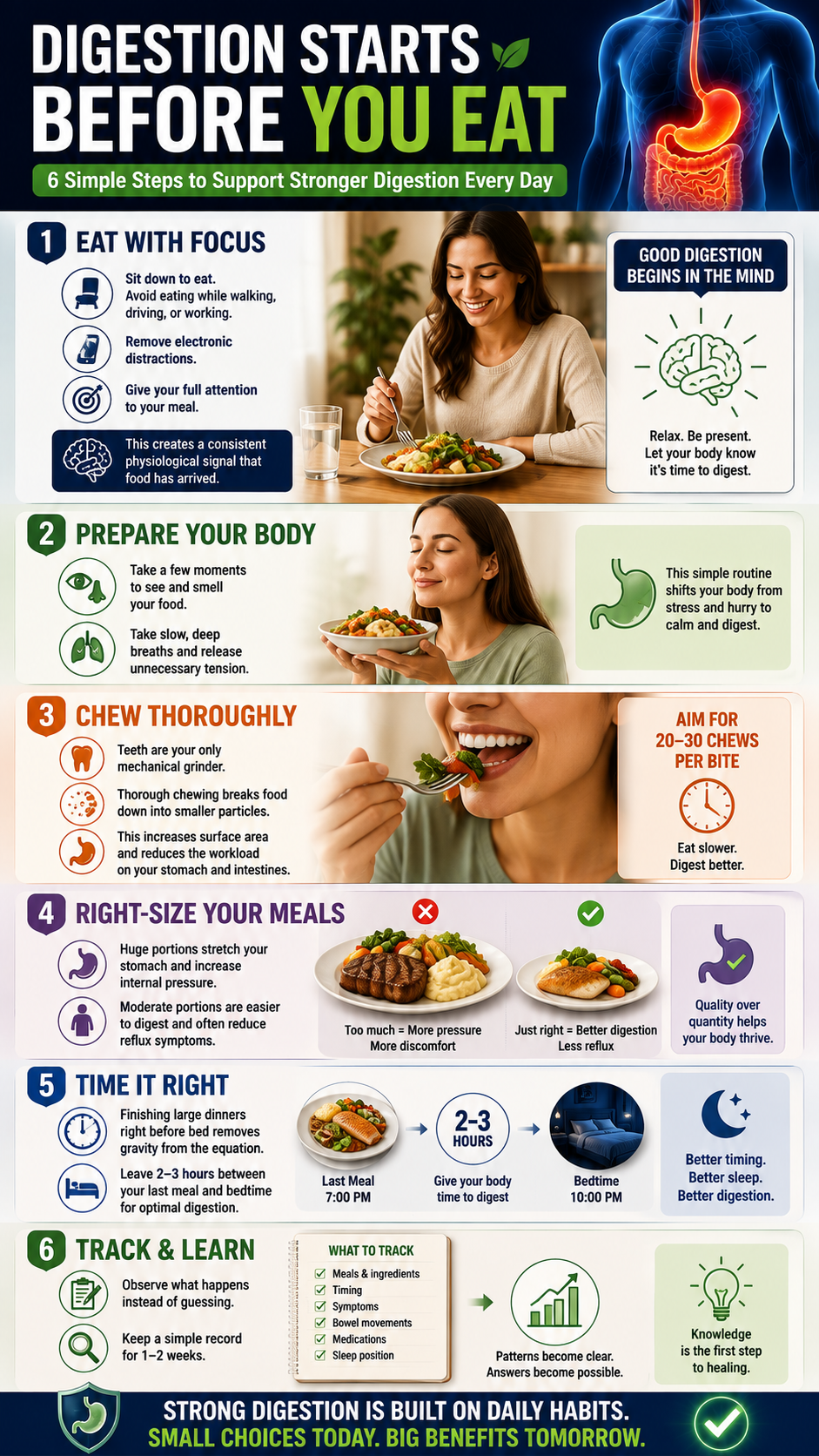
Meal size also changes digestive mechanics. Huge portions stretch the stomach and increase internal pressure. People experiencing reflux often tolerate moderate portions better than enormous evening meals.
Timing matters just as much. Finishing a large dinner shortly before lying down removes gravity from the digestive equation. Leaving several hours between dinner and bedtime often provides a more favorable mechanical environment.
Observe what happens instead of guessing. Keep a simple written record of meals, timing, symptoms, bowel movements, medications, and sleep position. Patterns that seemed invisible often become obvious after one or two weeks.
Learn What Your Symptoms Are Actually Saying
A digestive journal should capture more than which foods caused discomfort. Timing provides valuable clues because symptoms beginning immediately after eating may suggest different mechanisms than symptoms appearing several hours later.
Pay attention to whether belching occurs before burning. Notice whether large meals trigger symptoms more reliably than specific ingredients. Observe whether protein produces heaviness, while carbohydrate-heavy meals create greater fermentation.
Body position can offer another clue. Symptoms that intensify when bending forward or lying flat may carry a strong mechanical component. Nighttime coughing, throat irritation, or sour regurgitation also deserve careful attention.
Constipation should not be ignored because accumulated stool and abdominal distension can increase pressure within the abdomen. Supporting regular bowel movements may reduce one contributor to digestive pressure.
These observations do not replace diagnostic testing. They create a better map for deciding what deserves investigation.
Support Digestion With Real Food First
The stomach requires raw materials to maintain normal tissue and digestive activity. A diet dominated by refined snacks, sweetened beverages, ultra-processed meals, and nutrient-poor foods provides little nutritional support.
Protein remains especially important because digestive enzymes, transport proteins, immune compounds, and structural tissues all require amino acids. Avoiding protein because it feels difficult to digest may gradually worsen nutritional resilience.
Micronutrients deserve equal consideration. Zinc, magnesium, B vitamins, iron, and other nutrients participate in cellular metabolism throughout the gastrointestinal system. Correcting deficiencies can support normal physiology when deficiency exists.
Salt receives frequent attention because chloride contributes to hydrochloric acid. However, consuming excessive salt does not automatically correct hypochlorhydria. Gastric acid production involves specialized cells, neurological signaling, hormones, energy metabolism, and intact gastric tissue.
Hydration should also remain reasonable rather than ideological. Ordinary fluid consumption with meals does not permanently extinguish stomach acid. The stomach continually adjusts secretions according to its contents.
Focus instead upon nutrient density, proper chewing, sensible portions, and individualized food tolerance. Strong digestion requires a functioning biological system, not one magical ingredient.
Betaine HCl Requires More Respect Than Social Media Gives It
Betaine hydrochloride has become synonymous with low stomach acid in many natural-health discussions. Supplemental HCl can clearly lower gastric pH under certain experimental conditions. That physiological effect explains why clinicians sometimes consider it.
Yet producing greater acidity and proving a patient needs greater acidity are entirely different matters. Someone with gastritis, an ulcer, significant esophageal irritation, or another gastric condition may worsen after adding acid.
Popular home protocols sometimes recommend increasing HCl capsules until warmth or discomfort appears. Such approaches should not be confused with validated diagnostic testing. Symptoms remain subjective and cannot reliably measure gastric acid output.
Anyone considering supplemental HCl should first understand why hypochlorhydria seems likely. Medication history, gastritis risk, H. pylori status, ulcer history, and other symptoms all matter.
The goal should never involve replacing automatic acid suppression with automatic acid supplementation. Functional care should become more precise, not merely more natural.
Digestive Bitters and the Lost Preparation for Eating
Traditional cultures frequently consumed bitter herbs and foods before or during meals. Modern physiology has since identified bitter taste receptors throughout several gastrointestinal tissues. These receptors participate in digestive signaling.
That discovery makes traditional bitters interesting, although it does not prove every marketed bitter formula treats low stomach acid. Botanical preparations also contain biologically active compounds capable of interacting with medications and existing conditions.
Bitter foods can still provide a useful dietary signal when tolerated. Arugula, radicchio, dandelion greens, herbs, and other bitter plants introduce flavors largely missing from ultra-processed diets.
The deeper lesson reaches beyond any single herb. Digestion thrives when meals engage smell, taste, chewing, and anticipatory signaling. Modern eating often strips away those cues while replacing them with speed and convenience.
Restoring the ritual of eating can therefore support physiology without pretending ritual alone cures gastric disease.
Address the Mechanical Causes of Reflux
Low stomach acid should never distract attention from basic reflux mechanics. A stomach repeatedly pushed upward by excessive pressure can reflux regardless of acid production.
Large abdominal circumference increases pressure around the stomach. Pregnancy can create similar mechanical stress. Constipation, extreme bloating, tight clothing, and enormous meals may further increase intra-abdominal pressure.
Hiatal hernias deserve consideration when symptoms remain persistent. Part of the stomach can move through the diaphragmatic opening, changing the relationship between the diaphragm and lower esophageal sphincter.
Sleeping position and meal timing also matter. Gravity helps keep gastric contents downward while someone remains upright. Lying flat shortly after dinner removes that advantage.
Physical habits therefore belong beside biochemical investigation. Digestive health depends upon chemistry, anatomy, neurology, pressure, and movement working together.
Know When Home Care Is Not Enough
Persistent digestive symptoms deserve respect because several serious conditions initially resemble ordinary reflux. Difficulty swallowing should never become a long-term self-treatment project. Neither should vomiting blood, black stools, unexplained anemia, progressive weight loss, or persistent vomiting.
Severe chest pain requires appropriate evaluation because cardiac symptoms can resemble heartburn. Assuming every burning sensation comes from the stomach can become dangerous.
Long-standing reflux also deserves investigation because chronic acid exposure can damage esophageal tissue. Barrett’s esophagus and other complications require proper assessment rather than endless experimentation with supplements.
Repeated iron deficiency or vitamin B12 problems may also signal deeper gastric dysfunction. Investigating absorption matters when nutritional replacement repeatedly fails.
Home strategies work best as foundations rather than substitutes for necessary diagnosis. The safest functional approach combines intelligent self-care with objective evaluation when warning signs appear.
Rebuild the System Instead of Fighting the Symptom
The digestive tract operates like an orchestra rather than a collection of isolated organs. Stomach acid must coordinate with chewing, vagal signaling, gastric motility, pancreatic enzymes, bile, intestinal movement, and microbial defenses.
One disrupted element can strain several others. Low acidity may alter early protein digestion. Reduced microbial defense may change intestinal ecology. Increased fermentation can create pressure that worsens reflux.
The resulting symptoms often persuade people to remove more foods, add more supplements, and suppress more sensations. Eventually, the diet becomes smaller while the supplement cabinet becomes larger.
A better strategy rebuilds normal function wherever possible. Improve meal mechanics. Investigate persistent inflammation. Address microbial or structural problems when present. Correct nutritional deficiencies rather than merely covering their symptoms.
Most importantly, stop treating heartburn as a measurement of stomach acid production. Burning tells us that sensitive tissue encountered irritating gastric contents. It does not explain why those contents traveled upward.
The Real Story Behind “Too Much Acid”
Stomach acid has become one of digestion’s most misunderstood substances. People fear it because they feel the consequences when it reaches the wrong tissue. Yet the same acid performs essential work when it remains where nature intended.
Hydrochloric acid helps prepare protein for digestion, activates pepsin, influences nutrient availability, and limits incoming microbes. Suppressing it can become medically necessary, but chronic suppression changes normal digestive physiology.
Low stomach acid can emerge from damaged gastric tissue, H. pylori infection, autoimmune gastritis, medication use, and other physiological disturbances. Its symptoms often resemble those blamed upon excessive acid.
Meanwhile, reflux itself may originate from poor sphincter function, altered anatomy, abdominal pressure, meal timing, delayed gastric emptying, or several mechanisms simultaneously.
That complexity contains an empowering message. Digestive symptoms do not have to remain mysterious simply because one familiar explanation failed.
Look beyond the burn. Study what happens before it, what triggers it, and what accompanies it. Examine the stomach’s chemistry, the esophagus’s mechanics, the intestine’s microbial environment, and the nervous system controlling digestion.
Then build the solution around the mechanism rather than the symptom.
Sometimes healing begins with adding support. Other times it requires removing an irritant, correcting an infection, repairing dietary habits, or addressing structural dysfunction. Occasionally medication remains an important part of the solution.
The most important change, however, happens in the question itself.
Instead of asking, “How do I shut down my stomach acid?” ask, “Why has my digestive system stopped handling food normally?”
That question opens a much larger door. Behind it sits protein digestion, nutrient absorption, microbial balance, nervous-system signaling, gastric motility, esophageal function, inflammation, and the protective architecture of the stomach itself.
Heartburn may feel like a simple problem involving excess acid. Often, the story is far more complicated.
When the body creates a symptom, the symptom deserves attention. The mechanism behind that symptom deserves even more.
Understanding that difference can transform digestive care from endless symptom suppression into a thoughtful search for normal function.