
Every few years, a new infectious disease dominates headlines and sparks waves of public fear. Recently, hantavirus has re-entered public discussion, with alarming headlines, social media speculation, and comparisons to COVID-19. Whenever a virus begins trending in the media, anxiety tends to spread faster than the disease itself. Fear-based reporting attracts attention, increases clicks, and drives emotional reactions, but it rarely helps people think clearly about their health.
Hantavirus is a real infectious disease that deserves respect and awareness, but it is not a reason for widespread panic. Understanding its history, transmission patterns, outbreaks, and actual risk profile helps separate scientific reality from emotional sensationalism. The more people understand what hantavirus is — and what it is not — the less likely they are to become trapped in fear-driven narratives.
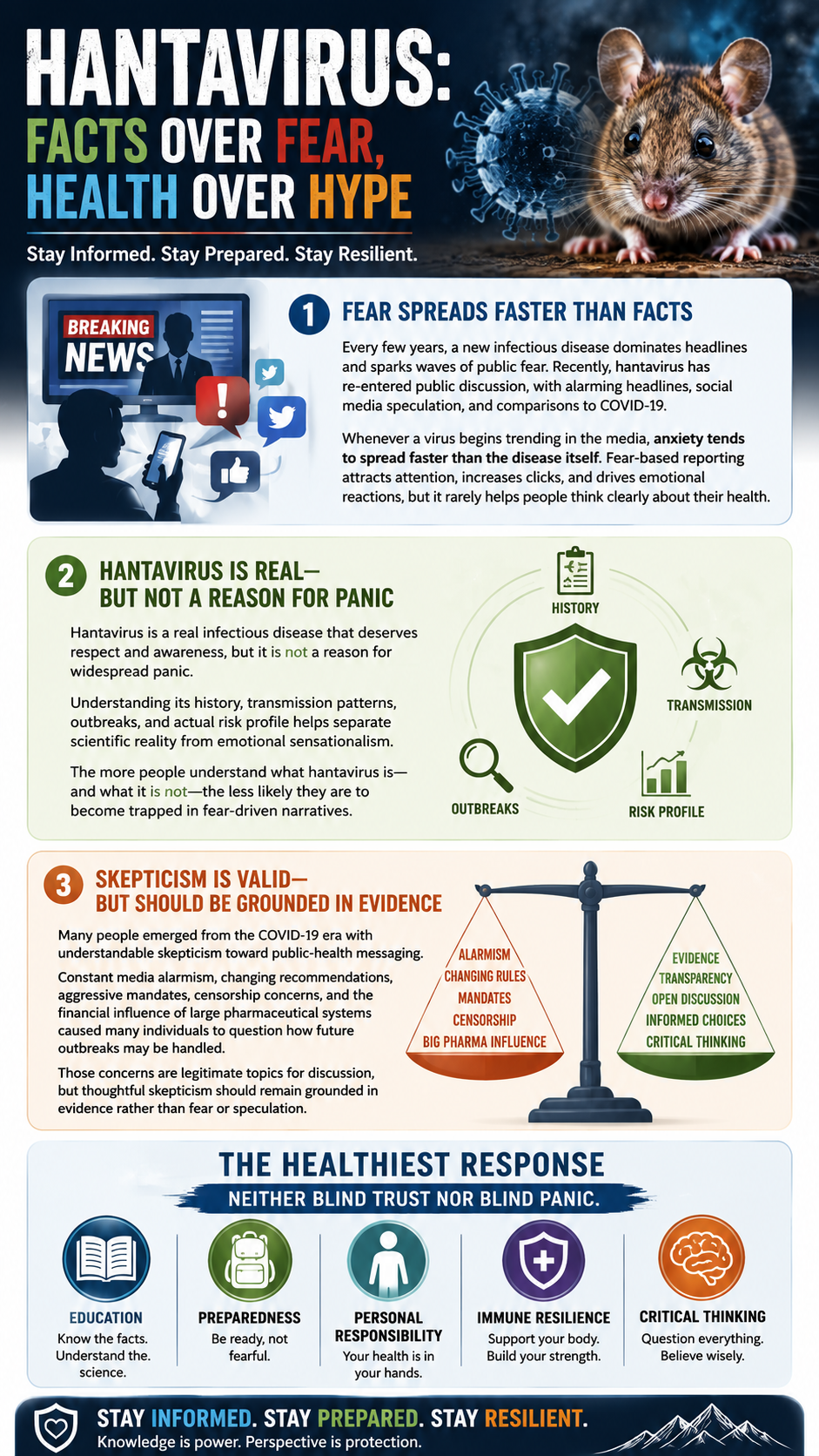
At the same time, many people emerged from the COVID-19 era with understandable skepticism toward public-health messaging. Constant media alarmism, changing recommendations, aggressive mandates, censorship concerns, and the financial influence of large pharmaceutical systems caused many individuals to question how future outbreaks may be handled. Those concerns are legitimate topics for discussion, but thoughtful skepticism should remain grounded in evidence rather than fear or speculation.
The healthiest response is neither blind trust nor blind panic. The healthiest response is education, preparedness, personal responsibility, immune resilience, and critical thinking.
What Is Hantavirus?
Hantaviruses are a family of viruses primarily carried by rodents. Humans are most commonly exposed through contact with infected rodent urine, saliva, droppings, or contaminated dust particles that become airborne when disturbed. In the United States, the most recognized illness associated with hantavirus is called Hantavirus Pulmonary Syndrome (HPS). (cdc.gov)
Unlike influenza or COVID-19, hantavirus is not known to spread efficiently from person to person in North America. Most cases occur after environmental exposure involving rodents. The Andes strain found in parts of South America has demonstrated rare human-to-human transmission under close-contact conditions, but this remains uncommon.
Most infections occur in situations such as:
- cleaning sheds, barns, or garages
- entering cabins that have been closed for long periods
- disturbing rodent nests
- exposure during farming or outdoor labor
- handling contaminated materials in poorly ventilated spaces
The deer mouse is the primary carrier associated with hantavirus in much of the United States.
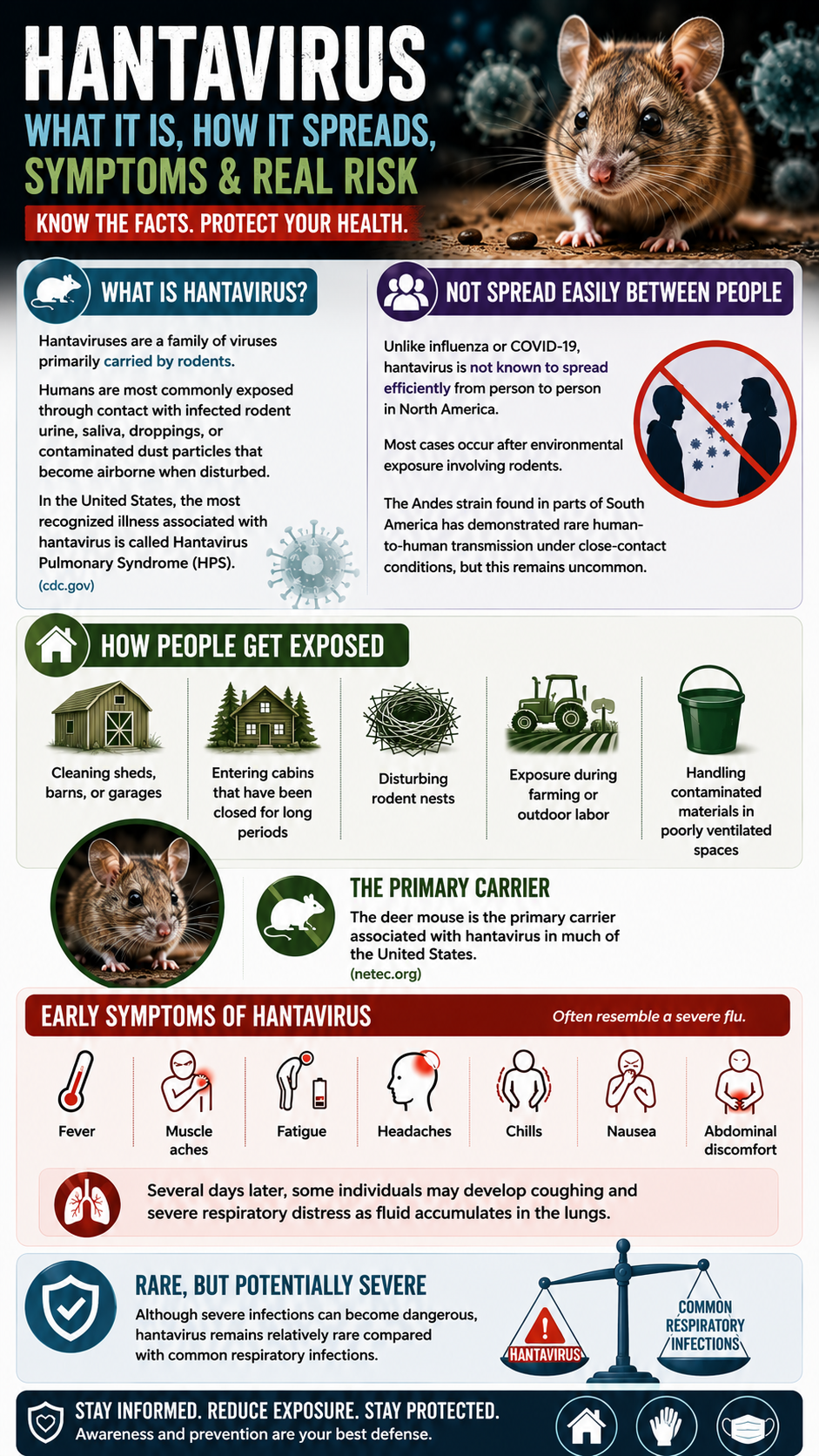
Early symptoms often resemble a severe flu:
- fever
- muscle aches
- fatigue
- headaches
- chills
- nausea
- abdominal discomfort
Several days later, some individuals may develop coughing and severe respiratory distress as fluid accumulates in the lungs.
Although severe infections can become dangerous, hantavirus remains relatively rare compared with common respiratory infections.
The History of Hantavirus
The name “hantavirus” originates from the Hantan River region of Korea, where thousands of soldiers developed hemorrhagic fever during the Korean War in the early 1950s. Researchers later discovered that rodents were the primary source of infection.
For decades, hantaviruses remained largely unknown to the general public until a major outbreak occurred in 1993 in the Four Corners region of the United States, where Arizona, Colorado, New Mexico, and Utah intersect.
Healthy young adults suddenly developed severe respiratory illness, and several deaths occurred rapidly. Investigators initially struggled to identify the cause. Eventually, researchers discovered a previously unknown hantavirus strain later named the Sin Nombre virus.
Environmental conditions played a major role in the outbreak. Heavy rainfall associated with El Niño weather patterns dramatically increased vegetation growth, which expanded food supplies for rodents. Deer mouse populations surged, increasing the likelihood of human exposure.
Despite the alarming media attention surrounding the outbreak, hantavirus never evolved into a widespread pandemic because its transmission dynamics differ fundamentally from highly contagious respiratory viruses.
Since 1993, sporadic cases have continued to occur throughout North and South America, almost always linked to rodent exposure rather than sustained community spread.
Survival Rates and Actual Risk
One reason hantavirus sounds frightening is because severe Hantavirus Pulmonary Syndrome carries a significant mortality rate once advanced respiratory symptoms develop. CDC estimates place fatality rates near 35–40% among severe HPS cases.
However, context matters enormously.
A disease can have a high fatality percentage while still remaining extremely rare overall. Hantavirus infections occur in relatively small numbers annually in the United States compared with influenza, RSV, or COVID-19 infection totals.
Risk also depends heavily on exposure circumstances. Someone cleaning an abandoned barn filled with rodent droppings faces a very different risk profile than someone living in a modern urban apartment with minimal rodent exposure.
Fear-driven headlines often remove this context. Hearing “40% mortality rate” without hearing “rare rodent-linked exposure” creates emotional panic rather than informed understanding.
Preparedness is far more useful than fear.
Comparing Hantavirus and COVID-19
Because every modern outbreak tends to be compared to COVID-19, many people naturally wonder how hantavirus differs biologically and epidemiologically.
The differences are substantial.
Transmission Differences
COVID-19 spreads efficiently from person to person through respiratory droplets and aerosols.
Hantavirus in North America spreads primarily from rodents to humans through environmental exposure.
That single distinction dramatically changes the overall public-health risk.
COVID-19 spread globally because infected humans continually transmitted the virus through travel, schools, businesses, crowds, and households.
Hantavirus generally requires direct or indirect rodent exposure.
Viral Structure and Spike Proteins
COVID-19 is caused by SARS-CoV-2, a coronavirus that uses a highly studied spike protein to bind ACE2 receptors and enter human cells.
That spike protein became central to vaccine development because it plays a critical role in viral entry and immune recognition.
Hantaviruses belong to an entirely different viral family and use different surface proteins and cellular entry mechanisms.
Although many viruses possess surface proteins that help them infect cells, the SARS-CoV-2 spike protein received extraordinary attention because of its unique role in the COVID-19 pandemic and vaccine design.
Infection Dynamics
COVID-19 demonstrated extraordinary capacity for rapid mutation and global human transmission.
Hantavirus remains closely tied to ecological rodent exposure patterns rather than widespread human-to-human spread.
That distinction is critical when evaluating overall societal risk and determining appropriate responses.
Media Fear Cycles and Public Skepticism
The COVID-19 era fundamentally changed how many people view public-health messaging. During that period, society experienced:
- nonstop fear-driven media coverage
- rapidly changing recommendations
- social division
- lockdowns
- economic disruption
- censorship concerns
- politicization of medicine
- intense debate surrounding pharmaceutical interventions
As a result, many individuals became understandably skeptical of future outbreak narratives.
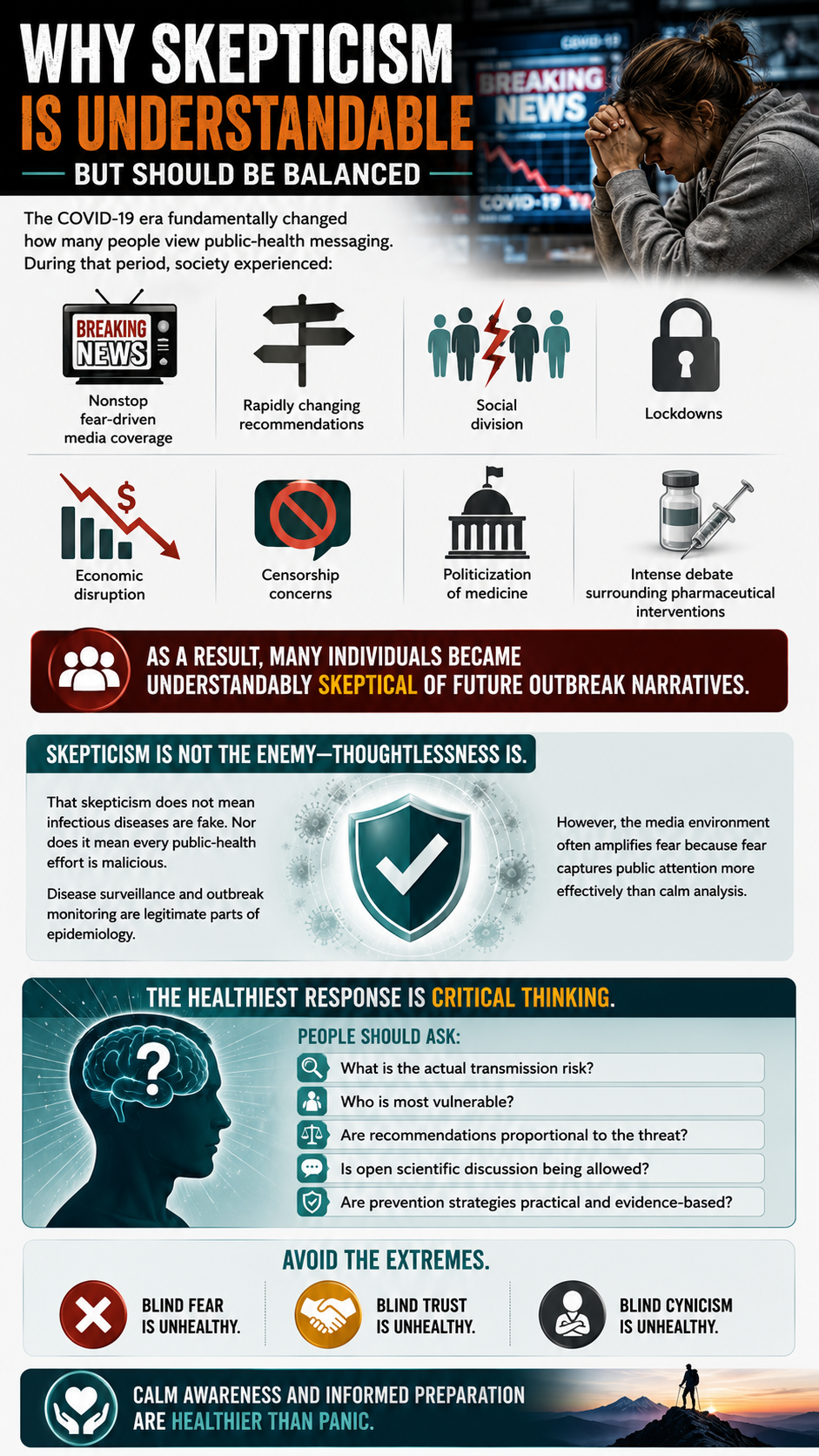
That skepticism does not mean infectious diseases are fake. Nor does it mean every public-health effort is malicious. Disease surveillance and outbreak monitoring are legitimate parts of epidemiology.
However, the media environment often amplifies fear because fear captures public attention more effectively than calm analysis.
The healthiest response is critical thinking.
People should ask:
- What is the actual transmission risk?
- Who is most vulnerable?
- Are recommendations proportional to the threat?
- Is open scientific discussion being allowed?
- Are prevention strategies practical and evidence-based?
Blind fear is unhealthy.
Blind trust is unhealthy.
Blind cynicism is unhealthy.
Calm awareness and informed preparation are healthier than panic.
The Importance of Immune Resilience
One of the biggest lessons from recent years is that metabolic health profoundly influences immune resilience.
Individuals with:
- obesity
- insulin resistance
- diabetes
- chronic inflammation
- nutrient deficiencies
- poor sleep
- sedentary lifestyles
often experience worse outcomes with infectious illnesses in general.
The immune system is not built during a crisis. It is shaped daily through:
- nutrition
- sleep
- movement
- stress management
- gut health
- sunlight exposure
- toxin burden
- nervous-system balance
No lifestyle program can guarantee immunity from infection. However, improving metabolic and immune health may improve resilience, adaptability, and recovery potential.
Functional Foundations for Supporting Immune Health
The goal is not to live in fear of microbes. The goal is to create a body that is resilient, adaptable, and metabolically healthy.
Sleep Optimization
Sleep deprivation weakens immune signaling, increases inflammatory cytokines, elevates cortisol, and impairs recovery capacity.
Prioritize:
- 7.5–9 hours of sleep
- consistent bedtime routines
- reducing blue-light exposure at night
- cool, dark sleeping environments
Blood Sugar Stabilization
Chronically elevated blood sugar impairs immune responsiveness and increases systemic inflammation.
Focus on:
- protein-rich meals
- healthy fats
- minimizing ultra-processed foods
- limiting excessive sugar intake
Protein Intake
Immune cells require amino acids for repair and antibody production.
Helpful protein sources may include:
- grass-fed beef
- wild-caught fish
- turkey
- eggs if tolerated
- bone broth
Gut Health Support
Much of the immune system is connected to gut-associated lymphoid tissue.
Supportive strategies include:
- fiber-rich vegetables
- fermented foods if tolerated
- reducing processed foods
- improving digestion
- hydration
Vitamin D and Micronutrients
Vitamin D plays an important role in immune regulation.
Many adults have low vitamin D levels due to limited sunlight exposure and indoor lifestyles.
Testing vitamin D levels is preferable to blindly supplementing.
Other nutrients frequently discussed in immune-support research include:
- zinc
- magnesium
- selenium
- omega-3 fatty acids
- vitamin C
Movement and Sunlight
Moderate exercise supports:
- circulation
- lymphatic movement
- insulin sensitivity
- stress regulation
- immune surveillance
Daily sunlight exposure also supports circadian rhythm regulation and vitamin D production.
Subluxation, Chiropractic Care, and Nervous-System Resilience
One frequently overlooked aspect of immune health is the role of the nervous system.
The autonomic nervous system helps regulate:
- inflammation
- stress responses
- digestion
- hormone signaling
- lymphatic activity
- immune communication throughout the body
Within chiropractic theory, vertebral subluxations are described as dysfunctional spinal patterns that may contribute to altered nervous-system signaling, increased muscular tension, restricted mobility, and chronic sympathetic stress responses.
Chronic sympathetic dominance — often referred to as “fight-or-flight overload” — has been associated with:
- elevated inflammatory signaling
- poor sleep quality
- impaired digestion
- increased cortisol production
- reduced adaptability to stress
Chiropractic care aims to improve spinal motion, reduce biomechanical stress, and support healthier nervous-system balance.
Many patients report improvements in:
- sleep
- mobility
- stress tolerance
- breathing mechanics
- energy levels
- overall well-being
Some preliminary research has explored relationships between spinal manipulation and immune-system markers, though the evidence remains limited and continues evolving. Chiropractic care should not be presented as a cure for viral illness. However, many integrative practitioners view nervous-system optimization as one component of a broader wellness strategy focused on resilience and adaptability.
A comprehensive approach to immune resilience may include:
- restorative sleep
- anti-inflammatory nutrition
- exercise
- sunlight exposure
- stress reduction
- gut support
- hydration
- toxin reduction
- proper spinal function and mobility
The goal is not simply avoiding illness. The goal is building a body that responds to stressors more efficiently.
Practical Rodent Prevention Strategies
The most effective hantavirus prevention strategy is reducing rodent exposure.
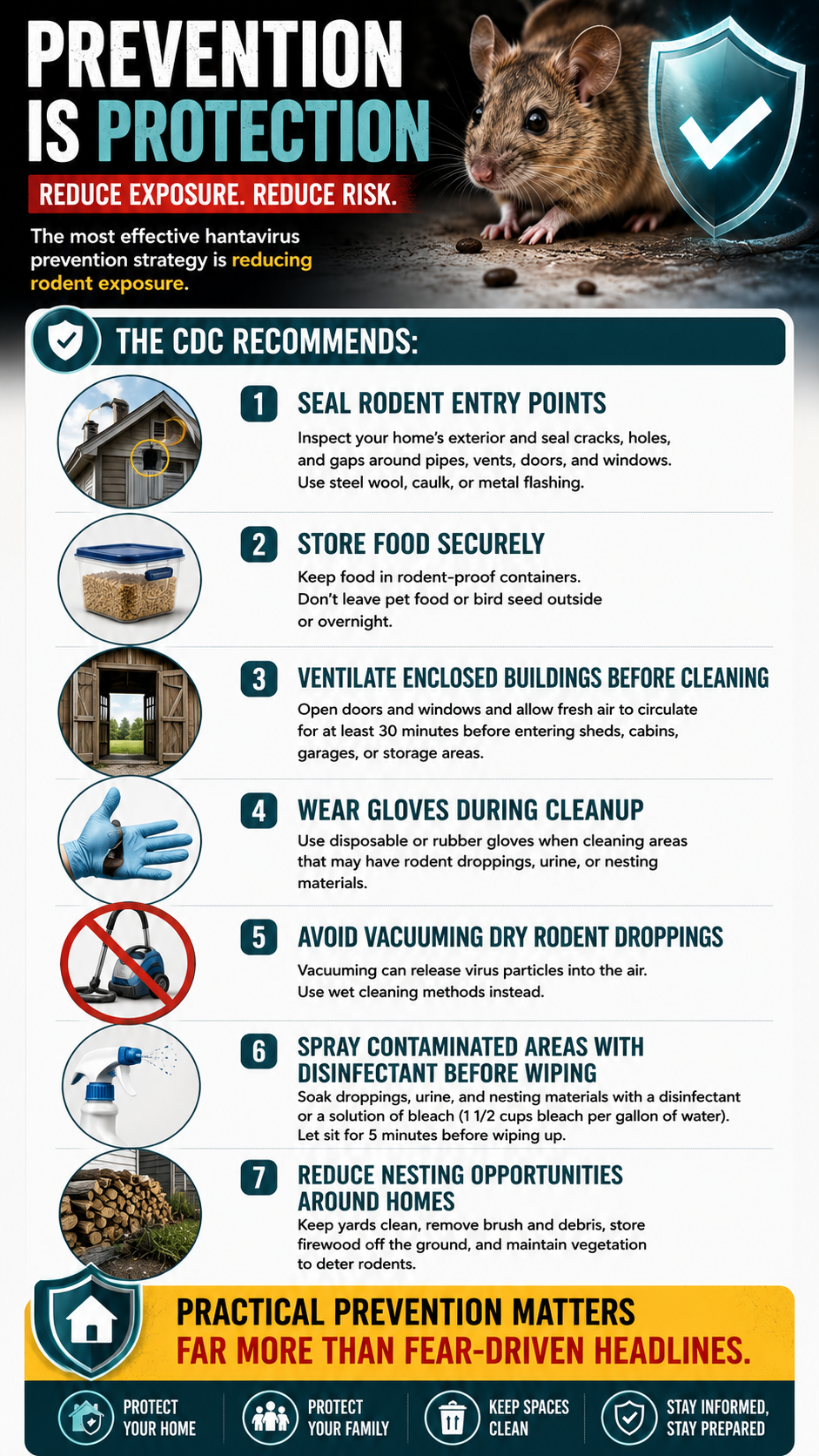
The CDC recommends:
- sealing rodent entry points
- storing food securely
- ventilating enclosed buildings before cleaning
- wearing gloves during cleanup
- avoiding vacuuming dry rodent droppings
- spraying contaminated areas with disinfectant before wiping
- reducing nesting opportunities around homes
Practical prevention matters far more than fear-driven headlines.
What To Do If You Become Sick
If someone develops viral symptoms, supportive care matters early.
General supportive wellness strategies often include:
- hydration
- electrolyte support
- rest
- adequate protein intake
- fever monitoring
- reducing processed inflammatory foods
- avoiding smoking and excessive alcohol
- maintaining communication with a qualified healthcare provider
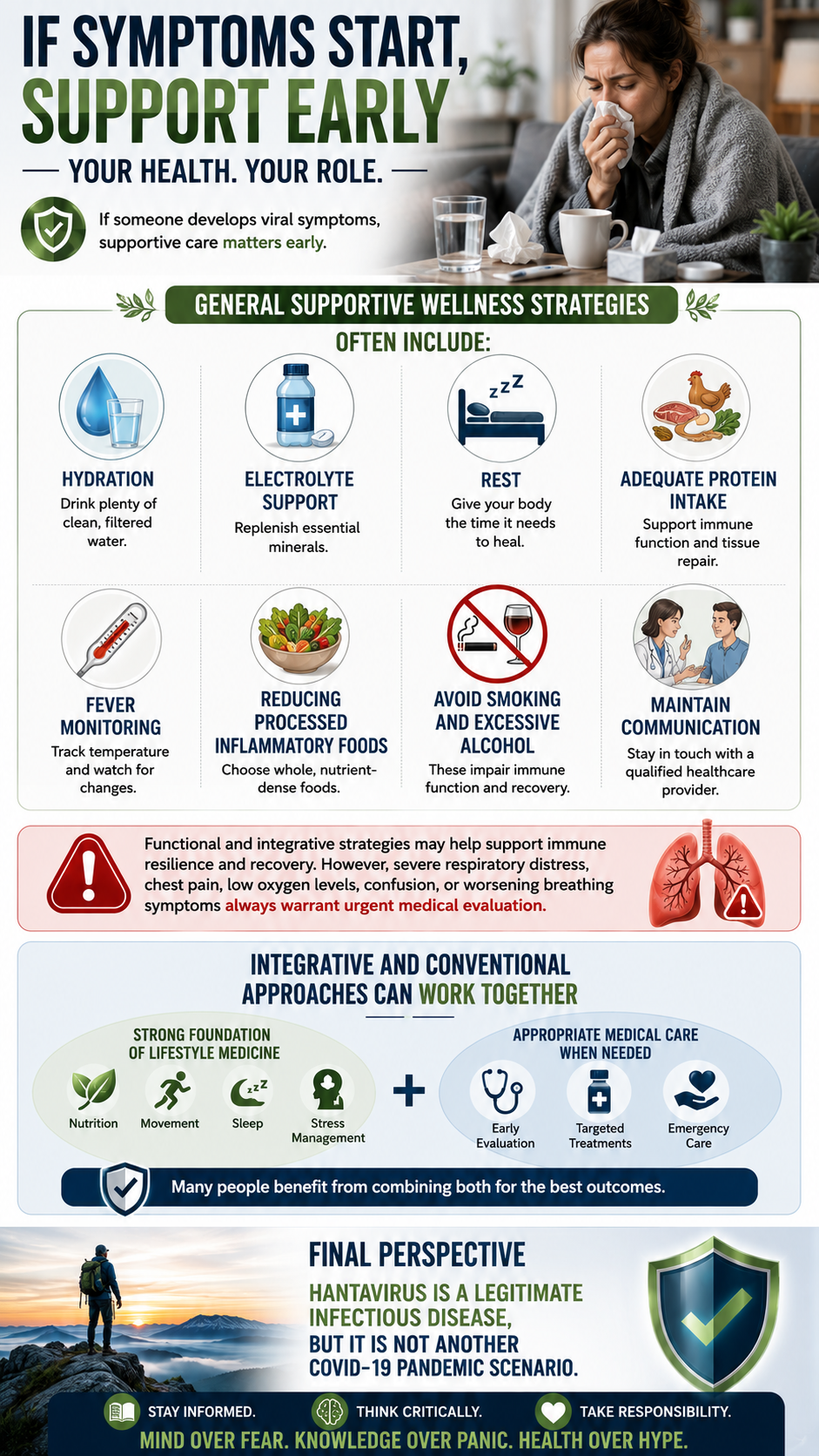
Functional and integrative strategies may help support immune resilience and recovery. However, severe respiratory distress, chest pain, low oxygen levels, confusion, or worsening breathing symptoms always warrant urgent medical evaluation.
Integrative and conventional approaches do not have to be enemies. Many people benefit from combining strong lifestyle medicine foundations with appropriate emergency care when necessary.
Final Perspective
Hantavirus is a legitimate infectious disease, but it is not another COVID-19 pandemic scenario.
Its transmission patterns differ.
Its epidemiology differs.
Its risk profile differs.
Fear spreads faster than most viruses.
People should absolutely stay informed and proactive about their health. Building metabolic resilience, improving sleep, optimizing nutrition, reducing chronic inflammation, supporting nervous-system balance, and strengthening overall wellness are wise strategies regardless of which illness dominates headlines.
Panic is not protection.
Chronic fear weakens health rather than strengthening it.
The better path is calm awareness, critical thinking, practical prevention, immune resilience, and consistent daily habits that strengthen the body over time.