
The Fiber Paradox: When Eating Healthier Makes Your Digestive System Worse
Every morning, millions of people begin a familiar ritual designed to overcome their stubborn constipation. They blend chia seeds into smoothies, swallow fiber supplements, prepare vegetable-packed meals, and drink enormous quantities of water. Their refrigerators overflow with leafy greens, while their kitchen cabinets contain psyllium husk, flaxseed, and digestive health powders. Yet despite these efforts, their stomachs remain swollen, their bowels refuse to cooperate, and their frustration intensifies. They follow nearly every recommendation for digestive health, but somehow their constipation becomes worse.
The contradiction raises an important question that deserves far more attention within modern healthcare. What happens when the very foods recommended to relieve constipation actually intensify the underlying problem? For many individuals, inadequate dietary fiber never caused their digestive difficulties in the first place. Instead, their intestines struggle with impaired movement, abnormal muscular coordination, excessive fermentation, or underlying metabolic disturbances. Adding more fiber may increase intestinal contents without correcting the physiological dysfunction responsible for their symptoms.
Imagine a highway where traffic has stopped because several lanes remain completely blocked. Adding hundreds of additional vehicles will not resolve the congestion or restore normal traffic flow. Instead, the growing number of vehicles creates greater pressure throughout an already overwhelmed transportation system. A similar situation can develop inside the colon when intestinal movement becomes sluggish or evacuation becomes difficult. Understanding this distinction reveals why constipation often requires more than another dietary adjustment.
The Great Fiber Misunderstanding: How Good Nutritional Advice Became an Incomplete Solution
Dietary fiber plays an important role in maintaining digestive health, but its benefits depend on several physiological factors. Soluble fiber absorbs water, helping soften stool and improve consistency during its passage through the intestines. Insoluble fiber increases stool bulk and may stimulate intestinal movement in individuals with adequate digestive function. Certain fermentable fibers also nourish intestinal microorganisms that produce compounds supporting the intestinal lining and metabolic health. These benefits explain why fiber remains an important component of a balanced diet.
However, different fibers behave differently once they enter the digestive tract. Psyllium forms a water-retaining gel, while wheat bran primarily increases the physical bulk of intestinal contents. Inulin and certain prebiotic fibers undergo extensive bacterial fermentation, potentially producing considerable quantities of intestinal gas. Someone with normal intestinal movement may tolerate these substances without difficulty, while another person develops significant bloating. The digestive system’s underlying condition ultimately influences whether increasing fiber provides relief or aggravates existing symptoms.
The problem begins when healthcare recommendations treat constipation as though insufficient fiber explains every case. Increasing dietary bulk cannot reliably correct impaired intestinal contractions, dysfunctional pelvic floor muscles, or medication-induced constipation. Research demonstrates that psyllium can improve chronic constipation, although evidence supporting other fiber supplements varies considerably. This distinction makes personalized dietary recommendations more valuable than simply encouraging everyone to consume increasingly large amounts. Effective digestive care begins by identifying what prevents normal bowel movements rather than assuming every patient needs additional fiber.
Slow Gut Motility: The Hidden Traffic Jam Inside Your Colon
The human digestive tract contains an intricate system of muscles and nerves responsible for transporting food and waste. Coordinated muscular contractions move intestinal contents forward while allowing time for nutrient absorption and digestive processing. Scientists describe these movements as gastrointestinal motility, an essential component of healthy digestive function. When motility becomes impaired, intestinal contents may remain inside the colon considerably longer than normal. This delayed movement can produce persistent constipation even when dietary fiber intake appears adequate.
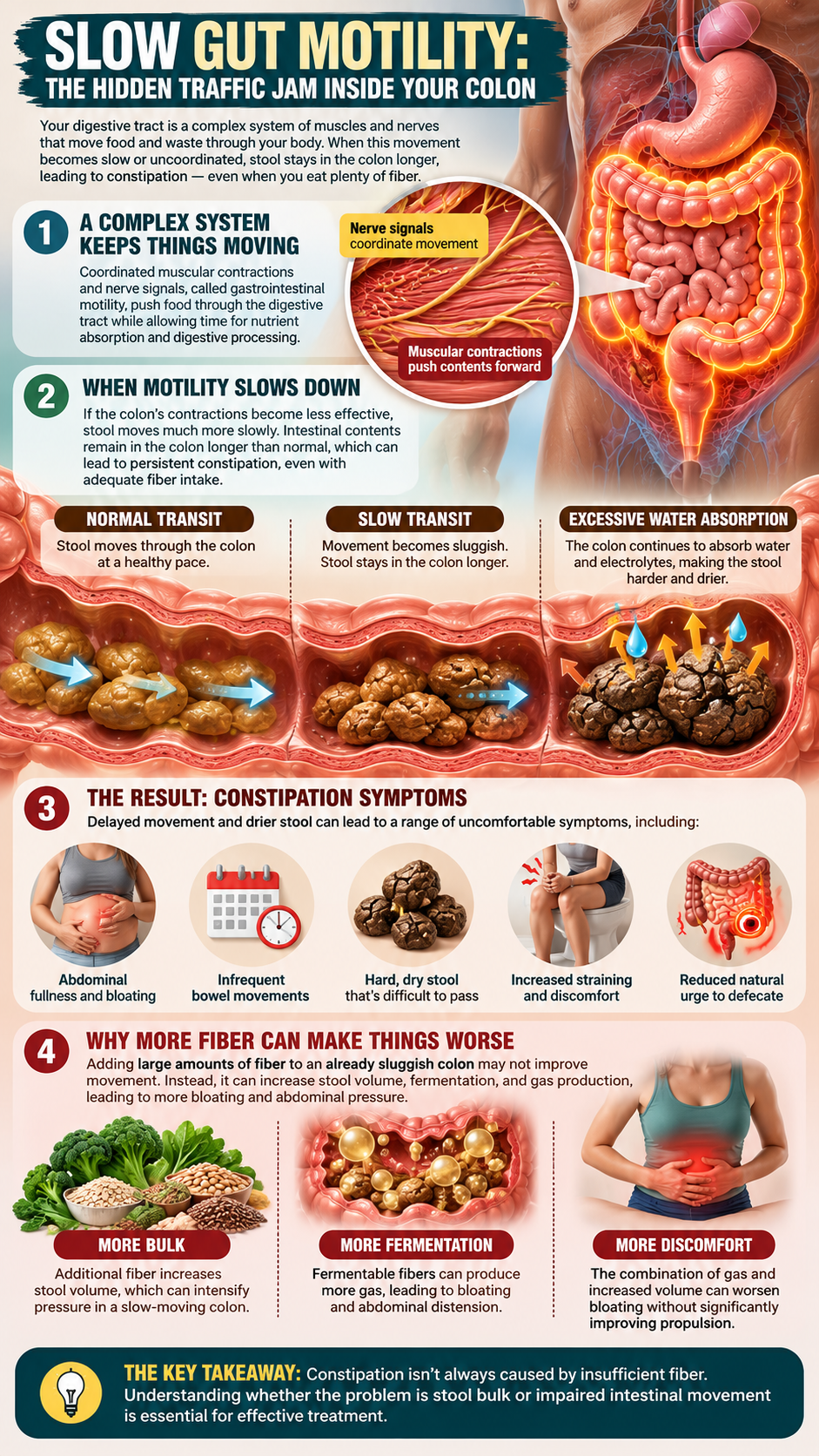
The colon continuously absorbs water and electrolytes from material passing through its interior. When stool remains inside the colon for extended periods, additional water absorption can make it increasingly dry. Harder stool becomes more difficult to move, potentially increasing straining and discomfort during elimination. Individuals with slow-transit constipation frequently experience infrequent bowel movements, abdominal fullness, and reduced natural urges to defecate. Some may go several days without experiencing the normal signals that encourage a bowel movement.
Adding large quantities of fiber to an already sluggish colon may intensify bloating without sufficiently improving propulsion. Fermentable fibers can increase gas production while additional stool volume contributes to abdominal pressure and distension. Nevertheless, some individuals with slow transit still benefit from carefully selected fiber and appropriate hydration. The important distinction involves understanding whether insufficient stool bulk or impaired intestinal movement drives the symptoms. Without that information, patients may continue increasing fiber while overlooking the actual cause of their constipation.
Your Second Brain: How Nervous System Dysfunction Influences Bowel Movements
Hidden within the intestinal walls lies an extraordinary neurological network called the enteric nervous system. This collection of neurons coordinates intestinal contractions, digestive secretions, and communication between different gastrointestinal regions. Researchers sometimes describe this network as the second brain because it regulates numerous digestive functions independently. However, it also communicates continuously with the central nervous system through complex neurological and hormonal pathways. Healthy digestion depends on these systems working together to coordinate movement and intestinal function.
The vagus nerve influences important digestive activities, particularly within the stomach and upper gastrointestinal tract. Other autonomic pathways, including pelvic parasympathetic nerves, help regulate activity throughout the lower colon and rectum. When neurological signaling becomes disrupted, intestinal movement may slow or become poorly coordinated. Certain neurological diseases directly affect digestive motility, while chronic stress can alter intestinal sensitivity and bowel habits. Sleep disturbances and irregular daily routines may further interfere with normal patterns of elimination.
These relationships highlight the importance of considering neurological health when investigating persistent constipation. However, constipation does not automatically indicate vagus nerve dysfunction, spinal misalignment, or impaired communication between the brain and intestines. Evidence does not currently establish chiropractic adjustments as an effective treatment for chronic constipation. A comprehensive functional approach should consider neurological influences alongside metabolic health, medications, and intestinal motility disorders. Investigating these interconnected systems provides a more complete picture than focusing exclusively on dietary fiber.
When Your Microbiome Turns Healthy Fiber Into Excessive Gas
Your intestinal microbiome contains an extraordinary collection of microorganisms that interact with food components escaping digestion. Many beneficial bacteria ferment dietary carbohydrates and fibers, producing compounds called short-chain fatty acids. These substances include butyrate, acetate, and propionate, which participate in intestinal metabolism and epithelial health. Under normal circumstances, microbial fermentation represents an important component of digestive physiology. However, fermentation also produces gases that can become uncomfortable when intestinal sensitivity or gas movement changes.
Certain foods contain carbohydrates that undergo particularly extensive fermentation inside the digestive tract. Onions, garlic, legumes, chicory root, and inulin-rich supplements frequently increase intestinal gas production in susceptible individuals. Someone with impaired intestinal transit may experience substantial abdominal pressure after consuming these otherwise nutritious foods. The resulting bloating can make the abdomen feel stretched, uncomfortable, and unusually full after meals. These symptoms sometimes lead people to consume even more fiber, mistakenly believing their digestive system requires additional stimulation.
Importantly, excessive gas does not automatically indicate harmful bacteria or an abnormal intestinal microbiome. Differences in microbial metabolism, intestinal sensitivity, and digestive movement can influence how individuals respond to fermentable foods. People with irritable bowel syndrome may experience particularly noticeable symptoms after consuming certain fermentable carbohydrates. Eliminating every fiber-rich food can unnecessarily restrict dietary diversity and reduce beneficial microbial substrates. Understanding which fibers aggravate symptoms offers a more reasonable approach than indiscriminately increasing or eliminating all dietary fiber.
Methane-Producing Microorganisms: An Overlooked Connection to Chronic Constipation
One intriguing area of digestive research involves methane production and its relationship with intestinal movement. Certain microorganisms called methanogenic archaea consume hydrogen produced during fermentation and convert it into methane. One frequently studied organism, Methanobrevibacter smithii, naturally inhabits the human intestinal environment. Researchers have identified associations between elevated methane production and slower gastrointestinal transit in some individuals. These findings suggest microbial activity may influence constipation through mechanisms extending beyond simple gas accumulation.
Experimental research indicates methane may affect intestinal muscular activity, potentially contributing to delayed movement of digestive contents. However, researchers continue investigating whether methane directly causes constipation or accompanies other physiological changes. Clinicians sometimes describe elevated intestinal methanogen activity as intestinal methanogen overgrowth, commonly abbreviated IMO. Breath testing can help identify elevated methane production when symptoms and medical history support further investigation. Nevertheless, methane testing does not provide a universal explanation for every patient experiencing constipation and bloating.
This distinction becomes particularly important when evaluating expensive microbiome supplements and aggressive intestinal cleansing protocols. Some products promise to eliminate harmful microorganisms without establishing whether those organisms contribute to the patient’s symptoms. Unnecessary antimicrobial interventions may produce side effects while failing to correct impaired motility or pelvic floor dysfunction. A thoughtful evaluation investigates common causes before pursuing specialized testing or restrictive treatment programs. Identifying the actual mechanism provides a stronger foundation for improving digestive health.
The Thyroid Connection: When Metabolism Slows, Digestion Can Follow
The thyroid gland influences metabolic activity throughout the body, including processes involved in gastrointestinal movement. When thyroid hormone production becomes insufficient, intestinal transit may slow alongside other physiological functions. Constipation can therefore develop as one manifestation of hypothyroidism, particularly when other characteristic symptoms appear. Individuals may also experience fatigue, cold intolerance, dry skin, and changes in body weight. These symptoms warrant consideration because the underlying problem may extend far beyond the digestive tract.
Thyroid dysfunction represents only one possible metabolic contributor to chronic constipation. Elevated blood calcium can interfere with intestinal activity, while diabetes-related neurological complications may affect gastrointestinal movement. Certain medications, including opioids, iron supplements, and anticholinergic drugs, can also impair bowel regularity. Appropriate laboratory testing and medication review help identify these contributors when clinical findings justify investigation. Increasing fiber alone cannot reliably correct constipation caused by an untreated metabolic disorder or medication effect.
Pelvic Floor Dysfunction: When Your Body Cannot Complete Elimination
Some individuals experience constipation despite relatively normal movement of stool through the colon. Their difficulty develops during the final stage of elimination, when coordinated muscular relaxation becomes essential. Normally, abdominal pressure increases while the anal sphincter and pelvic floor muscles relax to permit stool passage. When these muscles fail to coordinate, evacuation becomes difficult despite the presence of stool inside the rectum. Clinicians often describe this condition as pelvic floor dyssynergia, an important cause of chronic constipation.
Patients frequently describe prolonged straining, incomplete evacuation, or a persistent sensation of blockage. Some spend excessive time on the toilet despite experiencing a strong urge to defecate. Adding more fiber may increase stool volume without correcting the muscular coordination problem preventing elimination. Specialized testing can evaluate anorectal function, while pelvic floor biofeedback therapy can improve coordination in appropriately diagnosed individuals. Recognizing this condition can prevent years of unsuccessful dietary experimentation and unnecessary supplementation.
The Real Danger of Ignoring Persistent Constipation
Chronic constipation can gradually affect far more than bowel movement frequency. Persistent straining may contribute to hemorrhoids, anal fissures, and painful elimination. Abdominal discomfort and bloating can interfere with appetite, daily activities, and overall quality of life. Severe stool retention may occasionally progress to fecal impaction, particularly among vulnerable individuals. New constipation accompanied by rectal bleeding, unexplained weight loss, or significant pain requires appropriate medical evaluation.
The greatest misunderstanding involves treating constipation as one condition with one universal solution. Slow intestinal transit, excessive fermentation, thyroid dysfunction, medication effects, and pelvic floor disorders involve different physiological mechanisms. Each requires an approach that addresses its particular cause rather than simply increasing stool bulk. Restoring healthy bowel function begins by understanding what prevents the digestive system from moving and eliminating waste effectively. Once that underlying problem becomes clearer, meaningful digestive improvement becomes a more realistic and achievable goal.
The Road Back to Digestive Health Begins With Understanding Your Body
For someone struggling with chronic constipation, the bathroom can become a place of frustration rather than relief. Each morning brings another attempt to empty bowels that seem determined to remain inactive. Fiber supplements accumulate in kitchen cabinets, dietary restrictions become increasingly complicated, and abdominal bloating begins interfering with everyday life. Yet the real problem may have little to do with insufficient fiber. Instead, the digestive system may struggle with sluggish intestinal movement, excessive fermentation, or impaired muscular coordination.
Restoring digestive function requires recognizing that constipation develops through several different physiological mechanisms. Some individuals produce hard stools because intestinal contents remain inside the colon too long. Others experience normal stool movement but struggle to coordinate the muscles responsible for elimination. Still others develop constipation through medication effects, metabolic disturbances, or altered intestinal sensitivity. Each situation demands a different approach because no single dietary intervention addresses every underlying cause.
A functional approach begins by examining how the digestive system operates rather than simply measuring daily fiber consumption. Healthy elimination depends on coordinated intestinal contractions, appropriate hydration, neurological signaling, and effective pelvic floor relaxation. Supporting these processes can improve bowel regularity while reducing unnecessary dependence on dietary experimentation. The following strategies provide practical ways to encourage comfortable digestion while recognizing when further investigation becomes necessary.
Finding Your Fiber Sweet Spot Instead of Eating More and More
One of the most important changes involves reconsidering the belief that increasing fiber always improves digestive health. Many individuals consume large quantities of vegetables, chia seeds, flaxseed, and concentrated fiber powders every day. Their diets may contain substantially more fiber than their digestive systems comfortably tolerate. For someone with slow intestinal transit, additional bulk can intensify bloating without improving bowel movement frequency.
Begin by examining your typical food intake over several days, paying particular attention to supplemental fiber. Record how frequently you consume psyllium, wheat bran, inulin, chicory root, and fiber-fortified foods. Notice whether abdominal pressure increases after particular meals or supplements. These observations can help identify whether excessive fiber supplementation contributes to discomfort.
If symptoms began after increasing fiber intake, consider temporarily reducing recently added supplements while maintaining balanced nutrition. Avoid eliminating vegetables and other fiber-containing foods unnecessarily because they provide important nutrients and beneficial microbial substrates. Soluble fiber, particularly psyllium, may still improve stool consistency when introduced gradually with adequate fluids. The objective involves finding an appropriate fiber intake rather than pursuing the largest possible amount.
Hydration and Stool Consistency: Giving Your Colon the Water It Needs
The colon performs an essential balancing act by absorbing water and electrolytes from digestive contents. When stool moves slowly, prolonged water absorption can make bowel movements increasingly hard and difficult to pass. Inadequate hydration may compound this problem, particularly when someone consumes concentrated fiber supplements. However, drinking excessive water cannot independently correct every cause of constipation.
Establish a consistent hydration routine that begins shortly after waking and continues throughout the day. Drink according to thirst, activity level, environmental temperature, and individual medical needs. A glass of water with meals can help maintain regular fluid intake without requiring excessive consumption. People with kidney disease, heart failure, or prescribed fluid restrictions should follow individualized recommendations.

Warm beverages may encourage bowel activity in some individuals, particularly during the morning. This effect can complement normal digestive reflexes associated with waking and eating. Nevertheless, hydration works best when combined with appropriate dietary choices and healthy bowel habits. The goal involves maintaining stool moisture while supporting the body’s normal fluid balance.
Reconnecting With Your Body’s Natural Elimination Rhythm
Your digestive tract follows biological rhythms that influence when bowel movements naturally occur. One important mechanism, the gastrocolic reflex, increases colonic activity after eating. This response often becomes particularly noticeable after breakfast because waking and food consumption stimulate intestinal movement. Unfortunately, rushed mornings frequently interfere with these natural opportunities for elimination.
Create a predictable morning routine that allows enough time for digestion and an unhurried bathroom visit. After breakfast, consider allowing fifteen to thirty minutes before attempting a bowel movement. Sit comfortably, relax your abdomen, and avoid excessive straining when no natural urge develops. Establishing consistent bathroom opportunities may gradually improve bowel habits without forcing elimination.
Regular sleep patterns and consistent meal timing can further support predictable digestive rhythms. Repeatedly ignoring the urge to defecate may contribute to uncomfortable bowel habits. However, individuals with significant slow-transit constipation may experience limited urgency regardless of their routines. Persistent absence of bowel urges deserves investigation rather than increasingly forceful attempts to stimulate elimination.
The Overlooked Importance of Pelvic Floor Relaxation
Many people assume constipation means stool cannot travel efficiently through the colon. However, some individuals experience relatively normal intestinal transit but cannot release stool effectively. Their difficulty involves the pelvic floor muscles responsible for coordinating the final stage of elimination. When these muscles fail to relax appropriately, bowel movements become difficult despite adequate stool volume.
Modern toilet positioning may contribute to uncomfortable evacuation mechanics in certain individuals. Placing a small footstool beneath the feet elevates the knees and changes the angle between the rectum and anus. Leaning slightly forward while relaxing the abdominal muscles may improve comfort during elimination. These adjustments offer a simple at-home strategy that some people find helpful.
Avoid holding your breath and straining forcefully for extended periods. Excessive pushing can aggravate hemorrhoids and contribute to painful bowel movements. If stool consistently feels trapped despite appropriate positioning, pelvic floor dysfunction may require specialized assessment. Biofeedback therapy can retrain muscular coordination when clinicians identify a defecatory disorder.
Calming Excessive Fermentation Without Starving Your Microbiome
Your intestinal microbiome performs valuable metabolic functions, including fermenting dietary fibers into short-chain fatty acids. These compounds support intestinal physiology and contribute to healthy interactions between microorganisms and intestinal tissues. However, fermentation also generates gases that can increase bloating in susceptible individuals. People with impaired intestinal movement may experience considerable discomfort after consuming highly fermentable foods.
Onions, garlic, legumes, and foods containing added inulin frequently produce gas during intestinal fermentation. Individuals with irritable bowel syndrome may experience pronounced abdominal distension after consuming these ingredients. Identifying personal dietary triggers can help reduce discomfort without unnecessarily eliminating nutritious foods. A temporary reduction in poorly tolerated fermentable carbohydrates may provide relief for selected individuals.
Avoid assuming that every episode of bloating indicates harmful bacteria or intestinal infection. Microbial activity, intestinal sensitivity, and gas movement all influence digestive symptoms. Gradually reintroducing tolerated foods helps preserve nutritional variety and beneficial microbial activity. Persistent constipation accompanied by severe bloating may warrant evaluation for intestinal motility abnormalities or methane-associated dysfunction.
Movement, Metabolism, and the Power of Daily Physical Activity
The human digestive system responds to daily activity, sleep patterns, and broader metabolic conditions. Prolonged inactivity frequently accompanies constipation, particularly among individuals spending many hours sitting. Regular movement can support digestive function while improving cardiovascular health, glucose regulation, and overall physical well-being. Although exercise cannot correct every motility disorder, consistent activity may help improve bowel regularity.
Walking after meals offers an accessible way to incorporate movement into everyday life. Begin with ten to fifteen minutes at a comfortable pace and increase gradually according to physical ability. Gentle stretching and mobility exercises can complement walking when prolonged sitting contributes to discomfort. Consistency generally provides greater benefits than occasional strenuous exercise sessions.
Physical activity should support natural intestinal function rather than serve as an aggressive cleansing technique. No specific exercise reliably forces accumulated toxins from the colon or eliminates every cause of constipation. However, regular movement can complement hydration, appropriate nutrition, and consistent bowel habits. These simple lifestyle changes often provide a useful foundation for broader digestive care.
Looking Beyond the Intestines for Hidden Metabolic Obstacles
Sometimes the most important contributor to constipation originates outside the digestive tract. Hypothyroidism can slow intestinal movement, while elevated blood calcium may interfere with normal gastrointestinal activity. Diabetes-related neurological complications can also alter digestive function in certain individuals. These conditions deserve consideration when constipation persists despite reasonable dietary and lifestyle changes.
Medication history provides another valuable source of information about chronic digestive symptoms. Opioid pain medications, iron supplements, anticholinergic drugs, and certain antidepressants can contribute to constipation. Symptoms that begin after starting a medication may indicate a treatment-related effect. Discuss possible alternatives with the prescribing clinician rather than discontinuing prescribed medications independently.
Appropriate laboratory testing can help identify thyroid abnormalities and selected metabolic disturbances when symptoms justify investigation. However, extensive testing without clear clinical indications may create unnecessary expense and confusion. A targeted evaluation considers bowel patterns, accompanying symptoms, medical history, and medication exposure. Identifying a treatable underlying condition may produce greater improvement than repeatedly increasing dietary fiber.
Magnesium, Natural Remedies, and the Difference Between Relief and Recovery
Magnesium frequently appears in discussions about natural constipation management because certain formulations influence intestinal water retention. Magnesium oxide can act as an osmotic laxative, increasing water content within the intestinal lumen. This effect may soften stool and improve bowel movement frequency in selected individuals. However, different magnesium formulations produce different effects, and supplementation requires appropriate consideration.
People with impaired kidney function face increased risks from excessive magnesium accumulation. High doses may also produce diarrhea, abdominal cramping, and disturbances in electrolyte balance. Herbal stimulant laxatives, including senna, may provide relief but can cause uncomfortable intestinal contractions. These interventions should not replace evaluation when constipation remains persistent or unexplained.
Other treatments, including polyethylene glycol, have substantial evidence supporting their effectiveness for chronic constipation. Some individuals may require medical therapy alongside lifestyle interventions to achieve comfortable elimination. The objective should involve safe, effective symptom relief while addressing identifiable underlying contributors. Natural approaches and appropriate medical care need not compete when both support better digestive outcomes.
Creating a Digestive Healing Routine You Can Practice at Home
Meaningful digestive improvement often begins with small, consistent changes rather than complicated protocols. Start by recording bowel movement frequency, stool consistency, abdominal discomfort, and dietary fiber intake. Notice whether particular foods increase bloating or whether bowel movements become easier after meals. These observations provide useful information about how your digestive system responds to everyday habits.

Build a predictable morning routine that includes hydration, an appropriate meal, and time for unhurried elimination. Incorporate gentle movement after eating and experiment with comfortable toilet positioning. Reduce excessive fiber supplementation when it clearly aggravates symptoms, but maintain adequate nutrition. Introduce dietary adjustments individually so their effects remain easier to identify.
Continue monitoring whether stools become softer, straining decreases, and abdominal discomfort improves over time. Some individuals may notice benefits within several days, while others require more extensive evaluation. Persistent constipation should not lead to repeated aggressive cleanses, prolonged fasting, or unnecessary supplement combinations. Severe abdominal pain, vomiting, significant distension, or inability to pass gas requires urgent medical assessment.
Restoring Digestive Function Means Addressing the Cause, Not Chasing the Symptom
Chronic constipation despite a high-fiber diet reveals the limitations of treating every digestive complaint with identical nutritional recommendations. One person may need more soluble fiber, while another requires improved pelvic floor coordination or metabolic evaluation. Someone experiencing excessive fermentation may benefit from adjusting specific carbohydrates rather than eliminating fiber entirely. These differences explain why individualized care produces more useful answers than universal dietary rules.
Healthy bowel function depends on coordinated intestinal movement, appropriate stool consistency, effective muscular relaxation, and consistent digestive rhythms. Supporting these processes requires attention to nutrition, hydration, activity, medication effects, and underlying medical conditions. No single supplement or cleansing protocol can reliably correct every cause of constipation. Sustainable improvement comes from understanding which mechanisms contribute to the individual’s symptoms.
The most important lesson is that digestive health involves far more than counting grams of fiber. Comfortable elimination should occur without excessive straining, persistent abdominal pressure, or repeated feelings of incomplete evacuation. When these problems continue, the body may be signaling that something more specific needs attention. The path toward lasting bowel regularity begins when we stop adding more fiber indiscriminately and start addressing what prevents normal digestive function.