
A Disease That Changed the Conversation About Food
A physician once stood beside a hospital bed and watched a patient ask a simple question. “If cancer grows so quickly, what feeds it?” For decades, the answer seemed straightforward. Doctors explained that cancer resulted from damaged genes, accumulated mutations, and uncontrolled cell division. Nutrition played a supporting role, but it rarely occupied center stage. The conversation focused on surgery, chemotherapy, radiation, and drug development. Few researchers examined whether altering metabolism could influence the disease itself.
During the last century, another idea slowly emerged from laboratories around the world. Scientists discovered that many tumors behaved differently from healthy tissue when they consumed energy. Cancer cells often preferred glucose, even when oxygen remained available. This observation challenged traditional thinking and inspired an entirely different view of cancer biology. Instead of asking only what genes caused tumors, researchers began asking how cancer cells fueled their extraordinary growth. That question continues to shape modern research and fuels the ongoing controversy surrounding ketogenic metabolic therapy.
Today’s discussion often appears oversimplified. Headlines frequently declare that sugar feeds cancer or that eliminating carbohydrates can starve tumors. Reality proves far more complex. Human metabolism operates through an intricate network of hormones, enzymes, immune cells, and mitochondria. Cancer also represents hundreds of different diseases rather than one single condition. Understanding the relationship between sugar and cancer requires exploring this biological complexity rather than relying on catchy slogans.
The Human Body Was Designed for Metabolic Flexibility
Every healthy cell depends on energy to survive. Muscles contract because they generate energy. The brain communicates through electrical signals powered by energy. The heart beats continuously because millions of cells convert nutrients into usable fuel every second. This remarkable process occurs inside tiny structures called mitochondria. These microscopic organelles function as cellular power plants, transforming nutrients into adenosine triphosphate, commonly called ATP.
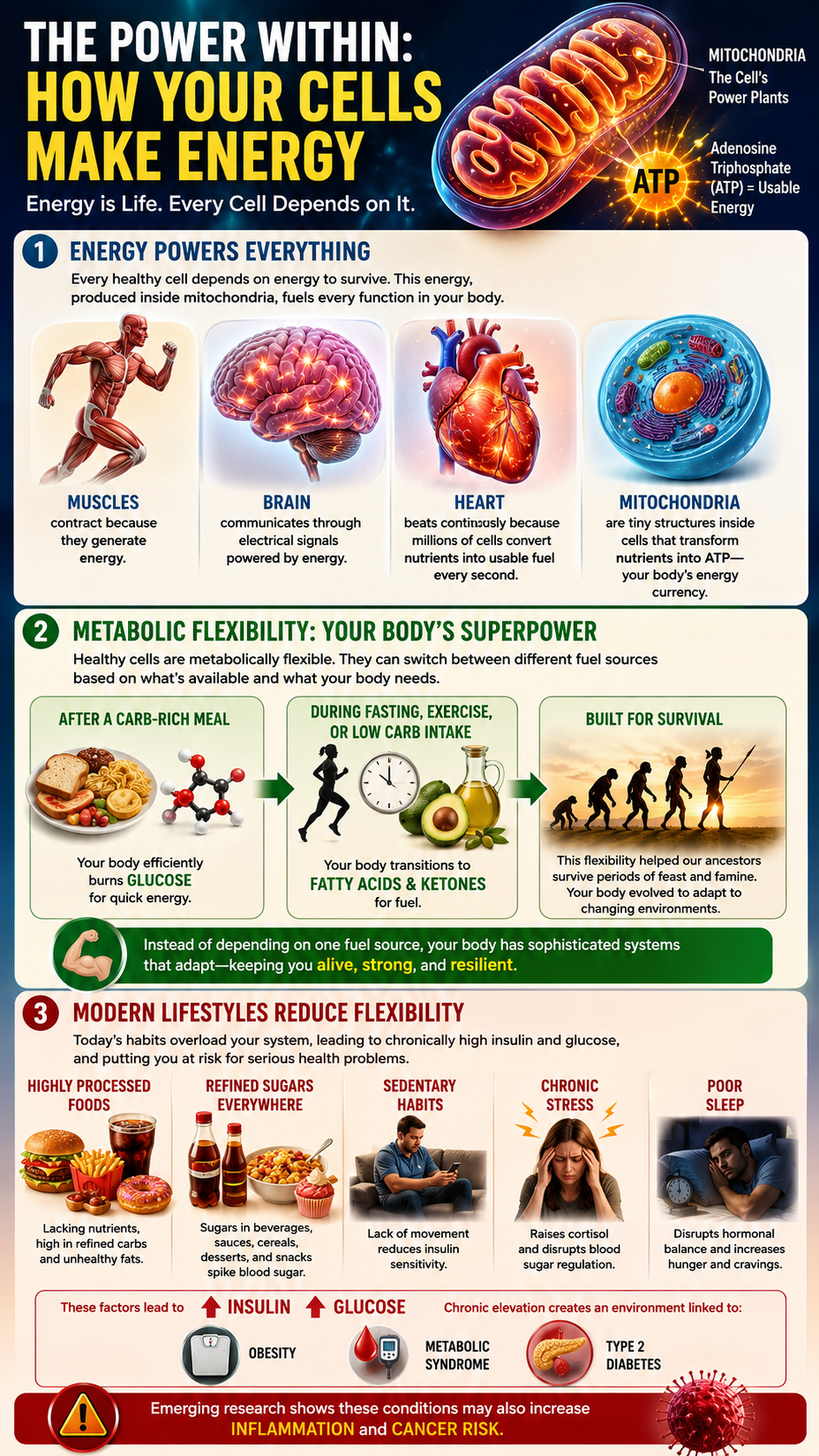
Healthy cells possess impressive metabolic flexibility. They efficiently burn glucose after a meal rich in carbohydrates. During fasting, prolonged exercise, or carbohydrate restriction, they transition toward fatty acids and ketones. This flexibility allowed human ancestors to survive periods of feast and famine. Instead of depending upon one fuel source, the body evolved sophisticated systems that adapt to changing environments.
Modern lifestyles often reduce this flexibility. Highly processed foods dominate many diets. Refined sugars appear in beverages, sauces, cereals, desserts, and packaged snacks. Sedentary habits reduce insulin sensitivity. Chronic stress raises cortisol and alters blood sugar regulation. Poor sleep disrupts hormonal balance. Together, these factors encourage persistent elevations in insulin and glucose, creating an environment associated with obesity, metabolic syndrome, and type 2 diabetes. Researchers continue investigating how these conditions influence cancer risk and progression.
Otto Warburg Changed Cancer Research Forever
In the early twentieth century, German biochemist Otto Warburg made an observation that transformed cancer biology. He noticed that many cancer cells relied heavily on glycolysis, even when oxygen remained plentiful. Under normal conditions, healthy cells generate most ATP through oxidative phosphorylation inside mitochondria. This pathway produces energy efficiently and supports normal cellular function.
Cancer cells often choose a less efficient route. They rapidly consume glucose and convert much of it into lactate despite the presence of oxygen. Scientists later named this phenomenon the Warburg effect. At first glance, the strategy seems wasteful because glycolysis generates much less ATP than mitochondrial respiration. Yet cancer cells gain other advantages through this metabolic shift.
Rapid glycolysis supplies more than energy. It provides building blocks needed to manufacture DNA, proteins, lipids, and cellular membranes. These raw materials support relentless cell division. Instead of maximizing energy efficiency, many tumors maximize growth potential. Researchers now recognize that metabolic reprogramming represents one hallmark of cancer biology, although not every tumor behaves identically.
Warburg originally believed defective mitochondria caused cancer. Modern science paints a more nuanced picture. Many tumors retain functional mitochondria and use several fuel sources simultaneously. Some cancers consume glucose aggressively. Others also metabolize glutamine, fatty acids, or other nutrients. This complexity explains why no universal dietary approach successfully treats every cancer.
Does Sugar Feed Cancer?
The phrase “sugar feeds cancer” captures public attention because it contains an element of truth while oversimplifying biology. Cancer cells frequently require glucose. Healthy cells also require glucose. Red blood cells depend almost entirely upon glucose because they lack mitochondria. Certain brain regions continue using glucose even during nutritional ketosis. The body therefore maintains blood glucose within a narrow range regardless of dietary intake.
Eating a piece of fruit does not suddenly deliver sugar directly into a tumor. Likewise, avoiding bread does not immediately deprive every cancer cell of fuel. Human physiology protects blood glucose through sophisticated hormonal regulation. The liver manufactures glucose through gluconeogenesis whenever dietary carbohydrates become scarce. This process allows essential tissues to continue functioning during fasting or carbohydrate restriction.
The real concern extends beyond occasional sugar consumption. Chronic metabolic dysfunction exposes tissues to persistently elevated insulin, repeated glucose spikes, oxidative stress, and systemic inflammation. These factors influence cellular signaling pathways associated with growth and survival. Researchers continue exploring whether improving metabolic health creates conditions that discourage tumor progression while supporting normal tissue function.
Insulin: The Hormone That Deserves More Attention
Discussions about sugar often overlook insulin, despite its profound influence on metabolism. After consuming carbohydrates, blood glucose rises. The pancreas responds by releasing insulin, allowing cells to absorb circulating glucose. Healthy insulin responses help maintain stable blood sugar while supporting normal physiology.
Problems develop when insulin remains chronically elevated. Excess calorie intake, abdominal obesity, physical inactivity, poor sleep, and refined carbohydrates gradually reduce insulin sensitivity. Cells become resistant to insulin’s effects. The pancreas compensates by producing even more insulin. Blood glucose eventually rises despite these efforts, leading toward prediabetes and type 2 diabetes.
Insulin acts as more than a glucose regulator. It also functions as a growth-promoting hormone. Elevated insulin influences pathways involving insulin-like growth factor-1, commonly called IGF-1. These signaling networks regulate cell growth, protein synthesis, and cellular survival. Investigators continue studying how excessive activation of these pathways may contribute to certain cancers. Evidence suggests that obesity, insulin resistance, and hyperinsulinemia associate with increased risks for several malignancies, although many factors contribute simultaneously.
Improving insulin sensitivity therefore offers benefits extending beyond blood sugar management. Regular exercise, healthy weight maintenance, quality sleep, stress reduction, and nutrient-dense eating patterns support healthier insulin responses. These lifestyle interventions improve metabolic resilience regardless of whether an individual follows a ketogenic diet.
Chronic Inflammation Creates Fertile Ground
Inflammation protects the body during injury and infection. Short-term inflammation eliminates pathogens, repairs damaged tissue, and restores health. Chronic inflammation tells a different story. Persistent immune activation slowly damages healthy tissue while disrupting normal cellular communication.
Adipose tissue illustrates this process clearly. Excess visceral fat behaves like an active endocrine organ rather than passive energy storage. It releases inflammatory cytokines that circulate throughout the body. These signaling molecules influence insulin sensitivity, oxidative stress, immune regulation, and vascular health. Over time, chronic inflammation contributes to metabolic dysfunction affecting nearly every organ system.
Cancer cells often exploit inflammatory environments. Immune cells surrounding tumors may release growth factors, enzymes, and signaling molecules that encourage blood vessel formation and tissue remodeling. Scientists describe this complex environment as the tumor microenvironment. Rather than existing alone, cancer interacts continuously with immune cells, connective tissue, blood vessels, hormones, and metabolic signals.
Reducing chronic inflammation therefore remains an important objective for overall health. Whole foods, regular movement, restorative sleep, healthy body composition, and smoking avoidance consistently demonstrate benefits across numerous studies. These foundational habits improve metabolic health even though they cannot guarantee cancer prevention.
Mitochondria: More Than Cellular Power Plants
Modern research increasingly focuses on mitochondria because they perform far more functions than ATP production. These remarkable organelles regulate oxidative stress, calcium balance, programmed cell death, immune signaling, and cellular adaptation. Healthy mitochondria help maintain normal tissue function throughout life.
When mitochondria experience persistent stress, cellular communication begins changing. Excess reactive oxygen species accumulate. DNA damage increases. Antioxidant defenses become overwhelmed. Chronic nutrient excess further strains these systems. Although the body possesses impressive repair mechanisms, years of metabolic stress gradually reduce resilience.
Many researchers now investigate whether supporting mitochondrial health improves outcomes during aging and chronic disease. Exercise consistently stimulates mitochondrial biogenesis, allowing cells to produce additional healthy mitochondria. Caloric moderation, fasting strategies, adequate protein intake, and regular physical activity also enhance mitochondrial efficiency in many individuals.
These discoveries helped inspire interest in ketogenic metabolic therapy. Scientists wondered whether shifting metabolism toward ketones could improve mitochondrial performance while reducing dependence upon glucose. That question opened an entirely new chapter in cancer research, one that continues generating excitement, debate, and careful scientific investigation.
Why Ketogenic Metabolic Therapy Captured the Attention of Researchers
As scientists gained a deeper understanding of cancer metabolism, they began asking a different question. Could changing the body’s primary fuel source influence cancer biology? Instead of concentrating only on destroying tumors with drugs or radiation, researchers wondered whether changing the metabolic environment might place additional stress on cancer cells while strengthening healthy tissue. This idea eventually became known as ketogenic metabolic therapy, often abbreviated as KMT. Unlike the ketogenic diet used primarily for weight loss, ketogenic metabolic therapy is a carefully supervised nutritional strategy designed to produce sustained nutritional ketosis while meeting the patient’s medical and nutritional needs.
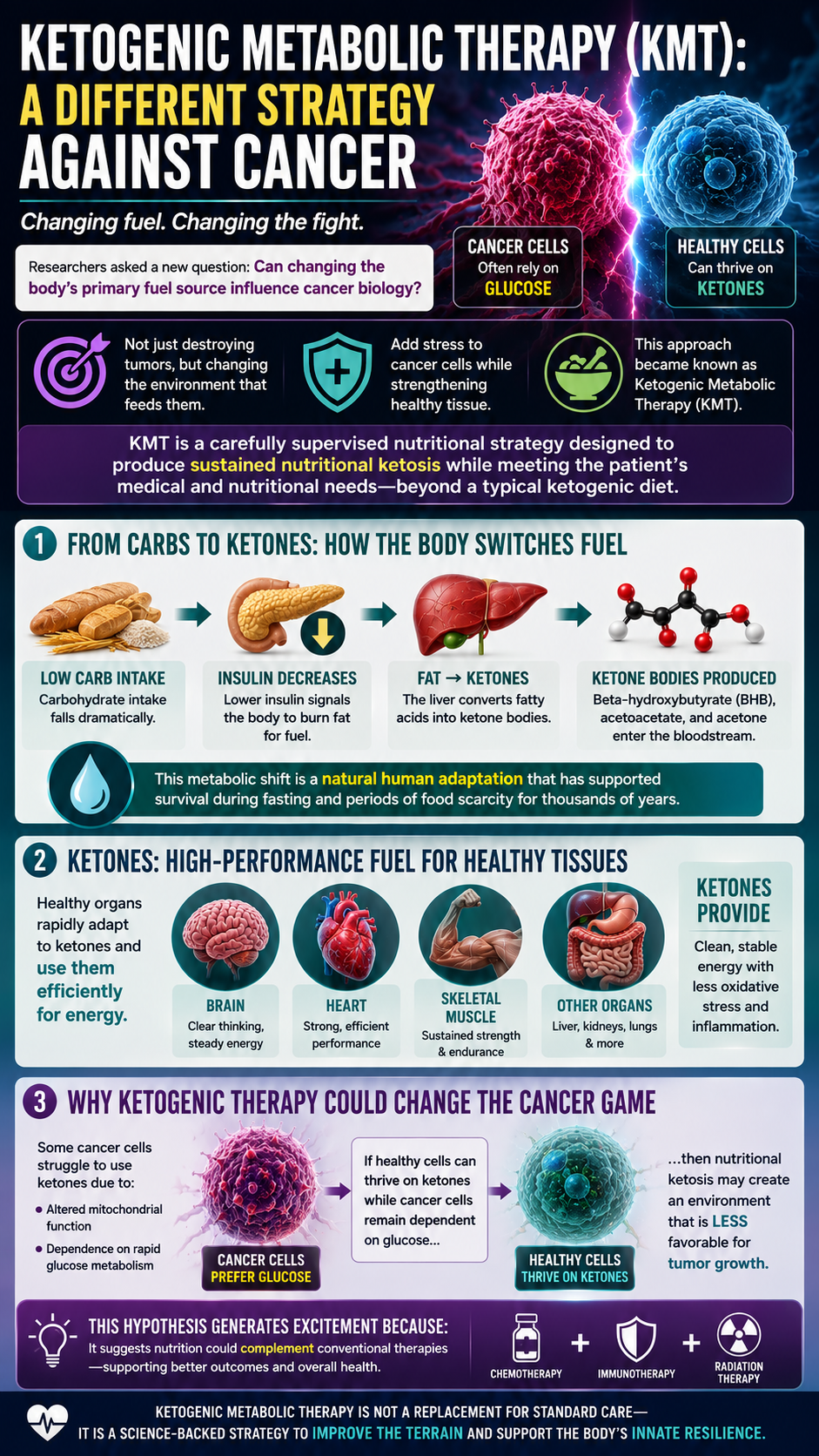
When carbohydrate intake falls dramatically, insulin levels decrease and the liver converts fatty acids into molecules called ketone bodies. The primary ketones include beta-hydroxybutyrate, acetoacetate, and acetone. Healthy organs rapidly adapt to these fuels. The brain, heart, skeletal muscle, and many other tissues efficiently burn ketones for energy. This metabolic shift represents a normal human adaptation that has supported survival during periods of fasting throughout human history.
Many investigators proposed that some cancer cells might struggle to use ketones because of altered mitochondrial function or their reliance on rapid glucose metabolism. If healthy cells could thrive on ketones while certain tumors remained dependent on glucose, nutritional ketosis might create a metabolic environment less favorable for tumor growth. This hypothesis generated enormous excitement because it suggested that nutrition could complement conventional therapies rather than simply supporting general health.
The Evidence Is Promising but Still Evolving
Interest in ketogenic metabolic therapy has expanded rapidly during the past two decades. Laboratory studies frequently demonstrate slower tumor growth when ketogenic diets accompany other treatments. Animal studies also show encouraging findings in several cancer models. These experiments helped establish the biological plausibility of metabolic therapy and encouraged the development of human clinical trials.
Human studies, however, tell a more cautious story. Several early trials have reported improvements in quality of life, preservation of lean body mass, better blood sugar control, and favorable changes in metabolic markers. Some patients experienced improved tolerance to chemotherapy or radiation while following medically supervised ketogenic protocols. Researchers also observed reductions in circulating insulin and improvements in inflammatory biomarkers among many participants.
Despite these encouraging findings, the evidence remains incomplete. Most published clinical trials include relatively small patient populations. Different studies examine different cancer types, making comparisons difficult. Some investigations combine ketogenic therapy with chemotherapy, while others evaluate surgery, radiation, immunotherapy, or standard nutritional care. This variation limits the ability to draw broad conclusions that apply to every cancer.
Current evidence does not support the claim that ketogenic therapy cures cancer by itself. Neither does it justify dismissing the therapy entirely. Many respected cancer researchers believe metabolic therapy deserves continued investigation because of its strong biological foundation and encouraging preliminary data. Larger randomized clinical trials will help determine which patients benefit most and which tumors respond poorly.
Every Cancer Has Its Own Metabolic Personality
One reason this controversy persists involves the remarkable diversity of cancer itself. Cancer is not a single disease. More than two hundred distinct cancers exist, each possessing unique genetic, metabolic, and immunological characteristics. Even tumors arising within the same organ often behave differently from one another.
Some tumors rely heavily on glucose metabolism and display a pronounced Warburg effect. Others demonstrate remarkable metabolic flexibility. Certain cancers consume large amounts of glutamine, an amino acid that supports rapid cellular growth. Others increase fatty acid oxidation or switch between multiple energy sources depending on nutrient availability. Tumors also evolve over time, adapting to changing environmental conditions and therapeutic pressures.
This diversity explains why one dietary strategy cannot serve as a universal treatment. A metabolic approach that benefits one patient may offer little advantage to another. Precision nutrition therefore represents an exciting direction for future cancer care. Researchers increasingly recognize that metabolic therapies may require personalization based upon tumor biology, metabolic health, genetics, and the patient’s overall condition.
Insulin Reduction May Matter More Than Sugar Elimination
Popular discussions often focus exclusively on sugar, yet insulin may represent the more important therapeutic target. Elevated insulin promotes anabolic signaling that encourages cellular growth, nutrient uptake, and protein synthesis. Chronically elevated insulin also influences pathways involving insulin-like growth factor-1, or IGF-1, which researchers continue studying for their potential role in cancer progression.
A well-formulated ketogenic diet consistently lowers circulating insulin while improving insulin sensitivity in many individuals. Lower insulin levels reduce metabolic stress and improve blood sugar regulation. Weight loss often follows, particularly among people with obesity or metabolic syndrome. These changes may create a healthier internal environment regardless of whether cancer is present.
Importantly, several dietary approaches improve insulin sensitivity. Mediterranean eating patterns, regular physical activity, intermittent fasting, resistance training, adequate sleep, and weight reduction all enhance metabolic function. Ketogenic therapy represents one possible tool rather than the only solution. The broader goal involves restoring metabolic flexibility and reducing chronic metabolic dysfunction.
The Tumor Microenvironment Matters as Much as the Tumor
Cancer never develops in isolation. Every tumor interacts continuously with blood vessels, connective tissue, immune cells, inflammatory mediators, hormones, and surrounding organs. Scientists refer to this complex ecosystem as the tumor microenvironment. Changes within this environment often influence whether cancer progresses, remains stable, or responds to treatment.
Poor metabolic health alters this microenvironment in several ways. Persistent inflammation increases oxidative stress. Elevated insulin encourages growth signaling. Obesity changes hormone production within adipose tissue. Impaired immune function reduces the body’s ability to recognize abnormal cells. High blood sugar also contributes to the formation of advanced glycation end products, commonly called AGEs, which promote inflammation and tissue damage.
Improving metabolic health may therefore influence the environment surrounding cancer rather than directly attacking the tumor itself. This distinction remains important because nutrition rarely functions like chemotherapy. Instead, dietary interventions often modify the biological terrain in which disease develops. Supporting a healthier internal environment may complement conventional therapies while improving overall health.
Building a Metabolism That Supports Long-Term Health
Regardless of where future cancer research leads, the principles of metabolic health remain remarkably consistent. Whole foods provide vitamins, minerals, antioxidants, fiber, and phytonutrients that support normal cellular function. Minimizing ultra-processed foods reduces unnecessary sugar, refined starches, and industrial additives that contribute to excessive calorie intake and metabolic dysfunction.
Regular exercise profoundly influences metabolism. Resistance training increases muscle mass, which improves glucose disposal and insulin sensitivity. Aerobic activity enhances mitochondrial function while strengthening the cardiovascular system. Even moderate daily movement improves blood sugar regulation after meals. These adaptations support healthier metabolism throughout life.

Sleep deserves equal attention. During deep sleep, the body regulates hormones involved in hunger, insulin sensitivity, tissue repair, and immune surveillance. Chronic sleep deprivation increases cortisol while impairing glucose metabolism. Over time, these hormonal disruptions encourage weight gain and insulin resistance. Prioritizing consistent, restorative sleep therefore represents one of the most effective metabolic interventions available.
Stress management also plays a significant role. Persistent psychological stress elevates cortisol and sympathetic nervous system activity. These responses increase glucose production while reducing insulin sensitivity. Mindfulness practices, prayer, deep breathing, meaningful relationships, and time spent outdoors all help regulate the stress response and support healthier physiology.
Where the Science May Lead Next
Cancer metabolism has become one of the fastest-growing fields in biomedical research. Investigators now explore combinations of ketogenic metabolic therapy with chemotherapy, immunotherapy, targeted therapies, hyperbaric oxygen, and fasting-mimicking protocols. Other scientists study metabolic drugs that influence glucose utilization or mitochondrial function. These investigations aim to identify treatment combinations that selectively weaken cancer cells while protecting healthy tissue.
Artificial intelligence and precision medicine may eventually allow clinicians to match specific metabolic therapies to individual tumor characteristics. Advanced imaging techniques already reveal differences in tumor metabolism that were impossible to detect only a generation ago. As technology improves, physicians may tailor nutritional strategies according to the unique biology of each patient’s cancer.
Researchers also continue examining biomarkers that predict treatment response. Blood glucose, insulin, ketone levels, inflammatory markers, and metabolic imaging may eventually guide individualized therapeutic decisions. Such advances could transform nutrition from a supportive therapy into a more precise component of comprehensive cancer care.
The Bottom Line
The statement that “sugar feeds cancer” contains an important biological insight but oversimplifies a remarkably complex disease. Many cancers consume glucose at accelerated rates, yet every healthy cell also depends upon carefully regulated blood glucose. Eliminating sugar alone does not cure cancer, nor does occasional sugar intake directly cause tumors to appear. The real challenge lies in chronic metabolic dysfunction characterized by insulin resistance, inflammation, obesity, and impaired mitochondrial health.
Ketogenic metabolic therapy has emerged because it targets many of these metabolic abnormalities simultaneously. Early laboratory and clinical evidence remains encouraging, especially when ketogenic therapy complements established medical treatments. Nevertheless, current scientific evidence does not support replacing conventional cancer therapy with diet alone. The strongest approach combines rigorous medical care with strategies that improve metabolic health and enhance the body’s resilience.
Perhaps the greatest lesson emerging from cancer metabolism research extends beyond cancer itself. The same lifestyle habits that reduce the risk of obesity, type 2 diabetes, cardiovascular disease, and metabolic syndrome also support healthier cellular function throughout the body. Regular exercise, restorative sleep, nutrient-dense foods, stress reduction, healthy body composition, and improved insulin sensitivity create an internal environment that favors health rather than disease.
The future of cancer treatment will likely involve far more than powerful drugs or sophisticated technology. It may also include a deeper appreciation for metabolism, nutrition, mitochondrial biology, and the remarkable ability of the human body to adapt. As researchers continue exploring these relationships, one conclusion grows increasingly clear. Supporting metabolic health represents one of the most practical and scientifically grounded investments people can make for lifelong wellness. While many questions remain unanswered, improving metabolic function benefits nearly every organ system and provides a foundation upon which every other aspect of health depends.