The Hidden Biological Cost of Breast Implants
A woman may appear healthy while feeling increasingly unfamiliar inside her own body. Her laboratory results may remain “normal,” yet her energy disappears before noon. She may awaken with swollen joints, racing thoughts, and muscles that ache without exertion. Words become harder to find, sleep stops restoring her, and ordinary tasks require unusual effort.
Her doctors may search for thyroid disease, menopause, anemia, depression, or autoimmune illness. Each evaluation may reveal one piece, but no diagnosis explains the whole decline. Years can pass before anyone studies the timing of her symptoms. Even fewer clinicians ask whether her breast implants could contribute to the burden.
Breast Implant Illness, commonly called BII, describes systemic symptoms reported by some breast implant recipients. The most common complaints include fatigue, brain fog, joint pain, muscle pain, and hair loss. Patients also report sleep disturbance, anxiety, rashes, headaches, weight changes, and digestive problems. These symptoms have occurred with silicone and saline implants of different shapes and surfaces.
BII does not currently have one universally accepted diagnostic test. However, that limitation does not make the patient’s experience imaginary. Many complex illnesses existed clinically before medicine developed reliable laboratory markers. Scientific uncertainty should inspire investigation rather than automatic dismissal.
The Real Problem Begins With Chronic Biological Exposure
A breast implant is not simply an inert object resting inside the chest. It is a manufactured device placed within living, immune-responsive, constantly moving tissue. The body recognizes that device as foreign from the first day. It immediately begins building scar tissue around the implant.
Surgeons call this scar tissue the capsule. Capsule formation is an expected response to any implanted medical device. The capsule attempts to separate the foreign material from surrounding tissue. This response may remain quiet, or it may become thick, painful, and biologically active.
Problems can emerge when the capsule tightens around the implant. That process creates capsular contracture, which can harden or distort the breast. The woman may experience pressure, pain, restricted chest movement, and visible asymmetry. Some capsules also calcify or adhere tightly to surrounding structures.
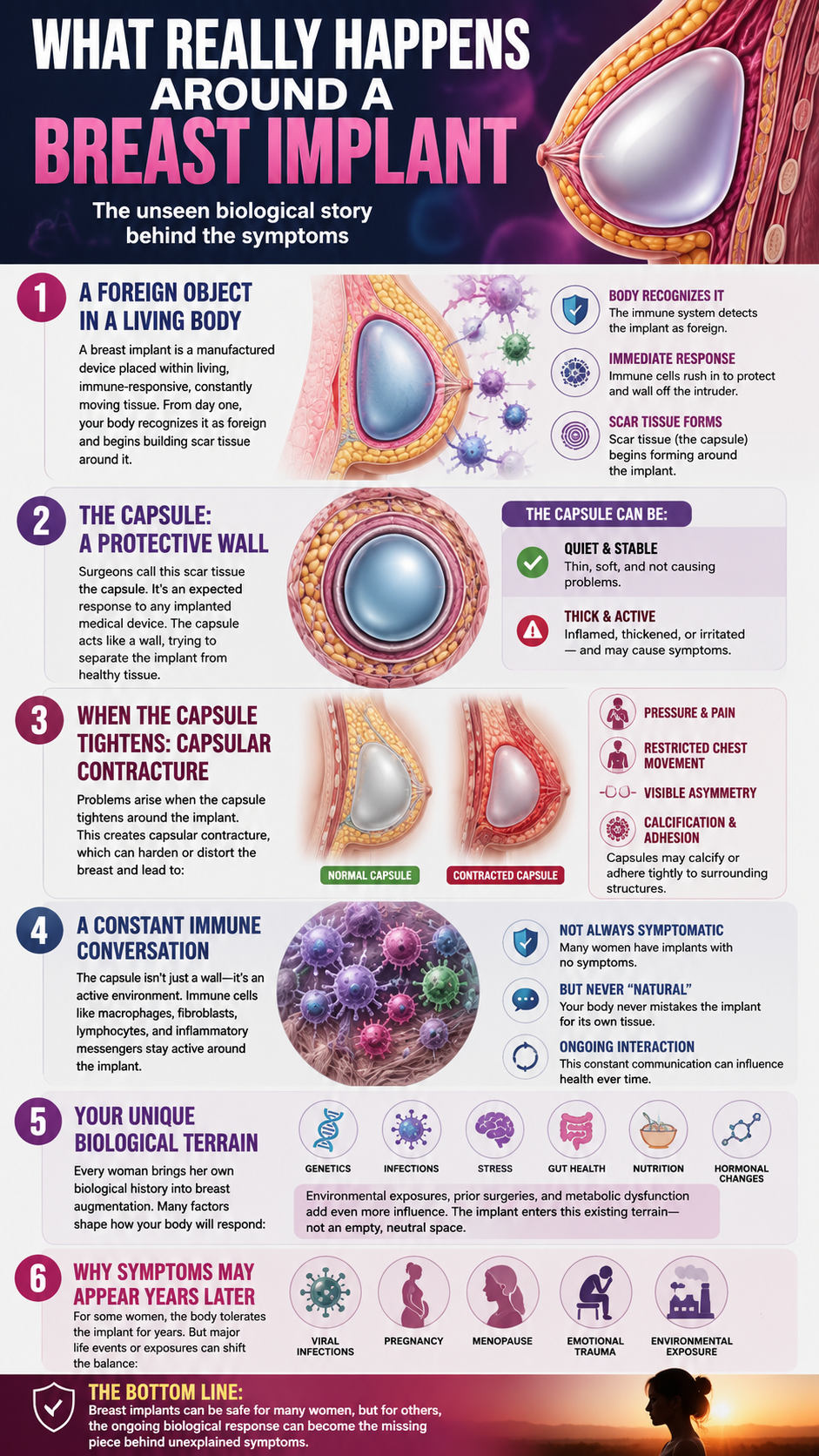
The deeper issue involves continuous communication between the capsule and the immune system. Macrophages, fibroblasts, lymphocytes, and inflammatory messengers remain active around the implant. Their presence does not prove illness, because many patients remain symptom-free. However, it confirms that the body never treats the implant as natural tissue.
Every patient also carries a different biological history into breast augmentation. Genetics, infections, stress, gut health, nutrition, and hormonal changes influence immune tolerance. Environmental exposures, previous surgeries, and metabolic dysfunction add further pressure. The implant enters that existing terrain rather than an empty biological space.
For some women, the body may tolerate that burden for years. A viral infection, pregnancy, menopause, emotional trauma, or environmental exposure may change that balance. The immune system can lose resilience when several stressors arrive together. Symptoms may then appear long after the original implant surgery.
Silicone Does Not Always Stay Completely Contained
Every breast implant contains a silicone outer shell, including saline-filled implants. Silicone gel implants also contain cohesive silicone material inside that shell. Manufacturers design these devices for durability and compatibility. Nevertheless, no implant remains immune to aging, mechanical stress, or structural failure.
The chest moves thousands of times each day through breathing, exercise, and posture. Muscles contract beneath or around the implant, depending on surgical placement. Gravity pulls against the tissue, while pressure repeatedly changes across the implant shell. Over time, folding and friction can weaken the device.
A silicone implant can rupture without producing obvious symptoms. The surrounding capsule may initially contain the escaped material. Doctors call this an intracapsular rupture. Silicone can move beyond the capsule during an extracapsular rupture and reach nearby breast tissue.
Silicone may also travel into lymph nodes after leaving the implant environment. Immune cells surround and transport foreign particles through lymphatic pathways. This finding does not establish that every silicone particle causes systemic illness. However, it challenges the claim that implant materials always remain completely isolated.
Microscopic components can also pass through an apparently intact shell. This process is often called silicone gel bleed. Researchers continue debating its clinical importance and possible relationship with systemic symptoms. Current evidence does not support one universal reaction across all implant recipients.
Individual susceptibility remains the central issue. One person may tolerate an exposure that overwhelms another person’s immune system. The difference may involve detoxification capacity, inflammatory thresholds, microbiome health, or genetic signaling. Therefore, safety cannot be understood through material testing alone.
Biofilm May Keep the Immune System on Alert
Breast implants can also provide a surface where bacteria form biofilms. A biofilm is an organized bacterial community protected by a sticky external matrix. This structure helps microorganisms resist immune attack and antimicrobial treatment. Standard laboratory cultures may not easily detect them.
Bacteria can enter during surgery or through later bloodstream exposure. They may also travel from dental infections, skin infections, or other inflammatory sites. Once attached to an implant surface, they can remain biologically active. Yet they may never create the fever associated with an acute infection.
Researchers have linked bacterial contamination and biofilm activity with capsular contracture. Persistent bacterial signaling may stimulate collagen production and immune activity around the device. The capsule can gradually thicken as the body continues responding. This process may develop without dramatic warning signs.
Biofilm does not explain every case of BII. However, it offers one plausible mechanism linking a local device with chronic immune stimulation. The immune system may spend years managing a problem it cannot completely eliminate. That activity can increase the body’s total inflammatory load.
Inflammation never stays confined to one symptom category. Immune messengers influence the brain, muscles, hormones, and energy systems. They can change pain sensitivity and disturb normal sleep. They may also alter appetite, mood, cognition, and exercise tolerance.
Immune Dysregulation Can Affect the Entire Body
The immune system must defend the body while protecting healthy tissue. This balance depends on proper communication across several systems. The gut, brain, liver, hormones, and nervous system all influence immune tolerance. Chronic stimulation can weaken that coordination.
Studies examining BII report frequent fatigue, cognitive dysfunction, muscle pain, and joint complaints. A 2024 review of 31 studies included more than 39,000 implant patients. Among studies reporting explant results, 83.5 percent described symptom improvement after implant removal.
A later systematic review found improvement among 81.9 percent of patients after explantation. The review also reported capsular inflammation, autoimmune diagnoses, and positive antinuclear antibodies within studied populations. Those findings suggest immune involvement, although they do not prove one mechanism.
Chronic immune activation can affect mitochondria, which produce energy inside human cells. Inflammatory signals may reduce mitochondrial efficiency and increase oxidative stress. Cells then produce less usable energy while generating more damaging byproducts. Fatigue becomes a cellular problem rather than a motivation problem.
Muscles may ache because energy production no longer matches normal physical demands. Recovery after exercise can become unusually slow. The brain may also struggle because nerve cells require substantial energy. Poor concentration often follows reduced cellular energy, inflammation, and disturbed sleep.
The nervous system can become increasingly reactive during this process. Palpitations, anxiety, temperature sensitivity, and internal trembling may appear. These symptoms can arise when the body repeatedly senses biological threat. The patient may feel emotionally unstable despite strong psychological resilience.
Breast Implant Illness and the Hormonal Network
Hormones do not operate independently from immunity or metabolism. Inflammation can alter hormone production, transport, conversion, and receptor sensitivity. These disruptions may appear throughout the menstrual cycle. Perimenopause can further intensify the instability.
Thyroid symptoms frequently overlap with BII symptoms. Patients may experience fatigue, hair loss, cold sensitivity, constipation, and weight changes. A normal thyroid-stimulating hormone result may not explain the complete clinical picture. Iron status, inflammation, and nutrient availability can influence thyroid function.
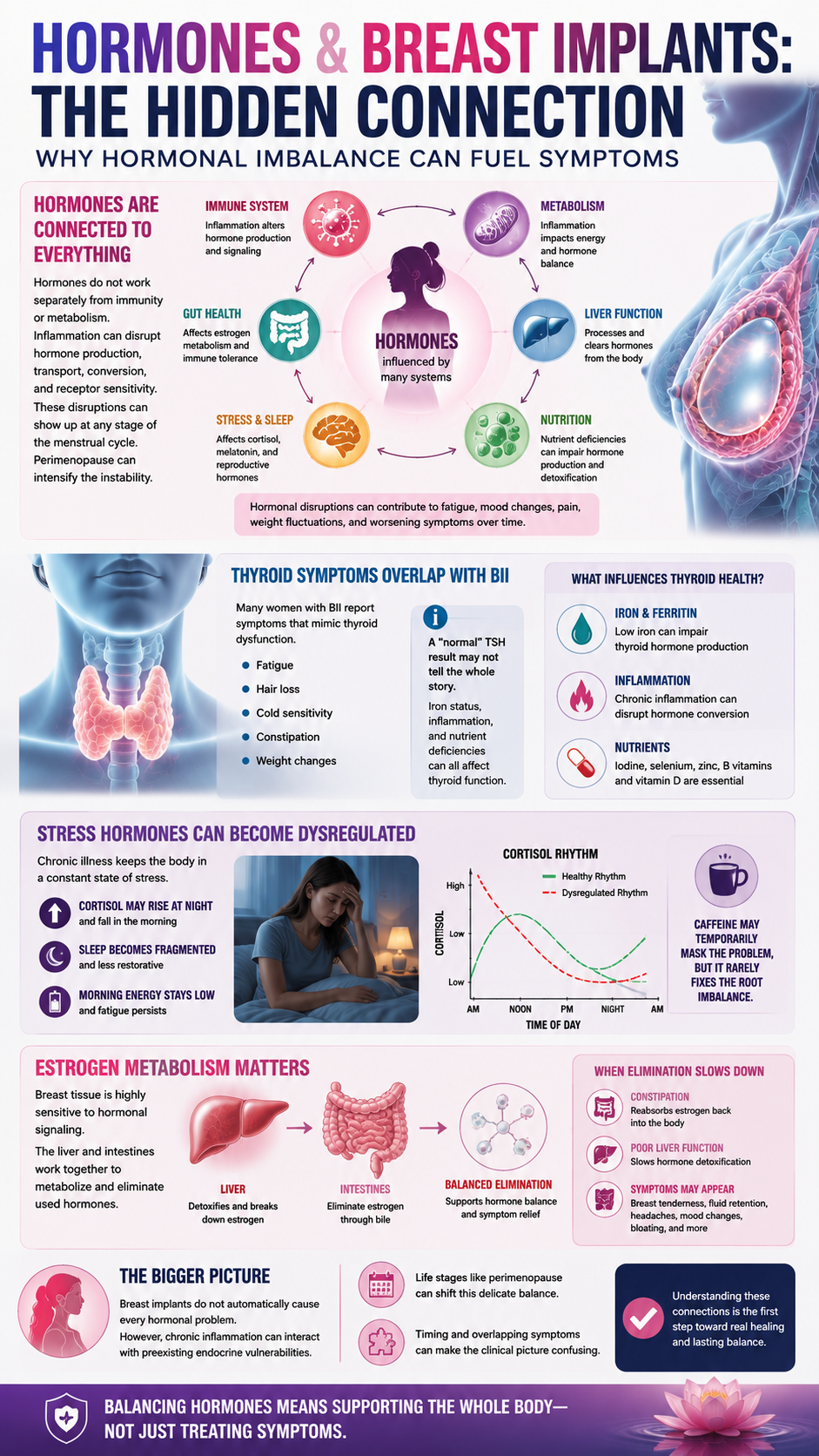
Stress hormones can also become dysregulated during chronic illness. Cortisol may rise at night and fall during the morning. Sleep becomes fragmented, while morning energy remains low. Caffeine may temporarily mask the problem but rarely correct the underlying imbalance.
Estrogen metabolism also deserves attention because breast tissue responds strongly to hormonal signaling. The liver and intestines help process and eliminate used hormones. Constipation and poor liver function can slow that elimination. Symptoms may then include breast tenderness, fluid retention, headaches, and mood changes.
Breast implants do not automatically cause every hormonal complaint. However, chronic inflammation can interact with preexisting endocrine vulnerabilities. A woman entering perimenopause may become symptomatic after years of relative stability. The timing can make the clinical picture appear confusing.
The Gut-Liver Connection Can Magnify Symptoms
The intestinal barrier helps separate the bloodstream from microbial material inside the digestive tract. Stress, antibiotics, infection, alcohol, and processed foods can weaken that barrier. Microbial fragments may then stimulate immune receptors throughout the body. This process can add another layer of inflammation.
The gut microbiome also influences estrogen processing, vitamin production, and immune tolerance. Imbalances may contribute to bloating, constipation, food reactions, or diarrhea. Those symptoms often develop during the same period as systemic complaints. Treating them separately may miss their biological connection.
The liver processes medications, hormones, environmental chemicals, and inflammatory byproducts. It also produces proteins needed for transport, repair, and immunity. Chronic inflammatory signaling can redirect liver resources toward immediate defense. Long-term repair and hormone processing may receive fewer resources.
This does not mean the liver becomes physically clogged with toxins. Rather, its workload and biochemical priorities may change. Nutrient deficiencies can further reduce normal enzyme activity. Poor protein intake can also limit the amino acids required for detoxification pathways.
The lymphatic system carries fluid, immune cells, and cellular debris through body tissues. Breast surgery can change local lymphatic movement and chest mechanics. Scar tissue, shallow breathing, and restricted shoulder motion may slow regional drainage. Some patients then experience swelling, tenderness, or heaviness.
These systems form one network rather than separate medical departments. Gut dysfunction increases immune stimulation, while inflammation burdens the liver. Hormonal changes influence mood and energy, while sleep disturbance worsens inflammation. BII often appears complex because the biological network becomes complex.
Local Implant Complications Must Not Be Missed
Systemic symptoms should never distract from urgent breast changes. New swelling, a breast mass, or increasing asymmetry requires prompt evaluation. Persistent pain, fluid accumulation, and sudden firmness also demand attention. These signs may indicate rupture, infection, or severe capsular contracture.
Breast implant-associated anaplastic large-cell lymphoma is called BIA-ALCL. This uncommon immune-system cancer develops most often around textured implants. It usually arises within the fluid or capsule surrounding the device. Warning signs include persistent swelling, a mass, and implant-area pain.
Rare squamous-cell carcinomas have also developed inside breast implant capsules. Patients may present with pain, swelling, a mass, or skin changes. These findings require imaging, fluid testing, and pathology when indicated. No wellness protocol should delay proper cancer evaluation.
Women should also investigate enlarged lymph nodes or sudden breast shape changes. Implant rupture may remain silent, especially with silicone devices. Ultrasound or magnetic resonance imaging can help evaluate implant integrity. The best choice depends on symptoms, implant history, and clinical examination.
Explantation Removes the Device, Not Every Health Burden
Explant surgery removes the breast implants and sometimes part or all of the capsule. Patients choose removal for pain, rupture, contracture, systemic symptoms, or personal preference. Some simply no longer want foreign devices inside their bodies. Every reason deserves respectful and informed consideration.
Research shows that many patients report improvement after explantation. Still, improvement does not mean every symptom disappears immediately. Studies often rely on patient-reported outcomes and lack perfect control groups. These limitations require honesty, but they do not justify ignoring consistent results.
A United Kingdom study reported meaningful symptom improvement after explantation and total capsulectomy. Fatigue, pain, brain fog, hair loss, and gastrointestinal symptoms were frequently reported before surgery. Many of those complaints improved afterward.
However, explant surgery cannot correct every coexisting problem. Anemia, thyroid dysfunction, sleep apnea, infections, and nutritional deficiencies may remain. Metabolic dysfunction can also continue after the implants leave. Therefore, complete recovery requires a broader plan.
Choosing the Right Explant Surgeon
The surgeon should have extensive experience removing breast implants and managing capsules. Patients should ask how often the surgeon performs explant procedures. They should also discuss rupture, contracture, pathology, drains, scars, and expected cosmetic changes. Clear answers matter more than dramatic promises.
Operative records and implant cards should be collected before consultation. These documents can identify implant type, surface, manufacturer, and placement. Previous imaging may reveal rupture, fluid, or capsular changes. This information helps the surgeon plan safely.
Patients should ask what tissue will be sent for pathology. Suspicious capsule tissue, masses, or fluid may require specialized testing. The surgeon should understand warning signs associated with implant-related malignancies. Any late fluid collection deserves careful evaluation.
A trustworthy surgeon explains uncertainty without minimizing symptoms. The surgeon should also discuss surgical risks and possible limitations. Complete capsule removal may be dangerous in certain anatomical locations. Patient safety must remain more important than social-media terminology.
En Bloc Removal Is Not Required for Every Patient
Online communities often present en bloc capsulectomy as the only acceptable explant method. En bloc removal means extracting the implant and capsule together intact. This approach has an important role when capsule-associated malignancy exists. Outside that setting, it may not always be necessary.
A total capsulectomy removes the complete capsule, but not always in one piece. Partial capsulectomy removes selected portions of the capsule. Some patients undergo implant removal without extensive capsule removal. The best method depends on findings and anatomy.
The capsule may adhere tightly to ribs, muscles, and chest-wall structures. Aggressive removal can increase bleeding and tissue injury. It can also increase the risk of pneumothorax or cosmetic deformity. Therefore, surgical judgment must guide the procedure.
Professional guidance identifies capsular malignancy as the strongest indication for en bloc removal. Relative reasons for total capsulectomy include severe contracture and gel rupture. Current evidence does not prove capsulectomy is always required for systemic symptom improvement.
Research has documented symptom improvement even when no capsulectomy was performed. This finding suggests implant removal itself may provide significant benefit. It also protects patients from unnecessary surgical risk. One technique should never be marketed as mandatory for everyone.
Prepare the Body Before Explant Surgery
Functional recovery begins before the operation. The body needs adequate reserves for anesthesia, wound repair, and immune defense. Severe dieting can weaken those reserves. Long fasting schedules should usually pause during the perioperative period.
Protein intake requires special attention because healing tissue needs amino acids. Protein supports collagen formation, enzymes, immune cells, and muscle preservation. Each meal should include a substantial protein source. Eggs, fish, poultry, beef, or tolerated protein powders can help.
Patients should also evaluate common healing barriers. Testing may include blood counts, ferritin, glucose, thyroid markers, and vitamin levels. Testing should reflect symptoms, history, and surgical risk. No standardized “BII panel” can confirm the condition.
Iron deficiency can worsen fatigue, hair loss, and poor exercise tolerance. However, unnecessary iron can increase oxidative stress and constipation. Supplementation should follow laboratory findings. The same principle applies to vitamin D, zinc, and vitamin B12.
Nicotine sharply reduces blood flow and interferes with tissue healing. Smoking and vaping should stop before surgery according to surgical guidance. Alcohol can impair sleep, immunity, and medication safety. Removing these obstacles gives recovery a stronger foundation.
The First Two Weeks: Protect and Nourish
The first recovery phase should focus on protection, hydration, and nourishment. Patients must follow instructions regarding drains, compression garments, bathing, and lifting. Incisions need time before stretching or resistance exercise begins. Early overactivity can increase swelling and bleeding.
Fever, spreading redness, foul drainage, and worsening one-sided swelling require surgical contact. Chest pain, shortness of breath, fainting, or calf swelling need immediate care. These symptoms must never be dismissed as detoxification. They may indicate infection, bleeding, or a blood clot.
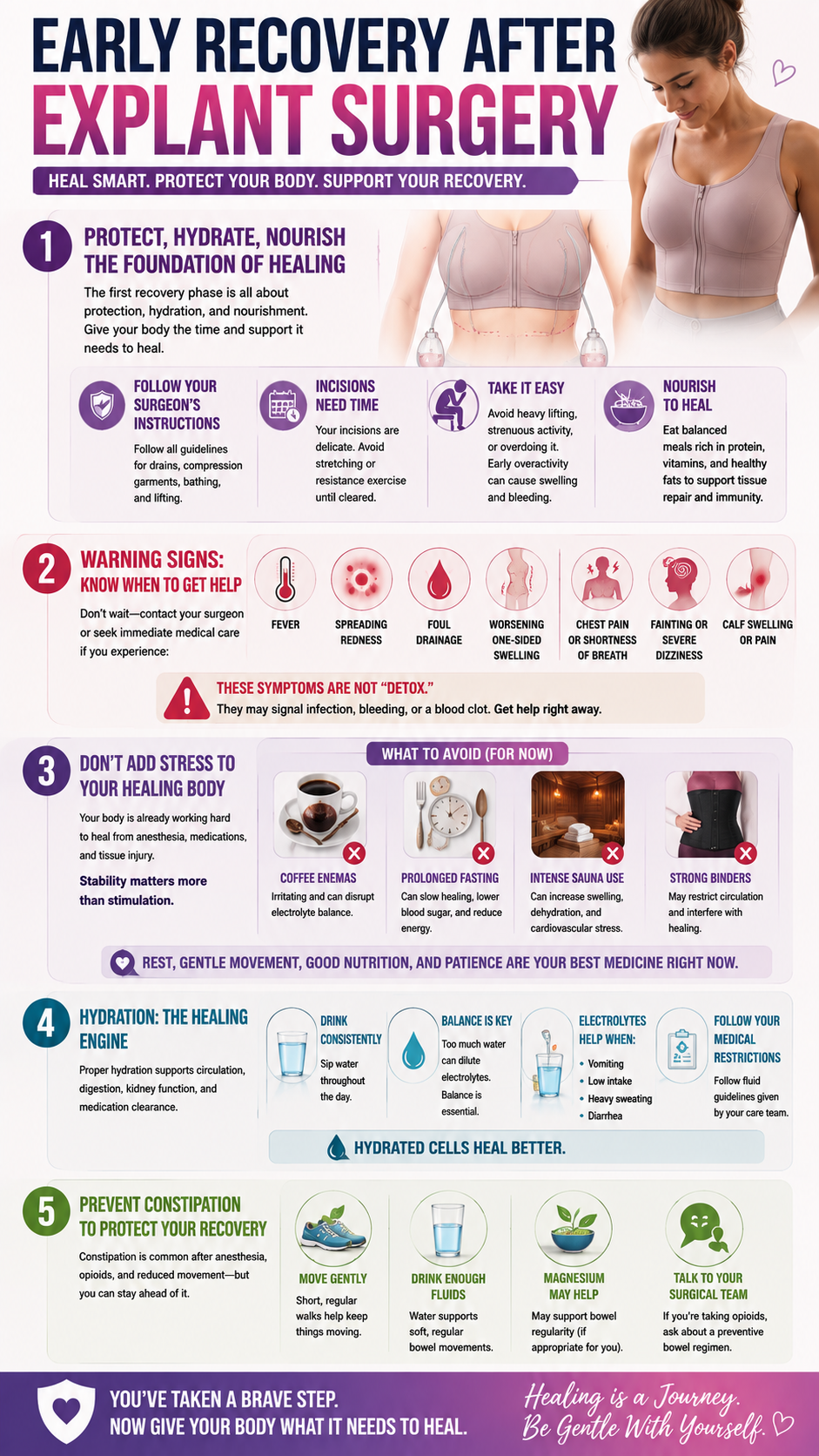
The postoperative body already manages anesthesia, medications, and tissue injury. Aggressive cleansing can create more stress during this vulnerable period. Coffee enemas, prolonged fasting, intense sauna use, and strong binders should wait. Stability matters more than stimulation.
Hydration supports circulation, digestion, and normal medication clearance. Excessive water can dilute electrolytes, so balance remains important. Patients should drink consistently and follow medical restrictions. Electrolytes may help when vomiting, low intake, or heavy sweating occurs.
Constipation commonly follows anesthesia, opioids, and reduced movement. Gentle walking and adequate fluids often help. Magnesium may support bowel regularity when medically appropriate. Opioid users should discuss preventive bowel support with their surgical team.
Eat for Tissue Repair and Mitochondrial Recovery
Healing requires more than avoiding inflammatory food. The body needs enough total calories to rebuild damaged tissue. Chronic under-eating slows collagen production and increases muscle loss. Recovery nutrition should feel restorative rather than restrictive.
Protein should remain the nutritional priority. Patients can divide intake across two or three meals. Each meal should contain enough protein to support repair. Individual needs depend on body size, activity, kidney function, and medical history.
Vitamin C supports collagen synthesis and antioxidant protection. Zinc assists wound repair, immunity, and protein synthesis. Copper works alongside zinc in connective tissue formation. Excessive zinc can create copper deficiency, so dosing requires balance.
Vitamin A supports epithelial healing and immune function. B vitamins help energy metabolism and red blood cell production. Magnesium supports muscles, nerves, and glucose regulation. These nutrients work together rather than functioning as isolated cures.
Healthy fats support cell membranes, hormones, and energy production. Olive oil, avocado, eggs, fish, and clean animal fats can contribute. Omega-3 fats may support inflammatory balance. High supplemental doses require approval because they can influence bleeding.
Blood sugar should remain stable during recovery. Large glucose swings can worsen fatigue, cravings, and inflammatory signaling. Meals should combine protein, healthy fat, and tolerated carbohydrates. Continuous snacking often destabilizes appetite and energy.
Restore the Gut Without Creating More Reactions
Anesthesia, antibiotics, pain medicines, and stress frequently disturb digestion. Patients may develop nausea, reflux, constipation, or bloating after surgery. Gentle meals can reduce that burden. Recovery is not the time for multiple new supplements.
Begin with foods that digest comfortably and provide adequate nourishment. Chew thoroughly and avoid eating while rushed. Large meals may worsen reflux during early recovery. Smaller meals can help when appetite remains low.
Fermented foods may support microbial diversity, but they do not suit everyone. Histamine-sensitive patients may react to fermented products. Probiotics can also create bloating in susceptible individuals. Treatment should reflect tolerance rather than trends.
Fiber supports regular elimination and feeds beneficial bacteria. However, sudden high-fiber intake can increase gas and discomfort. Increase fiber gradually through tolerated foods. Hydration must rise alongside fiber intake.
The term “detox reaction” can excuse harmful side effects. Severe diarrhea, vomiting, rash, jaundice, or neurological changes require evaluation. These symptoms do not prove a treatment is working. They may signal intolerance or toxicity.
Support the Liver Without Punishing It
The liver already detoxifies the body every hour. It processes hormones, medications, alcohol, and cellular waste. Functional support should provide needed resources and reduce unnecessary burden. Harsh liver cleanses rarely accomplish that goal.
Adequate protein supplies amino acids required for normal detoxification pathways. Eggs, meat, fish, and poultry provide glycine and sulfur-containing amino acids. Cruciferous vegetables, onions, and garlic provide additional supportive compounds. Food should remain the foundation.
Alcohol should remain absent during early recovery. It can interfere with sleep, wound healing, and medication metabolism. Acetaminophen-containing products require careful dose tracking. Patients should avoid accidentally combining several products containing acetaminophen.
Herbal supplements can interact with anesthesia, anticoagulants, antibiotics, and pain medication. Some products can also injure the liver. Every supplement should be reviewed before surgery. Natural compounds still possess pharmacological effects.
Regular bowel movements help remove substances processed through the liver and bile. Constipation may allow some compounds to remain longer inside the intestines. Hydration, movement, magnesium, and tolerated fiber can help. Severe constipation requires medical guidance.
Rebuild Lymphatic Flow and Chest Mobility
Gentle walking supports circulation and lymphatic movement without stressing incisions. Several short walks often work better than one long session. Distance should increase gradually as energy improves. Pain and swelling should guide the pace.
Diaphragmatic breathing creates pressure changes inside the chest and abdomen. Those changes may support lymphatic circulation and rib movement. Breast implants can alter breathing mechanics in some patients. Explantation creates an opportunity to retrain those patterns.
Manual lymphatic therapy may help postoperative swelling after surgical clearance. The therapist should understand breast surgery and drain management. Aggressive pressure can worsen pain or tissue irritation. Gentle and precise treatment remains preferable.
Shoulder mobility may remain limited because of guarding and scar tissue. Patients can begin approved range-of-motion exercises after clearance. Later rehabilitation can strengthen the upper back and shoulder stabilizers. Better posture may also reduce neck tension and headaches.
Scar work should wait until incisions have fully healed. A trained professional can later address restricted tissue movement. Silicone scar products may help certain scars after medical approval. Sun protection can reduce long-term discoloration.
Retrain the Nervous System After Years of Illness
Chronic symptoms can teach the nervous system to expect danger. Medical dismissal often strengthens that response. The patient begins monitoring every sensation because previous concerns were ignored. This vigilance can continue after surgery.
That pattern does not mean symptoms were psychological. It means the brain learned from repeated biological threat. Recovery requires evidence that the body is becoming safer. Consistent routines can provide that evidence.
Morning daylight helps reset circadian rhythms and cortisol timing. Evening darkness supports natural melatonin production. Stable sleep and wake times improve hormonal coordination. Good sleep also supports immunity, memory, and tissue repair.
Slow nasal breathing may reduce sympathetic nervous system activity. The exhalation can remain slightly longer than the inhalation. Breathing should feel gentle rather than forceful. Dizziness signals that the technique should stop.
Constantly reading frightening BII stories may slow emotional recovery. Choose several trusted medical resources and limit repetitive searching. Track symptoms weekly instead of hourly. Long-term trends reveal more than momentary fluctuations.
Investigate What Does Not Improve
Explantation can remove an important biological burden, but it cannot explain everything. Persistent symptoms deserve continued investigation. Fatigue may reflect anemia, thyroid dysfunction, or poor sleep. It may also involve infection, nutrient deficiency, or metabolic disease.
Joint swelling may require rheumatologic evaluation. Palpitations may require an electrocardiogram or cardiac monitoring. Weakness, numbness, and balance changes may require neurological testing. Symptoms should guide appropriate referrals.
Persistent breast swelling, masses, or fluid require surgical reassessment. Postoperative changes should not automatically be called normal. Imaging and pathology may become necessary. Early investigation protects the patient from preventable harm.
Progress can remain uneven during the first several months. One symptom may improve while another changes slowly. Hair and nail recovery require longer biological cycles. Strength also returns gradually after years of fatigue.
Weekly symptom tracking can make improvement more visible. Record sleep, energy, cognition, digestion, pain, and activity tolerance. Compare trends across four-week periods. A slow upward pattern still represents meaningful healing.
Healing Means Rebuilding the Entire Terrain
Breast Implant Illness represents more than one damaged organ or abnormal laboratory marker. It may involve a foreign-body response, immune stimulation, and implant degradation. Hormonal changes, gut dysfunction, biofilm, and nutrient deficiencies may amplify that burden.
Explant surgery can remove a major source of concern. Yet surgery alone does not rebuild mitochondrial strength or nutritional reserves. It cannot automatically restore posture, sleep, or intestinal balance. Those systems require deliberate support.
Functional recovery begins by lowering biological burdens without creating new ones. The patient needs nourishment, rest, movement, and careful testing. She also needs clinicians who investigate rather than dismiss. Good care combines scientific caution with genuine curiosity.
Women experiencing BII deserve honest expectations. Many patients improve after explantation, but no ethical clinician should guarantee complete recovery. The body may need months to reorganize. Other hidden conditions may also require treatment.
The final goal reaches beyond becoming implant-free. A woman wants her clarity, energy, confidence, and strength restored. Explantation may remove the obstacle that blocked that recovery. Daily actions then provide the materials needed to heal.
The body is not failing when it reacts to a burden. It may be attempting to protect itself with the tools available. Healing begins when the burden becomes smaller and support becomes stronger. That process can turn explantation into the beginning of genuine recovery.