
When the Brain’s Defense System Becomes a Threat
Long before memory begins slipping, the brain may already be fighting a battle that nobody can see. There may be no fever, swelling, or obvious wound signaling that something has changed. Instead, concentration becomes harder, words take longer to retrieve, and mental energy disappears by afternoon. Sleep may stop feeling restorative, while motivation and emotional resilience begin changing without an obvious explanation. These symptoms can have many causes, yet one biological process deserves increasing attention: neuroinflammation.
Neuroinflammation describes inflammatory activity within the brain and central nervous system. It involves immune cells, supporting glial cells, blood vessels, inflammatory messengers, and the protective blood-brain barrier. In the proper setting, this inflammatory response protects neurological tissue from infection and injury. However, chronic activation creates a very different environment inside the brain. A defense system designed for temporary emergencies can become part of the problem when danger signals never disappear.
That distinction changes how we should think about brain health. The goal should never be eliminating inflammation completely because healthy inflammation supports repair and survival. Instead, we need to understand what keeps the brain’s immune system receiving signals of danger. Those signals may arise from metabolic dysfunction, poor sleep, systemic inflammation, vascular damage, infection, environmental exposures, or several factors working together. Finding those upstream pressures provides a more useful starting point than simply chasing neurological symptoms.
Your Brain Has Its Own Immune Defense System
Inside the brain lives a remarkable population of cells called microglia. These specialized immune cells patrol the central nervous system and continuously inspect their surroundings. Their branching processes extend through neurological tissue while monitoring neurons, synapses, blood vessels, and neighboring cells. When microglia detect infection, injury, abnormal proteins, or cellular distress, they rapidly change their behavior. They can remove damaged material, engulf cellular debris, coordinate immune responses, and communicate with other brain cells.
Healthy microglia perform critical functions throughout life. During development, they participate in synaptic pruning and help refine developing neural networks. In adulthood, they continue maintaining the neurological environment while responding to tissue damage. They also communicate with astrocytes and other cells involved in brain maintenance. Without properly functioning microglia, the brain would struggle to remove damaged material or respond effectively to neurological injury.
Problems develop when these protective cells receive danger signals repeatedly. Chronic metabolic stress, inflammatory signals, damaged cells, vascular dysfunction, and infections can influence microglial activity. Instead of returning to normal surveillance, microglia may remain within inflammatory functional states. That persistent response can change cytokine production, oxidative activity, synaptic interactions, and communication with surrounding cells. Over time, the neurological environment may become increasingly hostile to healthy neuronal function.
Microglia themselves should not become the villain in this story. They respond to the biological information surrounding them. Blaming microglia for chronic neuroinflammation resembles blaming firefighters because the same building repeatedly catches fire. The smarter investigation looks for whatever keeps producing smoke. That question takes us outside the brain and into metabolism, immunity, sleep, digestion, circulation, and environmental health.
The Real Problem Is an Alarm That Never Shuts Off
Inflammation has acquired a terrible reputation, but the human body cannot survive without it. An acute inflammatory response helps contain infections, remove damaged tissue, recruit immune defenses, and begin repair. Once the threat disappears, specialized mechanisms should guide the inflammatory response toward resolution. The body then shifts its resources from defense toward rebuilding.
Chronic inflammation represents a breakdown in that sequence. The inflammatory alarm continues because the body keeps detecting danger, or resolution mechanisms cannot restore balance. Inside the brain, persistent immune signaling can influence synapses, mitochondria, vascular function, and neuronal communication. Cytokines and other inflammatory mediators may remain elevated within the neurological environment. Those signals can create additional cellular stress and generate even more inflammatory activity.
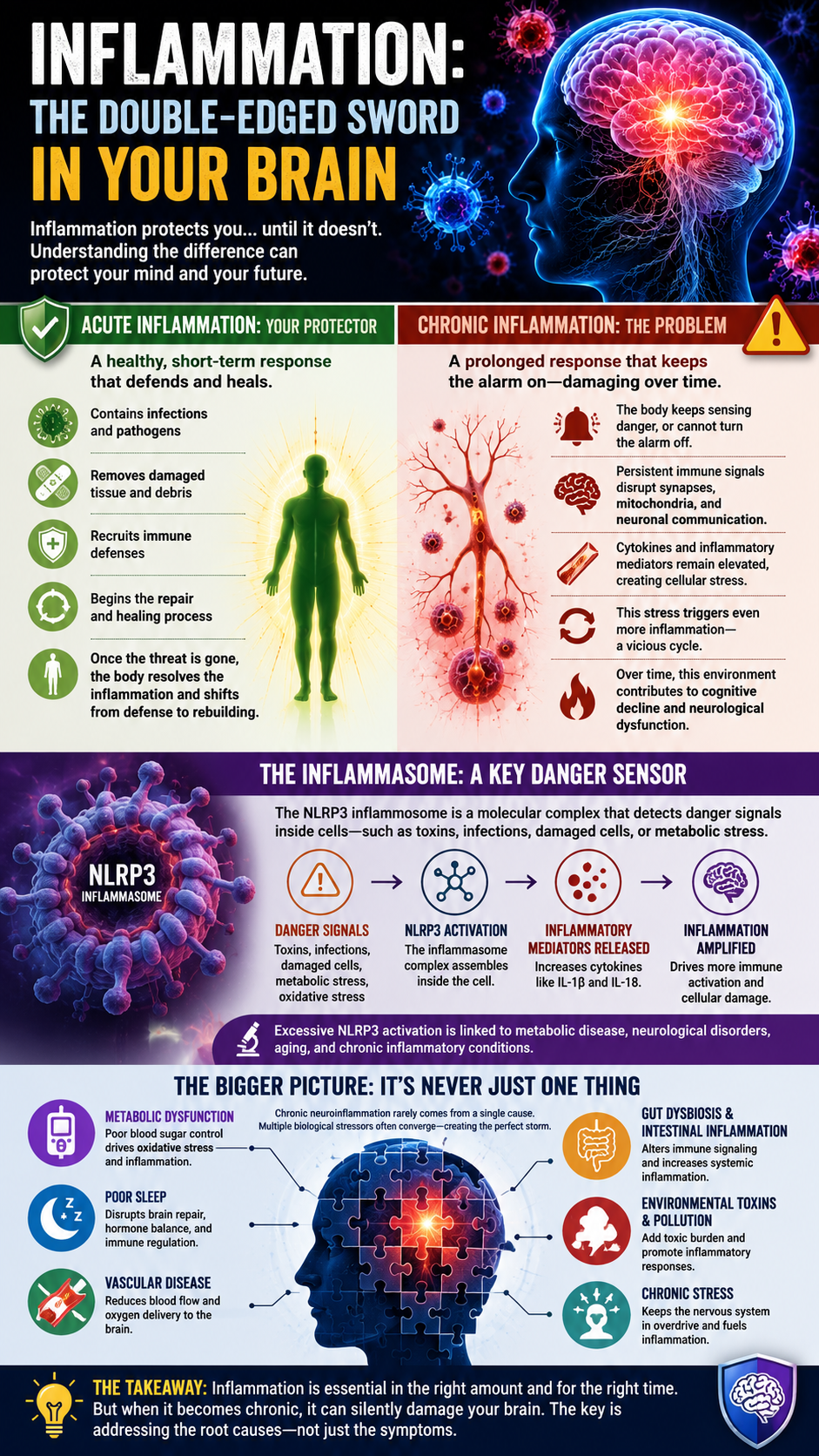
Researchers have become particularly interested in molecular danger sensors such as the NLRP3 inflammasome. This cellular complex can respond to various danger-associated signals and promote inflammatory pathways. Its activation can increase inflammatory mediators, including interleukin-1 beta and interleukin-18. Scientists continue studying excessive inflammasome activity across metabolic disorders, neurological disease, aging, and chronic inflammatory conditions. The pathway provides another example of how cellular stress can translate into immune activation.
However, focusing entirely on one inflammatory molecule misses the larger story. Chronic neuroinflammation rarely represents one broken switch waiting for a pharmaceutical or supplement to turn it off. Multiple biological pressures often converge upon the nervous system simultaneously. Metabolic dysfunction can increase oxidative stress while poor sleep reduces neurological recovery. Vascular disease can impair circulation while systemic inflammation changes immune signaling. The result resembles a biological orchestra playing the wrong music rather than one instrument producing every problem.
The Blood-Brain Barrier Is a Living Border
The brain requires extraordinary chemical stability, which explains why the blood-brain barrier matters so much. Specialized endothelial cells line cerebral blood vessels and tightly regulate molecular movement into neurological tissue. Astrocytes, pericytes, basement membranes, and other structures contribute to this protective neurovascular system. Together, they create a dynamic interface between circulating blood and the brain.
The barrier does far more than keep harmful substances away from neurons. It regulates nutrients, ions, signaling molecules, and metabolic substrates entering neurological tissue. This careful control protects the electrical and chemical environment neurons require. Healthy brain function therefore depends partly upon healthy blood vessels and properly regulated vascular barriers.
Chronic systemic inflammation can influence this interface. Diabetes, metabolic dysfunction, vascular disease, infections, aging, and other inflammatory states can alter blood-brain barrier function. Changes in barrier integrity may increase communication between peripheral immune signals and the central nervous system. Meanwhile, inflammatory activity inside the brain can further influence vascular function. This two-way relationship can create another cycle that sustains neurological inflammation.
The larger lesson reaches far beyond the blood-brain barrier itself. The brain cannot remain completely insulated from an unhealthy body. Poor vascular health eventually matters to neurological tissue because every neuron depends upon circulation. Metabolic disease matters because the brain receives its oxygen and nutrients through those same vessels. Protecting brain health therefore requires protecting the systems delivering life to the brain.
The Gut-Brain-Immune Connection
Another major source of neurological signaling sits several feet below the brain. The gastrointestinal tract contains an enormous interface between the body and the outside environment. Food proteins, bacteria, microbial metabolites, chemicals, medications, and other compounds interact with this environment daily. The intestinal barrier helps regulate which materials remain inside the digestive tract and which enter circulation.
Researchers now describe extensive communication through the gut-brain axis. This network involves the intestinal microbiome, immune system, nervous system, endocrine signaling, microbial metabolites, and vagus nerve. Gut microorganisms produce compounds that can influence metabolic and immune activity. Conversely, stress hormones, diet, medications, sleep, and neurological signaling can change the intestinal environment.
Intestinal dysfunction does not explain every neurological condition. Likewise, increased intestinal permeability should never become a universal diagnosis for brain fog or cognitive decline. Nevertheless, chronic gastrointestinal inflammation can contribute to systemic immune activity. Altered microbial ecology may also influence metabolic signaling and inflammatory pathways. These relationships make digestive health relevant when investigating certain chronic neurological patterns.
Diet connects these systems even further. A diet dominated by ultra-processed food can simultaneously influence glucose regulation, nutrient density, body composition, and microbial ecology. Excessive refined carbohydrates can produce repeated glucose elevations in susceptible individuals. Poor-quality diets may also displace protein, omega-3 fats, minerals, vitamins, and phytonutrients. The brain eventually experiences the metabolic consequences created elsewhere in the body.
Insulin Resistance Can Reach the Brain
Few conditions demonstrate the body-brain connection more clearly than metabolic dysfunction. The human brain consumes tremendous energy despite representing only a small portion of total body mass. Neurons need constant energy to maintain electrical gradients, transmit signals, repair membranes, and recycle neurotransmitters. Any sustained disturbance in energy metabolism can therefore become neurologically important.
Insulin resistance develops when tissues become less responsive to insulin’s signals. The pancreas may compensate by producing greater amounts of insulin to maintain glucose control. Over time, fasting insulin can rise while post-meal glucose becomes increasingly difficult to regulate. Visceral fat often accumulates, triglycerides can increase, and systemic inflammatory signaling may intensify.
Repeated glucose elevations also increase glycation and oxidative stress. Blood vessels experience those consequences alongside other tissues. Because the brain depends upon an enormous network of tiny blood vessels, vascular metabolic damage becomes especially relevant. Impaired vascular health can affect oxygen delivery, nutrient transport, barrier function, and neurological resilience.
Research consistently associates diabetes and metabolic disease with greater cognitive and dementia risks. That does not prove insulin resistance causes every case of cognitive decline. Genetics, aging, vascular disease, lifestyle, infections, and many other variables contribute to neurological outcomes. However, ignoring metabolic health while discussing brain health leaves a major piece of the puzzle unexplored.
Mitochondria Sit at the Crossroads of Brain Energy and Inflammation
Every thought requires energy. So does every memory, muscle command, sensory perception, and emotional response generated through neurological networks. Neurons must continuously manufacture ATP to maintain their enormous workload. Much of that energy comes from mitochondria, the specialized structures often described as cellular powerhouses.
Mitochondria also participate in cellular signaling and stress responses. When mitochondrial function deteriorates, ATP production may decline while reactive oxygen species increase. Damaged mitochondria can release molecular signals that alert innate immune pathways. Those signals may further activate inflammatory mechanisms and place additional stress upon surrounding cells.
Inflammation can then impair mitochondrial performance, creating a dangerous feedback cycle. Increased oxidative stress damages cellular structures while impaired mitochondria produce energy less efficiently. Neurons become particularly vulnerable because they cannot simply stop working while repairs occur. Their metabolic demands continue every second of life.
This relationship helps explain why neuroinflammation can affect cognition and energy simultaneously. Synaptic transmission consumes energy, and memory formation depends upon metabolically active networks. Cellular repair also requires substantial resources. When inflammation and mitochondrial dysfunction occur together, the brain may face both an immune problem and an energy problem.
Sleep Deprivation Keeps Adding Fuel
Sleep represents one of the brain’s most powerful recovery periods. During sleep, neural activity changes, memories consolidate, hormones shift, and metabolic maintenance continues. Scientists have also identified important relationships between sleep and the brain’s glymphatic clearance system. This system helps move cerebrospinal fluid through spaces surrounding blood vessels and assists waste removal.
Chronically inadequate sleep disrupts far more than morning alertness. Sleep restriction can impair insulin sensitivity, increase appetite, alter stress hormones, and affect inflammatory signaling. Blood pressure and sympathetic nervous system activity may also change. These effects can compound existing metabolic and vascular problems.
Obstructive sleep apnea creates another neurological stressor. Repeated airway obstruction can fragment sleep and produce intermittent oxygen deprivation throughout the night. Someone may remain in bed for eight hours yet receive poor restorative sleep. Loud snoring, witnessed breathing pauses, morning headaches, and excessive daytime sleepiness deserve proper evaluation.
Ignoring sleep while attempting to improve brain health makes little biological sense. No nutritional supplement can reproduce the neurological processes occurring during restorative sleep. Sleep should therefore become a foundational component of any comprehensive strategy addressing cognitive health.
Environmental Exposures and the Total Inflammatory Burden
Modern humans encounter numerous environmental compounds through air, water, food, workplaces, and consumer products. Tobacco smoke, air pollution, solvents, pesticides, certain metals, and industrial chemicals can create neurological or systemic effects at sufficient exposures. Individual risk depends upon dose, duration, genetics, occupation, and other biological factors.
Air pollution deserves particular attention because inhaled particles can affect cardiovascular and inflammatory pathways. Occupational exposures may produce much greater concentrations than ordinary environmental contact. Solvents, fumes, pesticides, or metals require appropriate protective measures when workplace exposure becomes significant. Reducing the exposure itself generally makes more sense than attempting to compensate afterward.
This subject also demands intellectual restraint. Detecting a chemical inside the body does not prove that chemical caused someone’s symptoms. Experimental toxicity at extremely high doses cannot automatically predict ordinary exposure risks. Responsible investigation considers exposure history without turning everyday life into a toxicological emergency.
The concept of total burden remains useful, however. Someone with metabolic disease, chronic sleep deprivation, vascular dysfunction, and high psychological stress already carries substantial physiological pressure. Meaningful environmental exposure may add another source of oxidative or inflammatory stress. Neuroinflammation often makes more sense when viewed through this cumulative model.
What Chronic Neuroinflammation Can Do to the Brain and Body
Persistent inflammatory signaling can change the environment surrounding neurons. Cytokines can influence neurotransmission while oxidative stress damages cellular components. Mitochondrial dysfunction may reduce available energy, and vascular abnormalities can impair neurological support. Altered glial activity may also influence synaptic maintenance and communication.
These processes can affect how efficiently neural networks function. People may experience concentration problems, cognitive slowing, fatigue, memory complaints, mood changes, or sleep disturbances. However, these symptoms remain nonspecific and can arise from many conditions. Neuroinflammation should never become a convenient label replacing proper evaluation.
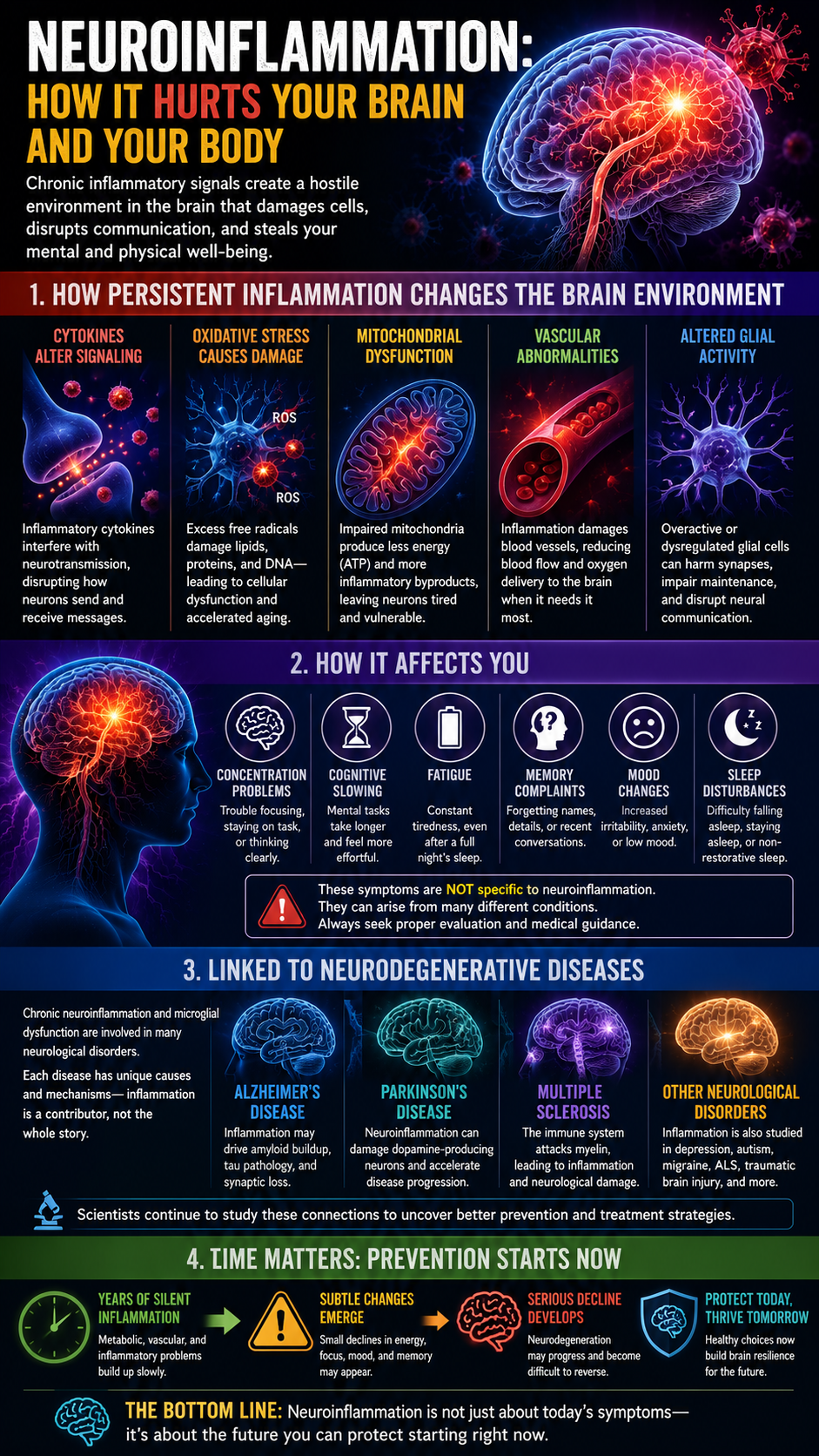
Long-term inflammatory activity also attracts attention because of its relationship with neurodegenerative diseases. Researchers continue studying microglial dysfunction and inflammatory signaling in Alzheimer’s disease, Parkinson’s disease, multiple sclerosis, and other neurological disorders. Each condition has distinct causes and mechanisms, so inflammation should not become a universal explanation. Still, immune activity clearly participates in many neurological disease processes.
Perhaps the most important implication involves time. Neurological decline may develop slowly while metabolic, vascular, and inflammatory problems accumulate for years. Waiting until severe cognitive symptoms appear wastes an enormous opportunity for prevention. Protecting the brain should begin while cognition remains strong.
Neuroinflammation Often Begins Beyond the Skull
When neuroinflammation becomes chronic, asking how to suppress inflammation addresses only half the problem. A more useful investigation asks what repeatedly stimulates inflammatory signaling. The answer may involve several interacting pressures rather than one dramatic cause. Metabolism, circulation, sleep, gut health, infection, environmental exposure, stress physiology, and physical inactivity can all influence the terrain.
Consider someone sleeping poorly while eating heavily processed foods and remaining sedentary. Insulin resistance begins developing while visceral fat increases and restorative sleep declines. Chronic psychological stress may further disturb glucose control and autonomic regulation. No single factor must become catastrophic because several moderate pressures can reinforce each other.
This interaction explains why isolated interventions frequently disappoint people. Taking one supplement cannot compensate for five hours of sleep, severe metabolic dysfunction, and physical inactivity. An occasional healthy meal cannot erase an otherwise inflammatory dietary pattern. Lasting neurological resilience requires changing the repeated signals entering the system.
Root-cause thinking therefore requires hierarchy. Address the largest physiological stressors before chasing obscure laboratory abnormalities. Improve foundational biology while investigating significant symptoms appropriately. The objective is not finding the most exotic explanation but identifying the strongest modifiable pressures.
The Vagus Nerve Reveals How Connected the Body Really Is
The vagus nerve provides a remarkable communication highway between the brain and internal organs. It travels from the brainstem into the chest and abdomen while interacting with the heart, lungs, and gastrointestinal system. Much of its information travels toward the brain, providing continuous updates about internal physiology.
Researchers have also investigated neural pathways involved in regulating immune activity. This so-called inflammatory reflex demonstrates intimate communication between neurological and immune systems. Autonomic function can influence inflammatory responses, while inflammatory activity can alter neural signaling. The two systems constantly communicate rather than functioning independently.
Chronic sympathetic activation may disrupt this balance. Psychological stress can affect sleep, digestion, glucose regulation, heart rate, blood pressure, and immune signaling. Persistent stress therefore becomes biological rather than merely emotional. The body experiences the chemistry created by repeated emergency signaling.
Supporting recovery does not require complicated equipment. Slow breathing, prayer, meditation, social connection, quiet outdoor time, and regular movement can encourage physiological recovery. Their value comes through repetition rather than dramatic immediate effects. A nervous system repeatedly given signals of safety receives different information from one living in constant urgency.
Muscle Provides Powerful Protection for Metabolic Brain Health
Most people think exercise matters because it burns calories. That explanation barely scratches the surface. Skeletal muscle functions as a major metabolic organ that absorbs glucose, stores glycogen, responds to insulin, and releases signaling molecules. Healthy muscle therefore changes the metabolic environment surrounding every organ.
Resistance exercise can improve insulin sensitivity while preserving muscle mass during aging. Walking can improve post-meal glucose handling and cardiovascular function. Aerobic exercise supports mitochondrial adaptations and cardiorespiratory fitness. These benefits directly address several pathways associated with poor neurological health.
Loss of muscle creates the opposite environment. Less muscle means reduced capacity for glucose disposal and diminished physical reserve. Sedentary behavior can worsen insulin resistance even without dramatic weight gain. Over decades, these changes may contribute to the metabolic conditions associated with poorer brain outcomes.
Exercise does not need to become punishment. Consistency matters more than occasional heroic workouts. Building strength several times weekly and walking daily creates a powerful foundation. The brain benefits because the entire metabolic system becomes more resilient.
Change the Food and You Change the Signals
Nutrition affects neuroinflammation through several interconnected pathways. Food influences glucose, insulin, triglycerides, body composition, gut microorganisms, nutrient availability, and inflammatory signaling. A diet dominated by ultra-processed foods creates a different internal environment from one based around nutrient-dense ingredients.
Reducing added sugar and refined carbohydrates can improve glucose regulation for many people. Protein helps preserve muscle while supplying essential amino acids. Natural dietary fats provide structural components needed throughout the body. Omega-3 fatty acids, particularly DHA, play important roles within neuronal membranes.
Micronutrients deserve attention without becoming an excuse for indiscriminate supplementation. Magnesium supports hundreds of enzymatic reactions, while B vitamins participate in energy metabolism. Choline contributes to membrane structure and acetylcholine synthesis. Iron, copper, zinc, selenium, and other minerals remain essential within appropriate ranges.
Food should provide the foundation whenever possible. Quality meats, eggs when tolerated, seafood, olive oil, avocados, vegetables, herbs, and other minimally processed foods can provide substantial nutrient density. Individual tolerances and metabolic needs vary, so no single dietary template fits everyone. The common objective remains reducing metabolic chaos while increasing nutritional quality.
Fix the Night Before Chasing the Day
Anyone struggling with cognitive performance should examine sleep before purchasing another brain supplement. Establishing a consistent sleep and wake schedule strengthens circadian timing. Morning daylight reinforces the brain’s internal clock and helps coordinate appropriate hormonal rhythms.
Evening behavior matters equally. Bright light, stimulating content, alcohol, heavy late meals, and irregular bedtimes can interfere with sleep quality. A dark, quiet, comfortable bedroom supports the environmental conditions needed for restorative sleep. Many adults function best with roughly seven to nine hours nightly.
Quality matters alongside quantity. Someone repeatedly waking from airway obstruction may receive inadequate restorative sleep despite spending enough time in bed. Persistent snoring, breathing pauses, morning headaches, or excessive daytime fatigue deserve evaluation for sleep apnea.
Restoring sleep can influence multiple upstream drivers simultaneously. Better sleep supports glucose regulation, appetite control, stress resilience, cognitive performance, and immune balance. Few interventions affect so many systems at once.
Reduce Environmental Inputs Before Attempting “Detox”
Reducing meaningful exposure should come before aggressive detoxification strategies. Stop smoking and minimize secondhand smoke whenever possible. Improve ventilation where indoor pollutants accumulate and use suitable filtration when environmental conditions warrant it.
Workplace exposures deserve careful attention. Anyone regularly handling solvents, pesticides, metals, fumes, or industrial dust should use appropriate protective equipment. Removing or reducing the source prevents repeated exposure rather than asking the body to handle an unnecessary burden.
Normal elimination also depends upon basic physiology. The liver transforms many compounds, kidneys filter blood, lungs remove volatile substances, and the gastrointestinal tract eliminates waste. Adequate hydration, nutrition, movement, and regular bowel function support those normal processes.
Extreme detoxification programs can create unnecessary risks when used indiscriminately. More aggressive does not automatically mean more effective. Start by reducing incoming exposure and supporting normal elimination. Targeted medical treatment should depend upon documented exposures and appropriate evaluation.
Your At-Home Neuroinflammation Reset
Begin each morning with consistency rather than complexity. Wake near the same time daily and obtain outdoor light soon afterward. Morning light helps anchor circadian rhythms that influence sleep, hormones, metabolism, and neurological function. Follow that with hydration according to thirst, activity, climate, and individual needs.
Build meals around metabolic stability and nutrient density. Remove obvious added sugars and heavily processed foods for several weeks. Emphasize adequate protein, natural fats, and minimally processed ingredients appropriate for your needs. Pay attention to hunger, energy, concentration, digestion, and post-meal fatigue as those foods change.
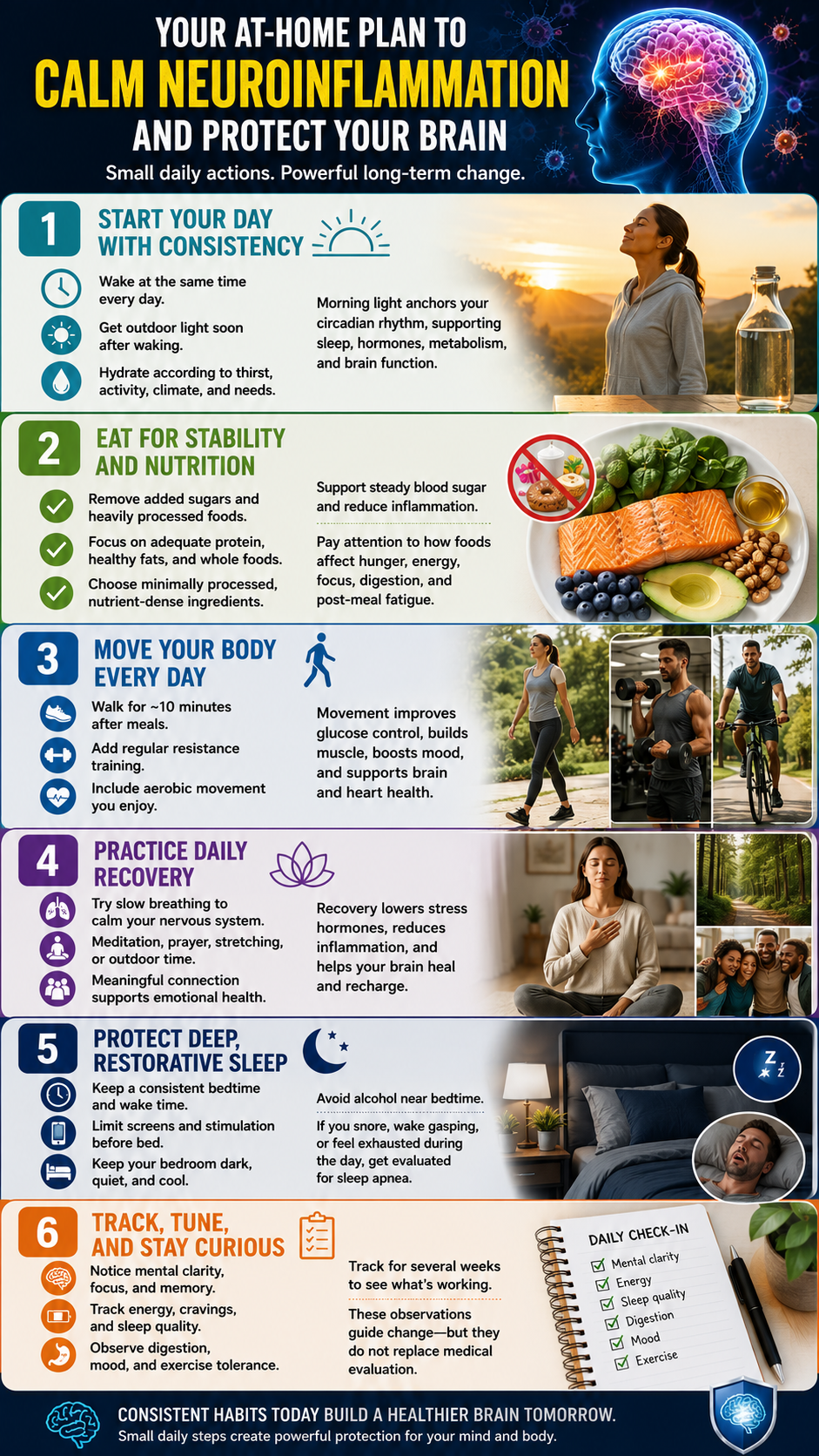
Movement should follow meals whenever practical. Walking for approximately ten minutes after eating can support post-meal glucose management. Add regular resistance training to build or preserve muscle. Include aerobic movement according to fitness level and medical circumstances.
Create a daily period devoted specifically to nervous-system recovery. Slow breathing provides an accessible starting point because it requires no equipment. Prayer, meditation, outdoor walking, stretching, and meaningful social interaction provide additional options. Choose practices you will actually repeat rather than creating an unrealistic routine.
Protect sleep with the same seriousness used for nutrition and exercise. Establish an evening schedule and reduce unnecessary stimulation before bedtime. Keep the bedroom dark and comfortable while limiting alcohol near sleep. Investigate persistent snoring or unexplained daytime exhaustion rather than normalizing them.
Track how your body responds across several weeks. Notice mental clarity, energy stability, cravings, sleep quality, digestion, exercise tolerance, and mood. These observations cannot diagnose neuroinflammation, but they can reveal how lifestyle changes influence function. Persistent or worsening neurological symptoms still require appropriate evaluation.
Brain Fog Is a Signal, Not a Diagnosis
The phrase “brain fog” describes an experience rather than a specific disease. People commonly use it for forgetfulness, difficulty concentrating, mental fatigue, slow thinking, or reduced verbal recall. Numerous medical, neurological, metabolic, nutritional, psychological, and sleep-related conditions can produce these symptoms.
Investigation should therefore remain broad enough to avoid tunnel vision. Sleep quality, glucose regulation, thyroid function, nutrient status, medications, alcohol, cardiovascular risk, physical activity, and other relevant factors may deserve attention. Clinical history should determine which tests make sense instead of ordering enormous panels without direction.
Sudden neurological symptoms belong in a different category. New weakness, facial drooping, speech problems, seizures, severe unusual headaches, or abrupt confusion can signal emergencies. Those symptoms require immediate medical attention rather than home treatment for presumed inflammation.
Root-cause thinking works best when it increases curiosity rather than certainty. The objective is identifying what contributes to dysfunction while ruling out dangerous conditions. Neuroinflammation provides an important framework, but it should never become an explanation forced onto every symptom.
Build a Body Where the Brain Can Thrive
The most important lesson surrounding neuroinflammation reaches far beyond the brain. Neurological tissue continuously receives information about metabolism, circulation, immunity, hormones, sleep, movement, nutrition, and environmental conditions. The brain does not escape the physiology happening beneath the neck.
Microglia respond to that environment because protecting neurological tissue is their job. Blood vessels deliver the metabolic consequences created elsewhere in the body. Mitochondria respond to available nutrients and cellular stress. The gut communicates through immune, metabolic, microbial, and neural pathways. Sleep determines whether the nervous system receives adequate opportunities for recovery.
That interconnected biology changes what prevention should look like. Brain health cannot begin only after memory declines. It begins with maintaining insulin sensitivity, protecting vascular health, preserving muscle, sleeping deeply, eating nutrient-dense food, and reducing meaningful toxic exposures. Those actions create biological resilience long before neurological disease appears.
No lifestyle strategy can guarantee immunity from Alzheimer’s disease, Parkinson’s disease, multiple sclerosis, or other neurological conditions. Genetics, aging, infections, autoimmune processes, injuries, and numerous unknown variables still matter. However, acknowledging those factors does not make modifiable physiology irrelevant. It makes improving the terrain even more important.
Neuroinflammation ultimately gives us a more sophisticated way to understand the brain’s relationship with the body. The immune system inside the brain was designed to protect neurons, remove damage, and respond to genuine threats. Problems emerge when the biological environment keeps communicating danger long after an acute emergency should have ended. Restoring health therefore requires more than silencing the alarm; it requires investigating what keeps pulling it.
The most useful question becomes broader than asking what supplement reduces inflammation. Examine the metabolic pressure feeding the system, the sleep debt preventing recovery, and the vascular health supplying the brain. Investigate persistent digestive dysfunction when clinically relevant, and address significant environmental exposures rather than fearing every chemical. Build muscle, move regularly, improve nutrition, and create deliberate periods of recovery.
The brain is always listening to the body carrying it. Every meal, night of sleep, period of movement, glucose surge, stress response, and inflammatory signal becomes part of that biological conversation. Change enough of those repeated messages, and you begin changing the environment surrounding the brain. That is where a serious strategy for neuroinflammation should begin.