
A Turning Point That Changes Everything
For generations, women accepted menopause as an unavoidable decline into fatigue, sleepless nights, stubborn weight gain, fading memory, and emotional instability. Mothers warned their daughters that hot flashes, mood swings, and aching joints simply marked the price of growing older. Physicians often reinforced that belief by offering little beyond reassurance or prescriptions designed to mask symptoms rather than explain them. Millions of women quietly endured decades of diminished health because society viewed menopause as a natural inconvenience instead of a complex biological transition deserving thoughtful investigation. That mindset continues to influence medical conversations today, even as scientific discoveries reveal a far more intricate story.
Modern research paints a dramatically different picture. Menopause does not suddenly appear on a woman’s fiftieth birthday, nor does it affect only the reproductive system. Instead, it unfolds over many years as a gradual shift involving the brain, ovaries, adrenal glands, thyroid, liver, immune system, cardiovascular system, and metabolism. Hormones operate as chemical messengers that coordinate nearly every organ in the human body. When those signals weaken, the consequences ripple far beyond fertility. Every tissue that once relied upon estrogen and progesterone begins adapting to a new hormonal environment, and that adaptation explains why symptoms vary so widely from one woman to another.
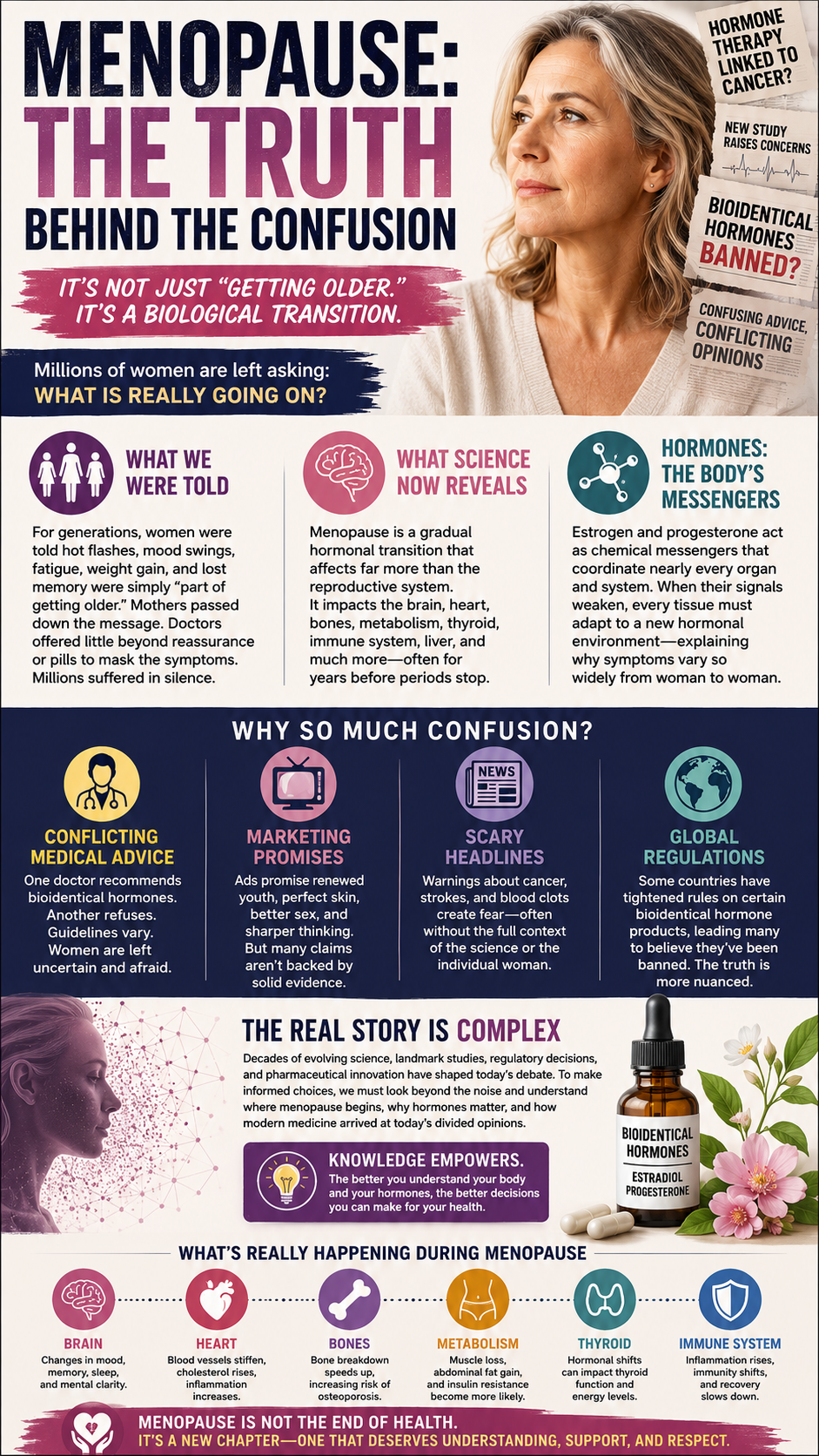
Despite these advances, confusion surrounding hormone replacement therapy has never been greater. One physician enthusiastically recommends bioidentical hormones, while another refuses to prescribe them under almost any circumstance. Television advertisements promise renewed youth, sharper thinking, healthier skin, and improved intimacy. Headlines warn of cancer, strokes, blood clots, and dangerous side effects. Adding another layer of uncertainty, several countries have tightened regulations surrounding certain bioidentical hormone products, leading many women to believe governments have banned them outright. Those headlines often oversimplify a much more complicated reality.
Understanding that reality requires looking beyond internet opinions and marketing claims. The true story involves decades of evolving science, regulatory decisions, pharmaceutical innovation, and one of the most influential medical studies ever conducted. Before deciding whether bioidentical hormones deserve praise or criticism, it helps to understand where menopause begins, why hormones matter so profoundly, and how modern medicine arrived at today’s divided opinions.
The Silent Hormonal Shift Begins Long Before Menopause
Most women believe menopause starts when menstrual cycles stop. Biology tells a different story. The transition usually begins years earlier during perimenopause, a stage that often arrives in the early forties and occasionally even sooner. During this period, hormone production becomes increasingly unpredictable. Some months the ovaries produce abundant estrogen, while other months production falls dramatically. Progesterone often declines first because ovulation becomes less consistent. This imbalance creates hormonal fluctuations that may feel like an emotional roller coaster.
The body’s internal communication network depends upon remarkable precision. Estrogen and progesterone interact continuously with the hypothalamus and pituitary gland inside the brain, forming an elegant feedback system that regulates reproduction, metabolism, sleep, mood, and body temperature. As ovarian hormone production becomes erratic, those brain centers receive inconsistent signals. The resulting confusion contributes to hot flashes, night sweats, insomnia, anxiety, irritability, and difficulty concentrating long before menstruation permanently ends.
Hormonal changes also influence organs that many people never associate with menopause. Estrogen receptors appear throughout the cardiovascular system, digestive tract, urinary tract, skin, bones, muscles, and immune cells. Every decline in hormone production subtly alters cellular communication inside these tissues. Blood vessels become less flexible, collagen production slows, muscle recovery changes, bone remodeling accelerates, and inflammatory signaling often increases. Rather than affecting one organ, menopause influences nearly every biological system simultaneously.
Because these changes develop gradually, many women never connect seemingly unrelated symptoms to hormonal transition. Brain fog may appear years before hot flashes. Joint pain often precedes menstrual irregularities. Increased abdominal fat, declining motivation, worsening cholesterol, and disrupted sleep may emerge independently, creating the illusion of unrelated health problems. Treating each symptom separately frequently misses the broader physiological pattern unfolding beneath the surface.
Hormones Do Far More Than Control Reproduction
Few molecules carry greater responsibility inside the female body than estrogen and progesterone. While these hormones certainly regulate menstrual cycles and fertility, their influence extends far beyond reproduction. Scientists have identified estrogen receptors in virtually every major organ system, highlighting the hormone’s role as one of the body’s most versatile biological regulators.
Within the brain, estrogen supports communication between neurons, promotes glucose utilization, encourages the formation of new synaptic connections, and helps maintain healthy neurotransmitter balance. Dopamine influences motivation and reward. Serotonin shapes emotional stability and resilience. Acetylcholine contributes to memory formation and learning. Estrogen interacts with each of these systems, helping explain why declining hormone levels may contribute to forgetfulness, mood changes, decreased focus, and diminished mental clarity during menopause.
Progesterone performs equally important functions. Beyond preparing the uterus for pregnancy, it acts within the central nervous system as a calming neurosteroid. Its metabolites enhance gamma-aminobutyric acid, commonly called GABA, the brain’s primary inhibitory neurotransmitter. Healthy GABA activity promotes relaxation, restorative sleep, emotional balance, and reduced anxiety. As progesterone production falls, many women notice increased nervousness, lighter sleep, and greater emotional reactivity even before estrogen significantly declines.
Outside the nervous system, these hormones regulate bone remodeling, vascular function, insulin sensitivity, collagen production, and inflammatory responses. They influence how efficiently cells generate energy inside mitochondria, how muscles recover after exercise, and how blood vessels respond to changing demands. Losing these regulatory signals affects far more than menstrual cycles. It alters the biological environment in which every cell operates.
The Pharmaceutical Revolution That Changed Women’s Health
Scientists isolated estrogen during the early twentieth century, creating enormous excitement throughout medicine. Physicians finally possessed a tool capable of relieving symptoms that had burdened women for centuries. Pharmaceutical companies rapidly invested in hormone development, believing replacement therapy could transform women’s health while extending vitality far beyond menopause.
One of the earliest commercial successes emerged from an unusual source. Researchers discovered that urine collected from pregnant mares contained concentrated estrogens suitable for pharmaceutical extraction. This process eventually produced conjugated equine estrogens, marketed under the brand name Premarin. Despite its unconventional origin, the medication dramatically reduced hot flashes, night sweats, and vaginal dryness for countless women. Prescriptions surged throughout the second half of the twentieth century, making hormone replacement one of the most widely prescribed therapies in medicine.
Physicians initially believed replacing estrogen could preserve youth while protecting cardiovascular health, strengthening bones, and improving overall longevity. Popular books even described menopause as an estrogen deficiency disease requiring lifelong treatment. Millions embraced hormone therapy with remarkable enthusiasm because available evidence appeared overwhelmingly positive. Confidence grew rapidly, but long-term safety data remained limited.
That optimism began changing during the late twentieth century as researchers questioned whether years of continuous hormone exposure might influence breast tissue, blood clotting, or cardiovascular risk. Those concerns prompted one of the largest medical studies ever conducted. Few anticipated how profoundly its findings would reshape women’s healthcare for decades to come.
The Study That Changed Medicine Overnight
In 2002, the Women’s Health Initiative released preliminary findings that reverberated throughout hospitals, clinics, and households across the world. Researchers reported increased risks of breast cancer, stroke, blood clots, and cardiovascular events among women receiving a specific combination of conjugated equine estrogen and synthetic medroxyprogesterone acetate. News organizations summarized those findings with dramatic headlines suggesting hormone replacement caused cancer and heart disease.
Public reaction proved immediate and dramatic. Millions of women discontinued hormone therapy within weeks. Physicians rapidly altered prescribing habits. Medical schools revised educational curricula. Fear replaced decades of confidence almost overnight. For many women experiencing severe menopausal symptoms, the perceived dangers of hormone therapy suddenly outweighed the burden of menopause itself.
As years passed, investigators returned to the original data with fresh questions. They discovered several critical details that initial media coverage rarely emphasized. The average participant entered the study around age sixty-three, more than a decade beyond the typical onset of menopause. Many women already carried established cardiovascular disease risk factors before treatment began. Researchers also studied one specific hormone combination rather than every available hormone formulation.
Subsequent analyses introduced the concept known as the timing hypothesis. Evidence suggested women who begin hormone therapy closer to menopause may experience a different balance of benefits and risks than women starting treatment much later in life. Researchers also recognized important differences among oral estrogens, transdermal preparations, micronized progesterone, and synthetic progestins. Those distinctions continue shaping modern menopause guidelines throughout the world.
The Meaning Behind Bioidentical Hormones
The phrase “bioidentical hormone” appears constantly in advertisements, podcasts, and social media discussions, yet many women misunderstand its actual meaning. Bioidentical does not automatically mean safer, stronger, or more natural. Instead, the term simply describes hormones whose molecular structure matches hormones naturally produced inside the human body.
Micronized progesterone provides an excellent example. Its chemical structure mirrors progesterone synthesized by healthy ovaries. Estradiol found in several approved pharmaceutical products also matches the body’s primary estrogen molecule. Because cells recognize these hormones as chemically identical, they bind receptors in ways that resemble naturally occurring hormones.
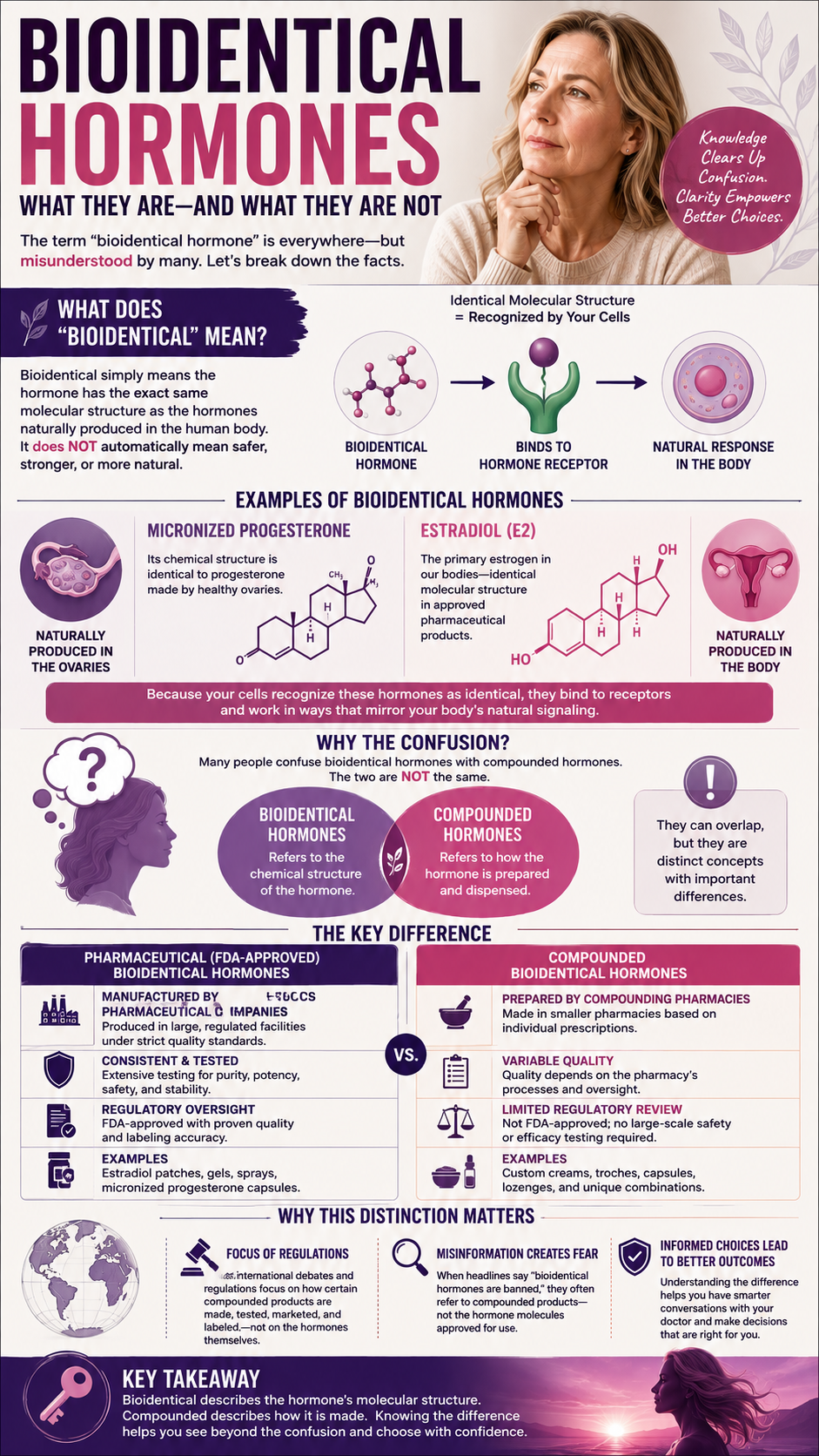
Confusion often arises because many people incorrectly equate bioidentical hormones with compounded hormones. The two concepts overlap but remain distinctly different. Pharmaceutical companies manufacture several approved bioidentical hormone products under strict quality standards. Compounding pharmacies also prepare individualized bioidentical hormone formulations tailored to a patient’s prescription. Both may contain identical hormone molecules, yet they differ significantly in manufacturing oversight, consistency testing, and regulatory approval.
This distinction forms the foundation of today’s international debate. Most regulatory discussions focus less on bioidentical hormones themselves and more on how certain compounded formulations are prepared, tested, labeled, and marketed. Understanding that difference prevents many of the misconceptions surrounding reports that bioidentical hormones have been restricted in various countries.
The Global Debate Centers on Regulation, Not Biology
Sensational headlines often claim bioidentical hormones have been banned somewhere in the world. Those statements usually omit essential context. Most developed countries continue allowing approved bioidentical estradiol and progesterone products. Regulatory concerns typically involve compounded formulations produced outside traditional pharmaceutical manufacturing systems rather than the hormone molecules themselves.
Governments carry responsibility for ensuring medications deliver consistent doses while remaining free from contamination. Large pharmaceutical manufacturers must demonstrate stability, purity, potency, and manufacturing consistency through rigorous regulatory processes. Compounding pharmacies traditionally prepare customized medications for individual patients, making standardized large-scale testing more challenging. Several regulatory agencies strengthened oversight after isolated reports identified inconsistent dosing or manufacturing deficiencies within certain compounded products.
Another source of controversy involves marketing claims rather than hormone chemistry. Some promotional materials suggested compounded bioidentical hormones completely eliminated breast cancer risk, prevented aging, restored youthful metabolism, and carried virtually no side effects. Regulators challenged many of those statements because high-quality clinical trials had not established such sweeping conclusions. Their actions targeted unsupported advertising rather than the biological concept of bioidentical hormone therapy itself.
Consequently, women often encounter confusing reports suggesting countries oppose bioidentical hormones when regulatory agencies actually seek stronger quality control and evidence-based marketing. Appreciating that distinction helps explain why approved bioidentical hormone products remain widely available even in nations enforcing tighter standards for compounded preparations.
The Real Challenge Lies Beyond Hormones Alone
Perhaps the greatest misconception surrounding menopause involves believing hormones alone determine every outcome. Hormonal decline certainly influences numerous physiological systems, yet hormones interact continuously with nutrition, sleep, stress, physical activity, inflammation, environmental exposures, genetics, gut health, and metabolic function. Two women entering menopause with identical estrogen levels may experience remarkably different symptoms because their overall health differs dramatically.
Chronic inflammation can amplify hot flashes and joint discomfort. Insulin resistance often accelerates abdominal fat accumulation after menopause. Sleep deprivation worsens cortisol regulation while intensifying emotional instability. Nutrient deficiencies impair hormone metabolism inside the liver. Reduced muscle mass decreases metabolic flexibility and contributes to declining energy. Menopause rarely occurs in isolation because every biological system influences the others.
Recognizing menopause as a whole-body transition rather than an isolated ovarian event transforms the conversation. Hormone therapy represents one potential tool, but it cannot replace healthy lifestyle foundations or correct every underlying imbalance. Lasting wellness requires understanding how hormones integrate with the broader physiology that supports healthy aging.
The Hormonal Domino Effect That Reaches Every Organ
When estrogen and progesterone begin their steady decline, the ovaries are not the only organs affected. Every major system in the body must adapt to a dramatically different hormonal environment. This transition explains why menopause often feels like dozens of unrelated health problems appearing simultaneously. One woman develops insomnia, another experiences depression, while someone else notices weight gain, elevated cholesterol, thinning hair, painful joints, and declining memory. Although these symptoms seem disconnected, they often share the same biological foundation.
The brain stands among the first organs to recognize changing hormone levels. Estrogen helps neurons communicate efficiently while supporting blood flow, glucose metabolism, and neurotransmitter production. As estrogen declines, many women experience difficulty recalling names, maintaining concentration, or processing information as quickly as before. Researchers sometimes refer to this phenomenon as “menopausal brain fog,” yet the term hardly captures its profound impact on daily life. Many women describe feeling as though a mental cloud has settled over thoughts that once came effortlessly.
Progesterone loss compounds these neurological changes. Healthy progesterone supports calmness by interacting with GABA receptors, the brain’s natural braking system. Declining progesterone leaves many women feeling anxious, restless, emotionally reactive, or unable to relax despite overwhelming fatigue. Nighttime often becomes especially challenging because falling asleep requires calming neural activity that progesterone once supported. Sleep grows lighter, awakenings become more frequent, and restorative deep sleep gradually disappears.
The emotional burden extends far beyond inconvenience. Chronic sleep disruption increases cortisol production, weakens immune function, impairs blood sugar regulation, and accelerates systemic inflammation. Poor sleep also reduces emotional resilience, making ordinary stress feel overwhelming. Women frequently believe anxiety caused their insomnia, when hormonal changes initiated both problems simultaneously.
The Heart Begins Changing Long Before Symptoms Appear
Many people associate estrogen primarily with reproduction, yet cardiologists increasingly recognize its importance in cardiovascular health. Healthy estrogen supports flexible blood vessels by encouraging nitric oxide production, which helps arteries relax and maintain healthy circulation. Estrogen also influences cholesterol metabolism, inflammatory pathways, and the function of cells lining blood vessels. Losing these protective effects gradually alters the cardiovascular landscape.
During the years following menopause, LDL cholesterol often rises while protective HDL cholesterol declines. Blood vessels become less elastic, increasing resistance to blood flow. Inflammation may intensify, allowing microscopic injury within artery walls to progress more rapidly. These changes develop quietly over many years, explaining why heart disease frequently emerges after menopause despite decades of excellent cardiovascular health.
Insulin resistance often accelerates this process. Declining estrogen influences how cells respond to insulin, making blood sugar regulation less efficient. Excess glucose promotes oxidative stress, damages blood vessels, and encourages abdominal fat accumulation. Visceral fat produces inflammatory chemicals that further worsen metabolic dysfunction. This cycle illustrates how hormonal decline can gradually reshape cardiovascular risk without producing immediate warning signs.
Because these changes occur silently, many women underestimate their significance. Hot flashes demand immediate attention, but rising inflammation, worsening cholesterol, and declining vascular flexibility often remain unnoticed until years later. Protecting cardiovascular health therefore requires addressing hormonal changes before irreversible damage develops.
Bones Tell a Story Hidden Beneath the Surface
Bone appears solid and permanent, yet it remains one of the body’s most dynamic tissues. Specialized cells continuously remove old bone while replacing it with newly formed mineralized tissue. Estrogen carefully coordinates this remodeling process by slowing excessive bone breakdown while supporting healthy bone formation. Menopause disrupts that balance with remarkable speed.
Within the first several years after menopause, many women lose bone density far faster than expected. Osteoclasts, the cells responsible for bone resorption, become more active without adequate estrogen regulation. Osteoblasts struggle to replace lost bone at the same pace. Gradually, microscopic structural weaknesses develop inside the skeleton long before fractures occur.
Unfortunately, osteoporosis rarely announces its arrival through pain. Most women discover declining bone density only after undergoing imaging or experiencing a fracture following a relatively minor fall. Hip fractures, spinal compression fractures, and wrist fractures become increasingly common because weakened bones tolerate less mechanical stress. Prevention therefore becomes far more effective than treatment after substantial bone loss has already occurred.
Nutrition also influences this process. Magnesium, vitamin D, vitamin K2, boron, adequate protein, and regular resistance exercise all support healthy bone remodeling. Hormones provide one piece of the puzzle, but skeletal health depends upon a network of nutritional and lifestyle factors working together throughout life.
The Hidden Connection Between Menopause and Metabolism
Perhaps no menopausal complaint generates more frustration than unexpected weight gain. Women often report maintaining identical eating habits while watching the scale steadily climb. Conventional advice usually emphasizes eating less and exercising more, yet this simplistic explanation ignores the profound metabolic changes occurring beneath the surface.
Estrogen helps regulate how the body stores and burns fat. Healthy estrogen encourages fat deposition around the hips and thighs, areas generally considered metabolically safer. As estrogen declines, fat distribution shifts toward the abdomen. Visceral fat accumulates around internal organs, producing inflammatory molecules that interfere with insulin signaling and increase metabolic dysfunction. This pattern explains why many women notice expanding waistlines despite relatively stable body weight.
Muscle mass also declines more rapidly during and after menopause. Skeletal muscle functions as the body’s largest glucose reservoir, helping regulate blood sugar while supporting metabolic flexibility. Losing muscle reduces resting metabolic rate, meaning the body burns fewer calories even while sitting quietly. Without intentional strength training and adequate dietary protein, this process accelerates each year.
Thyroid function further complicates the picture. Hormonal changes may alter thyroid hormone sensitivity while chronic inflammation interferes with normal metabolic regulation. Fatigue worsens physical inactivity, inactivity promotes additional muscle loss, and muscle loss slows metabolism further. Breaking this cycle requires addressing multiple physiological systems rather than focusing exclusively on calorie restriction.
The Difference Between Compounded and Pharmaceutical Bioidentical Hormones
Much of today’s public debate centers on compounded bioidentical hormones. Unfortunately, many discussions confuse compounding practices with hormone chemistry itself. Understanding this distinction allows women to evaluate treatment options more thoughtfully.
Pharmaceutical-grade bioidentical hormones undergo extensive testing before reaching patients. Manufacturers must demonstrate consistent potency, purity, stability, and manufacturing quality while complying with rigorous regulatory standards. Approved estradiol patches, gels, sprays, vaginal preparations, and micronized progesterone represent examples of bioidentical hormones produced under standardized conditions.
Compounded bioidentical hormones follow a different pathway. Specialized pharmacies prepare individualized prescriptions designed to meet unique patient needs. Physicians may request customized doses, alternative delivery systems, or combinations unavailable through commercial manufacturers. Compounding plays an important role for certain patients, particularly those with allergies, unusual dosing requirements, or limited commercial options.
Concerns arise because compounded products generally do not undergo the same large-scale premarket evaluation required for commercially approved medications. Regulatory agencies therefore focus on manufacturing consistency, quality assurance, and evidence supporting safety claims. These concerns explain why some countries strengthened oversight of compounded hormone preparations while continuing to permit approved bioidentical hormone products.
Who May Not Be a Candidate for Hormone Therapy
Hormone therapy offers meaningful symptom relief for many women, yet it does not suit every clinical situation. Individual risk factors deserve careful evaluation before treatment begins. Personal history often influences therapeutic decisions far more than age alone.
Women with a history of hormone-sensitive cancers require individualized assessment alongside their oncology and women’s health teams. Previous unexplained vaginal bleeding, active liver disease, untreated endometrial abnormalities, certain clotting disorders, or recent thromboembolic events may also influence treatment recommendations. Each situation requires balancing potential benefits against possible risks rather than applying universal rules.
Equally important, hormone therapy should never replace comprehensive lifestyle care. Even when appropriate, hormones function best within a broader framework emphasizing nutrition, physical activity, restorative sleep, stress management, healthy body composition, and regular preventive healthcare. Viewing hormones as a single cure for every menopausal concern often leads to unrealistic expectations.
Building a Stronger Foundation at Home
While debates surrounding hormone therapy continue, several lifestyle interventions consistently demonstrate meaningful benefits for menopausal health. These strategies support metabolic resilience whether a woman chooses hormone therapy or not. They also address many physiological mechanisms contributing to symptoms during the menopausal transition.
Nutrition should emphasize high-quality protein because adequate amino acids preserve muscle mass, support collagen production, and improve metabolic function. Including protein with every meal stimulates muscle protein synthesis while promoting satiety. Colorful vegetables, berries, herbs, spices, extra-virgin olive oil, avocados, and fatty fish provide antioxidants and healthy fats that help moderate inflammation. Minimizing ultra-processed foods, excessive sugar, and refined carbohydrates supports healthier insulin sensitivity while reducing inflammatory stress.
Resistance exercise deserves equal attention. Lifting weights, performing bodyweight exercises, or using resistance bands stimulates muscle growth while strengthening bones and improving insulin sensitivity. Regular strength training also enhances mitochondrial function, helping cells produce energy more efficiently. Walking remains valuable for cardiovascular health, yet resistance training addresses many menopausal changes that aerobic exercise alone cannot fully reverse.
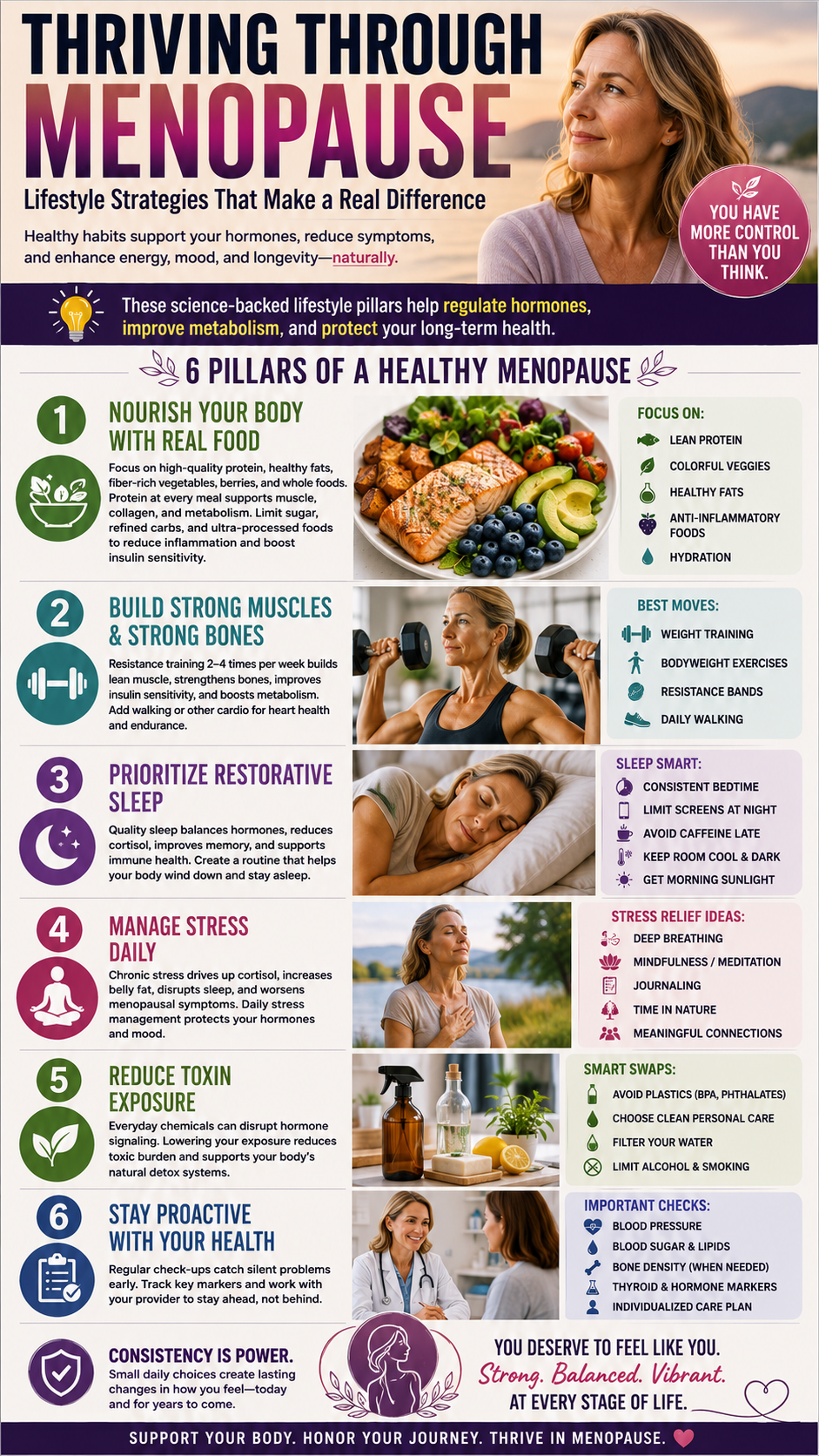
Sleep quality influences nearly every hormonal pathway discussed throughout this article. Establishing consistent sleep schedules, limiting evening screen exposure, reducing caffeine late in the day, maintaining a cool bedroom, and seeking morning sunlight help reinforce healthy circadian rhythms. Restorative sleep improves glucose regulation, lowers cortisol, supports immune function, and enhances emotional resilience.
Managing chronic stress also deserves priority. Prolonged cortisol elevation worsens abdominal fat accumulation, disrupts blood sugar regulation, interferes with thyroid function, and amplifies inflammation. Mindfulness practices, breathing exercises, prayer, journaling, time outdoors, meaningful social relationships, and regular physical activity all help regulate the body’s stress response. Small daily habits often produce greater long-term benefits than occasional dramatic interventions.
Environmental health should not be overlooked. Certain industrial chemicals can interfere with endocrine signaling by acting as endocrine-disrupting compounds. Limiting exposure to cigarette smoke, excessive alcohol, certain plastics, and unnecessary environmental toxins may help reduce additional stress on an already changing hormonal system. Although no environment remains completely free of chemical exposure, reducing avoidable sources represents a practical step toward supporting long-term health.
Regular medical evaluation also remains essential. Monitoring blood pressure, fasting glucose, lipid profiles, bone density when appropriate, and other individualized health markers helps identify silent changes before symptoms become severe. Menopause should encourage proactive healthcare rather than reactive treatment after disease develops.
Looking Beyond the Hormone Debate
The global conversation surrounding bioidentical hormones often becomes polarized. One side portrays hormones as dangerous medications that women should avoid whenever possible. The other presents them as miraculous solutions capable of reversing aging itself. Neither perspective captures the complexity of human physiology.
Menopause represents one of life’s most significant biological transitions, affecting virtually every organ system through interconnected hormonal pathways. Estrogen and progesterone influence brain function, cardiovascular health, bone remodeling, metabolism, immune regulation, sleep, skin integrity, and emotional well-being. Their decline explains many common menopausal symptoms, but hormones exist within a broader network involving nutrition, movement, sleep, stress, genetics, inflammation, and environmental influences.
The controversy surrounding bioidentical hormone therapy largely reflects questions about manufacturing standards, individualized prescribing, regulatory oversight, and interpretation of evolving scientific evidence rather than a simple battle between safe and unsafe medicine. Women deserve clear information instead of sensational headlines, allowing them to make informed decisions alongside qualified healthcare professionals.
Perhaps the most important lesson emerging from modern menopause research is that successful aging rarely depends upon a single intervention. Long-term vitality grows from combining evidence-based medical care with consistent daily habits that strengthen every physiological system. Hormones may represent one valuable tool within that strategy, but they work best when supported by nourishing food, regular movement, restorative sleep, effective stress management, and ongoing preventive care. Understanding that broader perspective empowers women to approach menopause not as the beginning of decline, but as an opportunity to invest intentionally in the decades of health that still lie ahead.