
The Pill That Became a National Security Blanket
Inside medicine cabinets across America sits one of the most trusted drugs in modern history. Millions of people swallow a daily aspirin believing they are protecting their heart, preventing strokes, and extending their life. Physicians recommended it for decades. Television commercials praised it relentlessly. Public health campaigns elevated it into a ritual of responsible aging. That tiny white tablet became symbolic of cardiovascular prevention itself.
Yet beneath that confidence hides one of the most misunderstood stories in modern medicine. Daily aspirin never addressed the true causes of heart disease. Instead, it targeted one small piece of a much larger biological crisis. While patients focused on thinning their blood, inflammation quietly damaged arteries, insulin resistance worsened metabolic health, and toxic lifestyles accelerated vascular destruction beneath the surface.
Recent research forced even mainstream medical organizations to reverse many long-standing recommendations regarding aspirin use. The same experts who promoted daily aspirin for years now warn about internal bleeding, hemorrhagic stroke risk, stomach ulcers, and dangerous gastrointestinal complications. Millions of healthy adults may have exposed themselves to unnecessary risks while believing they were protecting their heart.
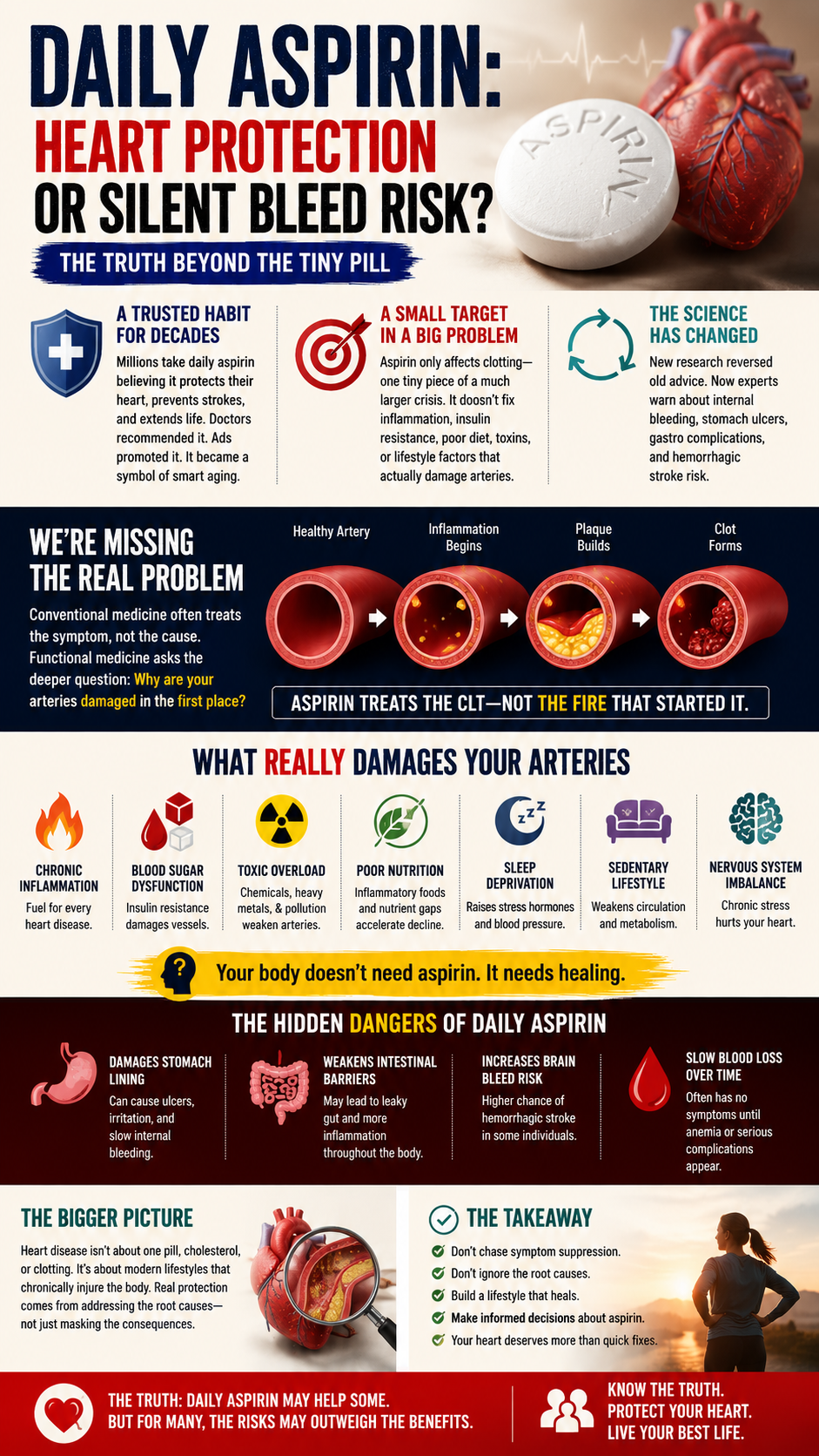
The aspirin story reveals a deeper problem inside conventional medicine. Most cardiovascular treatments focus on suppressing symptoms rather than correcting root causes. Functional medicine approaches heart disease differently. Instead of asking how to block clotting, functional medicine asks why arteries become damaged enough to trigger dangerous clotting in the first place.
That distinction matters enormously because the body does not suffer from an aspirin deficiency. Heart disease develops through chronic inflammation, blood sugar dysfunction, toxic overload, nutrient depletion, oxidative stress, sleep deprivation, sedentary living, and nervous system imbalance. Aspirin cannot repair those underlying conditions. The medication only alters clotting behavior while the deeper disease process continues progressing.
Millions of people now live inside a dangerous illusion. They trust aspirin to save their cardiovascular system while inflammatory foods, metabolic chaos, and vascular injury silently destroy their arteries daily. Meanwhile, aspirin itself may damage the stomach lining, weaken intestinal barriers, increase brain bleed risk, and trigger slow internal blood loss that remains hidden for years.
Understanding the truth about aspirin requires examining the real origin of heart disease. The problem extends far beyond cholesterol, clotting, or pharmaceutical intervention. The problem begins with modern lifestyles that chronically injure the human body while medicine attempts to suppress the consequences instead of eliminating the causes.
How Aspirin Became a Heart Health Icon
Aspirin originated from salicin compounds found naturally inside willow bark. Ancient healers used willow preparations to reduce pain and fever long before modern pharmaceuticals existed. Scientists later isolated and refined the active compound into acetylsalicylic acid, creating one of the most successful drugs in history.
For decades, physicians prescribed aspirin for headaches, arthritis, fever reduction, and inflammatory pain. Everything changed when researchers discovered aspirin reduced platelet aggregation inside the bloodstream. Platelets act like emergency repair cells. They rush toward injured blood vessels and help create clots that stop bleeding. Aspirin reduced platelet stickiness, lowering clot formation under certain conditions.
Cardiologists quickly embraced aspirin after studies showed benefits for patients who already suffered heart attacks or strokes. Those findings applied primarily to secondary prevention, meaning patients with established cardiovascular disease. Unfortunately, medicine gradually expanded the recommendation far beyond those high-risk populations.
Soon, millions of healthy adults began taking daily baby aspirin without questioning whether they actually needed it. Public messaging oversimplified the science dramatically. Patients heard phrases like “thin your blood” and “protect your heart” repeatedly. Few people received deeper explanations regarding risks, limitations, or biological tradeoffs.
Functional medicine recognizes a major flaw inside this model. Clotting usually represents the final event after years of arterial injury. Blood vessels become inflamed, unstable, and damaged long before dangerous clots form. Suppressing clotting without correcting the underlying vascular damage resembles disabling a fire alarm while the building continues burning.
Aspirin never repaired endothelial tissue. It never reversed insulin resistance. It never healed metabolic dysfunction. The medication never corrected toxic overload, poor sleep, chronic stress, or inflammatory nutrition. Aspirin merely modified one downstream mechanism while the true disease process continued silently.
The Real Cause of Heart Disease
Most people still believe cholesterol alone causes heart disease. That simplistic theory dominated medicine for decades. Grocery stores promoted low-fat products aggressively while processed foods flooded the marketplace. Patients avoided eggs, butter, and red meat while consuming sugar-loaded cereals, refined carbohydrates, and inflammatory vegetable oils marketed as “heart healthy.”
Unfortunately, the human body operates through far more complex biology. Heart disease begins with chronic inflammation and endothelial dysfunction. The endothelium forms the delicate inner lining inside every blood vessel. Healthy endothelial tissue controls circulation, regulates blood pressure, balances clotting signals, and maintains vascular flexibility.
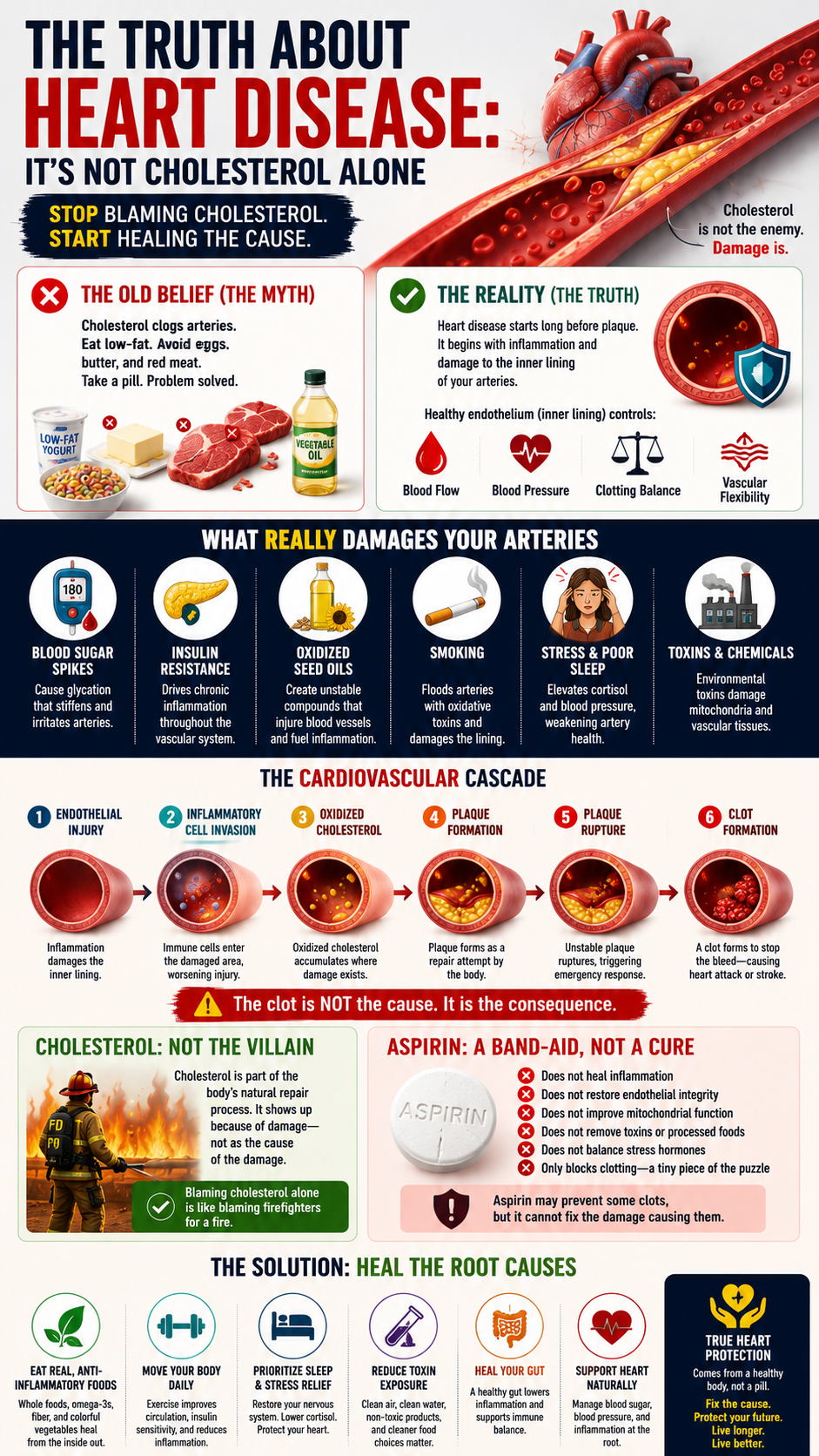
Chronic inflammatory stress damages this protective lining continuously. Blood sugar spikes irritate arteries through glycation. Insulin resistance increases inflammatory signaling throughout the vascular system. Oxidized seed oils create unstable compounds that injure blood vessels directly. Smoking floods arteries with oxidative toxins. Sleep deprivation elevates cortisol and blood pressure. Environmental chemicals damage mitochondrial energy production inside vascular tissues.
Once endothelial injury develops, the cardiovascular cascade accelerates rapidly. Inflammatory cells enter damaged tissue. Oxidized cholesterol accumulates inside unstable arteries. Plaque forms as part of the body’s repair attempt. Eventually, unstable plaque may rupture, triggering emergency clot formation.
Functional medicine views cholesterol differently than mainstream medicine. Cholesterol often arrives at injured arteries because the body attempts repair. Blaming cholesterol alone resembles blaming firefighters for the existence of fires. Inflammation creates the dangerous environment first.
Aspirin cannot repair this inflammatory terrain. The medication cannot restore endothelial integrity or improve mitochondrial function. It cannot eliminate toxic chemicals, processed foods, or chronic stress hormones damaging blood vessels daily. Genuine cardiovascular healing requires correcting the biological conditions driving arterial injury.
Chronic Inflammation: The Silent Arsonist
Inflammation drives nearly every major chronic disease in modern society. The body uses acute inflammation for survival and healing. Temporary inflammation helps fight infections and repair injuries properly. Chronic inflammation creates destruction instead of restoration.
Modern lifestyles produce relentless inflammatory pressure from multiple directions simultaneously. Processed food floods the bloodstream with sugar, artificial chemicals, and unstable oils. Chronic psychological stress elevates cortisol and adrenaline continuously. Environmental toxins burden detoxification systems daily. Sedentary behavior weakens circulation and metabolic flexibility. Sleep deprivation amplifies inflammatory signaling throughout the nervous system.
Refined sugar plays a particularly destructive role in cardiovascular disease. Excess sugar damages blood vessels directly through glycation. This process stiffens arteries and weakens vascular tissue. Blood sugar spikes increase oxidative stress dramatically, accelerating plaque formation and endothelial dysfunction.
Industrial seed oils worsen inflammation further. Soybean oil, canola oil, corn oil, sunflower oil, and safflower oil oxidize easily during processing and cooking. Oxidized oils create unstable inflammatory compounds that damage cell membranes throughout the body. Many processed foods contain these oils in massive quantities.
Chronic inflammation transforms arteries into unstable environments vulnerable to plaque rupture and clot formation. Blood vessels lose flexibility while nitric oxide production declines. Circulation weakens as oxidative stress rises. Over time, the cardiovascular system enters a constant state of injury and repair.
Functional medicine aggressively targets inflammation because it represents the root mechanism behind modern heart disease. Aspirin may suppress limited inflammatory pathways temporarily, but it cannot overcome inflammatory living. No medication can outwork chronic dietary destruction, toxic exposure, and uncontrolled metabolic dysfunction.
The Dangerous Myth of “Blood Thinning”
Few medical phrases create more confusion than “blood thinner.” Patients hear this phrase and assume thinner blood always improves health. Reality looks far more complicated. The body requires precise clotting balance for survival.
Blood must clot appropriately after injuries. Without proper clotting, minor trauma could become life-threatening. Excessive clotting creates danger, but insufficient clotting also creates serious risk. The goal should never involve blindly thinning the blood. The goal should involve restoring vascular health so abnormal clotting signals decrease naturally.
Mainstream medicine often focuses heavily on suppressing clot formation without fully investigating why arteries produce dangerous clotting environments. Functional medicine approaches the issue differently by addressing inflammation, oxidative stress, metabolic dysfunction, and endothelial damage directly.
Healthy arteries naturally resist dangerous clot formation. Damaged arteries trigger emergency repair responses continuously. Platelets become more active because the body senses chronic injury inside blood vessels. Aspirin interferes with platelet behavior, but it never removes the upstream drivers creating vascular instability.
Many patients believe aspirin protects them while their arteries continue experiencing inflammatory assault daily. Poor nutrition, elevated insulin, chronic stress, toxic overload, and mitochondrial dysfunction continue damaging blood vessels underneath the pharmaceutical intervention.
Functional medicine seeks to create healthy circulation naturally by improving endothelial function, reducing oxidative stress, supporting nitric oxide production, balancing blood sugar, and lowering inflammatory burden throughout the body.
Silent Bleeding: The Hidden Cost of Daily Aspirin
Most aspirin users never consider the possibility of hidden internal bleeding. They assume bleeding would produce dramatic symptoms immediately. Unfortunately, aspirin-related bleeding often develops slowly and silently over months or years.
The gastrointestinal tract contains delicate protective barriers that shield tissue from digestive acids. Aspirin interferes with those protective mechanisms, weakening the stomach lining and intestinal wall. Tiny erosions may develop gradually. Microscopic bleeding can occur daily without obvious warning signs.
Over time, chronic blood loss may lead to iron deficiency anemia. Patients often experience fatigue, weakness, pale skin, dizziness, shortness of breath, brain fog, and exercise intolerance without recognizing the connection. Many individuals blame aging, stress, or hormonal changes while silent gastrointestinal bleeding continues underneath.
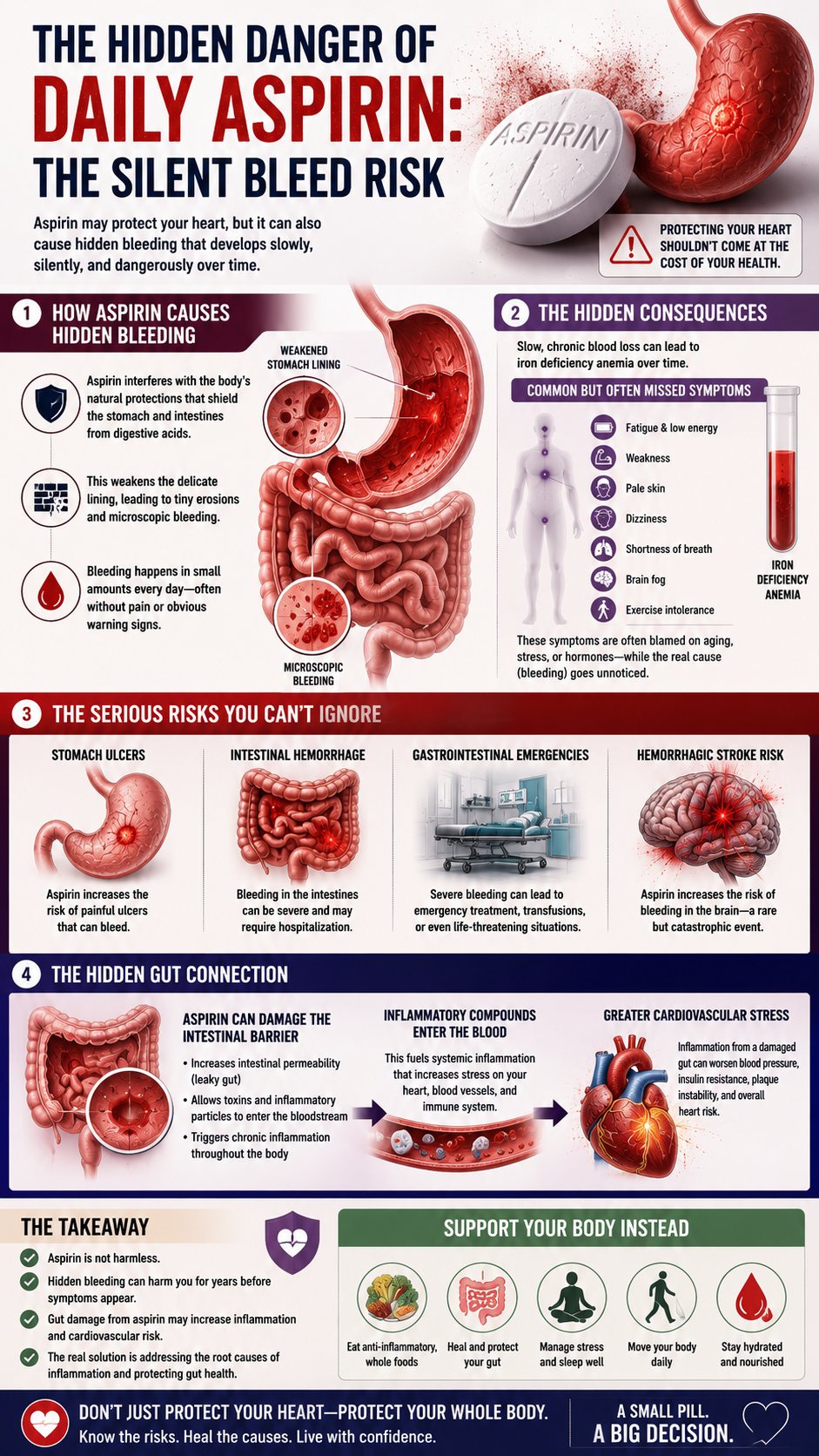
More severe complications may also develop. Long-term aspirin use increases the risk of stomach ulcers, intestinal hemorrhage, and gastrointestinal emergencies requiring hospitalization. Even more concerning, aspirin increases hemorrhagic stroke risk by making brain bleeds more likely under certain circumstances.
Functional medicine recognizes another hidden problem connected to chronic aspirin use. Aspirin may increase intestinal permeability, commonly called leaky gut syndrome. Damage to the intestinal lining allows inflammatory compounds to enter the bloodstream more easily, increasing systemic inflammation throughout the body.
Ironically, many patients take aspirin for cardiovascular protection while the medication contributes to inflammatory gut dysfunction that worsens cardiovascular stress indirectly. Conventional medicine rarely investigates this gut-heart connection thoroughly, yet intestinal health strongly influences inflammation, immunity, and vascular stability.
Insulin Resistance: The Forgotten Heart Disease Driver
One of the greatest cardiovascular threats receives surprisingly little attention during standard medical appointments. Insulin resistance silently damages arteries for years before symptoms appear. Millions of people carry metabolic dysfunction without diagnosis because routine testing often misses early warning signs.
Insulin helps move glucose from the bloodstream into cells for energy production. Excess sugar intake forces the body to produce larger insulin amounts repeatedly. Over time, cells stop responding efficiently, creating insulin resistance. Blood sugar rises while insulin levels climb higher. Inflammation spreads throughout the body simultaneously.
Elevated insulin damages blood vessels aggressively. Glycation weakens arterial tissue structure. Oxidative stress increases dramatically inside the cardiovascular system. Triglycerides rise while beneficial HDL cholesterol often declines. Belly fat accumulates, worsening inflammatory signaling further.
Many adults taking daily aspirin actually suffer from uncontrolled insulin resistance. Aspirin never addresses the metabolic dysfunction driving their cardiovascular risk. Functional medicine aggressively targets insulin resistance because it sits at the center of obesity, diabetes, heart disease, fatty liver disease, and cognitive decline.
Dietary changes often improve insulin sensitivity dramatically. Reducing refined sugar lowers inflammatory burden immediately. Intermittent fasting may improve metabolic flexibility significantly. Strength training increases glucose utilization inside muscle tissue. Quality sleep lowers cortisol and stabilizes blood sugar regulation naturally.
Aspirin cannot restore metabolic health. Lasting cardiovascular healing requires correcting insulin resistance and reducing chronic blood sugar damage.
Industrial Seed Oils and Arterial Destruction
Few substances damage modern cardiovascular health more quietly than industrial seed oils. Food manufacturers promoted these oils aggressively for decades as healthier alternatives to saturated fat. Unfortunately, the chemistry behind these products tells a much darker story.
Manufacturers create seed oils using intense industrial processing methods. High heat, chemical solvents, bleaching agents, and deodorization techniques transform unstable plant oils into shelf-stable products. These oils oxidize easily during storage and cooking, producing inflammatory compounds that damage cells throughout the body.
Soybean oil, corn oil, canola oil, sunflower oil, safflower oil, cottonseed oil, and grapeseed oil now dominate processed foods and restaurant cooking. Fast-food fryers repeatedly heat these oils to damaging temperatures, increasing oxidation dramatically.
Oxidized oils contribute to endothelial dysfunction, mitochondrial injury, chronic inflammation, and vascular instability. Blood vessels lose flexibility while inflammatory signaling increases throughout arterial tissue. Many people consume these oils several times daily while believing aspirin protects their heart from damage.
Functional medicine strongly encourages removing industrial seed oils from the diet completely. Replacing them with stable fats may reduce inflammation significantly. Better options include olive oil, avocado oil, coconut oil, grass-fed butter, and animal fats from healthy sources.
True cardiovascular healing requires eliminating substances damaging arteries continuously. Aspirin cannot compensate for daily exposure to inflammatory oils.
The Gut-Heart Connection Modern Medicine Ignores
The digestive system influences cardiovascular health far more than most people realize. Chronic gut dysfunction may directly contribute to arterial inflammation, immune activation, and metabolic stress. Unfortunately, mainstream medicine rarely investigates intestinal health during cardiovascular evaluations.
The intestinal lining acts as a protective barrier between the external world and the bloodstream. Healthy intestinal tissue absorbs nutrients while blocking toxins, bacteria, and inflammatory compounds. Processed food, alcohol, chronic stress, medications, and environmental toxins may weaken this barrier gradually.
Once intestinal permeability develops, inflammatory particles enter circulation more easily. The immune system responds aggressively, increasing systemic inflammation throughout the body. Blood vessels become vulnerable to oxidative damage and endothelial dysfunction.
Aspirin may worsen this problem by irritating the gastrointestinal lining directly. Long-term use often increases digestive inflammation and intestinal permeability. Patients frequently develop reflux, bloating, constipation, diarrhea, abdominal discomfort, and food sensitivities while focusing solely on cardiovascular prevention.
Functional medicine prioritizes gut healing because intestinal integrity influences nearly every major system inside the body. Removing inflammatory foods often creates dramatic improvements. Fermented vegetables, bone broth, mineral-rich foods, digestive support, and proper hydration help restore intestinal health naturally.
A healthier gut reduces systemic inflammation significantly. Lower inflammation improves vascular function, circulation, and metabolic stability throughout the cardiovascular system.
Heavy Metals and Toxic Cardiovascular Damage
Environmental toxicity represents one of the most overlooked contributors to heart disease. Heavy metals such as mercury, lead, cadmium, and arsenic damage blood vessels directly. These toxins accumulate slowly through food, water, air pollution, smoking, industrial exposure, dental materials, and household chemicals.
Heavy metals increase oxidative stress throughout the cardiovascular system. Mitochondrial energy production declines while inflammatory signaling intensifies. Blood vessels lose flexibility as nitric oxide production falls. Blood pressure often rises because arteries cannot relax properly.
Cadmium exposure from smoking strongly increases cardiovascular risk. Mercury exposure from contaminated seafood and dental fillings may contribute to vascular dysfunction and neurological stress. Lead exposure damages arterial tissue and increases hypertension risk significantly.
Functional medicine frequently investigates toxic burden when evaluating cardiovascular disease. Conventional medicine rarely examines low-level chronic toxicity unless severe poisoning occurs. Yet subtle long-term exposure may still create major biological consequences over decades.
Reducing toxic burden requires consistent lifestyle changes. Filtering drinking water removes many harmful contaminants. Avoiding processed foods lowers chemical exposure significantly. Sweating through exercise or sauna therapy may support detoxification pathways. Antioxidant-rich foods help neutralize oxidative stress generated by toxins.
Aspirin cannot shield arteries from constant toxic assault. Long-term cardiovascular protection requires reducing environmental substances damaging blood vessels daily.
Chronic Stress and Cardiovascular Breakdown
Modern stress destroys cardiovascular health silently. Many people underestimate the biological impact of emotional pressure because symptoms often appear gradually. Chronic stress affects nearly every major system inside the body, especially the cardiovascular system.
Persistent stress elevates cortisol and adrenaline continuously. Blood pressure rises while blood sugar increases. Inflammatory signaling intensifies throughout blood vessels. Sleep quality declines as nervous system tension remains elevated. Recovery mechanisms weaken because the body never fully relaxes.
Many professionals unknowingly live inside chronic fight-or-flight physiology. Their nervous systems rarely enter restorative parasympathetic states. Over time, this constant activation accelerates cardiovascular wear and tear dramatically.
Functional medicine emphasizes nervous system regulation because emotional health directly influences physical health. Deep breathing exercises lower sympathetic activation naturally. Prayer and meditation improve stress resilience significantly. Sunlight exposure helps regulate circadian rhythms and hormone balance.
Sleep represents another powerful cardiovascular therapy. Sleep deprivation increases inflammation, cortisol, insulin resistance, and blood pressure rapidly. Many adults sacrifice sleep for productivity while unknowingly accelerating arterial damage.
Aspirin cannot neutralize chronic stress physiology. The body requires recovery, restoration, and nervous system balance for genuine healing.
Natural Strategies to Protect the Heart at Home
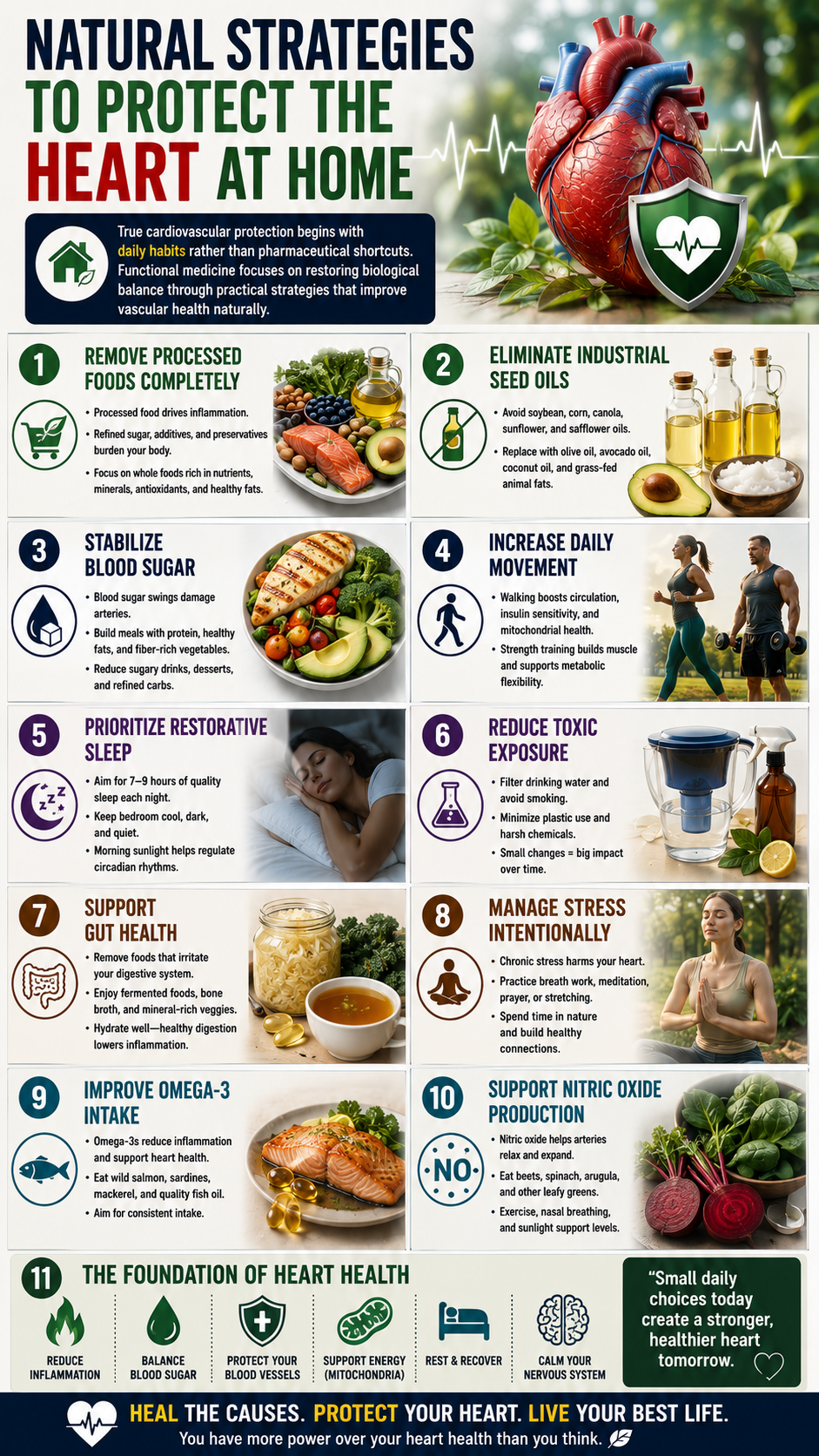
True cardiovascular protection begins with daily habits rather than pharmaceutical shortcuts. Functional medicine focuses on restoring biological balance through practical strategies that improve vascular health naturally.
Remove Processed Foods Completely
Processed food drives inflammation aggressively. Refined sugar, artificial additives, and chemical preservatives burden the body constantly. Focus on whole foods rich in nutrients, minerals, antioxidants, and healthy fats.
Eliminate Industrial Seed Oils
Avoid soybean oil, corn oil, canola oil, sunflower oil, and safflower oil whenever possible. Replace them with olive oil, avocado oil, coconut oil, and grass-fed animal fats.
Stabilize Blood Sugar
Blood sugar swings damage arteries continuously. Build meals around protein, healthy fats, and fiber-rich vegetables. Reduce sugary beverages, desserts, and refined carbohydrates aggressively.
Increase Daily Movement
Walking improves circulation, insulin sensitivity, mitochondrial health, and nitric oxide production. Strength training supports metabolic flexibility while protecting cardiovascular function.
Prioritize Restorative Sleep
Aim for seven to nine hours of quality sleep nightly. Keep bedrooms cool, dark, and quiet. Morning sunlight exposure helps regulate circadian rhythms naturally.
Reduce Toxic Exposure
Filter drinking water, avoid smoking, minimize plastic use, and choose cleaner household products whenever possible. Small reductions in toxic burden create cumulative health benefits.
Support Gut Health
Remove foods causing digestive irritation. Consume fermented foods, bone broth, mineral-rich vegetables, and adequate hydration consistently. Healthy digestion lowers systemic inflammation dramatically.
Manage Stress Intentionally
Practice breath work, prayer, meditation, stretching, or time outdoors daily. Nervous system balance supports healthier circulation and lower inflammatory signaling.
Improve Omega-3 Intake
Wild salmon, sardines, and high-quality fish oil support healthy inflammatory balance. Omega-3 fats help stabilize blood vessels naturally.
Support Nitric Oxide Production
Beets, spinach, arugula, exercise, and nasal breathing support nitric oxide levels. Healthy nitric oxide production improves circulation and vascular flexibility.
The Bigger Truth About Aspirin and Heart Disease
The aspirin conversation reveals a much larger problem inside modern healthcare. Too often, medicine searches for pharmaceutical shortcuts while ignoring the biological terrain creating disease. Symptom suppression rarely produces true healing because the underlying dysfunction remains untouched.
Aspirin may provide meaningful benefit for selected individuals under professional supervision, especially after previous cardiovascular events. However, millions of healthy adults take aspirin believing it prevents heart disease itself. That assumption creates dangerous misunderstanding.
Heart disease begins with inflammation, metabolic dysfunction, endothelial injury, toxic overload, oxidative stress, poor nutrition, sleep deprivation, sedentary living, and nervous system imbalance. These upstream drivers determine cardiovascular health far more than aspirin alone.
The body possesses remarkable healing capacity when given proper support. Blood vessels respond positively to reduced inflammation, improved nutrition, better sleep, movement, stress reduction, and metabolic restoration. Functional medicine focuses on creating conditions where the body can heal naturally rather than merely suppress symptoms temporarily.
The tiny aspirin tablet became symbolic of a larger cultural mindset. Society wants convenient pharmaceutical solutions for diseases created through chronic lifestyle dysfunction. Unfortunately, no medication can fully compensate for inflammatory living, toxic exposure, metabolic chaos, and nervous system exhaustion.
Real cardiovascular protection begins with asking a different question. Instead of asking which pill protects the heart, ask what damages the heart daily. That question shifts the focus from symptom management toward genuine healing and long-term vitality.
The future of heart health belongs to those willing to address inflammation, toxicity, metabolism, gut integrity, mitochondrial health, and nervous system balance at their roots. Aspirin may still play a role under specific circumstances, but it should never replace foundational principles of human health.
Your body was designed to heal, adapt, repair, and thrive when given the proper environment. Real healing begins when the causes of disease finally disappear.