The Hormonal Mystery That Medicine Has Yet to Fully Explain
She wakes at 3:17 every morning, staring into darkness while her mind races through tomorrow’s responsibilities. Her body feels exhausted, yet sleep refuses to return. By sunrise, she needs coffee to function, and by afternoon, another wave of fatigue leaves her struggling to concentrate. Her waistline continues expanding despite careful eating, while her patience, libido, and emotional resilience seem to disappear together.
After months of frustration, she seeks answers through bloodwork, hormone testing, and consultations with different healthcare practitioners. Her thyroid results appear normal, her routine laboratory values raise few concerns, and her symptoms receive familiar explanations. Perhaps she needs more exercise, better sleep, or treatment for anxiety. Yet something about these explanations feels incomplete because her symptoms developed together, suggesting interconnected physiological changes.
Eventually, someone introduces a concept called pregnenolone steal, a popular functional medicine theory connecting chronic stress with hormonal imbalance. According to this explanation, her body prioritizes cortisol production during prolonged stress, diverting pregnenolone away from reproductive hormones. As cortisol demands increase, progesterone, DHEA, and testosterone supposedly decline because their shared precursor becomes less available. Suddenly, her fatigue, irregular cycles, reduced libido, and emotional instability appear connected through one elegant biochemical explanation.
The theory offers something many exhausted patients desperately want: a coherent explanation for seemingly unrelated symptoms. Unfortunately, the human endocrine system operates through far more complicated mechanisms than this familiar hormonal diversion model suggests. Chronic stress can disrupt reproductive function, metabolism, sleep, and immune regulation, but the proposed pregnenolone theft remains unproven. Understanding this distinction reveals a more important question about how prolonged stress actually changes hormonal health.
The Origins of Pregnenolone Steal: How a Biochemical Diagram Became a Diagnosis
The pregnenolone steal theory grew from established principles of steroid hormone synthesis and observations about stress-related endocrine changes. Researchers have long understood that cholesterol provides the starting material for producing cortisol, progesterone, testosterone, and other steroid hormones. These hormones share certain biochemical intermediates, including pregnenolone, before following different enzymatic pathways toward their final products.
Early functional medicine explanations transformed this biochemical relationship into a competition for limited hormonal resources. Imagine a manufacturing facility receiving one shipment of raw materials while several departments compete for production supplies. When an emergency requires increased cortisol production, the theory suggests that reproductive hormone production receives fewer resources. Over time, this apparent redistribution supposedly creates progesterone deficiency, declining DHEA, reduced testosterone, and widespread hormonal dysfunction.
The explanation gained traction because clinicians frequently observed symptoms that appeared consistent with its predictions. Patients experiencing prolonged stress sometimes reported irregular menstruation, infertility, reduced sexual desire, fatigue, and disturbed sleep. Others demonstrated altered cortisol patterns or lower concentrations of certain reproductive hormones. These observations were genuine, but the proposed mechanism connecting them remained largely theoretical.
A critical distinction separates observing two hormonal changes from demonstrating that one directly causes the other. Elevated cortisol and reduced DHEA can occur together without proving that cortisol production depleted available pregnenolone. Similarly, stress-related menstrual disturbances do not establish that adrenal glands diverted progesterone precursors away from ovarian hormone synthesis. Correlation may identify an important biological relationship, but understanding causation requires examining the underlying cellular mechanisms.
Pregnenolone: The Mother Hormone That Begins the Steroid Hormone Cascade
Pregnenolone occupies a central position in steroidogenesis, the process through which specialized cells manufacture steroid hormones. Everything begins with cholesterol, an essential molecule that supports cellular membranes, bile acid production, and steroid hormone synthesis. Within steroid-producing cells, specialized proteins help transport cholesterol into mitochondria, where the enzyme CYP11A1 converts it into pregnenolone.
This initial conversion establishes pregnenolone as a common precursor for several major hormonal pathways. Through additional enzymatic reactions, pregnenolone contributes to progesterone, cortisol, aldosterone, DHEA, and sex hormone synthesis. However, each transformation depends on specific enzymes, regulatory signals, and cellular conditions rather than simple precursor availability.
Progesterone supports reproductive physiology, including preparation and maintenance of the uterine lining during pregnancy. Cortisol regulates glucose availability, cardiovascular responses, immune activity, and adaptation to physiological challenges. Aldosterone influences sodium retention, potassium balance, and blood pressure, while DHEA contributes precursors for androgen and estrogen production.
These hormones perform distinct functions, yet their synthesis shares important biochemical foundations. This relationship explains why pregnenolone attracts attention among clinicians investigating complex hormonal symptoms. Nevertheless, describing pregnenolone as the mother hormone should not imply that increasing its concentration automatically increases every downstream hormone. The endocrine system regulates hormone synthesis through feedback loops, enzyme activity, and tissue-specific demands.
Pregnenolone also participates in neurosteroid metabolism, creating another intriguing connection between hormonal health and nervous system function. Certain pregnenolone-derived compounds influence neuronal signaling pathways involved in stress responses, emotional regulation, and brain activity. Researchers continue investigating these interactions, although their clinical significance remains incompletely understood. The emerging science deserves attention without assuming that pregnenolone supplementation can reverse brain fog, anxiety, or chronic fatigue.
The Biological Flaw in the Pregnenolone Steal Theory
The traditional pregnenolone steal explanation encounters its greatest difficulty when researchers examine the adrenal glands themselves. Rather than functioning as one hormone-producing chamber, the adrenal cortex contains specialized regions with different biochemical responsibilities. Each region expresses particular enzymes that determine which steroid hormones its cells can manufacture.
The outer zona glomerulosa primarily produces aldosterone, while the middle zona fasciculata specializes in cortisol production. Deeper within the cortex, the zona reticularis contributes substantially to adrenal androgen synthesis, particularly DHEA. These distinct regions possess different steroidogenic capabilities because their cells express different combinations of enzymes.
Most importantly, cortisol-producing cells and DHEA-producing cells do not ordinarily compete for one universal mitochondrial pregnenolone reservoir. Each specialized cell possesses machinery for converting cholesterol into pregnenolone and directing subsequent steroid synthesis. Increased cortisol production therefore does not automatically remove pregnenolone from neighboring androgen-producing cells.
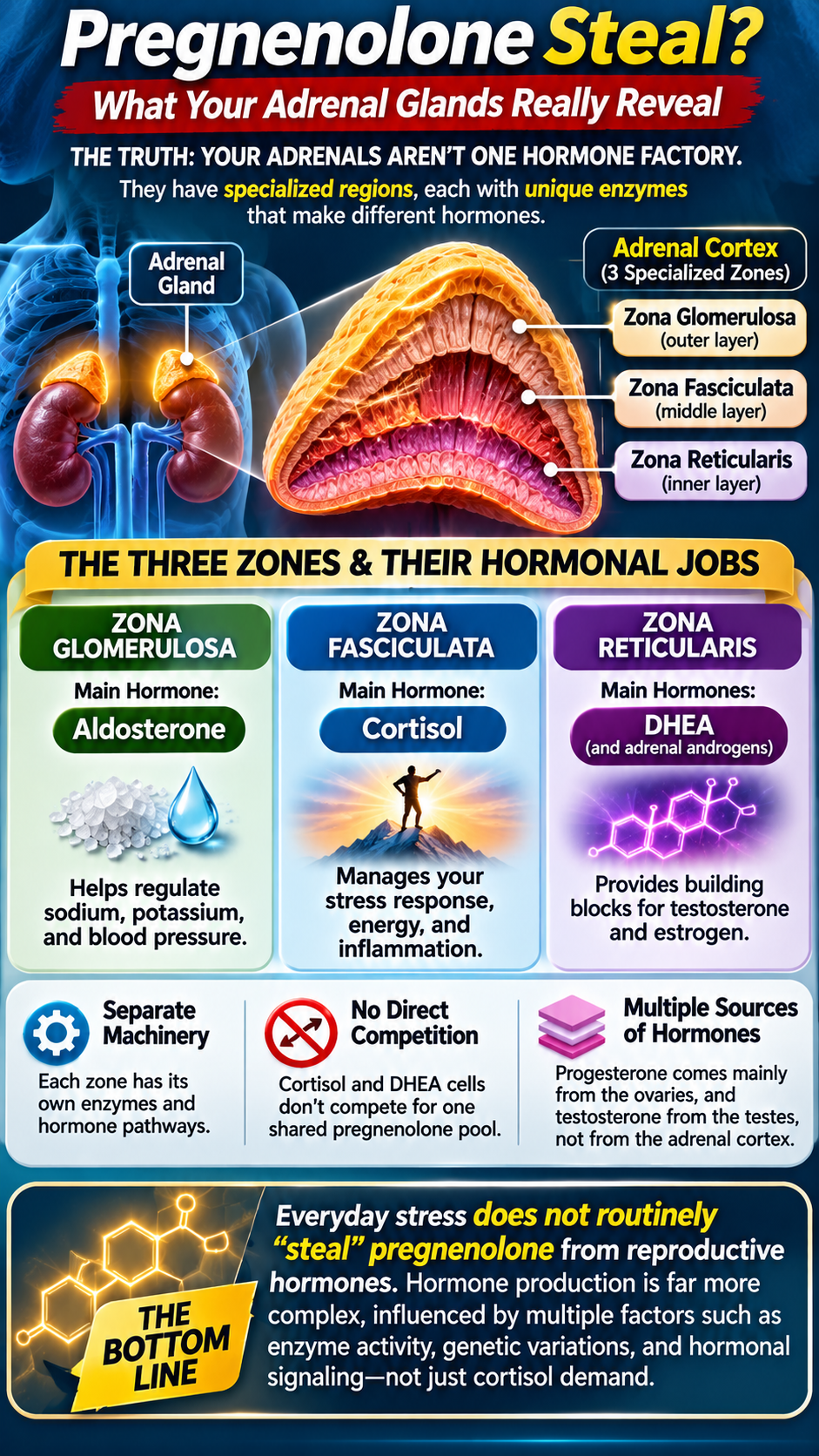
A detailed review of adrenal steroidogenesis explains how enzyme distribution and cellular specialization govern these pathways. This organization challenges the familiar assumption that cortisol production routinely deprives reproductive hormones of their shared precursor. pmc.ncbi.nlm.nih.gov+1
The distinction becomes even more important when examining progesterone and testosterone. During reproductive years, the ovaries produce substantial progesterone after ovulation, while the testes produce most circulating testosterone in men. These organs possess their own steroidogenic machinery and respond to different regulatory signals. Increased adrenal cortisol synthesis cannot simply consume the pregnenolone required by distant reproductive tissues.
None of this means that steroidogenic pathways operate independently under every circumstance. Enzyme deficiencies, genetic disorders, hormonal signaling abnormalities, and certain medications can alter steroid production and precursor distribution. However, these established mechanisms differ fundamentally from the claim that everyday stress routinely steals pregnenolone from reproductive hormone production.
The Real Problem: Chronic Stress Changes Hormonal Communication
Although pregnenolone steal oversimplifies steroidogenesis, chronic stress can profoundly influence endocrine regulation through other mechanisms. The central issue involves communication between the brain, adrenal glands, reproductive organs, metabolic tissues, and immune system. These interconnected networks continually adjust hormonal activity according to environmental demands and internal physiological conditions.
The hypothalamic-pituitary-adrenal axis coordinates one of the body’s principal stress-response systems. When the brain detects a challenge, the hypothalamus releases corticotropin-releasing hormone, stimulating the pituitary gland to produce ACTH. This hormone signals the adrenal cortex to increase cortisol synthesis, helping the body mobilize resources for adaptation.
Under normal circumstances, cortisol follows a daily rhythm that supports alertness, metabolism, and restorative sleep. Concentrations generally rise around awakening and decline toward nighttime, although individual patterns vary. Persistent psychological stress, irregular sleep schedules, illness, and circadian disruption can alter aspects of this regulation.
Stress also influences the hypothalamic-pituitary-gonadal axis, which controls reproductive hormone signaling. Changes in hypothalamic activity can disrupt gonadotropin-releasing hormone pulses, affecting luteinizing hormone and follicle-stimulating hormone secretion. In susceptible women, these disturbances may impair ovulation and reduce luteal progesterone production.
This mechanism offers a scientifically grounded explanation for some stress-related reproductive symptoms without invoking pregnenolone theft. The problem involves altered hormonal instructions rather than necessarily depleted biochemical raw materials. Furthermore, the magnitude of these effects depends on stress severity, nutritional status, age, sleep, illness, and individual physiology.
What Chronic Stress and Hormonal Dysregulation Can Do to the Body
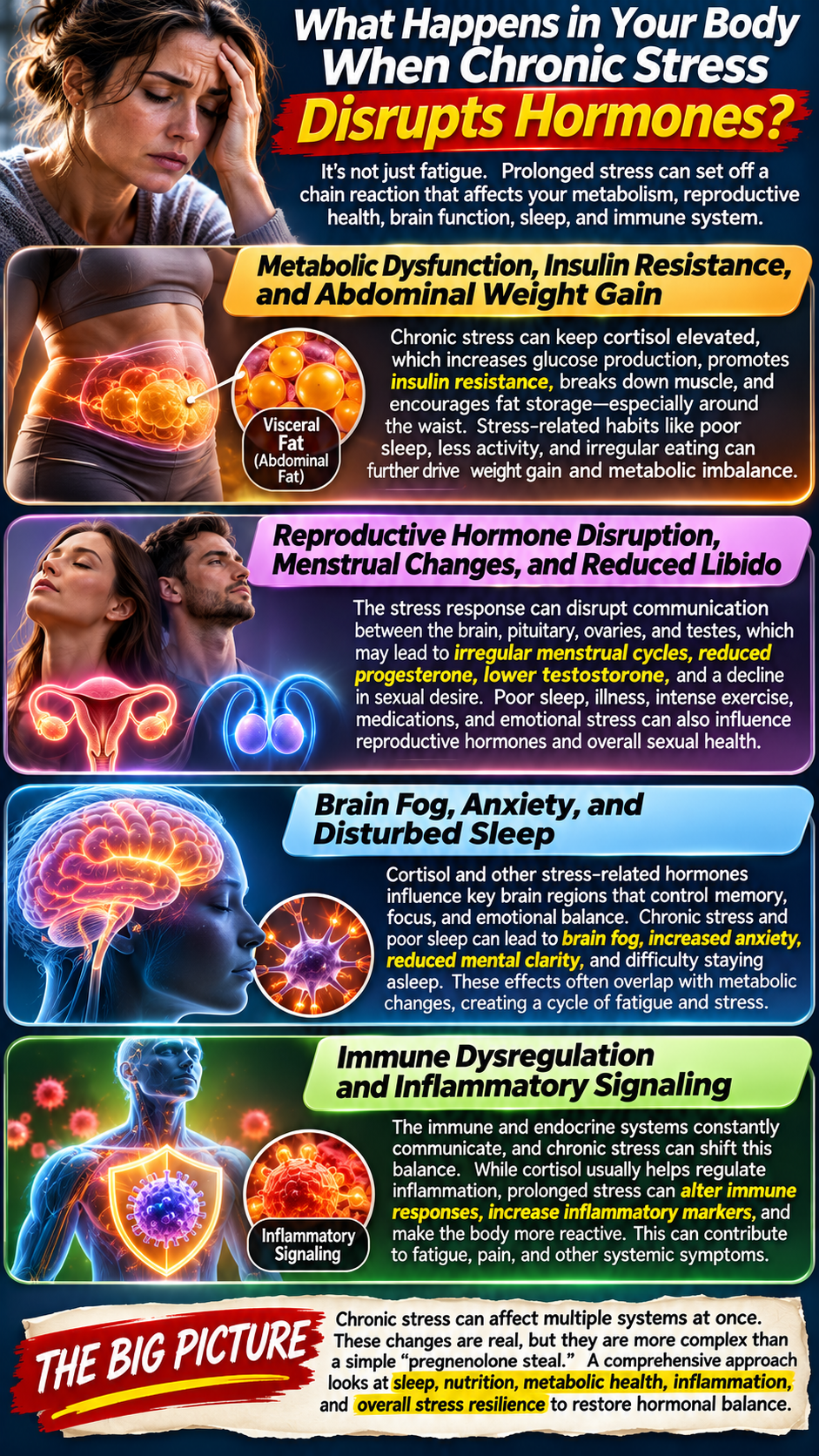
Metabolic Dysfunction, Insulin Resistance, and Abdominal Weight Gain
Cortisol helps maintain blood glucose availability during physiological challenges by influencing hepatic glucose production and energy metabolism. Sustained pathological cortisol excess can contribute to insulin resistance, muscle protein breakdown, and increased central adiposity. However, ordinary chronic stress does not consistently produce the same hormonal abnormalities seen in Cushing syndrome.
Stress-related behaviors can also influence metabolic health independently of cortisol concentrations. Shortened sleep, reduced physical activity, increased energy intake, and irregular meal patterns may contribute to weight gain. As visceral adiposity increases, inflammatory signaling and insulin resistance can further complicate metabolic regulation.
These interconnected processes help explain why some individuals experience stubborn abdominal weight during stressful periods. Yet abdominal fat alone cannot diagnose elevated cortisol or pregnenolone steal. Accurate assessment requires consideration of metabolic health, medications, sleep, dietary intake, and other possible contributors.
Reproductive Hormone Disruption, Menstrual Changes, and Reduced Libido
Reproductive function depends on carefully coordinated communication between the hypothalamus, pituitary gland, ovaries, and testes. Severe psychological stress, inadequate energy intake, and excessive physical exertion can disrupt this coordination. In women, altered gonadotropin signaling may contribute to irregular menstrual cycles, anovulation, and reduced progesterone production.
Men may also experience changes in reproductive function during periods of significant illness, sleep deprivation, or metabolic dysfunction. Testosterone concentrations can decline under certain physiological conditions, while sexual desire may change independently of measurable testosterone levels. Psychological distress, relationship factors, medications, and sleep disturbances can further influence sexual health.
These changes deserve careful investigation because their causes and treatments differ substantially. Low progesterone during an anovulatory cycle does not demonstrate precursor depletion, and low testosterone does not automatically indicate adrenal dysfunction. Understanding the specific regulatory disturbance provides a stronger foundation for individualized care.
Brain Fog, Anxiety, and Disturbed Sleep
The brain maintains a complex relationship with cortisol and other hormones involved in stress adaptation. Glucocorticoid receptors appear throughout regions associated with memory, emotional processing, and executive function. Altered stress signaling can influence attention, sleep quality, and emotional regulation, although these effects vary between individuals.
Persistent sleep disruption may further impair concentration, memory performance, and emotional resilience. Inadequate restorative sleep also influences appetite regulation, glucose metabolism, and perceived fatigue. Consequently, patients may experience overlapping cognitive and metabolic symptoms without possessing a single identifiable hormone deficiency.
Pregnenolone-derived neurosteroids add another dimension to this relationship, but their effects remain biologically complex. Research into neurosteroid signaling may eventually identify additional therapeutic opportunities. For now, brain fog and anxiety cannot reliably establish pregnenolone deficiency or prove that cortisol production has diverted hormonal precursors.
Immune Dysregulation and Inflammatory Signaling
The immune and endocrine systems communicate continuously through cytokines, hormones, and neural pathways. Cortisol normally helps regulate inflammatory activity, while inflammatory mediators can influence the HPA axis. Prolonged stress may alter immune responses, although the direction and magnitude depend on individual circumstances.
Some research associates chronic psychological stress with changes in inflammatory markers and immune function. However, inflammation does not always rise uniformly, and cortisol does not simply become ineffective after prolonged stress. Receptor sensitivity, tissue conditions, disease activity, and metabolic health influence these interactions.
This complexity matters because fatigue, poor sleep, pain, and metabolic disturbances can accompany inflammatory conditions. Attributing every symptom to pregnenolone steal risks overlooking the actual sources of physiological dysfunction. A careful evaluation must distinguish stress-associated changes from autoimmune disease, infection, endocrine disorders, and other medical conditions.
The Adrenal Fatigue Connection: When an Appealing Explanation Becomes Misleading
Pregnenolone steal frequently appears alongside another popular concept known as adrenal fatigue. According to this theory, prolonged stress eventually overwhelms the adrenal glands, reducing their ability to produce adequate cortisol. Supporters sometimes describe a progression from excessive cortisol production toward hormonal exhaustion and persistent fatigue.
However, scientific investigations have not established adrenal fatigue as a distinct medical condition. A systematic review examining 58 studies found inconsistent evidence supporting the proposed syndrome. The Endocrine Society also cautions that unvalidated adrenal fatigue diagnoses can delay identification of genuine medical problems.
Importantly, adrenal insufficiency represents a genuine endocrine disorder involving inadequate cortisol production. Its causes include autoimmune adrenal damage, pituitary dysfunction, and suppression following certain glucocorticoid treatments. This condition requires validated diagnostic testing and appropriate medical management rather than assumptions about stress-related glandular exhaustion.
Patients experiencing persistent fatigue still deserve comprehensive investigation, even when standard laboratory results appear reassuring. Thyroid dysfunction, anemia, sleep apnea, depression, nutritional deficiencies, and other conditions can produce similar symptoms. Dismissing these possibilities in favor of a convenient hormonal explanation may postpone effective treatment.
Beyond Pregnenolone Steal: A More Accurate Understanding of Hormonal Health
The central weakness of pregnenolone steal lies in its attempt to explain a complex regulatory network through one biochemical shortage. Hormonal balance depends on far more than precursor availability, including tissue-specific synthesis, enzyme activity, feedback signaling, receptor sensitivity, and metabolic clearance. Stress can influence several of these processes simultaneously without causing direct competition for pregnenolone.
Functional medicine’s emphasis on interconnected physiology remains valuable when supported by careful clinical reasoning and reliable evidence. Sleep disruption, nutritional inadequacy, metabolic dysfunction, psychological stress, and inflammatory illness can interact in meaningful ways. Understanding these relationships may reveal treatable contributors that a narrow assessment could overlook.
Nevertheless, comprehensive care requires distinguishing established biological mechanisms from attractive but unverified hypotheses. A patient with fatigue and low DHEA needs more than an explanation involving cortisol theft. The evaluation should consider age, medications, adrenal function when indicated, metabolic health, and other potential causes.
The more useful question concerns which physiological signals have changed and why those changes developed. Identifying these disturbances creates opportunities for interventions targeting sleep, nutrition, physical activity, stress resilience, and confirmed medical conditions. Such strategies address measurable contributors without relying on the assumption that pregnenolone has disappeared into cortisol production.
Ultimately, the human body does not function like a warehouse with hormones competing for one dwindling supply of raw materials. It operates through specialized tissues responding to sophisticated regulatory signals and constantly changing physiological demands. Chronic stress can disrupt this coordination, but understanding its consequences requires examining the entire endocrine network.
The challenge is not simply restoring pregnenolone. It is identifying what has disrupted hormonal regulation and addressing those causes. That distinction forms the foundation for a more scientifically credible approach to hormonal health.
The Real Path to Hormonal Recovery Begins With Understanding the Cause
For decades, patients struggling with fatigue, stubborn weight gain, irregular menstrual cycles, and declining libido have searched for hormonal answers. Many encounter explanations suggesting their adrenal glands have sacrificed reproductive hormones to manufacture cortisol. The pregnenolone steal theory offers an appealing narrative, but meaningful recovery requires investigating the mechanisms actually disrupting endocrine function.
The human body regulates hormones through an extraordinary communication network connecting the brain, adrenal glands, thyroid, reproductive organs, and metabolic tissues. These systems continuously exchange chemical messages that influence energy production, sleep, immune responses, reproduction, and cellular metabolism. When prolonged stress disrupts this coordination, symptoms can emerge across several seemingly unrelated systems.
Consider someone experiencing years of inadequate sleep, relentless work demands, inconsistent nutrition, and declining physical activity. Their hormonal symptoms may reflect several interacting disturbances rather than a single exhausted biochemical pathway. Circadian disruption can affect cortisol timing, while inadequate energy availability may interfere with reproductive signaling. Meanwhile, insulin resistance, chronic inflammation, or an undiagnosed medical condition may contribute additional symptoms.
Effective functional medicine should investigate these overlapping influences rather than assume pregnenolone depletion explains every abnormal hormone result. This approach shifts attention toward the biological environment governing hormone production, conversion, signaling, and clearance. It also encourages interventions that address measurable contributors instead of attempting to force hormonal pathways through indiscriminate supplementation.
Cortisol Regulation: Restoring Rhythm Rather Than Suppressing a Necessary Hormone
Cortisol often receives blame for nearly every symptom associated with chronic stress, particularly abdominal weight gain and persistent exhaustion. Yet this hormone plays essential roles in maintaining blood pressure, regulating glucose availability, and coordinating immune responses. Without adequate cortisol, the body cannot respond normally to serious illness, injury, or other physiological challenges.
Healthy cortisol secretion follows a circadian rhythm closely connected to the body’s internal biological clock. Levels generally rise around awakening, supporting alertness and metabolic readiness, before declining toward nighttime. The hypothalamus coordinates this rhythm through interactions involving environmental light, sleep patterns, and hormonal feedback.
Disrupted sleep schedules can interfere with this timing, particularly among shift workers and individuals experiencing chronic insomnia. Persistent psychological stress may also alter aspects of cortisol regulation, although responses differ substantially between individuals. Some demonstrate elevated cortisol during particular periods, while others show relatively normal concentrations despite significant symptoms.
Consequently, restoring hormonal resilience should not mean eliminating cortisol or assuming every stressed individual produces excessive amounts. The objective involves supporting healthy circadian regulation while identifying conditions that genuinely alter adrenal function. This distinction protects patients from unnecessary hormone manipulation and encourages more precise investigation.
The Gut, Liver, and Metabolic Systems: Important Partners in Hormonal Health
Hormonal regulation extends beyond the glands responsible for producing steroid hormones. The liver participates in hormone metabolism and clearance, while intestinal function influences nutrient absorption and metabolic signaling. Adipose tissue also contributes to endocrine activity through inflammatory mediators and enzymes involved in steroid hormone metabolism.
Insulin resistance represents one important connection between metabolic dysfunction and reproductive hormone disturbances. In women with polycystic ovary syndrome, elevated insulin concentrations can contribute to increased ovarian androgen production. Changes in sex hormone-binding globulin may further influence circulating free hormone concentrations.
The intestinal microbiome participates in metabolic and immune regulation, creating additional opportunities for scientific investigation. Certain intestinal microorganisms possess enzymes capable of modifying estrogen metabolites, potentially influencing enterohepatic circulation. However, researchers have not established that correcting an undefined gut imbalance reliably reverses complex hormonal disorders.
Liver health also deserves attention because significant hepatic disease can alter hormone metabolism and circulating hormone concentrations. Nevertheless, ordinary hormonal symptoms do not establish that the liver requires detoxification or specialized cleansing products. Supporting metabolic health through adequate nutrition, physical activity, and appropriate medical assessment offers a stronger foundation.
These relationships illustrate why hormonal symptoms sometimes accompany digestive complaints, metabolic abnormalities, and changes in body composition. The challenge involves identifying which connections actually matter for each individual. Treating every digestive symptom as evidence of hormonal toxicity risks replacing one oversimplified explanation with another.
Rebuilding Hormonal Resilience: Practical Steps You Can Take at Home
Understanding endocrine physiology becomes meaningful when that knowledge translates into sustainable daily action. Many influences on hormonal regulation arise from sleep patterns, nutritional intake, physical activity, stress exposure, and metabolic health. Addressing these factors cannot cure every endocrine disorder, but it can improve overall physiological function.
The following strategies focus on strengthening the conditions that support normal hormonal signaling rather than attempting to manipulate pregnenolone directly. Their effectiveness depends on individual circumstances, including age, medical history, nutritional status, and existing endocrine conditions. Persistent or worsening symptoms still require appropriate evaluation because lifestyle interventions cannot replace necessary treatment.
Reestablish Your Circadian Rhythm Through Restorative Sleep
Sleep represents one of the most important foundations of endocrine regulation because numerous hormones follow daily biological rhythms. Cortisol, melatonin, growth hormone, and reproductive hormones interact with sleep timing and sleep quality. Repeated sleep restriction can also impair glucose regulation, appetite control, and cognitive performance.
Begin by establishing a consistent awakening time, including weekends whenever practical. Aim for approximately seven to nine hours of sleep nightly, allowing sufficient opportunity for uninterrupted rest. Morning outdoor light helps synchronize the body’s internal clock, particularly when exposure occurs soon after awakening.
Evening habits deserve equal attention because bright light and stimulating activities can delay normal sleep onset. Reduce intense screen exposure near bedtime, maintain a comfortable bedroom temperature, and establish a predictable evening routine. Caffeine consumed late in the day may interfere with sleep even when someone feels capable of falling asleep.
Individuals experiencing persistent nighttime awakenings should investigate potential contributors rather than automatically blaming cortisol imbalance. Sleep apnea, alcohol consumption, anxiety, menopausal symptoms, and certain medications can all disturb sleep. Correcting the underlying problem may improve fatigue and metabolic function without requiring adrenal supplements.
Nourish Steroid Hormone Production Without Falling Into the Cholesterol Trap
Cholesterol provides the molecular starting material for steroid hormone synthesis, making adequate nutrition essential for normal endocrine function. However, this biochemical fact does not mean consuming more dietary cholesterol automatically increases progesterone, testosterone, or cortisol. The body synthesizes cholesterol internally and tightly regulates its availability for different physiological functions.
A nutrient-dense eating pattern should provide sufficient calories, adequate protein, essential fatty acids, and important micronutrients. Eggs, fish, poultry, vegetables, olive oil, avocados, and other minimally processed foods can contribute valuable nutrients. Individual dietary choices should account for allergies, metabolic conditions, cardiovascular risk, and personal tolerance.
Protein supports muscle maintenance, tissue repair, and numerous metabolic processes involved in overall physiological health. Adequate dietary fat contributes essential fatty acids and supports absorption of fat-soluble vitamins. Meanwhile, fiber-rich vegetables and other suitable plant foods can support digestive function and metabolic regulation.
Severe calorie restriction deserves particular caution among individuals already experiencing fatigue or menstrual irregularities. Inadequate energy availability can suppress reproductive hormone signaling and impair normal ovulatory function. Correcting nutritional deficiencies and restoring sufficient energy intake may therefore prove more important than adding hormone precursors.
Strengthen Metabolic Health Through Movement and Muscle Development
Skeletal muscle plays an essential role in glucose regulation, energy metabolism, and maintaining physical independence throughout adulthood. Regular muscular activity increases glucose uptake and can improve insulin sensitivity, even without substantial weight loss. These metabolic improvements may indirectly benefit hormonal conditions associated with insulin resistance.
Begin with daily walking, particularly after meals when practical, to encourage glucose utilization and cardiovascular conditioning. Gradually introduce resistance training using body weight, elastic bands, or manageable weights. Two or three weekly strength sessions can help preserve muscle mass and improve functional capacity.
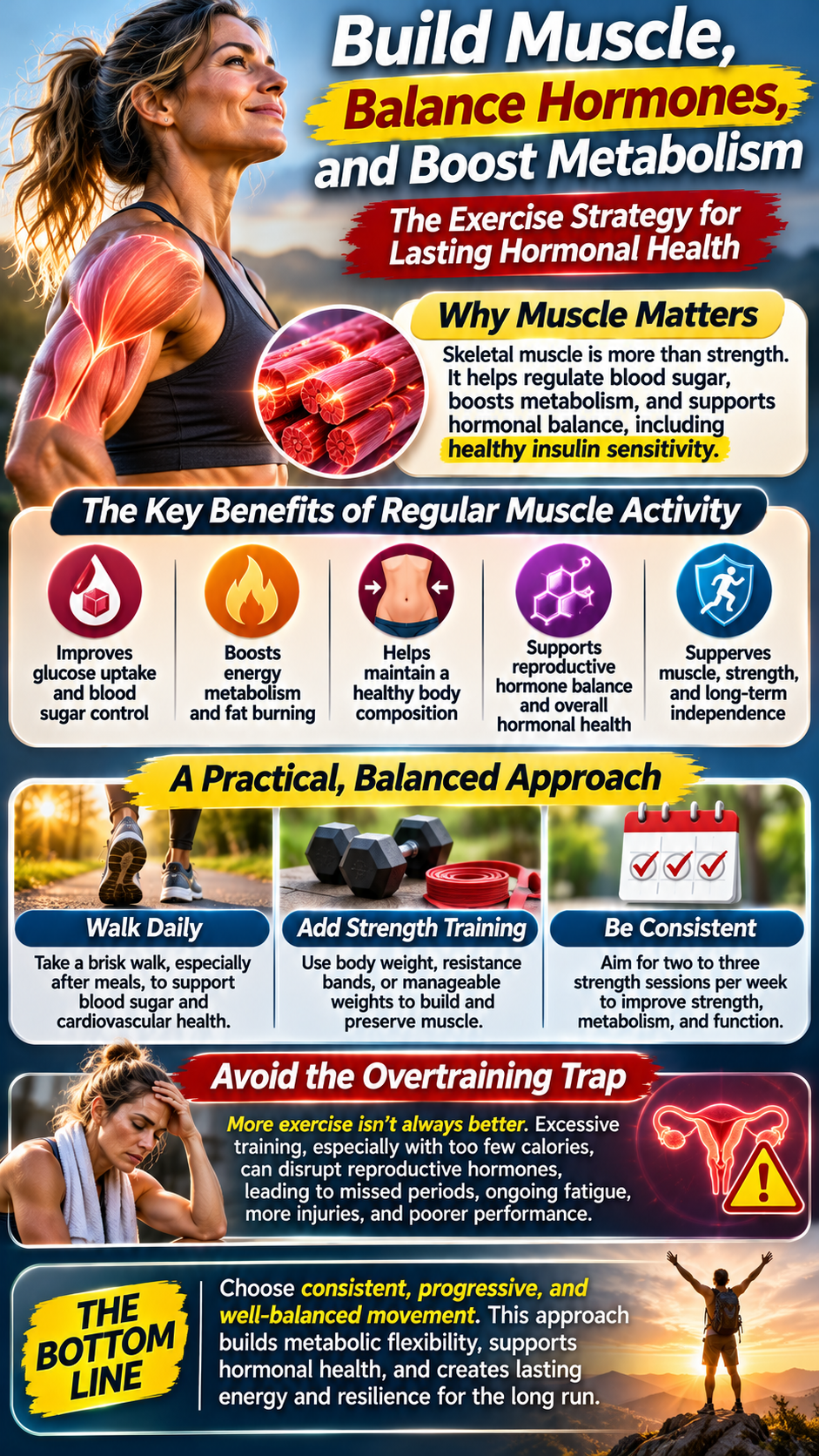
However, exercise intensity must match the body’s recovery capacity and nutritional intake. Excessive training combined with insufficient calories can disrupt reproductive hormone signaling, especially in susceptible women. Missing menstrual periods, persistent exhaustion, recurrent injuries, and declining performance may indicate inadequate recovery or energy availability.
Rather than pursuing exhausting workouts, emphasize consistent movement, progressive strength development, and sufficient recovery. The objective involves improving metabolic flexibility and physical resilience without adding unnecessary physiological strain. This approach supports long-term health more reliably than attempting to burn away hormonal problems through excessive exercise.
Calm the Stress Response Through Breathing, Recovery, and Nervous System Regulation
The autonomic nervous system helps coordinate cardiovascular activity, digestion, and physiological responses to changing demands. Sympathetic activation supports alertness and mobilization, while parasympathetic pathways participate in restorative functions. Healthy regulation requires flexibility between these responses rather than permanent dominance of either system.
Slow, comfortable breathing can influence autonomic activity and may reduce perceived stress or physiological arousal. Practice breathing gently for five minutes, allowing approximately five seconds for inhalation and five seconds for exhalation. Avoid forcing deep breaths or prolonged breath-holding, particularly when dizziness or discomfort develops.
Mindfulness, prayer, quiet reflection, and supportive relationships may provide additional opportunities to reduce cumulative psychological stress. Spending time outdoors and establishing boundaries around work can also help restore healthier daily routines. Although these activities do not guarantee specific hormonal changes, they may improve sleep, emotional well-being, and stress tolerance.
Chiropractic care may help selected individuals manage musculoskeletal pain, particularly certain forms of back and neck discomfort. Reducing persistent pain can improve comfort, mobility, and potentially sleep quality. However, research has not established that spinal adjustments directly restore pregnenolone production or normalize cortisol, DHEA, and progesterone levels.
Investigate Hormonal Symptoms Instead of Guessing From Laboratory Numbers
Hormonal testing becomes most useful when clinicians connect results with symptoms, medical history, and physiological timing. A single hormone measurement rarely explains the entire endocrine picture because concentrations fluctuate with age, sleep, and biological rhythms. Menstrual cycle timing also dramatically influences progesterone and estradiol measurements.
Persistent fatigue may justify evaluating thyroid function, blood counts, iron status, glucose regulation, or other suspected contributors. Menstrual disturbances require consideration of pregnancy, perimenopause, polycystic ovary syndrome, and hypothalamic dysfunction. Men experiencing possible testosterone deficiency need appropriately timed testing and clinical assessment before considering hormonal treatment.
DHEA-S testing may provide useful information in selected adrenal or androgen-related evaluations, but low values alone cannot diagnose pregnenolone steal. Similarly, commercial cortisol rhythm panels cannot establish an unvalidated diagnosis of adrenal fatigue. Suspected adrenal insufficiency or pathological cortisol excess requires established diagnostic procedures.
Persistent menstrual absence, unexplained weight loss, severe weakness, or significant blood pressure abnormalities deserve timely evaluation. These symptoms may indicate conditions requiring treatment beyond lifestyle changes. Accurate diagnosis protects patients from overlooking serious disease while pursuing otherwise beneficial wellness strategies.
Pregnenolone Supplements: Hormonal Shortcut or Unnecessary Gamble?
Pregnenolone supplementation attracts attention because the molecule precedes several important steroid hormones. Manufacturers sometimes promote these products for fatigue, cognitive performance, emotional stability, and reproductive hormone support. Nevertheless, increasing precursor availability does not guarantee improved downstream hormone production.
Steroidogenic enzymes and hormonal feedback systems determine how tissues process available precursors. Additional pregnenolone may not increase the hormone someone hopes to restore, and individual responses remain difficult to predict. Evidence supporting routine supplementation for chronic stress or presumed pregnenolone steal remains insufficient.
DHEA supplementation presents similar concerns because it can influence androgen and estrogen exposure. Potential adverse effects and interactions deserve particular attention among individuals with hormone-sensitive conditions. Pregnant individuals and those using hormonal therapies should avoid unsupervised experimentation with steroid precursors.
Targeted supplementation may help when clinicians identify specific nutritional deficiencies or established indications. However, supplements should complement a clear diagnosis rather than substitute for investigating persistent symptoms. A responsible functional approach asks whether the intervention addresses a demonstrated problem and offers meaningful benefits.
The Future of Hormonal Healing Lies Beyond the Pregnenolone Steal Theory
The appeal of pregnenolone steal reflects a legitimate desire to understand how chronic stress influences the entire body. Its weakness comes from reducing sophisticated endocrine regulation to competition for a single biochemical precursor. Modern physiology reveals specialized hormone-producing tissues, intricate feedback mechanisms, and multiple pathways through which stress affects health.
Patients deserve explanations that recognize these relationships without turning uncertain theories into established diagnoses. Sleep disruption, inadequate nutrition, metabolic dysfunction, and psychological stress can all influence hormonal regulation. Their effects vary, making individualized investigation more valuable than assuming every symptom originates from one mechanism.
A thoughtful functional medicine strategy begins by examining the patient’s daily environment and identifying genuine physiological disturbances. It then combines sustainable lifestyle improvements with appropriate testing and evidence-based treatment when necessary. This approach respects the body’s capacity for adaptation without promising that every hormonal condition can resolve naturally.
The woman who wakes exhausted at 3:17 every morning may not need someone to replenish stolen pregnenolone. She may need better sleep, improved metabolic health, adequate nutrition, stress support, or treatment for an overlooked medical condition. Discovering which factors matter requires curiosity, careful investigation, and a willingness to question familiar explanations.
Ultimately, hormonal health depends less on chasing one supposedly depleted precursor and more on restoring the conditions that support healthy endocrine regulation. The goal is not to suppress cortisol or manipulate every hormone independently. It is to understand why the body’s regulatory systems have changed and address the factors clinicians can identify.
That is where meaningful progress begins: with better biology, better questions, and a personalized path toward lasting health.