
The Disease That Was Developing While Everyone Said You Were Fine
It began with exhaustion that no amount of sleep could resolve. At first, she blamed her demanding schedule, the responsibilities of raising children, and the ordinary pressures of everyday life. But over time, the exhaustion became accompanied by unfamiliar symptoms. Her fingers felt stiff in the morning, her stomach became increasingly sensitive to foods she had eaten for decades, and her ability to concentrate began slipping. Some days, she felt almost normal, while others left her wondering whether her body was slowly betraying her.
Her physician ordered routine bloodwork, reviewed her symptoms, and reassured her that nothing significant appeared abnormal. Her blood counts were within reference ranges, her basic metabolic markers looked acceptable, and her thyroid screening revealed no obvious dysfunction. She returned home relieved but confused because the symptoms remained. Months passed, and additional complaints appeared, including occasional joint swelling, thinning hair, and an unusual sensitivity to cold. Another appointment produced more testing, but still no definitive explanation for the changes she was experiencing.
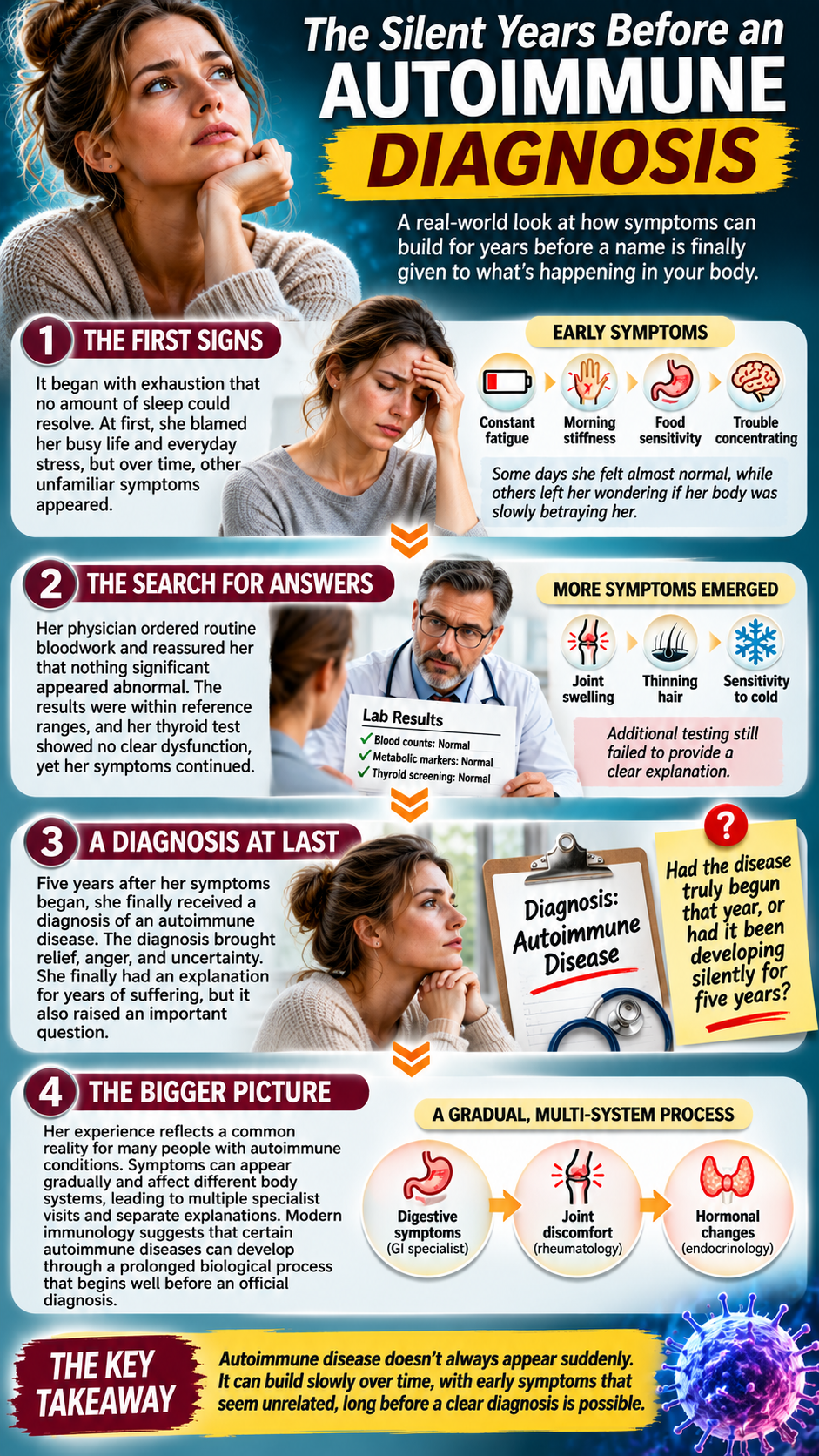
Five years after her symptoms began, she finally received a diagnosis of an autoimmune disease. The diagnosis brought an unexpected combination of relief, anger, and uncertainty. At last, there was a medical explanation for years of unexplained suffering, but an unsettling question remained. Had the autoimmune disease truly begun that year, or had it been developing silently throughout the preceding five years? More importantly, could the earlier warning signs have provided opportunities for intervention before her condition became unmistakable?
This fictional but medically plausible story illustrates a frustrating reality for some people living with autoimmune conditions. Their symptoms can emerge gradually, appearing in seemingly unrelated systems long before the clinical picture becomes recognizable. One specialist evaluates digestive disturbances while another investigates joint discomfort, and a third considers hormonal explanations. Each evaluation may be appropriate, yet the overall pattern can remain difficult to identify. Modern immunology increasingly suggests that certain autoimmune diseases develop through a prolonged biological process that begins well before an official diagnosis.
The Immune System Can Lose Its Balance Years Before Disease Becomes Obvious
The human immune system is an extraordinary biological surveillance network designed to recognize threats while protecting healthy tissues. Every moment, immune cells identify microorganisms, remove damaged cellular material, and coordinate inflammatory responses that support recovery. However, these protective activities require remarkable precision because the immune system must distinguish foreign threats from the body’s own structures. Scientists describe this ability as immune tolerance, a collection of regulatory mechanisms that prevent immune cells from attacking healthy tissues.
When immune tolerance becomes disrupted, the consequences can extend far beyond temporary inflammation. Certain immune cells may begin responding to the body’s own proteins, while inflammatory signaling pathways contribute to tissue injury. In Hashimoto’s thyroiditis, immune-mediated processes damage thyroid tissue, potentially impairing hormone production. Rheumatoid arthritis involves persistent inflammatory activity affecting joints and sometimes other organs, while systemic lupus erythematosus can involve the skin, kidneys, blood vessels, and multiple organ systems. Although these diseases affect different tissues, they share the broader characteristic of immune responses directed against components of the body itself.
What makes autoimmune disease particularly challenging is that this process does not always begin with recognizable symptoms. Researchers have identified autoantibodies and other immune abnormalities years before certain autoimmune diseases become clinically apparent. This period is often described as preclinical autoimmunity, although its characteristics differ considerably among diseases. During this stage, immune changes may be detectable even when a person feels healthy or experiences only nonspecific symptoms. The biological process can therefore precede the moment when conventional diagnostic criteria are satisfied.
Importantly, the presence of an autoantibody does not necessarily mean that disease is inevitable. Some healthy individuals carry certain autoantibodies without ever developing the corresponding autoimmune disorder. The predictive value depends on the specific antibody, its concentration, the patient’s genetic susceptibility, and other clinical findings. Nevertheless, understanding this preclinical period challenges the assumption that autoimmune disease begins only when a physician finally identifies it.
The Research That Changed Our Understanding of Autoimmune Disease
In 2003, researchers published a landmark study in The New England Journal of Medicine examining the development of autoantibodies before systemic lupus erythematosus was diagnosed. Investigators analyzed stored blood samples from military personnel who subsequently developed lupus, allowing them to examine immune activity years before clinical recognition. They discovered that many individuals had detectable autoantibodies long before receiving their diagnosis. In some cases, these immune markers appeared nearly a decade before the disease became clinically recognizable.
The findings also revealed that different autoantibodies appeared at different stages of disease development. Some emerged relatively early, while others appeared closer to diagnosis, suggesting a progressive evolution of autoimmune responses. This observation helped establish the concept that autoimmunity can develop through identifiable biological stages rather than appearing suddenly. It also raised important questions about whether future diagnostic methods could identify individuals at increased risk before substantial tissue damage occurs.
Researchers investigating rheumatoid arthritis have observed similar patterns. Anti-citrullinated protein antibodies, commonly known as ACPAs, can become detectable years before persistent inflammatory arthritis develops. Rheumatoid factor may also appear during the preclinical period, sometimes alongside other changes in immune signaling. These findings suggest that the immune processes associated with rheumatoid arthritis may begin before joints become persistently swollen or painful. However, not everyone with these antibodies develops rheumatoid arthritis, making clinical context essential.
Type 1 diabetes provides another compelling example because researchers have identified distinct stages of presymptomatic disease. In genetically susceptible individuals, multiple persistent pancreatic islet autoantibodies can indicate an increased likelihood of future clinical diabetes. Scientists have used this knowledge to develop monitoring strategies and investigate interventions that may delay progression in selected high-risk individuals. These discoveries demonstrate that the period preceding diagnosis can hold valuable information about disease development, even though reliable prevention strategies remain unavailable for many autoimmune conditions.
The Early Warning Signs That Often Appear Unrelated
One reason autoimmune disease can remain unidentified for years is that its early symptoms frequently overlap with common health complaints. Persistent fatigue may develop gradually, making it difficult to distinguish from inadequate sleep, chronic stress, anemia, or hormonal dysfunction. Some individuals describe an unusual exhaustion that appears disproportionate to their activities, while others notice declining concentration and reduced physical endurance. These complaints can significantly affect quality of life, yet they rarely identify a specific autoimmune condition without additional findings.
Joint discomfort may provide more meaningful clues when it follows an inflammatory pattern. Morning stiffness lasting an extended period, recurring swelling, and tenderness involving multiple small joints can suggest inflammatory arthritis. Symptoms sometimes fluctuate, creating periods of improvement that delay further investigation. A patient may feel relatively comfortable during a medical appointment despite experiencing substantial symptoms earlier that week. This variability can make early disease difficult to recognize, particularly when examination findings remain subtle.
Other warning signs may involve the skin, digestive tract, or nervous system. Unexplained rashes, recurrent mouth ulcers, persistent dry eyes, unusual sensitivity to sunlight, and fingers changing color in cold temperatures can occur in certain autoimmune disorders. Digestive complaints such as chronic diarrhea, abdominal discomfort, and unexplained nutritional deficiencies may accompany celiac disease or inflammatory bowel disease. However, these symptoms also occur in numerous non-autoimmune conditions, making it essential to evaluate them without prematurely assuming an autoimmune explanation.
The significance often lies in the combination, persistence, and progression of symptoms rather than any single complaint. A person experiencing fatigue alone requires a different evaluation from someone experiencing fatigue alongside objective joint swelling, recurrent inflammatory rashes, and a strong family history of autoimmune disease. Recognizing these patterns can guide appropriate testing and specialist referrals. The goal is not to convince every exhausted person that an autoimmune disease is developing, but to ensure persistent changes receive thoughtful medical attention.
The Gut-Immune Connection: A Critical Area of Investigation
The digestive tract represents one of the body’s most important interfaces between the external environment and immune regulation. Every day, the intestinal lining encounters food proteins, microorganisms, environmental compounds, and countless substances requiring careful biological surveillance. Specialized immune cells within intestinal tissues help distinguish harmful organisms from harmless dietary components. This interaction is essential because inappropriate immune responses within the digestive tract can contribute to inflammation and tissue damage.
The intestinal barrier plays an important role in maintaining this balance. Its epithelial cells, protective mucus, and specialized tight junctions regulate movement between intestinal contents and the body’s internal environment. When barrier function becomes disrupted, intestinal substances may interact differently with immune tissues, potentially influencing inflammatory signaling. Researchers have investigated altered intestinal permeability in several immune-mediated conditions, although its causal role varies and remains uncertain in many diseases.
Celiac disease provides a well-established example of an intestinal immune response producing autoimmune injury. In genetically susceptible individuals, gluten exposure activates immune pathways that damage the small intestinal lining. This injury can interfere with nutrient absorption and produce symptoms extending beyond the digestive tract. However, the established relationship between gluten and celiac disease should not be generalized into the claim that gluten causes all autoimmune disorders. Different autoimmune diseases involve distinct mechanisms, and dietary interventions must be evaluated accordingly.
The intestinal microbiome has also become a major focus of autoimmune research. Trillions of microorganisms participate in digestion, produce biologically active metabolites, and communicate with intestinal immune cells. Certain bacteria generate short-chain fatty acids, including butyrate, that contribute to intestinal barrier function and immune regulation. Studies have identified microbiome differences among people with rheumatoid arthritis, multiple sclerosis, and other immune-mediated conditions. Nevertheless, scientists are still determining whether these microbial changes contribute to disease development, result from existing inflammation, or reflect other factors such as diet and medication use.
Environmental Triggers: When Genetic Susceptibility Meets the Outside World
Genetics influence autoimmune susceptibility, but inherited risk rarely determines whether someone will develop a particular disease. Many individuals carry genetic variants associated with autoimmune conditions without ever experiencing clinical illness. This observation has encouraged researchers to investigate how environmental exposures, infections, and metabolic influences interact with inherited vulnerability. The emerging picture suggests that autoimmune development frequently involves multiple contributing factors rather than one universal trigger.
Cigarette smoking represents one of the clearest examples of an environmental factor associated with autoimmune disease. Research has demonstrated an increased risk of rheumatoid arthritis among smokers, particularly those with certain genetic susceptibility variants. Occupational exposure to crystalline silica has also been associated with several autoimmune conditions. These findings illustrate how external exposures can interact with immune pathways and contribute to disease risk in susceptible populations.
Infections provide another important area of investigation. Epstein-Barr virus has been strongly associated with multiple sclerosis, and a major 2022 study published in Science found a substantially increased risk of multiple sclerosis following EBV infection. Although most people infected with EBV never develop multiple sclerosis, the research offers compelling evidence that certain infections can participate in autoimmune disease development. Understanding these relationships may eventually lead to more effective preventive strategies, although the mechanisms remain incompletely understood.
Metabolic health, nutritional status, and hormonal influences may also affect immune regulation. Obesity can contribute to chronic low-grade inflammation, while nutrient deficiencies may impair normal physiological functions. However, an association between a biological factor and autoimmune disease does not necessarily establish causation. Responsible investigation requires distinguishing established risk factors from emerging hypotheses and determining which interventions genuinely improve patient outcomes.
The Diagnostic Gap Between Feeling Sick and Having a Recognizable Disease
One of the most frustrating aspects of early autoimmune disease involves the limitations of routine laboratory testing. A complete blood count, metabolic panel, or standard thyroid screening can identify many important abnormalities, but these tests cannot exclude every autoimmune disorder. Patients may therefore experience persistent symptoms while their initial laboratory results remain within reference ranges. This discrepancy does not establish that autoimmune disease is present, but neither does it justify dismissing symptoms without further consideration.
More targeted investigations may become appropriate when clinical findings suggest a particular autoimmune condition. Rheumatoid factor and anti-CCP antibodies can support the evaluation of suspected rheumatoid arthritis, while thyroid peroxidase antibodies may help identify autoimmune thyroiditis. Antinuclear antibody testing can contribute to investigating certain connective tissue disorders, although positive results sometimes occur in healthy individuals. The most effective diagnostic strategy uses clinical findings to guide testing rather than ordering extensive panels without a clear indication.
A comprehensive evaluation should consider symptom progression, family history, physical examination findings, relevant environmental exposures, and previous laboratory results. It should also investigate common non-autoimmune explanations for fatigue, pain, and digestive disturbances. This approach avoids two equally important mistakes: dismissing persistent symptoms because initial testing appears normal and diagnosing autoimmune disease based on nonspecific findings alone.
Recognizing the Years Before Diagnosis as an Opportunity
The discovery that certain autoimmune processes can develop years before diagnosis represents an important shift in medical understanding. It suggests that the biological history of disease may be considerably longer than its documented clinical history. For some patients, this interval may offer opportunities for earlier recognition, appropriate monitoring, and correction of unrelated but treatable contributors to poor health. For selected conditions, researchers are also beginning to investigate whether interventions during the preclinical period can delay progression.
Yet the most meaningful lesson extends beyond laboratory testing. Patients deserve an approach that considers the relationship between symptoms, immune regulation, digestive health, nutrition, environmental exposures, and metabolic function without assuming that every problem shares one cause. Supporting these foundations can improve general health, even when it cannot be shown to prevent a specific autoimmune disease. Effective care should combine scientific investigation with careful attention to the patient’s lived experience.
The years before diagnosis should not automatically become years of unanswered questions, repeated reassurance, and progressive frustration. Persistent symptoms deserve appropriate evaluation, especially when they evolve or appear alongside objective findings. Understanding the preclinical development of autoimmune disease offers a more informed perspective on early warning signs and the importance of timely investigation. It also prepares us for the next essential question: what practical steps can individuals take to protect their health, recognize concerning patterns, and seek answers before unexplained symptoms dominate their lives?
The Critical Window Between Early Symptoms and Established Disease
For many individuals, the years preceding an autoimmune diagnosis become an exhausting cycle of unanswered questions, temporary improvements, and recurring symptoms that never seem to fit together. Fatigue appears without an obvious explanation, digestive disturbances develop unexpectedly, and joint discomfort becomes increasingly difficult to dismiss. Routine laboratory results may remain within reference ranges, creating a confusing contradiction between how the patient feels and what the medical evaluation reveals. Eventually, a recognizable autoimmune condition may emerge, leaving patients wondering whether earlier intervention could have changed their experience or prevented complications.
Scientific discoveries involving preclinical autoimmunity have transformed our understanding of this period. Researchers now recognize that certain autoimmune processes can begin years before a person meets the diagnostic criteria for rheumatoid arthritis, lupus, type 1 diabetes, or other immune-mediated conditions. During this interval, disease-associated antibodies, changes in immune signaling, and subtle clinical findings may develop gradually. However, the presence of these abnormalities does not guarantee that disease will progress, and reliable preventive interventions remain unavailable for many autoimmune conditions. The challenge involves identifying meaningful warning signs without creating unnecessary diagnoses or promising outcomes that scientific research has not established.
A comprehensive approach to this period should investigate persistent symptoms while addressing the foundations of metabolic and immune health. Nutrition, intestinal function, sleep, physical activity, environmental exposures, and stress regulation can influence physiological processes involved in inflammation. Improving these factors may help reduce symptoms, correct deficiencies, and strengthen overall health, even when a specific autoimmune diagnosis remains uncertain. The objective is not to replace established medical care with unproven alternatives, but to create a more complete understanding of the biological environment in which immune function operates.
Understanding Inflammation Before It Becomes a Diagnosable Condition
Inflammation is one of the body’s most important protective mechanisms, coordinating immune responses against infection and supporting tissue repair after injury. When a harmful organism enters the body, immune cells release signaling molecules that recruit additional defenses and initiate recovery. Ideally, these responses diminish once the threat has been controlled, allowing tissues to return toward normal function. Problems can arise when inflammatory activity persists, becomes poorly regulated, or targets healthy structures, as occurs in many autoimmune diseases.
Chronic inflammation is not a single disease, and its causes vary considerably. Excess adipose tissue, untreated infections, smoking, inflammatory disorders, and metabolic dysfunction can contribute to persistent inflammatory signaling. In autoimmune disease, additional mechanisms involving autoreactive immune cells, antibodies, and tissue-specific responses may produce progressive injury. Understanding these distinctions matters because reducing general inflammatory risk does not necessarily eliminate the immune processes responsible for a particular autoimmune condition.
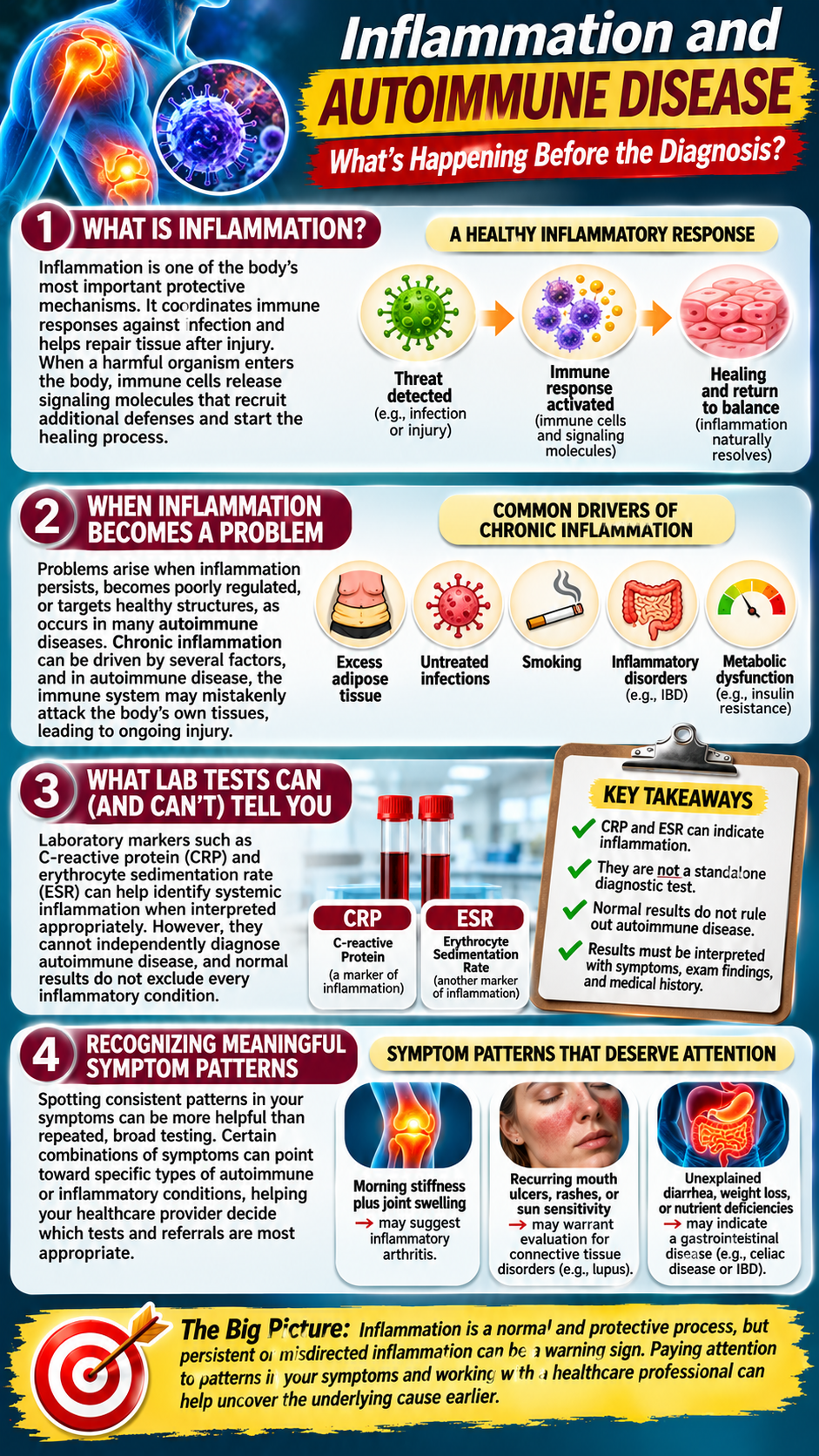
Laboratory markers such as C-reactive protein and erythrocyte sedimentation rate can help identify systemic inflammation when interpreted appropriately. However, these measurements cannot independently diagnose autoimmune disease, and normal values do not exclude every inflammatory condition. Some individuals with active autoimmune disease have relatively unremarkable inflammatory markers, while others experience elevations caused by unrelated infections or metabolic disturbances. The most meaningful assessment combines laboratory findings with symptom patterns, physical examination, medical history, and disease-specific testing when indicated.
For individuals experiencing unexplained symptoms, recognizing patterns can be more valuable than repeatedly pursuing broad laboratory panels. Persistent morning stiffness accompanied by joint swelling may suggest inflammatory arthritis, while recurring mouth ulcers, unusual rashes, and sensitivity to sunlight may warrant investigation for connective tissue disorders. Unexplained diarrhea, weight loss, and nutritional deficiencies may point toward gastrointestinal disease requiring specialized evaluation. These patterns provide clinicians with a more focused starting point than fatigue or generalized discomfort alone.
Nutrition and the Biological Foundations of Immune Regulation
The immune system depends on a continuous supply of nutrients to maintain cellular function, produce signaling molecules, and coordinate responses to infection and injury. Amino acids support protein synthesis and tissue maintenance, while essential fatty acids contribute to cellular membranes and inflammatory signaling pathways. Vitamins and minerals participate in enzymatic reactions involved in immune-cell development, antioxidant defenses, and energy production. When nutritional deficiencies develop, symptoms such as fatigue, weakness, cognitive difficulties, and impaired recovery can resemble aspects of chronic inflammatory illness.
Vitamin D has received considerable attention because immune cells possess receptors that respond to its active hormonal form. Experimental research demonstrates that vitamin D influences several immune signaling pathways, including processes associated with regulatory immune cells. Observational studies have linked low vitamin D levels with certain autoimmune conditions, although these relationships do not establish that deficiency causes disease. The large VITAL randomized trial reported fewer incident autoimmune diagnoses among participants receiving vitamin D supplementation, but additional research is necessary to determine which populations benefit most and whether the findings apply broadly.
Other nutrients, including vitamin B12, iron, zinc, selenium, and folate, deserve consideration when dietary intake or clinical findings suggest deficiency. Vitamin B12 deficiency can produce neurological symptoms and fatigue, while iron deficiency may impair oxygen transport and physical endurance. Zinc participates in immune-cell signaling, and selenium supports enzymes involved in antioxidant protection and thyroid hormone metabolism. However, supplementation beyond physiological requirements does not automatically improve immune function, and excessive intake of certain minerals can produce toxicity.
A sustainable nutritional strategy emphasizes adequate protein, vegetables, fruit, fiber-rich foods, and predominantly unsaturated fats. Fatty fish supplies omega-3 fatty acids, while extra-virgin olive oil, avocados, and other minimally processed foods can support cardiometabolic health. Individuals should avoid assuming that all autoimmune conditions require the elimination of gluten, dairy, legumes, or other food groups. Restrictive diets should be guided by established diagnoses, allergies, or carefully evaluated intolerances rather than generalized claims about inflammation.
The Intestinal Environment and Its Influence on Immune Health
The digestive tract contains an extensive network of immune cells that continuously interact with microorganisms, dietary proteins, and environmental compounds. Its epithelial barrier regulates movement between intestinal contents and the body’s internal environment, while protective mucus and immune defenses help maintain tissue integrity. Specialized structures called tight junctions contribute to this regulation by controlling movement between neighboring epithelial cells. When intestinal barrier function becomes disrupted, interactions between microbial products and immune tissues may change, potentially influencing inflammatory activity.
The intestinal microbiome adds another important dimension to this relationship. Trillions of microorganisms participate in nutrient metabolism, produce biologically active compounds, and interact with immune signaling pathways. Certain bacteria ferment dietary fiber into short-chain fatty acids, including butyrate, which supports intestinal epithelial metabolism and participates in immune regulation. Research has identified differences in microbial communities among individuals with rheumatoid arthritis, multiple sclerosis, and inflammatory bowel disease, although the causal significance of many findings remains uncertain.
Supporting intestinal health begins with consistent dietary habits rather than aggressive cleansing programs. Vegetables, fruit, legumes, seeds, and other tolerated sources of fiber provide substrates for beneficial microbial fermentation. Fermented foods may contribute useful microorganisms, although their effects vary depending on the product and individual. Adequate hydration, appropriate physical activity, and treatment of identifiable gastrointestinal conditions also support digestive function. People with persistent diarrhea, gastrointestinal bleeding, unexplained weight loss, or significant abdominal pain require medical evaluation rather than relying on self-directed gut protocols.
The relationship between intestinal permeability and autoimmune disease remains an active area of investigation, but it should not be oversimplified. Celiac disease provides a well-established example of an immune-mediated intestinal condition triggered by gluten in genetically susceptible individuals. However, increased intestinal permeability has not been established as the universal initiating cause of autoimmune disease. Commercial microbiome testing, unvalidated food-sensitivity panels, and generalized detoxification protocols often promise more than current evidence can support, making careful selection of testing and interventions essential.
Sleep, Stress, and the Nervous System’s Role in Immune Regulation
The immune and nervous systems communicate through complex pathways involving hormones, neurotransmitters, and inflammatory signaling molecules. Sleep plays an important role in this communication by influencing immune-cell activity, metabolic regulation, and physiological recovery. Chronic sleep restriction can alter inflammatory mediators, increase pain sensitivity, and contribute to fatigue and impaired concentration. These changes may complicate the evaluation of unexplained symptoms, particularly when sleep disorders remain unidentified.
Establishing consistent sleep habits offers a practical opportunity to improve health while diagnostic investigations continue. Most adults benefit from approximately seven to nine hours of sleep, supported by regular bedtimes, morning daylight exposure, and a comfortable sleeping environment. Reducing evening alcohol consumption and limiting stimulating activities before bedtime may also improve sleep quality. Individuals who experience persistent exhaustion despite adequate time in bed should consider evaluation for sleep apnea, restless legs syndrome, and other sleep disorders.
Psychological stress influences immune function through interactions involving the hypothalamic-pituitary-adrenal axis and autonomic nervous system. Prolonged stress can affect sleep quality, metabolic health, pain perception, and inflammatory signaling, although these relationships are complex and vary among individuals. Stress should not be presented as the universal cause of autoimmune disease, nor should patients be blamed for developing illness during difficult circumstances. Nevertheless, reducing chronic stress can improve quality of life and may help individuals manage symptoms more effectively.
Practical stress-management strategies include regular movement, breathing exercises, mindfulness practices, time outdoors, and maintaining supportive relationships. These activities may improve emotional well-being and autonomic regulation, although their ability to prevent autoimmune disease has not been established. Chiropractic care may help selected patients manage certain musculoskeletal complaints, but evidence does not demonstrate that spinal adjustments prevent or reverse systemic autoimmune disease. Supporting nervous-system health is valuable when interventions are matched to established benefits rather than unsupported claims.
Environmental Exposures and the Search for Modifiable Risks
Environmental influences deserve attention because autoimmune susceptibility often involves interactions between inherited genetic factors and external exposures. Cigarette smoking represents one of the strongest established environmental risk factors for rheumatoid arthritis, particularly among individuals carrying certain susceptibility variants. Occupational exposure to crystalline silica has also been associated with increased risk for several autoimmune conditions. These findings demonstrate that some environmental factors can influence disease development through measurable biological pathways.
Infections represent another important category of potential triggers. Epstein-Barr virus has been strongly associated with multiple sclerosis, and major longitudinal research has demonstrated a substantially increased risk following infection. However, EBV infection is extremely common, while multiple sclerosis remains relatively uncommon, indicating that infection alone is insufficient to explain disease development. Researchers continue investigating how genetic susceptibility, immune responses, and other environmental influences interact to produce disease in a small subset of exposed individuals.
Reducing avoidable exposures can support overall health without requiring expensive or unvalidated detoxification programs. Avoiding tobacco smoke, maintaining appropriate workplace protection, ensuring safe drinking water, and following chemical safety recommendations represent reasonable preventive measures. When heavy-metal exposure or chemical poisoning is suspected, testing should be selected according to the specific substance and exposure history. Hair mineral analyses and nonspecific toxin panels cannot reliably establish that environmental contaminants caused autoimmune symptoms, and inappropriate chelation or cleansing regimens can introduce additional health risks.
Practical Steps to Take at Home Before an Autoimmune Diagnosis
Build a Detailed Symptom Timeline
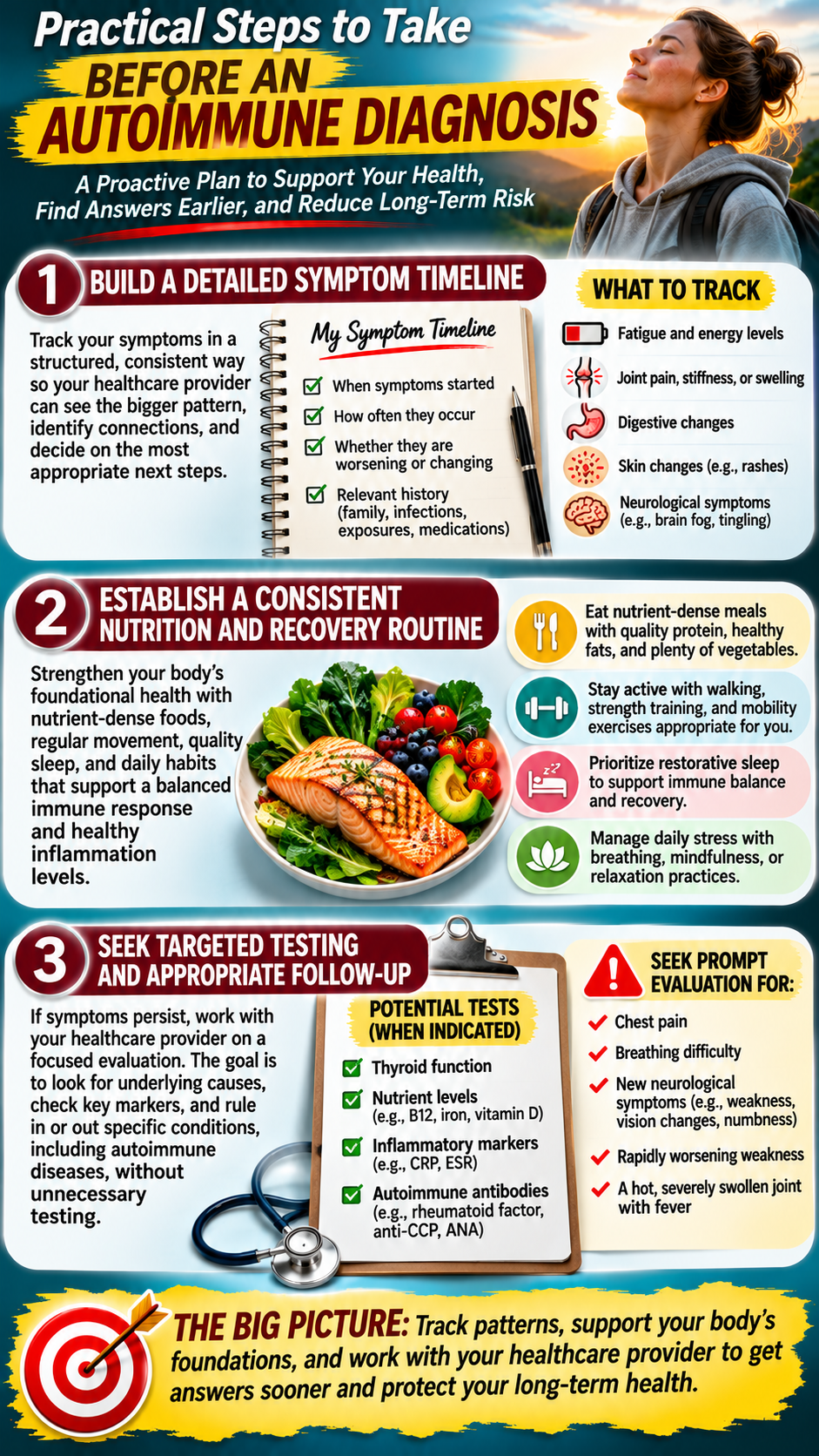
One of the most useful actions involves documenting symptoms in a structured, consistent manner. Record when fatigue, joint discomfort, digestive disturbances, skin changes, or neurological complaints first appeared and whether they have become more frequent or severe. Include relevant family history, significant infections, occupational exposures, and medication changes when appropriate. This timeline can help clinicians identify relationships that might otherwise remain hidden during brief appointments.
Photographs of intermittent rashes or visible joint swelling may provide useful information when symptoms disappear before a scheduled examination. A simple weekly record of symptom severity, sleep quality, and functional limitations can also reveal meaningful trends. However, monitoring should remain focused on recurring or progressive changes rather than every ordinary physical sensation. The objective is to improve clinical communication without creating unnecessary anxiety.
Establish a Consistent Nutrition and Recovery Routine
Begin by improving dietary quality through regular meals containing adequate protein, fiber, and essential nutrients. Include vegetables, fruit, healthy fats, and other minimally processed foods according to individual needs and tolerances. Avoid unnecessary elimination diets, prolonged fasting, or high-dose supplements intended to suppress presumed autoimmune activity. When nutritional deficiencies are suspected, appropriate testing can help determine whether targeted supplementation is warranted.
Physical activity should reflect current energy levels and musculoskeletal function. Walking, gentle resistance exercises, and mobility work can support cardiovascular health, muscle strength, and joint movement. Individuals experiencing persistent joint swelling, severe fatigue after exertion, or unexplained weakness should seek evaluation before increasing exercise intensity. Consistent, tolerable activity generally offers a more sustainable approach than alternating between inactivity and overly demanding workouts.
Seek Targeted Testing and Appropriate Follow-Up
Persistent symptoms deserve a focused medical evaluation that considers the complete clinical picture. Depending on the findings, a clinician may investigate thyroid function, nutritional deficiencies, inflammatory markers, or specific autoimmune antibodies. Rheumatoid factor and anti-CCP antibodies may be useful when inflammatory arthritis is suspected, while antinuclear antibody testing can support evaluation of selected connective tissue disorders. Broad autoimmune screening without a clear clinical indication can produce false-positive results and unnecessary investigations.
Patients should also recognize symptoms requiring urgent attention, including chest pain, breathing difficulty, new neurological deficits, rapidly progressive weakness, or a severely swollen joint accompanied by fever. These findings may indicate serious conditions that require immediate assessment. Individuals already diagnosed with autoimmune disease should maintain appropriate monitoring and treatment because uncontrolled inflammation can damage organs and tissues. Lifestyle interventions can complement established care, but they should not delay effective disease-specific treatment.
The Future of Autoimmune Care Begins Before the Diagnosis
The discovery that certain autoimmune processes can develop years before clinical recognition represents an important opportunity for preventive medicine. Researchers are investigating whether combinations of autoantibodies, genetic markers, immune signatures, and clinical findings can identify individuals at increased risk before substantial tissue injury occurs. In selected high-risk populations, interventions have already demonstrated the ability to delay progression of particular autoimmune conditions. These advances suggest that the preclinical period may eventually become a more important focus of personalized healthcare.
However, scientific progress requires distinguishing promising theories from interventions that have demonstrated meaningful benefits. Improving nutrition, sleep, physical activity, and environmental safety can strengthen general health, but these strategies cannot guarantee prevention of autoimmune disease. Likewise, identifying an abnormal biomarker does not necessarily mean that treatment is required. The most effective approach combines careful diagnostic reasoning with individualized attention to modifiable health factors.
For patients who have spent years searching for explanations, this perspective offers a more constructive path forward. Persistent symptoms deserve investigation, even when initial testing appears reassuring, and meaningful lifestyle improvements can begin while the diagnostic process continues. A comprehensive approach should neither dismiss unexplained suffering nor assign an autoimmune diagnosis without sufficient evidence. Instead, it should help patients understand their symptoms, recognize concerning patterns, and make informed decisions about their health.
The years before an autoimmune diagnosis do not have to become years defined entirely by uncertainty. They can provide opportunities to correct nutritional deficiencies, improve sleep, reduce established environmental risks, and identify medical conditions that might otherwise remain overlooked. As research continues to clarify the earliest stages of autoimmune disease, the possibility of more precise detection and prevention becomes increasingly promising. Until those advances are widely available, the most powerful approach remains thoughtful investigation, evidence-informed lifestyle support, and a commitment to understanding the person behind the symptoms rather than focusing exclusively on the eventual diagnostic label.