
The Heart Attack That Began Decades Before the First Symptom
Imagine a 52-year-old man sitting across from his physician, reviewing the results of his annual physical. His cholesterol is slightly elevated, but nothing appears particularly alarming. His blood pressure falls within an acceptable range, his resting electrocardiogram looks normal, and he exercises several times each week. He leaves the appointment reassured that his cardiovascular health is reasonably good. Six months later, he experiences crushing chest pain while walking through an airport. Emergency testing reveals a coronary artery blockage caused by a ruptured atherosclerotic plaque and an associated blood clot. What appeared to be a sudden cardiovascular catastrophe was actually the culmination of biological changes that had been developing silently for years.
Long before the heart attack, something may have been changing inside the delicate lining of his blood vessels. This lining, called the endothelium, consists of a remarkably thin layer of cells that separates circulating blood from the deeper structures of the vascular wall. Although only one cell thick, the endothelium performs functions essential to cardiovascular survival. It helps regulate blood pressure, controls vascular inflammation, influences blood clotting, and determines how easily certain substances move between the bloodstream and surrounding tissues. When these protective functions deteriorate, the resulting condition is known as endothelial dysfunction.
For decades, cardiovascular disease was commonly explained through the accumulation of cholesterol inside arteries. Cholesterol remains an important contributor to atherosclerosis, particularly when circulating apolipoprotein B-containing lipoproteins enter and become retained within arterial walls. However, modern vascular biology reveals a more complex picture involving inflammation, oxidative stress, metabolic dysfunction, immune activity, and endothelial injury. The arteries are not passive plumbing systems that simply become clogged with fat. They are living, responsive tissues whose health depends on continuous communication between blood, vascular cells, and the surrounding environment.
This distinction matters because endothelial dysfunction can develop before obvious cardiovascular symptoms appear. It can also precede measurable structural atherosclerosis in certain individuals, although not every case of endothelial dysfunction progresses to plaque formation. By understanding the biological environment that damages the endothelium, we gain a broader perspective on cardiovascular prevention. Instead of focusing exclusively on the consequences of advanced disease, we can begin investigating the conditions that allow vascular injury to develop.
The Endothelium: Your Body’s Hidden Cardiovascular Organ
If every blood vessel in the human body were examined under a microscope, its inner surface would reveal an extraordinary network of specialized endothelial cells. These cells line arteries, veins, and capillaries, forming an extensive interface between circulating blood and nearly every organ. Scientists increasingly recognize the endothelium as a distributed organ with metabolic, inflammatory, and signaling responsibilities. Its functions extend far beyond simply providing a smooth surface for blood to travel across.
One of its most important responsibilities involves producing nitric oxide, a signaling molecule that helps blood vessels relax. In healthy arteries, endothelial nitric oxide synthase, commonly abbreviated eNOS, converts the amino acid L-arginine into nitric oxide through a complex enzymatic process. This reaction requires oxygen and several cofactors, including tetrahydrobiopterin, also called BH4. Once produced, nitric oxide diffuses into neighboring vascular smooth muscle cells and activates pathways that encourage relaxation. The resulting vasodilation helps regulate vascular resistance, blood pressure, and blood delivery to metabolically active tissues.
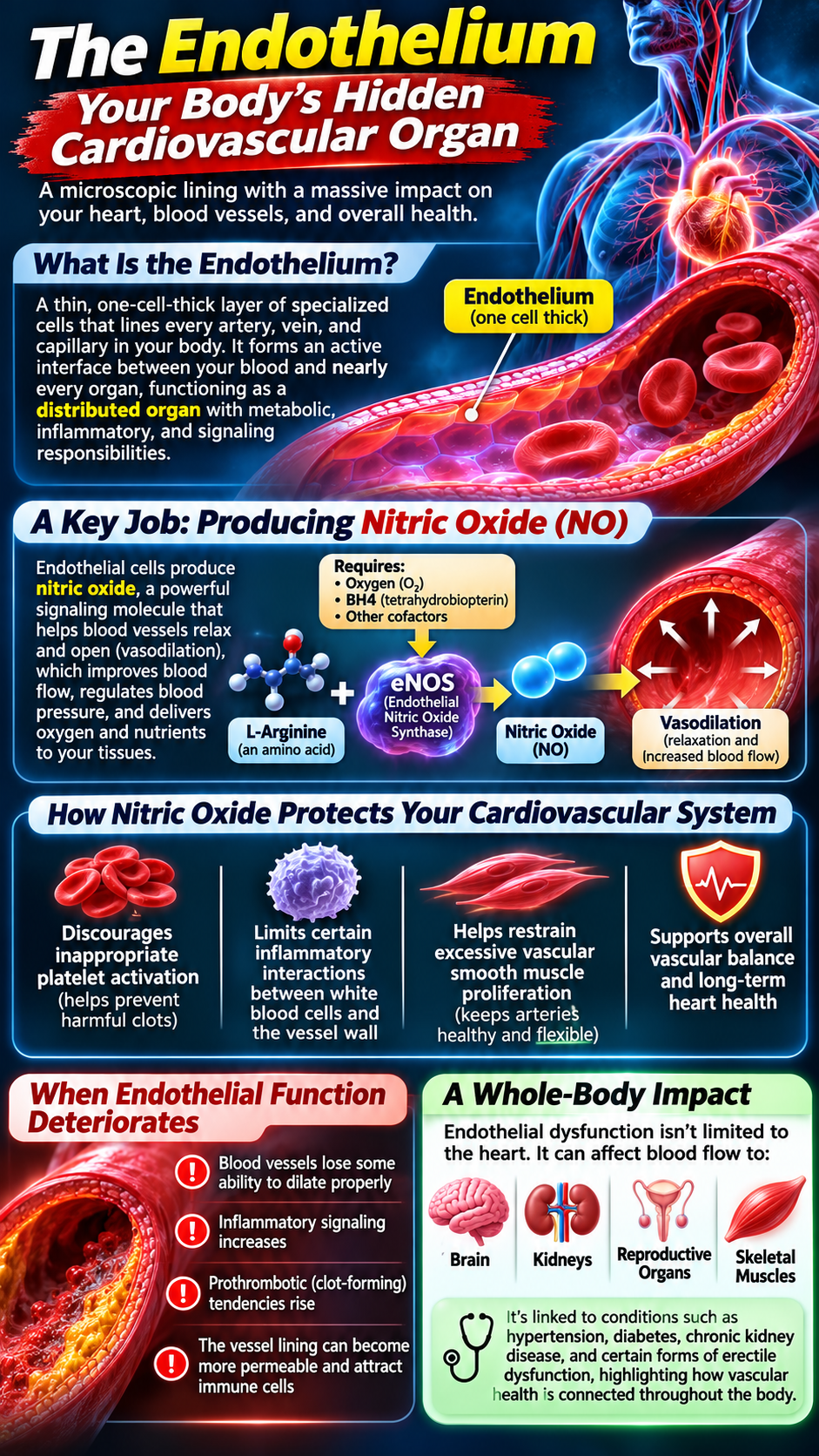
Nitric oxide also influences several processes associated with cardiovascular protection. It discourages inappropriate platelet activation, limits certain inflammatory interactions between white blood cells and the vessel wall, and helps restrain excessive vascular smooth muscle proliferation. These actions make nitric oxide an important contributor to vascular homeostasis. However, nitric oxide is not the only substance governing endothelial behavior. Prostacyclin, endothelin-1, endothelial-derived hyperpolarizing factors, and numerous inflammatory mediators participate in a sophisticated regulatory network.
When endothelial function deteriorates, this network becomes less effective at maintaining vascular balance. Blood vessels may lose some of their ability to dilate appropriately, while inflammatory signaling and prothrombotic tendencies can increase. The endothelium may also become more permeable or express additional adhesion molecules that recruit circulating immune cells. These abnormalities help create conditions favorable to vascular disease, especially when elevated LDL particle exposure and other cardiovascular risk factors are present.
The significance of this process extends beyond the coronary arteries. Endothelial dysfunction can affect the circulation supplying the brain, kidneys, reproductive organs, and skeletal muscles. It is associated with conditions ranging from hypertension and diabetes to chronic kidney disease and certain forms of erectile dysfunction. The vascular system functions as an interconnected network, meaning disturbances in endothelial biology can have consequences throughout the body.
Nitric Oxide: The Molecule That Changed Cardiovascular Science
In 1998, the Nobel Prize in Physiology or Medicine recognized Robert Furchgott, Louis Ignarro, and Ferid Murad for discoveries involving nitric oxide as a cardiovascular signaling molecule. Their work transformed scientific understanding of how blood vessels regulate their own diameter. Before these discoveries, researchers had a less complete explanation for how the endothelial lining communicated with underlying vascular muscle. Nitric oxide revealed that the blood vessel wall possesses an active chemical communication system capable of influencing circulation within seconds.
Under healthy conditions, nitric oxide production responds to multiple physiological signals, including the frictional force generated by flowing blood. This force, known as shear stress, stimulates endothelial pathways that help maintain vascular function. Regular aerobic exercise can improve endothelial responsiveness partly through these flow-related signals. However, the protective effects depend on a complex interaction between exercise intensity, vascular health, and metabolic conditions.
Oxidative stress can interfere with nitric oxide signaling. One particularly important mechanism involves superoxide, a reactive oxygen species capable of reacting rapidly with nitric oxide. This reaction produces peroxynitrite, a highly reactive compound that can contribute to oxidative damage under pathological conditions. As nitric oxide bioavailability declines, arteries may become less responsive to normal vasodilatory signals. The resulting impairment can contribute to increased vascular resistance and endothelial dysfunction.
Another important mechanism involves the enzyme responsible for nitric oxide production itself. Under certain conditions, including inadequate BH4 availability or oxidation of this cofactor, eNOS can become uncoupled. Instead of efficiently producing nitric oxide, the enzyme generates more superoxide, potentially amplifying oxidative stress. This creates a damaging biochemical cycle in which the machinery designed to support vascular health contributes to its deterioration.
These discoveries demonstrate why endothelial dysfunction cannot be reduced to a simple cholesterol problem. Vascular health depends on the balance between nitric oxide production, oxidative stress, inflammatory signaling, and exposure to atherogenic lipoproteins. Supporting healthy endothelial function therefore requires attention to the biological conditions influencing these pathways, not merely one isolated laboratory value.
Chronic Inflammation: The Silent Transformation of the Arterial Wall
Inflammation is a normal and essential component of human defense and tissue repair. When an infection develops or an injury occurs, immune cells release signaling molecules that help coordinate the body’s response. Problems arise when inflammatory activity becomes persistent, poorly regulated, or concentrated within vulnerable tissues. In the cardiovascular system, chronic inflammation can alter endothelial behavior and contribute to the development and progression of atherosclerosis.
Inflammatory mediators such as tumor necrosis factor-alpha and interleukin-1 beta can activate endothelial signaling pathways. These pathways increase the expression of adhesion molecules, including VCAM-1 and ICAM-1, which help circulating immune cells attach to the vascular lining. Monocytes can then migrate into the arterial wall, where they may differentiate into macrophages. When macrophages ingest modified lipoproteins, they can develop into lipid-rich foam cells, a characteristic feature of early atherosclerotic lesions.
This inflammatory process becomes particularly important when LDL particles accumulate within the arterial intima. Retained lipoproteins can undergo chemical modifications that stimulate additional immune activity. Over time, interactions among lipids, macrophages, vascular smooth muscle cells, and extracellular matrix components contribute to plaque development. Some plaques remain relatively stable, while others develop features associated with increased rupture risk.
Importantly, inflammation does not replace cholesterol as a cause of atherosclerosis. Rather, the two processes interact. Elevated lifetime exposure to atherogenic lipoproteins contributes causally to plaque formation, while inflammatory pathways influence how lesions develop and behave. This explains why evaluating cardiovascular risk requires a broader perspective than either cholesterol or inflammation alone.
High-sensitivity C-reactive protein, commonly called hs-CRP, can provide information about systemic inflammatory activity. Elevated levels are associated with increased cardiovascular risk, although the test does not identify the location or cause of inflammation. Infections, obesity, autoimmune disorders, and other conditions can influence the result. Consequently, hs-CRP may provide additional context in selected patients but cannot independently diagnose endothelial dysfunction.
Blood Sugar, Insulin Resistance, and the Metabolic Assault on Blood Vessels
Among the most important metabolic contributors to endothelial dysfunction are chronic hyperglycemia and insulin resistance. Blood glucose is essential for cellular energy production, but persistently elevated concentrations can damage vascular tissues through several interacting mechanisms. These include increased oxidative stress, altered protein signaling, advanced glycation end-product formation, and inflammatory pathway activation. Such processes help explain the elevated cardiovascular risk associated with diabetes and metabolic dysfunction.
Advanced glycation end products, commonly called AGEs, form through reactions involving sugars and proteins or lipids. Their accumulation can alter tissue structure and activate receptors involved in oxidative and inflammatory signaling. Within blood vessels, these changes may contribute to arterial stiffness and impaired endothelial responses. Chronic hyperglycemia also affects mitochondrial function and several metabolic pathways that can increase reactive oxygen species production.
Insulin resistance introduces additional complications. Under normal physiological conditions, insulin participates in endothelial nitric oxide signaling through pathways involving phosphatidylinositol 3-kinase and Akt. In insulin-resistant states, this signaling can become impaired, potentially reducing nitric oxide-mediated vasodilation. Meanwhile, other insulin-associated pathways may remain relatively active, contributing to an imbalance between vasodilatory and vasoconstrictive influences.
These disturbances often develop alongside elevated triglycerides, increased visceral adiposity, hypertension, and abnormal lipoprotein metabolism. Together, they create a metabolic environment associated with greater cardiovascular risk. This is one reason normal fasting glucose alone does not necessarily exclude early metabolic dysfunction. Hemoglobin A1c, fasting glucose, triglycerides, waist circumference, blood pressure, and selected additional measurements can help characterize an individual’s metabolic risk profile.
The relationship between metabolism and vascular health also reveals why cardiovascular disease prevention must extend beyond treating isolated numbers. Dietary patterns, physical activity, sleep, adiposity, and smoking exposure influence multiple pathways simultaneously. Improving these factors can support endothelial function while reducing established cardiovascular risk factors.
The Glycocalyx: A Fragile Protective Layer Few Patients Have Heard About
Covering much of the endothelial surface is a delicate structure called the endothelial glycocalyx. This carbohydrate-rich layer contains glycoproteins, proteoglycans, and associated molecules that help regulate interactions between blood and the vessel wall. It contributes to vascular permeability, cellular signaling, and the mechanical sensing of blood flow. Although invisible during routine cardiovascular examinations, the glycocalyx plays an important role in maintaining normal microvascular physiology.
Experimental research suggests that hyperglycemia, inflammation, and oxidative stress can disrupt glycocalyx structure and function. Such changes may influence endothelial permeability and interactions between circulating cells and vascular surfaces. Glycocalyx abnormalities have been investigated in diabetes, sepsis, kidney disease, and cardiovascular disorders. However, the clinical significance of specific glycocalyx measurements remains an evolving research area.
This distinction is important because some commercial health programs describe glycocalyx damage as a routinely measurable or readily reversible cause of cardiovascular disease. Current evidence does not support using most commercially promoted glycocalyx tests as established diagnostic tools for individual cardiovascular risk assessment. Likewise, claims that particular supplements can reliably rebuild the glycocalyx and prevent heart attacks remain insufficiently demonstrated in rigorous clinical trials.
Nevertheless, glycocalyx research reinforces a valuable principle: vascular health depends on microscopic structures that standard cardiovascular testing does not directly visualize. The blood vessel lining is biologically active, vulnerable to metabolic disturbances, and capable of responding to changes in its environment.
A New Perspective on the Earliest Stages of Cardiovascular Disease
The most consequential lesson from endothelial research is that cardiovascular disease often develops through years of interacting biological disturbances. Endothelial dysfunction, abnormal lipoprotein retention, metabolic stress, hypertension, inflammation, and oxidative injury can reinforce one another long before a patient experiences chest pain. These mechanisms do not always follow a single sequence, and endothelial dysfunction is neither a universal first event nor a definitive predictor of future heart attacks. Nevertheless, it represents an important window into the earliest functional changes associated with vascular disease.
Modern cardiovascular assessment has powerful tools for identifying risk and established disease. ApoB, LDL cholesterol, blood pressure, diabetes screening, coronary artery calcium scoring, and other validated measurements can help guide prevention. Endothelial testing, including flow-mediated dilation and certain peripheral arterial tonometry methods, can provide physiological information, but routine use has not been established as a replacement for conventional cardiovascular risk assessment.
The opportunity lies in combining a deeper understanding of vascular biology with proven prevention strategies. Instead of waiting for significant plaque accumulation or symptomatic cardiovascular disease, individuals can address modifiable factors that influence endothelial health throughout life. This includes metabolic dysfunction, smoking, physical inactivity, poor sleep, elevated blood pressure, and unhealthy dietary patterns.
The Remarkable Ability of Blood Vessels to Recover
The human cardiovascular system possesses an extraordinary capacity to adapt. Blood vessels continuously respond to changes in circulation, oxygen demand, physical activity, nutritional status, and metabolic conditions. Even after years of exposure to unfavorable conditions, endothelial function can improve when those conditions change. This biological adaptability offers an encouraging perspective on cardiovascular prevention because the vascular system is not necessarily destined to deteriorate with age.
Researchers have demonstrated that endothelial function can improve through regular physical activity, smoking cessation, improved blood pressure control, and better metabolic health. Some interventions produce measurable changes in vascular responsiveness within weeks, although improvements in endothelial function do not automatically mean existing arterial plaques have disappeared. The distinction is essential because functional recovery and structural reversal represent different biological processes. Both matter, but neither should be confused with the other.
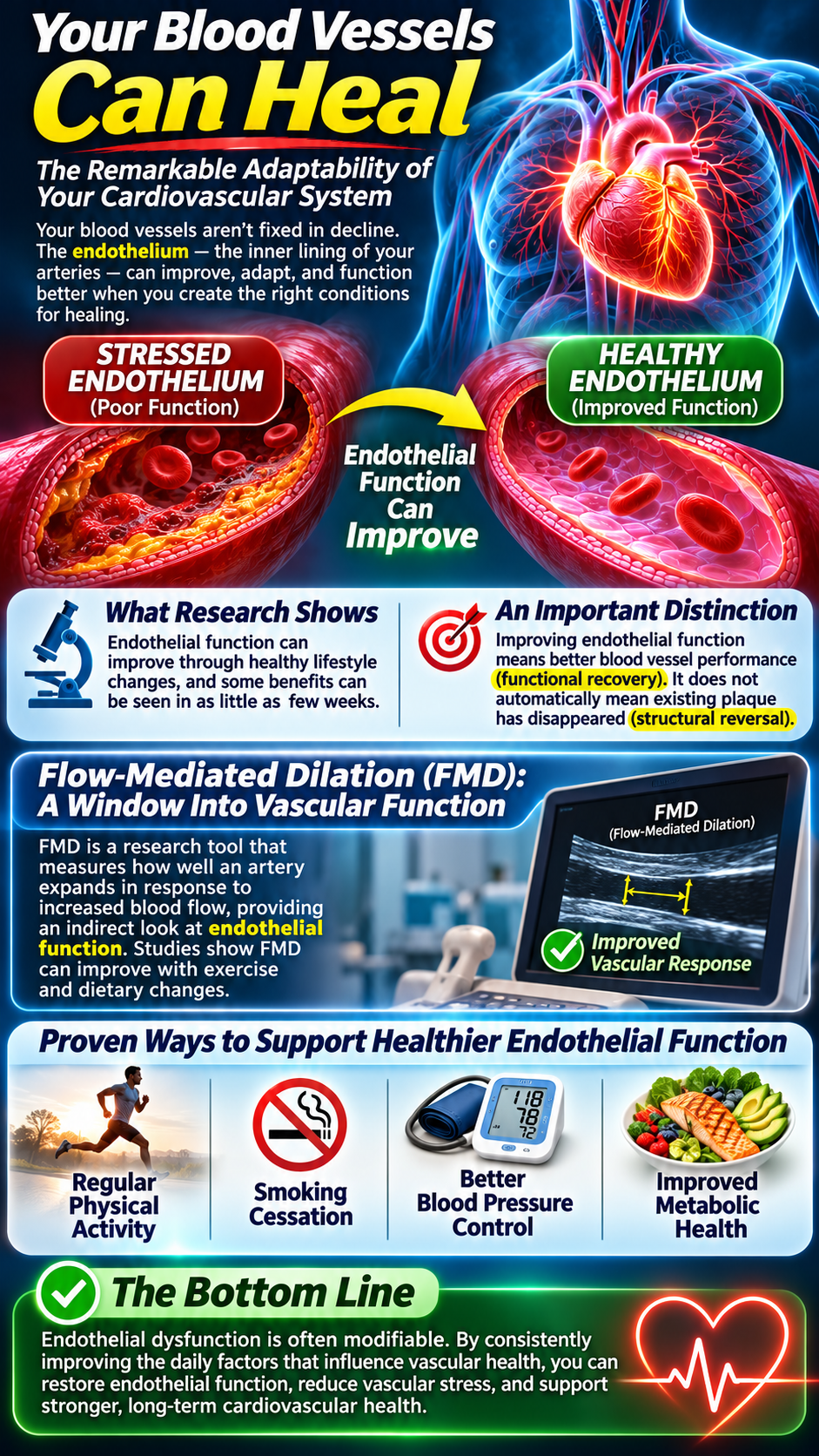
One particularly important measurement used in vascular research is flow-mediated dilation, or FMD. This technique evaluates how effectively an artery expands in response to increased blood flow, providing an indirect assessment of endothelial-dependent vascular function. Studies have demonstrated improvements in FMD following certain lifestyle interventions, including aerobic exercise and dietary changes. However, FMD remains primarily a research and specialized assessment tool rather than a universally recommended screening test.
The encouraging message is that endothelial dysfunction is often modifiable. Improving the environment surrounding endothelial cells may restore some of their normal signaling capacity, reduce vascular stress, and support healthier circulation. The most promising approach does not revolve around one supplement, one detoxification procedure, or one laboratory marker. It involves consistently improving the biological conditions that influence vascular function.
A Practical At-Home Strategy for Supporting Endothelial Health
Rebuild Nitric Oxide Production Through Nutrition
Nitric oxide occupies a central position in endothelial physiology, making its production and availability important targets for cardiovascular health. The body generates nitric oxide through several pathways, including the conversion of L-arginine by endothelial nitric oxide synthase. Another pathway involves dietary nitrate, which can be converted into nitrite and subsequently nitric oxide through reactions involving oral bacteria and other tissues. These pathways provide a fascinating example of how nutrition, microbial activity, and vascular biology interact.
Vegetables such as arugula, spinach, lettuce, and beets contain naturally occurring dietary nitrates. Clinical studies suggest that nitrate-rich foods and beetroot juice can modestly lower blood pressure in some individuals, although results vary according to baseline health, dose, and study design. These effects are not equivalent to proven prevention of heart attacks or reversal of coronary artery disease. Nevertheless, incorporating nitrate-rich vegetables into a balanced dietary pattern can be a reasonable way to support cardiovascular health.
The oral microbiome also participates in nitrate metabolism. Certain bacteria living on the tongue convert dietary nitrate into nitrite, which is subsequently swallowed and enters additional nitric oxide-generating pathways. Research has shown that some antibacterial mouthwashes can interfere with this conversion and alter certain vascular measurements. These findings do not mean individuals should abandon necessary dental hygiene, but they demonstrate that oral microbial ecology has physiological consequences beyond the mouth.
Protein-rich foods provide amino acids involved in nitric oxide metabolism, while fruits and vegetables supply compounds that help maintain normal cellular antioxidant defenses. Vitamin C, polyphenols, and other dietary constituents may influence nitric oxide availability through several mechanisms. However, taking large amounts of isolated antioxidants has not consistently prevented cardiovascular events in clinical trials. Whole-food dietary patterns offer a more reliable foundation than assuming concentrated supplements reproduce the benefits of nutritious foods.
Restore Metabolic Flexibility and Improve Insulin Sensitivity
Endothelial cells are highly responsive to the metabolic environment. Repeated elevations in blood glucose, insulin resistance, and excess visceral adiposity can contribute to oxidative stress and abnormal vascular signaling. Improving insulin sensitivity therefore represents an important strategy for supporting endothelial function, particularly in individuals with metabolic syndrome or type 2 diabetes.
One practical starting point involves reducing the habitual consumption of sugar-sweetened beverages, refined carbohydrates, and heavily processed foods that contribute to excessive calorie intake. Replacing these foods with minimally processed proteins, vegetables, legumes when tolerated, healthy fats, and fiber-rich carbohydrate sources can improve overall dietary quality. Individuals following lower-carbohydrate dietary patterns may experience improvements in triglycerides, glycemic control, and body weight. However, the cardiovascular implications depend on the overall composition of the diet, particularly saturated fat intake, fiber consumption, and the resulting LDL cholesterol and ApoB concentrations.
Intermittent fasting has attracted attention because it may help some individuals reduce energy intake and improve metabolic health. Time-restricted eating can be useful when it encourages consistent meals, limits late-night snacking, and supports sustainable weight management. However, clinical evidence does not establish fasting as uniquely superior to other effective dietary approaches when calorie intake and weight loss are comparable. Extended fasting also requires caution in individuals with diabetes, pregnancy, frailty, or a history of eating disorders.
For many people, one of the most useful habits is walking after meals. Even brief periods of light activity can reduce postprandial glucose excursions and support insulin sensitivity. Over time, these improvements may help reduce metabolic stress on the vascular system. Consistency matters more than dramatic short-term interventions, particularly when the goal is protecting cardiovascular health over decades.
Use Movement to Train the Endothelium
Exercise is one of the most extensively studied lifestyle interventions for improving vascular function. During physical activity, the heart pumps more blood to working muscles, increasing blood flow and mechanical stimulation along endothelial surfaces. This increased shear stress activates signaling pathways associated with nitric oxide production and vascular adaptation. Repeated exposure helps explain why physically active individuals often demonstrate healthier endothelial responses than sedentary individuals.
Aerobic activities such as brisk walking, cycling, swimming, and jogging can improve cardiovascular fitness while supporting blood pressure regulation and metabolic health. A practical target for most adults is at least 150 minutes of moderate-intensity aerobic activity each week, accompanied by muscle-strengthening exercise on two or more days. Individuals who are currently sedentary can begin with shorter sessions and gradually increase duration and intensity.
Resistance training provides additional benefits by improving skeletal muscle glucose utilization, strength, and metabolic function. Combining aerobic and resistance exercise often produces broader health improvements than relying exclusively on one form of activity. For individuals with cardiovascular disease, exercise prescriptions should reflect their clinical condition, functional capacity, and medical guidance.
Movement also counters prolonged sedentary behavior. Standing periodically, taking short walking breaks, and incorporating daily physical activity can reduce some of the metabolic consequences of uninterrupted sitting. These simple habits create repeated opportunities for the vascular system to respond to healthier physiological demands.
Reduce Oxidative Stress Without Chasing Antioxidant Supplements
Oxidative stress develops when reactive molecular species overwhelm the body’s capacity to regulate their activity and repair resulting damage. Within blood vessels, excessive oxidative stress can impair nitric oxide signaling, activate inflammatory pathways, and contribute to endothelial dysfunction. However, reactive oxygen species also perform essential roles in normal cellular communication. The objective is not to eliminate oxidation but to maintain a healthier physiological balance.
Smoking cessation is among the most powerful ways to reduce vascular injury. Cigarette smoke contains compounds that promote oxidative stress, inflammation, and endothelial dysfunction. Exposure to secondhand smoke also carries cardiovascular risks, making smoke-free environments an important preventive measure. Avoiding tobacco and nicotine products offers substantially stronger cardiovascular evidence than most commercially marketed antioxidant interventions.
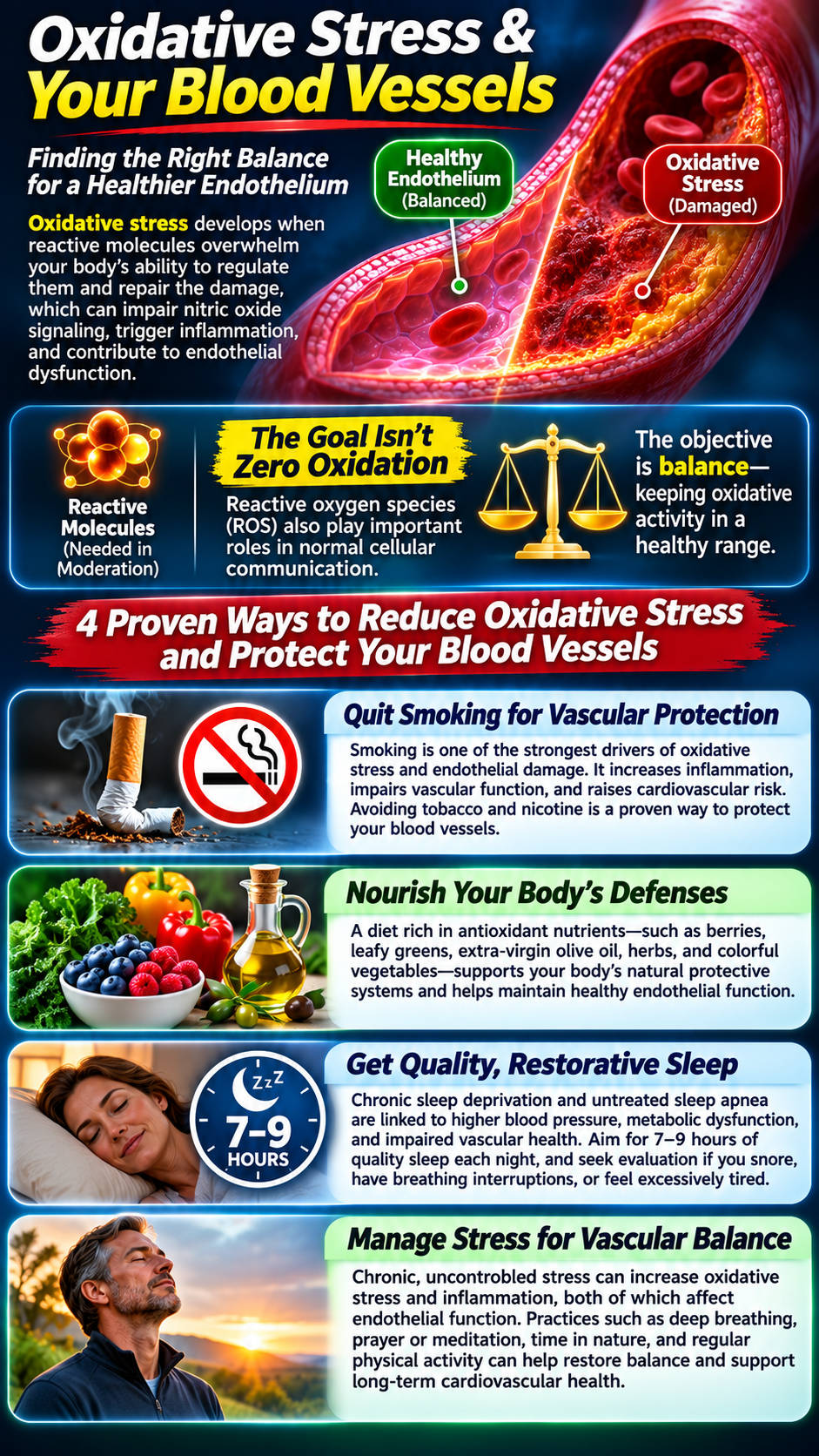
Nutrition can support endogenous antioxidant systems through adequate intake of vitamins, minerals, and phytochemicals. Foods such as berries, leafy greens, extra-virgin olive oil, herbs, and colorful vegetables contain compounds that participate in cellular protective pathways. These foods are particularly valuable when they replace highly processed products rather than merely being added to an otherwise unhealthy diet.
Sleep and stress regulation deserve equal consideration. Chronic sleep restriction and untreated sleep apnea are associated with hypertension, metabolic dysfunction, and impaired vascular health. Adults generally benefit from approximately seven to nine hours of sleep, although individual needs vary. Persistent snoring, witnessed breathing interruptions, or excessive daytime sleepiness warrant evaluation because obstructive sleep apnea can substantially influence cardiovascular risk.
Protect the Endothelium by Addressing Blood Pressure and Atherogenic Lipoproteins
Blood pressure is not merely a number recorded during an annual examination. Chronically elevated pressure increases mechanical stress on the arterial wall and contributes to vascular remodeling, endothelial dysfunction, and cardiovascular disease. Home blood pressure monitoring can help identify persistent elevations that might otherwise remain unnoticed. Accurate measurement requires an appropriately sized cuff, a seated resting period, and repeated readings under consistent conditions.
Dietary sodium reduction can improve blood pressure, particularly in salt-sensitive individuals. Increasing potassium-rich foods may also help, provided kidney function and medications permit adequate potassium handling. Regular exercise, improved sleep, weight management, and moderation of alcohol intake further support healthier blood pressure regulation. When lifestyle measures are insufficient, appropriately prescribed treatment remains important because sustained hypertension can damage the heart, brain, kidneys, and blood vessels.
Atherogenic lipoproteins require similar attention. LDL particles and other ApoB-containing lipoproteins can enter and become retained within arterial walls, initiating processes central to atherosclerosis. Endothelial dysfunction may influence these processes, but reducing inflammation or increasing nitric oxide does not eliminate the risks associated with persistently elevated ApoB. For this reason, cardiovascular prevention should include assessment of LDL cholesterol, non-HDL cholesterol, and ApoB when clinically appropriate.
Coronary artery calcium scoring can provide additional risk information for selected adults when decisions about preventive treatment remain uncertain. However, a calcium score of zero does not exclude noncalcified plaque or guarantee freedom from future cardiovascular events. Similarly, normal cholesterol results do not establish that endothelial function is healthy. A comprehensive approach evaluates multiple risk factors rather than relying on one reassuring measurement.
Supplements and Emerging Therapies: Separating Promise From Proof
Interest in endothelial health has created a growing market for nitric oxide boosters, antioxidant formulas, vascular support supplements, and products advertised as arterial repair solutions. Some ingredients have plausible biochemical mechanisms and encouraging early research. L-citrulline, for example, can increase circulating arginine availability and may influence nitric oxide metabolism. Beetroot-derived nitrate supplements have also demonstrated blood pressure effects in certain clinical studies.
However, improvements in laboratory markers or short-term vascular measurements do not necessarily translate into fewer heart attacks, strokes, or cardiovascular deaths. Evidence supporting routine supplementation with L-arginine, L-citrulline, CoQ10, or specialized antioxidant blends specifically to reverse endothelial dysfunction remains insufficient. Supplements may also interact with blood pressure medications, anticoagulants, or other treatments.
The same scientific caution applies to interventions promoted as vascular detoxification or arterial cleansing. Chelation therapy, for example, has been investigated in cardiovascular research, but it is not an established method for removing coronary calcium or reversing endothelial dysfunction. The large TACT2 trial did not demonstrate a reduction in its primary cardiovascular outcome with EDTA chelation among participants with diabetes and a previous myocardial infarction. Claims that supplements or cleansing procedures can dissolve arterial plaque should therefore be evaluated critically.
A more defensible strategy is to correct documented nutritional deficiencies, address established cardiovascular risk factors, and use supplements selectively when their expected benefits justify their risks. The strongest foundation remains regular physical activity, nutritious food, adequate sleep, smoking cessation, and appropriate management of blood pressure, lipids, and glucose.
The Future of Cardiovascular Prevention Begins Before the First Symptom
Endothelial research is reshaping how scientists understand the development of cardiovascular disease. The endothelium is not simply a protective coating inside the arteries; it is a dynamic signaling system that responds to the body’s metabolic, inflammatory, and mechanical environment. When this system becomes dysfunctional, the consequences can extend across the entire circulation. Understanding these changes provides valuable insight into the early biological conditions associated with cardiovascular disease.
Yet endothelial dysfunction should not be presented as the sole cause of heart disease or as a diagnosis that explains every cardiovascular event. Atherosclerosis involves complex interactions among atherogenic lipoproteins, immune cells, vascular tissues, genetics, and environmental exposures. Some individuals develop significant coronary disease without obvious symptoms, while others experience endothelial abnormalities without progressing to clinically significant plaque. Prevention requires recognizing these differences rather than reducing cardiovascular health to one mechanism.
The most encouraging discovery is that vascular biology responds to everyday choices. Physical activity can improve endothelial responsiveness, healthier dietary patterns can support metabolic function, and smoking cessation can reduce ongoing vascular injury. Controlling blood pressure, improving glucose regulation, and reducing excessive exposure to atherogenic lipoproteins can substantially lower cardiovascular risk. These interventions are not speculative theories; many are supported by decades of clinical research demonstrating improvements in meaningful health outcomes.
Ultimately, protecting the cardiovascular system requires thinking beyond the moment when disease becomes visible. A heart attack may occur suddenly, but the underlying biological processes often develop over many years. The opportunity to intervene begins long before the first symptom, when improving the environment surrounding the vascular system can help preserve its function.
The endothelium reminds us that cardiovascular health is not simply about keeping arteries open. It is about maintaining the remarkable biological systems that allow blood vessels to adapt, communicate, and deliver life-sustaining circulation throughout the body. By protecting those systems today, we create a stronger foundation for cardiovascular health in the years ahead.