
THE HIDDEN CHEMICAL REACTION THAT TURNS HEALTHY FOOD INTO A HEALTH CRISIS
When the Healthiest Meal Becomes Your Body’s Worst Enemy
The meal looked like something straight from a nutritional textbook. Wild-caught salmon, organic spinach, half an avocado, fermented sauerkraut, and a glass of red wine. Every ingredient had been chosen with intention. The salmon supplied omega-3 fatty acids, the spinach delivered antioxidants, the avocado provided healthy fats, and the sauerkraut promised billions of beneficial bacteria. This was the kind of dinner someone might prepare after deciding to take their health seriously. Yet within forty-five minutes, something began to go terribly wrong.
First came the warmth spreading across the face and neck. Then a throbbing headache developed behind the eyes, followed by an uncomfortable sensation of pressure in the chest. The heart began racing, the stomach swelled, and an inexplicable feeling of anxiety appeared. There was no argument, no stressful event, and no obvious reason for panic. Nevertheless, the body behaved as though an alarm had been activated. By bedtime, the headache had intensified, sleep seemed impossible, and the digestive system was in complete rebellion.
The following morning brought more confusion. The person had eaten what most health professionals would describe as an exceptionally nutritious meal, yet the experience resembled a reaction to something harmful. An appointment with a physician might produce normal routine bloodwork, followed by suggestions involving migraines, food allergies, irritable bowel syndrome, or anxiety. Each possibility deserves consideration, but none automatically explains the entire experience. What if several seemingly unrelated symptoms shared a common biochemical trigger?
One possibility is histamine, a naturally occurring chemical messenger involved in immune defense, digestion, circulation, and neurological signaling. Histamine is essential for life, but some individuals experience symptoms after consuming foods containing substantial amounts of it. This phenomenon is commonly called histamine intolerance, and it raises an intriguing question: What happens when the body’s capacity to handle dietary histamine becomes insufficient for the amount entering the digestive system?
The answer requires looking beyond the ingredient list. It involves the intestinal lining, specialized enzymes, microbial activity, immune cells, and the complex relationship between food and human physiology. Histamine intolerance remains an evolving scientific concept without universally accepted diagnostic criteria, but understanding its proposed mechanisms can help explain why certain nutritious foods appear to trigger unexpected reactions.
Histamine: The Essential Chemical Messenger Hiding in Plain Sight
Most people first encounter histamine during allergy season. Pollen fills the air, the nose begins running, the eyes itch, and an antihistamine becomes the preferred solution. This familiar experience creates the impression that histamine is simply an inflammatory chemical the body would be better off without. In reality, histamine performs numerous essential functions, and eliminating its activity would interfere with normal physiology.
Histamine originates from histidine, an amino acid found naturally in protein-containing foods and human tissues. An enzyme called histidine decarboxylase converts histidine into histamine, which can then participate in communication between cells. Mast cells and basophils store histamine for immune responses, while specialized neurons manufacture it for signaling within the nervous system. Other tissues use histamine to regulate digestion, circulation, and local inflammatory activity.
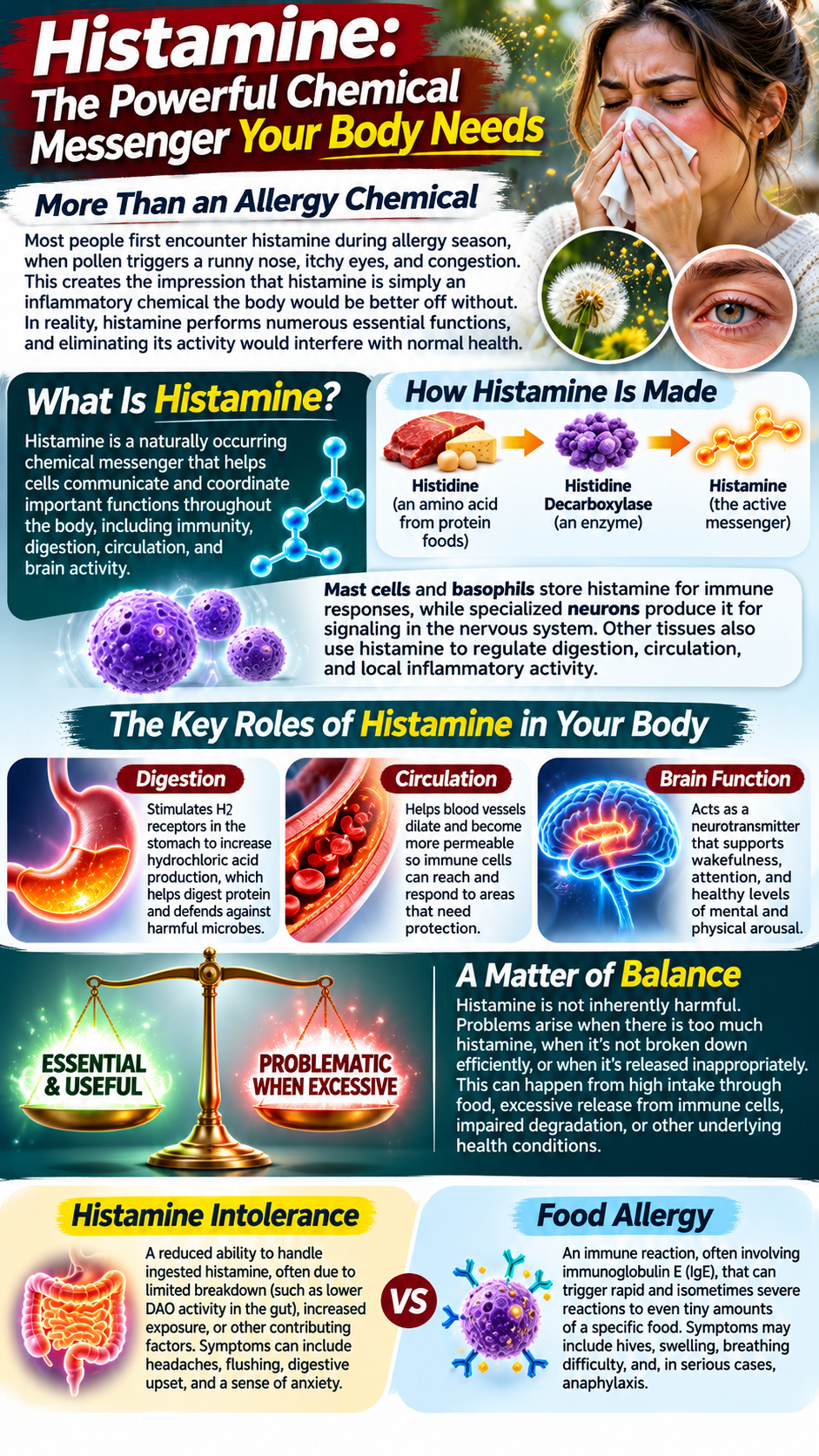
Inside the stomach, histamine stimulates H2 receptors on parietal cells, encouraging the production of hydrochloric acid. Adequate stomach acid supports protein digestion and helps protect against certain ingested microorganisms. Within blood vessels, histamine can promote dilation and increase permeability, allowing immune components to reach areas where they are needed. In the brain, histamine contributes to wakefulness, attention, and the regulation of arousal.
These functions reveal an important biological principle: histamine is not inherently harmful. Problems arise when its effects become excessive, poorly regulated, or inappropriate for the circumstances. A person may experience histamine-related symptoms because of increased exposure through food, excessive release from immune cells, impaired degradation, or another condition affecting these pathways.
This distinction is essential because histamine intolerance is not identical to a food allergy. Classic food allergies involve specific immune mechanisms, often including immunoglobulin E, and can produce severe reactions to tiny amounts of an allergen. Suspected histamine intolerance, by contrast, is generally described as a problem involving the handling of ingested histamine. The symptoms can overlap, but the underlying mechanisms and potential risks differ.
The Histamine Bucket: When Your Body Reaches Its Limit
Imagine a bucket positioned beneath several slowly dripping faucets. One faucet represents histamine naturally present in food. Another represents histamine released by immune cells, while additional influences affect how much histamine is produced, absorbed, or broken down. Under normal circumstances, metabolic pathways help regulate histamine activity, preventing excessive accumulation.
Now imagine that the amount entering the system increases while its capacity for degradation becomes limited. The bucket begins filling faster than it can empty. Eventually, a person may experience symptoms after a meal that previously caused no difficulty. This is the conceptual basis of the histamine bucket theory, a useful educational metaphor rather than a scientifically validated measurement of total body histamine.
The theory helps illustrate why reactions may seem unpredictable. Someone might tolerate a small serving of aged cheese on Tuesday but develop flushing after eating the same cheese alongside smoked fish and red wine on Saturday. Portion size, food storage, alcohol intake, gastrointestinal health, and individual sensitivity may influence the outcome. Even the same food can contain different amounts of histamine depending on processing and microbial activity.
Fermented foods deserve particular attention because microorganisms can convert histidine into histamine during fermentation. Aged cheeses, sauerkraut, cured meats, certain fish products, and alcoholic beverages may contain meaningful amounts, although concentrations vary dramatically. Some products contain relatively little histamine, while others accumulate substantially more during processing or improper storage.
This variability complicates dietary advice. Avocados, tomatoes, spinach, and citrus fruits frequently appear on histamine restriction lists, yet their actual histamine content and proposed histamine-releasing effects are not consistently established. A person who eliminates every food labeled high histamine may therefore sacrifice valuable nutrition without identifying the true trigger.
The important question is not simply how much histamine exists in a particular food. It is whether the individual’s symptoms consistently correlate with exposure and whether reducing that exposure produces meaningful improvement.
DAO: The Enzyme That Helps Determine Histamine Tolerance
Deep within the intestinal lining, an enzyme called diamine oxidase performs an important protective function. Commonly abbreviated DAO, this copper-containing enzyme helps break down extracellular histamine, including histamine encountered during digestion. Its activity is particularly relevant because food-derived histamine must pass through the gastrointestinal environment before reaching systemic circulation.
DAO is produced in several tissues, including the intestinal mucosa. When functioning appropriately, it contributes to the degradation of dietary histamine. Researchers have proposed that reduced intestinal DAO activity may allow greater amounts of histamine to remain available for absorption, potentially contributing to symptoms in susceptible individuals.
However, the biology is more complicated than simply declaring that every person with headaches has low DAO. Histamine is also metabolized through histamine N-methyltransferase, known as HNMT, which primarily handles intracellular histamine. These enzymes function in different compartments, and their activity cannot be accurately summarized by a single blood measurement.
The health of the intestinal lining may influence DAO activity. Conditions such as celiac disease and inflammatory bowel disease can damage intestinal tissues, alter digestive physiology, and affect nutrient absorption. Some studies have observed altered DAO activity in gastrointestinal disorders, although the extent to which this directly causes histamine intolerance remains uncertain.
Nutritional status introduces another consideration. DAO requires copper as a cofactor, making adequate copper availability important for normal enzymatic function. Vitamin B6, vitamin C, and other nutrients have also attracted interest in discussions of histamine metabolism. Nevertheless, evidence does not establish that supplementing these nutrients reverses histamine intolerance in people without documented deficiencies.
Serum DAO testing is sometimes promoted as a definitive answer to unexplained food reactions. Unfortunately, circulating DAO levels do not reliably represent intestinal enzyme activity, and no universally accepted diagnostic cutoff exists. A low result may generate a hypothesis, but it cannot establish the diagnosis independently.
This is where a root-cause investigation becomes valuable. Instead of immediately prescribing DAO supplements, the more meaningful questions concern intestinal health, dietary patterns, medication exposures, nutritional adequacy, and whether another medical condition better explains the symptoms.
The Gut Microbiome: When Bacteria Become Histamine Factories
The human gastrointestinal tract contains trillions of microorganisms that participate in digestion, metabolism, and immune regulation. These organisms influence the chemical environment of the intestine, producing compounds that interact with human tissues. Among those compounds are biogenic amines, including histamine.
Certain bacterial species possess histidine decarboxylase enzymes capable of converting histidine into histamine. This process occurs during food fermentation and can also occur within microbial environments in the gastrointestinal tract. However, the ability to produce histamine varies by species and even by strain, making broad claims about entire bacterial groups unreliable.
Researchers are investigating whether microbial histamine production contributes to symptoms in some individuals. Changes in microbial composition may influence local histamine exposure, intestinal immune signaling, and interactions with the gut barrier. These mechanisms are biologically plausible, but direct evidence linking particular microbiome patterns to clinically confirmed histamine intolerance remains limited.
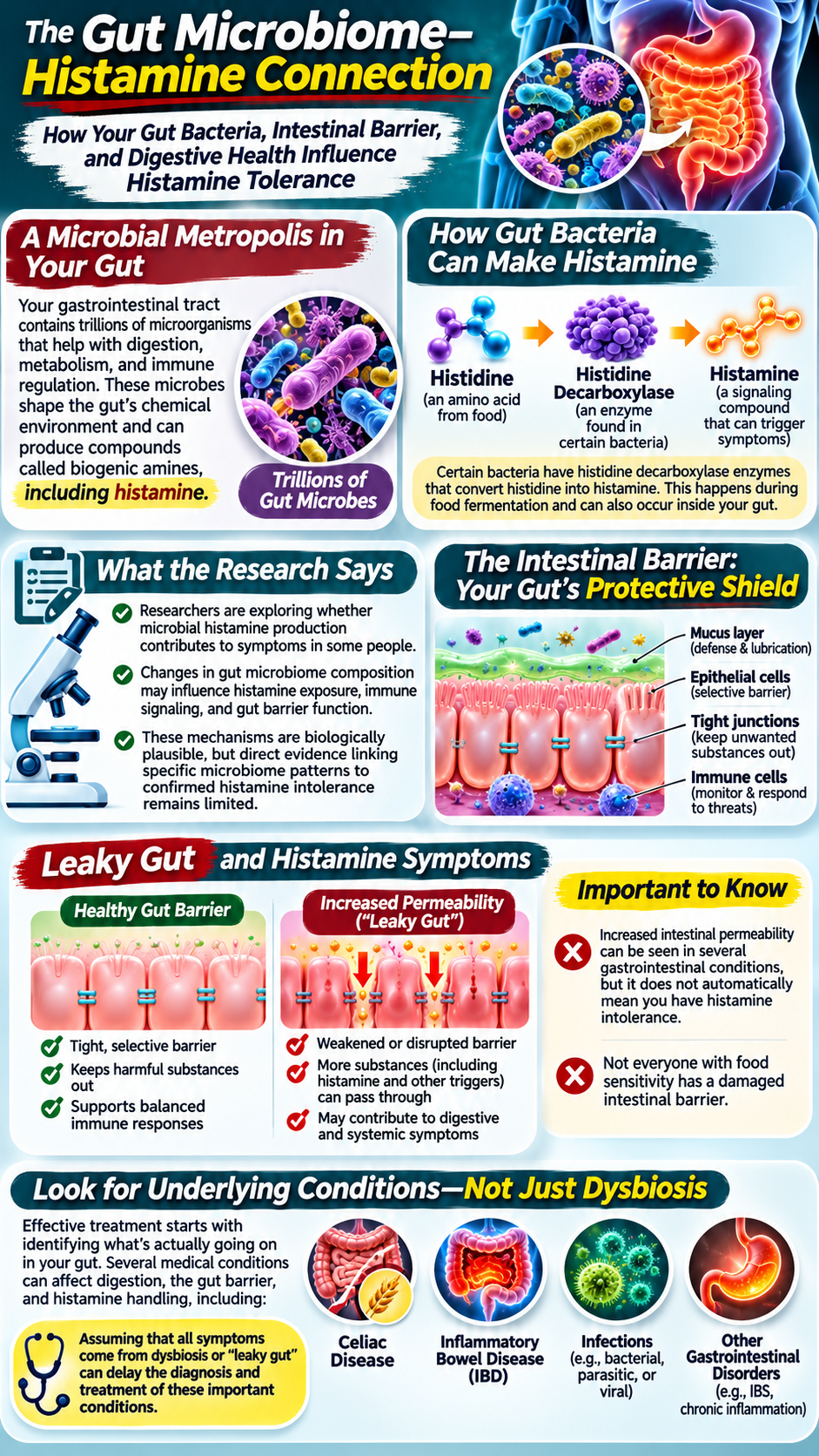
The intestinal barrier adds another layer to the investigation. Epithelial cells form a selective boundary between intestinal contents and the bloodstream, supported by mucus, immune defenses, and tight junction proteins. Inflammatory gastrointestinal diseases can disrupt this barrier, changing how the intestine interacts with microorganisms and dietary substances.
This has led to considerable interest in the relationship between increased intestinal permeability, sometimes called leaky gut, and histamine-related symptoms. Although abnormal permeability is documented in several gastrointestinal conditions, it does not automatically establish histamine intolerance. Nor does every person with food sensitivity necessarily have a damaged intestinal barrier.
The distinction matters because effective treatment depends on identifying what is actually wrong. Celiac disease, inflammatory bowel disease, infections, and other gastrointestinal disorders require specific evaluation and management. Assuming that all symptoms originate from dysbiosis or leaky gut risks overlooking important diagnoses.
The Brain, Blood Vessels, and Nervous System: Why Histamine Can Feel Like Anxiety
Perhaps the most unsettling aspect of suspected histamine intolerance is the combination of physical and emotional sensations. A person may develop flushing, headache, abdominal discomfort, and a pounding heartbeat, followed by an intense feeling of nervousness. Because the symptoms resemble a panic attack, they may be attributed entirely to anxiety.
Histamine acts through four major receptor families, designated H1, H2, H3, and H4. These receptors influence different tissues, including blood vessels, digestive organs, immune cells, and neural pathways. Histamine-mediated vascular changes can contribute to flushing, warmth, and headaches, while gastrointestinal receptor activity can influence digestive sensations.
Histamine also participates in migraine-related biology, although migraine is considerably more complex than a simple excess of histamine. Certain individuals report headaches after wine, aged cheese, or fermented foods, but these products contain numerous compounds capable of influencing symptoms. Their effects cannot automatically be attributed to histamine alone.
The anxiety connection requires particular care. Histamine functions as a neurotransmitter in the brain, but dietary histamine does not readily cross an intact blood-brain barrier. Therefore, claims that histamine-rich meals directly flood the brain with histamine and produce anxiety are not supported by established physiology.
A more plausible explanation for some episodes involves the body’s peripheral responses. Palpitations, flushing, dizziness, gastrointestinal discomfort, and sudden physical arousal can create sensations that resemble anxiety. These experiences may be frightening, especially when they occur without an obvious emotional trigger.
Yet similar symptoms can also indicate arrhythmias, thyroid disorders, medication reactions, mast-cell activation, or other medical conditions. Severe reactions involving breathing difficulty, throat swelling, or fainting require immediate emergency care because anaphylaxis must be considered.
Histamine intolerance offers one possible explanation for certain food-associated symptoms, but it should never become a convenient label that replaces a thorough investigation.
The Real Question: Why Did Your Tolerance Change?
The most revealing question may not be which foods contain histamine, but why someone suddenly struggles with foods they previously enjoyed. A person can spend years eating fermented vegetables, aged cheese, or seafood without difficulty, only to develop new reactions later in life. That change deserves investigation rather than an assumption that the food itself has become dangerous.
Sometimes the explanation involves gastrointestinal disease, changes in food handling, alcohol exposure, or another identifiable trigger. In other cases, the symptoms reflect a different condition altogether. Histamine intolerance remains a plausible but incompletely understood explanation, and its scientific uncertainties make careful assessment especially important.
The opportunity lies in moving beyond endless food elimination toward understanding the individual. Healthy eating should not become a lifelong exercise in fear, nor should persistent symptoms be dismissed simply because routine laboratory results appear normal.
The Real Solution Begins With Understanding Why Your Body Is Reacting
Imagine spending years believing that eating healthier would solve your headaches, digestive problems, and chronic fatigue, only to discover that some of the healthiest foods on your plate seem to make everything worse. You eliminate processed foods, reduce sugar, purchase organic produce, and introduce fermented vegetables to improve your gut health. Yet your face still flushes after dinner, your heart occasionally races without explanation, and a strange feeling of anxiety appears when you least expect it. Eventually, the frustration becomes almost unbearable because the very foods you have been told to eat for better health seem to be working against you.
For people experiencing suspected histamine intolerance, this contradiction can create a dangerous nutritional trap. The more symptoms they experience, the more foods they eliminate, until their once-diverse diet consists of a handful of supposedly safe ingredients. Meanwhile, the underlying reason for their reactions may remain completely unexplored. Although temporary dietary restriction can provide useful information and sometimes meaningful symptom relief, it should not automatically become a permanent way of life.
Histamine intolerance is generally described as a reduced ability to tolerate histamine consumed through food, potentially involving impaired intestinal degradation. However, researchers have not established universally accepted diagnostic criteria, and the condition remains incompletely understood. Food allergies, migraines, gastrointestinal disorders, and mast-cell conditions can produce overlapping symptoms, making accurate investigation essential. The most effective strategy therefore begins by identifying what is actually contributing to the reaction rather than assuming that every symptom originates from excess dietary histamine.
A functional approach considers the entire digestive and metabolic environment, including intestinal health, nutrient availability, microbial activity, food preparation, medication exposure, and lifestyle patterns. Some of these factors can be modified at home, while others require professional evaluation. The objective is to reduce avoidable triggers, address identifiable contributors, and preserve the broadest possible range of nutritious foods. Ultimately, success should be measured by improved symptoms, nutritional adequacy, and greater confidence around eating rather than the number of foods someone has eliminated.
Your Intestinal Lining: The First Place to Investigate
The small intestine is far more than a passageway through which food travels. Its lining contains specialized epithelial cells responsible for absorbing nutrients, maintaining a selective barrier, and producing enzymes involved in digestion and metabolism. Among these enzymes is diamine oxidase, commonly called DAO, which helps degrade extracellular histamine encountered within the gastrointestinal tract. When dietary histamine enters the intestine, DAO contributes to limiting how much remains available for absorption.
This relationship makes intestinal health particularly relevant to suspected histamine intolerance. Conditions such as celiac disease, inflammatory bowel disease, and certain gastrointestinal infections can damage intestinal tissues and disrupt normal digestive physiology. In some circumstances, these changes may influence intestinal DAO activity, although the precise relationship between reduced DAO and histamine-related symptoms remains uncertain. Importantly, someone with chronic bloating or food reactions should not automatically be diagnosed with intestinal permeability or histamine intolerance without investigating other explanations.
The intestinal barrier also plays an important role in regulating interactions between dietary substances, microorganisms, and immune cells. Tight junction proteins help maintain selective permeability, while mucus and local immune defenses provide additional protection. When gastrointestinal inflammation develops, barrier function may change, potentially influencing how intestinal tissues respond to food and microbial products. Increased intestinal permeability has been documented in certain diseases, but it is not a stand-alone diagnosis that explains every unexplained food sensitivity.
From a practical perspective, supporting intestinal health begins with adequate nutrition and identifying conditions that genuinely require treatment. Someone experiencing persistent diarrhea, unexplained weight loss, iron deficiency, or significant abdominal pain may need evaluation for celiac disease, inflammatory bowel disease, or infection. Correctly identifying these conditions can lead to targeted treatment rather than months of unnecessary dietary experimentation. A healthy digestive system depends on much more than taking a probiotic or swallowing a supplement advertised as a gut-repair formula.
The Microbiome Connection: Could Your Gut Bacteria Be Contributing to Histamine Exposure?
The human intestinal tract contains an extraordinary ecosystem of bacteria, fungi, viruses, and other microorganisms that participate in digestion and immune regulation. Some of these organisms produce compounds that interact with human tissues, including short-chain fatty acids, vitamins, and biogenic amines. Histamine belongs to the latter category, and certain microorganisms possess enzymes capable of converting the amino acid histidine into histamine. This process helps explain why microbial activity can influence the histamine content of fermented foods.
Researchers are investigating whether similar microbial processes contribute to histamine-related symptoms inside the gastrointestinal tract. Certain bacterial strains can produce histamine, while others may influence immune signaling or intestinal barrier function. However, the presence of histamine-producing organisms does not automatically mean someone has histamine intolerance. The relationship between microbial composition, intestinal histamine production, and clinical symptoms remains an active area of investigation.
This distinction becomes especially important when considering probiotics. Many people assume that every probiotic supplement improves digestive health, yet different strains possess different biological characteristics. A product containing one bacterial strain cannot be assumed to produce the same effects as another strain belonging to the same species. Although strain-specific histamine production has been demonstrated in laboratory research, evidence remains insufficient to identify a universally effective probiotic protocol for histamine intolerance.
Fermented foods present a similar challenge because their histamine concentrations depend on the microorganisms involved, fermentation conditions, and storage. Sauerkraut, aged cheeses, fermented fish, and certain alcoholic beverages may contain substantial histamine, but the concentrations vary considerably. Someone who experiences reproducible symptoms after fermented foods may benefit from temporarily reducing them while investigating the broader pattern. That does not mean fermented foods are inherently unhealthy or that every person with digestive symptoms should avoid them indefinitely.
DAO and Nutritional Support: What Your Body Actually Needs
Diamine oxidase has attracted considerable attention because of its role in breaking down dietary histamine. DAO is a copper-containing enzyme, meaning copper is required for its normal catalytic activity. This biochemical relationship has encouraged claims that copper supplementation can restore histamine tolerance, but the evidence does not support such a simple conclusion. A person with adequate copper status is not necessarily going to produce more functional intestinal DAO by consuming additional copper.
Vitamin B6 and vitamin C are also frequently discussed in relation to histamine metabolism. These nutrients participate in numerous physiological processes, including cellular metabolism, immune function, and tissue maintenance. However, clinical evidence that high-dose supplementation reliably reverses histamine intolerance remains limited. Correcting an established nutrient deficiency is appropriate, while taking large doses without evidence of deficiency can introduce unnecessary risks.
Oral DAO supplements represent another potential intervention. These products are designed to help degrade histamine within the gastrointestinal tract, generally before histamine-rich meals. Small studies have reported improvements in selected symptoms, but research remains limited by small sample sizes and inconsistent diagnostic criteria. DAO supplementation should therefore be considered an experimental or adjunctive strategy rather than a proven method for correcting the underlying cause of every food reaction.
The larger lesson is that enzymes depend on an adequately nourished biological environment. Sufficient protein, vitamins, minerals, and overall energy intake help maintain normal intestinal tissues and metabolic function. A restrictive diet that eliminates numerous food groups without appropriate substitutions may undermine these basic requirements. Nutritional support should begin with food quality and dietary completeness before expanding into complicated supplement combinations.
The At-Home Histamine Recovery Plan: Practical Actions to Reduce Symptoms and Restore Food Confidence
Understanding the science behind histamine metabolism is useful, but meaningful improvement requires translating that knowledge into daily habits. The following strategies offer a practical framework for investigating suspected histamine intolerance while protecting nutritional health. They are designed to help identify food-related patterns, reduce avoidable exposures, and support normal digestive function without promising that every case can be resolved through lifestyle changes alone.
Become a Food Detective Before Eliminating Foods
Begin by keeping a detailed food and symptom journal for approximately seven days. Record your meals, ingredients, portion sizes, preparation methods, and the amount of time between eating and experiencing symptoms. Include headaches, flushing, itching, digestive discomfort, palpitations, and sleep disturbances, along with their severity and duration. This information can reveal recurring patterns that might otherwise disappear among the details of everyday life.
Pay attention to how foods are combined rather than assuming that one ingredient must always be responsible. Someone might tolerate a modest serving of aged cheese but experience symptoms after combining it with red wine and smoked fish. Another individual may discover that headaches occur regardless of dietary histamine exposure, suggesting that migraine physiology or another condition deserves investigation. The goal is to gather useful evidence rather than reinforce the assumption that histamine explains everything.
Include sleep quality, alcohol intake, medications, menstrual-cycle timing when applicable, and unusual periods of illness or stress. These variables may influence symptoms or reveal alternative explanations. Keep the investigation focused and manageable, because excessive monitoring can increase anxiety around eating. A short, structured journal is often more informative than months of obsessively recording every physical sensation.
Temporarily Lower Dietary Histamine Without Sacrificing Nutrition
Once a plausible pattern has emerged, consider a supervised low-histamine dietary trial lasting approximately two to four weeks. Begin by reducing foods more consistently associated with higher histamine exposure, particularly aged cheeses, cured meats, fermented products, alcoholic beverages, and certain preserved fish. The objective is to lower likely dietary histamine intake enough to determine whether symptoms improve. It is not necessary or realistic to eliminate every trace of histamine from the diet.
Build meals around freshly prepared proteins, tolerated vegetables, and appropriate sources of healthy fats and carbohydrates. Freshly cooked chicken, turkey, and beef can provide protein alternatives to cured meats, while vegetables such as zucchini, carrots, and lettuce are commonly included in lower-histamine meal plans. Individual tolerance remains important, and no universal food list can accurately predict every person’s reactions. Nutritional variety should remain a priority throughout the trial.
Be cautious about eliminating foods such as tomatoes, spinach, avocado, strawberries, and citrus simply because they appear on internet restriction charts. Some commonly listed foods contain relatively little measured histamine, while claims that they directly release histamine remain poorly established. If a particular food consistently causes symptoms, it may deserve temporary restriction, but broad elimination without a clear rationale can create unnecessary nutritional limitations.
At the end of the trial, evaluate whether headaches, flushing, digestive symptoms, or other specific complaints have meaningfully improved. If there is little or no change, continuing an increasingly restrictive diet may offer little benefit. If improvement occurs, the next step is careful reintroduction rather than indefinite avoidance. Individuals with nutritional deficiencies, pregnancy, significant weight loss, or a history of disordered eating should receive individualized dietary supervision.
Change Your Food Storage Habits to Reduce Histamine Accumulation
One of the simplest practical changes involves paying closer attention to food freshness and storage. Histamine can accumulate when certain microorganisms convert histidine into histamine, particularly in susceptible fish products. Once substantial histamine has formed, ordinary cooking and reheating do not reliably destroy it. This makes proper food handling especially important for individuals who suspect sensitivity to dietary histamine.
Purchase protein foods from reputable suppliers and maintain appropriate refrigeration during transportation and storage. Refrigerate leftovers promptly, generally within two hours of cooking, and freeze portions that will not be eaten soon. Freezing limits additional microbial activity but cannot remove histamine already present in the food. Never assume that freezing or reheating can make improperly stored fish safe.
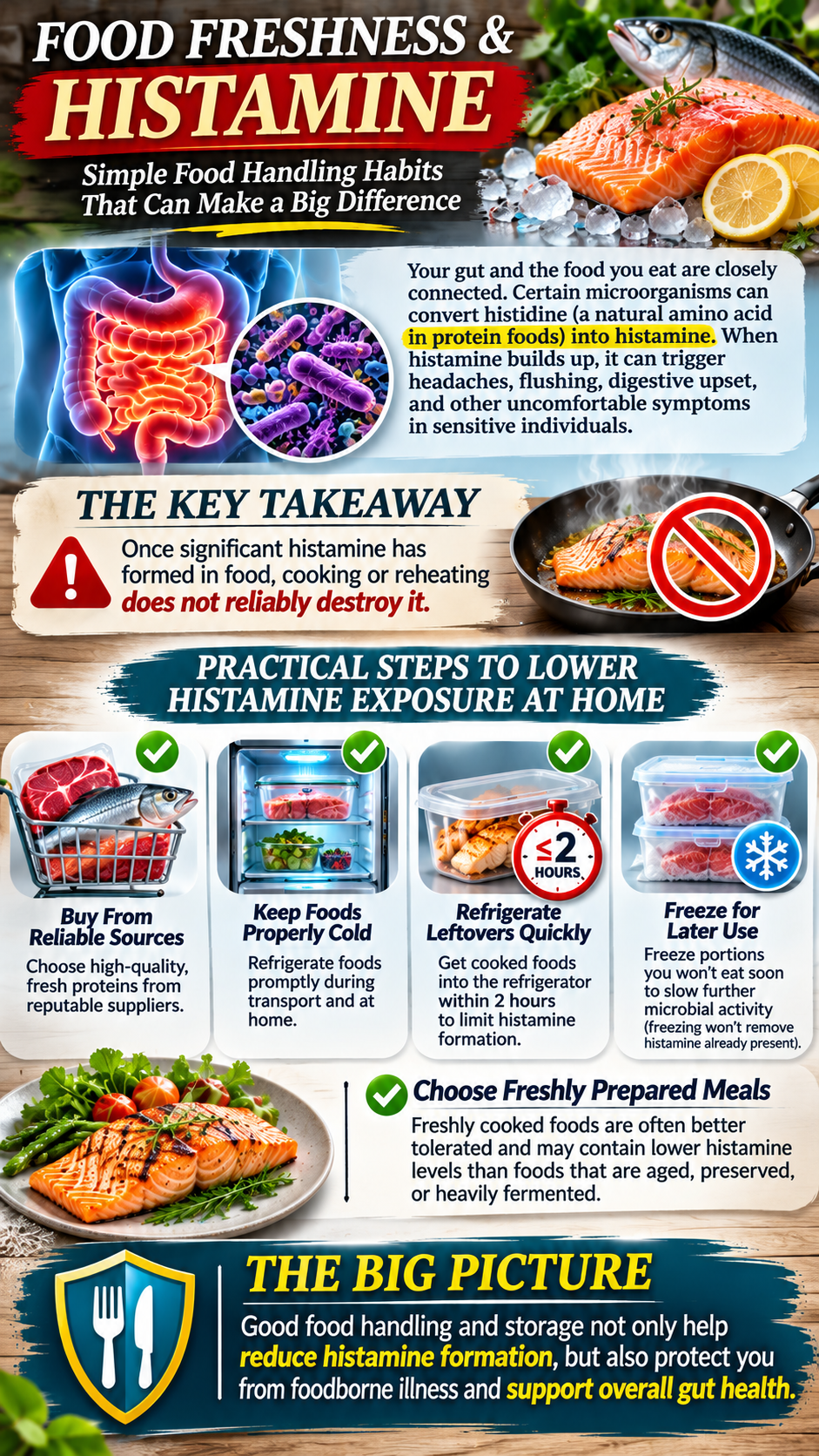
Freshly prepared meals may provide more predictable exposure than foods subjected to extended storage or fermentation. However, freshness alone does not guarantee low histamine, and food safety must remain the primary consideration. Proper handling protects against foodborne illness while also reducing opportunities for microbial histamine formation. These habits can be incorporated into everyday meal preparation without expensive supplements or specialized equipment.
Nourish the Intestinal Barrier With Real Food
The intestinal lining continually renews itself, requiring adequate protein, energy, and micronutrients to maintain normal cellular function. A nutritionally complete diet supports epithelial integrity, digestive enzyme production, and immune regulation. Unfortunately, people following extremely restrictive diets may unintentionally deprive themselves of the nutrients needed for these processes. This is one reason a low-histamine diet should remain temporary and carefully structured.
Prioritize tolerated protein sources and a diverse selection of vegetables and fruits. Include adequate dietary fats and carbohydrate sources according to individual nutritional needs rather than automatically assuming that extreme carbohydrate restriction improves histamine tolerance. Nutrients such as zinc, copper, vitamin C, and B vitamins contribute to normal physiological functions, but their supplementation should be based on dietary assessment or documented deficiencies.
Compounds such as glutamine and zinc carnosine have attracted interest for supporting intestinal tissues in particular clinical contexts. Nevertheless, research has not established that these supplements reliably repair histamine intolerance or restore normal DAO activity. Their potential benefits and risks depend on the individual and the condition being treated. A food-first strategy provides a more dependable foundation than relying on an elaborate collection of products marketed for intestinal healing.
Reduce Alcohol and Review Other Potential Triggers
Alcohol can complicate histamine-related symptoms through several mechanisms. Some alcoholic beverages contain histamine and other biogenic amines, while alcohol itself can contribute to flushing, headaches, digestive irritation, and sleep disruption. During a low-histamine trial, temporarily avoiding alcohol may simplify the investigation and reduce potential triggers. This can be especially helpful when symptoms repeatedly follow wine, beer, or other fermented beverages.
Medication exposures also deserve consideration because certain drugs have been proposed to affect histamine metabolism or release. However, evidence supporting many commonly circulated medication lists remains limited or inconsistent. A qualified healthcare professional can review medications in the context of the individual’s symptoms and medical history. Prescribed treatment should never be stopped solely because a medication appears on an online histamine intolerance chart.
Environmental allergies, gastrointestinal infections, and other inflammatory conditions may also contribute to symptoms resembling histamine intolerance. Recognizing these possibilities prevents an overly narrow investigation. The purpose is to identify relevant contributors without assuming that every symptom reflects one biochemical pathway.
Improve Sleep and Support Nervous System Regulation
Histamine participates in the brain’s wakefulness system, making sleep an interesting part of histamine physiology. However, insomnia does not establish excessive dietary histamine, and poor sleep can occur for numerous unrelated reasons. Inadequate sleep may increase headache sensitivity, worsen gastrointestinal discomfort, and intensify the physical sensations associated with anxiety. Improving sleep quality therefore provides benefits regardless of whether histamine intolerance is ultimately confirmed.
Establish a consistent bedtime and wake time, maintain a dark sleeping environment, and obtain regular daylight exposure. Gentle physical activity can support sleep quality and overall metabolic health, while reducing evening alcohol and excessive caffeine may help limit sleep disruption. These habits support normal circadian regulation without requiring the assumption that sleep problems originate from histamine accumulation.
Breathing exercises, mindfulness practices, and restorative activities can help reduce sympathetic nervous system arousal. When palpitations or digestive discomfort produce anxiety-like sensations, these techniques may improve the person’s response to the experience. Nevertheless, persistent chest discomfort, significant palpitations, or fainting require appropriate medical evaluation. Stress management should complement investigation rather than become an explanation for symptoms that have not been adequately assessed.
Reintroduce Foods to Rebuild Tolerance and Dietary Freedom
After a successful elimination period, begin reintroducing foods individually while keeping the rest of the diet relatively consistent. Start with a modest serving of one previously restricted ingredient and observe whether symptoms return. If the food is tolerated, gradually increase the portion before introducing another food. This structured process can help distinguish genuine triggers from ingredients unnecessarily removed because of generalized dietary advice.
Some individuals may discover that they tolerate small amounts of fermented foods but react to larger servings. Others may find that freshly prepared versions of certain foods are better tolerated than aged or preserved products. These observations can help create an individualized eating pattern without requiring permanent elimination of entire food categories.
Do not attempt home reintroduction of foods previously associated with breathing difficulty, throat swelling, fainting, or other serious allergic symptoms. Those reactions require medical evaluation and potentially supervised testing. For milder suspected intolerances, however, systematic reintroduction can reduce unnecessary restriction and restore confidence in eating.
The ultimate goal is not perfect tolerance of every ingredient. It is to establish the broadest nutritionally complete diet that supports health and minimizes reproducible symptoms. A successful plan should make everyday eating easier rather than more complicated.
Recognizing When Histamine Intolerance May Be the Wrong Diagnosis
One of the greatest risks in investigating histamine intolerance is overlooking another medical condition. Food allergies, migraine disorders, celiac disease, inflammatory bowel disease, medication reactions, and cardiovascular problems can produce symptoms that overlap with suspected histamine intolerance. Some individuals may also have mast-cell disorders, but these conditions require specific diagnostic evaluation rather than assumptions based on flushing or headaches alone.
Mast cell activation syndrome involves episodes of inappropriate mast-cell mediator release affecting multiple organ systems. Consensus diagnostic approaches generally require characteristic episodic symptoms, objective evidence of mediator release, and improvement with appropriate treatment. A collection of nonspecific symptoms does not establish this diagnosis, just as a low serum DAO measurement cannot independently confirm histamine intolerance.
The distinction becomes critical when symptoms are severe. Throat swelling, breathing difficulty, fainting, or rapidly progressing multisystem reactions can indicate anaphylaxis and require immediate emergency treatment. These episodes should never be managed through dietary experimentation, supplements, or breathing exercises alone.
The Bigger Picture: Healing Should Expand Your Life, Not Shrink It
Histamine intolerance illustrates how complicated the relationship between food and physiology can become. A nutritious ingredient may be poorly tolerated by one person while remaining beneficial for another. Food composition, microbial activity, gastrointestinal health, and individual biological differences all influence the experience. Understanding these relationships can help replace confusion with a more systematic approach.
Yet the pursuit of better health should never become an endless search for foods to eliminate. When someone begins avoiding dozens of ingredients without clear evidence, the resulting dietary limitations may create problems of their own. Nutritional deficiencies, reduced enjoyment of food, and increasing anxiety around meals can gradually undermine the very health improvements the person hopes to achieve.
A sustainable recovery strategy emphasizes careful observation, temporary dietary changes when justified, appropriate investigation of underlying conditions, and gradual restoration of dietary variety. It also recognizes the limits of current research. Histamine intolerance remains an evolving diagnosis, and not every person will respond to the same dietary or nutritional interventions.
The body has sophisticated systems for regulating histamine, but supporting those systems requires more than a supplement or a restrictive food chart. It requires attention to digestive health, adequate nutrition, food safety, and the broader medical context in which symptoms occur. When identifiable contributors are addressed and unnecessary restrictions are removed, many people can develop a more confident and sustainable relationship with eating.
Ultimately, the purpose of investigating histamine intolerance is not to create a life organized around avoiding histamine. It is to understand why symptoms occur, reduce the factors that genuinely contribute to them, and restore as much nutritional freedom as possible. The best outcome is not a shorter food list, but a healthier digestive system, fewer disruptive symptoms, and the confidence to nourish your body without unnecessary fear.