
The Nutritional Treasure We Learned to Throw Away
Imagine walking into an American farmhouse kitchen in 1925, where a family prepares dinner after butchering livestock. The mother carefully separates the liver, heart, and kidneys while the remaining meat awaits preservation. Nothing goes to waste because every edible portion represents valuable nourishment. These families understood something that modern consumers have largely forgotten: an animal offers more nutrition than muscle meat alone.
A century later, the American dinner table tells a dramatically different story. Supermarkets showcase expensive steaks, boneless chicken breasts, and perfectly packaged ground beef. Meanwhile, liver and kidneys often remain hidden in specialty markets or disappear from grocery stores entirely. Foods once celebrated for their nutritional value have become unfamiliar, undesirable, and sometimes misunderstood.
This cultural transformation raises an uncomfortable question about modern nutrition. How did Americans become obsessed with protein while overlooking some of its richest natural sources of micronutrients? The answer involves industrial food production, changing culinary traditions, and a growing dependence on convenience. Unfortunately, these changes also narrowed the nutritional diversity of many American diets.
Organ meats contain extraordinary concentrations of vitamins, minerals, amino acids, and specialized compounds. Beef liver supplies vitamin B12, preformed vitamin A, copper, folate, and riboflavin. Heart provides protein, iron, zinc, and naturally occurring coenzyme Q10. Kidneys offer selenium and additional B vitamins essential for normal metabolism.
Yet these nutritional advantages introduce an important paradox. The same concentration that makes organ meats valuable can make excessive consumption harmful. Understanding this distinction requires examining how these foods nourish the body and when their nutrients become overwhelming.
How Modern Food Culture Created the Organ Meat Disconnect
For generations, traditional food cultures practiced what modern nutrition enthusiasts call nose-to-tail eating. Families consumed different animal tissues because food represented a precious resource. Liver became pâté, hearts entered slow-cooked stews, and kidneys appeared in savory pies. These preparations provided culinary variety while expanding the range of nutrients available through animal foods.
Industrial agriculture gradually transformed those habits. Large-scale processing prioritized familiar muscle cuts because consumers preferred predictable flavors, textures, and appearances. Restaurants reinforced these preferences through menus dominated by steaks, burgers, and chicken. As traditional recipes disappeared, younger generations lost the knowledge needed to prepare organ meats confidently.
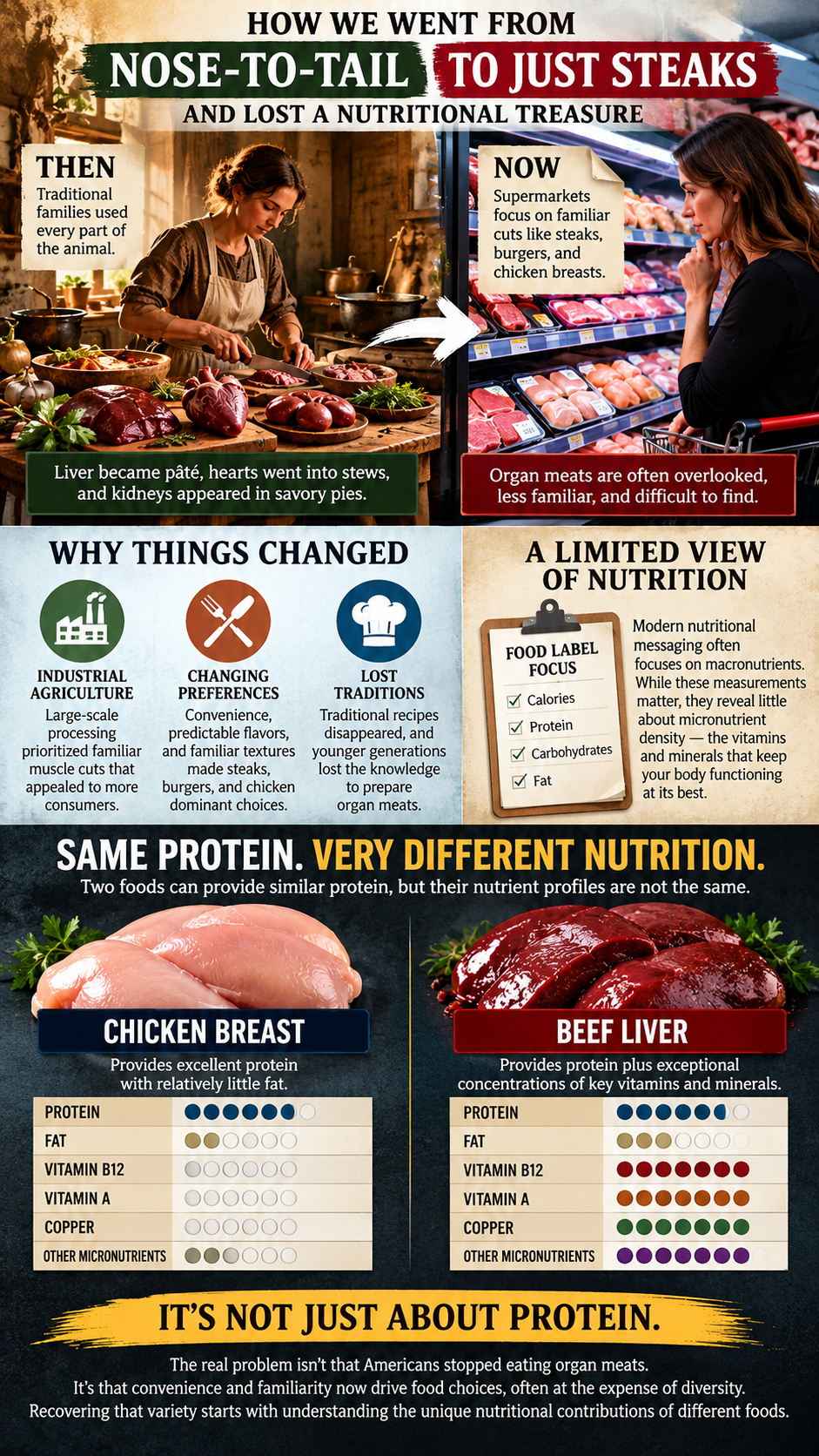
Modern nutritional messaging also contributed to this disconnect. Consumers increasingly evaluated foods according to calories, protein, carbohydrates, and fat. Although these measurements matter, they reveal little about micronutrient density. Two foods containing identical protein quantities can provide dramatically different concentrations of essential vitamins and minerals.
Consider the difference between chicken breast and beef liver. Chicken breast provides excellent protein with relatively little fat. Liver supplies protein alongside exceptional concentrations of vitamin B12, copper, and vitamin A. Neither food automatically replaces the other because their nutritional profiles serve different purposes.
The deeper problem isn’t simply that Americans stopped eating organs. It’s that convenience and familiarity increasingly determine food choices, sometimes at the expense of dietary variety. Recovering that variety requires understanding the unique nutritional contributions of different foods.
Beef Liver: Nature’s Most Concentrated Nutritional Powerhouse
Few commonly consumed foods rival beef liver for its concentration of essential micronutrients. This remarkable organ performs numerous metabolic functions, including nutrient storage, protein synthesis, and chemical processing. Its biological responsibilities help explain why liver contains such impressive quantities of vitamins and minerals.
Vitamin B12 represents one of liver’s greatest nutritional strengths. Human cells require this vitamin for DNA synthesis, neurological function, and healthy red blood cell formation. Deficiency can produce fatigue, weakness, numbness, memory difficulties, and potentially permanent neurological damage. Liver provides substantial dietary B12, although absorption disorders may prevent food alone from correcting deficiency.
Preformed vitamin A represents another extraordinary component. This nutrient supports vision, immune function, reproduction, and normal cellular development. Unlike plant carotenoids, preformed vitamin A doesn’t require conversion before the body can use it. However, excessive intake can accumulate within tissues and eventually produce toxicity.
Copper makes liver even more nutritionally distinctive. This trace mineral supports mitochondrial energy production, connective tissue formation, and normal iron metabolism. Yet a conventional serving of beef liver can exceed the adult daily upper intake limit. Consequently, eating liver frequently isn’t necessarily healthier than consuming modest portions occasionally.
Liver also provides folate, riboflavin, choline, and heme iron. These nutrients contribute to cellular replication, energy metabolism, membrane function, and oxygen transport. Their combined presence makes liver a remarkable food, but not a complete nutritional solution. The body still requires dietary diversity and appropriate nutrient balance.
Beef Heart: The Forgotten Connection to Cellular Energy
While liver receives most of the attention, beef heart offers another compelling nutritional story. Unlike many other organs, heart consists primarily of specialized muscle tissue. Its texture resembles conventional beef, making it easier for unfamiliar consumers to enjoy. More importantly, it contains nutrients that participate in essential metabolic functions.
One particularly interesting compound is coenzyme Q10, commonly known as CoQ10. This naturally occurring substance participates in mitochondrial electron transport, helping cells manufacture adenosine triphosphate, or ATP. ATP supplies energy for muscle contraction, cellular repair, and countless biological processes. Because cardiac muscle requires continuous energy, heart tissue naturally contains CoQ10.
Beef heart also provides vitamin B12, iron, zinc, selenium, and complete protein. These nutrients support normal oxygen transport, immune function, and tissue maintenance. Unlike liver, heart generally contains much less preformed vitamin A. This difference makes heart easier to incorporate regularly without the same concerns about retinol excess.
However, eating beef heart doesn’t automatically strengthen human heart muscle or reverse cardiovascular disease. Its nutrient composition supports its value as food, not as a proven cardiovascular treatment. Recognizing that distinction allows consumers to appreciate its benefits without accepting exaggerated promises.
Kidneys, Spleen, and the Nutrients Modern Diets Overlook
Kidneys provide another example of the nutritional diversity hidden within animal organs. These tissues regulate fluid balance, filter blood, and eliminate metabolic waste during life. As food, kidneys supply protein, vitamin B12, riboflavin, and selenium. Their nutrient profile differs meaningfully from both liver and conventional muscle meat.
Selenium deserves attention because several thyroid-related enzymes require this essential mineral. These enzymes help regulate thyroid hormone activation and protect cells against oxidative damage. Inadequate selenium can interfere with normal physiological function. Nevertheless, consuming selenium-rich kidneys cannot automatically correct hypothyroidism or overcome unrelated thyroid disorders.
Spleen offers particularly concentrated dietary iron, an essential component of hemoglobin. Without adequate iron, the body struggles to transport oxygen efficiently. Deficiency may contribute to anemia, fatigue, weakness, and reduced exercise tolerance. Conversely, excessive iron accumulation can damage organs, particularly in individuals with inherited iron overload conditions.
These examples demonstrate why treating every organ meat as interchangeable creates nutritional confusion. Each tissue provides a different concentration of vitamins, minerals, and other compounds. The healthiest strategy depends on individual requirements rather than assuming every nutrient-rich food deserves unlimited consumption.
What Nutritional Deficiencies Actually Do to the Human Body
Nutritional deficiencies rarely begin with dramatic symptoms. Instead, inadequate nutrient availability can gradually interfere with normal cellular processes. Enzymes require specific vitamins and minerals to function, while tissues depend on sufficient oxygen and energy. When essential nutrients become scarce, biological systems may struggle to maintain normal performance.
Vitamin B12 deficiency illustrates how nutritional problems can affect multiple systems simultaneously. Impaired red blood cell production may contribute to fatigue and weakness. Neurological involvement can cause tingling, balance problems, and cognitive changes. Without appropriate treatment, certain neurological complications may become irreversible.
Iron deficiency creates another chain of physiological consequences. Declining iron availability can eventually reduce hemoglobin production and oxygen delivery. Physical endurance may deteriorate, while concentration and daily energy suffer. However, blood loss or malabsorption may cause deficiency even when dietary intake appears sufficient.
Copper and folate deficiencies affect different biological pathways. Copper deficiency may disrupt blood cell production and neurological function. Inadequate folate interferes with DNA synthesis and normal cell division. These examples explain why nutritional diversity matters, although organ meats cannot prevent every deficiency.
The Cholesterol Controversy That Changed Organ Meat’s Reputation
Organ meats also became controversial because several contain substantial dietary cholesterol. For decades, public nutrition messaging frequently associated cholesterol-rich foods with cardiovascular disease. Consequently, many consumers avoided liver and kidneys despite their exceptional micronutrient density. Modern research has revealed a more complicated relationship between dietary cholesterol and blood lipoproteins.
The body produces cholesterol because cellular membranes, hormones, and bile acids require it. Dietary cholesterol affects circulating cholesterol differently across individuals. Genetics, saturated fat intake, and metabolic health also influence blood lipid concentrations. Therefore, cholesterol content alone cannot describe a food’s complete cardiovascular impact.
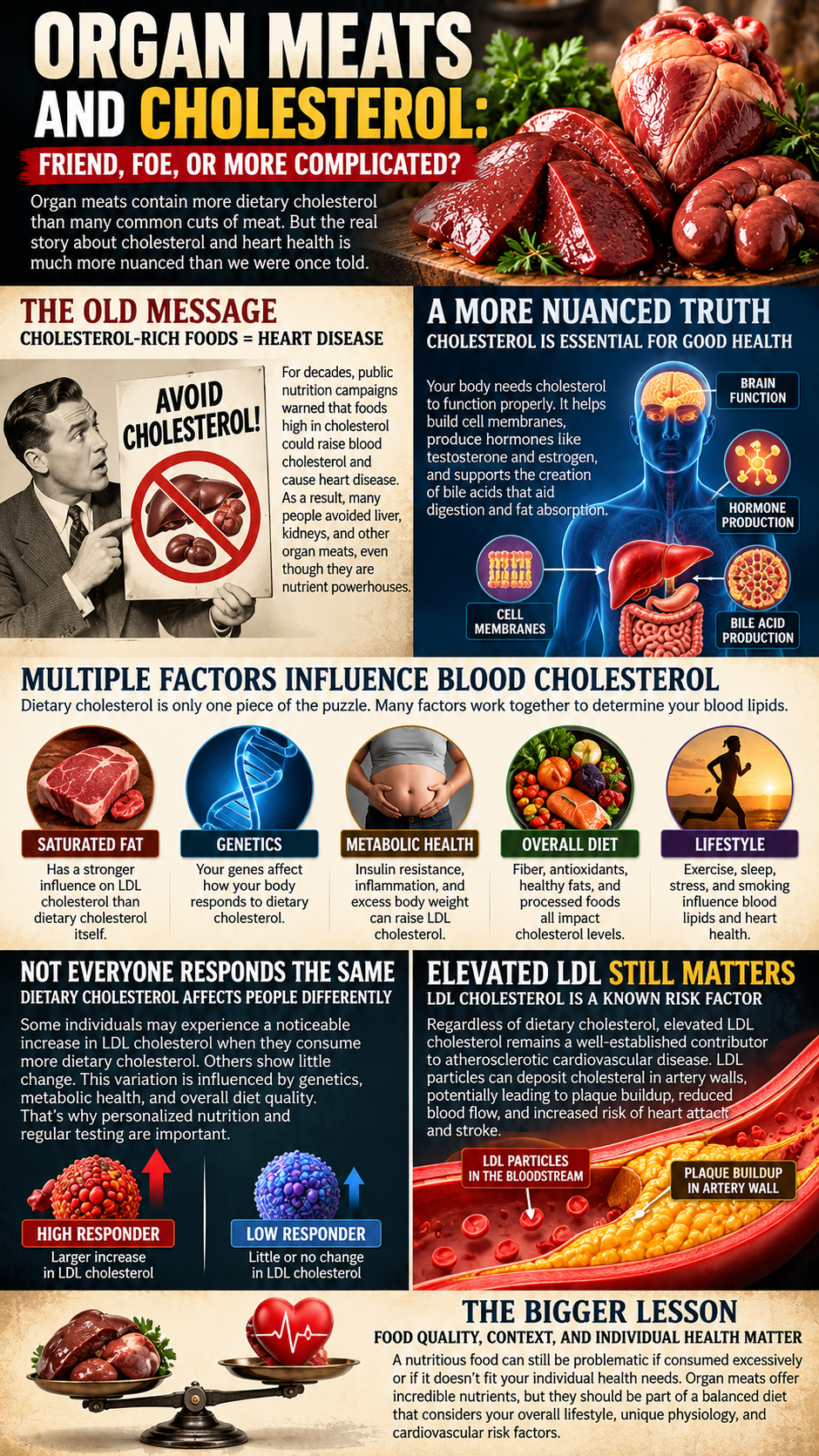
Nevertheless, elevated LDL cholesterol remains an established contributor to atherosclerotic cardiovascular disease. Some individuals experience meaningful LDL increases when consuming more dietary cholesterol. Others demonstrate smaller responses, making personalized cardiovascular assessment important. Nutritional benefits don’t automatically eliminate potential cardiovascular concerns.
The larger lesson extends beyond organ meats. Food quality requires evaluating nutrient density, individual physiology, and overall dietary patterns together. A nutritious food can still become problematic when consumed excessively or without considering existing health conditions.
The Real Problem: We Confuse Nutritional Concentration With Nutritional Superiority
The disappearance of organ meats represents a lost opportunity for greater dietary variety. Yet their modern revival risks creating another nutritional mistake. Enthusiasts sometimes assume that extraordinary nutrient density makes a food appropriate in unlimited quantities. Human physiology doesn’t support that conclusion.
Vitamin A, copper, iron, and selenium all demonstrate the importance of appropriate intake. Too little can impair normal biological function, while excessive exposure can cause harm. Organ meats deserve appreciation precisely because their nutrient concentrations are unusually powerful. That same potency demands thoughtful serving sizes and individual consideration.
The challenge isn’t choosing between ancestral wisdom and modern nutritional science. Both can contribute valuable insights when examined critically. Traditional food practices encourage variety and resourcefulness, while contemporary research clarifies nutritional requirements and safety limits.
The Dangerous Misconception That More Nutrition Always Means Better Health
The human body operates through an extraordinary system of biochemical balance, where nutrients must remain within appropriate physiological ranges. Too little of an essential vitamin can impair cellular function, while excessive amounts can create entirely different problems. Organ meats illustrate this delicate relationship better than almost any other food. Their remarkable nutritional density offers meaningful advantages, but excessive consumption can overwhelm normal regulatory mechanisms.
Modern nutritional enthusiasm sometimes overlooks this fundamental principle. Someone discovers that beef liver contains extraordinary quantities of vitamin A, copper, and B vitamins. Believing additional nutrients must produce additional benefits, that person begins eating liver every morning. Unfortunately, the body doesn’t operate according to the assumption that more is always better.
Nutritional requirements depend on age, genetics, physiological conditions, dietary patterns, and existing nutrient stores. A person with vitamin B12 deficiency may benefit from increasing dietary B12. Someone with adequate levels may experience no meaningful advantage from consuming substantially more. Understanding this distinction separates responsible nutritional optimization from unnecessary supplementation and dietary excess.
Vitamin A Toxicity: When a Superfood Overwhelms the Liver
Beef liver contains exceptionally high concentrations of preformed vitamin A, an essential fat-soluble nutrient. Vitamin A supports vision, immune function, reproduction, and normal cellular differentiation. Unlike many water-soluble vitamins, however, preformed vitamin A can accumulate within the body. Repeated excessive consumption may eventually overwhelm the mechanisms that regulate its storage and metabolism.
Chronic vitamin A toxicity can produce headaches, nausea, skin abnormalities, bone pain, and liver injury. Severe cases may involve neurological complications and elevated pressure within the skull. Excessive preformed vitamin A during pregnancy also increases the risk of fetal abnormalities. These consequences demonstrate why nutrient concentration demands respect rather than indiscriminate enthusiasm.
The adult tolerable upper intake level for preformed vitamin A is 3,000 micrograms of retinol activity equivalents daily. A conventional serving of beef liver can substantially exceed that amount. Although an occasional serving above this threshold doesn’t automatically cause toxicity, repeated excessive intake raises legitimate concerns. Combining liver with cod liver oil or retinol-containing supplements may increase exposure further.
The solution isn’t eliminating vitamin A from the diet. Instead, consumers should distinguish normal nutritional requirements from unnecessary accumulation. Small, occasional liver servings can provide substantial nutrients without making concentrated retinol a daily dietary centerpiece.
Copper Overload: The Hidden Risk Behind Excessive Liver Consumption
Copper represents another essential mineral capable of becoming harmful when consumed excessively. The body requires copper for mitochondrial energy production, connective tissue formation, and antioxidant enzyme activity. Copper also supports normal iron transport and neurological function. Yet excessive exposure can disrupt these systems and injure vulnerable tissues.
Beef liver contains unusually large amounts of copper compared with conventional muscle meats. A three-ounce serving of cooked beef liver may provide approximately 12 milligrams of copper. This exceeds the adult tolerable upper intake level of 10 milligrams daily. Regular large servings, especially alongside copper supplements, may therefore create unnecessary exposure.
Excessive copper intake can cause abdominal discomfort, nausea, and potentially liver injury. Individuals with Wilson disease face particularly serious risks because their bodies cannot eliminate copper normally. However, copper toxicity shouldn’t be diagnosed from vague symptoms or isolated laboratory abnormalities. Proper evaluation requires clinical context and appropriate testing.
A functional nutritional approach considers total copper exposure rather than automatically recommending concentrated foods. Liver can contribute valuable copper when dietary intake is inadequate. Nevertheless, consuming progressively larger portions doesn’t guarantee better mitochondrial function or improved health.
Are Organ Meats Really Loaded With Environmental Toxins?
One persistent argument against organ meats claims that the liver stores every toxin an animal encounters. This misconception confuses detoxification with permanent chemical storage. The liver processes numerous substances through specialized metabolic pathways, helping the body eliminate them. Kidneys similarly filter blood and regulate waste excretion without retaining every substance they encounter.
Nevertheless, environmental contamination remains a legitimate consideration. Certain heavy metals, including cadmium, can accumulate in animal organs following prolonged exposure. Contamination depends on animal species, age, environmental conditions, and agricultural practices. Therefore, sourcing matters even when a food possesses exceptional nutritional value.
Consumers should prioritize inspected animal products from reputable producers with transparent agricultural practices. Grass-fed or organic labels may describe farming methods but don’t guarantee freedom from environmental contaminants. Proper refrigeration, hygienic preparation, and thorough cooking also reduce foodborne illness risks. Raw organ consumption offers no established nutritional advantage sufficient to justify avoidable infection risks.
The goal should involve reducing unnecessary exposures without promoting fear about every natural food. Organ meats aren’t automatically toxic because they participate in detoxification. However, their safety depends partly on the animal’s environment and the conditions surrounding food production.
The Functional Medicine Connection: Absorption Matters More Than Nutritional Hype
A food’s nutrient concentration tells only part of its nutritional story. The digestive system must release, absorb, transport, and utilize nutrients before they support cellular processes. Stomach acid, digestive enzymes, intestinal integrity, and specialized transport proteins all contribute. Disruptions within these systems may interfere with nutrient availability despite apparently adequate dietary intake.
Vitamin B12 provides an important example because absorption requires several coordinated physiological steps. Pernicious anemia, gastrointestinal disease, and certain surgeries can impair these processes. Someone experiencing B12 malabsorption may remain deficient despite consuming liver regularly. Appropriate treatment must address the underlying absorption problem rather than simply increasing food intake.
Iron deficiency also requires investigation beyond dietary habits. Heavy menstrual bleeding, gastrointestinal blood loss, and malabsorption can contribute to declining iron stores. Conversely, individuals with hereditary hemochromatosis may accumulate excessive iron despite normal dietary intake. Their nutritional needs differ substantially from those experiencing iron deficiency.
Functional nutrition becomes most valuable when it identifies the actual problem rather than assuming every symptom reflects inadequate nutrients. Thoughtful dietary assessment and targeted laboratory evaluation can clarify genuine deficiencies. Food remains foundational, but individualized physiology determines how effectively the body benefits.
Desiccated Organ Supplements: Convenient Nutrition or Another Marketing Trap?
The popularity of ancestral eating has created a rapidly expanding market for desiccated organ supplements. Manufacturers offer freeze-dried liver capsules, beef heart powders, and concentrated organ blends. These products promise convenience for consumers who dislike the flavor or preparation of traditional organs. However, concentrated supplements introduce questions about dosage, quality, and actual nutritional necessity.
Freeze-drying preserves many nutrients, but finished products vary considerably in composition. Some manufacturers disclose only the weight of dried tissue without identifying vitamin A or copper concentrations. This makes estimating total nutrient exposure difficult, especially when consumers combine multiple supplements. Marketing claims about energy, detoxification, or hormonal support may also exceed available clinical evidence.
Consumers should seek transparent nutrient labeling and independent contaminant testing before purchasing concentrated organ products. Supplements may serve specific nutritional purposes, but they don’t automatically outperform whole foods. Their value depends on demonstrated needs, appropriate doses, and reliable manufacturing standards.
Your At-Home Organ Meat Restoration Plan: Nourishment Without Nutritional Overkill
Restoring organ meats to the diet begins with moderation rather than aggressive nutritional experimentation. Consider these foods occasional additions to a varied eating pattern instead of daily therapeutic interventions. Their greatest advantage comes from contributing distinctive nutrients without dominating the menu. This approach respects both traditional food wisdom and modern nutritional safety.
Begin with beef heart if organ meats feel unfamiliar. Its muscle-like texture works well in slow-cooked stews, grilled preparations, and ground beef mixtures. A conventional meal-sized portion can replace ordinary meat while providing protein, iron, zinc, and B vitamins. Heart also contains substantially less preformed vitamin A than liver.
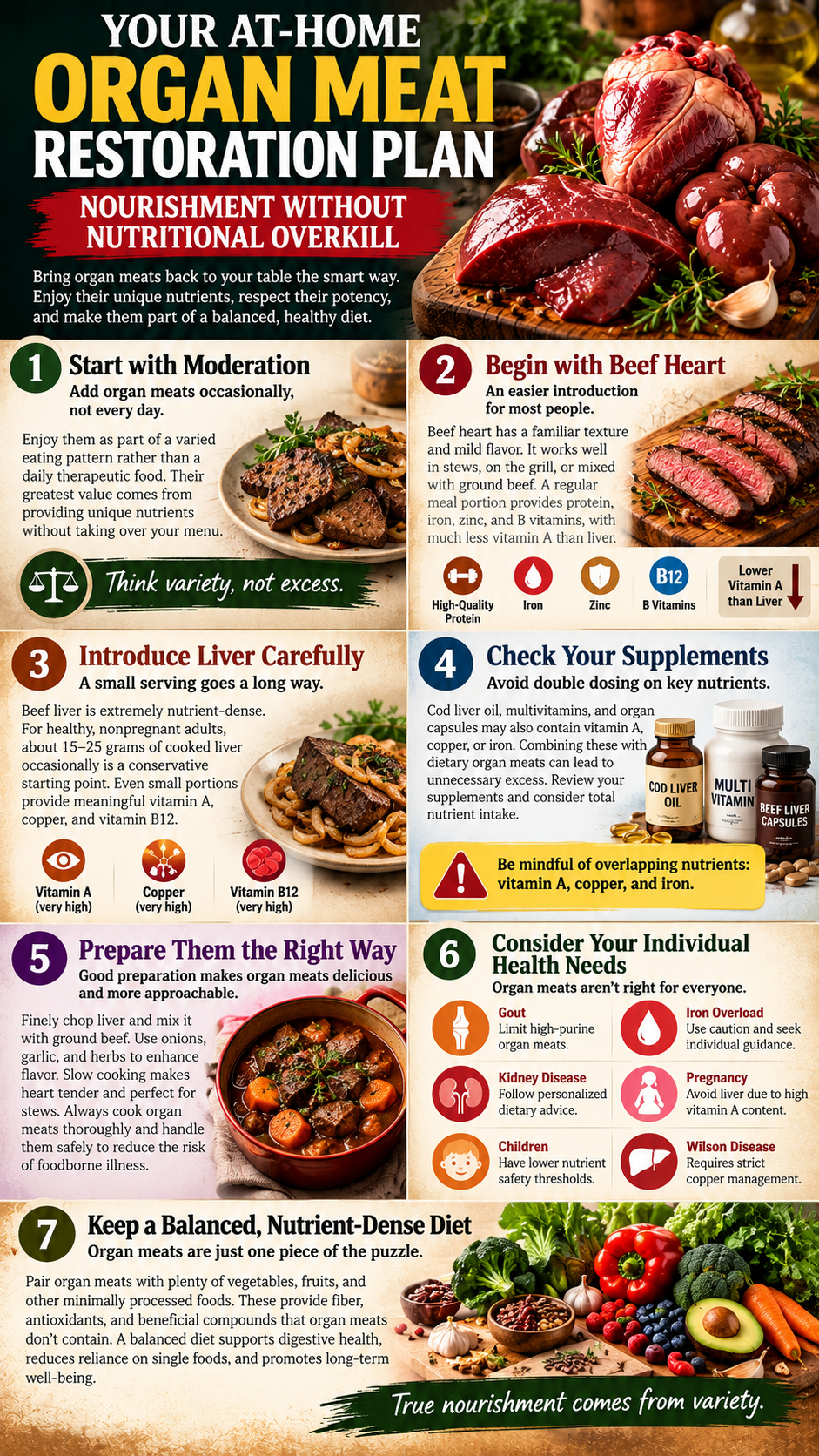
Introduce liver more cautiously because its micronutrient concentrations are exceptionally high. For healthy, nonpregnant adults, approximately 15–25 grams of cooked beef liver occasionally offers a conservative starting point. This isn’t a universal prescription, and individual circumstances may require different choices. Even small servings contribute meaningful vitamin A, copper, and vitamin B12.
Next, examine existing supplements for overlapping nutrients. Cod liver oil, multivitamins, and organ capsules may contain additional preformed vitamin A. Certain formulas also supply copper and iron. Combining these products without evaluating total intake can create avoidable imbalances.
Preparation also influences whether organ meats become sustainable household foods. Finely chopped liver blends into ground beef, while onions and herbs soften its distinctive flavor. Heart becomes tender through slow cooking and works particularly well in savory stews. Proper cooking temperatures and careful handling remain essential for food safety.
Individuals with gout should limit high-purine organ meats according to their clinical circumstances. People with iron overload, Wilson disease, or chronic kidney disease require individualized dietary guidance. Pregnant individuals should avoid liver because of its concentrated preformed vitamin A. Children also have lower nutrient safety thresholds than adults.
Finally, maintain nutritional diversity beyond animal foods. Vegetables, fruits, and other minimally processed foods provide fiber and compounds largely absent from organ meats. A balanced eating pattern supports digestive health while reducing dependence on individual concentrated foods. Sustainable nutrition comes from variety, appropriate portions, and consistent habits.
The Final Verdict: Forgotten Superfood or Nutritional Overkill?
Organ meats deserve renewed appreciation because their nutrient density is genuinely remarkable. Liver provides exceptional concentrations of several essential micronutrients, while heart and kidneys offer distinct nutritional advantages. Their disappearance from modern diets represents a loss of culinary variety and potentially useful dietary options. Yet rediscovering these foods shouldn’t encourage unlimited consumption.
The human body requires nutritional adequacy, not perpetual nutritional excess. Too little vitamin A, copper, or iron can impair physiological function. Too much can create toxicity or worsen certain medical conditions. Responsible nutrition recognizes both sides of this biological reality.
Ultimately, organ meats are valuable foods rather than miraculous treatments. Their greatest contribution emerges when consumers combine thoughtful portions, reliable sourcing, and individualized nutritional awareness. The lesson isn’t to eat as much liver as possible, but to appreciate its potency. True nutritional wisdom means giving the body what it needs without assuming more must always be better.