
Your Brain Has a Remarkable Ability to Change
Imagine waking tomorrow morning with a brain that could no longer learn, adapt, or strengthen its existing connections. Every new experience would become increasingly difficult to process, and familiar information might gradually lose its clarity. Fortunately, the human brain possesses an extraordinary biological capacity that challenges this frightening possibility. Scientists call this ability neuroplasticity, and one remarkable protein helps regulate the entire process.
That protein is brain-derived neurotrophic factor, commonly known as BDNF.
For decades, researchers believed the adult brain possessed limited potential for structural adaptation. Once neurological development ended, scientists assumed the brain largely maintained its established architecture. Modern neuroscience has transformed that understanding through discoveries involving synaptic plasticity, neuronal signaling, and experience-dependent neurological remodeling. These findings reveal that the brain continually responds to physical activity, learning, sleep, stress, and environmental stimulation.
BDNF plays an important role in this remarkable adaptability. It helps neurons survive, supports communication between brain cells, and regulates mechanisms involved in learning and memory. Researchers frequently describe BDNF as a molecular contributor to neurological growth and maintenance. Its activity influences how effectively certain neuronal networks respond to repeated stimulation and changing demands.
However, BDNF is not a magical substance that automatically repairs every neurological problem. Its effects depend on complex interactions involving receptors, cellular metabolism, inflammatory signals, and other growth factors. Understanding these relationships reveals something far more valuable than another promise of instant brain rejuvenation. It explains how everyday physiological conditions can influence the brain’s capacity to maintain healthy neurological connections.
What Is Brain-Derived Neurotrophic Factor, and How Does It Work?
Brain-derived neurotrophic factor belongs to a specialized family of proteins called neurotrophins. These proteins regulate neuronal development, survival, differentiation, and communication throughout the nervous system. BDNF operates extensively within the hippocampus, cerebral cortex, and other regions involved in cognition and neurological adaptation. Its influence extends across interconnected networks responsible for memory, attention, movement, and emotional processing.
The biological process begins when mature BDNF interacts with a cellular receptor called tropomyosin receptor kinase B. Scientists abbreviate this receptor as TrkB, which activates several important intracellular signaling pathways. These pathways include PI3K-Akt, MAPK-ERK, and PLC-gamma, each contributing to different aspects of cellular regulation. Together, they influence neuronal survival, protein synthesis, synaptic responsiveness, and structural adaptation.
Consider what happens when someone practices playing a musical instrument. Repeated activity stimulates neurological circuits involved in hearing, movement, timing, and coordination. Over time, these circuits undergo functional changes that improve performance and efficiency. BDNF participates in molecular mechanisms supporting this activity-dependent adaptation, although many other signaling systems also contribute.
Interestingly, BDNF exists in different molecular forms with distinct biological effects. Mature BDNF generally activates TrkB signaling, while its precursor, proBDNF, can engage alternative receptors. Certain proBDNF pathways contribute to synaptic weakening, an essential component of normal neurological remodeling. Consequently, healthy brain function requires balanced neurotrophic signaling rather than indiscriminately maximizing BDNF concentrations.
The Hippocampus: Your Brain’s Memory and Learning Center
Deep within the temporal lobes lies the hippocampus, a neurological structure essential for organizing new memories. This region helps connect experiences with their surroundings, allowing information to become part of lasting memory networks. Hippocampal activity also supports spatial navigation and the ability to distinguish similar experiences. Because learning requires adaptable connections, researchers have extensively investigated BDNF signaling within this region.
One critical process involves long-term potentiation, commonly abbreviated LTP. During LTP, repeated neuronal activity strengthens communication between particular synapses. BDNF helps regulate several molecular events that support this strengthening process. These adaptations contribute to memory formation, although learning depends on coordinated activity across numerous brain regions.
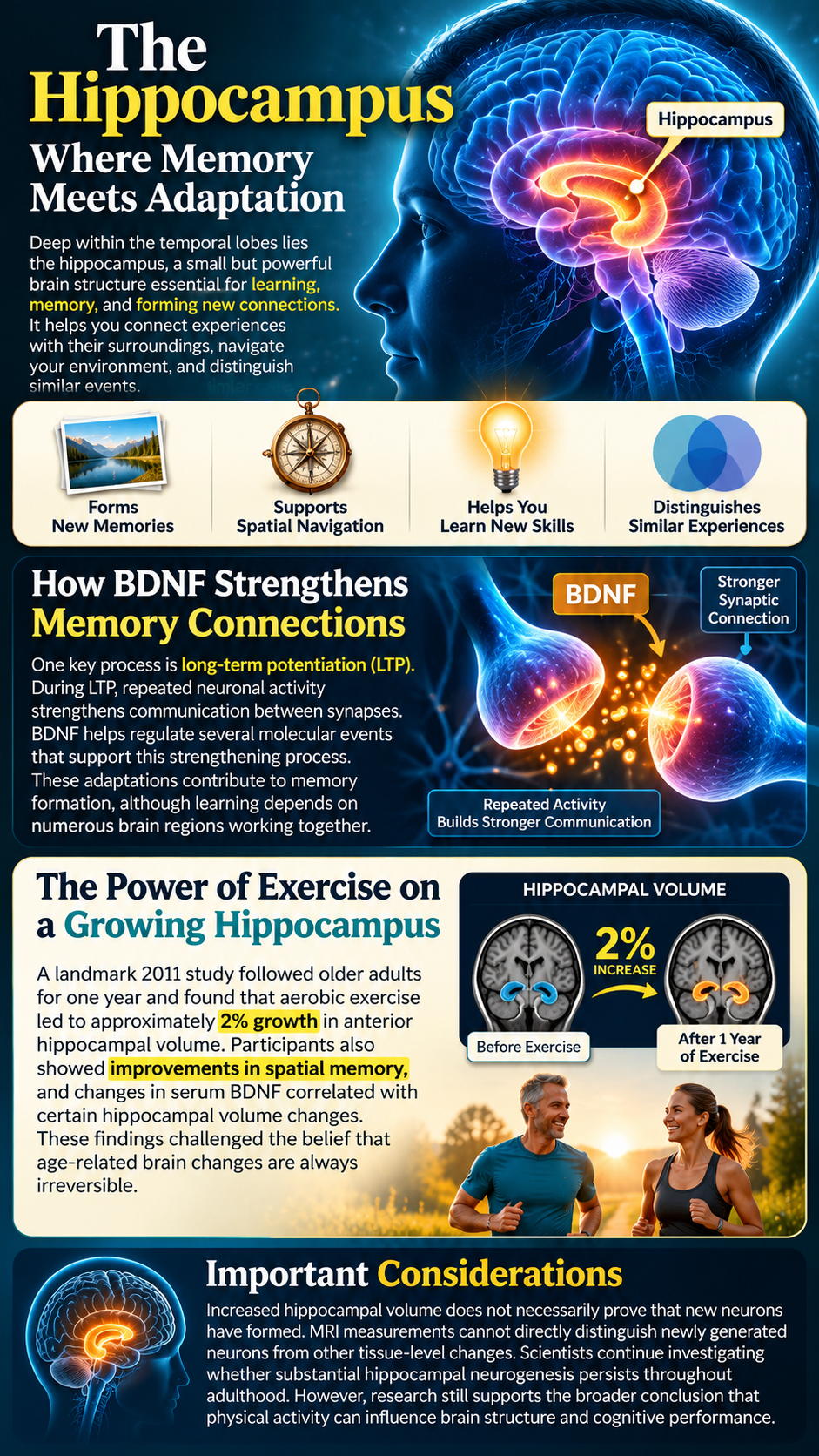
A landmark 2011 study examined aerobic exercise and hippocampal volume among older adults. Researchers reported approximately 2% growth in anterior hippocampal volume after one year of aerobic exercise. Participants also demonstrated improvements in spatial memory, while serum BDNF changes correlated with certain hippocampal volume changes. The findings challenged assumptions that age-related neurological changes always follow an irreversible trajectory.
Importantly, increased hippocampal volume does not necessarily prove that new neurons have formed. MRI measurements cannot directly distinguish newly generated neurons from other tissue-level changes. Scientists continue investigating whether substantial hippocampal neurogenesis persists throughout normal human adulthood. Nevertheless, research supports the broader conclusion that physical activity can influence brain structure and cognitive performance.
Chronic Stress, Cortisol, and the Disruption of Neuroplasticity
The human stress response evolved to protect survival during demanding or threatening circumstances. When danger appears, the brain coordinates hormonal and neurological changes that increase alertness and mobilize energy. The hypothalamic-pituitary-adrenal axis helps regulate this response through cortisol production. Under normal conditions, cortisol follows a daily rhythm and supports numerous essential physiological functions.
Problems can emerge when prolonged stress repeatedly disrupts recovery and neurological regulation. Animal studies demonstrate that chronic stress can alter hippocampal BDNF expression and neuronal structure. Researchers have also documented changes in dendritic branching and synaptic function under certain experimental stress conditions. These findings suggest that sustained physiological stress may compromise mechanisms supporting healthy neurological adaptation.
Human studies associate chronic stress exposure with differences in memory, attention, emotional regulation, and brain structure. However, these relationships involve multiple interacting mechanisms rather than a single hormonal explanation. Cortisol levels vary considerably, and chronic stress does not always produce persistently elevated cortisol. Similarly, researchers cannot reliably diagnose low brain BDNF simply by measuring stress symptoms.
The implications extend beyond emotional wellness. Persistent sleep disruption, psychological strain, and inadequate recovery can interfere with concentration and cognitive performance. Addressing these factors may support healthier neurological functioning, even when direct changes in brain BDNF remain unmeasured. Effective brain-health strategies must therefore consider stress physiology alongside nutrition, exercise, and metabolic regulation.
Inflammation, Oxidative Stress, and Neurological Health
Inflammation represents another important connection between systemic physiology and brain function. Under normal circumstances, inflammatory signaling helps coordinate immune defense, tissue maintenance, and recovery from injury. Chronic inflammatory activity, however, can disturb cellular communication and contribute to neurological dysfunction. Researchers increasingly investigate these mechanisms in relation to cognitive aging and neurodegenerative disease.
Within the brain, specialized immune cells called microglia help monitor and maintain the neurological environment. Their activity changes in response to injury, infection, metabolic disturbances, and cellular stress. Persistent inflammatory signaling can influence synaptic function and neuronal survival under certain conditions. Experimental research also suggests interactions between inflammatory mediators and BDNF-related signaling pathways.
Oxidative stress adds another dimension to this relationship. Neurons require substantial mitochondrial energy production, which naturally generates reactive oxygen species. These molecules participate in normal cellular signaling, but excessive oxidative activity can damage proteins, lipids, and DNA. The brain’s high energy requirements and lipid-rich structures make balanced oxidative regulation especially important.
Nevertheless, inflammation does not automatically indicate deficient BDNF, and antioxidant supplementation does not guarantee neurological repair. Human research has not established a universal inflammatory marker that reliably predicts brain BDNF activity. The strongest practical implications involve reducing established cardiovascular and metabolic risks. Healthy blood pressure, regular movement, adequate sleep, and nutritious dietary patterns support several mechanisms relevant to neurological resilience.
The Gut-Brain Axis: How Digestive Health Influences the Nervous System
The digestive tract communicates continuously with the brain through neurological, hormonal, immune, and metabolic pathways. Scientists describe these interactions as the microbiota-gut-brain axis. Trillions of intestinal microorganisms participate in nutrient metabolism and produce compounds that interact with human physiology. Their activities may influence neurological signaling through mechanisms that researchers continue to investigate.
Among these compounds are short-chain fatty acids, including acetate, propionate, and butyrate. Intestinal microorganisms produce these metabolites when fermenting certain dietary fibers. Short-chain fatty acids support aspects of intestinal barrier function, immune regulation, and cellular metabolism. Experimental studies suggest that microbial metabolites may also influence pathways associated with neurotrophic signaling.
Animal research has demonstrated associations between microbiome alterations and changes in hippocampal BDNF expression. Some experiments report differences in behavior, stress responses, and neurological signaling after modifying microbial communities. These observations suggest plausible biological connections between intestinal ecology and brain function. However, human evidence remains insufficient to establish that correcting intestinal dysbiosis reliably increases brain BDNF.
The relationship still deserves attention because digestive and neurological health share important physiological foundations. Nutrient availability, metabolic regulation, immune signaling, and vascular health influence both systems. Supporting gastrointestinal health may therefore complement broader efforts to preserve cognitive function. Yet claims that probiotics directly regenerate brain cells or reverse neurological disease exceed current clinical evidence.
Insulin Resistance, Mitochondria, and the Brain’s Energy Supply
The brain requires continuous energy to maintain electrical activity, neurotransmitter recycling, and cellular repair. Although relatively small, it consumes a substantial proportion of the body’s resting energy expenditure. Mitochondria generate much of the energy needed to sustain these demanding neurological processes. Healthy cerebral circulation and metabolic regulation help ensure neurons receive appropriate oxygen and nutrients.
Insulin resistance and type 2 diabetes are associated with increased risks of cognitive impairment. Researchers have identified potential contributions from vascular dysfunction, inflammation, altered insulin signaling, and mitochondrial disturbances. Experimental studies also suggest interactions between metabolic health and BDNF-related pathways. These findings highlight the close relationship between energy regulation and neurological adaptability.
BDNF itself participates in metabolic signaling beyond its established neurological functions. Animal experiments suggest that BDNF-TrkB pathways influence appetite regulation, energy balance, and glucose metabolism. However, scientists have not established BDNF manipulation as a routine treatment for metabolic disease. Improving metabolic health remains valuable because its benefits extend across multiple organs and biological systems.
Can Low BDNF Cause Brain Fog, Depression, or Cognitive Decline?
Researchers have investigated circulating BDNF concentrations in depression, cognitive impairment, and several neurological disorders. Some studies report lower average blood BDNF levels among people experiencing major depressive disorder. Other investigations identify associations involving cognitive performance, aging, and neurological disease. These observations have encouraged interest in BDNF as a possible biomarker.
However, blood BDNF concentrations do not directly reveal how much active BDNF exists within the brain. Platelets store substantial amounts of BDNF, and sample processing can strongly influence laboratory measurements. Researchers also report considerable variability between individuals and testing methods. Consequently, clinicians cannot currently diagnose neurological BDNF deficiency through a validated routine blood test.
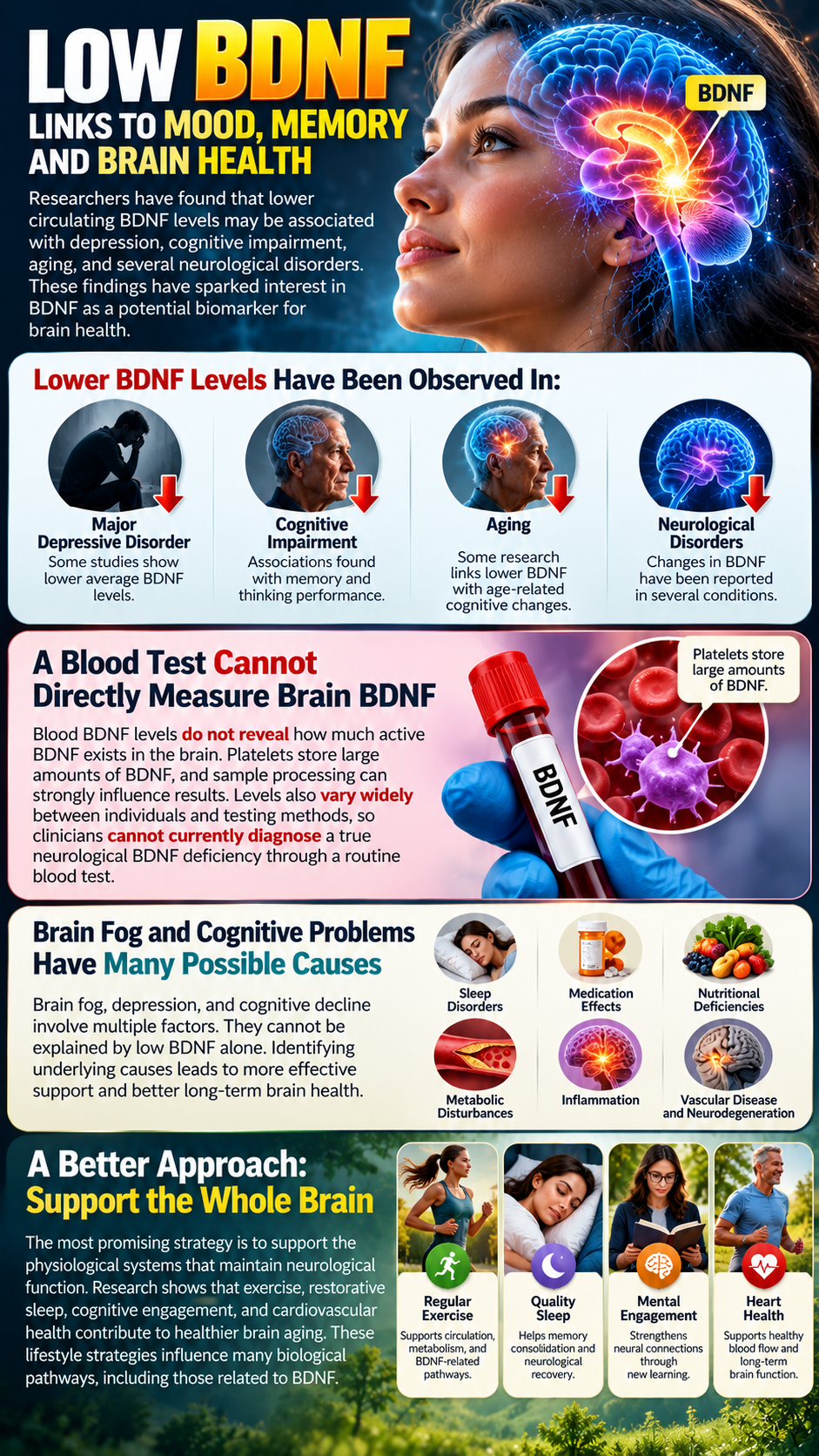
Brain fog likewise has numerous possible explanations, including sleep disorders, medication effects, nutritional deficiencies, and metabolic disturbances. Depression involves complex interactions among neurological circuits, psychological experiences, inflammation, and environmental influences. Cognitive decline can also reflect vascular disease, neurodegeneration, and other medical conditions. Reducing these problems to one growth factor risks overlooking important causes.
The most promising approach involves supporting the physiological systems that maintain neurological function. Research increasingly connects exercise, restorative sleep, cognitive engagement, and cardiovascular health with healthier brain aging. These interventions influence numerous biological pathways, including some associated with BDNF signaling. Their benefits do not require treating BDNF as the sole determinant of neurological health.
The Emerging Science of Supporting Your Brain’s Natural Growth Signal
The discovery of BDNF has fundamentally expanded our understanding of neurological adaptability. Rather than functioning as a permanently fixed network, the brain responds dynamically to experiences and physiological conditions. Exercise can influence hippocampal structure, while sleep and learning contribute to memory-related neural processes. Metabolic health, stress regulation, and vascular function further shape the environment in which neurons operate.
Yet scientists still face important questions about translating molecular discoveries into effective human interventions. A treatment that increases BDNF in laboratory animals may not produce comparable effects in humans. Similarly, temporary increases in circulating BDNF do not necessarily establish lasting cognitive improvement. Meaningful neurological health requires evaluating functional outcomes rather than relying exclusively on isolated biomarkers.
The encouraging conclusion is that neurological resilience remains responsive to lifestyle throughout adulthood. Individuals cannot control every genetic, environmental, or age-related influence on their brains. Nevertheless, they can influence many conditions that support healthy neural communication and adaptation. Understanding those influences provides the scientific foundation for practical, sustainable approaches to long-term brain health.
The Remarkable Connection Between Daily Habits and Brain Regeneration
The human brain possesses an extraordinary ability to adapt, reorganize, and strengthen connections throughout life. This capacity, known as neuroplasticity, depends on complex interactions between neurons, growth factors, metabolism, and environmental stimulation. Brain-derived neurotrophic factor, or BDNF, helps regulate many of these essential processes. Understanding how everyday habits influence this protein opens exciting possibilities for supporting lifelong neurological health.
Scientists have discovered that physical activity, restorative sleep, nutrition, and cognitive stimulation influence biological pathways associated with BDNF. These discoveries challenge the outdated assumption that neurological function inevitably declines without opportunities for meaningful adaptation. Although aging changes the brain, healthy behaviors can help preserve cognitive performance and neurological resilience. The objective involves supporting the body’s natural regulatory systems rather than artificially maximizing a single growth factor.
Interestingly, the strongest strategies for brain health rarely require expensive treatments or sophisticated technology. They involve consistent behaviors that improve circulation, cellular energy production, sleep quality, and neurological stimulation. Each intervention influences several physiological systems simultaneously, creating benefits beyond BDNF signaling alone. The following research-backed approaches explain how these biological relationships work before presenting a practical home-based action plan.
Physical Exercise: Activating the Brain’s Neuroplasticity Machinery
Movement represents one of the most extensively studied lifestyle influences on brain-derived neurotrophic factor. During exercise, skeletal muscles produce signaling molecules that interact with distant organs, including the nervous system. Increased cardiovascular activity also improves oxygen delivery and supports vascular function throughout the brain. These responses create conditions that help maintain healthy neuronal communication and metabolic activity.
Research demonstrates that aerobic exercise can temporarily increase circulating BDNF concentrations in many individuals. Scientists have also investigated exercise-related molecules, including lactate and cathepsin B, as possible contributors to neurotrophic signaling. However, changes in blood BDNF do not necessarily establish corresponding increases within specific brain regions. Regular physical activity nevertheless offers substantial evidence-based benefits for cardiovascular health, cognitive performance, and neurological aging.
Resistance exercise provides additional advantages through improved muscle function, glucose regulation, and metabolic health. Maintaining skeletal muscle becomes increasingly important with age because muscle tissue contributes to whole-body metabolic regulation. Combining aerobic activity with strength training addresses several physiological factors associated with cognitive resilience. The brain benefits from movement through multiple mechanisms rather than relying exclusively on BDNF production.
Restorative Sleep: Protecting Memory and Neurological Recovery
Sleep represents an essential biological period for neurological maintenance and information processing. During sleep, the brain reorganizes recently acquired information and regulates communication between neuronal networks. Different sleep stages contribute to memory consolidation, emotional processing, and synaptic adjustments. Chronic sleep disruption can compromise these functions, producing difficulties with concentration, learning, and cognitive performance.
Researchers have investigated relationships between sleep deprivation and altered BDNF signaling in experimental studies. Findings vary across human populations, making direct conclusions about sleep-induced BDNF changes difficult. Nevertheless, inadequate sleep influences cortisol regulation, insulin sensitivity, inflammatory signaling, and cardiovascular function. These effects can indirectly influence the physiological environment supporting neurological health.
Deep sleep also contributes to processes associated with metabolic waste clearance within the brain. Scientists continue investigating how sleep influences the movement of cerebrospinal and interstitial fluids. Although these mechanisms remain complex, sufficient sleep clearly supports normal cognitive functioning. Protecting consistent sleep patterns therefore represents a foundational neurological health strategy.
Brain-Nourishing Nutrition and Mitochondrial Energy
Neurons require continuous energy to maintain electrical signaling, neurotransmitter recycling, and cellular integrity. Mitochondria supply much of this energy through coordinated metabolic reactions involving oxygen and nutrients. When metabolic regulation becomes impaired, neurological cells may experience disturbances affecting their normal function. Nutrition influences this environment by supplying essential fatty acids, amino acids, vitamins, minerals, and other bioactive compounds.
Omega-3 fatty acids, particularly DHA, contribute to neuronal membrane structure and normal neurological function. Researchers have investigated dietary polyphenols for their potential effects on oxidative stress and neurotrophic signaling. Experimental studies suggest that compounds found in berries, cocoa, and certain plant foods may influence BDNF-related pathways. However, human trials have not established these foods as reliable treatments for increasing brain BDNF.
Metabolic health also deserves attention because insulin resistance and vascular dysfunction correlate with increased cognitive risks. Nutrient-dense dietary patterns can support blood pressure, glucose regulation, and cardiovascular function. These improvements contribute to healthier conditions for long-term neurological activity. Effective brain nutrition therefore involves dietary quality and metabolic balance rather than chasing individual superfoods.
Intermittent Fasting, Cellular Adaptation, and BDNF
Periods of reduced energy availability activate biological pathways involved in metabolic adaptation. During fasting, the body changes its utilization of glucose, fatty acids, and ketones. Researchers have investigated these metabolic shifts for their potential influence on mitochondrial function and cellular maintenance. Animal studies also suggest that certain fasting protocols can influence BDNF expression within neurological tissues.
However, human research has not established intermittent fasting as a dependable method for increasing brain BDNF. Some metabolic improvements associated with fasting may reflect changes in total energy intake or body weight. Excessive fasting can also create nutritional deficiencies, fatigue, or complications involving glucose-lowering medications. Therefore, fasting should remain an individualized option rather than a universal requirement for neurological health.
Cognitive Stimulation: Strengthening the Connections That Shape Memory
The brain adapts most effectively when meaningful experiences repeatedly challenge existing neurological networks. Learning a new language, practicing music, or mastering coordinated movements activates multiple regions involved in memory and attention. Repeated activity encourages synaptic modifications that improve efficiency within practiced circuits. BDNF contributes to molecular processes supporting these activity-dependent neurological changes.
Mental stimulation becomes particularly valuable when activities demand concentration, novelty, and progressively greater difficulty. Passive entertainment generally requires less deliberate cognitive effort than learning unfamiliar material. Social interaction adds another dimension by engaging language, memory, emotional processing, and decision-making. These experiences help maintain cognitive engagement, although their effects vary among individuals.
Your Practical At-Home Action Plan to Naturally Support BDNF
Understanding the science of neuroplasticity provides a foundation, but daily implementation creates meaningful opportunities for improvement. Supporting BDNF-related pathways requires consistency across movement, nutrition, sleep, cognitive activity, and stress regulation. Rather than introducing complicated protocols, begin with sustainable practices that address several physiological systems simultaneously. The following approach provides a structured routine that readers can adapt to their health and physical abilities.
Start each morning with 20 to 30 minutes of brisk walking or another comfortable aerobic activity. Maintain a pace that increases breathing while still allowing conversation. As cardiovascular fitness improves, introduce short periods of faster walking or gentle inclines. Aim toward 150 minutes of moderate aerobic activity weekly, adjusting gradually for individual fitness and medical limitations.
Incorporate resistance training on two or three nonconsecutive days each week. Perform chair squats, wall push-ups, resistance-band rows, and controlled step-ups using appropriate resistance. Begin with one or two sets of eight to twelve repetitions and increase difficulty gradually. This combination supports muscle strength, glucose regulation, cardiovascular health, and neurological resilience.
Next, establish a consistent sleep schedule that allows seven to nine hours of nightly rest. Dim household lighting during the final hour before bedtime and minimize stimulating electronic activity. Maintain a dark, cool sleeping environment while avoiding caffeine late in the day. Seek morning sunlight regularly to reinforce circadian rhythms and improve sleep-wake consistency.

Nutrition should emphasize adequate protein, essential fatty acids, colorful vegetables, and minimally processed foods. Include fatty fish approximately twice weekly when appropriate, alongside leafy greens, berries, avocado, and olive oil. Replace sugar-sweetened beverages with water and reduce frequent consumption of highly processed snacks. These choices support metabolic health and provide nutrients essential for normal neuronal function.
Consider a consistent twelve-hour overnight eating interval if fasting suits your medical circumstances. Finish dinner several hours before bedtime and avoid unnecessary late-night snacking. Prioritize adequate nutrition rather than extending fasting periods aggressively. Individuals with diabetes medications, pregnancy, or eating-disorder histories should obtain individualized guidance before fasting.
Dedicate twenty minutes daily to a challenging cognitive activity that requires sustained concentration. Practice a musical instrument, learn unfamiliar vocabulary, study a new subject, or memorize meaningful passages. Review previously learned information before introducing more difficult material. Progressively increasing complexity encourages continued engagement rather than relying on repetitive activities that no longer challenge the brain.
Reserve another ten minutes for stress regulation through comfortable breathing, meditation, reflective prayer, or quiet outdoor activity. Maintain supportive social relationships and create reasonable boundaries around demanding schedules. Persistent stress may require professional support, particularly when symptoms interfere with daily functioning. These practices help support emotional well-being and physiological recovery without guaranteeing a specific BDNF increase.
Finally, monitor your progress through practical indicators rather than unvalidated BDNF testing. Record sleep consistency, physical endurance, concentration, and improvements in your chosen learning activity. Evaluate these changes over four weeks and adjust routines according to sustainability and individual response. Persistent cognitive decline, unusual confusion, or worsening neurological symptoms require appropriate medical assessment.
The Future of Brain Health Begins With Consistency
BDNF research reveals that the nervous system remains biologically responsive throughout adulthood. Although scientists continue investigating the precise mechanisms governing human neuroplasticity, established lifestyle interventions already support several aspects of neurological health. Physical activity, restorative sleep, balanced nutrition, cognitive engagement, and stress regulation work through complementary physiological pathways. Their combined value extends beyond any single molecular marker.
The goal is not to force the brain into continuous growth or promise reversal of neurological disease. Healthy neurological function requires balanced signaling, appropriate recovery, and sustained metabolic support. By developing consistent daily habits, individuals can create conditions favorable to learning, memory, and cognitive resilience. Supporting the brain’s natural adaptability represents a practical investment in long-term neurological well-being.