
The Missing Conversation Between Your Brain and Body
Imagine spending years battling digestive problems, unexplained fatigue, heart palpitations, and relentless anxiety. Your gastroenterologist examines your stomach, while your cardiologist investigates your heart. Another specialist evaluates your breathing, and someone else prescribes medication for your stress. Each appointment focuses on a different organ, yet nobody explains why these problems seem connected. What if part of the answer involves the communication system linking these organs together?
Deep inside your nervous system exists an extraordinary biological network that most people rarely consider. The vagus nerve, the longest cranial nerve, connects your brainstem with vital organs throughout your chest and abdomen. It participates in regulating heart rhythm, breathing, digestion, immune signaling, and physiological recovery. Unlike nerves responsible for conscious movement, much of its work happens without your awareness. Every meal, heartbeat, and breath involves intricate communication between your brain and internal organs.
Modern healthcare often organizes treatment around individual organs, which helps specialists diagnose complex diseases. However, this approach can sometimes overlook important interactions between the nervous system, metabolism, immunity, and digestive health. The vagus nerve offers a fascinating example of why those connections matter. Understanding its function reveals how chronic stress, metabolic dysfunction, and neurological disease can influence multiple bodily systems simultaneously. More importantly, it encourages us to investigate underlying causes rather than viewing every symptom in isolation.
Meet the Vagus Nerve: Your Body’s Biological Communication Highway
The word vagus comes from Latin and means wandering, describing the nerve’s remarkable journey throughout the body. Originating in the brainstem, two vagus nerves descend through the neck and enter the chest. Their branches communicate with the heart, lungs, esophagus, stomach, and several abdominal organs. These connections form an essential component of the autonomic nervous system, which regulates countless functions without conscious effort.
Your autonomic nervous system contains two major divisions that constantly coordinate physiological responses. The sympathetic division prepares your body for action, increasing cardiovascular activity during physical or emotional challenges. The parasympathetic division supports functions associated with recovery, digestion, and energy conservation. The vagus nerve carries much of the parasympathetic signaling that reaches the chest and abdomen. Healthy regulation depends on cooperation between these systems, not permanently suppressing one while stimulating the other.
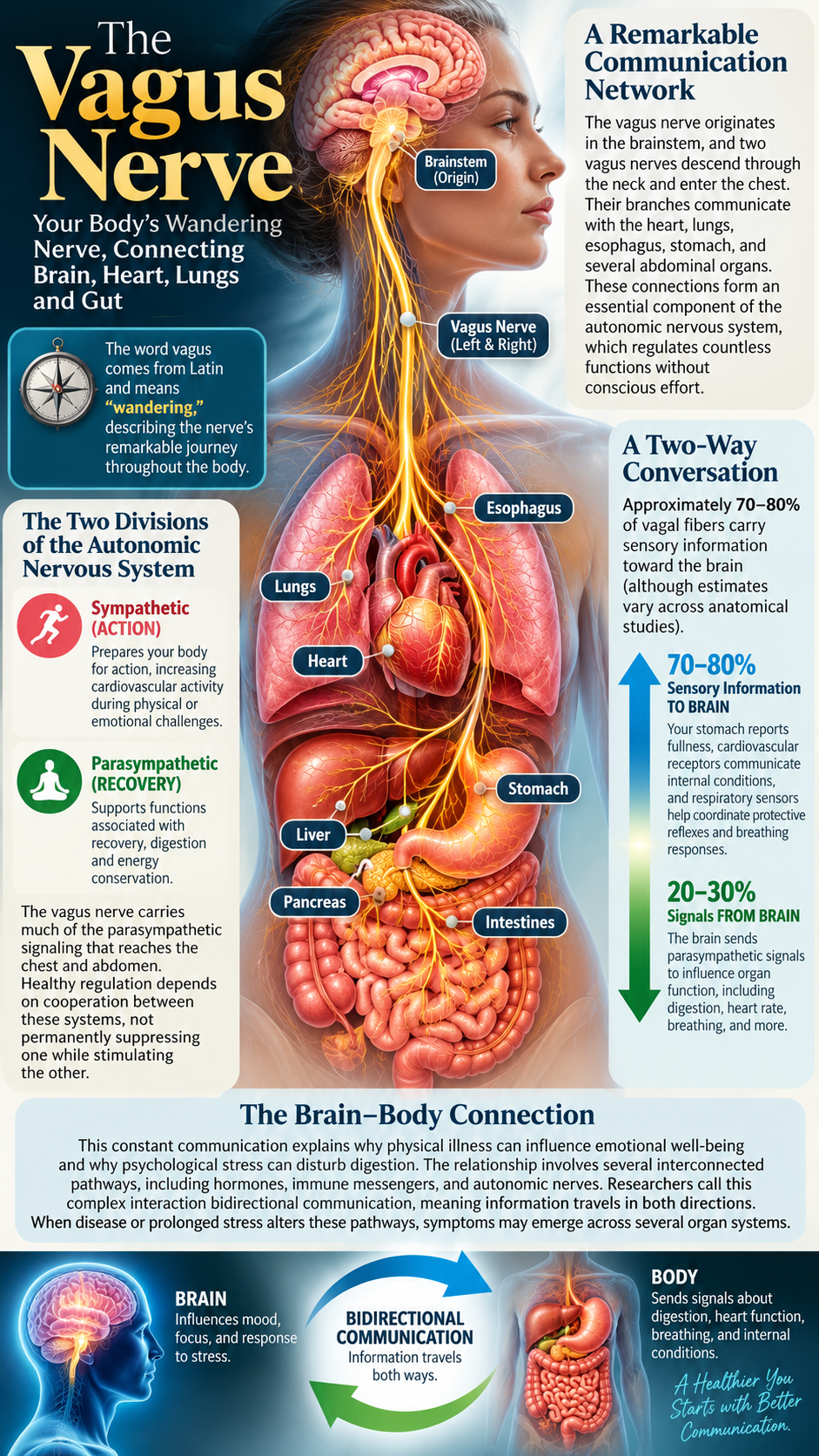
Perhaps the most surprising discovery involves the direction of information traveling through this remarkable nerve. Approximately 70–80% of vagal fibers carry sensory information toward the brain, although estimates vary across anatomical studies. Your stomach reports fullness, while cardiovascular receptors communicate information about internal conditions. Respiratory sensors contribute signals that help coordinate protective reflexes and breathing responses. Consequently, your brain constantly receives updates from organs that influence how your body responds to its environment.
This communication explains why physical illness can influence emotional well-being and why psychological stress can disturb digestion. The relationship involves several interconnected pathways, including hormones, immune messengers, and autonomic nerves. Researchers call this complex interaction bidirectional communication, meaning information travels in both directions. When disease or prolonged stress alters these pathways, symptoms may emerge across several organ systems.
Chronic Stress: When the Body Struggles to Return to Recovery Mode
Consider what happens when an unexpected threat appears. Your heartbeat accelerates, breathing changes, muscles tense, and digestion temporarily becomes less important. Stress hormones mobilize energy while sympathetic signaling prepares your body to respond. These reactions protect you during emergencies and normally diminish after the danger passes. Trouble develops when persistent stress repeatedly activates these systems without adequate recovery.
Financial pressure, unresolved emotional strain, inadequate sleep, and chronic illness can create overlapping physiological demands. Repeated stress exposure may alter cardiovascular regulation, gastrointestinal sensitivity, inflammatory signaling, and hormone patterns. Researchers describe the cumulative burden of these adaptations as allostatic load. Over time, excessive physiological strain may contribute to poor sleep, digestive discomfort, and cardiovascular risk. These changes involve numerous mechanisms rather than one nerve simply shutting down.
Vagal pathways participate in recovery by influencing heart rate, digestive activity, and communication between internal organs and the brain. Chronic stress can change measures associated with parasympathetic regulation, although responses differ considerably between individuals. Some people develop palpitations, while others experience abdominal discomfort, disturbed sleep, or heightened bodily awareness. Such symptoms deserve careful investigation because thyroid disorders, anemia, arrhythmias, and other conditions can produce similar complaints.
The underlying problem often extends beyond stress itself. Inadequate recovery, poor metabolic health, persistent pain, and untreated medical conditions may reinforce physiological strain. Effective care therefore requires identifying the contributors maintaining this cycle rather than assuming relaxation alone will resolve everything.
The Vagus Nerve and Your Heart: An Invisible Regulator of Every Heartbeat
Your heart possesses an internal electrical pacemaker, yet the nervous system continually adjusts its rhythm. Sympathetic activity generally accelerates heart rate, while vagal parasympathetic signaling helps slow it. This delicate coordination allows your cardiovascular system to respond when you exercise, rest, or change positions. Without appropriate autonomic regulation, maintaining stable circulation becomes considerably more difficult.
Scientists study this relationship through heart rate variability, commonly called HRV. This measurement examines subtle differences in the intervals separating consecutive heartbeats. Certain HRV measurements provide indirect information about cardiac parasympathetic activity under standardized conditions. Lower HRV sometimes accompanies chronic stress, illness, metabolic disorders, or reduced cardiovascular fitness. However, age, breathing patterns, medications, and measurement methods also influence these readings.
Researchers have associated altered autonomic regulation with several cardiovascular conditions, including diabetes-related neuropathy and heart failure. Nevertheless, low HRV alone cannot diagnose vagus nerve damage or predict an individual’s cardiovascular future. Likewise, increasing HRV does not automatically reverse arterial plaque or prevent heart attacks. These distinctions matter because cardiovascular health requires attention to blood pressure, glucose regulation, exercise, sleep, and established risk factors.
The important connection remains clear: heart health involves more than the heart muscle and coronary arteries. Neural regulation helps determine how efficiently the cardiovascular system adapts to changing physiological demands.
Your Gut and Brain Are Having a Conversation You Cannot Hear
Your digestive tract contains an extensive network of neurons known as the enteric nervous system. This remarkable system coordinates intestinal movement, digestive secretion, and communication between different gastrointestinal regions. The vagus nerve connects portions of this network with the brainstem, particularly throughout the upper digestive tract. Together, these pathways help regulate stomach activity, fullness, and digestive responses.
When food enters your stomach, specialized receptors detect stretching and chemical changes associated with digestion. Vagal sensory fibers transmit some of this information toward the brain, contributing to appetite and satiety regulation. Other pathways influence gastric accommodation, digestive secretion, and stomach emptying. These functions also depend on hormones, enteric neurons, and local gastrointestinal reflexes.
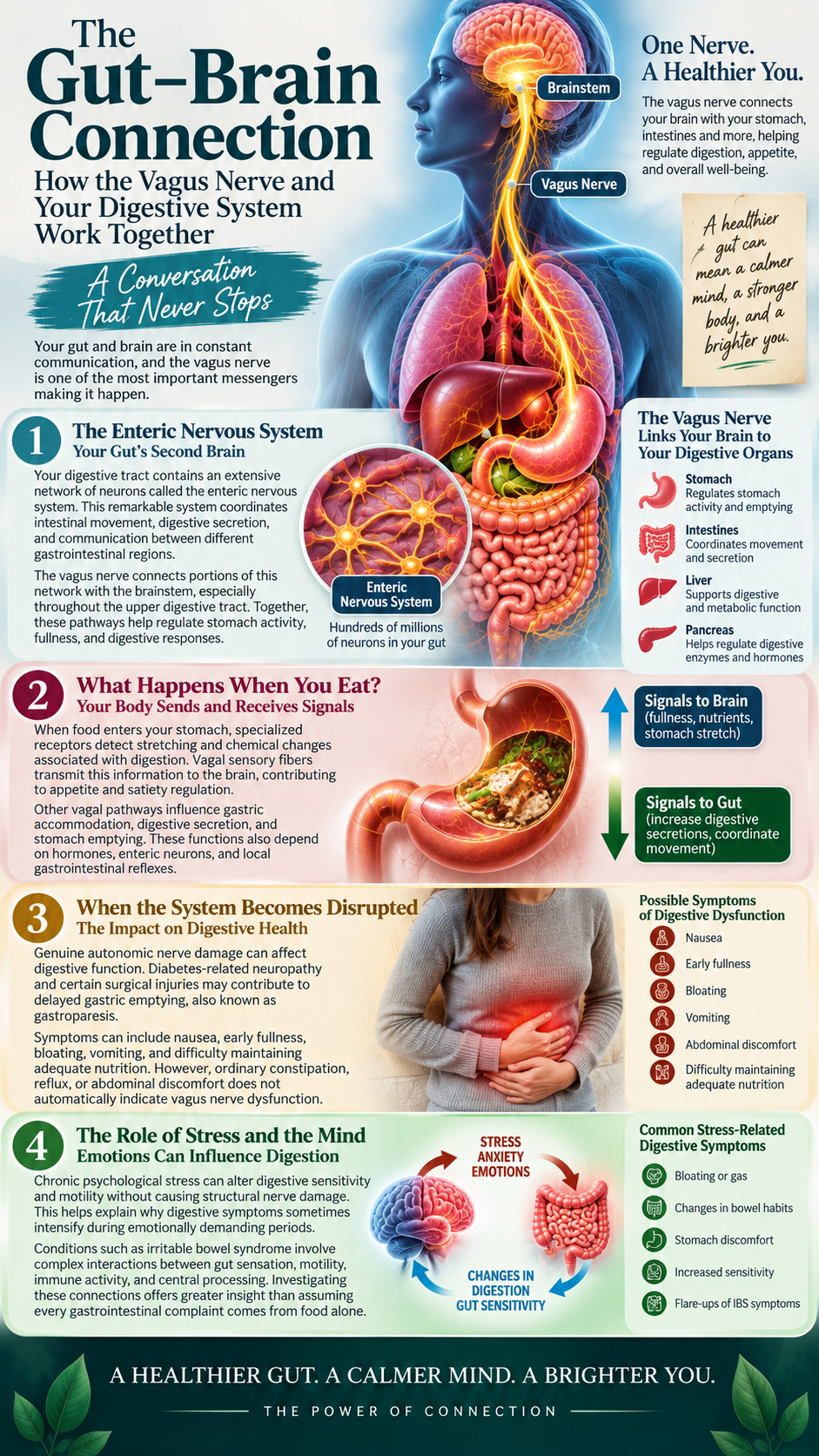
Disruptions can produce substantial consequences when genuine autonomic nerve damage affects digestive function. Diabetes-related neuropathy and certain surgical injuries may contribute to delayed gastric emptying, sometimes called gastroparesis. Patients can experience nausea, early fullness, bloating, vomiting, and difficulty maintaining adequate nutrition. However, ordinary constipation, reflux, or abdominal discomfort does not automatically indicate vagus nerve dysfunction.
Chronic psychological stress can also influence digestive sensitivity and motility without causing structural nerve damage. This helps explain why digestive symptoms sometimes intensify during emotionally demanding periods. Conditions such as irritable bowel syndrome involve complex interactions between gut sensation, motility, immune activity, and central processing. Investigating these connections offers greater insight than assuming every gastrointestinal complaint originates from food alone.
The Microbiome: How Your Gut Bacteria Influence Brain Communication
Inside your intestines lives an enormous microbial ecosystem involved in digestion, metabolism, and immune regulation. These microorganisms produce metabolites that interact with intestinal cells and influence several signaling pathways. Some microbial products may indirectly affect vagal sensory activity through intestinal hormones and other biological messengers. Scientists increasingly investigate these interactions within the microbiome–gut–brain axis.
Animal experiments suggest that microbial changes can influence stress responses and neurological signaling through several mechanisms. However, human research has not established that particular probiotics reliably repair vagal dysfunction or cure anxiety. The relationship remains scientifically compelling but far more complicated than popular wellness claims suggest.
Dietary patterns, antibiotic exposure, illness, and gastrointestinal inflammation can alter microbial communities. These changes may influence digestive function and immune signaling, although their effects vary widely. Supporting microbial diversity through appropriate nutrition represents a reasonable health strategy, not a guaranteed neurological treatment.
The Vagus Nerve, Your Lungs, and the Stress–Breathing Connection
Breathing involves far more than simply drawing oxygen into your lungs. Respiratory centers within the brainstem coordinate breathing muscles, chemical feedback, and sensory information from the airways. Vagal fibers carry signals from respiratory receptors that detect stretching, irritation, and changing airway conditions. These signals participate in protective reflexes and adjustments to respiratory activity.
The vagus nerve also influences airway smooth muscle through parasympathetic signaling. Acetylcholine released by these pathways can promote bronchoconstriction and increase airway secretions. This mechanism helps explain why certain inhaled medications block muscarinic receptors to treat obstructive airway conditions. However, asthma involves complex inflammatory mechanisms and cannot be explained solely by abnormal vagal activity.
Stress can change breathing patterns, sometimes encouraging rapid, shallow respiration or excessive respiratory effort. These changes may increase uncomfortable sensations, especially among people already experiencing anxiety or respiratory illness. Slow, comfortable breathing can influence cardiovascular reflexes and may improve perceived relaxation. Yet breathing exercises cannot replace appropriate treatment for asthma, sleep apnea, or other respiratory diseases.
Inflammation: The Surprising Connection Between Nerves and Immunity
One of the most exciting discoveries in neuroimmunology involves the relationship between nervous-system signaling and inflammatory activity. Researchers have identified neural circuits that influence how certain immune cells respond to inflammatory signals. This concept includes the inflammatory reflex, extensively investigated through the work of neuroscientist Kevin Tracey and colleagues.
Experimental research suggests that cholinergic signaling can influence cytokine production through specific immune-cell receptors. These mechanisms involve complex interactions among autonomic pathways, immune cells, and organs such as the spleen. Animal studies demonstrate promising effects, while early human investigations continue exploring therapeutic vagus nerve stimulation.
Scientists are studying implanted electrical stimulation for conditions including rheumatoid arthritis and inflammatory bowel disease. However, findings remain condition-specific, and many applications still require stronger clinical evidence. Everyday techniques such as humming or cold exposure have not demonstrated equivalent disease-modifying effects.
The broader discovery carries profound implications for understanding chronic illness. Your nervous system and immune system continuously exchange information, helping coordinate responses to injury, infection, and physiological stress. When inflammation persists, multiple biological systems may contribute to its continuation. Identifying those contributors requires examining metabolic health, sleep, immune disorders, infections, and other relevant causes.
The Bigger Problem: When the Body’s Systems Stop Working Together
The vagus nerve reveals a fundamental truth about human physiology: no organ operates in complete isolation. Your cardiovascular system responds to breathing, while digestive signals influence brain activity and appetite. Immune messengers communicate with neural circuits, and metabolic disturbances can damage autonomic nerves over time. These relationships help explain why chronic illness sometimes produces symptoms across several apparently unrelated systems.
Yet interconnected symptoms do not prove that one dysfunctional nerve causes every problem. The greatest opportunity lies in understanding the entire physiological environment influencing these communication pathways. Persistent stress, inadequate sleep, uncontrolled diabetes, nutritional deficiencies, and underlying disease deserve serious consideration. Each may interfere with healthy regulation through different mechanisms.
Restoring better function begins by identifying what disrupts the system rather than chasing an isolated measurement or fashionable diagnosis. That investigation creates the foundation for practical changes that support cardiovascular fitness, digestion, neurological health, and recovery.
Your Body Is Listening to Signals You Never Knew You Were Sending
A person can eat nutritious meals, exercise regularly, and still struggle with unpredictable digestion, restless sleep, or a racing heartbeat. Another might feel exhausted throughout the day, only to become unusually alert when bedtime arrives. These experiences often lead people to search for nutritional deficiencies, hormonal imbalances, or hidden illnesses. Sometimes those investigations uncover important answers, but another dimension deserves attention: how effectively the nervous system coordinates internal responses.
Your organs do not wait for conscious instructions before responding to changing circumstances. They continuously exchange information through nerves, hormones, immune messengers, and local cellular networks. The vagus nerve participates in this coordination, carrying sensory information toward the brain and parasympathetic signals toward internal organs. Its activity changes throughout the day as your body responds to food, movement, emotions, and environmental demands. Healthy regulation depends on flexibility rather than maintaining a permanently relaxed physiological state.
The real concern emerges when the body repeatedly struggles to adapt or recover from these demands. Persistent metabolic disease can damage autonomic nerves, while inadequate sleep and chronic stress can alter physiological regulation. Certain medications, neurological conditions, and surgical injuries may also disrupt specific vagal pathways. These mechanisms differ, making accurate identification essential before attempting to improve nerve function.
The Dangerous Difference Between a Stressed Nervous System and a Damaged One
Popular health discussions frequently describe fatigue, digestive discomfort, and anxiety as evidence of a malfunctioning vagus nerve. Unfortunately, these symptoms cannot establish that diagnosis because numerous conditions produce similar experiences. Anemia may cause palpitations and exhaustion, while thyroid disease can influence heart rate and intestinal activity. Sleep disorders, medications, and gastrointestinal diseases can also create symptoms that resemble autonomic dysfunction.
True autonomic neuropathy involves injury to nerves responsible for involuntary physiological regulation. Diabetes represents one important cause because prolonged hyperglycemia can damage nerve fibers and their supporting blood vessels. Some patients develop abnormal cardiovascular reflexes, delayed gastric emptying, or difficulty regulating blood pressure. These complications require targeted medical evaluation rather than generic relaxation exercises.
Functional disturbances present a different challenge because nervous-system responses may change without detectable structural nerve damage. Chronic stress can influence heart-rate patterns, digestive sensitivity, breathing behavior, and sleep quality. Improving these responses may require addressing psychological strain, physical conditioning, pain, and other contributing conditions. Recognizing the difference prevents unnecessary fear while directing attention toward interventions with meaningful clinical value.
The Heart’s Hidden Vulnerability: Losing the Ability to Adapt
A healthy heart must respond rapidly to changing demands without sacrificing cardiovascular stability. Standing requires circulatory adjustments, while exercise demands increased blood flow to working muscles. Rest permits heart rate to decrease as physiological demands diminish. Autonomic pathways coordinate these transitions through continuous interactions between sympathetic and parasympathetic signaling.
When cardiovascular autonomic neuropathy develops, some patients lose portions of this normal adaptability. Resting heart rate may remain unusually elevated, while cardiovascular responses to exertion become abnormal. Others experience orthostatic hypotension, causing dizziness or weakness when standing. These changes can interfere with everyday activities and occasionally increase the risk of falls.
Heart rate variability provides one window into cardiac autonomic regulation, but interpretation requires caution. Lower values may accompany illness, aging, inadequate sleep, or reduced physical conditioning. A wearable device cannot independently diagnose vagal nerve damage, regardless of its sophisticated appearance. Clinical context matters more than chasing a particular number on a smartphone.
Your Digestive System May Reveal Problems Beyond the Stomach
The digestive tract depends on coordinated muscular contractions, secretions, sensory feedback, and hormonal signaling. Vagal pathways help regulate several upper gastrointestinal functions, including stomach accommodation and aspects of gastric emptying. When these mechanisms become impaired, digestion may become uncomfortable or unpredictable.
Gastroparesis provides a striking example of disrupted gastrointestinal regulation. This condition delays stomach emptying despite the absence of a mechanical obstruction. Diabetes, surgical injury, and other disorders can contribute, sometimes through autonomic nerve dysfunction. Patients may experience nausea, early fullness, vomiting, and difficulty maintaining adequate nutrition.
Yet chronic bloating does not automatically indicate gastroparesis or vagus nerve dysfunction. Constipation, celiac disease, medication effects, food intolerance, and disorders of gut–brain interaction can cause similar symptoms. Effective treatment begins by identifying the specific disturbance rather than assuming one explanation fits every patient.
The Inflammation Connection That Researchers Are Still Uncovering
Scientists once viewed immune responses and nervous-system activity as largely separate biological processes. Research now demonstrates extensive communication between neural pathways and immune cells. Inflammatory messengers influence brain activity, while neural circuits can modify certain immune responses.
Experimental studies have identified mechanisms associated with the cholinergic anti-inflammatory pathway. These circuits involve autonomic signaling, immune-cell receptors, and complex interactions among several organs. Researchers are investigating whether targeted electrical stimulation can modify inflammation in selected diseases.
Early clinical findings have generated interest in conditions such as rheumatoid arthritis and inflammatory bowel disease. However, these findings do not establish that everyday vagus nerve exercises can eliminate chronic inflammation. Nor does an elevated inflammatory marker prove that vagal signaling has failed.
Inflammation can originate from infections, autoimmune conditions, excess adiposity, metabolic disease, and numerous other causes. Identifying the actual driver remains more useful than attempting to stimulate an undefined inflammatory reflex.
A New Way to Think About the Neck, Spine, and Nervous System
The neck contains an intricate arrangement of muscles, joints, blood vessels, and neurological structures. Cervical sensory receptors continually provide information about head position and movement. This information helps coordinate balance, visual stability, and motor control during everyday activities.
Persistent neck pain can increase muscle guarding, disturb sleep, and discourage physical movement. These consequences may contribute indirectly to greater physiological stress and reduced well-being. Chiropractic care and appropriate rehabilitation may help selected patients improve mechanical neck pain and mobility.
However, the vagus nerve travels outside the cervical spinal canal, within the carotid sheath. Current evidence does not establish that routine spinal adjustments directly repair vagal neuropathy or reverse internal organ disease. Supporting spinal function remains valuable without assigning unsupported neurological effects to manual treatment.
At-Home Practices That Support Healthy Autonomic Regulation
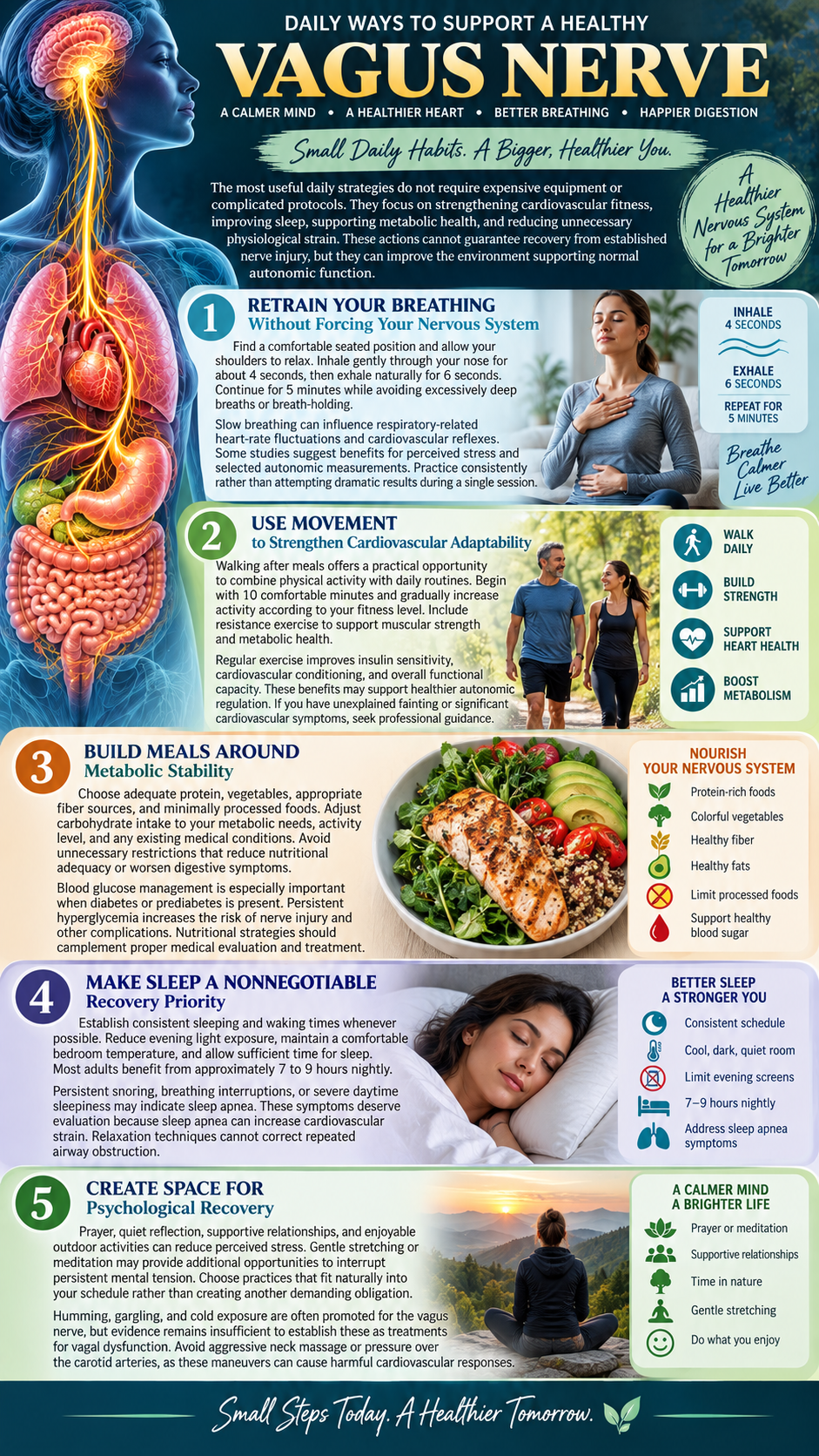
The most useful daily strategies do not require expensive equipment or complicated protocols. They focus on strengthening cardiovascular fitness, improving sleep, supporting metabolic health, and reducing unnecessary physiological strain. These actions cannot guarantee recovery from established nerve injury, but they can improve the environment supporting normal autonomic function.
Retrain Your Breathing Without Forcing Your Nervous System
Find a comfortable seated position and allow your shoulders to relax. Inhale gently through your nose for approximately four seconds, then exhale naturally for six seconds. Continue for five minutes while avoiding excessively deep breaths or uncomfortable breath-holding.
Slow breathing can influence respiratory-related heart-rate fluctuations and cardiovascular reflexes. Some studies suggest benefits for perceived stress and selected autonomic measurements. Practice consistently rather than attempting dramatic results during a single session.
Use Movement to Strengthen Cardiovascular Adaptability
Walking after meals offers a practical opportunity to combine physical activity with daily routines. Begin with ten comfortable minutes and gradually increase activity according to your fitness level. Include resistance exercise to support muscular strength and metabolic health.
Regular exercise improves insulin sensitivity, cardiovascular conditioning, and overall functional capacity. These benefits may support healthier autonomic regulation, although they do not automatically reverse established neuropathy. Individuals with unexplained fainting or significant cardiovascular symptoms should obtain appropriate guidance.
Build Meals Around Metabolic Stability
Choose adequate protein, vegetables, appropriate fiber sources, and minimally processed foods. Adjust carbohydrate intake to your metabolic needs, activity level, and any existing medical conditions. Avoid unnecessary restrictions that reduce nutritional adequacy or worsen digestive symptoms.
Blood glucose management deserves particular attention when diabetes or prediabetes is present. Persistent hyperglycemia increases the risk of nerve injury and other complications. Nutritional strategies should complement appropriate medical evaluation and treatment.
Make Sleep a Nonnegotiable Recovery Priority
Establish consistent sleeping and waking times whenever possible. Reduce evening light exposure, maintain a comfortable bedroom temperature, and allow sufficient time for sleep. Most adults benefit from approximately seven to nine hours nightly.
Persistent snoring, breathing interruptions, or severe daytime sleepiness may indicate obstructive sleep apnea. These symptoms deserve investigation because sleep apnea can increase cardiovascular strain. Relaxation techniques cannot correct repeated airway obstruction.
Create Space for Psychological Recovery
Prayer, quiet reflection, supportive relationships, and enjoyable outdoor activities can reduce perceived stress. Gentle stretching or meditation may provide additional opportunities to interrupt persistent mental tension. Choose practices that fit naturally into your schedule rather than creating another demanding obligation.
Humming, gargling, and cold exposure frequently appear in popular vagus nerve protocols. Evidence remains insufficient to establish these activities as treatments for vagal dysfunction. Avoid aggressive neck massage or pressure over the carotid arteries because these maneuvers can cause harmful cardiovascular responses.
The Warning Signs That Should Never Be Ignored
Recurrent fainting, persistent vomiting, progressive swallowing difficulties, and unexplained palpitations require professional evaluation. Clinicians may investigate autonomic function through cardiovascular reflex testing, orthostatic measurements, or gastrointestinal studies. Appropriate testing helps distinguish neurological disorders from metabolic, cardiovascular, and digestive conditions.
Sudden neurological symptoms, severe breathing difficulty, or chest pain require urgent medical attention. Home-based techniques should never delay evaluation of potentially serious illness. Identifying treatable causes early may prevent complications that lifestyle changes alone cannot address.
Healing Begins With Understanding the Whole System
The vagus nerve reminds us that human physiology operates through relationships rather than isolated organs. Your cardiovascular system, digestive tract, respiratory pathways, and immune system continually exchange information. Their coordination allows the body to adapt to changing demands while preserving internal stability.
Meaningful improvement begins with identifying what interferes with that coordination. Sometimes the problem involves metabolic injury, while other cases reflect sleep disruption, persistent stress, or an identifiable neurological condition. Each requires a different response, making individualized assessment more valuable than universal promises of nerve stimulation.
The body’s capacity for adaptation deserves respect, but so do the limits imposed by established disease. Supporting movement, nutrition, sleep, and emotional well-being creates conditions that favor healthier physiological regulation. Combined with accurate diagnosis and appropriate care, these habits offer a realistic path toward stronger brain–body communication.