WHEN THYROID HORMONE EXISTS BUT YOUR BODY CANNOT USE IT WELL
The most frustrating thyroid problem may begin after the thyroid has already done its job. Bloodwork can show adequate T4 while fatigue continues draining every afternoon. Weight can climb despite careful eating, while hands remain cold and thinking feels strangely slow. Hair thins, motivation fades, digestion stalls, and exercise recovery becomes increasingly difficult. Yet patients often hear the same reassuring conclusion because their thyroid numbers appear acceptable. The deeper problem may involve what happens after the thyroid releases its hormones. Your body must convert much of its T4 into active T3 before tissues can use that hormonal message effectively. When thyroid conversion becomes impaired, hormone availability and hormone activity can become two very different realities.
Understanding thyroid conversion changes the entire conversation surrounding stubborn hypothyroid symptoms. The thyroid produces mostly thyroxine, commonly called T4, while generating much smaller quantities of T3. T4 acts largely as a circulating reservoir that tissues can activate when needed. Triiodothyronine, or T3, interacts more powerfully with thyroid hormone receptors throughout the body. Those receptors influence metabolism, temperature regulation, heart activity, neurological function, digestion, muscle performance, and energy production. Therefore, producing enough T4 never represents the entire thyroid story. That hormone must travel, convert, enter cells, bind receptors, and create an appropriate metabolic response.
T4 Is Only the Beginning of the Thyroid Story
Imagine a warehouse containing thousands of gallons of gasoline while every vehicle outside has an empty tank. Technically, plenty of fuel exists within the system, yet nothing can move. T4 and T3 create a similar distinction between storage and active metabolic signaling. The body carries abundant T4 because its longer half-life creates a reliable circulating supply. Tissues then remove one iodine atom from T4 to create more biologically active T3. Specialized enzymes called deiodinases manage much of this conversion process. Their activity helps determine whether thyroid hormone becomes activated, preserved, or redirected toward inactive metabolites.
Type 1 and type 2 deiodinase enzymes participate in generating active T3 from circulating T4. Type 3 deiodinase performs a different job by helping deactivate thyroid hormone. This enzymatic network allows tissues to regulate their own exposure according to changing physiological demands. The brain may manage thyroid hormone differently than the liver or skeletal muscle. Consequently, thyroid physiology resembles a communication network more than a simple gland producing a fixed quantity. Blood concentrations provide valuable information, but they cannot describe every intracellular event occurring throughout the body. That distinction becomes increasingly important when symptoms remain despite seemingly reassuring laboratory findings.
The Hidden Bottleneck Between Production and Activation
Thyroid conversion problems develop when the activation process cannot keep pace with physiological needs. Sometimes nutrient shortages weaken the enzymes involved in thyroid metabolism. Chronic illness can alter conversion pathways as the body redirects energy toward survival. Prolonged calorie restriction may reduce T3 because the body interprets scarcity as a reason to conserve energy. Liver dysfunction can affect hormone metabolism and transport. Inflammation can modify endocrine signaling, while certain medications can change thyroid hormone production, metabolism, or absorption. Severe stress, sleep disruption, and metabolic dysfunction can further complicate the hormonal environment.
Poor conversion should never become a convenient label placed on every unexplained case of fatigue. Many conditions mimic hypothyroidism, including anemia, sleep apnea, insulin resistance, nutrient deficiencies, depression, chronic infection, and inadequate caloric intake. However, dismissing thyroid conversion because TSH appears normal creates the opposite mistake. Human physiology rarely operates through one laboratory number. A thoughtful evaluation examines production, conversion, transport, receptor activity, nutritional status, metabolic health, and competing diagnoses. The goal involves discovering which part of the system has actually become dysfunctional.
Your Liver Functions Like a Thyroid Conversion Factory
The liver deserves special attention because thyroid hormone metabolism extends far beyond the neck. Hepatic tissue participates in hormone conversion, transport protein production, conjugation, and clearance. Healthy liver function therefore contributes to maintaining balanced thyroid hormone physiology. Meanwhile, thyroid hormones regulate cholesterol metabolism, fat handling, mitochondrial activity, and energy expenditure inside the liver. This relationship creates a metabolic partnership where dysfunction in one system can influence the other. Ignoring liver health while investigating thyroid conversion leaves an important part of the physiological puzzle unexplored.
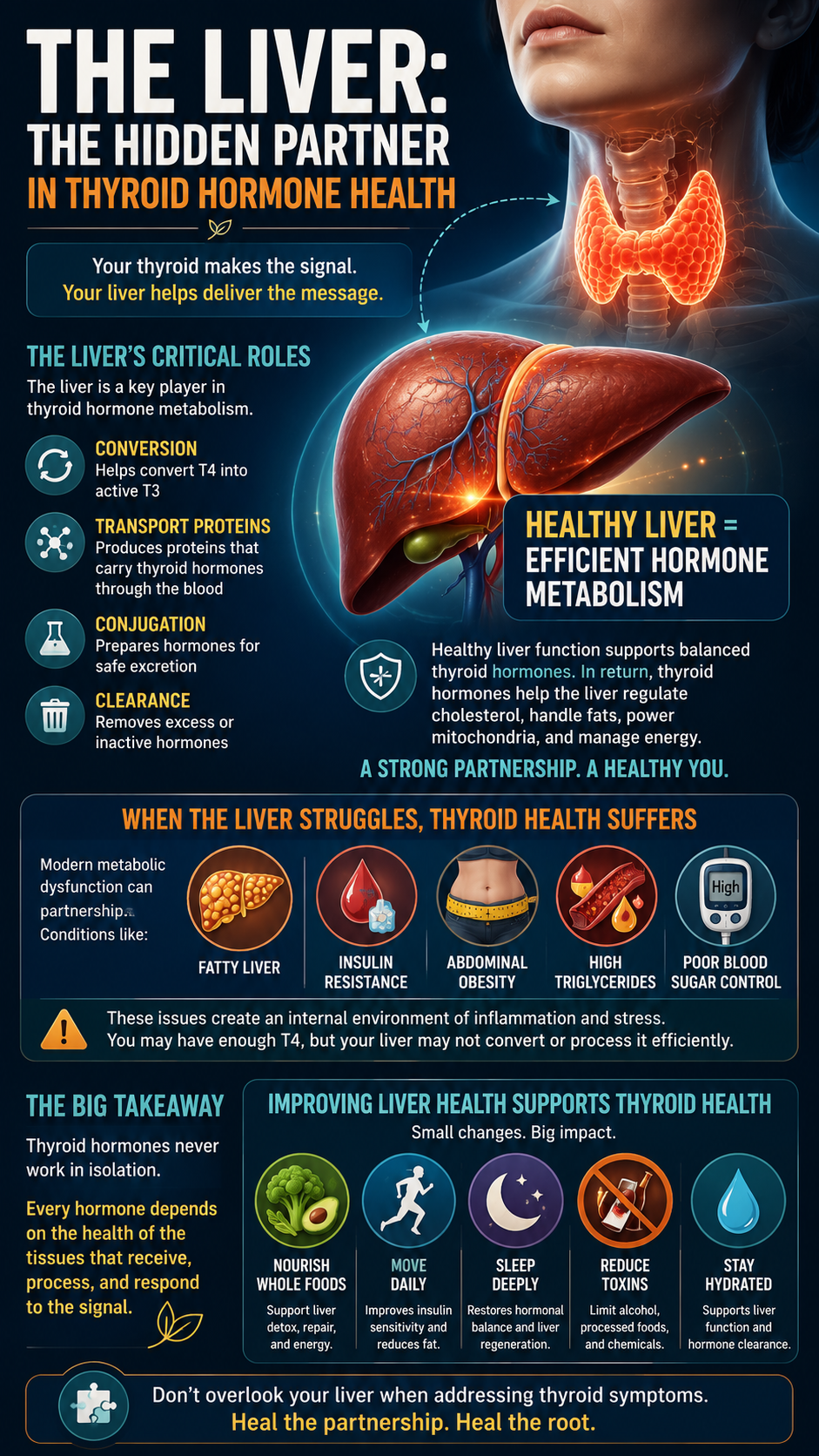
Modern metabolic dysfunction makes this relationship especially relevant. Fatty liver frequently accompanies insulin resistance, abdominal obesity, high triglycerides, and poor glucose control. These conditions create an internal environment very different from healthy metabolic physiology. Someone may therefore have adequate T4 production while simultaneously experiencing disrupted liver metabolism and systemic inflammation. Improving liver and metabolic health can benefit numerous systems regardless of whether conversion changes dramatically. The central lesson remains important because thyroid hormones never operate within an isolated gland. Every hormone depends upon the health of the tissues receiving, processing, and responding to its signal.
Selenium Helps Build the Machinery That Activates Thyroid Hormone
Selenium plays a particularly interesting role because deiodinase enzymes belong to the selenoprotein family. That means selenium forms part of the molecular machinery involved in thyroid hormone metabolism. Deficiency can therefore compromise normal physiological processes well beyond thyroid conversion. Selenium also supports antioxidant systems that help protect thyroid tissue from oxidative stress. The gland produces thyroid hormone through chemical reactions that naturally generate reactive molecules. Adequate antioxidant protection helps maintain the environment surrounding those reactions. Consequently, selenium status deserves consideration when thyroid function appears abnormal.
However, nutritional biology rarely follows the principle that more automatically works better. Selenium supports thyroid physiology because the body requires appropriate amounts, not unlimited amounts. Excessive supplementation can create toxicity and produce hair loss, digestive symptoms, neurological complaints, or brittle nails. The same caution applies to iodine, another nutrient commonly marketed for thyroid support. Iodine deficiency can impair thyroid hormone synthesis, yet excessive iodine can worsen thyroid dysfunction in susceptible individuals. Functional investigation should identify needs instead of assuming every thyroid patient requires large supplement doses.
Iron Deficiency Can Mimic a Broken Thyroid
Iron represents another commonly overlooked piece of the thyroid puzzle. Iron supports normal physiology throughout the body and participates in thyroid hormone production. Deficiency can create fatigue, cold intolerance, hair loss, weakness, poor concentration, and reduced exercise capacity. Those symptoms overlap almost perfectly with complaints frequently blamed on hypothyroidism. Consequently, someone may receive increasingly aggressive thyroid interventions while an iron problem remains undetected. That scenario demonstrates why symptom matching alone cannot establish a thyroid conversion disorder.
Finding iron deficiency should also trigger another question about its origin. Heavy menstrual bleeding can steadily drain iron reserves. Gastrointestinal blood loss requires appropriate investigation, especially when no obvious explanation exists. Poor intake can contribute, while malabsorption may prevent adequate absorption despite an apparently nutritious diet. Simply adding iron without investigating the underlying reason can hide the problem temporarily. Root-cause medicine requires discovering why the deficiency developed before declaring the investigation complete.
Chronic Dieting Can Teach the Body to Conserve Energy
One of the most misunderstood thyroid conversion problems begins with something considered healthy by many people. They eat less because weight refuses to move, then reduce calories further when progress slows. Cardio increases while portions shrink, and entire food groups sometimes disappear. Initially, body weight may decline because the calorie deficit remains substantial. Eventually, however, metabolic adaptation begins changing hunger, movement, temperature, recovery, and hormone signaling. Lower T3 can become part of that adaptation when energy availability remains chronically inadequate.
The body never receives a memo explaining that starvation represents a weight-loss strategy. It simply recognizes declining energy availability and responds according to survival biology. Resting energy expenditure can fall while spontaneous physical movement decreases without conscious awareness. Hunger signals strengthen, reproductive function may change, and physical performance can deteriorate. Sleep may worsen while cold intolerance becomes more noticeable. Someone can interpret those changes as proof that the thyroid suddenly failed. In reality, the body may be strategically reducing energy expenditure because its environment suggests prolonged scarcity.
More Restriction Can Make the Metabolic Environment Worse
This creates one of the cruelest cycles in stubborn weight loss. Slower progress convinces people that they need more restriction. Greater restriction increases physiological stress and reduces available nutrients. Energy drops, training quality declines, and normal movement often decreases throughout the day. The person then consumes fewer calories while simultaneously burning fewer calories. Nothing about this process violates thermodynamics because energy expenditure constantly adapts to biological circumstances.
Repeated dieting can therefore complicate thyroid interpretation considerably. Low T3 does not always mean the thyroid gland has developed a primary disease. Sometimes the pattern reflects chronic underfeeding, significant illness, or another physiological adaptation. Raising thyroid hormone without correcting the underlying environment may address the number while leaving the trigger untouched. Restoring appropriate nutrition and recovery can become an essential part of the larger strategy.
Inflammation Changes the Hormonal Environment
Systemic inflammation also communicates with the thyroid system. Severe infection, trauma, surgery, critical illness, and chronic disease can alter thyroid hormone metabolism significantly. Physicians commonly observe lower T3 during serious illness despite no primary failure of the thyroid gland. Scientists often call this pattern nonthyroidal illness syndrome. Changes in deiodinase activity contribute to these hormonal shifts. The body appears to modify thyroid signaling according to the demands created by illness.
Chronic low-grade inflammation presents a more complicated picture than critical illness. Obesity, metabolic syndrome, autoimmune disorders, chronic infections, poor sleep, periodontal disease, smoking, and gastrointestinal disorders can contribute to inflammatory signaling. Researchers continue studying exactly how these conditions influence thyroid hormone activity in different tissues. Still, reducing preventable inflammatory burden improves overall health regardless of the precise conversion mechanism. Thyroid restoration should therefore consider the internal environment rather than focusing exclusively on thyroid hormone concentrations.
Stress Cannot Be Reduced to a Cortisol Catchphrase
Popular thyroid discussions frequently claim that cortisol simply blocks T4 conversion. Human stress physiology remains considerably more complex than that slogan suggests. Cortisol participates in a broad endocrine network influenced by circadian rhythms, illness, glucose availability, psychological stress, exercise, and sleep. Acute stress may produce very different effects from prolonged physiological stress. Someone surviving severe sleep deprivation, relentless training, emotional strain, and aggressive dieting creates multiple biological pressures simultaneously. Blaming one cortisol measurement can therefore oversimplify the entire situation.
A better approach examines the cumulative stress load. Does the person sleep enough to recover? Are they consuming enough nutrients for their activity level? Has intense training become a daily requirement rather than a strategic stimulus? Does alcohol interfere with deep sleep every evening? Are stimulants being used to compensate for chronic exhaustion? These questions expose the environment surrounding thyroid physiology. Correcting that environment often produces broader benefits than chasing a single stress hormone.
What Poor Thyroid Conversion Can Do to the Body
Reduced T3 activity matters because thyroid hormone influences cellular energy use throughout the body. Mitochondria depend upon thyroid signaling as part of normal energy regulation. When thyroid action falls, metabolic rate can decline and heat production may decrease. Patients often describe cold hands, cold feet, stubborn weight gain, or an inability to tolerate winter temperatures. Muscles may feel heavy while recovery takes longer after exercise. Normal daily tasks can begin requiring disproportionately greater effort.
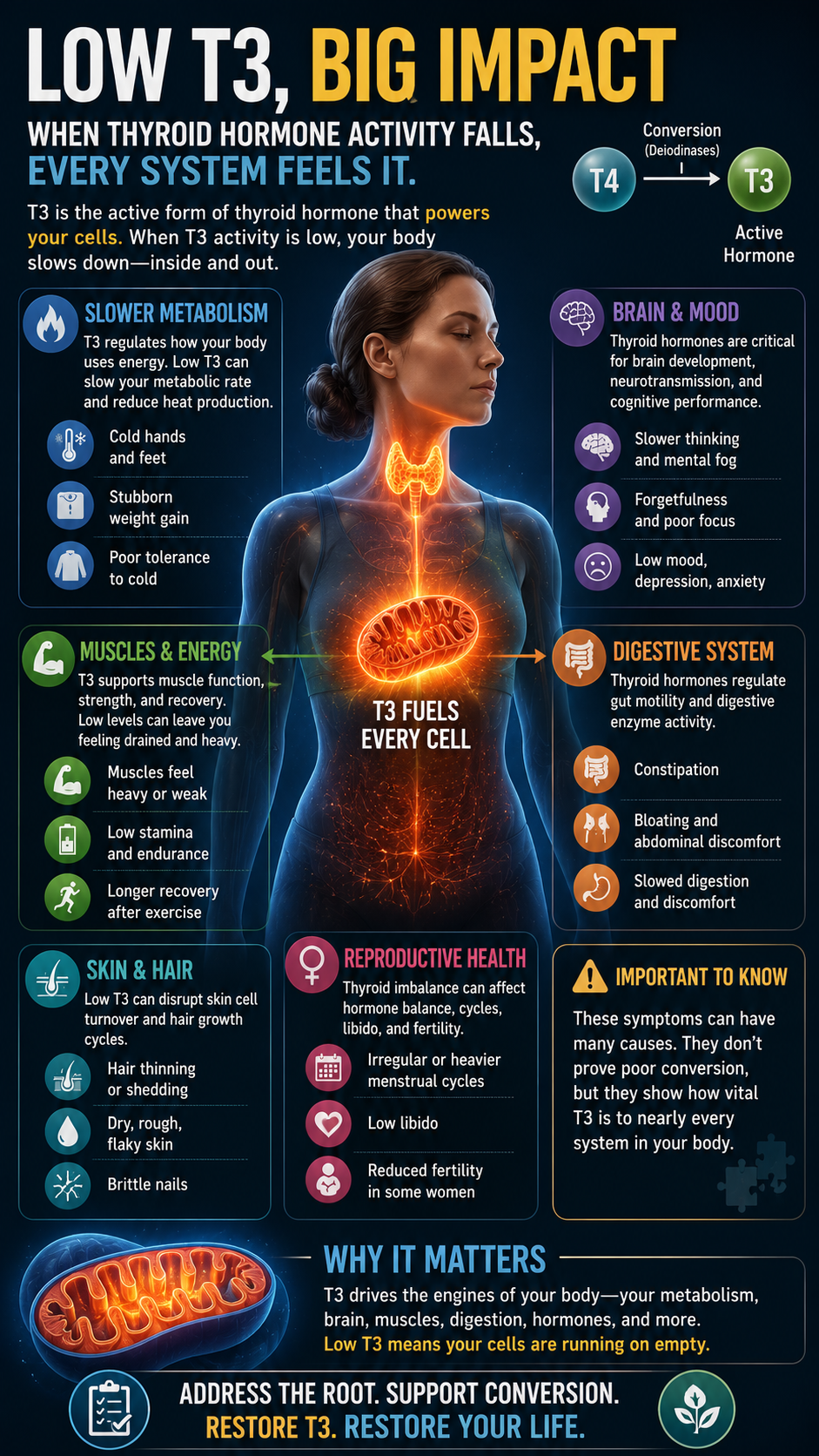
The brain can also feel the consequences. Thyroid hormones influence neurological development, neurotransmission, and cognitive function. Reduced thyroid activity can accompany slower thinking, forgetfulness, diminished concentration, and depressed mood. Digestive motility may slow, encouraging constipation and abdominal discomfort. Hair growth cycles can change, while skin often becomes dry and rough. Menstrual patterns may shift in some women, while libido and fertility can also suffer. These symptoms never prove poor conversion alone, but they demonstrate why impaired thyroid activity can affect nearly every organ.
Weight Gain Is Only One Piece of the Damage
Many people discover thyroid problems because the bathroom scale begins moving in the wrong direction. Yet body weight represents only one visible expression of altered thyroid physiology. Slower metabolic activity can influence lipid metabolism and raise cholesterol in genuine hypothyroidism. Reduced energy can discourage movement, creating another obstacle to metabolic recovery. Constipation can become persistent enough to alter daily comfort and appetite. Cognitive symptoms can affect productivity, relationships, and confidence. Poor exercise recovery may eventually reduce muscle mass and physical resilience.
Treating thyroid health only as a weight-loss problem therefore misses the biological stakes. Thyroid hormone helps regulate fundamental cellular activity throughout the body. A person needs appropriate thyroid signaling whether they want to lose weight or not. The real objective involves restoring physiological function rather than achieving a cosmetic number. That requires understanding why thyroid activation became compromised in the first place.
Stop Treating the Thyroid Like an Isolated Organ
Correcting thyroid conversion begins by changing the question. Instead of asking whether one laboratory marker appears normal, examine the entire thyroid pathway. Can the gland produce adequate hormone? Does the pituitary communicate appropriately with the thyroid? Can the digestive system absorb medications and nutrients correctly? Does the liver metabolize hormones effectively? Are key nutritional requirements being met? Could chronic illness or severe energy restriction explain the hormonal pattern?
This broader investigation prevents both undertreatment and overtreatment. A normal TSH should never automatically invalidate persistent symptoms. Likewise, persistent symptoms should never justify assuming poor conversion without supporting evidence. Fatigue, brain fog, constipation, weight gain, hair loss, and cold intolerance remain nonspecific complaints. Root-cause thinking works best when several possible explanations remain open. Evidence should narrow the possibilities rather than preconceived beliefs.
The Thyroid Laboratory Picture Needs Context
TSH and free T4 provide important information because they help reveal how the pituitary and thyroid communicate. However, interpreting them requires context involving medication use, symptoms, illness, and timing. T3 measurements may add information in specific situations, although they carry limitations. Reverse T3 reflects a real metabolic pathway but remains widely overinterpreted in routine outpatient thyroid discussions. A single elevated reverse T3 value does not establish a universal conversion syndrome.
Thyroid antibodies can become important when autoimmune thyroid disease appears likely. Hashimoto’s thyroiditis can gradually damage thyroid tissue and reduce hormone output over time. Identifying autoimmunity changes the investigation because immune dysregulation becomes part of the problem. Iron status, blood count, glucose markers, liver enzymes, and other studies may reveal competing explanations. The best laboratory evaluation follows the patient’s history instead of relying on an enormous universal panel.
Hashimoto’s Changes More Than a Thyroid Number
Autoimmune thyroid disease represents one of the most common causes of hypothyroidism. In Hashimoto’s disease, immune activity targets proteins associated with thyroid tissue. Gradual tissue destruction can reduce the gland’s ability to produce adequate hormone. However, focusing only on replacing lost hormone ignores the wider health picture surrounding autoimmunity. Other autoimmune diseases sometimes coexist, while nutritional deficiencies and gastrointestinal disorders may complicate symptoms.
Celiac disease deserves particular attention because it occurs more commonly among people with autoimmune thyroid disease. Untreated celiac disease can impair nutrient absorption and complicate oral thyroid medication absorption. Gastrointestinal inflammation may also create iron, folate, or other nutritional deficiencies. Persistent fatigue can therefore continue even after thyroid hormone levels improve. Solving the thyroid number without investigating additional problems may leave the patient wondering why recovery never feels complete.
Metabolic Dysfunction Can Keep the Body Stuck
Insulin resistance often hides beneath stubborn weight gain and fluctuating energy. Blood sugar rises repeatedly, insulin remains elevated, and fat storage becomes increasingly easy. Fatty liver can develop as metabolic dysfunction progresses. Triglycerides may rise while waist circumference expands. Sleep quality frequently deteriorates, especially when obesity increases the risk of obstructive sleep apnea. Each problem can produce fatigue independent of thyroid disease.
The answer does not require proving insulin resistance directly caused poor T4 conversion. Metabolic dysfunction deserves treatment because it damages health by itself. Improving glucose control, body composition, physical activity, and liver health can transform the physiological environment surrounding thyroid function. Energy often improves while inflammation declines and cardiovascular risk moves in a better direction. Root-cause medicine should pursue improvements that benefit the whole person rather than demanding one mechanism explain every symptom.
Sleep Could Be the Missing Thyroid Intervention
A person can eat beautifully and swallow every supplement while still sleeping five hours nightly. Their metabolism will notice the difference. Deep sleep supports neurological recovery, glucose regulation, immune balance, appetite regulation, and endocrine rhythms. Chronic sleep restriction increases hunger and reduces insulin sensitivity. Daytime fatigue encourages greater caffeine consumption, while evening stimulation pushes bedtime even later. Eventually, exhaustion becomes accepted as normal.
Sleep apnea deserves particular attention because its symptoms frequently resemble hypothyroidism. People can experience morning headaches, daytime sleepiness, poor concentration, low motivation, and stubborn metabolic dysfunction. Loud snoring and witnessed breathing interruptions should never be ignored. More thyroid hormone cannot correct repeated nighttime oxygen disruptions. Restoring healthy breathing during sleep may transform energy more dramatically than another supplement ever could.
The At-Home Strategy for Improving the Thyroid Environment
Healing the metabolic environment begins with adequate nourishment. Chronic starvation should not masquerade as discipline. Meals need sufficient protein to maintain muscle, enzymes, neurotransmitters, and normal tissue repair. Healthy dietary fats provide essential fatty acids and support overall nutritional adequacy. Carbohydrate intake should reflect metabolic health, activity, and individual tolerance rather than following extreme rules automatically. Nutrient density should remain more important than chasing the lowest possible calorie number.
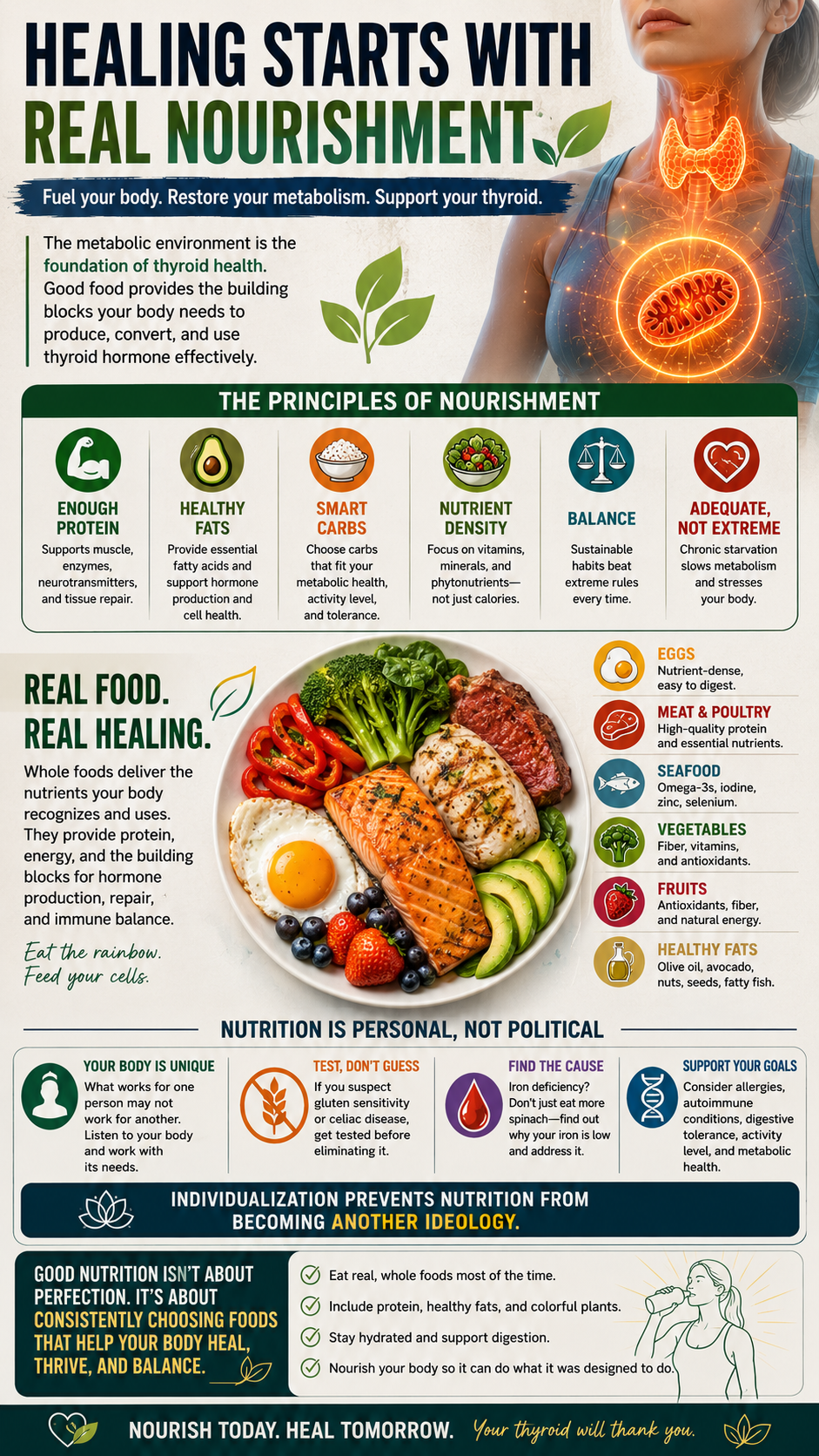
Whole foods provide a practical foundation because they deliver nutrients alongside protein and energy. Eggs, meat, poultry, seafood, vegetables, fruits, and other tolerated foods can create nutrient-dense meals. Dietary choices should reflect allergies, autoimmune concerns, digestive tolerance, and metabolic goals. Someone with suspected celiac disease requires appropriate testing before simply declaring gluten responsible. A person with genuine iron deficiency needs its cause investigated rather than merely eating more spinach. Individualization prevents nutrition from becoming another ideology.
Rebuild Energy Availability Before Demanding More Output
People who have aggressively dieted for months may need to reconsider constant restriction. More cardio and less food can become counterproductive when exhaustion dominates every day. Adequate calories support normal physiological function and allow meaningful exercise recovery. Resistance training helps preserve or rebuild metabolically active muscle. Walking provides movement without requiring relentless high-intensity training. Recovery days should support adaptation instead of triggering guilt.
Body temperature, energy, bowel patterns, sleep quality, menstrual regularity, workout recovery, and hunger can provide useful trends. None should serve as a standalone diagnostic test. Tracking patterns over several weeks can still reveal whether the overall environment improves. A person whose sleep, strength, digestion, and energy steadily improve may be moving in the right direction. Health should become measurable through function, not merely supplement counts.
Support the Liver Instead of Chasing a Detoxification Fantasy
The liver already possesses sophisticated detoxification systems, but those systems still require a healthy environment. Reducing excessive alcohol consumption removes a major source of hepatic stress. Improving insulin sensitivity can reduce the metabolic pressure contributing to fatty liver. Adequate protein supplies amino acids needed for numerous liver processes. Regular exercise improves glucose handling and supports healthy body composition. Hydration and fiber can support normal elimination when tolerated.
No tea or cleanse can compensate for nightly alcohol, chronic overeating, severe insulin resistance, or inadequate sleep. Likewise, a weeklong detox cannot erase years of metabolic dysfunction. Sustainable habits create the biological environment that allows liver physiology to function normally. Supporting liver health therefore means reducing repeated insults rather than purchasing increasingly aggressive cleansing products. Thyroid conversion benefits from systems thinking instead of marketing language.
Correct Deficiencies Instead of Megadosing Nutrients
Selenium, iron, iodine, zinc, magnesium, vitamin D, and other nutrients all participate in human physiology. That fact never means everyone should take every nutrient at high doses. Deficiency deserves correction, while excessive supplementation can create new problems. Selenium toxicity remains real, and excess iodine can aggravate thyroid dysfunction in susceptible people. Iron can also accumulate dangerously when used unnecessarily. Personalized supplementation should follow evidence of need whenever possible.
Food quality remains the safest starting point for most people. Seafood, eggs, meats, and other nutrient-dense foods can provide several thyroid-relevant nutrients naturally. Individuals following highly restrictive diets should examine whether those restrictions create deficiencies. Vegans, strict carnivore dieters, and people eliminating numerous food groups can all develop nutritional blind spots. No dietary label guarantees nutritional adequacy. The body responds to nutrients, energy availability, and physiology rather than diet identities.
Calm the Stress Load by Changing the Environment
Stress reduction does not require pretending problems disappear after ten minutes of breathing exercises. Sometimes the environment itself needs to change. Excessive training may require fewer intense sessions. Chronic sleep deprivation demands an earlier bedtime, not another stimulant. Constant digital stimulation can require boundaries around evening screen use. Alcohol used for relaxation may actually worsen sleep architecture. Relationships and work patterns sometimes create stress that cannot be supplemented away.
Daily outdoor walking provides movement, light exposure, and psychological decompression simultaneously. Morning light can help strengthen circadian timing and improve nighttime sleepiness. Slow breathing or meditation may reduce sympathetic arousal for some people. Meaningful social connection can improve resilience during difficult periods. None of these techniques directly “converts T4 into T3” on command. They create a healthier biological environment where endocrine systems can operate without unnecessary strain.
Medication Absorption Matters More Than Many People Realize
People taking levothyroxine should consider consistency part of their thyroid strategy. Food, iron, calcium, supplements, and certain medications can interfere with absorption. Taking thyroid medication differently every morning can produce fluctuating exposure even when the prescribed dose remains unchanged. Gastrointestinal disorders can further complicate absorption. Anyone experiencing unexpected laboratory changes should review medication timing before assuming conversion suddenly collapsed.
T3-containing medication creates additional considerations because T3 acts more rapidly than T4. Combination therapy may help selected patients, yet trials have not demonstrated universal superiority. Excess thyroid hormone can cause palpitations, tremor, anxiety, arrhythmias, and bone loss. Treatment should therefore focus on physiological replacement rather than pursuing artificially high T3 concentrations. The goal involves restoring health, not winning a laboratory competition.
Measure Recovery by More Than the Scale
Weight often improves more slowly than people want, especially after prolonged metabolic dysfunction. That delay can tempt someone back into severe restriction before the body stabilizes. Better indicators may appear first through warmer extremities, improved bowel movements, deeper sleep, stronger workouts, clearer thinking, and steadier energy. Menstrual patterns may normalize while cravings become less intense. Daily movement may naturally increase because exhaustion no longer dominates the afternoon.
These changes matter because metabolism represents function, not merely body weight. Muscle strength predicts important aspects of long-term health. Sleep quality influences nearly every metabolic system. Stable glucose supports neurological and cardiovascular health. Healthy digestion improves nutrient absorption and elimination. Someone can therefore make significant physiological progress before dramatic weight loss becomes visible.
The Real Problem Is Bigger Than the Thyroid
Thyroid conversion problems reveal something profound about human physiology. The thyroid may produce T4 perfectly while downstream systems struggle to activate or use the signal. Liver health matters because hormone metabolism happens beyond the thyroid gland. Nutritional status matters because enzymes require specific biochemical resources. Energy availability matters because the body adjusts metabolism according to perceived scarcity. Illness and inflammation matter because endocrine systems communicate continuously with immune pathways.
Sleep, stress, insulin resistance, autoimmunity, medication absorption, and nutrient deficiencies can further influence the clinical picture. None should automatically receive blame for every case. Together, however, they expose the weakness of treating thyroid disease as a single-number problem. Human metabolism behaves more like an interconnected ecosystem than a thermostat. Changing one pathway can influence several others.
Healing Begins When Investigation Replaces Assumption
Someone struggling with fatigue, weight gain, cold intolerance, constipation, and brain fog deserves more than dismissal. They also deserve more than a fashionable diagnosis unsupported by evidence. Good thyroid care occupies that demanding territory between those extremes. Symptoms matter because they reveal how someone functions. Laboratory values matter because they provide objective physiological information. Medical history matters because it changes the meaning of both.
The smartest approach starts by confirming whether genuine thyroid dysfunction exists. Next comes identifying autoimmune disease, nutritional deficiencies, metabolic dysfunction, sleep problems, medication issues, or severe energy restriction. Correct what can actually be demonstrated. Improve the biological environment surrounding thyroid function. Reassess symptoms and laboratory patterns after meaningful changes occur. That process requires patience, but it replaces guessing with investigation.
Ultimately, thyroid conversion represents only one chapter of a much larger metabolic story. Your body does not merely need thyroid hormone sitting inside the bloodstream. Cells must receive the signal and respond appropriately. The liver must process hormones, enzymes must activate them, tissues must transport them, and receptors must recognize them. Nutrition must supply essential building materials while sleep and recovery maintain the wider hormonal environment.
When those systems work together, thyroid hormone becomes more than a laboratory number. It becomes a metabolic message capable of reaching the tissues that depend upon it. When those systems struggle, simply producing more T4 may not explain why symptoms persist. Finding the true problem requires looking beyond the thyroid gland without abandoning sound physiology. That investigation is where meaningful answers begin.