
The Hidden Vascular Breakdown Behind Erectile Dysfunction
Erectile dysfunction rarely begins in the bedroom. Long before sexual performance changes, something often shifts inside the vascular, metabolic, neurological, or hormonal systems. Blood vessels lose flexibility. Endothelial cells produce less nitric oxide. Blood sugar becomes harder to control. Abdominal fat accumulates. Stress chemistry remains elevated. Sleep deteriorates, movement declines, and circulation becomes less responsive. Eventually, the penis reveals a problem that may have been developing throughout the body for years.
Most men naturally focus on the erection because that is the symptom they can see. However, an erection represents the final result of an extraordinarily complicated biological sequence. The brain must recognize sexual stimulation and transmit neurological signals through the spinal cord. Autonomic nerves must communicate with blood vessels throughout the pelvis. Nitric oxide must relax smooth muscle surrounding penile arteries. Those arteries must then expand enough to deliver a rapid surge of blood. Finally, healthy pelvic muscles must help maintain pressure inside erectile tissue.
Disruption anywhere along this pathway can weaken erectile function. For that reason, erectile dysfunction should never be viewed exclusively as a penile disorder. Many cases involve vascular disease, metabolic dysfunction, neurological problems, medications, psychological factors, pelvic-floor dysfunction, or hormonal abnormalities. Frequently, several problems overlap simultaneously. Understanding those connections changes erectile dysfunction from an embarrassing symptom into valuable physiological information.
The Penis Can Reveal Cardiovascular Trouble Early
The vascular system supplies every tissue with oxygen, nutrients, hormones, and immune components. Healthy arteries expand and contract continuously according to changing metabolic demands. Their inner lining, called the endothelium, plays an enormous role in controlling that response. When endothelial cells function properly, arteries remain responsive, blood flows efficiently, and tissues receive appropriate circulation. Damage to this system can gradually compromise circulation throughout the body.
Penile arteries are considerably smaller than major coronary arteries. Consequently, vascular dysfunction may affect erectile performance before cardiovascular symptoms become obvious elsewhere. This relationship has become important enough that modern cardiovascular guidelines recognize erectile dysfunction as a cardiovascular risk marker. Men should therefore resist dismissing persistent ED as an unavoidable consequence of aging. Sometimes the bedroom becomes the first place vascular deterioration announces itself.
Research consistently connects erectile dysfunction with cardiovascular risk factors. Diabetes, hypertension, smoking, obesity, metabolic syndrome, inactivity, and abnormal lipids frequently accompany ED. These conditions can damage endothelial cells and impair nitric-oxide signaling. Over time, the arteries become less responsive to signals requesting greater blood flow. Sexual stimulation may remain strong, yet the vascular response becomes progressively weaker.
This connection has enormous implications for men’s health. A medication can improve erectile performance without explaining the underlying reason for vascular deterioration. Treating the symptom may provide valuable short-term help, but investigation should continue. Blood pressure, glucose regulation, cardiovascular fitness, sleep, body composition, medications, hormones, neurological health, and pelvic function deserve attention. Erectile dysfunction can become an opportunity to investigate the entire cardiovascular system before more serious symptoms appear.
Nitric Oxide: The Molecule Behind Healthy Blood Flow
Every healthy erection depends heavily upon nitric oxide. This tiny signaling molecule helps blood vessels relax and expand when tissues require additional circulation. Sexual stimulation activates neurological pathways that promote nitric-oxide release inside erectile tissue. Smooth muscle surrounding penile blood vessels then relaxes. Blood rapidly enters the corpora cavernosa, pressure increases, and venous outflow becomes restricted. That coordinated vascular event creates firmness.
Problems develop when nitric-oxide production or availability falls. Oxidative stress can reduce nitric-oxide signaling. Diabetes can injure endothelial cells and peripheral nerves. Smoking introduces compounds that damage vascular tissue. Hypertension places persistent mechanical stress against arterial walls. Sedentary living removes an important stimulus for endothelial adaptation. Poor metabolic health can further undermine the vascular environment needed for normal erectile function.
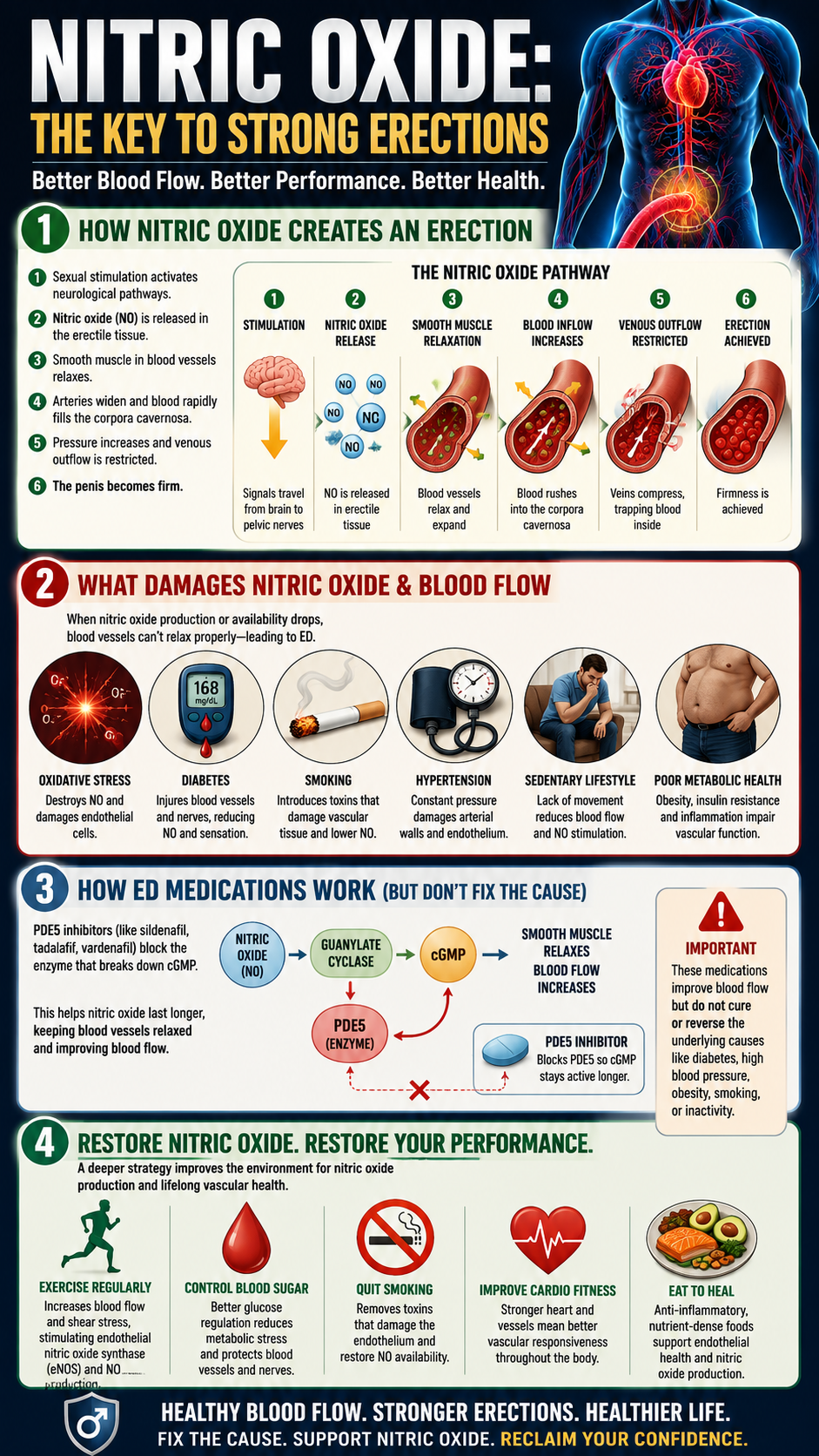
Nitric oxide also explains how common erectile medications work. PDE5 inhibitors preserve cyclic GMP, which supports nitric-oxide-mediated smooth-muscle relaxation. These medications can be effective for appropriately selected patients. However, they do not automatically reverse diabetes, hypertension, obesity, smoking damage, or physical inactivity. Improving erectile function pharmacologically does not erase the cardiovascular conditions that may have contributed to ED.
A deeper strategy therefore focuses on restoring the environment surrounding nitric-oxide production. Exercise stimulates endothelial nitric oxide synthase through increased blood flow and arterial shear stress. Better glucose regulation reduces metabolic stress against blood vessels. Smoking cessation removes a major source of endothelial injury. Improved cardiovascular fitness increases vascular responsiveness throughout the body. Each improvement targets physiology beneath the visible sexual symptom.
The Metabolic Fire Damaging Blood Vessels
Insulin resistance deserves special attention when investigating vascular erectile dysfunction. After eating carbohydrates, glucose enters the bloodstream and stimulates insulin release. Healthy tissues respond efficiently and move glucose from circulation into cells. When insulin resistance develops, the body requires increasingly larger amounts of insulin to accomplish the same task. Glucose regulation gradually deteriorates while metabolic stress rises.
High glucose can damage proteins through glycation and increase oxidative stress. Endothelial cells become particularly vulnerable within this environment. Small blood vessels and peripheral nerves may also sustain damage, which helps explain the strong association between diabetes and erectile dysfunction. A man can therefore experience impaired vascular signaling and impaired neurological signaling simultaneously. That combination creates a particularly difficult environment for reliable erections.
Visceral abdominal fat can compound these problems. Fat stored around internal organs behaves differently from passive energy storage beneath the skin. Visceral adipose tissue participates in hormonal and inflammatory signaling that can accompany insulin resistance. Increased abdominal circumference often travels alongside hypertension, abnormal triglycerides, fatty liver, and impaired glucose control. Together, these metabolic disturbances can accelerate vascular deterioration.
Consequently, waist circumference may reveal information relevant to sexual health. So can fasting glucose, hemoglobin A1c, blood pressure, triglycerides, HDL cholesterol, exercise capacity, and sleep quality. Testosterone may deserve evaluation when symptoms suggest deficiency. Yet testosterone represents only one piece of a much larger puzzle. A man with poor vascular health cannot simply out-hormone severely compromised circulation.
The Nervous System Must Give Permission
Blood cannot create an erection without neurological instructions. Sexual stimulation begins within the brain and travels through neurological pathways involving the spinal cord and autonomic nervous system. Parasympathetic signaling helps facilitate the vascular changes required for erection. Meanwhile, excessive sympathetic activation can interfere with those same processes. The balance between these systems matters enormously.
Chronic stress can therefore become a physiological obstacle to sexual performance. Elevated sympathetic activity prepares the body for threat, action, and survival. Heart rate increases, muscles tighten, attention becomes vigilant, and blood-flow priorities change. Sexual function requires a different neurological environment. The body must transition toward enough parasympathetic activity to support relaxation, vascular dilation, and sexual responsiveness.
Performance anxiety can create an especially frustrating feedback loop. One unsuccessful experience produces worry about the next encounter. Anticipatory stress then increases sympathetic activation before intimacy even begins. That heightened neurological state makes another difficulty more likely. Soon, a vascular problem, psychological problem, and autonomic problem can reinforce one another.
Neurological health must therefore remain part of any serious erectile dysfunction investigation. Diabetes can injure peripheral nerves. Pelvic surgery can alter neurological pathways. Spinal disorders can produce neurological symptoms in selected cases. Certain medications can interfere with sexual signaling. Chronic pain can increase sympathetic activity and reduce sexual interest. Each possibility deserves appropriate evaluation rather than assuming every case shares one cause.
The Pelvis Is More Important Than Most Men Realize
The pelvis sits at the intersection of circulation, neurological signaling, sexual function, and movement. Blood vessels supplying erectile tissue travel through this region. Autonomic and somatic nerves coordinate important aspects of sexual function. Pelvic-floor muscles contribute to maintaining erectile rigidity. Hips, lumbar joints, sacroiliac joints, and surrounding muscles influence movement throughout the region.
Modern lifestyles create unusual demands upon this system. Many men sit for eight, ten, or twelve hours daily. Hip flexors remain shortened for prolonged periods. Gluteal muscles receive limited loading. Lumbar movement becomes repetitive and restricted. Physical activity decreases while body weight often increases. None of these factors proves a direct cause of erectile dysfunction. However, they can create a body poorly prepared for optimal metabolic and cardiovascular health.
Pelvic-floor dysfunction adds another layer. Weakness may reduce muscular support involved in maintaining erectile rigidity. Excessive pelvic-floor tension can also cause problems, especially when pelvic pain or urinary symptoms coexist. Simply telling every man to perform endless Kegel exercises misses this distinction. Some men need strengthening, while others need relaxation, coordination, or professional pelvic-floor rehabilitation.
This region therefore deserves careful assessment. Chronic low-back pain, hip stiffness, pelvic pain, numbness, weakness, urinary changes, or altered sexual sensation should never be ignored. The goal involves identifying the actual dysfunction rather than forcing every patient into one explanation. Erectile function depends upon coordinated systems, and pelvic health represents one component of that larger network.
Chiropractic Care and the Blood-Flow Conversation
Chiropractic care becomes relevant when musculoskeletal or neurological dysfunction limits movement, exercise, comfort, or quality of life. A thorough chiropractic examination can evaluate spinal mobility, pelvic mechanics, posture, hip movement, neurological findings, and pain patterns. Correcting movement restrictions can help some patients become more physically active. Greater activity then supports cardiovascular fitness, metabolic health, and vascular function.
The important distinction involves separating indirect benefits from unsupported promises. Current evidence does not establish spinal manipulation as a direct treatment that opens penile arteries. Chiropractic adjustments should not be advertised as a proven cure for vasculogenic erectile dysfunction. Such a claim oversimplifies a complicated condition. The stronger approach integrates chiropractic care with vascular, metabolic, pelvic, hormonal, and neurological evaluation.
Consider a man whose back hurts whenever he walks farther than ten minutes. Exercise recommendations become meaningless if pain repeatedly stops him. Restoring mobility and improving musculoskeletal function may help him resume walking and resistance training. Those activities possess much stronger evidence for improving endothelial function. Chiropractic care can therefore support the lifestyle pathway that improves cardiovascular health.
This integrated model provides a more defensible meaning behind “chiropractic blood flow.” Better movement encourages greater activity. Greater activity increases muscular demand for circulation. Exercise generates arterial shear stress and stimulates endothelial adaptation. Cardiovascular conditioning supports nitric-oxide availability and vascular responsiveness. The adjustment should never become the entire story because the movement created afterward matters enormously.
Rebuilding Blood Flow, Metabolic Health, and Erectile Function
Understanding the cause of erectile dysfunction changes the entire strategy. The goal becomes larger than producing a temporary erection. The deeper objective is restoring the physiology that makes erections possible. That means improving circulation, endothelial function, metabolic health, neurological signaling, pelvic function, sleep, and physical capacity.
A healthy erection requires far more than sexual desire. Blood vessels must dilate quickly and remain responsive. Nerves must transmit signals without interruption. Smooth muscle inside erectile tissue must relax. The pelvic floor must coordinate pressure and stability. Hormonal signals must remain adequate, while the cardiovascular system supplies enough blood.
When these systems deteriorate, erectile dysfunction often becomes the visible consequence. Therefore, lasting improvement requires rebuilding the environment surrounding those systems. Some men will still need medication, specialist care, or hormone evaluation. Others may require vascular testing, neurological assessment, or pelvic rehabilitation. However, nearly every man benefits from improving the cardiovascular terrain supporting sexual function.
Stop Treating Erectile Dysfunction Like an Isolated Bedroom Problem
The first step is changing how the problem is viewed. Erectile dysfunction is rarely disconnected from the rest of the body. The same arteries feeding the penis also belong to the cardiovascular system. The same insulin resistance damaging penile circulation can affect the heart. The same smoking exposure injuring endothelial cells can accelerate arterial disease elsewhere.
That makes ED an opportunity rather than only an inconvenience. Instead of asking how to create a stronger erection tonight, ask what weakened circulation. Examine blood pressure, glucose control, body composition, physical activity, smoking, sleep, medications, and cardiovascular history. Look at pelvic function, back pain, neurological symptoms, and hormonal complaints. Those findings tell a much deeper story.
Improvement becomes more predictable when treatment follows the actual dysfunction. A sedentary man with insulin resistance needs a different strategy than a post-surgical patient. Someone with pelvic-floor tension should not receive the same advice as someone with weakness. A man with vascular disease requires different priorities than someone with severe performance anxiety. Root-cause care begins by refusing one-size-fits-all answers.
Rebuild the Vascular System With Daily Movement
Human arteries were designed for movement. Every walk challenges the cardiovascular system to deliver more blood to working muscles. That increase creates friction along the endothelial lining called shear stress. Endothelial cells respond by activating pathways involved in vascular dilation. Repeated exposure helps the circulatory system remain adaptable.
This effect makes walking one of the simplest vascular interventions available. It requires no expensive equipment and almost no learning curve. A sedentary man can begin with ten minutes after meals. Over time, those walks can become longer, faster, and more frequent. Consistency matters more than athletic intensity during the beginning phase.
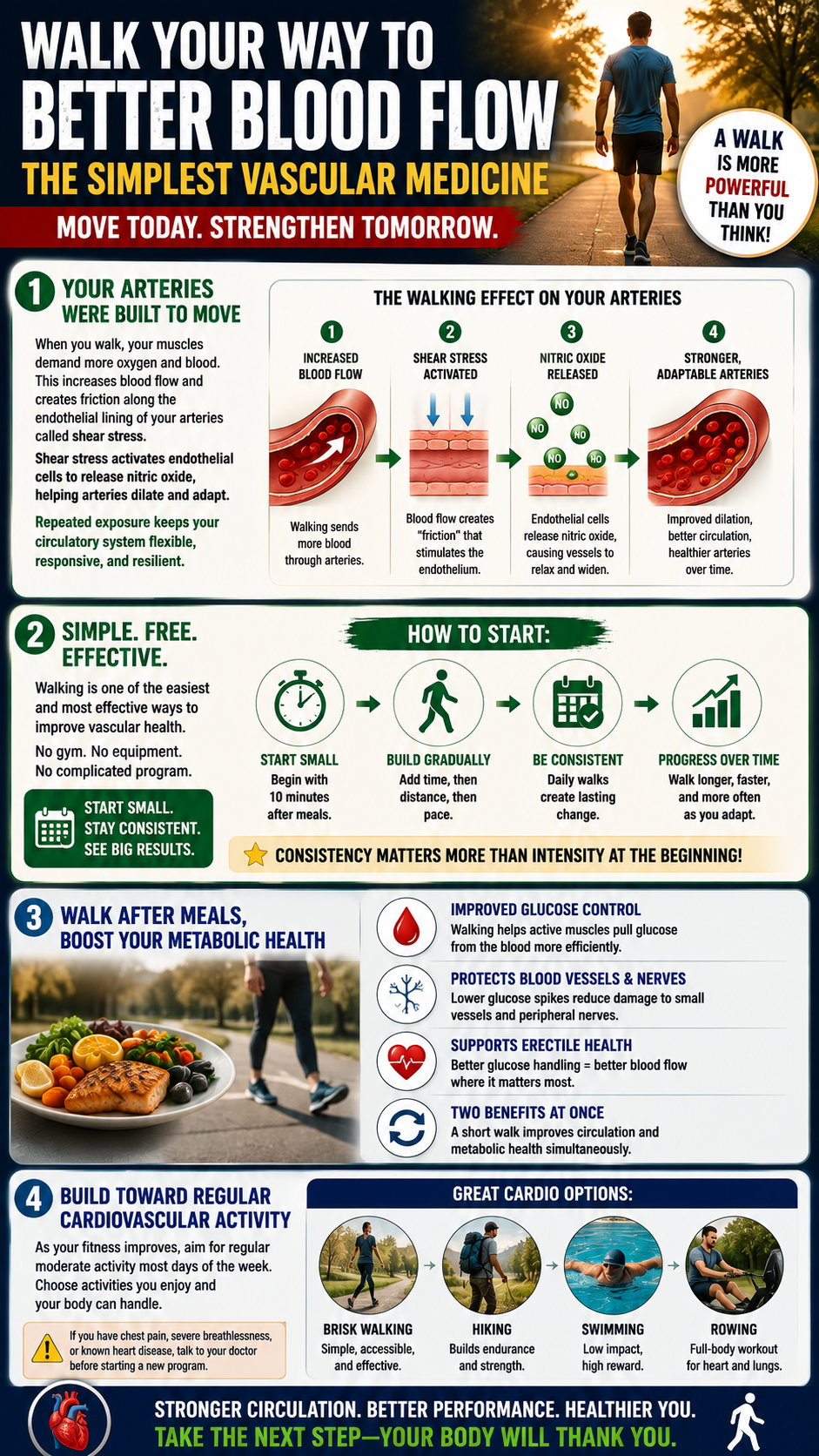
Walking after meals also offers a metabolic advantage. Active muscles can remove glucose from circulation more efficiently. That matters because persistent glucose elevations can damage small vessels and nerves. Better glucose handling reduces one burden placed on erectile physiology. A short walk can therefore influence circulation and metabolic health simultaneously.
Eventually, the objective should include regular moderate cardiovascular activity. Brisk walking, hiking, swimming, rowing, and similar activities can work well. Exercise choice should match orthopedic health and cardiovascular capacity. Men with chest pain, severe breathlessness, or known cardiovascular disease need appropriate medical clearance. The goal is adaptation, not reckless exertion.
Break the Sitting Pattern That Slowly Steals Vascular Fitness
Many modern men exercise briefly and remain sedentary for the remaining day. That pattern creates a false sense of activity. Ten hours of sitting cannot always be erased by thirty minutes of exercise. Prolonged inactivity reduces muscular demand and lowers total daily energy expenditure. It can also worsen glucose control in susceptible individuals.
The solution requires frequent movement throughout the day. Stand between meetings. Walk while taking phone calls. Use stairs whenever practical. Take five-minute movement breaks every hour. Park farther away and create reasons to walk. These actions seem insignificant individually, yet their cumulative effect becomes substantial.
Movement also restores circulation through the lower body. Hip muscles begin working again. Gluteal muscles receive regular loading. The lumbar spine changes position instead of remaining fixed. Breathing patterns can improve as posture varies. Greater movement capacity makes structured exercise easier and more sustainable.
For men with low-back or pelvic pain, this strategy may require professional help. Pain creates inactivity, and inactivity worsens metabolic health. That cycle can continue for years. Chiropractic care can become useful when mechanical dysfunction prevents comfortable movement. Restoring function may help the patient participate in exercise more consistently.
Build Muscle Because Muscle Controls Metabolic Capacity
Skeletal muscle is not decorative tissue. It is one of the largest metabolic organs in the body. Muscle stores glucose, responds to insulin, and consumes substantial energy during activity. Increasing muscle function can therefore improve metabolic resilience. That matters because insulin resistance frequently overlaps with vascular erectile dysfunction.
Resistance training should become part of the recovery strategy. Simple movements can create tremendous benefit when performed consistently. Squats strengthen the lower body. Hinge patterns train the posterior chain. Rows develop the back. Pressing movements strengthen the upper body. Loaded carries challenge the entire system while improving work capacity.
Training should begin at a manageable level. Perfect technique matters more than heavy weight. Someone new to resistance exercise can begin with bodyweight movements. Resistance bands and dumbbells provide inexpensive progressions at home. Two or three sessions weekly can create meaningful improvements in strength and function.
More muscle can also support healthier body composition. Losing excessive abdominal fat may improve several cardiovascular risk factors. Strength training helps preserve lean tissue during weight loss. Better strength also makes everyday movement easier. As daily activity increases, cardiovascular demand increases naturally.
Reduce the Metabolic Pressure Damaging Blood Vessels
Metabolic dysfunction can slowly poison vascular performance. High glucose promotes glycation and oxidative stress. Insulin resistance often accompanies elevated triglycerides and visceral fat. Blood pressure can rise while endothelial function declines. Over time, the vascular system becomes less responsive.
The goal is not simply eating fewer calories. Food quality, timing, and metabolic response all matter. Ultra-processed foods should become less dominant. Added sugars should be reduced sharply when excessive. Meals should emphasize nutrient-dense whole foods and adequate protein. Carbohydrate intake should match metabolic tolerance and activity levels.
Men with poor glucose regulation need objective feedback. Fasting glucose provides one piece of information. Hemoglobin A1c offers another. Waist circumference helps track visceral fat reduction. Blood pressure reveals vascular stress. Lipids add additional context when evaluating cardiovascular risk.
Dietary changes should create stability rather than punishment. Constant grazing can keep glucose and insulin elevated throughout the day. Some individuals do better with clearly defined meals. Others may benefit from time-restricted eating when appropriate. Anyone using glucose-lowering medication should discuss fasting strategies with their healthcare professional.
Alcohol also deserves attention. Excessive intake can impair sexual performance directly. It can worsen sleep, glucose regulation, liver health, and body composition. Reducing intake often improves several systems simultaneously. The goal is creating an internal environment that supports vascular function.
Restore Nitric-Oxide Biology by Protecting the Endothelium
Nitric oxide remains central to erectile blood flow. Without adequate signaling, penile smooth muscle cannot relax efficiently. That reduces arterial inflow and weakens erectile rigidity. Therefore, improving endothelial health should remain one of the highest priorities.
Exercise provides one of the strongest lifestyle signals supporting endothelial function. Better blood pressure reduces stress against arterial walls. Improved glucose control lowers metabolic injury. Smoking cessation removes a major source of vascular damage. Sleep improves autonomic balance and metabolic regulation.
Smoking deserves particular emphasis because vascular damage accumulates quietly. Cigarette smoke exposes blood vessels to oxidative stress and inflammatory compounds. Endothelial function can decline long before symptoms appear. Continuing to smoke while treating ED ignores a major contributor. Stopping remains one of the most valuable vascular decisions available.
Vaping should not automatically be considered vascularly harmless. Nicotine still influences cardiovascular physiology. Aerosolized chemicals may also affect vascular tissues. Men trying to restore blood flow should minimize avoidable vascular stressors. Long-term circulation depends upon protecting the endothelial lining repeatedly.
Fix Sleep Before Expecting Hormones and Blood Vessels to Perform
Sleep is one of the most neglected contributors to sexual health. Poor sleep affects glucose handling, appetite, sympathetic activity, and cardiovascular regulation. Chronic sleep loss can also interfere with energy, libido, mood, and recovery. Each of those effects can influence sexual performance.
Sleep apnea deserves special attention in overweight men. Repeated airway obstruction causes intermittent oxygen deprivation during the night. The body responds with surges in sympathetic activity. Blood pressure may rise while sleep becomes fragmented. Morning energy disappears even after spending eight hours in bed.
Warning signs should not be dismissed. Loud snoring deserves investigation when accompanied by daytime fatigue. Witnessed breathing pauses are especially concerning. Morning headaches can provide another clue. Unrefreshing sleep despite adequate time in bed may also signal a problem.
Improving sleep starts with consistency. Go to bed at a regular time. Keep the bedroom dark and cool. Remove unnecessary late-night stimulation. Avoid heavy alcohol use near bedtime. Morning light exposure can support circadian rhythm. Those simple behaviors can improve sleep architecture over time.
Calm the Nervous System So the Vascular System Can Respond
An erection requires neurological permission. Excessive sympathetic activation can disrupt that permission. Chronic stress keeps the body prepared for action rather than intimacy. Muscles remain tense while attention stays externally focused. Blood-flow priorities shift toward survival.
This creates a common vicious cycle. One episode of erectile difficulty creates concern. Concern produces performance anxiety. Anxiety increases sympathetic activation before the next encounter. The physiological environment becomes less favorable for erection. Another difficulty then reinforces the original fear.
The solution involves more than positive thinking. The autonomic nervous system responds strongly to breathing, sleep, exercise, pain, and psychological state. Slow breathing can reduce arousal during moments of stress. Regular exercise improves stress tolerance. Adequate sleep lowers baseline sympathetic activation. Addressing chronic pain can further reduce neurological burden.
Communication with a partner also matters. Secrecy increases pressure while openness can reduce performance anxiety. Sexual activity should not become a pass-or-fail test. Removing immediate performance expectations can help restore normal neurological patterns. When anxiety remains severe, psychological support may become extremely valuable.
Train the Pelvic Floor for Function Instead of Maximum Tension
The pelvic floor plays a mechanical role in maintaining erectile rigidity. However, the goal is not endless contraction. Healthy pelvic muscles must contract when needed and relax afterward. Both strength and coordination matter.
Men often assume more Kegel exercises are always better. That assumption can create problems when the pelvic floor is already overactive. Excessive tension may contribute to pelvic pain, urinary symptoms, or discomfort during ejaculation. Adding more contraction can worsen those cases.
The first objective is identifying the muscles correctly. The pelvic-floor muscles resemble those used to stop urine flow. That maneuver can help identify them initially. Repeatedly stopping urine during urination should not become the training method. Exercises should occur separately.
A simple routine can begin with gentle contractions. Hold briefly, then relax completely. Breathing should remain normal rather than strained. The abdomen and buttocks should not perform most of the work. Quality matters more than repetition.
Men with pelvic pain or urinary dysfunction should consider pelvic rehabilitation. A pelvic-health physical therapist can assess muscle tone and coordination. The therapist can determine whether strengthening or relaxation is needed. That precision matters because opposing problems can create similar symptoms.
Restore Hip and Spinal Motion to Support Better Movement
The lumbar spine, pelvis, and hips form one connected movement system. Restrictions in one area often force compensation elsewhere. Chronic sitting can reduce hip extension and weaken gluteal activity. Low-back pain then discourages exercise. That reduced activity can worsen metabolic health.
Daily mobility work can begin reversing this pattern. Hip extension should be restored gradually. Thoracic rotation deserves attention when posture becomes rigid. Controlled spinal movement can improve comfort when appropriate. Gluteal strengthening should complement mobility work.
None of these exercises directly opens penile arteries. Their value comes from improving movement capacity. A man who moves better can walk farther. He can train harder and recover more effectively. Greater activity then creates stronger cardiovascular adaptation.
This is where chiropractic care can have an important supporting role. Improving spinal and pelvic mechanics may reduce movement barriers. Joint mobility can improve in appropriately selected patients. Rehabilitation then reinforces better movement patterns. Treatment becomes most valuable when function improves between visits.
Use Chiropractic Care as a Gateway to Greater Vascular Activity
The strongest case for chiropractic involvement centers on function. Men with low-back pain often avoid exercise because movement becomes uncomfortable. Pelvic restrictions can reduce training quality. Hip pain can eliminate walking altogether. Addressing these barriers may reopen the path toward cardiovascular conditioning.
A comprehensive chiropractic assessment can evaluate posture, spinal motion, pelvic mechanics, neurological findings, and hip function. Treatment can then focus on identified mechanical problems. Adjustments may improve mobility for appropriate patients. Exercise and rehabilitation should reinforce those changes.
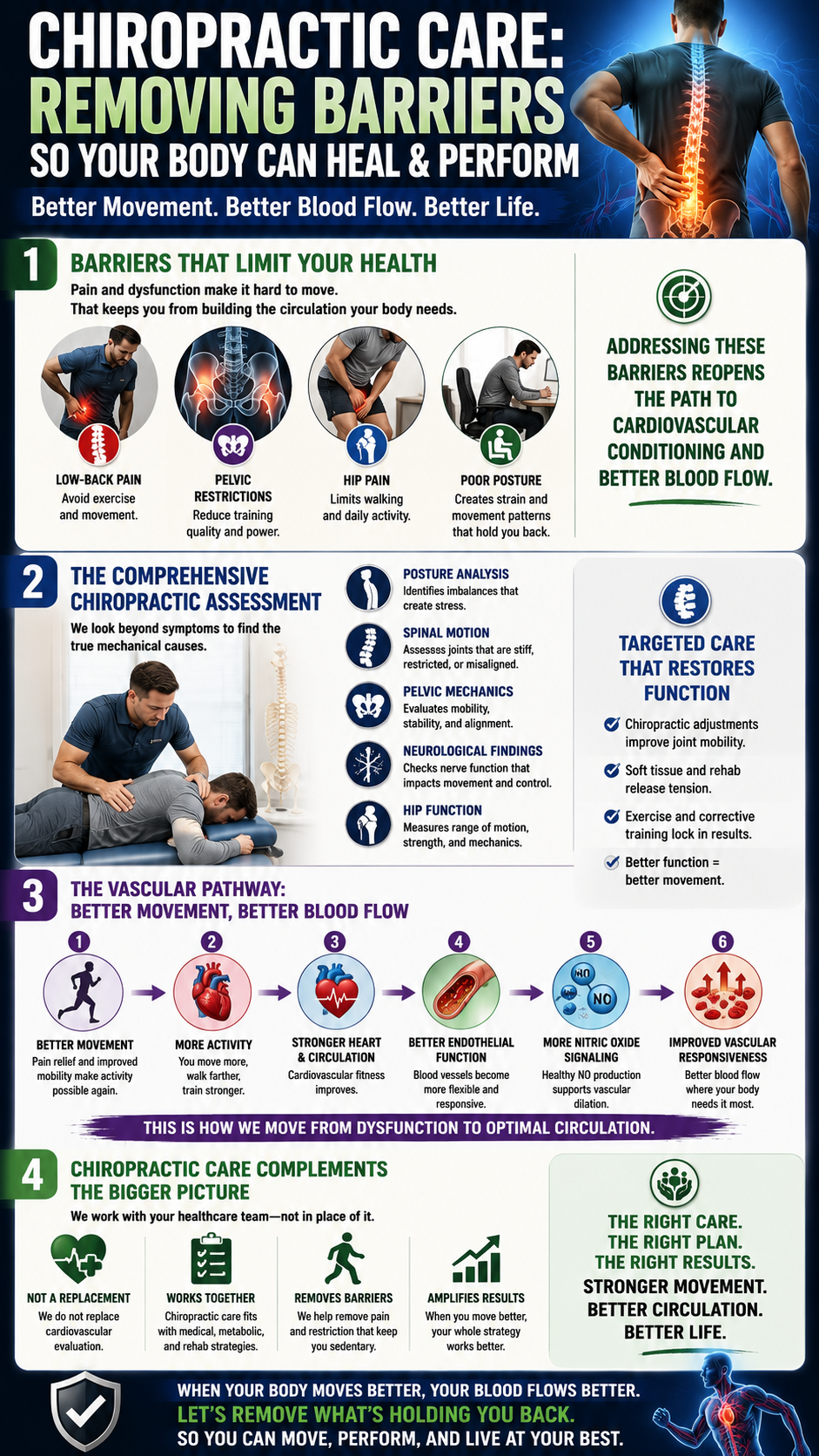
This approach creates a practical vascular pathway. Better movement encourages more activity. Greater activity improves cardiovascular conditioning. Improved conditioning enhances endothelial function. Healthier endothelial function supports nitric-oxide signaling. Better nitric-oxide signaling improves vascular responsiveness.
Chiropractic care should therefore complement the bigger strategy. It does not replace cardiovascular evaluation. It should not replace metabolic care or pelvic rehabilitation. Instead, it can remove physical barriers that keep patients sedentary. That role can become profoundly important in the right patient.
Measure the Markers That Matter
Guessing rarely produces good health decisions. Men should track objective markers while improving erectile function. Blood pressure provides immediate cardiovascular information. Waist circumference tracks central obesity. Laboratory markers reveal glucose and lipid changes. Exercise tolerance shows whether cardiovascular capacity is improving.
Morning erections can offer useful additional information. Their presence suggests important neurological and vascular pathways remain functional. Changes over time may provide insight into broader progress. However, they should never become a source of obsessive monitoring. Sexual function naturally varies from day to day.
Persistent ED deserves a medical evaluation even during lifestyle improvement. Diabetes may need treatment. Medication side effects can contribute. Testosterone deficiency may require investigation. Thyroid disease can influence energy and sexual function. Vascular or neurological disease may also be present.
Certain symptoms demand faster evaluation. Chest discomfort should never be ignored. New shortness of breath requires attention. Progressive neurological weakness deserves assessment. Saddle numbness or bowel changes can signal neurological emergencies. Root-cause care includes knowing when immediate action matters.
The Thirty-Day Vascular Rebuild Begins With Consistency
Meaningful improvement rarely comes from one dramatic intervention. The body responds more strongly to repeated signals. Walking once produces little change. Walking daily changes physiology. One healthy meal means little, but hundreds can reshape metabolism. One night of good sleep helps, yet consistent sleep creates adaptation.
Begin with movement every day. Add regular resistance training. Break prolonged sitting throughout the day. Improve glucose control and reduce processed foods. Protect sleep aggressively. Stop smoking and reduce excessive alcohol. Address pelvic-floor function when symptoms suggest dysfunction.
Next, remove physical barriers that prevent exercise. Chronic back or hip pain should not become permanent excuses. Chiropractic care can help selected patients restore movement. Rehabilitation can strengthen newly available ranges. Activity should then increase gradually.
Track progress with measurable data. Monitor blood pressure. Measure waist circumference periodically. Repeat appropriate metabolic markers through a healthcare professional. Observe energy, sleep quality, exercise tolerance, and sexual function over time. Improvement should become visible across several systems.
Erectile Dysfunction Can Become a Powerful Early Warning
A weakened erection may feel like a personal failure. Physiologically, it may be something very different. The body could be revealing vascular dysfunction before another organ becomes symptomatic. That realization changes embarrassment into information.
The penis depends upon healthy circulation more than nearly any other organ during sexual activity. Blood flow must increase rapidly and dramatically. Arteries must remain responsive. Endothelial cells must release appropriate signals. Neurological pathways must coordinate the process.
If those systems weaken, erectile dysfunction becomes understandable. The symptom may represent accumulated consequences from inactivity, metabolic dysfunction, smoking, poor sleep, vascular disease, neurological problems, or pelvic dysfunction. Several of these contributors can improve. That possibility should create urgency without creating fear.
The ultimate goal is not merely stronger erections. Better circulation protects the heart. Improved glucose regulation protects nerves and blood vessels. Stronger muscles improve metabolic resilience. Better sleep restores recovery. Greater mobility supports lifelong activity.
A vascular approach to erectile dysfunction therefore reaches far beyond sexual performance. It asks a bigger question about the health of the entire man. Chiropractic care can support that process by restoring movement when mechanical dysfunction stands in the way. Exercise, metabolic repair, sleep, pelvic training, and cardiovascular evaluation complete the broader strategy.
The bedroom may be where the symptom first becomes impossible to ignore. The real repair, however, often begins with everything happening outside that room.