
The Modern Assault on Male Hormones and the Hidden Origins of Testosterone Decline
There was a time when a man’s strength seemed almost inseparable from his identity. He woke before sunrise, labored until sunset, recovered overnight, and repeated the cycle for decades. His body adapted to physical demands because the environment rewarded resilience. Today, many men awaken exhausted after eight hours of sleep. They struggle to build muscle despite exercising faithfully. Their motivation disappears without explanation, their waistlines expand while their diets remain unchanged, and their confidence quietly fades. They often blame aging because that explanation feels inevitable. Yet aging alone cannot explain the dramatic decline in male vitality that physicians, researchers, and public health experts have documented over recent decades.
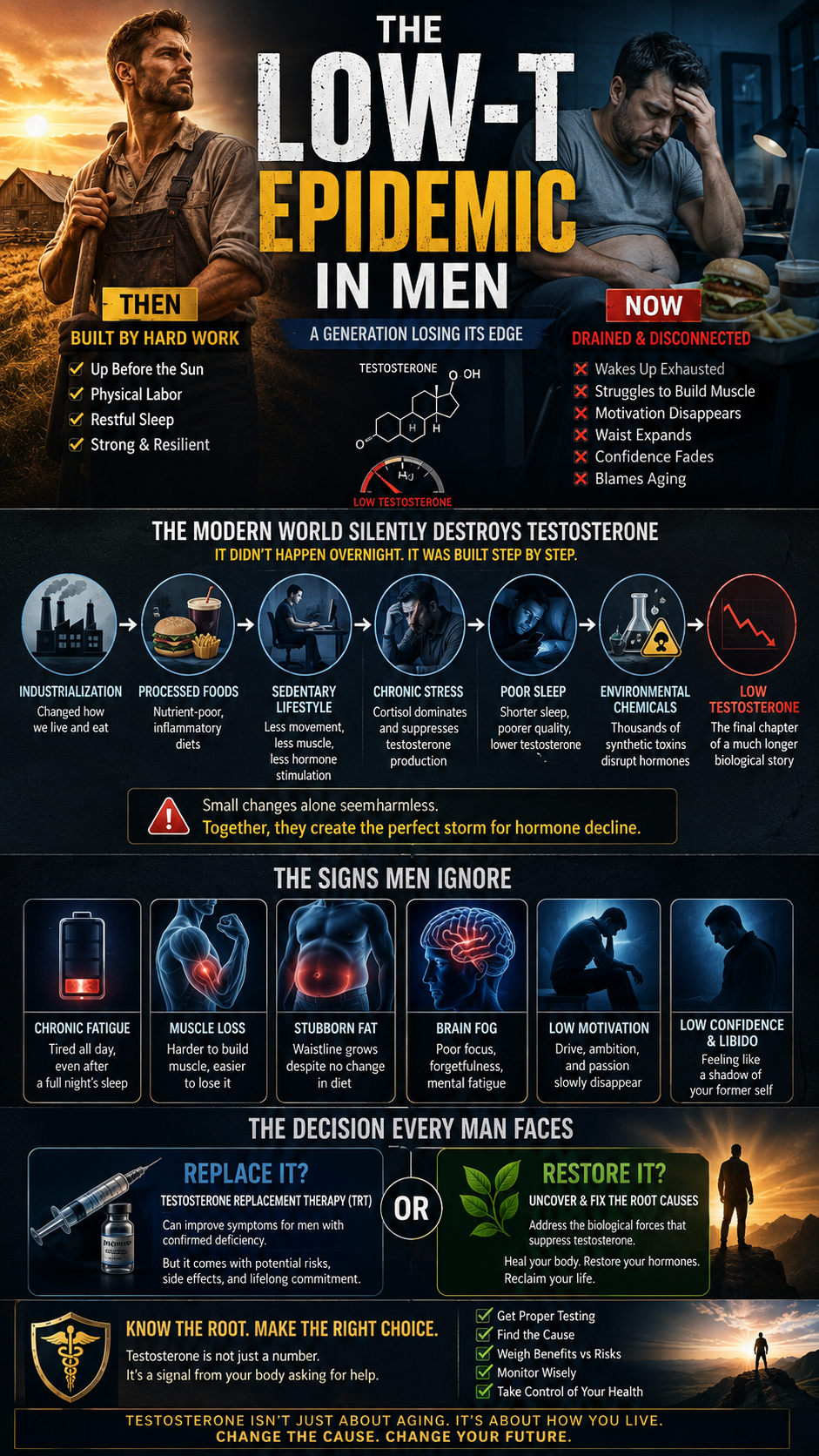
The modern testosterone crisis did not appear overnight, nor did it emerge from a single cause. It developed gradually as industrialization transformed the food supply, sedentary occupations replaced physical labor, chronic stress became a daily companion, and thousands of synthetic chemicals entered the environment. Sleep became shorter, processed foods became staples, obesity rates climbed, and metabolic disease spread through every age group. Each change seemed small in isolation. Together, they created an environment that quietly suppresses one of the body’s most important hormones. Testosterone deficiency often represents the final chapter of a much longer biological story rather than the opening sentence.
This distinction matters because millions of men now face an important decision. Should they replace testosterone through injections, gels, or pellets, or should they first uncover the biological forces that reduced production in the first place? Testosterone replacement therapy, commonly known as TRT, can improve symptoms for carefully selected men with confirmed hypogonadism. However, treatment should begin only after a thorough evaluation identifies the cause of deficiency, weighs potential benefits against risks, and establishes an appropriate monitoring plan. Understanding where testosterone comes from and what disrupts its production remains the foundation of sound clinical decision-making.
Testosterone Shapes Far More Than Masculinity
Most people associate testosterone with muscles, facial hair, and sexual function. Those visible traits represent only a fraction of its influence. Every day, testosterone communicates with nearly every organ system, directing countless biological processes that determine how a man feels, thinks, and performs. It helps regulate muscle protein synthesis, maintains bone mineral density, supports healthy red blood cell production, contributes to insulin sensitivity, influences mood, preserves memory, and sustains normal reproductive function. Healthy testosterone also supports motivation, resilience, competitive drive, and physical recovery after exercise or illness.
The brain depends heavily on testosterone for normal function. Neurons contain androgen receptors that respond to hormonal signals throughout life. Adequate testosterone supports neurotransmitter balance, enhances spatial reasoning, improves mental clarity, and contributes to emotional stability. Researchers continue exploring its relationship with cognitive aging because lower testosterone frequently accompanies memory impairment and reduced executive function in older men. While testosterone alone cannot prevent cognitive decline, it plays an important supporting role within a much larger neurological network.
Cardiovascular health also intersects with testosterone in complex ways. Healthy hormone levels influence vascular function, nitric oxide production, body composition, and glucose metabolism. Men with chronically low testosterone often carry more visceral fat, develop greater insulin resistance, and experience higher rates of metabolic syndrome. These metabolic disturbances increase cardiovascular risk independently of testosterone itself. Consequently, researchers increasingly recognize that low testosterone often reflects broader systemic illness rather than an isolated endocrine disorder.
The Hormonal Symphony Begins Inside the Brain
Many men assume their testicles determine testosterone production. In reality, the brain conducts the entire hormonal orchestra long before the testes receive their first instruction. Deep within the hypothalamus, specialized neurons release gonadotropin-releasing hormone in rhythmic pulses throughout the day. These pulses stimulate the pituitary gland to release luteinizing hormone into the bloodstream. Luteinizing hormone then travels to the Leydig cells inside the testes, signaling them to manufacture testosterone from cholesterol through a series of carefully regulated enzymatic reactions.
This communication network, known as the hypothalamic-pituitary-gonadal axis, functions much like an advanced command center. Every component depends upon accurate communication. When stress hormones remain elevated, inflammation damages hypothalamic signaling, medications interfere with pituitary function, or obesity alters hormonal feedback, testosterone production slows despite healthy testicular tissue. The testes often receive the blame, although the true problem frequently begins hundreds of miles away inside the brain.
The body constantly monitors testosterone through an elegant feedback system. When levels rise sufficiently, the hypothalamus reduces gonadotropin-releasing hormone production, preventing excessive hormone accumulation. Conversely, falling testosterone normally stimulates increased signaling. Chronic illness disrupts this balance. Persistent inflammation, elevated cortisol, insulin resistance, and excessive estrogen interfere with feedback mechanisms, gradually convincing the brain that hormone production should remain suppressed. This dysfunction explains why replacing testosterone without addressing upstream disturbances often leaves the underlying disease process untouched.
Obesity Rewrites the Hormonal Rulebook
Few conditions undermine testosterone production more consistently than excess body fat. Adipose tissue serves as far more than passive energy storage. It behaves like a powerful endocrine organ, releasing inflammatory chemicals and hormone-altering enzymes that reshape male physiology. Among these enzymes, aromatase deserves particular attention because it converts testosterone into estradiol. As body fat increases, aromatase activity rises, accelerating this conversion and reducing available testosterone.
Higher estradiol levels trigger another biological response that compounds the problem. The brain interprets elevated estrogen as evidence that sufficient sex hormones already exist. Consequently, it reduces luteinizing hormone production, slowing testosterone synthesis inside the testes. Each step reinforces the next. Lower testosterone encourages additional fat accumulation, while increasing fat further suppresses testosterone production. The cycle becomes increasingly difficult to escape without significant lifestyle changes or medical intervention.
Visceral fat, which surrounds abdominal organs, causes particular concern because it releases inflammatory cytokines directly into circulation. These inflammatory molecules impair insulin signaling, damage blood vessels, disrupt immune regulation, and interfere with endocrine communication. Men often notice declining energy before recognizing expanding waistlines. Unfortunately, visceral fat continues accumulating silently while testosterone continues falling. The relationship becomes so intertwined that researchers frequently describe obesity-associated hypogonadism as a potentially reversible hormonal disorder rather than permanent endocrine failure.
The Modern Food Supply Fuels Hormonal Collapse
A century ago, food primarily nourished human biology. Today, much of the industrial food system prioritizes convenience, shelf stability, and profitability instead of metabolic health. Ultra-processed foods dominate grocery shelves because manufacturers engineer them for maximum flavor and prolonged storage. Unfortunately, these same products often deliver refined carbohydrates, industrial seed oils, excessive sodium, artificial additives, and minimal nutritional value. Frequent consumption drives obesity, promotes insulin resistance, and accelerates chronic inflammation.
Blood sugar instability creates consequences extending far beyond diabetes. Chronically elevated insulin suppresses sex hormone-binding globulin, alters liver metabolism, promotes abdominal fat accumulation, and contributes to hormonal imbalance. Every meal rich in refined carbohydrates reinforces this metabolic disturbance. Over time, insulin resistance forces the pancreas to produce larger amounts of insulin, amplifying inflammatory signaling throughout the body. The endocrine system gradually shifts from efficient hormone regulation toward chronic metabolic dysfunction.
Micronutrient depletion compounds these metabolic challenges. Testosterone synthesis depends upon adequate zinc, magnesium, selenium, vitamin D, cholesterol, healthy fats, and several B vitamins. Modern dietary patterns frequently provide abundant calories but insufficient micronutrients. Even men consuming excess energy may remain functionally deficient in essential nutrients required for hormone production. The result resembles attempting to build a house while running short of lumber, nails, and concrete. The blueprint exists, yet construction slows because essential materials remain unavailable.
Sleep Has Become an Endangered Biological Necessity
The body repairs itself most effectively during sleep. Hormones rise and fall according to carefully orchestrated circadian rhythms that evolved over thousands of years. Testosterone production depends heavily upon uninterrupted deep sleep, particularly during rapid eye movement cycles. Modern lifestyles increasingly disrupt these rhythms through late-night screen exposure, irregular schedules, shift work, and chronic stress. Consequently, many men unknowingly sacrifice hormonal health long before noticing obvious symptoms.
Research consistently demonstrates that sleep restriction lowers testosterone concentrations, reduces insulin sensitivity, increases appetite hormones, and elevates cortisol. Even short periods of inadequate sleep impair recovery from exercise and reduce physical performance. These physiological changes create fertile ground for weight gain, metabolic dysfunction, and hormonal decline. Sleep therefore represents one of the most powerful natural regulators of testosterone production available without prescription medication.
Obstructive sleep apnea further complicates the picture. Repeated airway collapse interrupts oxygen delivery dozens or even hundreds of times each night. Each episode activates the sympathetic nervous system, elevates blood pressure, and fragments restorative sleep stages. Men frequently seek testosterone therapy because they feel exhausted despite spending adequate time in bed. Yet untreated sleep apnea often contributes substantially to those symptoms. Identifying and managing sleep disorders may improve energy, cognitive function, and endocrine health while simultaneously reducing cardiovascular risk.
Stress Hijacks the Hormonal Conversation
Human physiology evolved to survive temporary danger rather than permanent psychological pressure. When our ancestors encountered immediate threats, cortisol surged briefly before returning to baseline. Modern stress rarely ends. Financial uncertainty, digital overload, demanding careers, family responsibilities, and constant connectivity maintain elevated stress hormones for months or years. The body responds as though danger never disappears.
Cortisol and testosterone maintain an intricate biological relationship. During prolonged stress, cortisol production receives priority because survival outweighs reproduction. The brain redirects resources toward immediate defense instead of long-term vitality. Testosterone production declines while inflammation increases, sleep deteriorates, and insulin resistance worsens. Many men experience declining motivation and reduced libido during stressful seasons without recognizing the hormonal mechanisms responsible for those changes.
Chronic stress also alters behavior in ways that reinforce hormonal decline. Exhausted individuals exercise less frequently, consume more processed food, sleep fewer hours, and rely upon alcohol or excessive caffeine for temporary relief. Each habit further suppresses testosterone production while increasing metabolic dysfunction. Breaking this cycle requires addressing both physiological stress responses and the lifestyle patterns that accompany them.
Environmental Chemicals Enter the Endocrine Battlefield
The average person encounters thousands of synthetic chemicals each year through food packaging, personal care products, household cleaners, pesticides, drinking water, and industrial pollution. Scientists refer to many of these compounds as endocrine-disrupting chemicals because they interfere with hormonal signaling. Although individual exposures often remain small, lifelong accumulation raises important questions regarding reproductive health and endocrine function.
Bisphenol A, commonly called BPA, has attracted considerable scientific attention because it mimics estrogen within the body. Certain phthalates, frequently used to soften plastics, may also interfere with testosterone synthesis. Persistent organic pollutants accumulate within fatty tissue and remain in the environment for decades. Researchers continue investigating their long-term influence on fertility, reproductive development, and hormonal balance. While no single chemical explains the testosterone epidemic, cumulative exposure likely contributes to the broader decline observed across industrialized nations.
Reducing exposure does not require perfection. Small daily decisions gradually lower the body’s toxic burden. Choosing glass food containers, limiting unnecessary plastic use, avoiding excessive consumption of ultra-processed foods, filtering drinking water when appropriate, and emphasizing fresh whole foods all reduce contact with potential endocrine disruptors. These strategies cannot reverse every hormonal problem, yet they remove obstacles that interfere with normal physiology.
The Body Sends Warning Signs Long Before Testosterone Crashes
Testosterone deficiency rarely develops without warning. The body whispers long before it begins shouting. Many men notice stubborn abdominal fat despite regular exercise. Others experience declining motivation, slower workout recovery, diminished concentration, or reduced morning erections. Sexual desire often decreases gradually rather than disappearing suddenly. Mood changes emerge subtly, leaving men feeling emotionally flat rather than overtly depressed. These early symptoms frequently appear years before laboratory values fall below reference ranges.
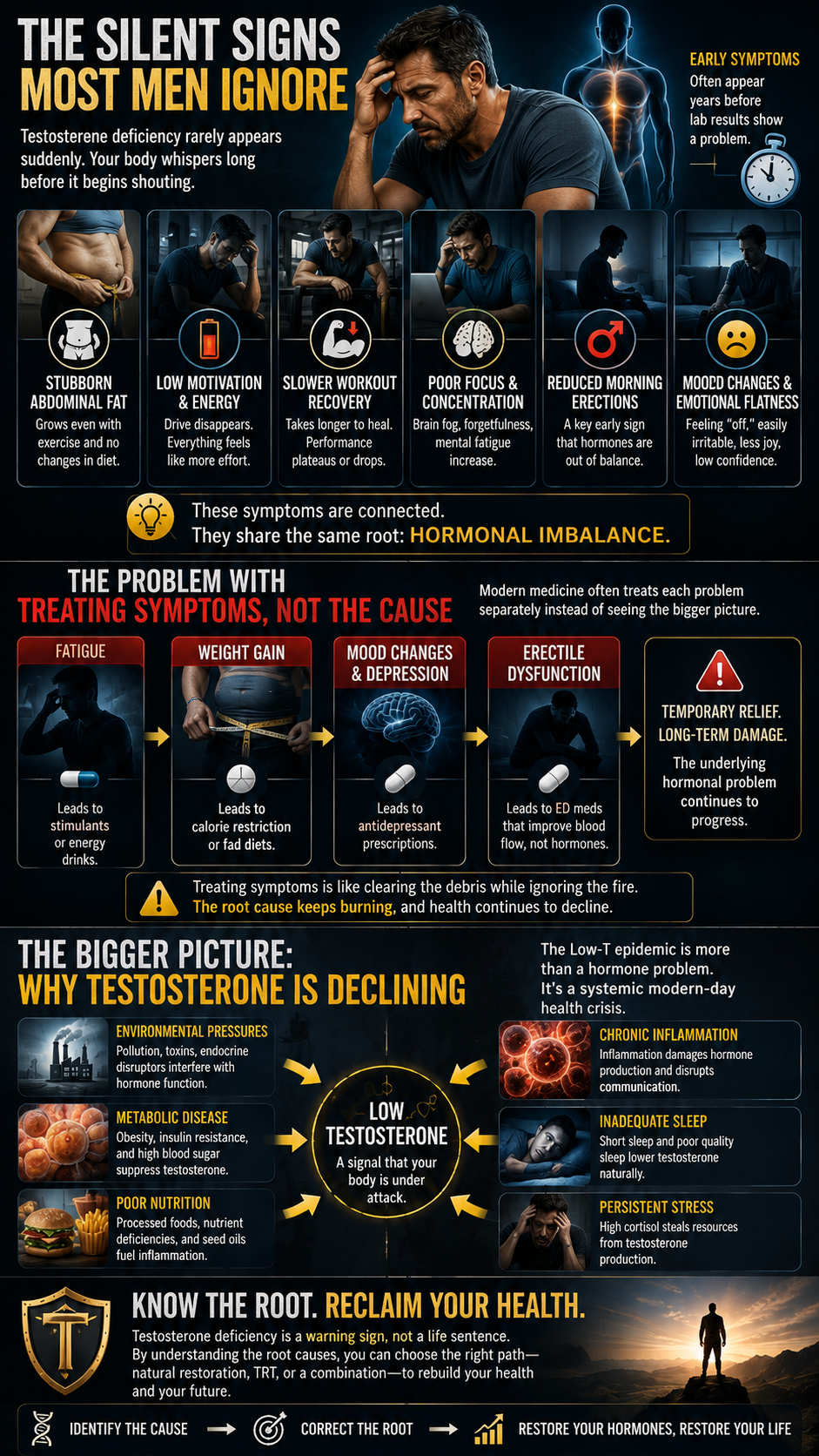
Unfortunately, modern medicine often addresses each symptom separately instead of recognizing their shared biological origin. Fatigue leads to stimulant use. Weight gain prompts calorie restriction. Depression results in antidepressant prescriptions. Erectile dysfunction receives medications that improve blood flow without correcting endocrine dysfunction. Each intervention may provide temporary relief while allowing the underlying hormonal disturbance to progress. Recognizing these interconnected symptoms as part of a larger metabolic picture offers an opportunity to intervene before more serious disease develops.
The testosterone epidemic therefore represents far more than declining hormone levels. It reflects profound changes within modern human biology. Environmental pressures, metabolic disease, chronic inflammation, poor nutrition, inadequate sleep, persistent stress, and toxic exposures converge upon the endocrine system, gradually silencing one of the body’s most influential hormones. Understanding this broader story transforms testosterone deficiency from an isolated diagnosis into a powerful signal that the body’s regulatory systems require attention. Only after identifying these root causes can men intelligently evaluate whether natural restoration, testosterone replacement therapy, or a thoughtful combination of both offers the most appropriate path forward.
TRT, Heart Health, and Rebuilding Testosterone Naturally from the Inside Out
By the time most men receive a diagnosis of low testosterone, the hormone itself has become the center of attention. Laboratory values suddenly dominate every conversation, while the years of biological dysfunction that preceded those numbers quietly fade into the background. Many men immediately ask whether they should begin testosterone replacement therapy. Others avoid treatment entirely because they fear heart attacks, strokes, or prostate cancer after reading alarming headlines online. Unfortunately, both reactions oversimplify a much more nuanced medical discussion. Testosterone deficiency is neither a condition that every man should ignore nor a diagnosis that automatically demands lifelong hormone replacement.
The real question should never begin with the prescription pad. Instead, it should begin with understanding whether the body has lost its ability to produce testosterone or whether it has simply stopped producing adequate amounts because something upstream continues to suppress normal function. That distinction changes everything. A man whose testes no longer function because of injury, genetic disease, chemotherapy, or primary hypogonadism faces a very different situation than a man whose obesity, insulin resistance, sleep apnea, chronic stress, and nutrient deficiencies have gradually silenced an otherwise healthy endocrine system. Both men may have identical testosterone levels, yet their paths toward recovery often differ dramatically.
Understanding What TRT Actually Does
Testosterone replacement therapy supplies the body with testosterone from an outside source rather than relying on natural production. Physicians may prescribe injections, topical gels, patches, nasal formulations, oral preparations, or long-acting pellets implanted beneath the skin. Each delivery method raises circulating testosterone concentrations, allowing hormone receptors throughout the body to receive stronger androgen signals. Many men report improved libido, increased energy, better mood, enhanced muscle strength, improved bone density, and greater motivation after appropriate treatment. These improvements explain why TRT has become one of the fastest-growing therapies in men’s health.
The body’s hormonal feedback system, however, cannot distinguish between naturally produced testosterone and testosterone introduced through medication. Once circulating hormone levels rise, the hypothalamus decreases gonadotropin-releasing hormone production. The pituitary gland follows by reducing luteinizing hormone and follicle-stimulating hormone release. Without these signals, the testes dramatically decrease their own testosterone production. This response reflects normal physiology rather than a complication of therapy. The body simply assumes that additional production no longer serves a purpose because hormone levels already appear adequate.
This suppression explains several important consequences of TRT. Testicular size may decrease because the testes receive less stimulation. Sperm production often declines because follicle-stimulating hormone falls alongside luteinizing hormone. Men who hope to father children should therefore discuss fertility preservation before beginning therapy. In selected cases, physicians may recommend alternative treatments or medications that stimulate endogenous testosterone production while preserving reproductive function. The decision should always reflect an individual’s age, symptoms, reproductive goals, medical history, and laboratory findings rather than a one-size-fits-all approach.
Separating Headlines from Evidence About Heart Health
Few topics have generated more confusion than the relationship between testosterone replacement therapy and cardiovascular disease. During the past two decades, dramatic headlines alternated between claiming TRT protects the heart and warning that it causes heart attacks. Such conflicting messages understandably left many patients uncertain about the true risks. The reality proves more balanced than either extreme.
Earlier observational studies raised concerns that testosterone therapy might increase cardiovascular events in some populations. Those reports prompted regulatory agencies to encourage additional research. Investigators subsequently launched large randomized clinical trials designed specifically to answer these questions. One of the most influential studies, the TRAVERSE trial, followed thousands of middle-aged and older men with documented hypogonadism and elevated cardiovascular risk. Researchers found that testosterone therapy did not significantly increase the rate of major adverse cardiovascular events compared with placebo when prescribed appropriately and monitored carefully.
Those findings provide reassurance, yet they do not eliminate every concern. The same trial reported higher rates of atrial fibrillation, pulmonary embolism, and acute kidney injury among men receiving testosterone. Although these complications remained relatively uncommon, they reinforce an important clinical principle. Testosterone replacement should never become a casual wellness treatment for men whose hormone levels remain normal. Appropriate patient selection, careful monitoring, and individualized risk assessment remain essential components of safe therapy. Medicine rarely offers interventions without tradeoffs, and TRT follows that same rule.
Cardiovascular health depends upon far more than testosterone alone. Blood pressure, insulin resistance, visceral obesity, smoking, physical inactivity, chronic inflammation, sleep apnea, lipid abnormalities, and genetics all influence long-term outcomes. Correcting testosterone without addressing these broader risk factors resembles repairing one section of a leaking roof while ignoring the foundation beneath the house. Sustainable health requires a comprehensive strategy that strengthens every system rather than focusing exclusively on one laboratory measurement.
The Hormone That Lifestyle Builds
The encouraging news surrounding testosterone deficiency begins with the remarkable adaptability of human physiology. The endocrine system constantly responds to environmental signals. Every night’s sleep, every meal, every workout, every stressful event, and every pound of visceral fat sends information to the brain regarding whether conditions favor hormone production. Unlike many chronic diseases, functional testosterone decline often improves when those signals change consistently over time.
Weight reduction frequently produces the most dramatic improvements because excess abdominal fat suppresses testosterone through multiple pathways simultaneously. As visceral fat decreases, aromatase activity declines, reducing the conversion of testosterone into estrogen. Insulin sensitivity improves, inflammatory cytokines fall, and the hypothalamic-pituitary-gonadal axis begins communicating more effectively. Many men experience measurable increases in testosterone after sustained weight loss without taking hormone medication. The improvement often reflects restoration of normal physiology rather than artificial hormone replacement.
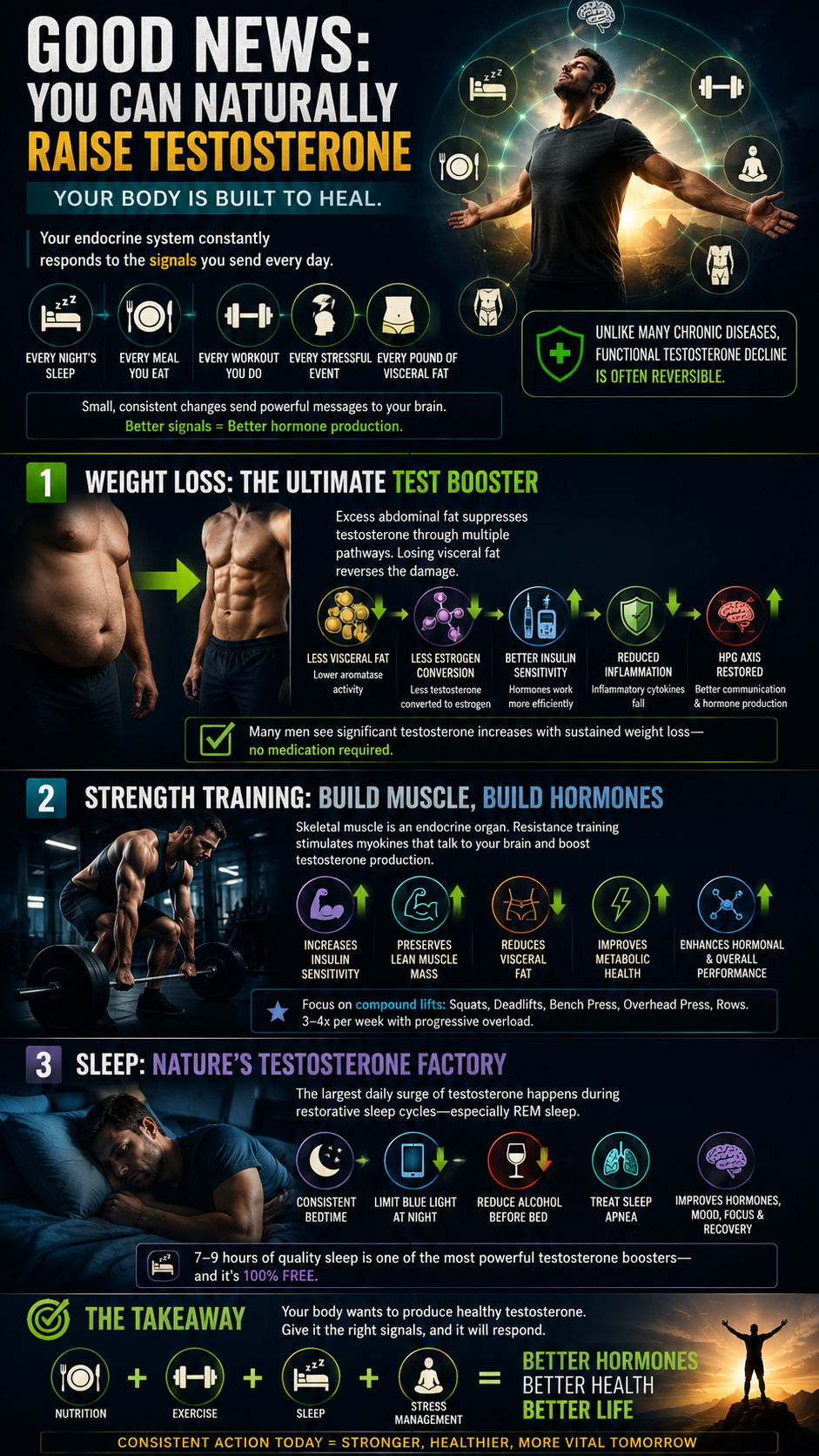
Resistance training provides another powerful biological stimulus. Skeletal muscle functions as an endocrine organ that communicates with the brain through signaling molecules known as myokines. Compound exercises involving large muscle groups create metabolic stress that encourages favorable hormonal adaptation. Consistent strength training improves insulin sensitivity, preserves lean muscle mass, reduces visceral fat, and enhances overall metabolic health. Although exercise alone rarely transforms profoundly low testosterone into youthful levels, it establishes the physiological environment that supports healthy endocrine function.
Sleep remains equally important because the largest daily pulses of testosterone occur during restorative sleep cycles. Maintaining a consistent bedtime, limiting blue light exposure during the evening, reducing alcohol before bed, and addressing sleep apnea restore hormonal rhythms that modern lifestyles frequently disrupt. Many men pursue expensive supplements while ignoring sleep, despite strong evidence that inadequate sleep suppresses testosterone production regardless of nutritional status.
Food Becomes the Raw Material for Hormone Production
Every hormone begins with raw materials obtained through nutrition. Testosterone synthesis depends upon cholesterol, healthy fats, amino acids, vitamins, and minerals working together inside specialized endocrine cells. Modern dietary patterns often emphasize convenience while sacrificing nutrient density. Processed foods provide abundant calories but insufficient building blocks for optimal hormone production.
Dietary protein deserves particular attention because amino acids support muscle maintenance, enzyme production, and tissue repair. Lean beef, poultry, eggs, seafood, and other high-quality protein sources provide essential nutrients required for endocrine health. Healthy fats also contribute because cholesterol serves as the molecular precursor from which steroid hormones originate. Contrary to outdated fears surrounding all dietary fat, extremely low-fat diets may impair hormone production in some individuals when maintained for prolonged periods.
Micronutrients complete this biological foundation. Zinc participates directly in testosterone synthesis and reproductive function. Magnesium supports hundreds of enzymatic reactions throughout the body, including those influencing hormone metabolism. Selenium contributes to antioxidant defenses and thyroid physiology, while vitamin D interacts with receptors throughout the endocrine system. Deficiencies in these nutrients cannot always explain testosterone decline independently, yet correcting documented deficiencies removes obstacles that limit normal hormonal function.
Whole foods accomplish more than supplying vitamins and minerals. They reduce post-meal inflammation, stabilize blood sugar, improve gut health, and encourage a healthier body composition. Each improvement strengthens the hormonal environment. Rather than searching for a single superfood that magically raises testosterone, men achieve greater success by consistently nourishing every metabolic pathway involved in endocrine regulation.
Stress Reduction Restores Hormonal Balance
The body cannot prioritize long-term vitality while remaining trapped in chronic survival mode. Elevated cortisol repeatedly competes with testosterone because both hormones respond to the brain’s assessment of environmental demands. Persistent psychological stress encourages the endocrine system to favor immediate survival rather than reproduction, muscle growth, or tissue repair. This adaptive response protected ancient humans during genuine emergencies. Unfortunately, the modern brain often interprets constant digital stimulation, financial pressure, and emotional strain as equally threatening.
Managing stress therefore becomes more than an emotional exercise. Regular physical activity, meaningful social relationships, time outdoors, spiritual practices, mindfulness, structured breathing exercises, and adequate recovery periods all reduce sympathetic nervous system activation. As cortisol gradually normalizes, hypothalamic signaling often improves, creating conditions more favorable for healthy testosterone production. Progress rarely occurs overnight, yet consistent stress management reshapes endocrine physiology over months rather than days.
Equally important, lowering chronic stress improves behaviors that influence testosterone indirectly. Better emotional health encourages regular exercise, healthier food choices, improved sleep, and reduced dependence on alcohol or excessive caffeine. These lifestyle improvements reinforce one another, creating a positive cycle that contrasts sharply with the hormonal decline described in Part 1. Restoring testosterone naturally often reflects the cumulative effect of many healthy decisions rather than one dramatic intervention.
Exercise Smarter Rather Than Longer
Many men mistakenly assume that spending additional hours in the gym automatically produces more testosterone. Human physiology responds more intelligently than that. Moderate resistance training combined with appropriate recovery stimulates anabolic adaptation. Excessive endurance exercise performed without adequate nutrition or recovery may produce the opposite effect by elevating cortisol and increasing systemic stress.
Large compound movements recruit substantial muscle mass while generating the greatest hormonal response. Squats, deadlifts, presses, rows, and loaded carries challenge multiple muscle groups simultaneously, encouraging metabolic adaptation throughout the body. Consistency matters far more than perfection. Training three or four times each week with progressive overload frequently delivers greater hormonal benefits than sporadic bursts of extreme exercise followed by prolonged inactivity.
Recovery deserves equal attention because muscles strengthen outside the gym rather than during workouts. Adequate protein intake, restorative sleep, hydration, and planned recovery days allow tissues to repair while supporting healthy endocrine function. Ignoring recovery transforms exercise from a beneficial stimulus into another source of chronic physiological stress.
The Supplement Industry Offers Promise and Pitfalls
Walk through any nutrition store and testosterone boosters dominate entire shelves. Bright labels promise explosive strength, renewed libido, and youthful vitality within weeks. Most products rely heavily on persuasive marketing rather than rigorous clinical evidence. While certain nutrients support healthy hormone production in deficient individuals, no over-the-counter supplement consistently produces the dramatic increases advertised on many product labels.
Herbal ingredients such as ashwagandha, fenugreek, tongkat ali, and standardized extracts of certain botanicals continue attracting scientific interest. Some studies suggest modest improvements in stress reduction, libido, or testosterone among selected populations. However, results remain inconsistent, study quality varies considerably, and responses differ between individuals. Supplements should complement foundational lifestyle changes rather than replace them. No capsule can overcome chronic sleep deprivation, severe obesity, uncontrolled diabetes, or persistent psychological stress.
Consumers should also exercise caution because dietary supplements receive less regulatory oversight than prescription medications in many countries. Independent quality testing, transparent ingredient labeling, and consultation with qualified healthcare professionals reduce the likelihood of contamination or inappropriate product selection. Choosing evidence-informed supplementation remains wiser than pursuing exaggerated marketing claims.
A Root-Cause Strategy Changes More Than Hormones
Testosterone deficiency rarely exists in isolation. The same lifestyle patterns that suppress hormone production frequently contribute to heart disease, diabetes, cognitive decline, fatty liver disease, hypertension, and chronic inflammation. Addressing those root causes therefore creates benefits extending far beyond laboratory values. Improved nutrition lowers cardiovascular risk. Weight reduction reduces inflammatory burden. Exercise strengthens muscles while protecting metabolic health. Better sleep enhances cognitive function and immune resilience. Stress management supports emotional well-being alongside endocrine recovery.
Men who pursue only higher testosterone often overlook this broader opportunity. The true objective should not simply involve increasing one hormone. It should involve rebuilding the biological systems that allow the body to function as nature intended. Testosterone then becomes one marker of improving health rather than the sole destination. Even men who ultimately require TRT benefit substantially when they first optimize sleep, nutrition, physical activity, stress management, and body composition because those interventions enhance overall outcomes regardless of medication use.
The Low-T epidemic therefore reflects much more than declining hormone levels. It reveals the cumulative biological consequences of modern living. Sedentary lifestyles, processed foods, chronic stress, environmental toxins, disrupted sleep, and metabolic disease have quietly reshaped male physiology over several generations. Testosterone serves as one of the body’s earliest warning systems, signaling that deeper dysfunction has begun long before irreversible disease develops.
Restoring hormonal health requires looking beyond the laboratory report. It demands curiosity about the forces suppressing normal physiology and commitment to rebuilding health from the inside out. Testosterone replacement therapy remains an important medical option for carefully selected men with confirmed deficiency. Yet the strongest long-term strategy combines thoughtful medical evaluation with deliberate lifestyle restoration. When the body receives proper nutrition, restorative sleep, regular movement, effective stress management, and reduced metabolic burden, it often demonstrates an extraordinary capacity to heal. That approach improves far more than testosterone alone. It strengthens the entire foundation upon which lasting health, resilience, and vitality depend.