
The Hidden Forces Quietly Rewriting Human Fertility
For generations, starting a family seemed almost effortless. Couples expected children to arrive naturally, often with little planning beyond choosing the right time. Pregnancy represented one of life’s most predictable milestones, and infertility remained a subject discussed only in whispers. Today, that quiet expectation has changed dramatically. Fertility clinics stand on busy street corners, assisted reproductive technologies have become household terms, and countless healthy-looking couples discover that conceiving a child is far more difficult than anyone prepared them to expect. The emotional burden is immense, yet the biological story unfolding beneath the surface deserves equal attention. Modern infertility has become far more than an isolated reproductive problem. It has evolved into one of the clearest warning signs that something fundamental has shifted inside the human body.
Health professionals often describe infertility as the inability to conceive after twelve months of regular, unprotected intercourse. While that definition serves a clinical purpose, it tells us almost nothing about why fertility fails. Labels rarely reveal mechanisms. They identify an outcome without exposing the journey that produced it. Functional medicine approaches infertility from an entirely different perspective by asking why the reproductive system stopped performing as nature intended. Instead of focusing solely on the ovaries, testes, uterus, or hormones, this approach examines the entire biological landscape. Fertility depends on energy production, immune balance, nutrient availability, detoxification, healthy circulation, and intricate hormonal communication. When these systems begin to deteriorate, reproduction often becomes one of the first major biological functions to suffer.
The growing infertility epidemic should not surprise us when viewed through the lens of modern living. Humanity now lives in an environment unlike any experienced throughout evolutionary history. Industrial chemicals circulate through our food, water, air, and household products. Ultra-processed foods dominate grocery store shelves. Chronic stress has become a daily companion. Sleep continues to decline while obesity, diabetes, autoimmune disease, and metabolic dysfunction rise at unprecedented rates. Each factor places additional strain on the body’s ability to maintain optimal reproductive health. Together, they create an internal environment that increasingly struggles to support healthy eggs, resilient sperm, successful implantation, and normal fetal development.
Research reflects this concerning trend. The World Health Organization estimates that approximately one in six adults experiences infertility during their reproductive years. At the same time, birth rates continue falling across much of the developed world despite remarkable advances in fertility treatments. Researchers have documented substantial declines in sperm concentration over recent decades, while conditions affecting female fertility, including polycystic ovary syndrome, endometriosis, thyroid disorders, and metabolic disease, continue becoming more common. Although delayed parenthood contributes to some cases, age alone cannot explain the magnitude of these changes. Something much larger has altered the biological foundation upon which human reproduction depends.
Fertility Reflects the Health of the Entire Body
Many people imagine fertility as an isolated function controlled exclusively by reproductive organs. Biology tells a far richer story. Every successful pregnancy begins with extraordinary coordination among the brain, thyroid gland, adrenal glands, liver, digestive system, immune system, cardiovascular system, and microscopic energy factories called mitochondria. These organs communicate continuously through hormones, inflammatory messengers, nutrients, and electrical signals. Even subtle disruptions within one system ripple throughout the entire network. An unhealthy liver influences estrogen metabolism. Chronic gut inflammation alters immune regulation. Thyroid dysfunction changes ovulation and sperm production. Insulin resistance affects nearly every reproductive hormone. Fertility therefore becomes less like flipping a switch and more like conducting a perfectly synchronized orchestra.
Nature designed reproduction as a luxury rather than a survival priority. When resources become scarce or danger increases, the body instinctively shifts energy toward immediate survival instead of creating new life. Ancient humans experienced these signals during famine, severe illness, or environmental hardship. Modern biology responds similarly, although today’s stressors look very different. Persistent inflammation, toxic chemical exposure, blood sugar instability, nutrient depletion, and chronic psychological stress all send powerful signals that conditions may not favor pregnancy. The reproductive system responds accordingly by reducing fertility long before serious disease develops elsewhere.
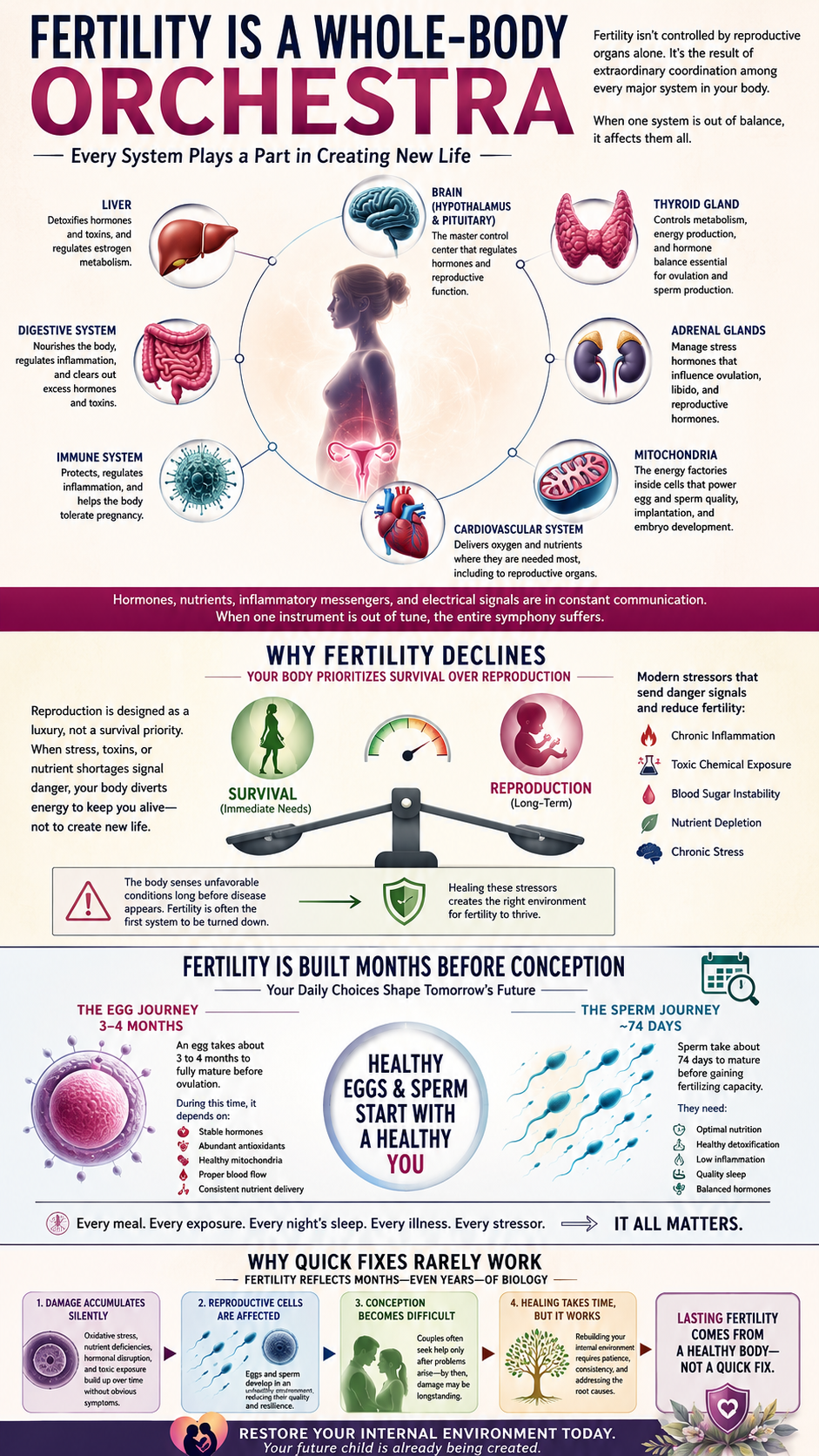
Healthy eggs and sperm require months of careful preparation before conception ever occurs. Each egg spends approximately three to four months completing its final stages of maturation before ovulation. During that period, it depends upon stable hormones, abundant antioxidants, healthy mitochondria, proper blood flow, and consistent nutrient delivery. Sperm require approximately seventy-four days to mature before gaining fertilizing capacity. Every meal, every environmental exposure, every night’s sleep, and every episode of illness influences these developing reproductive cells. Fertility therefore reflects months of accumulated biological experiences rather than events occurring during a single menstrual cycle.
This long developmental timeline explains why quick fixes rarely produce lasting improvements. Couples often begin searching for fertility solutions only after conception becomes difficult. Unfortunately, biological damage may have accumulated silently for years before symptoms appeared. Eggs and sperm cannot suddenly recover after decades of oxidative stress, nutritional deficiencies, hormonal disruption, or toxic exposure. Lasting fertility restoration requires rebuilding the internal environment in which these remarkable cells develop.
The Chemical Revolution Nobody Prepared Our Bodies For
The twentieth century transformed modern civilization through extraordinary industrial innovation. Synthetic chemicals improved manufacturing, preserved food, increased agricultural production, enhanced consumer products, and revolutionized countless industries. Alongside these advances came an unintended biological experiment involving nearly every human being on Earth. Scientists estimate that tens of thousands of synthetic compounds now circulate throughout the environment, many without extensive long-term reproductive safety data. Human physiology never evolved alongside this chemical landscape, leaving our detoxification systems struggling to manage exposures that increase year after year.
Among the greatest concerns are endocrine-disrupting chemicals, often called hormone disruptors. Unlike traditional poisons that destroy tissues immediately, these compounds interfere with the body’s intricate hormonal communication system. Hormones operate at extraordinarily low concentrations, meaning even tiny chemical exposures may influence normal signaling pathways. Certain endocrine disruptors resemble estrogen closely enough to bind estrogen receptors. Others interfere with testosterone production, thyroid hormone activity, adrenal function, or insulin signaling. These disruptions rarely produce dramatic symptoms overnight. Instead, they gradually reshape hormonal balance over years, quietly affecting fertility long before couples begin trying to conceive.
Bisphenol A, commonly known as BPA, illustrates this challenge well. For decades manufacturers used BPA extensively in plastics, food containers, thermal receipts, and beverage can linings. Numerous studies have associated BPA exposure with altered ovarian function, reduced sperm quality, impaired embryo development, and changes in reproductive hormone levels. Although many manufacturers replaced BPA with alternative compounds, researchers now question whether several substitutes produce similar endocrine effects. The problem therefore extends beyond one chemical toward an entire class of hormone-altering substances that continue entering modern life.
Phthalates represent another widespread concern. Manufacturers add these compounds to plastics, fragrances, cosmetics, cleaning products, vinyl flooring, food packaging, and personal care items. Human exposure occurs daily through inhalation, ingestion, and skin absorption. Research has linked higher phthalate levels with reduced testosterone, lower sperm concentration, abnormal sperm morphology, impaired ovarian reserve, and disrupted menstrual cycles. Because these chemicals accumulate through multiple small exposures rather than one major event, many individuals remain unaware that their everyday environment continuously influences reproductive biology.
Perfluoroalkyl and polyfluoroalkyl substances, better known as PFAS or “forever chemicals,” introduce another layer of complexity. Manufacturers designed PFAS to resist heat, grease, oil, and water, making them useful in cookware, food packaging, stain-resistant fabrics, firefighting foams, and countless industrial applications. Their remarkable durability also prevents rapid breakdown within nature or the human body. Researchers now detect PFAS in drinking water, wildlife, human blood, breast milk, and umbilical cord samples worldwide. Emerging evidence associates elevated PFAS exposure with delayed conception, altered menstrual cycles, reduced semen quality, pregnancy complications, and thyroid dysfunction. The widespread distribution of these chemicals makes complete avoidance nearly impossible, emphasizing the importance of supporting the body’s natural detoxification capacity.
Heavy Metals Continue Their Silent Assault
Heavy metals occupy a unique place within reproductive health because they never serve beneficial biological roles at elevated concentrations. Mercury, lead, cadmium, and arsenic interfere directly with mitochondrial function, enzyme activity, DNA repair, antioxidant defenses, and hormonal signaling. These toxic elements frequently enter the body through contaminated seafood, industrial pollution, cigarette smoke, aging infrastructure, certain occupations, and environmental contamination. Once absorbed, many remain stored within tissues for years while continuously generating oxidative stress.
Mercury deserves particular attention because reproductive tissues display remarkable sensitivity to mitochondrial damage. Every developing egg depends upon thousands of functioning mitochondria to generate the energy required for maturation and early embryonic development. Mercury disrupts these energy-producing structures while simultaneously increasing free radical production. Similar effects occur within sperm cells, where mitochondrial dysfunction reduces motility and compromises fertilization capacity. Over time, even relatively modest toxic burdens may erode reproductive resilience without producing obvious symptoms elsewhere.
Cadmium frequently enters the body through cigarette smoke and contaminated foods. Researchers have linked higher cadmium exposure with lower testosterone production, impaired ovarian function, reduced sperm quality, and increased oxidative stress. Lead continues affecting fertility despite declining environmental levels. Chronic exposure interferes with hormone production, damages DNA, disrupts implantation, and increases miscarriage risk. These metals often work together rather than independently, creating cumulative biological stress that magnifies reproductive dysfunction.
Oxidative Stress: The Fire That Damages Fertility
Every living cell generates free radicals during normal metabolism. Under healthy conditions, antioxidant systems neutralize these reactive molecules before they damage proteins, DNA, and cell membranes. Problems arise when free radical production exceeds antioxidant protection. Scientists describe this imbalance as oxidative stress, and many reproductive researchers now consider it one of infertility’s central driving mechanisms.
Eggs and sperm display extraordinary vulnerability because their outer membranes contain abundant polyunsaturated fatty acids. These delicate fats provide flexibility essential for fertilization but oxidize easily when exposed to excessive free radicals. Oxidative damage weakens sperm membranes, fragments DNA, reduces motility, and lowers fertilization potential. Similar damage within developing eggs compromises chromosome stability, mitochondrial performance, and embryo quality. Even successful fertilization may produce embryos less capable of healthy implantation and normal development.
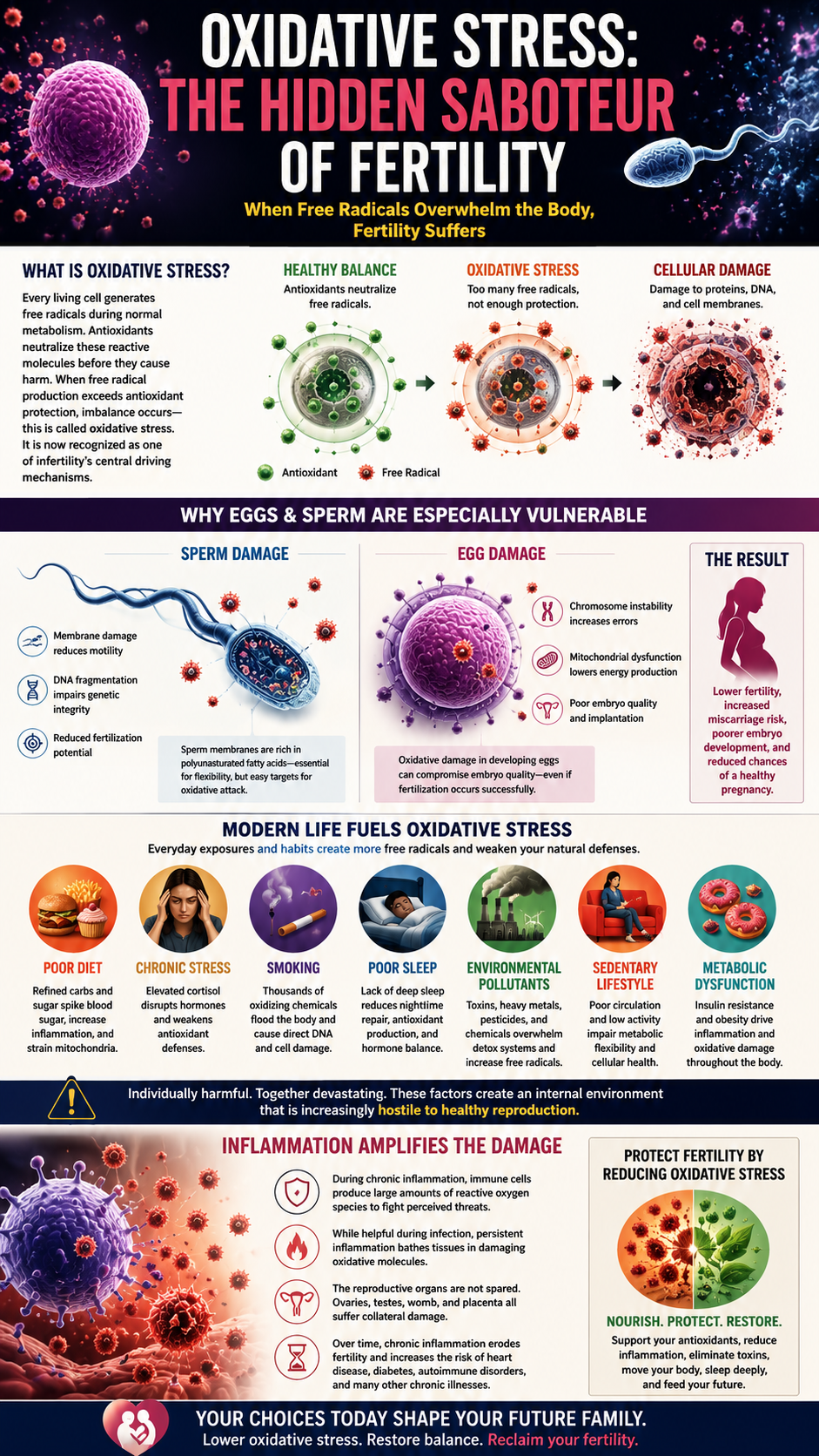
Several common features of modern life accelerate oxidative stress. Diets rich in refined carbohydrates increase inflammatory signaling and mitochondrial strain. Chronic psychological stress elevates cortisol while weakening antioxidant defenses. Smoking introduces thousands of oxidizing compounds directly into circulation. Poor sleep reduces nighttime cellular repair. Environmental pollutants continuously challenge detoxification systems. Sedentary lifestyles impair circulation and metabolic flexibility. Each factor independently increases oxidative damage, but together they create an internal environment increasingly hostile to healthy reproduction.
Inflammation intensifies this process even further. During chronic inflammation, immune cells generate large quantities of reactive oxygen species designed to eliminate perceived threats. While beneficial during infections, persistent inflammatory activity bathes healthy tissues in damaging oxidative molecules. The reproductive organs receive no exemption from this biological assault. Over months and years, chronic inflammation gradually undermines fertility while simultaneously increasing the risk of numerous chronic diseases.
The Mitochondria Determine More Than Energy
Most people recognize mitochondria as the tiny structures responsible for producing cellular energy. Few realize how profoundly reproductive health depends upon their performance. Every mature human egg contains approximately one hundred thousand mitochondria, far exceeding nearly every other cell in the body. This enormous population reflects the tremendous energy demands required for fertilization, repeated cell division, embryo development, and successful implantation. Without healthy mitochondria, even genetically normal eggs struggle to support early pregnancy.
Sperm rely equally upon mitochondrial function. Their tail requires continuous energy generation to propel sperm through the female reproductive tract. Mitochondrial damage therefore reduces swimming ability, limiting opportunities for successful fertilization. Beyond simple movement, mitochondria regulate calcium signaling, programmed cell death, antioxidant production, and DNA stability. Dysfunction within these microscopic organelles extends far beyond fatigue. It directly influences reproductive success at every developmental stage.
Modern lifestyles challenge mitochondrial health from multiple directions. Environmental toxins interfere with energy-producing enzymes. Nutrient deficiencies deprive mitochondria of essential cofactors. Chronic inflammation damages mitochondrial membranes. Elevated blood sugar increases harmful byproducts that impair energy production. Persistent psychological stress alters mitochondrial communication with the rest of the cell. Each insult gradually weakens reproductive capacity because healthy eggs and sperm simply cannot develop without abundant cellular energy.
The infertility epidemic therefore extends far beyond hormones alone. Hormones may reveal dysfunction, but mitochondria frequently determine whether reproduction succeeds or fails. Understanding this distinction changes the entire conversation surrounding fertility restoration. Rather than chasing hormone numbers alone, functional medicine seeks to restore the internal environment supporting resilient mitochondrial health, balanced immunity, efficient detoxification, and optimal nutrient status. Only then can the remarkable biological process of human reproduction operate as nature originally intended.
Rebuilding Fertility from the Inside Out
Modern medicine has achieved extraordinary advances in reproductive technology. Procedures such as intrauterine insemination, in vitro fertilization, and intracytoplasmic sperm injection have helped millions of families welcome children into the world. These treatments represent remarkable scientific achievements, yet they often focus on helping conception occur rather than improving the biological environment that supports healthy reproduction. Functional medicine approaches fertility from a different direction. Instead of asking how to force pregnancy, it asks why the body became less capable of creating life in the first place. That distinction changes everything because healthy fertility begins long before conception. It develops when every major system inside the body communicates efficiently, produces energy abundantly, and protects delicate reproductive cells from damage.
Restoring fertility requires patience because neither eggs nor sperm regenerate overnight. Every positive lifestyle change influences the next generation of reproductive cells rather than the current one. Couples often become discouraged when improvements fail to appear within a few weeks, yet biology follows a different timetable. Sperm require approximately seventy-four days to mature, while eggs complete their final developmental stages over several months before ovulation. This biological reality means today’s choices become tomorrow’s reproductive potential. The encouraging news is that many of the factors contributing to infertility also respond remarkably well to consistent lifestyle improvements. Supporting fertility therefore means creating an internal environment where healthy hormones, resilient mitochondria, balanced immunity, and optimal nutrition can thrive together.
The Nutrient Crisis Hidden Behind Modern Fertility
Human reproduction ranks among the most nutrient-intensive processes in biology. Every stage of conception depends upon vitamins, minerals, amino acids, healthy fats, and antioxidants working together with remarkable precision. Unfortunately, modern diets frequently provide calories without delivering the micronutrients necessary for healthy reproductive function. Highly processed foods dominate supermarket shelves, while agricultural practices have gradually reduced mineral concentrations within many soils. Chronic stress, digestive disorders, medications, and environmental toxins further increase nutritional demands. The result leaves many adults consuming enough food to gain weight while remaining deficient in nutrients essential for fertility.
Vitamin D has emerged as one of the most extensively studied fertility nutrients. Although commonly called a vitamin, it functions more like a hormone by regulating hundreds of genes throughout the body. Reproductive tissues contain vitamin D receptors within the ovaries, uterus, testes, placenta, and developing embryo. Research has associated low vitamin D status with reduced ovarian reserve, impaired implantation, lower pregnancy rates, polycystic ovary syndrome, and decreased sperm quality. Adequate vitamin D also supports immune tolerance during pregnancy, helping the mother’s immune system accept the developing embryo rather than treating it as foreign tissue. Since many adults spend little time outdoors or routinely wear sunscreen, deficiency has become remarkably common across developed nations.
Zinc plays an equally critical role because it participates in more than three hundred enzymatic reactions. Within men, zinc supports testosterone production, sperm maturation, DNA stability, and antioxidant protection. Women require adequate zinc for healthy ovulation, proper cell division, and embryonic development. Even mild deficiencies may compromise fertility by impairing hormone production and increasing oxidative stress. Selenium works alongside zinc by supporting thyroid hormone metabolism while strengthening antioxidant defenses. The thyroid gland contains one of the highest selenium concentrations in the human body, reflecting its importance for maintaining normal reproductive hormone balance. Without sufficient selenium, oxidative damage increases while thyroid function often declines, creating additional barriers to conception.
Folate, vitamin B12, vitamin B6, and choline support healthy methylation, a biochemical process responsible for DNA repair, gene regulation, and cellular communication. Proper methylation becomes especially important during early embryonic development because rapidly dividing cells require accurate DNA replication. Deficiencies may impair egg quality, sperm DNA integrity, implantation, and fetal development. Omega-3 fatty acids also deserve attention because they reduce inflammatory signaling while improving cell membrane flexibility throughout reproductive tissues. Healthy membranes allow hormones to communicate efficiently with target cells, improving the body’s ability to coordinate ovulation, fertilization, and implantation.
The Thyroid Often Holds the Missing Piece
Few glands influence fertility more profoundly than the thyroid. Despite its modest size, the thyroid regulates metabolism, energy production, temperature control, neurological function, cardiovascular performance, and reproductive hormone balance. Even subtle thyroid dysfunction may interfere with ovulation, menstrual regularity, implantation, and sperm production long before obvious symptoms appear. Unfortunately, thyroid disorders frequently remain undiagnosed because many individuals experience fatigue, weight gain, constipation, brain fog, dry skin, and hair loss for years before receiving appropriate evaluation.
Healthy thyroid function depends upon more than thyroid hormone alone. The body requires adequate iodine to manufacture hormones, selenium to activate them, zinc for receptor sensitivity, iron for hormone synthesis, and vitamin A to regulate thyroid gene expression. Chronic inflammation, autoimmune disease, heavy metals, and certain environmental chemicals may further impair thyroid performance. Functional medicine therefore evaluates thyroid health as an interconnected system rather than relying exclusively upon one laboratory marker. Restoring optimal thyroid physiology often improves ovulation, menstrual regularity, sperm quality, and overall reproductive resilience.
The relationship between thyroid function and fertility illustrates a broader principle within functional medicine. Hormones rarely fail in isolation. Instead, they respond to nutritional status, toxic burden, immune activity, gut health, sleep quality, and metabolic balance. Correcting only one hormone without addressing these underlying influences often produces incomplete results because the original biological stressors remain active. Fertility improves most consistently when the entire hormonal network regains stability.
The Liver Protects Fertility More Than Most People Realize
Most people associate the liver with alcohol metabolism, yet this remarkable organ performs more than five hundred essential functions. Among its many responsibilities, the liver metabolizes estrogen, testosterone, environmental toxins, medications, pesticides, industrial chemicals, and metabolic waste products. Every day it filters blood arriving directly from the digestive tract, determining which compounds nourish the body and which require elimination. When the liver becomes overwhelmed, hormone metabolism slows while toxic compounds accumulate within circulation. Both processes influence reproductive health.
Modern lifestyles place enormous pressure upon hepatic detoxification. Ultra-processed foods, excessive sugar, alcohol, environmental pollutants, plastics, pesticides, pharmaceutical medications, and chronic inflammation continually increase the liver’s workload. At the same time, inadequate dietary protein limits the amino acids required for efficient detoxification. Deficiencies in B vitamins, magnesium, selenium, and antioxidants further reduce the liver’s capacity to neutralize harmful compounds. Over time, this metabolic congestion contributes to hormone imbalance, oxidative stress, and persistent inflammation, all of which undermine fertility.
Supporting liver health begins with simple daily habits rather than expensive interventions. Consuming adequate protein provides the amino acids necessary for detoxification pathways. Eating colorful vegetables supplies antioxidants and plant compounds that assist normal liver function. Maintaining regular bowel movements helps eliminate metabolized hormones instead of allowing them to recirculate. Hydration supports waste removal through the kidneys, while limiting alcohol reduces unnecessary metabolic burden. Together, these foundational practices strengthen one of the body’s most important fertility-supporting organs.
The Gut Shapes Hormones, Immunity, and Pregnancy
The digestive system performs far more than nutrient absorption. It houses trillions of microorganisms collectively known as the gut microbiome, which influence immune regulation, inflammation, neurotransmitter production, hormone metabolism, and intestinal barrier integrity. Researchers increasingly recognize the microbiome as an active endocrine organ capable of affecting nearly every aspect of reproductive physiology. When beneficial bacterial populations decline, inflammation often increases while hormone metabolism becomes less efficient.
Certain intestinal bacteria help regulate estrogen recycling through a collection of microbial genes known as the estrobolome. Disruptions within this microbial community may contribute to estrogen imbalance, menstrual irregularities, and conditions such as endometriosis. Meanwhile, increased intestinal permeability allows bacterial toxins to enter the bloodstream, stimulating systemic inflammation that interferes with ovulation and implantation. This inflammatory response also increases oxidative stress, further compromising egg and sperm quality.
Improving gut health begins with restoring dietary quality rather than relying exclusively upon supplements. Whole foods rich in natural fiber nourish beneficial bacteria while reducing inflammatory compounds associated with highly processed diets. Fermented foods provide naturally occurring microorganisms that support microbial diversity. Avoiding unnecessary antibiotics protects beneficial bacterial populations, while adequate sleep helps maintain normal circadian rhythms within the microbiome itself. Over time, these changes create a healthier intestinal environment that supports both reproductive hormones and immune balance.
Sleep Builds Fertility While Stress Quietly Destroys It
Many couples underestimate the influence of sleep upon reproductive health. During deep sleep, the body repairs damaged tissues, balances hormones, strengthens immune function, and restores mitochondrial performance. Melatonin, often recognized for regulating sleep cycles, also serves as one of the body’s most powerful antioxidants. Within the ovaries, melatonin protects developing eggs from oxidative stress while supporting healthy mitochondrial activity. Poor sleep therefore affects fertility through multiple pathways rather than simply causing fatigue.
Chronic stress compounds these effects by elevating cortisol for prolonged periods. Short-term cortisol release helps humans survive immediate danger, yet persistent elevation redirects energy away from long-term biological priorities, including reproduction. Elevated cortisol alters communication between the brain, pituitary gland, ovaries, and testes. Men may experience declining testosterone and impaired sperm production, while women often develop irregular ovulation, menstrual changes, and altered progesterone production. Together, sleep deprivation and chronic stress create an internal environment that favors survival rather than successful reproduction.
Establishing consistent sleep habits offers one of the simplest yet most effective fertility strategies available. Going to bed and waking at the same time each day strengthens circadian rhythms regulating reproductive hormones. Limiting blue light exposure during the evening supports natural melatonin production, while reducing caffeine late in the day improves sleep quality. Daily stress management practices such as walking outdoors, prayer, meditation, controlled breathing, journaling, or gentle exercise help lower chronic cortisol levels and restore healthier hormonal communication.
A Functional Fertility Reset Begins at Home
The encouraging reality about fertility lies in the body’s remarkable ability to heal when given appropriate conditions. Every healthy meal, restorative night’s sleep, stress-reducing activity, and reduction in toxic exposure gradually shifts physiology toward resilience rather than dysfunction. Couples planning pregnancy should begin preparing several months before conception, allowing sufficient time for healthier eggs and sperm to develop within an improved internal environment. Small, consistent changes often produce greater long-term benefits than dramatic short-lived interventions.
Nutrition forms the cornerstone of this fertility reset. Meals centered on high-quality proteins, colorful vegetables, healthy fats, mineral-rich foods, and minimally processed ingredients provide the building blocks required for healthy hormone production and cellular repair. Reducing refined sugars and ultra-processed foods improves insulin sensitivity while lowering inflammatory signaling throughout the body. Drinking filtered water decreases exposure to certain environmental contaminants, while choosing glass or stainless-steel food containers helps reduce contact with hormone-disrupting plastics. Whenever practical, selecting lower-pesticide foods further reduces cumulative toxic burden.
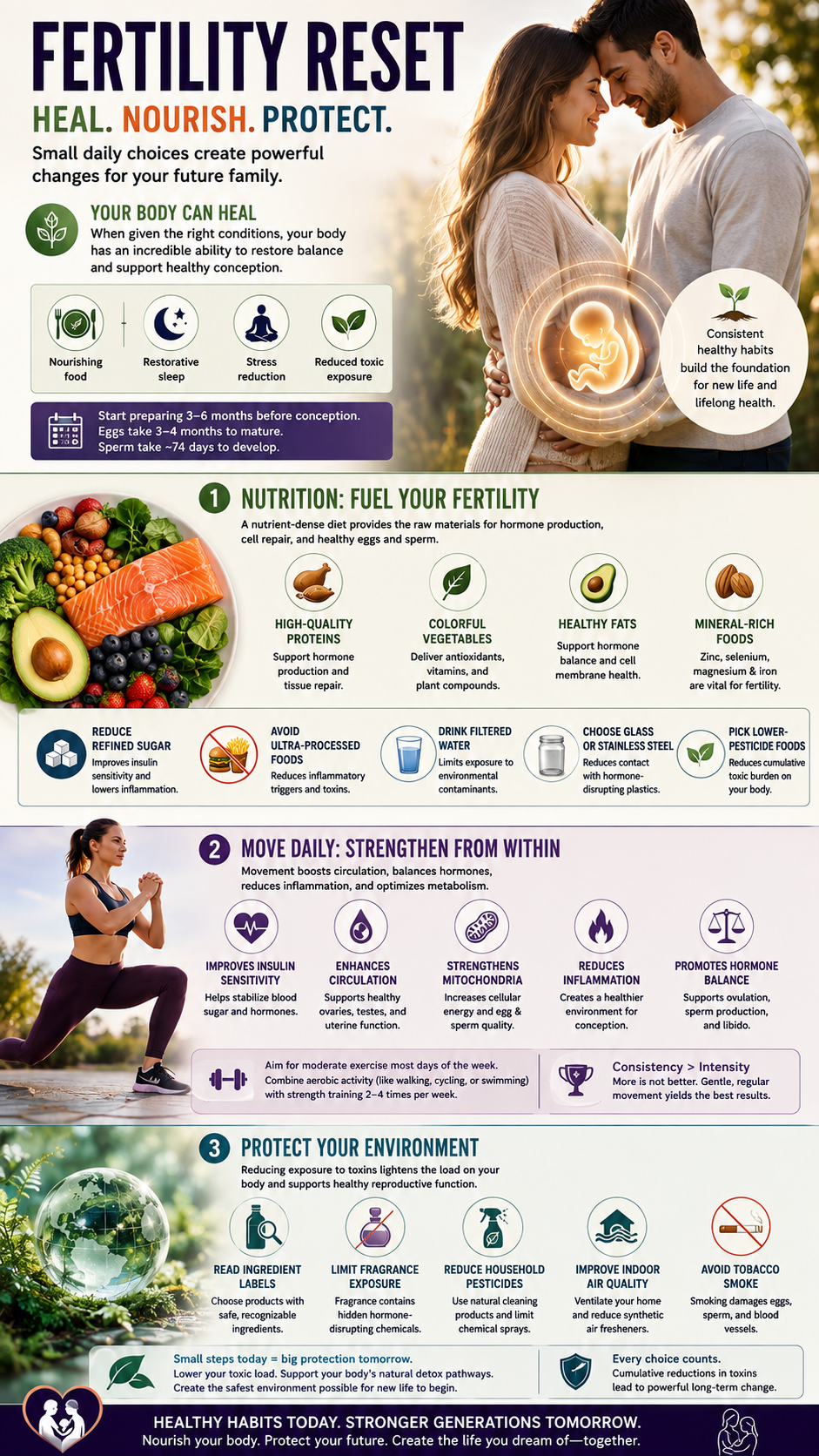
Daily movement enhances fertility through multiple biological mechanisms. Regular exercise improves insulin sensitivity, supports healthy circulation, strengthens mitochondrial function, reduces inflammation, and promotes hormone balance. Moderate physical activity generally produces greater fertility benefits than extreme endurance training, which may increase physiological stress when performed excessively. Combining aerobic exercise with resistance training supports metabolic health while preserving lean muscle mass, creating a stronger foundation for reproductive function.
Environmental awareness also plays an increasingly important role. Reading ingredient labels on personal care products, limiting unnecessary fragrance exposure, reducing household pesticides, improving indoor air quality, and avoiding tobacco smoke all decrease cumulative chemical burden. These steps may appear modest individually, yet their combined effect over months and years substantially reduces the biological stress placed upon reproductive tissues.
Looking Beyond Pregnancy Toward Lifelong Health
Perhaps the most important lesson emerging from fertility research extends far beyond conception itself. The same biological processes that improve fertility also reduce the risk of cardiovascular disease, metabolic syndrome, type 2 diabetes, autoimmune disorders, neurodegenerative disease, and many chronic inflammatory conditions. Healthy reproduction reflects healthy physiology rather than existing independently from it. When the body restores metabolic balance, supports mitochondrial function, reduces toxic burden, improves nutrient status, and strengthens immune regulation, fertility often improves alongside overall health.
The infertility epidemic should therefore challenge society to examine more than reproductive medicine alone. It should inspire deeper questions about environmental health, food quality, chemical exposure, nutritional adequacy, metabolic disease, and the lifestyles shaping future generations. Every declining sperm count, disrupted menstrual cycle, or unsuccessful pregnancy represents more than an isolated medical event. It reflects the remarkable sensitivity of the human body to the world we have created around it.
Nature designed the reproductive system to protect future generations by responding carefully to the body’s internal environment. When that environment becomes burdened by inflammation, toxic chemicals, nutrient deficiencies, metabolic dysfunction, and chronic stress, fertility often declines as an early warning signal rather than a random failure. Listening to that signal provides an opportunity not only to improve the chances of pregnancy but also to restore the broader foundation of lifelong health. In many cases, the journey toward fertility becomes the same journey that leads toward greater vitality, healthier aging, and a stronger future for both parents and children.