
When Emotional Highs and Lows Become a Way of Life
Few medical conditions transform a person’s life as dramatically as bipolar disorder. One season of life may feel filled with unstoppable energy, relentless optimism, and limitless ambition. Sleep suddenly feels optional, creativity surges, and every idea appears brilliant. Friends often mistake these episodes for confidence, motivation, or extraordinary productivity. Yet beneath that excitement, the brain is losing its ability to regulate itself. Decisions become increasingly impulsive, judgment weakens, and emotional control slowly disappears. Just as unexpectedly, that emotional summit collapses into a valley of profound depression. Motivation evaporates, exhaustion becomes overwhelming, and even the smallest responsibilities feel impossible. Families often struggle to understand these rapid changes because they appear without warning and often without an obvious cause.
For decades, bipolar disorder has largely been viewed through the lens of brain chemistry. The prevailing belief suggested that abnormal neurotransmitters created abnormal moods. While neurotransmitters certainly play an important role, modern neuroscience paints a much larger picture. Every emotion depends upon healthy brain cells, efficient energy production, balanced hormones, healthy circulation, restorative sleep, proper nutrition, and precise communication between billions of neurons. When these systems begin breaking down together, emotional regulation becomes increasingly difficult. Rather than asking only which medication suppresses symptoms, researchers have begun asking a more fundamental question. What causes the brain to lose its ability to maintain emotional balance in the first place?
That question has opened an entirely new chapter in understanding bipolar disorder. Scientists now recognize that inflammation, mitochondrial dysfunction, oxidative stress, circadian rhythm disruption, insulin resistance, intestinal health, and nutritional status all influence how the brain functions. These discoveries do not diminish the importance of medical treatment. Instead, they reveal that mood stability depends upon far more than neurotransmitters alone. A healthier brain often begins with a healthier body.
The Remarkable Story Behind Lithium’s Discovery
Long before modern psychiatry understood the biology of mood disorders, physicians searched desperately for treatments capable of calming severe mania. During the middle of the twentieth century, researchers discovered that lithium, a naturally occurring mineral, dramatically reduced manic episodes in many patients. The discovery transformed psychiatric medicine almost overnight. Individuals who previously required prolonged hospitalization often regained enough stability to return home, rebuild relationships, and resume productive lives. Few medications changed psychiatric care as profoundly as lithium.
Researchers still do not completely understand every mechanism responsible for lithium’s effects. Evidence suggests that lithium influences several biological pathways simultaneously rather than acting upon one neurotransmitter alone. It affects dopamine signaling, enhances protective cellular pathways, supports certain neurotrophic factors involved in brain plasticity, and alters communication between neurons. Some investigations also suggest that lithium may reduce oxidative stress while protecting neurons from certain forms of cellular injury. This broad biological activity helps explain why lithium remains one of the most extensively studied treatments for bipolar disorder.
Despite its long history of success, lithium has never represented a perfect solution. Its therapeutic window remains narrow, meaning the difference between an effective dose and a toxic dose can be relatively small. Regular blood testing becomes necessary because dehydration, illness, medication interactions, or kidney changes may significantly alter lithium concentrations. This careful monitoring has helped many patients use lithium safely for years, yet it also reminds clinicians that every powerful therapy deserves thoughtful supervision.
Many patients eventually begin asking whether additional strategies might help support mood stability while reducing overall physiological stress on the body. That question has encouraged researchers to investigate the broader biological systems influencing emotional regulation rather than focusing exclusively on medication alone.
Understanding the Hidden Tradeoffs of Long-Term Lithium Therapy
Every medical treatment involves balancing potential benefits against potential risks. Lithium has saved countless lives by reducing manic episodes and lowering suicide risk among many individuals living with bipolar disorder. Those benefits explain why it continues to occupy an important place within psychiatric medicine. At the same time, long-term treatment requires careful attention because lithium may affect several organs throughout the body.
The kidneys perform most of lithium’s elimination. Years of treatment may gradually reduce the kidneys’ ability to concentrate urine in some individuals, leading to increased thirst and more frequent urination. Although many patients never develop serious kidney disease, physicians appropriately monitor kidney function throughout treatment because early changes often develop silently. Maintaining adequate hydration becomes especially important because dehydration can increase lithium concentrations and raise the risk of toxicity.
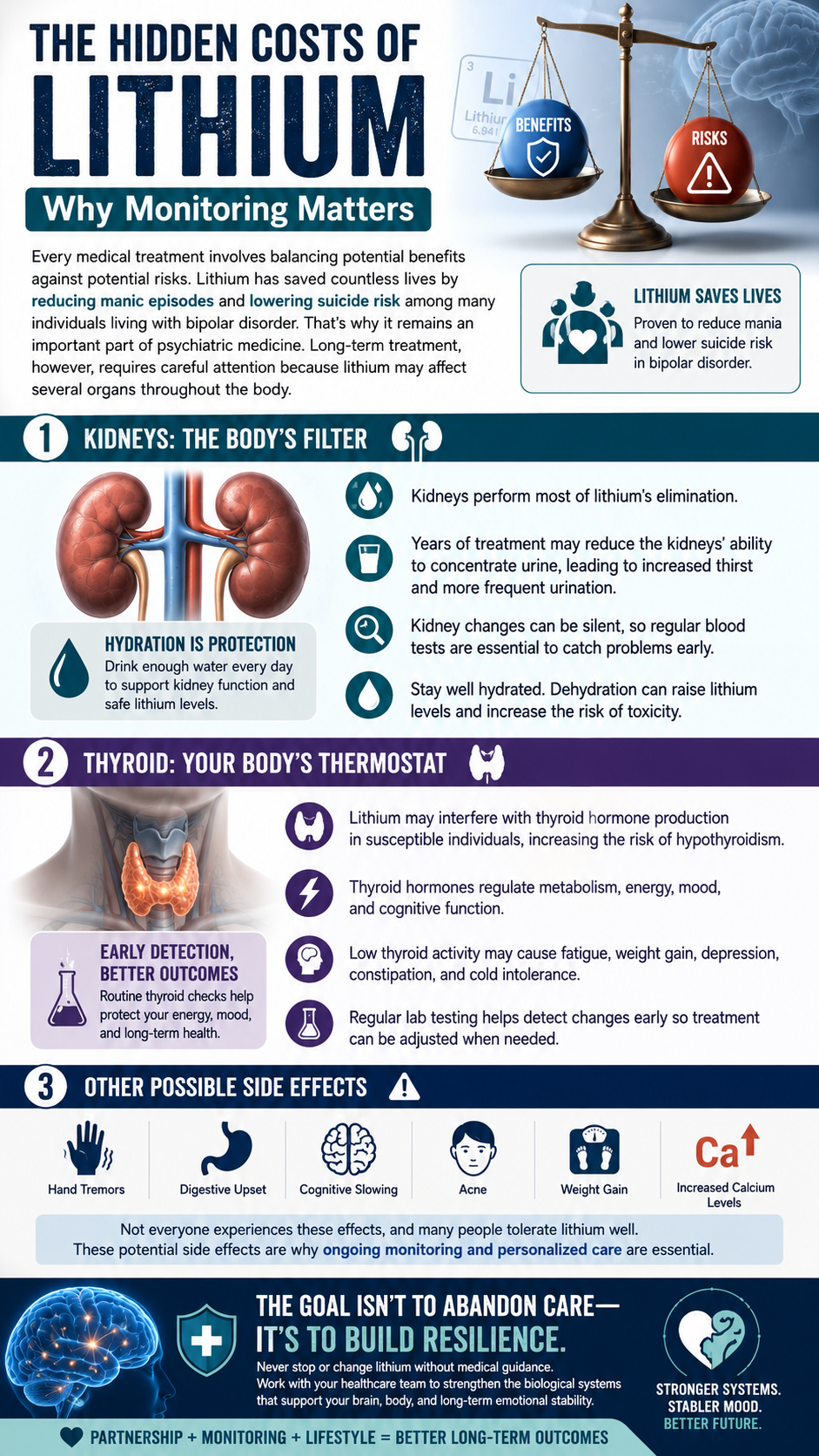
The thyroid gland represents another organ that deserves careful monitoring. Lithium may interfere with thyroid hormone production in susceptible individuals, increasing the likelihood of hypothyroidism. Because thyroid hormones regulate metabolism, energy production, mood, and cognitive function, declining thyroid activity may contribute to fatigue, weight gain, depression, constipation, and cold intolerance. Regular laboratory evaluation allows physicians to recognize these changes early and intervene when necessary.
Some individuals also experience hand tremors, digestive upset, cognitive slowing, acne, weight gain, or increased calcium levels during long-term treatment. Not everyone develops these problems, and many patients tolerate lithium remarkably well. Nevertheless, these possibilities explain why researchers continue searching for additional approaches that support overall brain health. The goal should never become abandoning effective medical care without guidance. Instead, the objective involves strengthening the biological systems that help the brain regulate itself.
The Brain Cannot Function Without Energy
Imagine attempting to power a modern city while half of its electrical plants suddenly shut down. Traffic lights would fail, communication networks would become unreliable, and essential services would begin malfunctioning. A remarkably similar process may occur inside the brain whenever cellular energy production becomes impaired.
Every neuron depends upon tiny structures called mitochondria to manufacture adenosine triphosphate, commonly known as ATP. This molecule supplies the energy required for electrical signaling, neurotransmitter production, memory formation, and emotional regulation. The human brain consumes nearly twenty percent of the body’s total energy despite representing only a small percentage of total body weight. Such enormous energy demands mean even modest reductions in mitochondrial efficiency may significantly influence neurological performance.
Researchers studying bipolar disorder repeatedly identify abnormalities involving mitochondrial function. Brain imaging studies demonstrate altered energy metabolism within regions responsible for emotional regulation. Laboratory investigations frequently report elevated oxidative stress alongside reduced antioxidant defenses. These findings suggest that many brains affected by bipolar disorder operate under increased metabolic strain. Rather than producing energy efficiently, neurons struggle to meet the constant demands placed upon them.
When mitochondrial performance declines, communication between neurons becomes less stable. Emotional regulation requires extraordinary coordination among numerous brain regions. Reduced cellular energy may therefore contribute to both manic overactivity and depressive exhaustion. Scientists continue investigating therapies that improve mitochondrial health because stronger cellular energy production may enhance overall neurological resilience.
Brain Inflammation: The Fire Few People Feel
Inflammation serves an essential purpose during injury or infection. Without it, wounds would never heal and infections would spread unchecked. Problems arise when inflammatory activity continues long after its protective role has ended. Chronic inflammation quietly influences nearly every organ, including the brain.
The immune system communicates through chemical messengers known as cytokines. These proteins travel throughout the body, coordinating immune responses whenever threats appear. Persistent elevations in inflammatory cytokines alter neurotransmitter production, increase oxidative stress, activate microglia, and interfere with healthy neuronal communication. Researchers increasingly recognize that chronic inflammation influences emotional regulation just as profoundly as it affects cardiovascular health or metabolic disease.
Multiple studies report elevated inflammatory markers among individuals experiencing bipolar depression or mania. Interleukin-6, tumor necrosis factor-alpha, and C-reactive protein frequently appear higher than expected, suggesting the immune system remains unusually active. Researchers also observe inflammatory changes during periods of emotional stability, raising important questions about whether chronic immune activation contributes to the illness rather than simply reflecting its symptoms.
Inflammation rarely develops in isolation. Poor dietary habits, obesity, chronic infections, periodontal disease, insufficient sleep, psychological stress, insulin resistance, smoking, and sedentary lifestyles all increase inflammatory burden. Because the brain remains intimately connected with the immune system, these influences extend far beyond physical health. Supporting a healthier inflammatory environment may therefore help create conditions where emotional regulation becomes easier to maintain.
The Gut and Brain Never Stop Talking
Scientists once believed the digestive tract functioned primarily to digest food and absorb nutrients. Today, researchers recognize the gastrointestinal tract as one of the body’s most sophisticated communication centers. Trillions of bacteria inhabit the intestines, forming an ecosystem known as the gut microbiome. These organisms help digest food, manufacture vitamins, regulate immunity, influence hormones, and communicate continuously with the central nervous system.
Communication occurs through several interconnected pathways. The vagus nerve carries information directly between the digestive tract and the brain. Beneficial bacteria also produce metabolites that influence immune regulation and intestinal integrity. Meanwhile, the health of the intestinal barrier determines whether inflammatory compounds remain confined within the gut or enter systemic circulation. A weakened intestinal barrier allows bacterial fragments to trigger widespread immune activation, increasing inflammatory signaling that eventually reaches the brain.
Researchers have identified measurable differences in gut microbial diversity among many individuals with bipolar disorder. Although scientists continue investigating cause and effect, the relationship appears increasingly important. Poor nutrition, repeated antibiotic exposure, chronic stress, excessive alcohol intake, and highly processed foods all alter microbial diversity. These changes may influence inflammation, oxidative stress, and neurotransmitter activity, creating additional challenges for an already vulnerable brain.
Understanding this gut-brain relationship changes how bipolar disorder is viewed. The brain does not function independently from the digestive system. Instead, both organs participate in a continuous biological conversation that shapes emotional resilience every day.
The Daily Habits That Quietly Shape Mood
The human brain craves consistency. Every twenty-four hours, billions of neurons anticipate predictable patterns of light, food, movement, social interaction, and sleep. These daily rhythms regulate hormones, neurotransmitters, immune activity, metabolism, and cellular repair. When those rhythms become chaotic, the brain struggles to maintain emotional balance. For someone living with bipolar disorder, seemingly minor disruptions may become significant biological stressors. Staying awake until two in the morning, skipping meals, working rotating shifts, consuming excessive caffeine, or enduring prolonged psychological stress can all influence the delicate systems responsible for mood regulation.
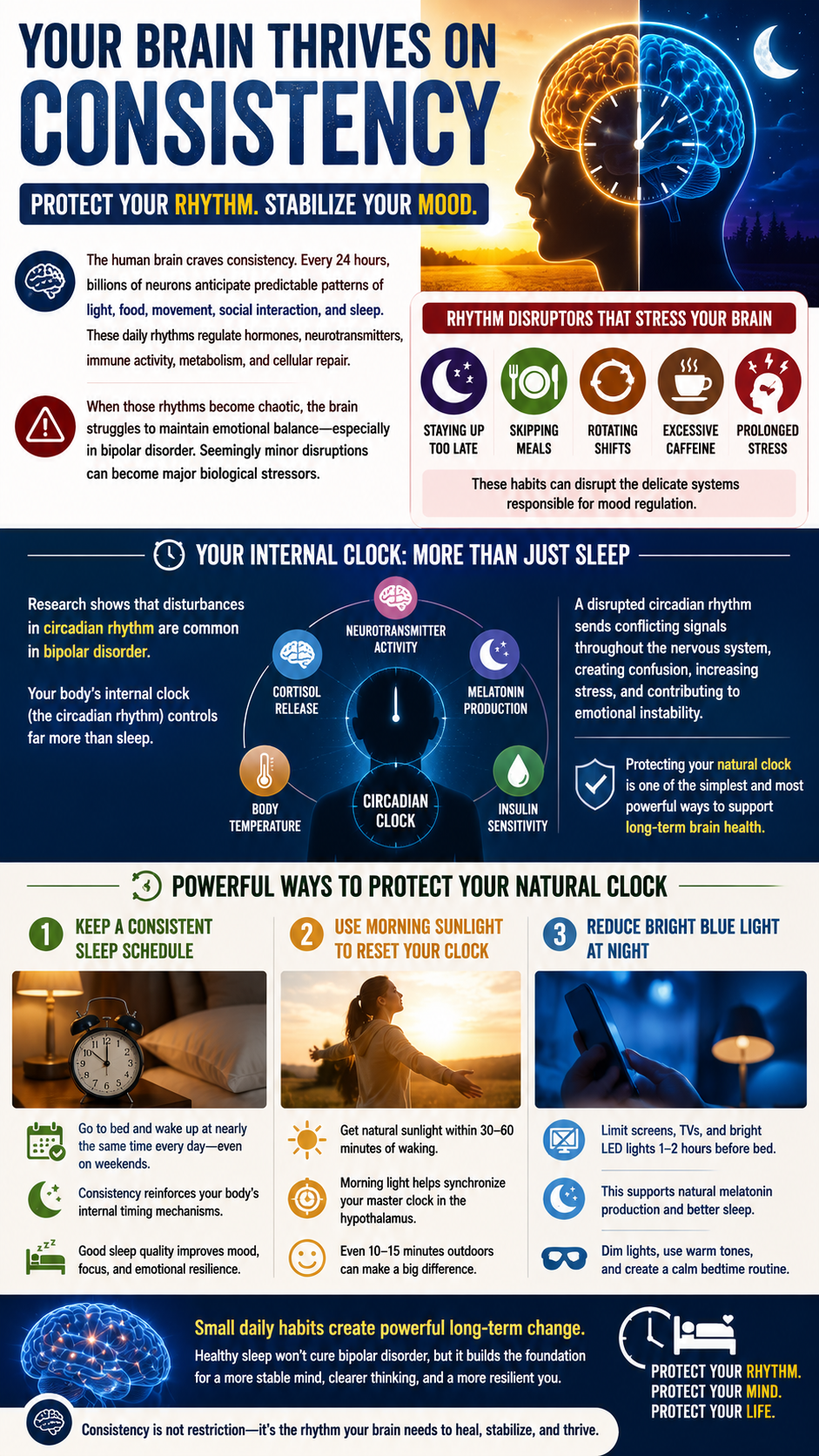
Researchers have consistently identified disturbances in circadian rhythm among individuals with bipolar disorder. The body’s internal clock governs far more than sleep. It regulates cortisol release, melatonin production, insulin sensitivity, body temperature, and even the timing of neurotransmitter activity. A disrupted circadian rhythm creates confusion throughout the nervous system. Instead of operating within a predictable biological schedule, the brain receives conflicting signals that may contribute to emotional instability. Protecting the body’s natural clock therefore becomes one of the simplest and most powerful ways to support long-term brain health.
Creating a consistent sleep schedule represents an important first step. Going to bed and waking at nearly the same time every day reinforces the body’s internal timing mechanisms. Morning sunlight helps synchronize the master clock located within the hypothalamus, while reducing bright blue light during the evening encourages natural melatonin production. These habits may appear ordinary, yet they influence nearly every biological system discussed throughout this article. Healthy sleep cannot eliminate bipolar disorder, but it creates an environment where the brain functions more predictably and efficiently.
Food Becomes Brain Chemistry Long Before It Becomes Energy
Every bite of food eventually becomes part of the brain. Amino acids become neurotransmitters. Fatty acids become neuronal membranes. Vitamins become enzyme cofactors. Minerals stabilize electrical activity. Antioxidants defend delicate brain tissue against oxidative stress. Nutrition therefore represents far more than calorie intake. It provides the raw materials required for emotional regulation.
Modern dietary patterns often work against optimal brain health. Ultra-processed foods frequently contain refined carbohydrates, industrial seed oils, artificial additives, and excessive sugar while lacking many nutrients essential for healthy neurological function. Repeated blood sugar spikes increase insulin secretion, stimulate inflammatory pathways, and elevate oxidative stress throughout the body. Over time, these changes may reduce metabolic flexibility and place additional demands upon already vulnerable neural networks.
Whole foods provide a very different biological environment. Vegetables, fruits, legumes, fish, eggs, lean proteins, nuts, seeds, and minimally processed foods deliver vitamins, minerals, fiber, and phytonutrients that support healthy cellular function. Several dietary patterns, including the Mediterranean diet, have been associated with lower levels of systemic inflammation and improved overall brain health. Emerging research has also explored ketogenic therapies for some neurological and psychiatric conditions because ketones may improve mitochondrial efficiency and provide an alternative energy source for the brain. Although promising, ketogenic approaches require further study in bipolar disorder and should be undertaken only with guidance from qualified healthcare professionals, particularly for individuals taking psychiatric medications.
Omega-3 Fatty Acids Help Build a More Resilient Brain
The brain contains an extraordinary concentration of fat. Nearly every neuron depends upon healthy lipid membranes to communicate efficiently with neighboring cells. Omega-3 fatty acids, particularly eicosapentaenoic acid and docosahexaenoic acid, play central roles in maintaining membrane fluidity, regulating inflammation, and supporting neurotransmitter function. Unfortunately, many Western diets provide abundant omega-6 fats while supplying comparatively little omega-3 nutrition.
Clinical research examining omega-3 supplementation in bipolar disorder has produced encouraging, although not definitive, results. Several studies suggest that omega-3 fatty acids may help support mood stability, particularly when used alongside conventional treatment. Researchers believe these benefits may arise from multiple mechanisms, including improved membrane function, reduced inflammatory signaling, enhanced neuroplasticity, and better mitochondrial performance. While omega-3 supplements should never replace prescribed mood stabilizers, they represent one of the most extensively studied nutritional interventions for supporting brain health.
Consuming fatty fish such as salmon, sardines, trout, and mackerel several times each week increases dietary omega-3 intake naturally. Individuals who do not regularly consume fish may wish to discuss high-quality omega-3 supplementation with their healthcare provider. Product quality, dosage, and medication interactions deserve careful consideration before beginning any supplement program.
Micronutrients That Quietly Influence Emotional Health
The human brain depends upon hundreds of enzymatic reactions every minute. Each reaction requires specific vitamins and minerals that function as biological spark plugs. Deficiencies rarely produce immediate symptoms. Instead, they gradually reduce the efficiency of numerous neurological processes until resilience begins to decline.
Magnesium participates in more than three hundred enzymatic reactions throughout the body. Within the nervous system, it helps regulate electrical signaling and supports healthy glutamate activity. Zinc contributes to synaptic communication and immune regulation. Selenium protects neurons by supporting antioxidant enzymes that neutralize harmful free radicals. Vitamin D receptors appear throughout the brain, suggesting this nutrient influences neurological function beyond maintaining bone health. Folate, vitamin B6, and vitamin B12 participate in methylation pathways that help produce important neurotransmitters while supporting normal nervous system function.
Correcting nutritional deficiencies does not cure bipolar disorder, yet restoring optimal nutrient status removes unnecessary obstacles to healthy brain performance. Laboratory evaluation helps identify deficiencies that may otherwise remain unnoticed for years. Working with knowledgeable healthcare professionals allows nutritional interventions to become personalized rather than based upon guesswork.
Movement Changes the Brain From the Inside Out
Exercise influences the brain in ways that extend far beyond burning calories. Physical activity increases blood flow, stimulates mitochondrial biogenesis, enhances insulin sensitivity, reduces systemic inflammation, and encourages the release of brain-derived neurotrophic factor. Often called BDNF, this remarkable protein supports neuroplasticity, helping neurons strengthen existing connections while forming new ones. Healthy neuroplasticity allows the brain to adapt, recover, and learn more effectively throughout life.
Regular exercise also influences several neurotransmitters involved in mood regulation, including dopamine, serotonin, and norepinephrine. At the same time, movement reduces chronic cortisol elevation while improving sleep quality and cardiovascular health. These overlapping effects explain why consistent physical activity remains one of the most broadly recommended lifestyle interventions for supporting both physical and mental well-being.
Moderation remains important. Extremely intense exercise performed during manic episodes may worsen overstimulation in some individuals. Walking, swimming, cycling, resistance training, yoga, and other sustainable forms of movement often provide substantial benefits without creating excessive physiological stress. Consistency ultimately matters more than intensity when building long-term neurological resilience.
Calming the Nervous System Before It Reaches a Breaking Point
Modern life exposes the nervous system to an almost continuous stream of stimulation. Constant notifications, financial pressures, relationship conflicts, work demands, and information overload keep stress hormones elevated far longer than the human body evolved to tolerate. Chronic cortisol elevation influences nearly every biological system discussed throughout this article. It disrupts sleep, impairs insulin sensitivity, promotes inflammation, weakens immune regulation, and alters communication between important brain regions responsible for emotional control.

Learning to regulate stress does not eliminate life’s challenges, yet it changes how the nervous system responds to them. Mindfulness practices, controlled breathing exercises, prayer, meditation, cognitive behavioral therapy, spending time outdoors, and meaningful social connection all activate the parasympathetic nervous system. This branch of the nervous system slows heart rate, reduces stress hormone production, improves digestion, and supports recovery after periods of emotional strain.
Strong social relationships deserve particular attention. Isolation often amplifies depression while reducing opportunities for early recognition of emerging manic symptoms. Trusted family members, friends, counselors, and support groups frequently notice subtle behavioral changes before the individual recognizes them personally. Healthy relationships therefore become an important component of long-term emotional stability rather than merely providing emotional comfort.
Environmental Factors That Often Go Unnoticed
The brain constantly interacts with the surrounding environment. Air quality, chemical exposures, heavy metals, alcohol, recreational drugs, and tobacco all influence neurological health in different ways. Although no single environmental factor explains bipolar disorder, cumulative exposures may increase oxidative stress while placing additional demands upon detoxification systems and cellular repair mechanisms.
Excessive alcohol deserves special mention because it disrupts sleep architecture, alters neurotransmitter activity, impairs judgment, and interferes with numerous psychiatric medications. Recreational stimulant drugs may trigger manic episodes in susceptible individuals, while chronic cannabis use has been associated with poorer outcomes in some people living with bipolar disorder. Reducing unnecessary neurological stressors creates a healthier foundation upon which other lifestyle interventions can build.
Protecting overall health also includes routine medical care. Conditions such as thyroid disease, sleep apnea, vitamin deficiencies, diabetes, and certain neurological disorders may influence mood and deserve appropriate evaluation. Addressing these conditions does not replace psychiatric treatment, yet it strengthens the biological systems supporting normal brain function.
Building a Foundation for Lifelong Brain Health
Supporting mood stability requires patience rather than quick fixes. The brain remodels itself gradually through thousands of daily decisions involving nutrition, sleep, movement, stress management, social connection, and medical care. No single supplement, dietary pattern, or lifestyle intervention replaces the complexity of comprehensive treatment. Instead, meaningful improvement often emerges from many small biological advantages accumulating over months and years.
Individuals living with bipolar disorder should never discontinue lithium or any prescribed mood stabilizer without direct guidance from their treating clinician. Abrupt medication changes may trigger severe manic or depressive episodes with potentially devastating consequences. Natural strategies work best when viewed as tools that strengthen the body’s overall resilience while complementing evidence-based psychiatric care. They help create a healthier internal environment where the brain may function more efficiently, but they should not be presented as substitutes for treatments that have demonstrated effectiveness in reducing relapse and suicide risk.
Perhaps the greatest lesson emerging from modern neuroscience is that the brain cannot be separated from the rest of the body. Every healthy meal nourishes neurons. Every restorative night of sleep repairs delicate neural networks. Every walk strengthens circulation to the brain. Every effort to reduce inflammation supports healthier communication between billions of brain cells. Every decision that improves physical health also creates an opportunity to strengthen emotional health. While bipolar disorder remains a complex lifelong condition for many people, the future of treatment continues moving toward an integrated model that combines medical therapy with nutrition, lifestyle medicine, psychological support, and personalized care. That future offers hope because it recognizes an important truth. Lasting emotional stability depends not only on calming symptoms but also on building a healthier brain from the inside out.