
The Missing Investigation Behind Modern Depression
The first clue rarely appears in the mind. It often begins in the grocery cart.
A woman walks into her physician’s office after months of feeling emotionally exhausted. She struggles to get out of bed each morning, loses interest in activities she once loved, and finds herself withdrawing from family and friends. Sleep comes in short, restless intervals. Afternoon fatigue demands caffeine, while evening cravings pull her toward sugar and processed carbohydrates. She blames stress. Her family assumes she is simply overwhelmed. Her physician administers a brief depression questionnaire, asks about her mood, and prescribes an antidepressant before the appointment ends. No one asks what she eats. No one questions whether her digestive system absorbs nutrients properly. No one wonders whether years of chronic inflammation, processed foods, medications, disrupted sleep, or environmental toxins have quietly depleted the very compounds her brain requires to function. The conversation centers on symptoms, while the biology that created those symptoms remains largely unexplored.
This pattern repeats itself millions of times each year. Depression has become one of the most common health conditions worldwide, affecting people from every age group and every socioeconomic background. The public conversation often frames depression as a disorder of brain chemistry, genetics, or emotional trauma. Those factors certainly influence mental health, and no single explanation accounts for every case. Yet another layer deserves equal attention. The brain cannot manufacture healthy neurotransmitters without an adequate supply of vitamins, minerals, amino acids, essential fats, and cellular energy. Every thought, every memory, every emotional response depends upon a remarkable biochemical orchestra fueled by nutrition. When the orchestra loses its instruments, the music changes long before anyone notices the first missed note.
The Brain Was Never Designed to Run on Modern Food
Human biology evolved over hundreds of thousands of years. During that time, people consumed wild plants, seasonal fruits, roots, nuts, seeds, seafood, and animals raised in natural environments. Those foods delivered a remarkable concentration of vitamins, minerals, omega-3 fatty acids, antioxidants, and phytonutrients that continuously nourished the brain. Modern civilization dramatically changed that relationship in only a few generations. Industrial food processing removed fiber, stripped away minerals, oxidized healthy fats, and replaced nutrient-dense ingredients with refined flour, added sugars, seed oils, preservatives, and artificial flavorings. Calories became abundant while nutrition quietly disappeared.
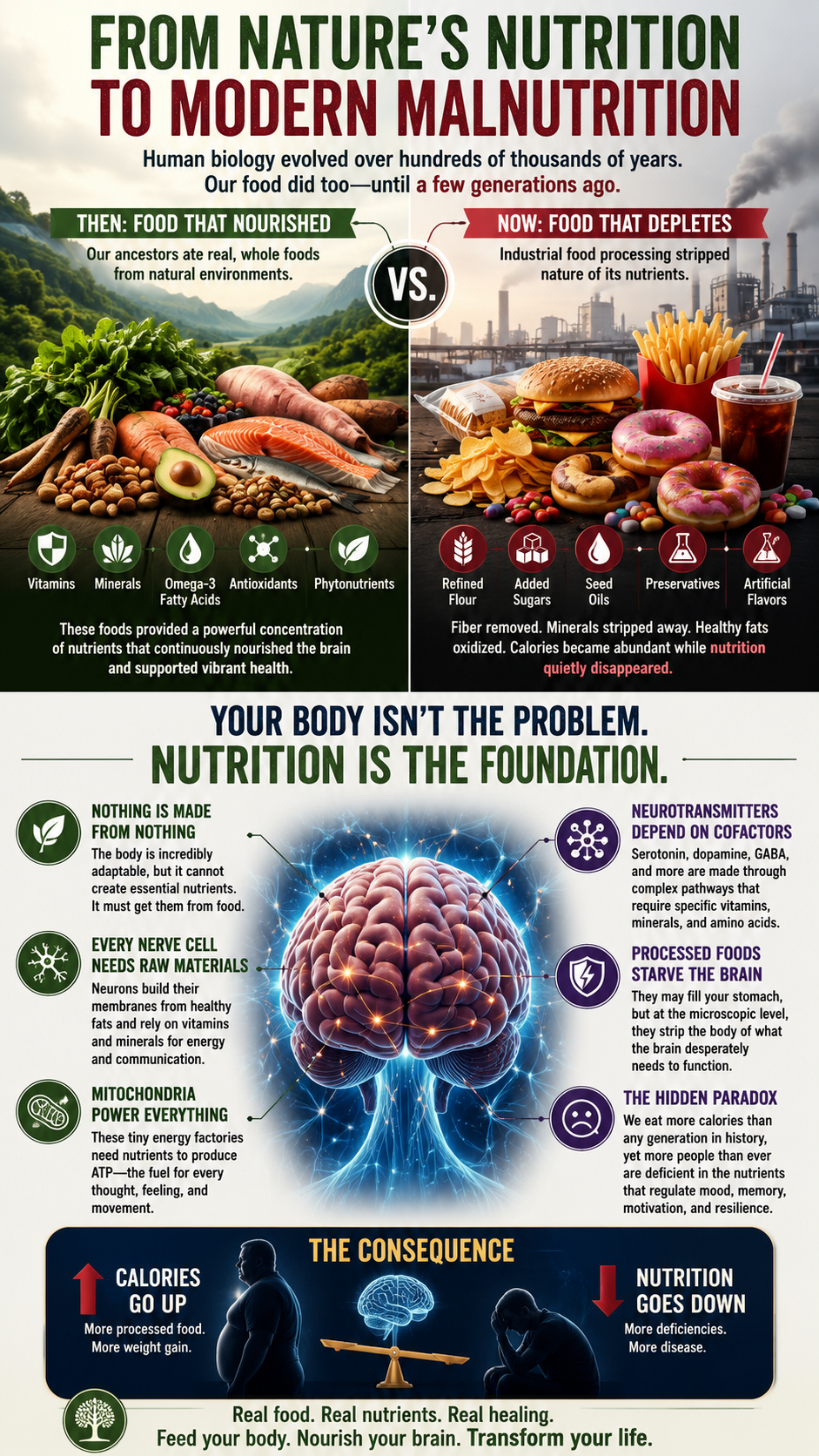
The body possesses extraordinary adaptability, but it cannot manufacture essential nutrients from nothing. Every cell in the nervous system relies on raw materials obtained through food. Neurons construct membranes from healthy fats. Mitochondria generate energy from vitamins and minerals that support countless enzymatic reactions. Neurotransmitters emerge through pathways that require specific nutritional cofactors. A diet rich in processed foods may satisfy hunger while simultaneously starving the brain at the microscopic level. Many people consume more calories than any previous generation while remaining deficient in nutrients that regulate mood, memory, motivation, and emotional resilience. This paradox helps explain why obesity and depression often rise together despite living in an age of unprecedented food availability.
Depression Begins Long Before Sadness Appears
Most people recognize depression only after emotional symptoms emerge. They expect persistent sadness, hopelessness, or tearfulness to announce the disorder. Biology tells a different story. Depression often develops gradually as cellular dysfunction spreads through multiple systems long before mood noticeably changes. The earliest disturbances frequently involve declining mitochondrial energy production, increasing oxidative stress, chronic inflammation, hormonal disruption, impaired blood sugar regulation, and diminishing neurotransmitter synthesis. These hidden changes quietly alter brain function months or even years before someone recognizes that something feels emotionally wrong.
The first warning signs often seem unrelated to mental health. Concentration weakens during routine conversations. Motivation slowly fades despite adequate sleep. Exercise becomes unusually exhausting. Memory slips become more frequent. Stress tolerance shrinks. Afternoon energy disappears. Cravings intensify because the brain seeks rapid glucose to compensate for declining efficiency. Relationships become harder to maintain because patience gradually erodes. None of these symptoms automatically indicate depression, yet together they may represent the earliest biological whispers of a nervous system struggling to maintain normal function. By the time emotional symptoms dominate daily life, the underlying nutritional problems may have persisted for years.
Every Emotion Begins as Chemistry
The human brain contains nearly one hundred billion neurons connected through an astonishing network of synapses. These cells communicate using neurotransmitters, tiny chemical messengers that influence thought, behavior, memory, movement, sleep, appetite, and emotion. Serotonin, dopamine, gamma-aminobutyric acid, norepinephrine, and acetylcholine receive enormous attention because they shape many aspects of emotional health. Popular culture often describes these chemicals as though the brain simply produces them automatically. Reality proves far more fascinating. Every neurotransmitter begins as a nutritional product assembled through highly regulated biochemical pathways requiring dozens of vitamins, minerals, amino acids, and enzymes.
Imagine attempting to build a house without lumber, nails, electrical wiring, concrete, or skilled workers. Even the most detailed blueprint becomes useless when the construction materials never arrive. Neurotransmitters follow the same principle. The brain may possess perfect genetic instructions for manufacturing serotonin or dopamine, yet production slows dramatically when nutritional building blocks become scarce. Genetics may load the gun, but nutrition often determines whether the trigger is pulled. Without adequate raw materials, the brain cannot simply wish healthy chemistry into existence.
The Silent Collapse of Serotonin Production
Serotonin influences much more than happiness. It regulates sleep, appetite, digestion, learning, body temperature, pain perception, and emotional stability. Nearly every discussion about antidepressants centers on serotonin because many medications attempt to increase its availability within synapses. Far fewer conversations examine whether the brain can manufacture sufficient serotonin before medication enters the equation. That question deserves careful consideration because serotonin synthesis depends upon a complex nutritional network rather than a single chemical reaction.
Production begins with tryptophan, an essential amino acid obtained exclusively through food. The body converts tryptophan into 5-hydroxytryptophan before producing serotonin. Every step requires vitamin B6, magnesium, iron, folate, vitamin C, riboflavin, and vitamin B12 to function efficiently. Deficiencies affecting any of these nutrients can reduce production despite adequate protein intake. Chronic inflammation compounds the problem by diverting tryptophan away from serotonin synthesis and toward the kynurenine pathway, where inflammatory metabolites accumulate instead. The result resembles a factory receiving fewer raw materials while simultaneously redirecting shipments to another warehouse. Output inevitably declines even though the machinery remains intact.
Dopamine Gives Life Its Momentum
Depression does not always look like sadness. Many individuals describe emotional numbness rather than despair. They wake without enthusiasm, struggle to complete ordinary tasks, and lose interest in hobbies that once brought tremendous satisfaction. This pattern often reflects disturbances involving dopamine, the neurotransmitter responsible for motivation, reward, curiosity, learning, and purposeful behavior. Dopamine provides the internal momentum that transforms intention into action. When production falls, life begins to feel emotionally flat despite the absence of overwhelming grief.
Tyrosine serves as dopamine’s nutritional foundation. The body converts tyrosine into L-DOPA before producing dopamine through several enzyme-driven reactions. Iron, copper, vitamin C, folate, vitamin B6, and vitamin B12 participate throughout this pathway. Mitochondria supply the enormous energy required for these conversions. Chronic stress further complicates dopamine balance because prolonged cortisol elevation increases nutritional demands while accelerating neurotransmitter depletion. People frequently blame themselves for becoming lazy or unmotivated without realizing their brains may struggle to manufacture enough dopamine to sustain normal drive. Character becomes the scapegoat while biology quietly deteriorates beneath the surface.
Inflammation Changes the Brain from the Inside Out
Scientists increasingly recognize inflammation as one of the most significant contributors to depression. The immune system communicates continuously with the nervous system through cytokines, inflammatory proteins released during infection, injury, chronic disease, obesity, poor diet, environmental toxin exposure, and persistent psychological stress. Acute inflammation protects the body during genuine emergencies, but chronic inflammation gradually transforms brain chemistry in harmful ways. It damages cellular membranes, increases oxidative stress, impairs mitochondrial function, and interferes with neurotransmitter production simultaneously.
Inflammation also weakens the blood-brain barrier, the highly selective membrane protecting delicate brain tissue from harmful substances circulating within the bloodstream. Once this barrier loses integrity, inflammatory molecules gain greater access to neural tissue, activating microglia, the brain’s resident immune cells. Activated microglia produce additional inflammatory compounds that further disrupt communication between neurons. This vicious cycle resembles a neighborhood alarm system that never shuts off after the danger has passed. Instead of protecting the community, the constant sirens prevent everyone from functioning normally. Over time, persistent neuroinflammation steals mental clarity, emotional stability, motivation, and cognitive performance while accelerating the biological processes associated with depression.
Rebuilding the Brain from the Inside Out
The human brain resembles a thriving city more than a machine. Every second, billions of nerve cells exchange chemical messages, generate electrical impulses, repair microscopic damage, recycle worn-out components, and manufacture new proteins that allow learning, memory, and emotional balance. This bustling metropolis never closes. Even while you sleep, your brain consumes enormous amounts of energy to maintain the intricate network that makes you who you are. Such relentless activity demands a constant supply of vitamins, minerals, healthy fats, amino acids, and oxygen. Remove even one critical ingredient, and the system begins to falter. Remove several at once, and the effects ripple across every aspect of physical and emotional health.
Many people think of depression as a condition isolated to the brain, yet the roots often extend far beyond the skull. Digestion influences nutrient absorption. The liver activates vitamins and removes toxins that interfere with metabolism. The thyroid regulates the speed of every biochemical reaction. The adrenal glands shape the body’s stress response. The immune system constantly communicates with neurons through inflammatory molecules. Even the bacteria living inside the intestines manufacture compounds that influence neurotransmitters. Depression rarely emerges because one organ suddenly fails. Instead, it develops when multiple biological systems lose harmony, gradually starving the brain of the resources required to function normally.
The Vitamin Deficiencies That Quietly Change Brain Chemistry
Among all nutritional deficiencies associated with mood disorders, the B vitamins occupy a uniquely important position because they participate in nearly every step of neurotransmitter production and energy metabolism. Vitamin B6 helps convert amino acids into serotonin, dopamine, and gamma-aminobutyric acid. Folate and vitamin B12 regulate methylation, a biochemical process responsible for repairing DNA, activating genes, detoxifying harmful compounds, and producing neurotransmitters. Riboflavin activates several enzymes involved in energy production, while thiamine allows neurons to efficiently convert fuel into adenosine triphosphate, the universal energy currency of every cell.
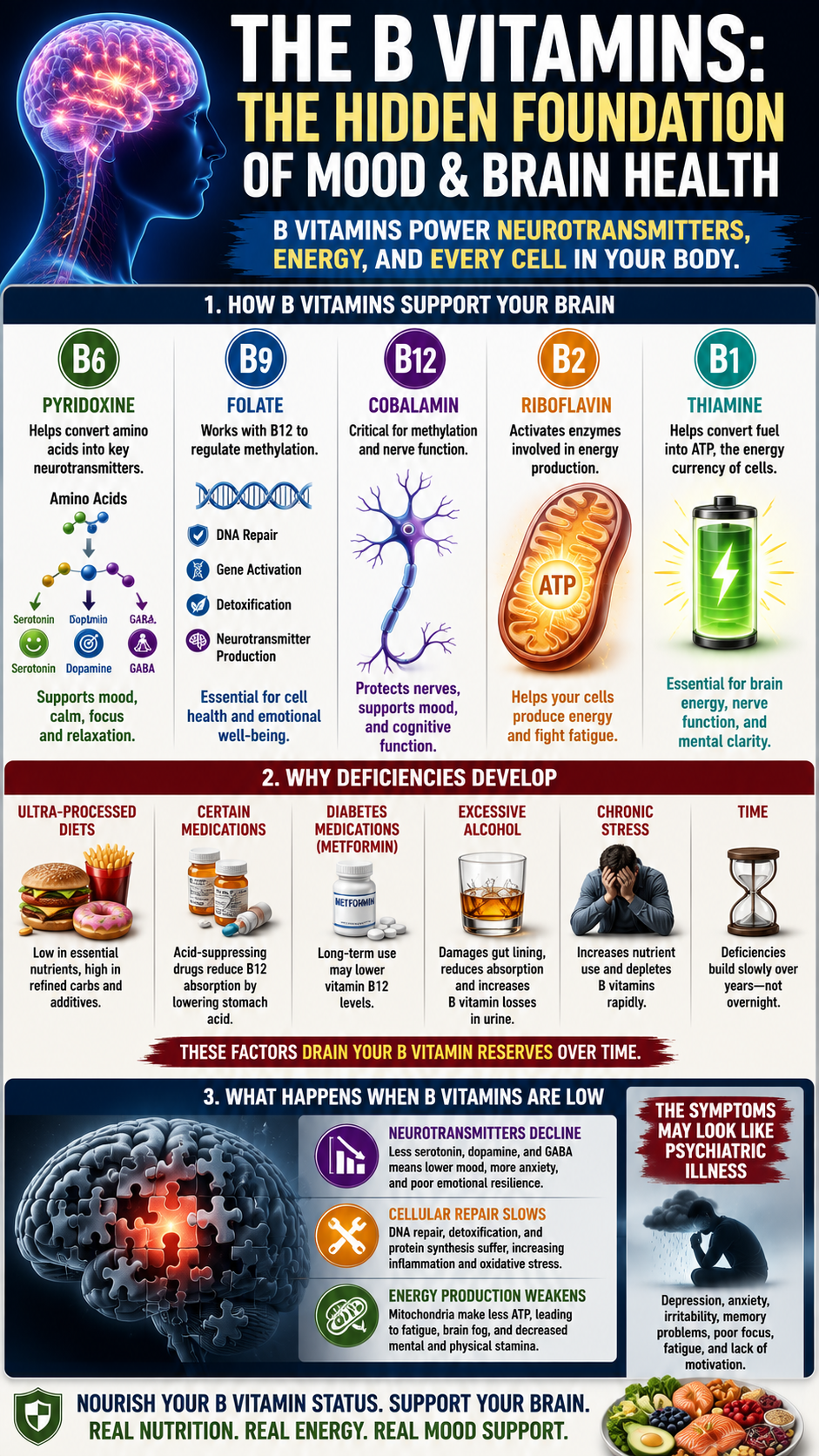
Deficiencies rarely develop overnight. Years of consuming ultra-processed foods gradually reduce nutritional reserves. Certain medications further accelerate depletion. Acid-suppressing drugs can impair vitamin B12 absorption because stomach acid releases B12 from dietary proteins. Metformin, commonly prescribed for diabetes, may also lower vitamin B12 levels during long-term use. Excessive alcohol damages intestinal absorption while increasing urinary losses of several B vitamins. Chronic stress rapidly consumes these nutrients because every stress response requires additional metabolic activity. As deficiencies deepen, neurotransmitter production slows, cellular repair declines, and mitochondrial energy output weakens. The resulting symptoms often resemble primary psychiatric illness even though nutrition contributes significantly to the underlying dysfunction.
Magnesium: The Mineral That Helps Calm the Mind
Magnesium rarely receives the attention given to antidepressants, yet every neuron depends upon it. More than three hundred enzymatic reactions require magnesium, including many involved in energy production, protein synthesis, DNA repair, nerve conduction, and muscle relaxation. Within the brain, magnesium regulates N-methyl-D-aspartate receptors, preventing excessive stimulation that can damage neurons. It also supports gamma-aminobutyric acid, the primary calming neurotransmitter that helps quiet anxious thoughts and promotes restorative sleep.
Modern agriculture has unintentionally contributed to declining magnesium intake. Intensive farming practices have reduced mineral concentrations in many soils, while food processing removes much of the magnesium naturally present in whole grains, vegetables, nuts, and seeds. High sugar intake increases urinary magnesium losses, creating a vicious cycle because magnesium deficiency often intensifies sugar cravings. Chronic psychological stress compounds the problem by increasing magnesium utilization during prolonged cortisol release. Over time, inadequate magnesium may contribute to muscle tension, headaches, insomnia, irritability, anxiety, fatigue, and depressed mood. Restoring healthy magnesium status cannot solve every case of depression, but it provides essential support for the biochemical pathways that regulate emotional stability.
Iron Carries More Than Oxygen
Iron deficiency often brings to mind fatigue and anemia, yet its influence extends deep into brain chemistry. Iron functions as a critical cofactor for enzymes that synthesize dopamine, serotonin, and norepinephrine. Without sufficient iron, neurotransmitter production slows even when amino acids remain plentiful. Iron also supports mitochondrial function, allowing neurons to generate the energy required for continuous communication. Reduced oxygen delivery further compounds the problem because the brain consumes more oxygen than almost any other organ in the body.
Women with heavy menstrual bleeding, individuals following poorly planned restrictive diets, endurance athletes, and people with gastrointestinal disorders face increased risk of iron deficiency. However, iron supplementation should never occur blindly because excess iron also damages tissues through oxidative stress. Appropriate laboratory evaluation helps distinguish deficiency from overload. The goal involves restoring physiological balance rather than assuming that more always means better. When iron status normalizes, many people notice improvements in concentration, endurance, mental clarity, and overall vitality alongside appropriate medical management of underlying causes.
The Gut-Brain Highway Never Stops Talking
Scientists once believed the brain directed nearly every conversation within the body. Modern research reveals a far more complex relationship. The digestive tract and the nervous system communicate continuously through the vagus nerve, immune signaling molecules, hormones, and metabolites produced by trillions of microorganisms living inside the intestines. This network, known as the gut-brain axis, influences mood, memory, immunity, appetite, sleep, and stress resilience every hour of every day.
Problems begin when the intestinal environment loses diversity. Diets dominated by processed foods provide little fermentable fiber for beneficial bacteria. Frequent antibiotic exposure reduces microbial diversity. Chronic stress alters intestinal motility and increases permeability of the gut lining. Inflammatory bowel disorders further disrupt nutrient absorption. Even when someone consumes a nutrient-rich diet, damaged intestinal tissue may absorb vitamins and minerals inefficiently. The brain then receives fewer raw materials despite adequate intake. This disconnect highlights an often-overlooked truth. Nutrition involves more than what enters the mouth. True nourishment depends upon what the body successfully digests, absorbs, transports, and ultimately delivers to every neuron.
Environmental Toxins Can Drain the Brain’s Nutritional Reserve
Nutrition alone cannot explain every case of depression because modern life exposes the body to thousands of synthetic chemicals that previous generations never encountered. Heavy metals, air pollution, certain pesticides, industrial solvents, cigarette smoke, and endocrine-disrupting compounds increase oxidative stress while placing enormous demands upon detoxification systems. The liver consumes vitamins, minerals, amino acids, and antioxidants as it neutralizes these substances. When exposure continues year after year, nutritional reserves may decline even if dietary intake remains relatively stable.
Chronic toxin exposure also activates inflammatory pathways that interfere with neurotransmitter production and mitochondrial function. Researchers continue investigating how environmental factors contribute to neurodegenerative disease, cognitive decline, and mood disorders. Although every exposure cannot be eliminated, reducing unnecessary contact with tobacco smoke, minimizing highly processed foods, choosing clean drinking water, and following workplace safety recommendations can lower the cumulative burden placed upon the body’s natural defense systems.
Healing Begins with Everyday Decisions
Recovery from depression rarely follows a straight line, and no single food or supplement replaces comprehensive mental health care when needed. However, many daily choices create an internal environment that supports healthy brain function. A dietary pattern centered on minimally processed foods supplies vitamins, minerals, amino acids, healthy fats, and antioxidants required for neurotransmitter production. Colorful vegetables, high-quality protein sources, fruits, legumes, seafood, olive oil, and appropriately selected whole foods provide the raw materials neurons use every moment of the day. Stable blood sugar from balanced meals also protects the brain from repeated energy crashes that intensify fatigue and irritability.
Physical movement deserves equal attention because exercise influences far more than muscles. Regular activity increases brain-derived neurotrophic factor, a protein that supports learning, memory, and the formation of new neural connections. Exercise also improves insulin sensitivity, reduces systemic inflammation, enhances mitochondrial efficiency, and promotes deeper sleep. Even moderate walking performed consistently offers measurable benefits for both physical and emotional health. Progress develops through repetition rather than perfection, making sustainable habits far more valuable than short bursts of extreme effort.
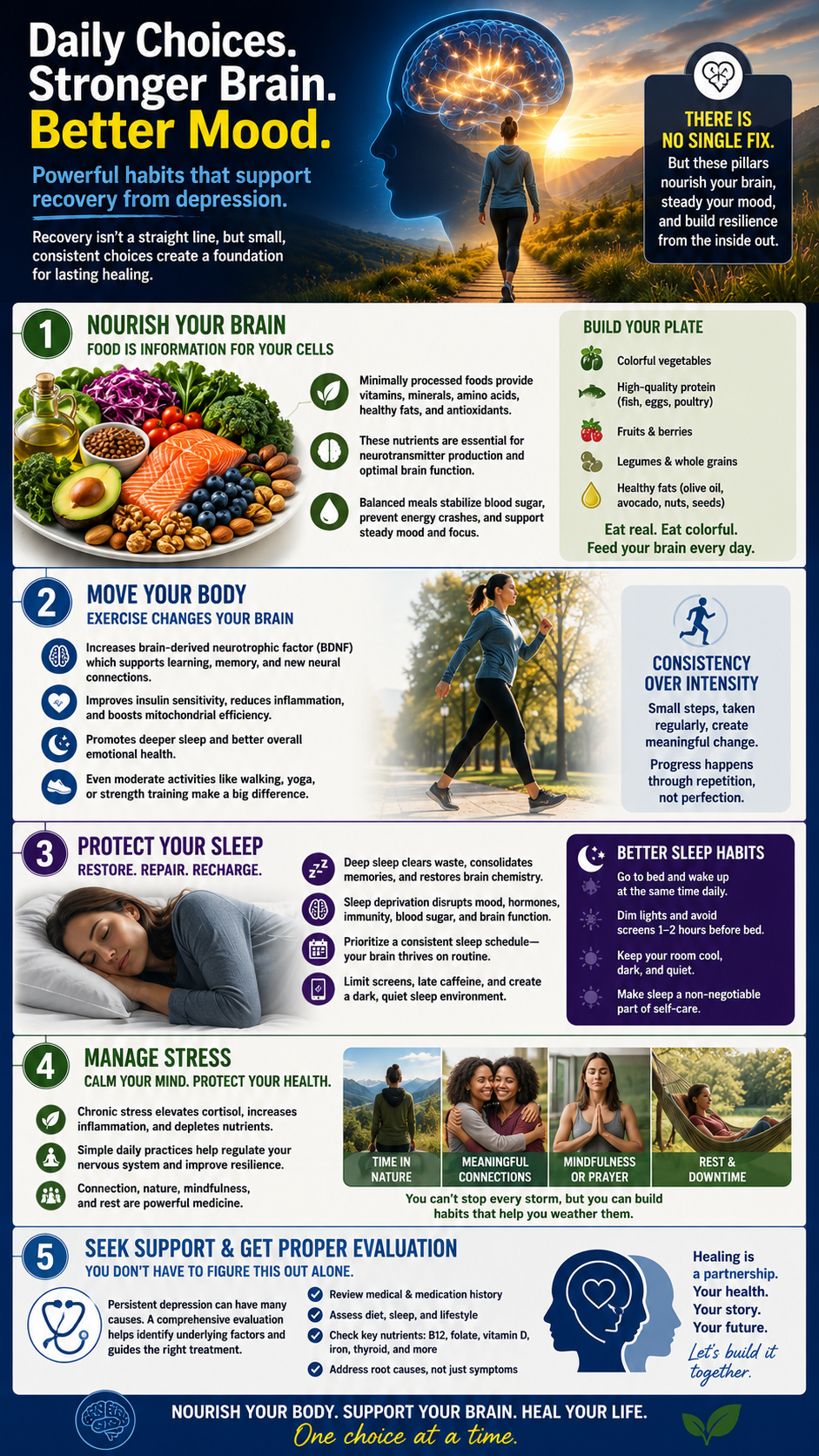
Sleep forms another cornerstone of emotional resilience because the brain performs critical maintenance during the night. Deep sleep clears metabolic waste products, consolidates memories, regulates hormones, and restores neurotransmitter balance. Chronic sleep deprivation disrupts nearly every system involved in mood regulation, including cortisol rhythms, immune signaling, glucose metabolism, and mitochondrial function. Establishing consistent sleep schedules, reducing evening exposure to bright screens, limiting late caffeine intake, and creating a quiet sleep environment help strengthen the biological foundation upon which emotional health depends.
Persistent psychological stress also deserves careful attention because the human stress response evolved for brief emergencies rather than constant activation. Chronic cortisol elevation increases inflammation, alters blood sugar regulation, consumes nutritional reserves, and shifts the body toward survival rather than repair. Simple practices such as spending time outdoors, maintaining meaningful social relationships, engaging in mindfulness or prayer, and setting aside periods for genuine rest help calm the nervous system. These habits cannot erase every challenge, yet they reduce the biological wear and tear that accumulates when stress never subsides.
Anyone experiencing persistent depression should seek evaluation from a qualified healthcare professional because mood symptoms may arise from many different medical and psychological conditions. A thoughtful assessment may include discussion of dietary patterns, medication history, sleep quality, thyroid function, iron status, vitamin B12, folate, vitamin D, and other clinically appropriate laboratory studies based on individual circumstances. Depression is not simply a matter of willpower, nor is it always explained by one neurotransmitter or one deficiency. It often reflects the complex interaction of genetics, environment, nutrition, inflammation, medical conditions, life experiences, and emotional health.
Looking Beyond the Prescription Pad
Modern psychiatry has helped countless people regain stability through psychotherapy, medication, and other evidence-based treatments. Those approaches remain valuable tools, particularly for moderate to severe depression. At the same time, nutrition and overall physical health deserve a meaningful place in the conversation because the brain depends upon the body for every molecule it produces. Ignoring nutritional status while discussing neurotransmitters resembles analyzing the performance of an orchestra without asking whether the musicians possess functioning instruments.
Perhaps the greatest lesson emerging from modern neuroscience is remarkably simple. The brain never operates in isolation. Every bite of food, every hour of sleep, every inflammatory process, every hormone, every toxin, every nutrient, and every lifestyle decision influences the remarkable organ that shapes our thoughts and emotions. Depression cannot always be prevented, nor can every case be reversed through nutrition alone. Yet understanding the biological foundations of emotional health empowers individuals to ask better questions, pursue more comprehensive evaluations, and participate actively in their own well-being. When the brain finally receives the nourishment it has quietly lacked for years, healing no longer depends solely on changing chemistry. It begins by rebuilding the very foundation upon which healthy chemistry was always meant to stand.