
The Inflammation Connection: The Fire Fueling PCOS
Insulin resistance rarely operates alone. Another major force quietly drives PCOS progression in millions of women. That force is chronic inflammation. Most people associate inflammation with pain, redness, swelling, or injury. The inflammation linked to PCOS behaves differently. It develops silently, spreads throughout the body, and disrupts cellular communication without producing obvious symptoms in its early stages.
Every time inflammatory chemicals circulate through the bloodstream, they interfere with hormone receptors and insulin signaling pathways. Cells become less responsive to insulin. The pancreas compensates by producing more insulin. Elevated insulin then stimulates greater androgen production from the ovaries. This process creates a vicious cycle where inflammation worsens insulin resistance and insulin resistance fuels additional inflammation.
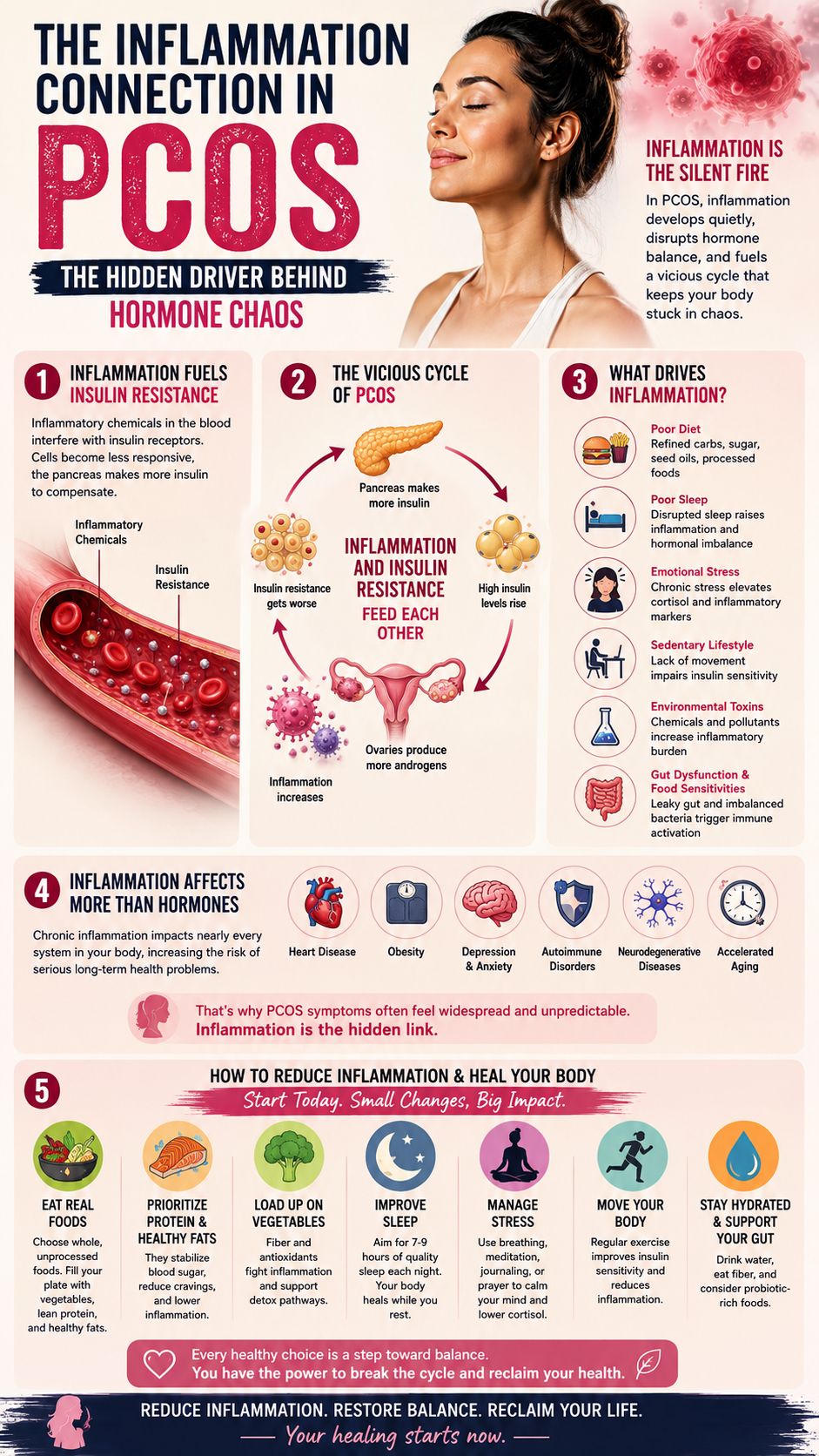
Several factors commonly drive inflammation in women with PCOS. Diets high in refined carbohydrates, sugar, industrial seed oils, and processed foods contribute significantly. Poor sleep, emotional stress, sedentary behavior, environmental toxins, food sensitivities, and gut dysfunction also increase inflammatory activity. Over time, the immune system remains activated, creating a state of chronic physiological stress.
Inflammation affects far more than reproductive hormones. Research increasingly links chronic inflammation to cardiovascular disease, obesity, depression, autoimmune disorders, neurodegenerative diseases, and accelerated aging. Women with PCOS often struggle with symptoms that seem unrelated to their diagnosis because inflammation impacts nearly every organ system in the body.
Reducing inflammation begins at home. Replacing processed foods with whole foods represents one of the most powerful interventions available. Prioritizing protein-rich meals, consuming healthy fats, increasing vegetable intake, improving sleep quality, managing stress, and engaging in regular physical activity all help lower inflammatory burden. Each positive change sends a signal to the body that healing can begin.
The Gut-Hormone Connection Nobody Talks About
The digestive system influences hormonal health far more than most women realize. Inside the gastrointestinal tract live trillions of microorganisms that form the gut microbiome. These bacteria influence metabolism, immune function, inflammation, nutrient absorption, neurotransmitter production, and hormone regulation. When the microbiome becomes imbalanced, hormonal disruption often follows.
Many women with PCOS experience digestive symptoms including bloating, constipation, reflux, abdominal discomfort, diarrhea, or food sensitivities. Conventional medicine frequently treats these complaints as unrelated conditions. Functional medicine recognizes that gut dysfunction may contribute directly to hormonal imbalance.
An unhealthy gut can increase intestinal permeability, commonly referred to as leaky gut. When this occurs, partially digested food particles, bacterial toxins, and inflammatory compounds enter the bloodstream. The immune system responds aggressively, creating widespread inflammation. As inflammation increases, insulin resistance worsens and hormonal regulation becomes more difficult.
The gut also plays a critical role in estrogen metabolism. Specialized bacteria help process and eliminate excess hormones. Disruptions within the microbiome can impair this process, leading to hormonal imbalances that affect menstrual cycles, fertility, and metabolic health.
Women can support gut health through simple daily habits. Eliminating processed foods reduces irritation within the digestive tract. Consuming fiber-rich vegetables helps nourish beneficial bacteria. Fermented foods may support microbial diversity when tolerated. Adequate hydration promotes healthy digestion. Managing stress also improves gut function because chronic stress directly alters the composition of the microbiome.
Environmental Toxins and Hormonal Disruption
The average woman encounters thousands of synthetic chemicals each year. Many of these compounds did not exist during most of human history. Modern research increasingly demonstrates that environmental toxins influence hormone production, reproductive function, metabolism, and fertility.
Endocrine-disrupting chemicals mimic or interfere with natural hormones. These compounds can alter cellular signaling, disrupt ovarian function, and contribute to metabolic dysfunction. Common sources include plastics, pesticides, herbicides, personal care products, cleaning supplies, cosmetics, synthetic fragrances, and food packaging materials.
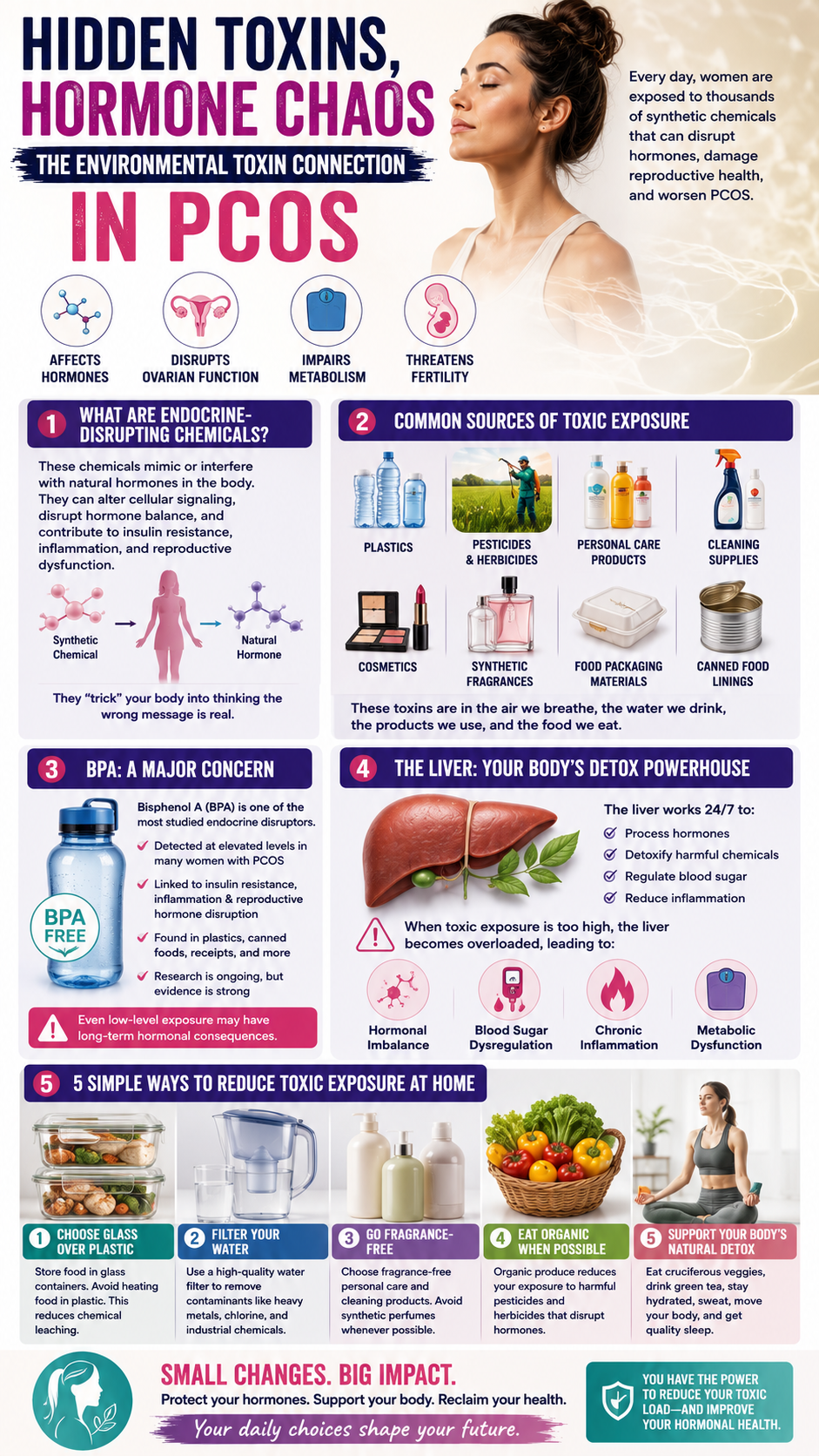
Bisphenol A, commonly known as BPA, represents one of the most studied endocrine disruptors. Researchers have detected elevated BPA levels in many women with PCOS. Although scientists continue investigating the relationship, evidence suggests these chemicals may worsen insulin resistance and reproductive dysfunction.
The liver bears much of the burden created by toxic exposure. This vital organ must process hormones, detoxify chemicals, regulate blood sugar, and manage inflammation simultaneously. Excessive toxic load can overwhelm these pathways, contributing to hormonal imbalance and metabolic dysfunction.
Women can dramatically reduce exposure through practical changes at home. Storing food in glass containers instead of plastic reduces chemical contamination. Filtering drinking water decreases exposure to numerous contaminants. Choosing fragrance-free products minimizes contact with synthetic chemicals. Selecting organic produce when possible may reduce pesticide exposure. These changes may seem small individually, but their cumulative impact can be significant.
The Cortisol Connection: How Stress Worsens PCOS
The human body cannot distinguish between a financial crisis, an argument with a spouse, a demanding job, or a physical threat. All forms of stress activate the same physiological response. The adrenal glands release cortisol and adrenaline, preparing the body for survival.
Short-term stress responses serve an important purpose. Problems arise when stress becomes chronic. Persistently elevated cortisol contributes to insulin resistance, blood sugar instability, increased inflammation, disrupted ovulation, poor sleep quality, and weight gain. Many women with PCOS live in a constant state of physiological stress without realizing the impact it has on their hormones.
High cortisol levels encourage the body to store fat, particularly around the abdomen. This pattern frequently appears in women with PCOS. Increased abdominal fat further worsens insulin resistance, creating another self-perpetuating cycle. The more stress the body experiences, the more difficult metabolic recovery becomes.
Sleep deprivation amplifies the problem. Even a few nights of inadequate sleep can impair insulin sensitivity. Cortisol rises while appetite-regulating hormones become disrupted. Cravings increase, energy declines, and hormonal balance deteriorates. Women attempting to heal PCOS while ignoring sleep often struggle to achieve lasting results.
Developing daily stress-management practices can dramatically improve hormonal health. Deep breathing exercises, prayer, meditation, nature walks, journaling, gratitude practices, and meaningful social connections all help regulate the stress response. The goal is not eliminating stress entirely. The goal is improving the body’s ability to recover from stress efficiently.
Why Birth Control Does Not Reverse PCOS
Birth control remains one of the most commonly prescribed treatments for PCOS. Many women understandably assume that if their doctor recommends it, the medication must address the underlying condition. Unfortunately, symptom management and root-cause resolution are not the same thing.
Hormonal contraceptives often regulate menstrual bleeding and reduce androgen-related symptoms. These changes may improve quality of life temporarily. However, the medication typically does not correct insulin resistance, inflammation, gut dysfunction, nutrient deficiencies, chronic stress, or toxic burden. Those factors continue influencing the body even while symptoms appear controlled.
Imagine placing a blanket over the warning lights on a car dashboard. The lights disappear from view, but the mechanical problem remains. Birth control frequently functions in a similar manner. Symptoms become less visible while the underlying drivers continue operating beneath the surface.
Many women discover this reality when they discontinue birth control. Irregular cycles, acne, weight gain, and fertility challenges often return because the metabolic dysfunction responsible for those symptoms was never addressed. Long-term improvement requires restoring healthy physiology rather than suppressing visible manifestations.
Understanding this distinction empowers women to pursue a more comprehensive strategy. Medications may play a role in symptom management for some individuals, but lasting recovery typically requires addressing the biological factors that initiated the problem.
The Fertility Consequences of Untreated PCOS
One of the most emotionally challenging aspects of PCOS involves fertility. Many women first learn they have PCOS while attempting to conceive. Ovulation becomes inconsistent or absent because hormonal signals required for egg maturation become disrupted.
Healthy fertility depends upon coordinated communication between the brain, ovaries, adrenal glands, thyroid gland, liver, and metabolic systems. Insulin resistance interferes with that communication. Elevated testosterone further impairs ovulation. Inflammation creates an environment that makes successful conception more difficult.
The encouraging news is that fertility often improves when metabolic health improves. Women who address insulin resistance frequently experience more regular cycles and improved ovulation. Weight loss, when needed, can enhance reproductive outcomes. Better sleep, reduced inflammation, improved nutrition, and stress reduction further support fertility.
Many women become discouraged after receiving a PCOS diagnosis because they assume infertility is inevitable. That assumption is inaccurate. While PCOS certainly increases fertility challenges, many women successfully conceive after addressing the root causes contributing to hormonal imbalance.
The reproductive system responds to overall health. When the body perceives a safe and healthy environment, fertility often improves naturally.
The Most Powerful At-Home Strategy for Reversing PCOS
Women often ask which supplement, medication, or treatment works best for PCOS. The answer surprises many people because the most powerful intervention involves restoring insulin sensitivity through daily lifestyle choices.
The first step involves building every meal around protein. Protein stabilizes blood sugar, reduces cravings, supports muscle maintenance, and promotes satiety. Starting the day with protein instead of sugary carbohydrates can dramatically improve blood sugar control throughout the entire day.
Removing processed foods creates another major shift. Packaged snacks, sweetened beverages, refined grains, desserts, and fast food place enormous stress on metabolic pathways. Replacing those foods with whole-food alternatives helps lower insulin levels and reduce inflammation.
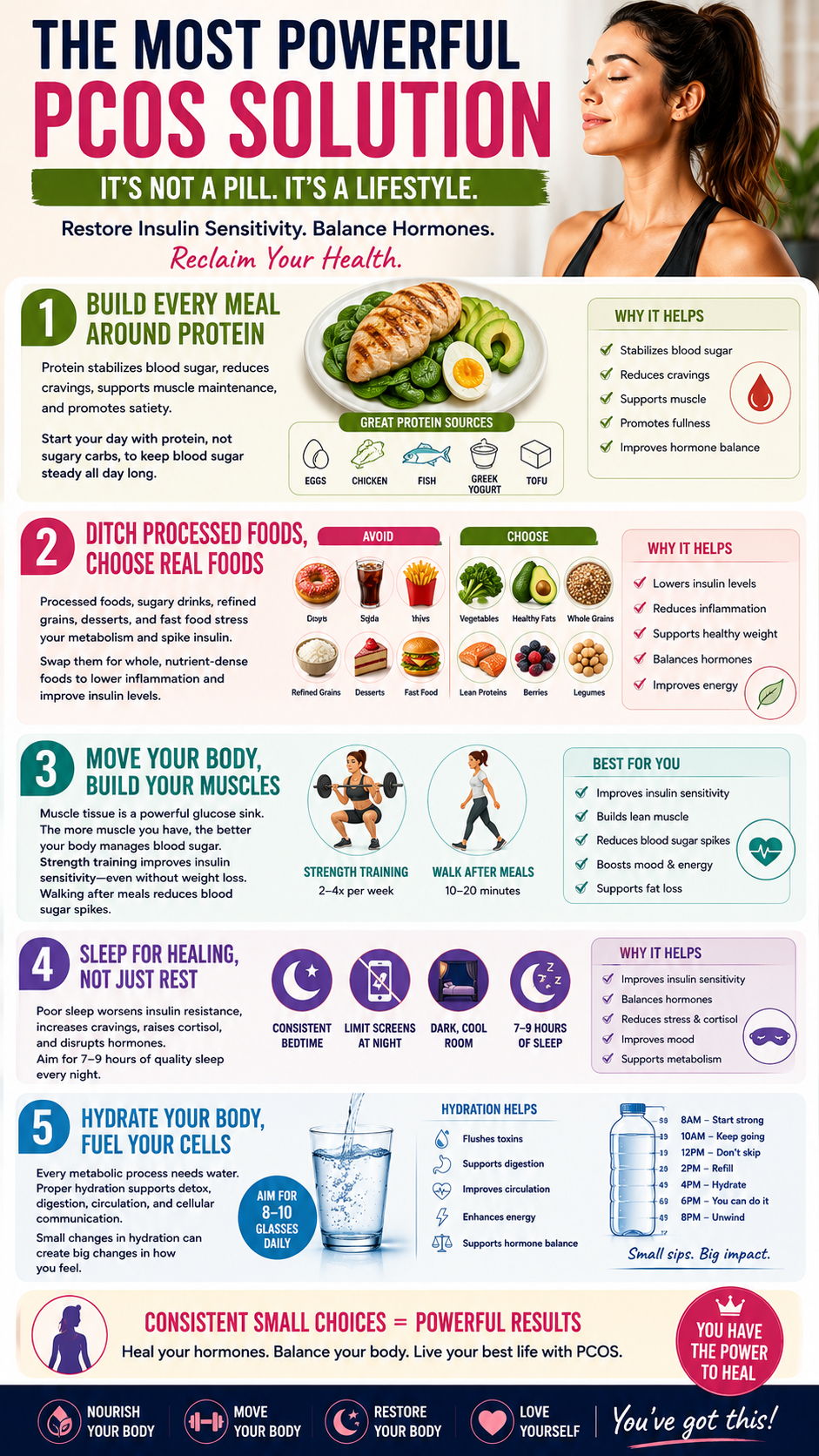
Strength training deserves special attention. Muscle tissue acts as a powerful glucose sink. The more muscle a woman maintains, the better her body manages blood sugar. Resistance exercise improves insulin sensitivity even without significant weight loss. Walking after meals provides additional benefits by reducing post-meal blood sugar spikes.
Sleep optimization often produces dramatic improvements. Creating a consistent bedtime routine, reducing evening screen exposure, sleeping in a dark room, and prioritizing seven to nine hours of quality sleep can significantly improve hormonal function. Many women underestimate the profound metabolic impact of restorative sleep.
Hydration also matters. Every metabolic process depends upon adequate water intake. Proper hydration supports detoxification, digestion, circulation, and cellular communication. Small improvements in hydration can enhance overall physiological function.
A Practical 30-Day PCOS Reset
Women seeking meaningful improvement can begin implementing changes immediately. During the first week, focus on eliminating sugary beverages and increasing protein intake at every meal. This simple adjustment often reduces cravings and stabilizes energy levels.
During the second week, begin incorporating daily movement. A twenty-minute walk after meals provides an excellent starting point. Consistency matters more than intensity. Small daily actions create powerful cumulative results.
The third week should emphasize sleep optimization. Establish a regular bedtime. Limit screen exposure before sleep. Create a cool, dark sleeping environment. Prioritizing recovery allows hormonal systems to function more efficiently.
The fourth week can focus on reducing environmental toxin exposure. Replace plastic food containers with glass alternatives. Filter drinking water. Choose cleaner household and personal care products whenever possible. These steps help reduce the burden placed on detoxification pathways.
By the end of thirty days, many women notice improvements in energy, appetite control, mental clarity, sleep quality, and metabolic function. While complete recovery takes time, consistent lifestyle changes create momentum toward healing.
Final Thoughts: PCOS Is Not a Life Sentence
For decades, women have been told that PCOS represents a chronic condition requiring lifelong management. While the diagnosis should never be ignored, it should not be viewed as a permanent sentence either. The condition often reflects a deeper imbalance involving insulin resistance, inflammation, stress physiology, gut dysfunction, environmental exposures, and metabolic health.
The ovaries are not usually the source of the problem. They are responding to signals generated elsewhere in the body. When those signals improve, the ovaries frequently begin functioning more normally. This understanding changes the conversation from hopelessness to possibility.
Every healthy meal, every strength-training session, every hour of quality sleep, and every step toward reducing inflammation becomes an investment in hormonal recovery. The body possesses an extraordinary ability to heal when provided the right environment. Women who address the root causes of PCOS often experience improvements that extend far beyond reproductive health.
The future of PCOS treatment lies not in suppressing symptoms but in restoring function. When insulin becomes balanced, inflammation decreases, gut health improves, stress becomes manageable, and toxic burden declines, the body can begin moving toward health once again. That journey requires commitment and consistency, but it offers something symptom suppression never can: the possibility of true physiological restoration.
PCOS may begin as a diagnosis, but it does not have to define a woman’s future. Understanding the root cause provides the roadmap. Taking action provides the opportunity. The combination of both can transform hormonal chaos into lasting health.