
The Modern Acid Reflux Epidemic Nobody Fully Understands
Millions of people wake each morning with burning chest pain, sour stomachs, bloating, throat irritation, chronic coughing, and digestive discomfort. Many keep acid blockers beside their beds like a nightly survival tool. Restaurants now advertise “heartburn-friendly” meals, while television commercials normalize digestive dysfunction as part of modern life. The public received the message that acid reflux represents a simple condition caused by excessive stomach acid. Pharmaceutical companies promoted proton pump inhibitors as miracle medications capable of solving the problem quickly and effectively. Physicians embraced the medications because they suppressed symptoms rapidly and appeared safer than older drugs initially used for ulcers and severe digestive inflammation.
The global dependence upon proton pump inhibitors now represents one of the most overlooked medical disasters in modern healthcare. Drugs like Prilosec, Nexium, Protonix, Prevacid, and Dexilant became household names across the world. Millions now take these medications daily for years, while many never question whether suppressing stomach acid permanently creates deeper health consequences. Unfortunately, the body always pays a price when foundational physiology becomes chronically interrupted.
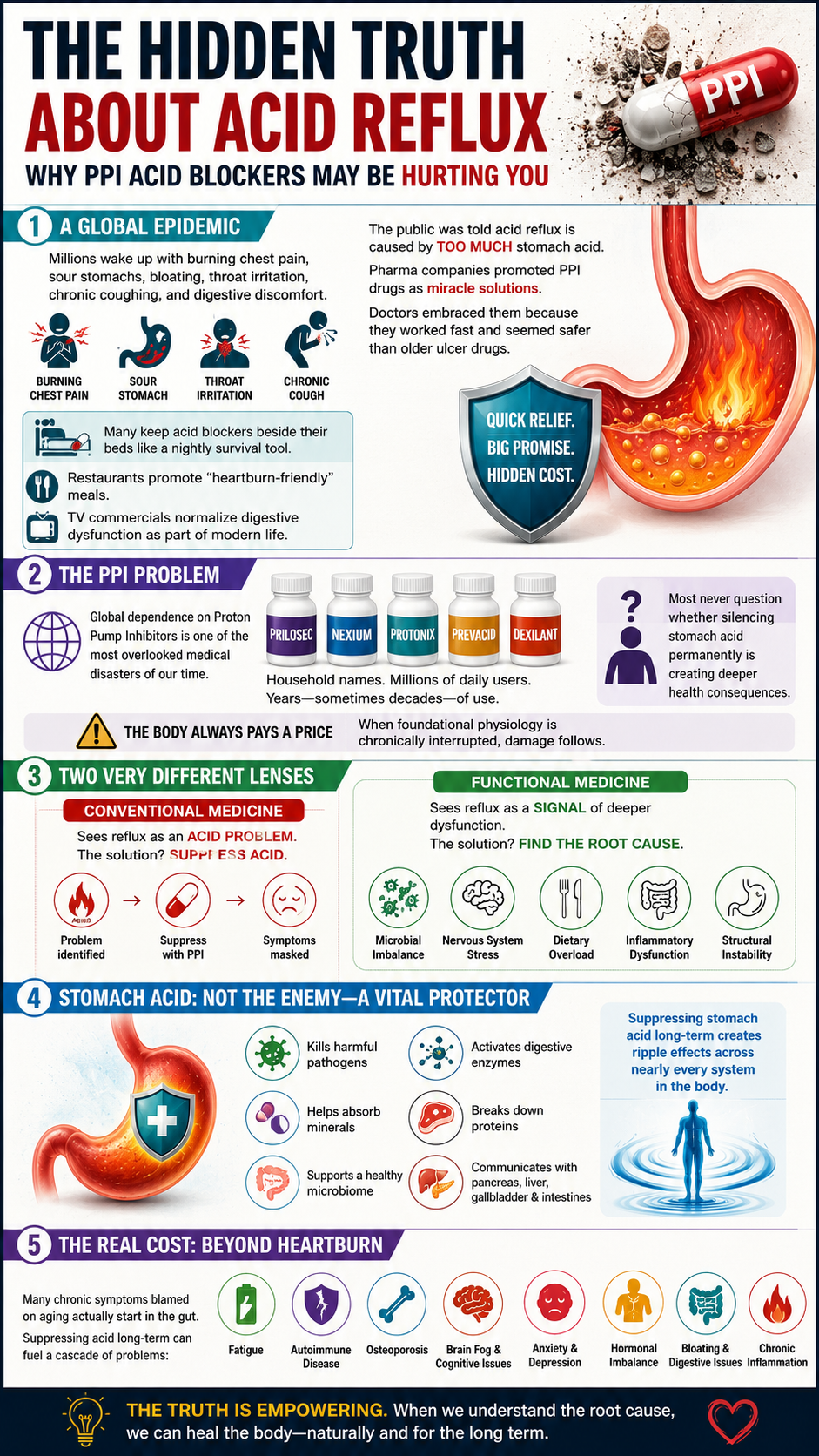
Functional medicine views acid reflux through an entirely different lens than conventional medicine. Mainstream medicine generally sees reflux as an acid problem requiring suppression. Functional medicine sees reflux as a signal of digestive failure, inflammatory dysfunction, microbial imbalance, nervous system stress, dietary overload, and structural instability. One model suppresses symptoms. The other investigates root causes. That distinction changes the future health of the patient dramatically.
The human body never designed stomach acid to function as an enemy. Hydrochloric acid exists because life depends upon it. Every digestive organ relies upon proper stomach acidity to function correctly. The stomach protects the body against pathogens, activates digestive enzymes, absorbs minerals, breaks down proteins, regulates the microbiome, and communicates with the pancreas, liver, gallbladder, and intestines continuously. Suppressing this system long term creates ripple effects throughout nearly every organ system in the body.
Many chronic symptoms blamed on aging actually begin inside the digestive tract. Fatigue, autoimmune disease, osteoporosis, nutrient deficiency, anxiety, depression, brain fog, bloating, skin disorders, hormonal imbalance, chronic inflammation, and neurological dysfunction often trace back to weakened digestion and damaged gut physiology. The public rarely hears this message because symptom management dominates modern healthcare conversations. Yet the truth remains clear: suppressing stomach acid long term frequently worsens the underlying digestive problem instead of solving it.
What Proton Pump Inhibitors Actually Do to the Body
Proton pump inhibitors work by blocking the hydrogen-potassium ATPase enzyme system located inside stomach parietal cells. This mechanism dramatically reduces hydrochloric acid production. Physicians originally developed these medications for short-term use in patients suffering from severe ulcers, gastrointestinal bleeding, erosive esophagitis, and acute stomach damage. The drugs served an important purpose during serious digestive emergencies because they reduced tissue irritation temporarily and promoted healing in carefully selected cases.
The problem emerged when temporary treatment transformed into lifelong dependence. Millions now take PPIs continuously without investigating why their digestive system failed initially. Many patients receive automatic prescription refills for decades without proper nutritional monitoring or root-cause investigation. The pharmaceutical industry contributed heavily to this pattern through aggressive advertising campaigns that portrayed stomach acid as dangerous. The public eventually accepted a simplistic belief that acid causes pain and therefore acid must always be eliminated.
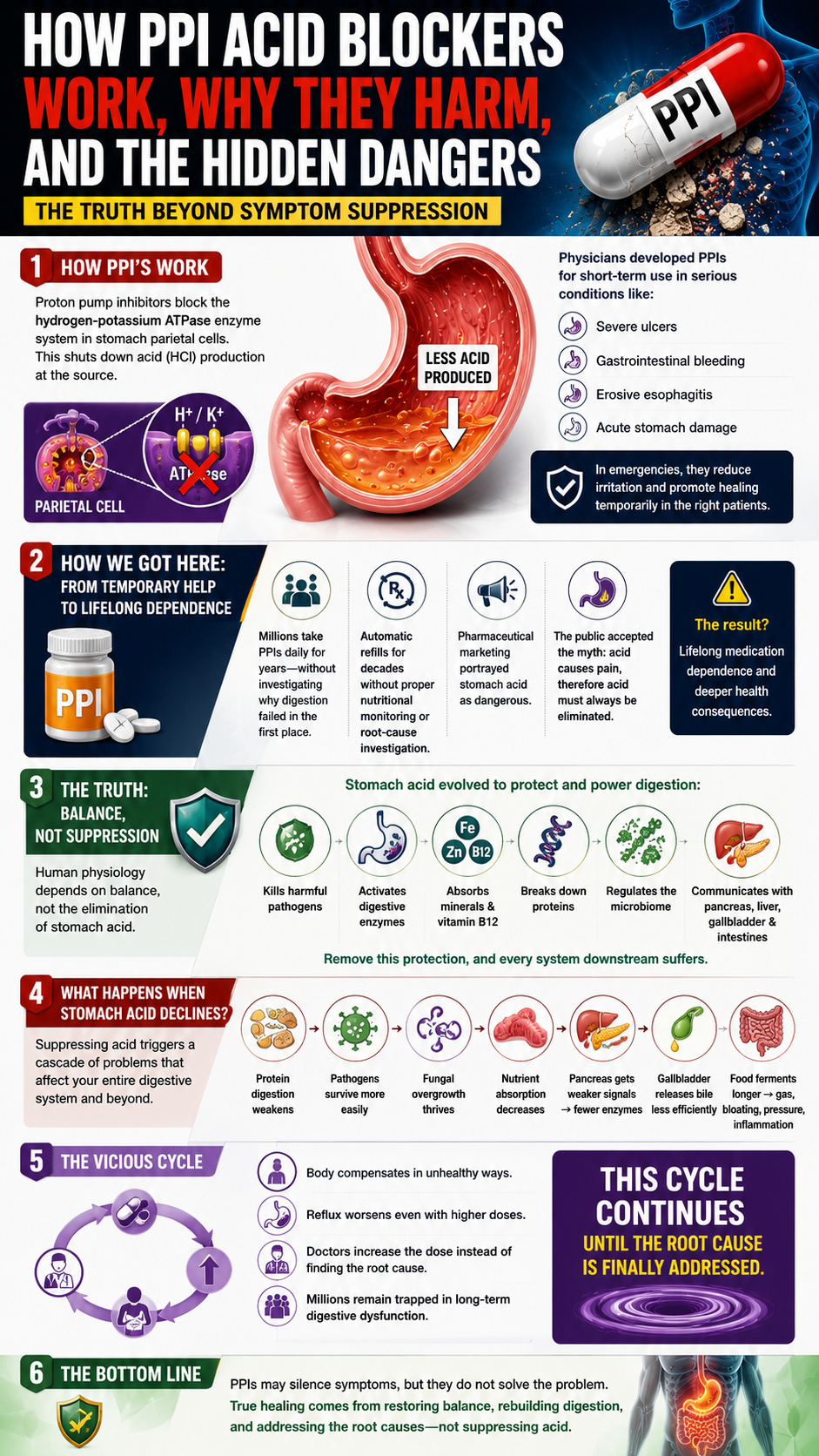
Human physiology never operates with such simplicity. Every system inside the body depends upon balance rather than suppression. Stomach acid serves protective functions that evolved carefully over thousands of years of human biology. Removing that protection creates significant physiological consequences throughout the digestive tract and beyond.
When stomach acid production declines, protein digestion weakens immediately. The stomach loses its ability to sterilize incoming food effectively. Harmful bacteria survive more easily. Fungal organisms gain opportunity to spread. Nutrient absorption decreases. Digestive timing becomes impaired. The pancreas receives weaker signals to release digestive enzymes. The gallbladder releases bile less efficiently. Food begins fermenting longer inside the stomach and intestines, producing gas, bloating, pressure, and inflammation.
The body starts compensating in unhealthy ways. Patients often experience worsening reflux despite stronger medication doses. Physicians frequently respond by increasing dosage levels rather than investigating deeper causes. This cycle traps millions inside long-term digestive dysfunction while the original problem remains unresolved.
The Real Cause of Acid Reflux Most People Never Hear About
The mainstream belief that reflux develops from excessive stomach acid oversimplifies a far more complex physiological process. Functional medicine recognizes that many reflux sufferers actually produce insufficient stomach acid instead of excessive amounts. This concept shocks many patients because they spent years believing acid itself caused their symptoms. However, weak stomach acid often creates the exact conditions leading to reflux.
The stomach requires strong acidity to digest food efficiently and move contents into the small intestine properly. When stomach acid becomes weak, digestion slows significantly. Food remains inside the stomach longer than intended. Carbohydrates begin fermenting. Gas pressure rises. The stomach expands under increasing internal pressure. That pressure forces stomach contents upward through the lower esophageal sphincter, the muscular valve separating the stomach from the esophagus.
The issue often involves pressure, fermentation, inflammation, and sphincter weakness rather than acid excess. Many reflux patients also suffer from hiatal hernias, where part of the stomach pushes upward through the diaphragm. This structural dysfunction weakens the lower esophageal sphincter mechanically and allows reflux to occur more easily.
Modern dietary habits worsen the problem dramatically. Processed foods, refined sugar, artificial sweeteners, soda, alcohol, industrial seed oils, fried foods, overeating, late-night meals, and fast eating patterns create enormous stress upon digestive physiology. The body struggles continuously under inflammatory pressure while the microbiome shifts into imbalance.
Stress also plays a critical role in digestive dysfunction. Chronic emotional stress activates the sympathetic nervous system, commonly called fight-or-flight mode. During stress states, the body suppresses digestion because survival becomes the priority biologically. Stomach acid production declines. Digestive movement slows. Blood flow shifts away from digestive organs. Fermentation increases. Reflux symptoms worsen.
Functional medicine practitioners ask different questions than conventional medicine providers. Instead of asking how to suppress acid more aggressively, they investigate why digestion weakened initially. They examine dietary habits, microbiome health, stress physiology, nervous system balance, inflammatory burden, food sensitivities, structural dysfunction, and nutrient status carefully. This root-cause model often reveals the true drivers of chronic reflux symptoms.
Why Stomach Acid Is Essential for Human Survival
Modern medicine trained the public to fear stomach acid without explaining its essential role in human health. Hydrochloric acid remains one of the body’s most important protective and digestive tools. Without adequate stomach acid, the entire digestive chain reaction begins breaking down rapidly.
The stomach functions as a biological security checkpoint. Every meal introduces bacteria, parasites, fungi, viruses, environmental toxins, and microbial contaminants into the digestive tract. Strong stomach acid destroys many harmful organisms before they reach the intestines. This protective barrier helps maintain microbiome balance and reduces infection risk continuously.
Hydrochloric acid also activates pepsin, the primary enzyme responsible for protein digestion. Without sufficient acidity, proteins remain partially digested and larger food particles move into the intestines improperly. These undigested proteins may irritate the intestinal lining, trigger immune activation, and contribute to inflammatory conditions throughout the body.
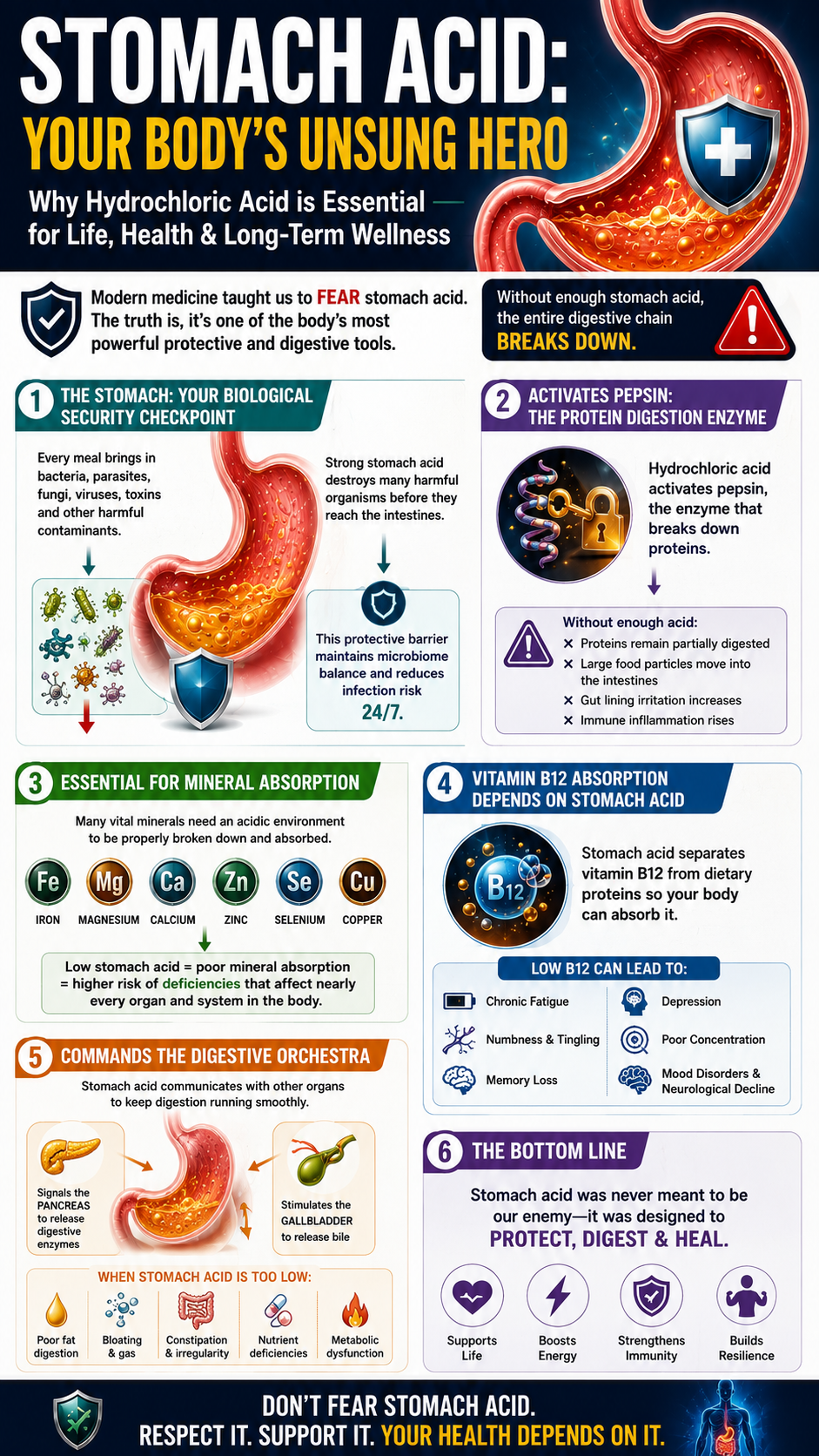
Mineral absorption depends heavily upon stomach acidity. Iron, magnesium, calcium, zinc, selenium, and copper require acidic conditions for optimal breakdown and absorption. Long-term acid suppression gradually increases the risk of nutrient deficiencies that affect nearly every organ system.
Vitamin B12 absorption also requires proper stomach acid levels. The stomach must separate B12 from dietary proteins before the body can absorb it successfully. Low B12 contributes to chronic fatigue, depression, numbness, tingling, memory loss, poor concentration, mood disorders, and neurological decline.
The stomach also communicates constantly with downstream digestive organs. Proper acidity signals the pancreas to release digestive enzymes and stimulates the gallbladder to release bile. Weak stomach acid disrupts these signals, leading to poor fat digestion, bloating, constipation, nutrient deficiency, and metabolic dysfunction.
The body never intended stomach acid to become the villain of digestion. Healthy acid production supports life, energy, immunity, and resilience throughout the human system.
How Long-Term PPI Use Destroys the Gut Microbiome
The microbiome functions like a living ecosystem inside the human body. Trillions of bacteria influence digestion, immunity, metabolism, hormone balance, detoxification, inflammation, and even brain function. Healthy stomach acid helps regulate this ecosystem by controlling which organisms survive passage into the intestines.
When acid blockers suppress stomach acidity chronically, bacterial overgrowth becomes far more likely. Harmful organisms survive more easily and begin colonizing areas of the digestive tract where they should not dominate. Many chronic PPI users eventually develop small intestinal bacterial overgrowth, commonly called SIBO.
SIBO creates bloating, abdominal pressure, gas, constipation, diarrhea, nausea, fatigue, food sensitivity, brain fog, and chronic inflammation. Patients often mistake these symptoms for worsening reflux and continue increasing acid suppression medications. Unfortunately, the medication itself frequently contributes to the microbial imbalance driving the symptoms.
Fungal overgrowth also becomes increasingly common. Candida organisms thrive more easily when stomach defenses weaken. Chronic yeast overgrowth may contribute to sugar cravings, skin rashes, fatigue, bloating, mental fog, immune dysfunction, and inflammatory reactions throughout the body.
The microbiome also influences neurotransmitter production heavily. Gut bacteria help regulate serotonin, dopamine, and GABA pathways involved in mood and nervous system function. Disrupting the microbiome may contribute to anxiety, depression, irritability, insomnia, and stress intolerance.
Functional medicine recognizes that gut health influences the entire body continuously. Destroying stomach acid weakens one of the body’s most important defenses against microbial chaos and inflammatory disease.
The Hidden Link Between PPIs and Leaky Gut Syndrome
Leaky gut syndrome, also called increased intestinal permeability, represents one of the most important concepts in functional medicine. The intestinal lining acts as a protective barrier separating the bloodstream from the contents inside the digestive tract. Healthy intestinal cells maintain tight junctions that control what enters circulation.
Chronic inflammation damages these protective barriers gradually. Weak digestion, microbial imbalance, processed foods, alcohol, stress, medications, and environmental toxins all contribute to intestinal permeability. Long-term acid suppression worsens many of these factors simultaneously.
Poor protein digestion leaves larger food particles inside the intestines. Harmful bacteria release inflammatory compounds that irritate the gut lining. Nutrient deficiencies weaken tissue repair. Over time, toxins, microbial fragments, and undigested proteins begin crossing into the bloodstream.
The immune system reacts aggressively once these substances escape the intestines. Chronic immune activation contributes to systemic inflammation affecting joints, skin, brain tissue, hormones, metabolism, and nervous system function. Many autoimmune conditions appear connected to intestinal permeability and microbiome dysfunction.
Patients suffering from eczema, psoriasis, Hashimoto’s thyroiditis, rheumatoid arthritis, chronic fatigue, migraines, and unexplained inflammation often show signs of intestinal barrier damage. Functional medicine practitioners frequently trace these problems back to chronic digestive dysfunction and microbiome imbalance.
Healing the gut requires rebuilding digestive physiology rather than suppressing symptoms endlessly.
Nutrient Deficiencies Created by Chronic Acid Suppression
One of the most dangerous aspects of long-term PPI use involves silent nutrient depletion. Many patients develop deficiencies slowly over years without recognizing the connection between their symptoms and weakened stomach acid.
Magnesium deficiency occurs commonly among chronic acid blocker users. Magnesium supports hundreds of biochemical reactions inside the body, including muscle relaxation, energy production, heart rhythm regulation, stress adaptation, sleep quality, and blood pressure control. Low magnesium may contribute to anxiety, palpitations, insomnia, muscle cramps, constipation, and chronic fatigue.
Calcium absorption also declines significantly. Many studies associate long-term PPI use with osteoporosis and increased fracture risk. Bone health depends upon proper mineral absorption and digestive function. Weak stomach acid limits the body’s ability to utilize calcium effectively.
Iron deficiency develops frequently because acidic conditions help convert iron into absorbable forms. Low iron contributes to weakness, dizziness, hair thinning, shortness of breath, poor exercise tolerance, and chronic exhaustion.
Zinc deficiency may impair immune function, testosterone production, thyroid conversion, wound healing, and taste sensation. Selenium deficiency weakens antioxidant defense systems and thyroid health.
Vitamin B12 deficiency deserves particular attention because neurological damage may become severe over time. Many patients develop numbness, tingling, depression, memory problems, confusion, poor balance, and cognitive decline without realizing chronic acid suppression contributed to the deficiency.
Functional medicine emphasizes restoring digestion because nutrient absorption forms the foundation of human health and cellular function.
The Functional Medicine Approach to Healing Acid Reflux Naturally
Functional medicine does not simply remove medications abruptly and hope symptoms disappear magically. Practitioners focus on rebuilding digestive function systematically while addressing root causes carefully. The goal involves restoring physiology rather than suppressing symptoms permanently.
Dietary intervention becomes the foundation of healing. Processed foods create enormous inflammatory burden throughout the digestive tract. Sugar feeds harmful bacteria and yeast while increasing fermentation. Industrial seed oils contribute to oxidative stress and cellular inflammation. Artificial additives disrupt microbiome balance and immune function.
Patients often improve dramatically after removing inflammatory foods consistently. Whole-food nutrition supports microbiome diversity, digestive repair, nutrient absorption, and metabolic balance. Clean proteins, healthy fats, vegetables, herbs, mineral-rich foods, and anti-inflammatory nutrients provide the body with essential building blocks for healing.
Eating habits also matter tremendously. Many patients eat rapidly, overeat frequently, consume large late-night meals, and remain distracted during eating. Digestion begins inside the nervous system. Stressful eating patterns suppress digestive secretions and worsen fermentation.
Patients should chew thoroughly, eat slowly, reduce portion sizes, and avoid eating several hours before sleep. Gentle walking after meals may improve digestion, blood sugar balance, and intestinal movement naturally.
Functional medicine practitioners may also support stomach acid production carefully using digestive bitters, apple cider vinegar, digestive enzymes, or betaine hydrochloride supplements when appropriate. These strategies help restore digestive signaling instead of suppressing physiology further.
Healing the gut lining also remains critical. Nutrients such as L-glutamine, zinc carnosine, collagen peptides, bone broth, omega-3 fats, aloe vera, and butyrate may support intestinal repair and reduce inflammation gradually.
How to Support Gut Healing at Home
Healing digestive dysfunction requires daily consistency rather than temporary symptom suppression. The body possesses remarkable healing capacity when given the right conditions repeatedly.
Begin by removing processed foods aggressively for several weeks. Eliminate soda, sugar, refined grains, alcohol, fried foods, artificial sweeteners, and fast food completely. Focus meals around clean proteins, healthy fats, vegetables, herbs, and mineral-rich foods.
Eat smaller meals more frequently if bloating and pressure remain severe. Large meals increase stomach pressure mechanically and worsen reflux symptoms. Stop eating at least three hours before bedtime whenever possible.

Chew food slowly and thoroughly because digestion begins in the mouth. Poor chewing forces the stomach to work harder and increases fermentation risk. Create calm eating environments without television, phones, or emotional stress whenever possible.
Walk outdoors after meals for ten to fifteen minutes daily. Gentle movement improves digestive motility, blood sugar regulation, stress reduction, and vagus nerve stimulation naturally.
Support nervous system regulation through deep breathing, prayer, meditation, sunlight exposure, chiropractic care, stretching, grounding, and quality sleep. Chronic stress suppresses digestion continuously, so nervous system healing becomes essential for long-term recovery.
Patients should also evaluate possible food sensitivities. Gluten, dairy, soy, corn, eggs, and processed additives commonly trigger inflammation in susceptible individuals. Elimination diets often reveal hidden triggers contributing to reflux and digestive dysfunction.
Hydration also matters significantly. Drink water consistently throughout the day but avoid excessive fluid intake during meals because dilution of digestive secretions may worsen symptoms for some individuals.
The healing process requires patience because the gut regenerates gradually over time. Many patients spent years damaging digestive physiology before seeking deeper solutions. Restoration often occurs progressively through consistent lifestyle and nutritional changes.
The Truth About Healing the Digestive System
The rise of chronic digestive disease reflects a broader collapse in metabolic and inflammatory health across modern society. Processed foods, chronic stress, environmental toxins, poor sleep, sedentary lifestyles, medication overuse, and nutrient depletion created widespread digestive dysfunction that mainstream medicine often manages superficially instead of correcting fundamentally.
Millions continue taking acid blockers daily while the underlying causes remain untouched. The body sends stronger warning signals each year through fatigue, inflammation, autoimmune disease, hormonal imbalance, anxiety, depression, constipation, bloating, food sensitivity, skin problems, and chronic pain.
Functional medicine recognizes that symptoms often represent intelligent signals from the body rather than isolated malfunctions. Acid reflux frequently reflects deeper breakdowns in digestive physiology, nervous system regulation, microbiome balance, and inflammatory resilience.
The human body was designed with extraordinary healing capacity. The stomach was designed to produce acid. The intestines were designed to absorb nutrients. The microbiome was designed to protect immunity. The nervous system was designed to regulate digestion calmly and efficiently.
Suppressing symptoms without rebuilding function weakens the body gradually. Restoring physiology strengthens the entire system from the inside outward. That distinction separates temporary symptom management from true healing.
The future of digestive health will not come from stronger acid suppression. It will come from restoring the biological systems modern lifestyles damaged so profoundly. Understanding the truth about stomach acid may become one of the most important steps toward reclaiming long-term health, resilience, energy, and vitality.