
The Uncomfortable Question Behind “Healthy Eating”
For decades, the public has been handed a simple nutritional doctrine: eat more plants, avoid fat, and trust that nature’s bounty is inherently safe. Grocery store aisles reflect this belief, lined with whole grains, legumes, and brightly colored vegetables marketed as the cornerstone of health. Physicians reinforce it, dietitians echo it, and public health institutions build entire dietary pyramids upon it. Yet, in parallel with this widespread adherence to plant-forward eating, rates of chronic inflammatory diseases—especially arthritis—have not declined. In many cases, they have surged.
This contradiction is rarely examined with intellectual honesty. Instead, the blame is shifted to aging, genetics, or vague notions of “lifestyle.” But what if a portion of the foods most aggressively promoted as beneficial are, under certain conditions, biologically disruptive? What if the body is not failing, but rather responding appropriately to compounds it interprets as threats?
At the center of this inquiry lies a class of plant-derived proteins known as lectins, along with a subgroup of foods called nightshades. Together, they form a paradox that challenges conventional thinking and forces a deeper look into the relationship between diet, the immune system, and chronic joint disease.
A Brief History of Lectins: From Plant Defense to Human Consumption
Lectins are not a modern invention, nor are they an obscure anomaly. They are a fundamental component of plant biology, serving as a defense mechanism developed over millions of years. Unlike animals, plants cannot flee predators. Instead, they evolved biochemical strategies to deter consumption. Lectins are one of those strategies—proteins designed to bind to carbohydrate structures in the digestive systems of animals, often interfering with normal physiological processes.
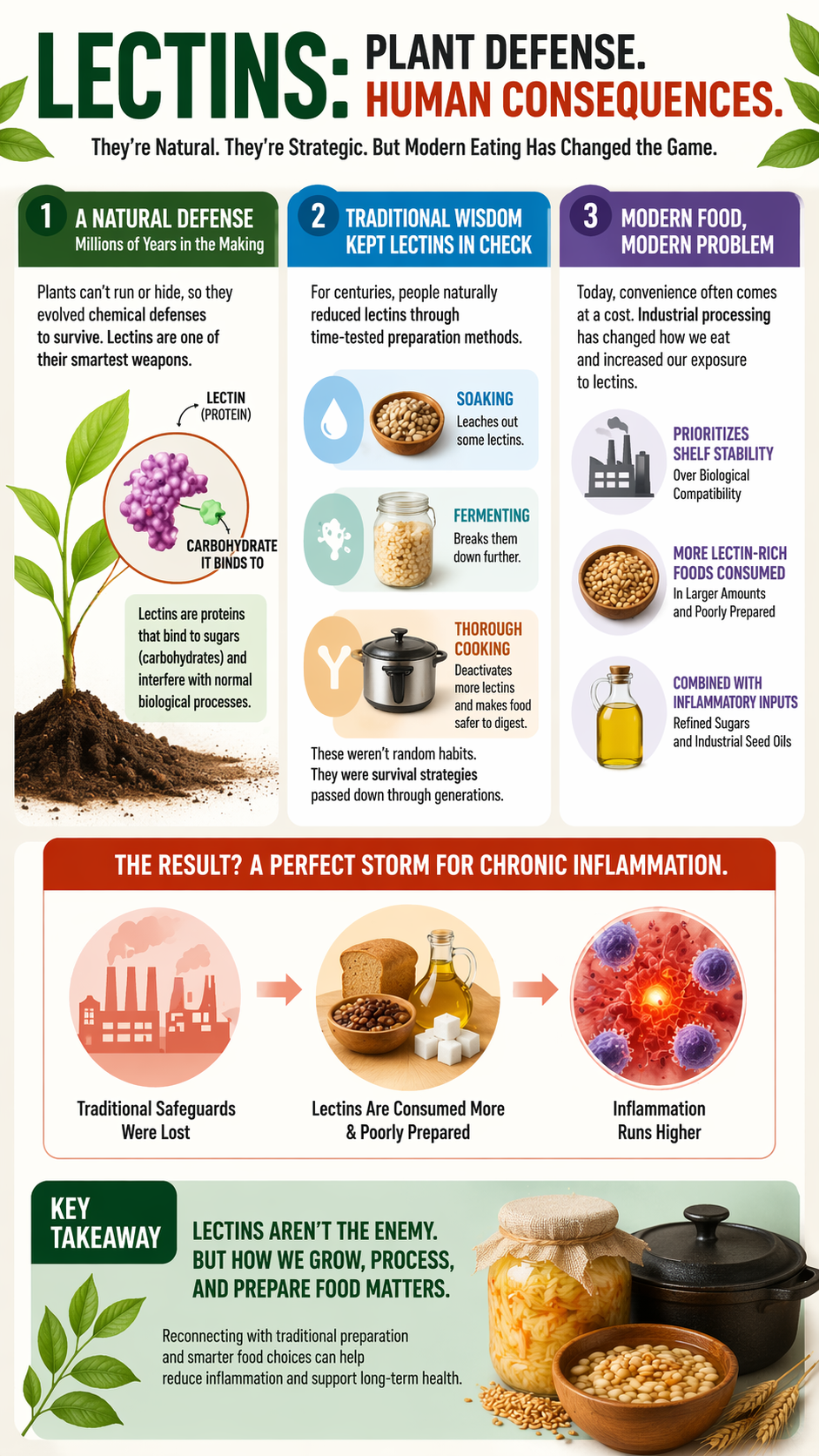
Historically, human exposure to lectins was limited by seasonal availability, traditional food preparation methods, and a far less industrialized food system. Ancient cultures soaked, fermented, and thoroughly cooked grains and legumes, unknowingly reducing lectin content and mitigating their harmful effects. These practices were not arbitrary; they were survival adaptations refined over generations.
The modern dietary landscape has largely abandoned these safeguards. Industrial food processing prioritizes convenience and shelf stability over biological compatibility. As a result, lectin-rich foods are consumed in greater quantities, often inadequately prepared, and combined with other inflammatory inputs such as refined sugars and industrial seed oils. This shift has created a perfect storm for chronic inflammation.
Understanding Lectins: Molecular Disruptors in Disguise
To appreciate the impact of lectins on human health, one must move beyond their classification as “plant proteins” and examine their functional behavior within the body. Lectins possess a unique ability to bind to glycoproteins and glycolipids on cell surfaces. This binding is not benign. It can alter cellular communication, disrupt membrane integrity, and trigger immune responses.
One of the most studied lectins is wheat germ agglutinin, found in wheat and other grains. This compound has demonstrated a remarkable resistance to digestion, allowing it to pass through the gastrointestinal tract largely intact. Once there, it can interact directly with immune cells and stimulate the release of inflammatory signaling molecules.
Other lectins, particularly those found in legumes and nightshades, exhibit similar resilience. They are structurally stable, capable of withstanding levels of heat that would denature most proteins. Their persistence allows them to bind to the intestinal lining, interfering with nutrient absorption and weakening the barrier that separates the external environment from the internal systems of the body.
The Gut Barrier: A Critical Line of Defense
The human gastrointestinal tract functions as more than a digestive organ. It is a highly selective barrier that determines what enters the bloodstream and what remains confined to the digestive lumen. This barrier is composed of a single layer of epithelial cells held together by tight junctions, supported by immune cells and a diverse microbial ecosystem.
Lectins challenge this system at its most vulnerable points. By attaching to the surface of intestinal cells, they can disrupt the structural integrity of tight junctions, creating microscopic openings between cells. These openings allow substances that would normally be excluded to pass into circulation.
This process, often referred to as increased intestinal permeability, initiates a cascade of immune activity. Undigested proteins, bacterial fragments, and environmental toxins enter the bloodstream and are identified as foreign. The immune system responds by activating inflammatory pathways designed to neutralize these perceived threats.

From Gut to Joint: The Inflammatory Cascade
Arthritis is often framed as a localized issue, attributed to mechanical wear or isolated immune dysfunction. This narrow view overlooks the systemic nature of inflammation and the interconnectedness of the body’s systems. The immune response triggered in the gut does not remain confined there. It circulates throughout the body, affecting tissues far removed from the original source.
Joint tissues are particularly susceptible to this process. Synovial membranes can become inflamed, cartilage can begin to degrade, and pain signaling pathways can become sensitized. In autoimmune forms of arthritis, the immune system may begin to target joint structures directly, mistaking them for foreign entities.
This phenomenon is partly driven by molecular mimicry, where proteins bound by lectins resemble the body’s own tissues closely enough to confuse immune recognition. The result is a sustained inflammatory response that damages joint structures over time.
Nightshades: A Subset with Unique Challenges
Nightshade vegetables occupy a unique position within this discussion. Tomatoes, potatoes, eggplants, and peppers are often celebrated for their nutrient density, yet they contain compounds that can amplify inflammation in certain individuals.
In addition to lectins, nightshades contain alkaloids such as solanine and capsaicin. These compounds serve as defense mechanisms for the plant but can interfere with human physiology. Alkaloids have been shown to influence nerve signaling, disrupt gut integrity, and promote inflammatory pathways.
For individuals with underlying gut dysfunction or autoimmune tendencies, these effects can be magnified. While not universally problematic, nightshades can act as potent triggers in susceptible populations, particularly those experiencing chronic joint pain.
The Misconceptions of Modern Nutrition
Modern nutrition often relies on broad generalizations that fail to account for individual variability. The assumption that all plant foods are beneficial overlooks the reality that plants produce defensive compounds as part of their survival strategy.
Conventional medical approaches to arthritis tend to focus on symptom management through anti-inflammatory drugs and immune-modulating therapies. While these interventions may provide temporary relief, they do not address the underlying causes of inflammation. In some cases, they may contribute to further disruption of gut integrity and immune balance.
A more comprehensive approach requires moving beyond symptom suppression and toward identifying and addressing the root causes of inflammation.
A Functional Perspective: Identifying the Root Cause
A functional perspective shifts the focus from managing symptoms to understanding their origin. Instead of asking how to suppress inflammation, it asks what is driving the inflammatory process.
From this standpoint, lectins and nightshades are recognized as potential contributors to systemic inflammation, particularly in individuals with compromised gut integrity. The goal is not to eliminate these foods universally, but to determine their impact on the individual and adjust accordingly.
This approach emphasizes personalization, observation, and a willingness to challenge conventional assumptions.
Practical Strategies for Reducing Lectin-Related Inflammation
Addressing lectin-related inflammation requires more than simply removing a few foods from the diet. It involves a deliberate, structured approach that allows the body to calm inflammation, restore gut integrity, and identify specific triggers with precision. When done correctly, this process becomes both diagnostic and therapeutic, offering clarity where confusion once existed.
The first and most important phase is a temporary elimination of the primary dietary sources of lectins and nightshades. This step is not intended as a permanent restriction but as a strategic reset designed to remove ongoing irritation. During this period, foods such as wheat, corn, soy, beans, lentils, peanuts, and nightshade vegetables including tomatoes, potatoes, peppers, and eggplant are excluded. What replaces them matters just as much. The diet should emphasize nutrient-dense, low-lectin foods such as leafy greens, cruciferous vegetables, pasture-raised meats, wild-caught fish, and healthy fats like olive oil, avocado, and coconut oil. This creates an internal environment where inflammation is no longer being constantly provoked, allowing the immune system to quiet and the gut lining to begin repairing.
As the body stabilizes, the next phase involves a careful and methodical reintroduction of foods. This is where personalization begins to take shape. Instead of assuming all foods are either good or bad, each food is tested individually. A single item is reintroduced in isolation, and the body’s response is observed over the following 48 to 72 hours. Joint stiffness, subtle swelling, digestive discomfort, fatigue, or even changes in mood and cognition can all serve as meaningful feedback. This process transforms eating into a form of self-assessment, revealing patterns that would otherwise remain hidden under a mixed diet.
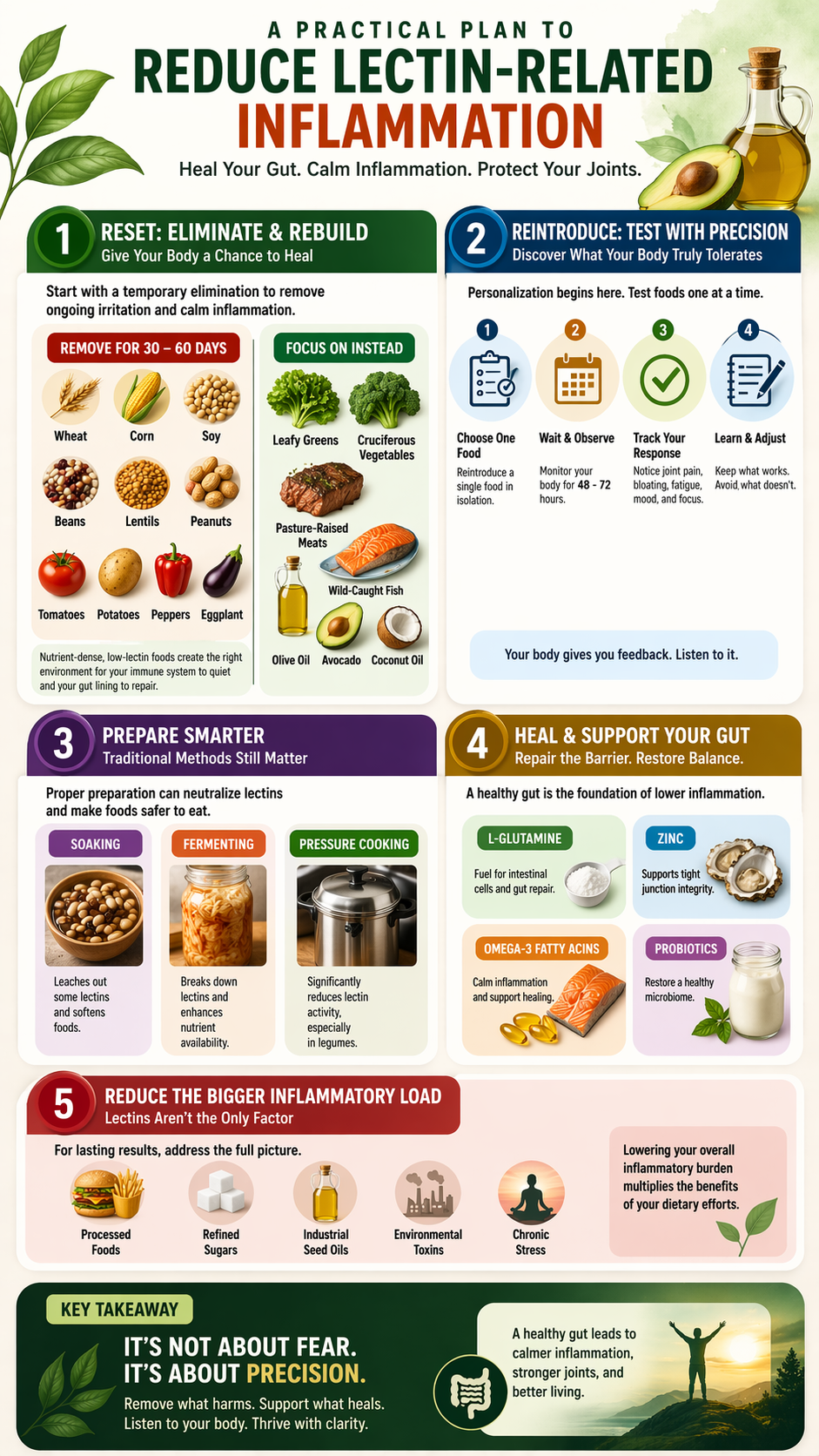
Preparation methods also play a critical role in determining whether lectin-containing foods are tolerated or problematic. Traditional cultures rarely consumed these foods in their raw or minimally processed forms. Techniques such as soaking, fermenting, and especially pressure cooking were used to neutralize many of the defensive compounds found in plants. In a modern context, these practices should be viewed not as optional culinary choices but as essential steps in making certain foods safer for consumption. For example, properly pressure-cooked legumes have significantly reduced lectin activity compared to their undercooked counterparts, which can be highly irritating to the gut.
While removing irritants is essential, it is only one side of the equation. The gut lining must also be actively supported and repaired. This involves providing the body with the nutrients it needs to rebuild the intestinal barrier and restore balance to the microbiome. Amino acids such as L-glutamine serve as fuel for intestinal cells, while minerals like zinc play a role in maintaining tight junction integrity. Omega-3 fatty acids help modulate inflammation, and targeted probiotic support can assist in reestablishing a healthy microbial ecosystem. Together, these elements create the conditions necessary for true healing rather than temporary symptom relief.
It is equally important to recognize that lectins rarely act in isolation. They are part of a broader landscape of inflammatory inputs that include processed foods, refined sugars, industrial seed oils, environmental toxins, and chronic stress. If these factors remain unaddressed, progress may be limited even with dietary changes. Reducing the overall inflammatory burden requires a comprehensive approach that considers not only what is being eaten, but also how the body is being supported in detoxification, recovery, and resilience.
Over time, this structured approach allows for a level of dietary precision that is rarely achieved through generalized recommendations. Foods are no longer categorized based on trends or external advice, but on direct physiological response. For some individuals, certain lectin-containing foods may be reintroduced without issue when properly prepared and consumed in moderation. For others, continued avoidance may be necessary to maintain symptom relief. In either case, the process leads to a deeper understanding of the body’s unique needs.
Ultimately, reducing lectin-related inflammation is not about rigid restriction or fear of food. It is about removing interference, restoring function, and allowing the body to operate as it was designed. When the gut is intact and the immune system is no longer under constant assault, the downstream effects on joint health, energy levels, and overall well-being can be profound.
The Broader Implications for Chronic Disease
The mechanisms underlying lectin-related inflammation extend beyond arthritis. Increased intestinal permeability, immune activation, and systemic inflammation are implicated in a wide range of chronic conditions, including autoimmune disorders, metabolic dysfunction, and neurological diseases.
This broader perspective highlights the importance of addressing root causes rather than isolated symptoms. It also reinforces the need for individualized approaches that consider the unique interactions between diet, environment, and physiology.
Reclaiming Control Through Awareness
The idea that commonly recommended foods may contribute to chronic disease challenges deeply ingrained beliefs. However, it also provides an opportunity for individuals to take a more active role in their health.
By understanding how lectins and nightshades interact with the body, individuals can make informed decisions that align with their specific needs. This shift from generalized advice to personalized insight represents a significant step toward achieving sustainable health.
Conclusion: A New Lens on an Old Problem
Arthritis is not merely a condition of the joints. It is a manifestation of systemic imbalance, often rooted in the interaction between diet and the immune system. Lectins and nightshades, while not inherently harmful to all individuals, can play a significant role in driving inflammation when the body’s defenses are compromised.
Addressing this issue requires a willingness to move beyond conventional assumptions and explore the underlying mechanisms of disease. By identifying triggers, supporting gut health, and reducing overall inflammatory burden, it is possible to create conditions that allow the body to heal.
This approach does not rely on suppression or avoidance alone. It is grounded in understanding, precision, and the recognition that health is not dictated by broad generalizations, but by the complex and dynamic relationship between the body and the environment in which it exists.