
Anxiety has become one of the most common health struggles in the modern world. Millions of people wake up each morning with a racing mind, tight chest, or persistent sense of unease that seems to follow them throughout the day. Some experience occasional waves of worry, while others live with constant tension, restlessness, and difficulty relaxing.
For many people, anxiety feels mysterious and unpredictable. It can appear suddenly, sometimes without an obvious trigger, leaving individuals wondering why their mind and body feel stuck in a state of alertness. Traditional explanations often focus on emotional or psychological factors alone, yet the experience of anxiety is deeply rooted in biology and physiology.
Understanding anxiety requires looking at the body as an integrated system where the brain, nervous system, hormones, gut, and environment all interact. When these systems become imbalanced, the body can shift into a prolonged state of stress response that manifests as anxiety.
The encouraging news is that the body also has powerful built-in mechanisms for restoring balance. By understanding how anxiety develops and addressing the underlying causes, many people can calm their nervous system and regain a sense of peace using natural strategies that support the body’s ability to heal.
What Anxiety Actually Is
At its core, anxiety is not simply a feeling. It is a physiological survival response generated by the nervous system.
The human body contains an ancient protective system designed to keep us safe from danger. When the brain perceives a threat—whether physical or psychological—it activates the sympathetic nervous system, commonly known as the fight-or-flight response.
During this response, several biological changes occur almost instantly. The adrenal glands release stress hormones such as adrenaline and cortisol, the heart begins beating faster, breathing becomes quicker, and blood flow is redirected toward muscles that would be needed to escape danger.
These reactions were extremely valuable for early humans who faced immediate physical threats in their environment. The stress response allowed the body to react quickly to danger and then return to a relaxed state once the threat passed.
Anxiety occurs when this survival system becomes chronically activated, even when no immediate danger is present. The brain begins interpreting everyday situations as potential threats, keeping the body in a state of heightened alertness.
When this happens repeatedly, the nervous system can become conditioned to remain in a constant stress mode.
The Role of the Brain in Anxiety
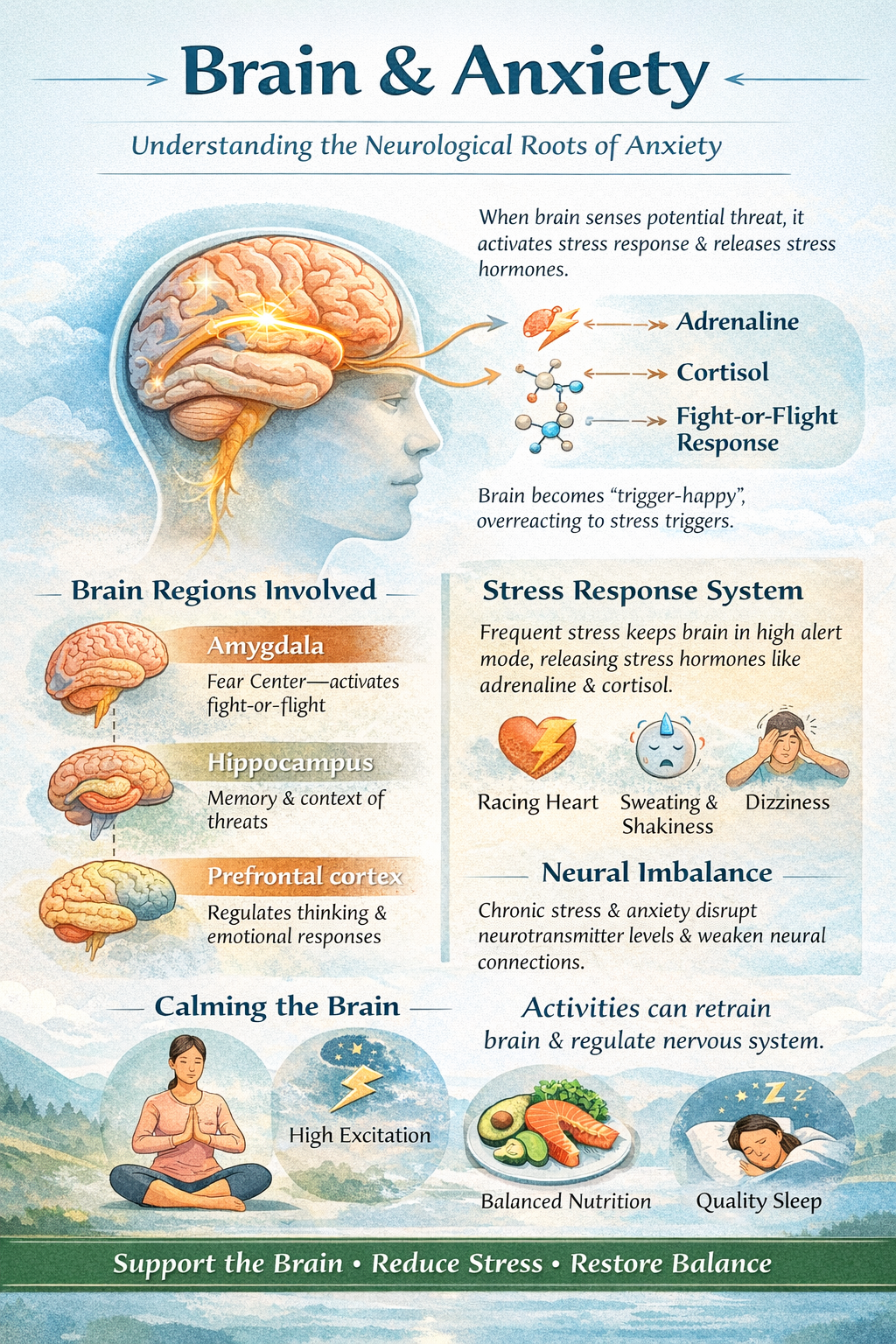
Several regions of the brain play key roles in anxiety.
One of the most important is the amygdala, a small almond-shaped structure deep within the brain responsible for detecting threats and triggering emotional responses. When the amygdala senses danger, it sends signals that activate the stress response.
In people experiencing frequent anxiety, the amygdala can become overly sensitive. It may interpret neutral events—such as social interactions, work responsibilities, or uncertain situations—as potential threats.
Another important brain region is the prefrontal cortex, which helps regulate emotions and rational thinking. Under chronic stress, the prefrontal cortex becomes less effective at calming the amygdala, allowing the fear response to dominate.
Over time, repeated stress signals can strengthen neural pathways associated with worry and fear. The brain essentially becomes trained to expect danger, reinforcing anxious patterns of thinking and feeling.
However, the brain also possesses remarkable neuroplasticity, meaning it can reorganize and adapt. By supporting nervous system balance, many people can retrain these neural pathways and reduce anxiety responses.
What Causes Anxiety?
Anxiety occurs when the body’s stress response system becomes overactive. The brain is designed to protect us from danger through the fight-or-flight response, which releases stress hormones like cortisol and adrenaline. When this system is triggered too often or stays activated for long periods, the body can remain in a constant state of alertness, creating feelings of worry, tension, and unease.
Several factors can contribute to this imbalance. Chronic stress, poor sleep, blood sugar fluctuations, hormonal changes, gut health issues, and environmental toxins can all influence how the nervous system responds to stress. When these systems are out of balance, the brain may begin interpreting everyday situations as threats, even when no real danger exists.
Anxiety is therefore not just an emotional experience—it is often a sign that the nervous system and body chemistry are under strain. By addressing the underlying triggers and supporting nervous system balance, many people can reduce anxiety and restore a greater sense of calm.
Chronic Stress Leads To Anxiety
Chronic stress is one of the most common underlying drivers of anxiety because it keeps the body’s stress response system constantly activated. The human brain is designed to respond to danger through the fight-or-flight response, which is controlled by the sympathetic branch of the nervous system. When the brain perceives a threat, it signals the adrenal glands to release stress hormones such as cortisol and adrenaline. These hormones increase heart rate, sharpen focus, and prepare the body to react quickly.
In short bursts, this response is helpful and protective. However, when stress becomes continuous rather than temporary, the body never fully returns to its calm state. The nervous system remains in a heightened state of alertness, and cortisol levels stay elevated for extended periods. Over time, this constant activation can make the brain more sensitive to perceived threats, causing even minor challenges or uncertainties to trigger a stress response.
This is where anxiety often develops. The brain begins to anticipate danger even when none is present, creating persistent worry, restlessness, and difficulty relaxing. Chronic stress also affects brain structures involved in emotional regulation, particularly the amygdala, which processes fear, and the prefrontal cortex, which helps regulate rational thinking. Prolonged stress can make the amygdala more reactive while weakening the brain’s ability to calm itself.
In addition, long-term stress influences several body systems that contribute to anxiety. It can disrupt sleep, destabilize blood sugar levels, alter gut bacteria, and create hormonal imbalances. These physiological changes further stimulate the nervous system, reinforcing the cycle of stress and anxiety.
When chronic stress continues without adequate recovery, the nervous system essentially becomes “stuck in survival mode.” Breaking this cycle often requires restoring balance to the nervous system through strategies that activate the body’s parasympathetic “rest-and-digest” response, allowing the brain and body to shift out of constant alertness and return to a calmer, more regulated state.
Sleep Deprivation
Sleep and anxiety are closely connected because sleep is one of the primary ways the brain and nervous system recover from daily stress. During healthy sleep, the brain regulates stress hormones, repairs neural pathways, and restores balance to the autonomic nervous system. When sleep becomes disrupted or insufficient, these restorative processes are impaired, making the brain more vulnerable to anxiety.
One of the key roles of sleep is regulating cortisol, the body’s primary stress hormone. Normally, cortisol follows a natural rhythm—rising in the morning to help you wake up and gradually declining throughout the day. Sleep deprivation disrupts this rhythm and can cause cortisol levels to remain elevated, leaving the body in a prolonged stress state. Elevated cortisol keeps the nervous system on high alert, which can contribute to feelings of worry, irritability, and mental restlessness.
Lack of sleep also affects important brain regions involved in emotional regulation. Research shows that sleep deprivation increases activity in the amygdala, the part of the brain responsible for detecting threats and generating fear responses. At the same time, sleep loss weakens the prefrontal cortex, the area of the brain that helps regulate emotions and maintain rational thinking. This imbalance can cause emotional reactions to become stronger and harder to control, making everyday stressors feel overwhelming.
Another important factor is neurotransmitter balance. During sleep, the brain replenishes chemicals such as serotonin, dopamine, and GABA, which help stabilize mood and promote relaxation. Without adequate sleep, these neurotransmitters become imbalanced, which can increase nervous system excitability and make it harder to calm the mind.
Sleep deprivation can also affect the body physically in ways that trigger anxiety. Poor sleep often leads to blood sugar instability, increased inflammation, and fatigue. These changes stimulate the release of stress hormones that can produce symptoms similar to anxiety, such as a racing heart, shakiness, and difficulty concentrating.
Because of this connection, improving sleep is one of the most powerful ways to support nervous system balance and reduce anxiety. Establishing consistent sleep schedules, limiting exposure to artificial light at night, reducing stimulants like caffeine, and creating a calming nighttime routine can help restore healthy sleep patterns. When the brain receives adequate restorative sleep, it becomes far better equipped to regulate stress and maintain emotional resilience.
Blood Sugar Imbalances
Blood sugar stability plays an important role in regulating mood, energy, and nervous system function. When blood glucose levels fluctuate dramatically throughout the day, the body experiences these swings as a form of physiological stress. This stress response can trigger symptoms that closely resemble anxiety, including a racing heart, shakiness, irritability, and difficulty concentrating.
After consuming foods that cause a rapid rise in blood sugar—such as refined carbohydrates or sugary foods—the body releases insulin to move glucose into the cells. In some cases, this insulin response can lower blood sugar too quickly, leading to what is known as reactive hypoglycemia, or a sudden drop in glucose levels. When blood sugar falls rapidly, the brain perceives this as a potential threat because glucose is its primary fuel source.
To protect itself, the body releases stress hormones such as adrenaline and cortisol to raise blood sugar levels again. While this response is meant to restore balance, the release of these hormones can produce sensations that feel very similar to anxiety. Individuals may notice symptoms such as nervousness, sweating, rapid heartbeat, dizziness, or a sudden sense of panic.
Frequent blood sugar fluctuations can also place stress on the adrenal glands and nervous system over time. When the body repeatedly experiences spikes and crashes in glucose levels, it must continually activate the stress response to stabilize energy levels. This pattern can contribute to chronic nervous system activation and make individuals more susceptible to ongoing anxiety.
Dietary patterns often play a significant role in these fluctuations. Meals that are high in refined carbohydrates and low in protein, healthy fats, and fiber tend to cause rapid glucose spikes followed by sharp drops. Skipping meals or going long periods without eating can also lead to unstable blood sugar levels that trigger stress hormone release.
Stabilizing blood sugar can help reduce these anxiety-provoking physiological responses. Eating balanced meals that include protein, healthy fats, and complex carbohydrates helps slow glucose absorption and maintain steady energy levels. Regular meal timing, minimizing highly processed foods, and staying properly hydrated can further support metabolic stability.
When blood sugar remains steady, the body does not need to activate the stress response as frequently. This helps calm the nervous system and may significantly reduce feelings of anxiety for many individuals.
Gut Health and the Microbiome
The connection between the gut and the brain has become one of the most fascinating areas of modern health research. The digestive system is not only responsible for breaking down food and absorbing nutrients; it also communicates constantly with the brain through a network known as the gut–brain axis. This communication occurs through nerves, hormones, immune signals, and microbial activity within the digestive tract. Because of this close relationship, disturbances in gut health can significantly influence mood, emotional regulation, and anxiety levels.
One of the most important components of this system is the gut microbiome, which refers to the trillions of bacteria and other microorganisms living in the digestive tract. These microbes help digest food, produce vitamins, regulate inflammation, and play a critical role in maintaining the integrity of the intestinal lining. Perhaps most surprising is their influence on brain chemistry. A large portion of the body’s neurotransmitters—including serotonin, which helps regulate mood and emotional stability—are produced in the gut. When the microbiome is balanced and healthy, it supports proper neurotransmitter production and helps maintain a calm and resilient nervous system.
However, several factors can disrupt the balance of the gut microbiome. Diets high in processed foods and sugar, frequent antibiotic use, chronic stress, environmental toxins, and digestive inflammation can all reduce beneficial bacteria and allow harmful microbes to dominate. When this imbalance occurs—often referred to as dysbiosis—it can increase inflammation in the gut and throughout the body. This inflammation can send distress signals to the brain, influencing neural pathways involved in mood and anxiety.
Another important factor is the vagus nerve, a major communication pathway that connects the gut and the brain. The vagus nerve carries signals from the digestive system directly to the brain’s emotional centers. When the gut environment is inflamed or imbalanced, these signals can amplify stress responses and contribute to feelings of unease or anxiety. Conversely, when the gut is functioning properly and the microbiome is balanced, the vagus nerve can transmit calming signals that support emotional stability.
The intestinal lining itself also plays a role in mental health. When the gut barrier becomes compromised—a condition sometimes described as increased intestinal permeability—it can allow inflammatory compounds and toxins to enter the bloodstream. These substances can eventually reach the brain and contribute to neuroinflammation, which has been associated with mood disturbances and anxiety symptoms.
Supporting gut health can therefore be an important part of addressing anxiety naturally. Consuming a diet rich in whole foods, fiber, and diverse plant nutrients helps nourish beneficial bacteria in the microbiome. Fermented foods such as sauerkraut, kimchi, and yogurt can introduce helpful microbes, while minimizing highly processed foods and excessive sugar helps prevent microbial imbalance. Adequate hydration, stress management, and proper digestion also contribute to maintaining a healthy gut environment.
When the digestive system and microbiome are balanced, communication along the gut–brain axis becomes more stable. This can help regulate neurotransmitter production, reduce inflammation, and support a calmer, more resilient nervous system. As a result, improving gut health often plays a valuable role in reducing anxiety and promoting overall emotional well-being.
Environmental Toxins
Environmental toxins are an often overlooked factor that can influence brain health and contribute to symptoms of anxiety. Every day, people are exposed to a variety of chemicals through food, water, air, household products, and personal care items. While the body has natural detoxification systems designed to process and eliminate harmful substances, excessive exposure over time can place significant stress on these systems and affect the nervous system.
Many environmental toxins can influence the brain by promoting inflammation and oxidative stress. The brain is particularly sensitive to toxic exposures because it requires a delicate balance of neurotransmitters and electrical signaling to regulate mood and emotional responses. When toxins accumulate in the body, they can interfere with this balance and disrupt communication within the nervous system. This disruption can contribute to symptoms such as irritability, brain fog, mood swings, and heightened anxiety.
Heavy metals are one category of toxins that have been associated with neurological effects. Metals such as mercury, lead, and cadmium can accumulate in tissues and interfere with normal nerve function. These substances may disrupt the production and signaling of neurotransmitters that help regulate mood and stress responses. Over time, this interference can affect how the brain processes emotional signals and reacts to stress.
Chemical compounds found in plastics, pesticides, and industrial pollutants can also influence the nervous system. Some of these substances act as endocrine disruptors, meaning they interfere with the body’s hormone signaling. Hormones such as cortisol, thyroid hormones, and sex hormones all play important roles in regulating mood and emotional stability. When toxin exposure disrupts hormonal balance, it can contribute to increased nervous system sensitivity and feelings of anxiety.
Another way toxins influence anxiety is through their impact on the gut microbiome. As discussed earlier, the gut and brain communicate closely through the gut–brain axis. Many environmental chemicals can damage beneficial gut bacteria or increase intestinal inflammation. When the microbiome becomes imbalanced, neurotransmitter production and immune signaling may be altered, which can influence mood and stress regulation.
Reducing toxic exposure can support the body’s ability to maintain nervous system balance. Choosing whole, minimally processed foods, filtering drinking water, reducing the use of plastics, and selecting natural household products are simple ways to decrease daily chemical exposure. Supporting the body’s detoxification systems through adequate hydration, proper nutrition, and regular physical activity can also help the body process and eliminate toxins more efficiently.
By lowering the toxic burden on the body, the nervous system may function more smoothly, inflammation may decrease, and brain chemistry can return to a more balanced state. These changes can play a meaningful role in reducing anxiety and supporting long-term emotional well-being.
Hormonal Imbalances
Hormones are chemical messengers that help regulate many of the body’s most important functions, including metabolism, mood, sleep, and stress responses. Because hormones influence how the brain and nervous system operate, imbalances in these signaling molecules can significantly affect emotional stability and contribute to anxiety.
One of the most important hormonal systems involved in anxiety is the stress response system, often referred to as the hypothalamic–pituitary–adrenal (HPA) axis. When the brain perceives stress, the hypothalamus signals the pituitary gland, which then tells the adrenal glands to release cortisol and adrenaline. These hormones prepare the body to respond to challenges by increasing alertness and energy.
Under normal conditions, cortisol levels rise temporarily during stressful situations and then return to normal once the stress passes. However, when stress becomes chronic, cortisol production may remain elevated or become dysregulated. Persistently high cortisol levels can overstimulate the nervous system, making it difficult for the body to relax. Over time, this can lead to feelings of constant tension, restlessness, and anxiety.
Thyroid hormones also play a critical role in emotional health. The thyroid gland regulates metabolism, energy production, and brain function. When thyroid hormone levels become too high or too low, the nervous system can become affected. For example, excessive thyroid activity can overstimulate the nervous system, leading to symptoms such as nervousness, rapid heartbeat, and anxiety. Conversely, low thyroid activity can contribute to fatigue, depression, and cognitive sluggishness, which may indirectly increase stress and anxiety.
Sex hormones—including estrogen, progesterone, and testosterone—also influence mood and emotional regulation. Estrogen affects the production of serotonin and other neurotransmitters that help stabilize mood. Progesterone has calming properties that support relaxation and sleep. When these hormones fluctuate or become imbalanced, individuals may experience increased emotional sensitivity, irritability, or anxious feelings. This is why anxiety symptoms are often reported during hormonal transitions such as the menstrual cycle, pregnancy, or menopause.
Another hormone that can influence anxiety is insulin, which regulates blood sugar levels. As discussed earlier, unstable blood sugar can trigger stress hormone release and contribute to anxiety-like symptoms. When insulin regulation becomes impaired, fluctuations in blood glucose can place additional strain on the nervous system.
Restoring hormonal balance often involves supporting the body’s regulatory systems through healthy lifestyle practices. Adequate sleep, balanced nutrition, regular physical activity, and stress management techniques can help regulate hormone production and improve nervous system stability. In some cases, addressing underlying factors such as inflammation, nutrient deficiencies, or chronic stress may also help bring hormone levels back into balance.
When hormonal systems function properly, the brain and nervous system receive the signals they need to maintain emotional stability. By supporting these systems, many individuals can experience improvements in mood, resilience, and overall well-being.
The Nervous System and Anxiety
The nervous system plays a central role in both the development and resolution of anxiety. While anxiety is often described as a mental or emotional condition, it is deeply rooted in the body’s neurological stress response system. Every sensation of worry, tension, or panic begins with signals traveling through the brain and nervous system.
The nervous system is responsible for monitoring the body’s environment and determining whether we are safe or under threat. When the brain detects danger, it activates a complex network of signals that prepare the body to respond quickly. This response is essential for survival, but when it becomes chronically activated, it can lead to persistent anxiety.
Understanding how the nervous system regulates stress responses helps explain why anxiety often feels physical as well as emotional. Symptoms such as a racing heart, rapid breathing, tight muscles, digestive discomfort, and restlessness are all controlled by the nervous system.
The Autonomic Nervous System
One of the most important parts of the nervous system involved in anxiety is the autonomic nervous system, which controls automatic bodily functions such as heart rate, breathing, digestion, and blood pressure. This system has two main branches that work together to maintain balance.
The first branch is the sympathetic nervous system, which triggers the body’s fight-or-flight response. When activated, it releases stress hormones like adrenaline and cortisol, increases heart rate, and sharpens awareness. This response helps the body react quickly to danger.
The second branch is the parasympathetic nervous system, which promotes relaxation and recovery. It slows the heart rate, stimulates digestion, and encourages the body to repair and restore itself.
In a healthy nervous system, these two branches work together like a balance scale. Stress activates the sympathetic system, and once the stress has passed, the parasympathetic system brings the body back to a calm state.
When the Nervous System Becomes Stuck in Stress Mode
Anxiety often develops when the sympathetic system remains active for extended periods of time. Modern lifestyles expose people to constant stressors such as work pressures, financial concerns, digital stimulation, poor sleep, and environmental toxins. Unlike short bursts of stress experienced by our ancestors, these pressures can keep the nervous system activated for long periods.
When the body remains in this heightened state, the brain begins to interpret even ordinary situations as potential threats. The nervous system becomes more sensitive and reactive, meaning smaller triggers can produce strong stress responses. Over time, this heightened sensitivity can lead to chronic anxiety.
This prolonged stress response can also affect several body systems. Elevated cortisol levels may disrupt sleep, weaken digestion, increase inflammation, and interfere with hormone balance. These physiological changes can further reinforce anxiety symptoms.
The Role of the Vagus Nerve
A key player in calming the nervous system is the vagus nerve, one of the longest nerves in the body. It connects the brain to many important organs including the heart, lungs, and digestive system. The vagus nerve is a major pathway for activating the parasympathetic nervous system.
When the vagus nerve is stimulated, it sends signals that slow heart rate, regulate breathing, and reduce inflammation. These signals help shift the body out of stress mode and into a calmer, restorative state.
Many natural techniques that reduce anxiety work by stimulating the vagus nerve and strengthening the parasympathetic response. Activities such as deep breathing, meditation, gentle movement, singing, and spending time in nature can all activate this calming pathway.
Supporting the Nervous System to Reduce Anxiety
Because anxiety is closely tied to nervous system function, strategies that support nervous system balance can significantly improve symptoms. Practices that encourage relaxation help retrain the body to move more easily from stress mode into recovery mode.
Deep breathing exercises slow the heart rate and activate the parasympathetic response. Regular physical activity helps regulate stress hormones and improves nervous system resilience. Adequate sleep allows the brain to restore neurotransmitter balance and repair neural pathways involved in emotional regulation.
Nutrition also plays an important role in nervous system health. Nutrients such as magnesium, omega-3 fatty acids, and B vitamins support nerve signaling and help stabilize mood. Reducing stimulants such as excessive caffeine may also help calm the nervous system.
Over time, consistently supporting these systems allows the body to regain balance. As the nervous system becomes less reactive, the brain learns that it is safe to relax, and anxiety symptoms often begin to diminish.
Understanding the connection between anxiety and the nervous system shifts the perspective from simply managing symptoms to supporting the body’s natural regulatory systems. When the nervous system functions properly, it allows the brain and body to return to a state of calm, resilience, and emotional stability.
7-Day Anxiety Reset Protocol
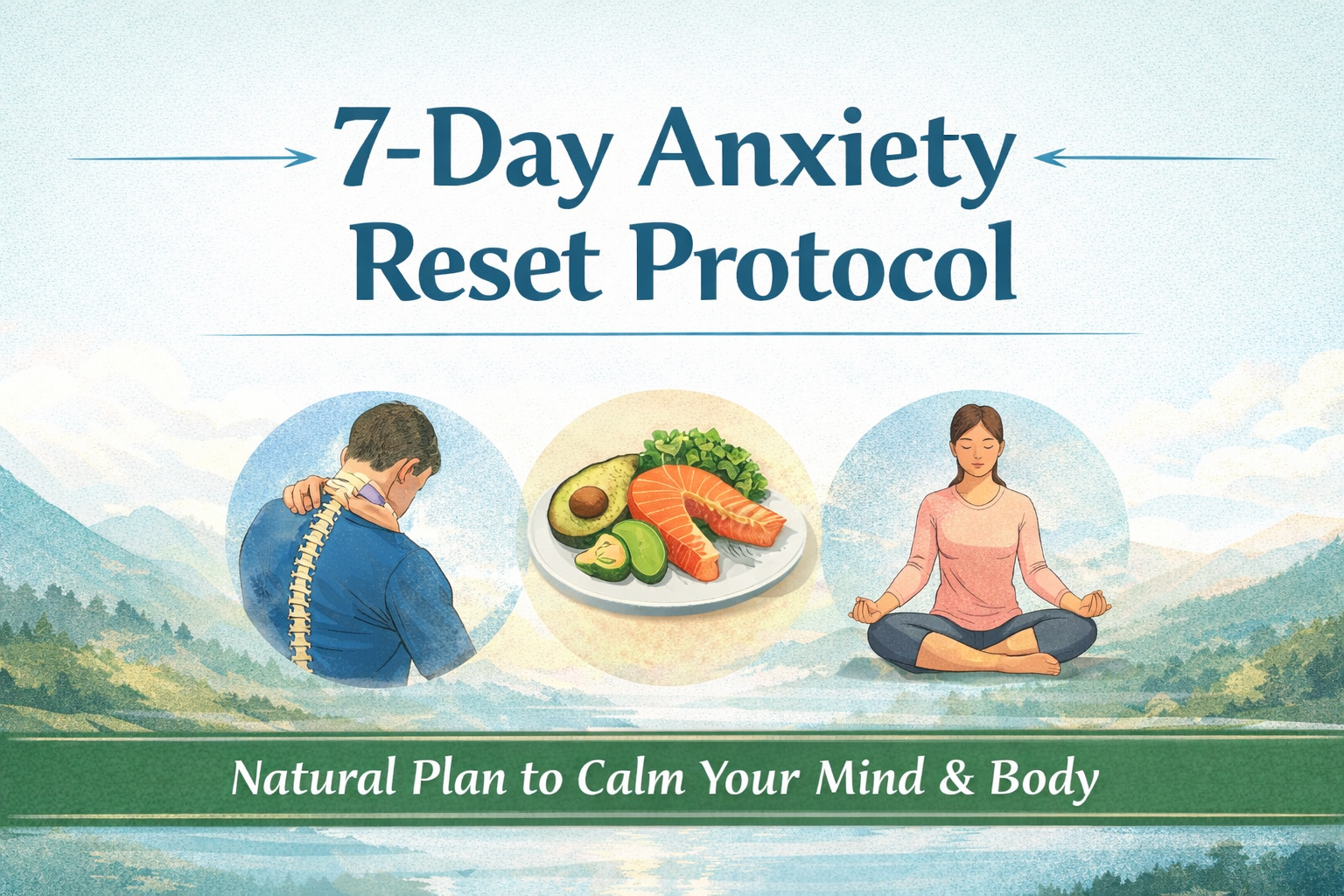
A Natural Plan to Calm the Nervous System and Restore Balance
Anxiety rarely appears overnight. In most cases it develops gradually as the nervous system becomes overwhelmed by chronic stress, poor sleep, unstable blood sugar, inflammation, or environmental triggers. When the brain remains in a prolonged state of alertness, the body begins operating in survival mode, where stress hormones stay elevated and the parasympathetic “rest and repair” system becomes suppressed.
The goal of a short-term reset is not to eliminate anxiety instantly, but to interrupt the cycle of nervous system overstimulation and create conditions that allow the body to calm itself. Over the course of seven days, this protocol focuses on stabilizing blood sugar, improving sleep quality, reducing inflammatory triggers, and activating the body’s natural relaxation pathways.
This plan is simple but powerful because it works with the body’s biology rather than trying to force quick results.
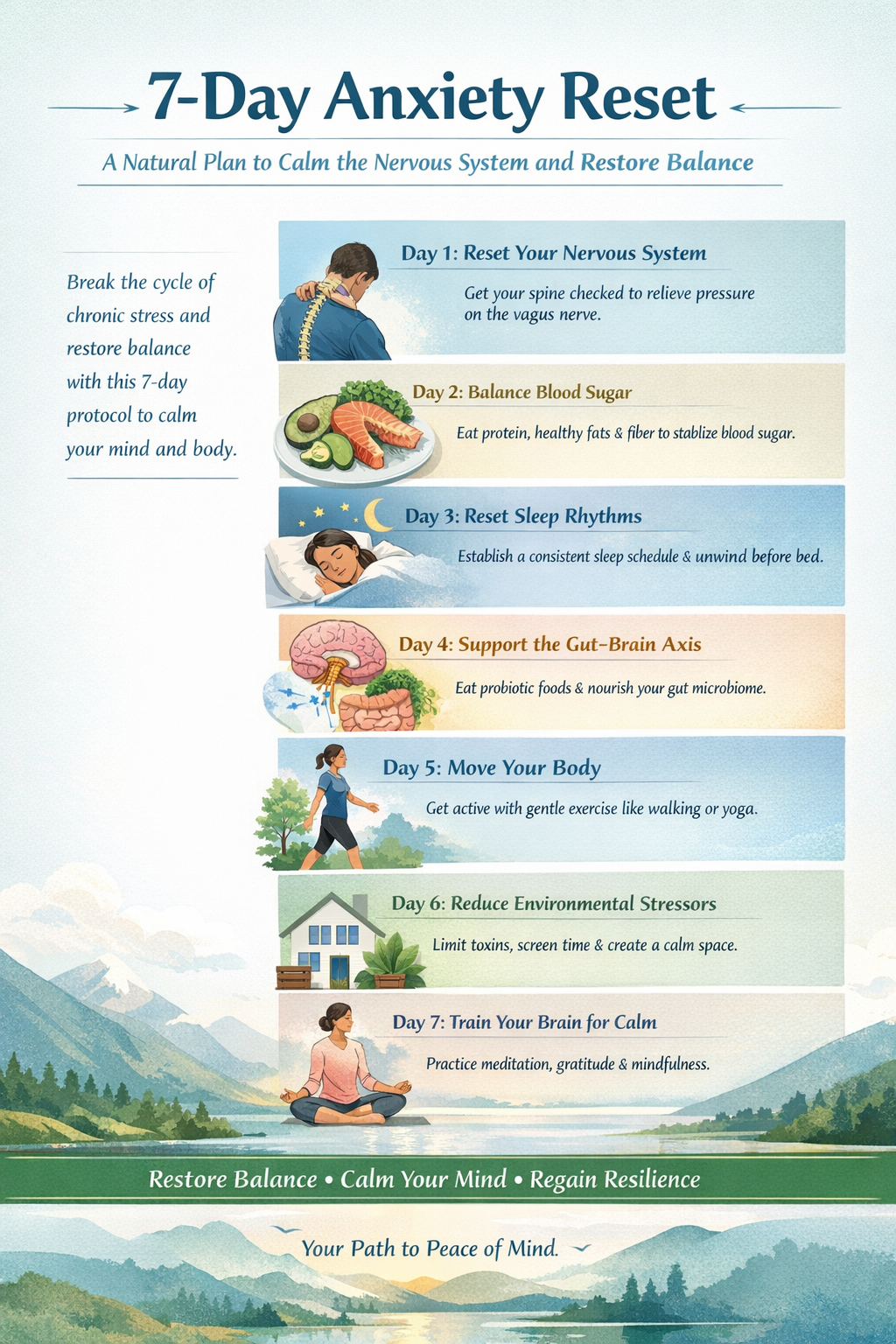
Day 1 – Reset Your Nervous System
The first and most important step in calming anxiety is restoring balance to the nervous system. Anxiety is not simply a mental or emotional issue—it is often a sign that the body’s stress response system has become overstimulated. When the nervous system remains in a constant fight-or-flight state, stress hormones stay elevated and the body struggles to relax.
One of the most overlooked causes of nervous system imbalance is structural interference within the spine, sometimes referred to as a spinal misalignment or subluxation. The spine protects the spinal cord and the delicate nerve pathways that allow the brain to communicate with the rest of the body. When vertebrae shift out of proper alignment, they can place abnormal pressure on nerves and disrupt these signals.
The upper part of the spine, particularly the upper cervical region near the base of the skull, is especially important because it is closely connected to the brainstem and the vagus nerve. The vagus nerve plays a major role in activating the parasympathetic nervous system—the branch responsible for relaxation, digestion, and healing. If this nerve pathway becomes irritated or compressed, it can interfere with the body’s ability to shift out of stress mode.
Structural chiropractic care focuses on identifying and correcting these spinal misalignments so the nervous system can function properly. By restoring proper alignment in the spine, pressure on nerves may be reduced and communication between the brain and body can improve. When this communication is restored, the body often becomes better able to regulate heart rate, breathing, digestion, and emotional responses.
For many individuals dealing with anxiety, having the spine evaluated by a practitioner trained in structural chiropractic techniques can be an important first step. The goal is not simply symptom relief but restoring proper nervous system function so the body can move out of chronic stress mode.
When the nervous system begins functioning more efficiently, many people notice improvements in their ability to relax, sleep more deeply, and respond to stress in a calmer way. Resetting the nervous system provides a strong foundation for the remaining steps in the anxiety reset protocol, helping the body regain its natural state of balance.
Day 2 – Balance Blood Sugar
Blood sugar instability can trigger stress hormones such as cortisol and adrenaline, which mimic the sensations of anxiety. Rapid spikes and crashes in glucose levels place stress on the nervous system.
On day two, focus on balanced meals that include protein, healthy fats, and fiber-rich carbohydrates. This combination slows glucose absorption and keeps energy levels steady.
Avoid foods that cause sharp blood sugar spikes such as sugary drinks, pastries, and highly refined carbohydrates. Instead choose meals like eggs with vegetables, salmon with avocado, or grilled chicken with roasted vegetables.
Eat at regular intervals and avoid long periods without food. When blood sugar remains stable, the body no longer needs to release stress hormones to correct glucose fluctuations, which helps calm anxiety.
Day 3 – Reset Sleep Rhythms
Sleep is one of the most powerful regulators of emotional stability. When sleep becomes disrupted, stress hormones increase while neurotransmitters that support relaxation become depleted.
Day three focuses on restoring natural sleep rhythms. Begin by establishing a consistent bedtime and wake-up time. The brain relies on predictable sleep cycles to regulate hormones properly.
Reduce exposure to bright screens and artificial light at least one hour before bed. Blue light suppresses melatonin production and interferes with sleep onset.
Create a calming nighttime routine. Dim lighting, reading, gentle stretching, or journaling helps signal the brain that it is time to transition into rest mode.
Even one night of improved sleep can significantly reduce anxiety by allowing the brain to restore neurotransmitter balance.
Day 4 – Support the Gut–Brain Axis
The digestive system and brain communicate constantly through the gut–brain axis. The gut microbiome produces neurotransmitters such as serotonin and GABA that help regulate mood and emotional stability.
Day four focuses on improving digestive health. Include foods that nourish beneficial gut bacteria such as vegetables, leafy greens, berries, and fermented foods like sauerkraut or kimchi.
Reduce highly processed foods and excess sugar, which can disrupt the microbiome and increase inflammation.
Adequate hydration also supports digestion and detoxification processes that influence brain function.
When the gut environment improves, signals sent to the brain often promote a calmer and more balanced nervous system.
Day 5 – Move the Body
Physical movement is one of the most effective natural ways to regulate stress hormones. Exercise increases circulation, improves oxygen delivery to the brain, and stimulates the release of endorphins, chemicals that elevate mood and reduce stress.
Day five encourages gentle movement rather than intense exercise. Activities such as walking in nature, yoga, cycling, or light strength training can help the body release built-up tension.
Movement also helps metabolize excess cortisol and adrenaline that accumulate during periods of chronic stress.
Spending time outdoors during exercise provides an additional benefit. Exposure to natural light and fresh air can help regulate circadian rhythms and support nervous system balance.
Day 6 – Reduce Environmental Stressors
Environmental factors can influence anxiety more than many people realize. Chemical exposures, excessive digital stimulation, and constant information overload can place additional strain on the nervous system.
On day six, focus on simplifying the environment. Reduce screen time, especially social media consumption, which can overstimulate the brain.
Drink filtered water and choose whole foods over processed meals. Even small reductions in chemical exposure may help reduce inflammation and improve nervous system function.
Spend more time in calm environments—nature, quiet spaces, or relaxing activities that promote mental clarity.
Creating a calmer environment helps signal safety to the brain, allowing the nervous system to relax.
Day 7 – Train the Brain for Calm
The final day focuses on retraining the brain. The brain develops habits based on repeated patterns of thought and behavior. If worry and stress become frequent patterns, the brain strengthens those pathways.
Fortunately, the brain also has neuroplasticity, meaning it can form new patterns.
Practices such as meditation, gratitude journaling, and mindfulness can help shift attention away from worry and toward calm awareness.
Spend 10–15 minutes reflecting on positive experiences or writing down things you are grateful for. This practice may seem simple, but research shows it can influence neural circuits associated with emotional regulation.
Over time, consistently reinforcing calm thoughts helps the brain reduce its automatic stress responses.
What Happens After the 7-Day Reset?
A seven-day reset is meant to interrupt the cycle of chronic stress and nervous system overload. Many people begin to notice improvements in sleep, energy, and emotional stability within a short period.
However, lasting change occurs when these habits become part of a long-term lifestyle. Supporting sleep, stabilizing blood sugar, improving gut health, and managing stress are all powerful ways to maintain nervous system balance.
The human body has a remarkable ability to restore equilibrium when given the right conditions. By calming the nervous system and addressing the underlying triggers of stress, many people can gradually move from a state of anxiety toward one of resilience, clarity, and emotional well-being.