For decades, conversations about health have largely centered around chemistry—vitamins, medications, hormones, calories, and lab tests. While these factors certainly influence the body, there is another system that quietly governs every cell, organ, and process within the human body. That system is the nervous system.
The nervous system is the body’s master control network. Every heartbeat, every breath, every hormone release, every digestive movement, and every immune response is regulated through electrical signals traveling between the brain and the body. Without these signals, organs cannot function properly, tissues cannot repair themselves, and healing cannot occur.
Yet despite its central role in health, the nervous system is often overlooked when people search for answers to chronic conditions such as fatigue, digestive problems, autoimmune disorders, or stubborn weight gain. Many people spend years focusing only on diet, supplements, and medications without addressing whether the communication system controlling their body is functioning properly.
Understanding how the nervous system influences healing provides a completely different perspective on health. When communication between the brain and the body is restored, the body often regains its natural ability to regulate itself, repair tissues, and maintain balance.
The Nervous System: The Body’s Command Center
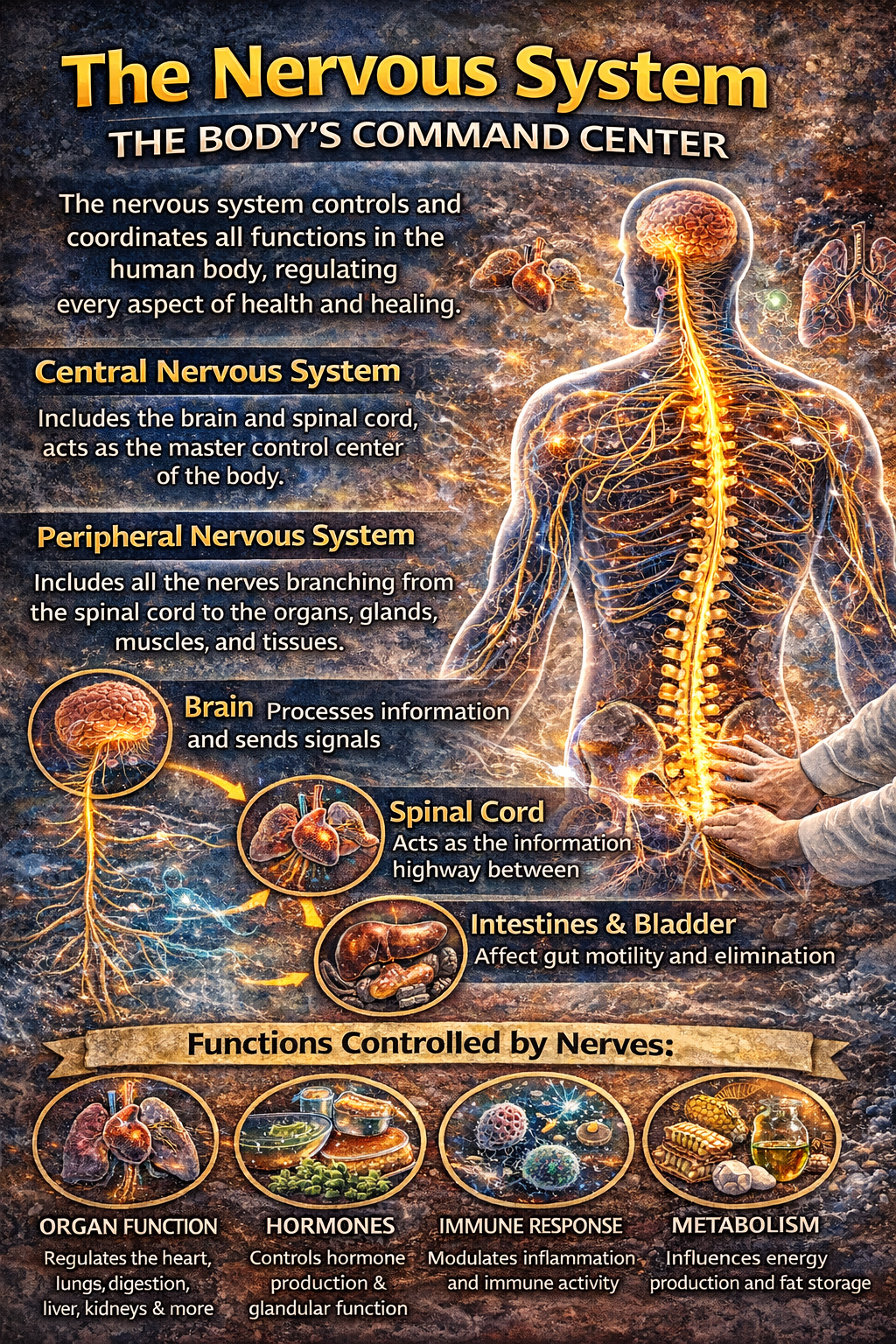
The nervous system consists of two major components: the central nervous system and the peripheral nervous system.
The central nervous system includes the brain and spinal cord. This is the command center responsible for processing information and coordinating responses throughout the body. The peripheral nervous system consists of a vast network of nerves that extend from the spinal cord to every organ, gland, muscle, and tissue.
These nerves function like electrical wires, transmitting information at remarkable speeds. Signals travel from the brain down the spinal cord and out through spinal nerves to control vital functions such as heart rate, digestion, hormone production, immune activity, and metabolic regulation.
Each spinal nerve exiting the spine connects to specific organs and tissues. For example, nerves in the upper spine influence the lungs and heart, while nerves in the middle spine regulate digestive organs such as the stomach and pancreas. Lower spinal nerves affect the intestines, reproductive organs, and bladder.
When these communication pathways function properly, organs receive the instructions they need to maintain optimal health. However, when interference disrupts these signals, the organs they control may begin to function less efficiently.
The Autonomic Nervous System and Healing
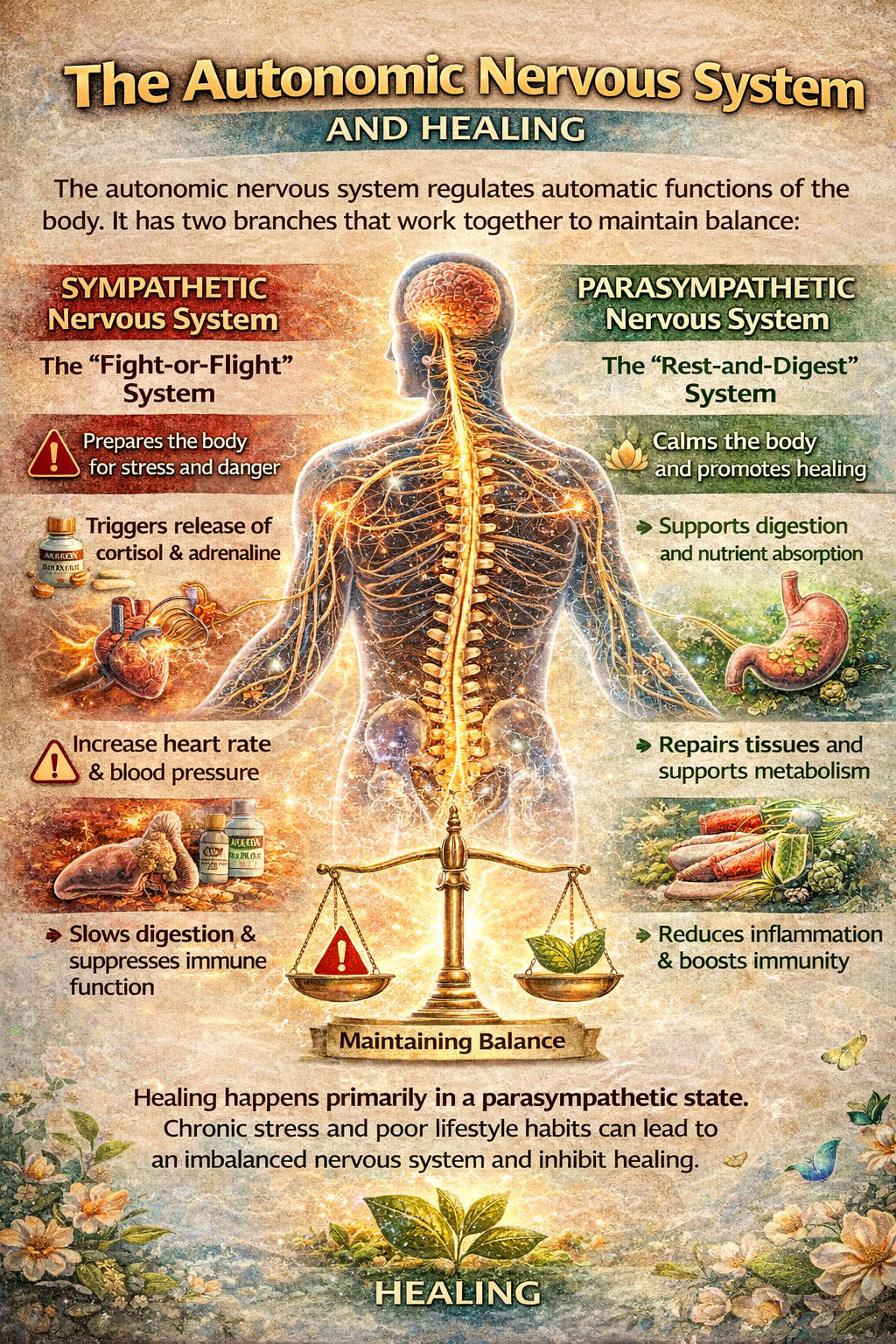
One of the most important components of the nervous system is the autonomic nervous system. This system regulates the automatic functions of the body—processes that occur without conscious thought.
The autonomic nervous system has two major divisions: the sympathetic nervous system and the parasympathetic nervous system.
The sympathetic system is responsible for the “fight-or-flight” response. When activated, it prepares the body to respond to stress by increasing heart rate, elevating blood pressure, and redirecting energy toward muscles needed for survival.
The parasympathetic system, on the other hand, governs the “rest-and-digest” state. This system slows the heart rate, stimulates digestion, promotes tissue repair, and supports immune function.
Healing primarily occurs when the body is in a parasympathetic state. During this state, cells regenerate, inflammation decreases, digestion improves, and hormonal balance becomes easier to maintain.
However, many people live in a near-constant sympathetic state due to chronic stress, poor sleep, environmental toxins, and lifestyle pressures. When the nervous system remains locked in survival mode, the body struggles to repair itself effectively.
Spinal Health and Nervous System Function
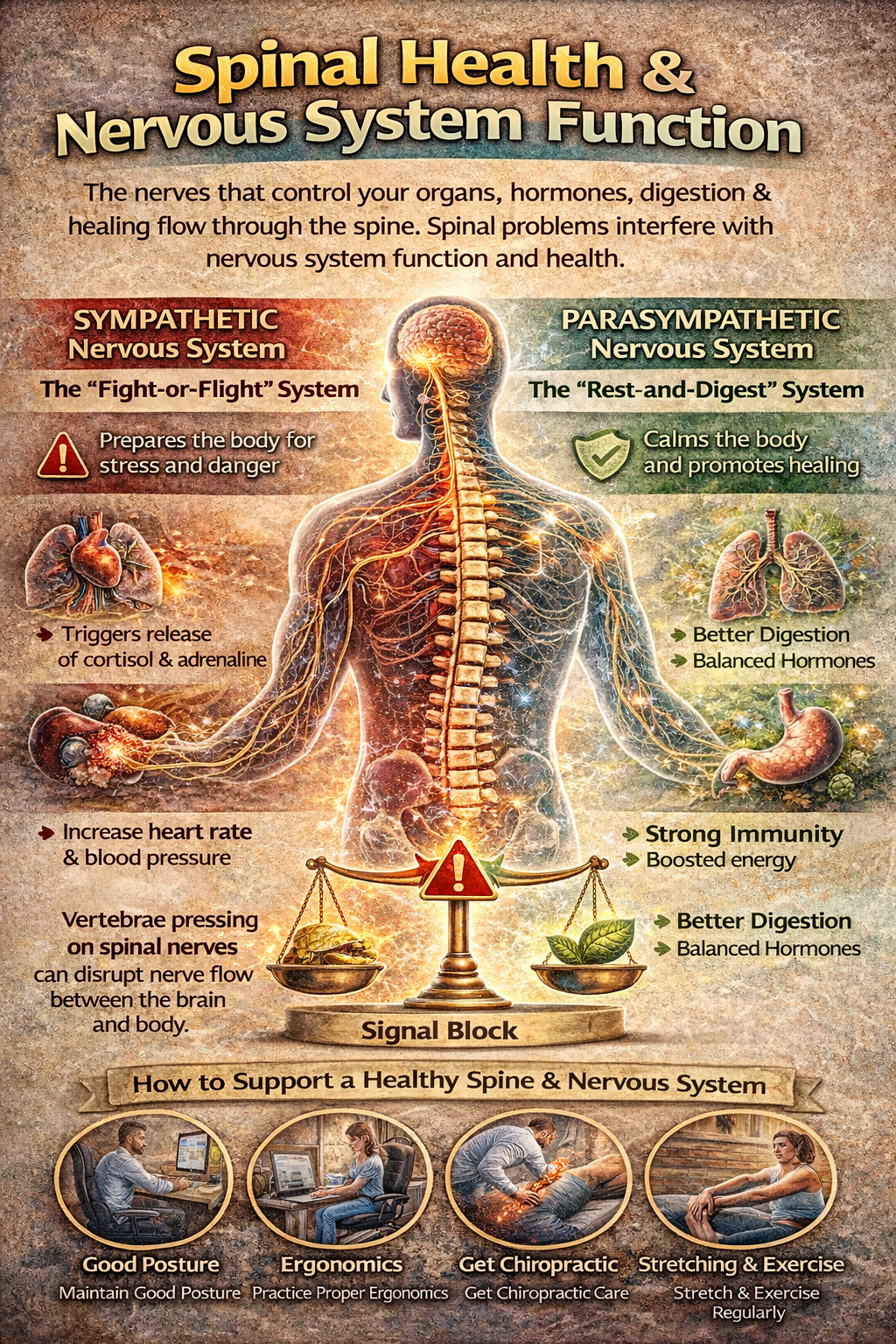
The spinal column plays a critical role in protecting the nervous system. The spinal cord runs through the center of the spine, while delicate spinal nerves exit between each vertebra to reach the rest of the body.
Because these nerves travel through small openings between the vertebrae, structural problems in the spine can interfere with nerve communication. Misalignments, inflammation, or mechanical stress may alter the way signals travel between the brain and the organs those nerves control.When nerve communication becomes disrupted, organs may not receive clear signals from the brain. Over time this can contribute to dysfunction in systems such as digestion, hormone regulation, immune activity, and metabolism.
The spine therefore serves as more than just a structural support for the body. It functions as a protective housing for the communication pathways that regulate health throughout the body.
Maintaining spinal alignment and proper nervous system function allows signals to travel more efficiently, helping organs respond appropriately to the brain’s instructions.
How Nervous System Interference Affects Health
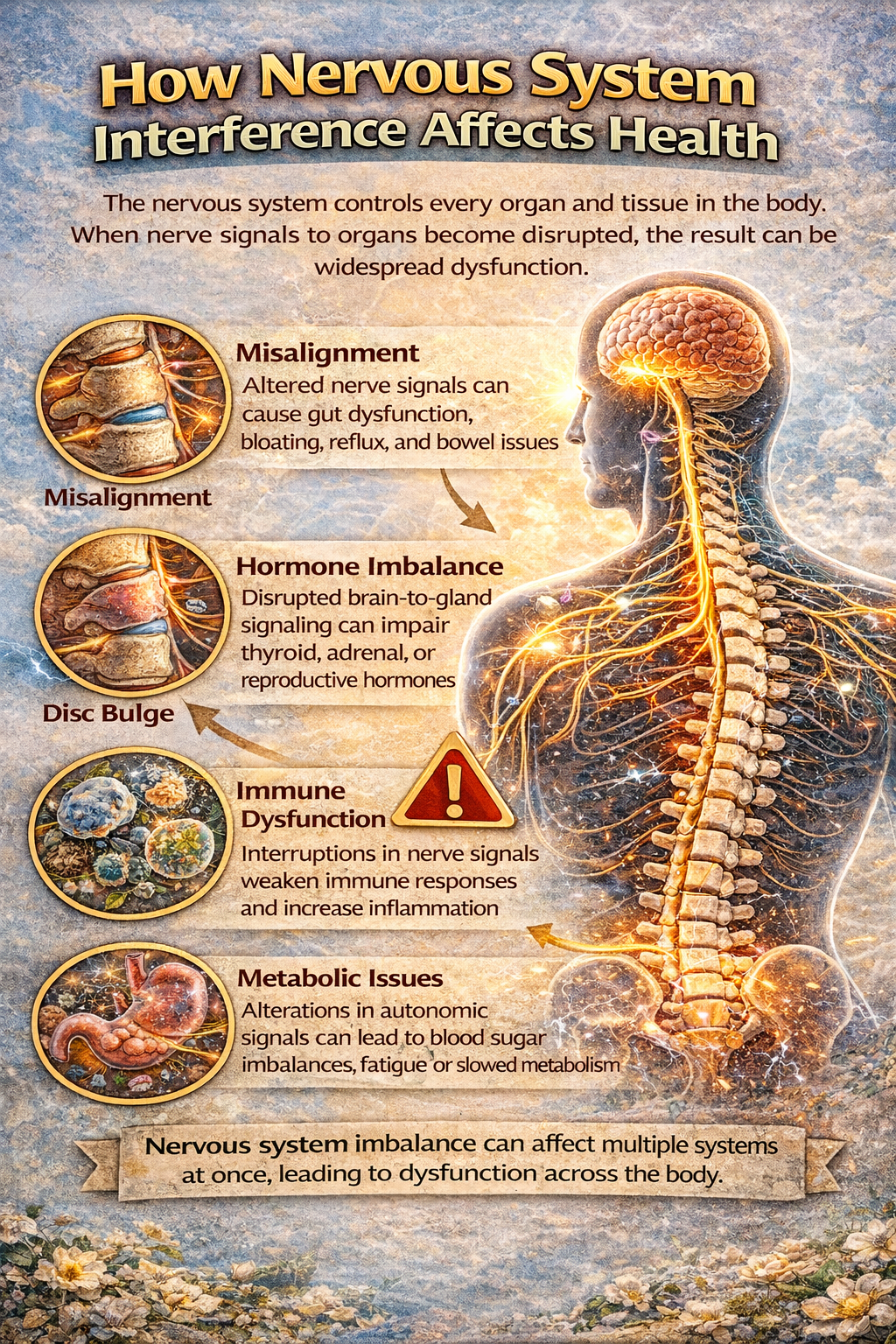
When the nervous system becomes disrupted, the effects can appear in many different ways. Because the nervous system controls virtually every bodily process, interference can influence multiple systems simultaneously.
Digestive problems may develop when nerve signals to the stomach and intestines become altered. This can contribute to symptoms such as bloating, reflux, or irregular bowel function.
Hormonal imbalances may occur when communication between the brain and endocrine glands becomes disrupted. The thyroid, adrenal glands, and reproductive organs rely heavily on nervous system signals to regulate hormone production.
Immune function may also be affected. Research has shown that nervous system signaling plays a significant role in regulating inflammatory responses and immune activity.
Even metabolic health can be influenced by nervous system balance. The autonomic nervous system helps regulate blood sugar, fat storage, and energy production. When these signals become disrupted, metabolism may slow and fatigue may increase.
Restoring Nervous System Balance
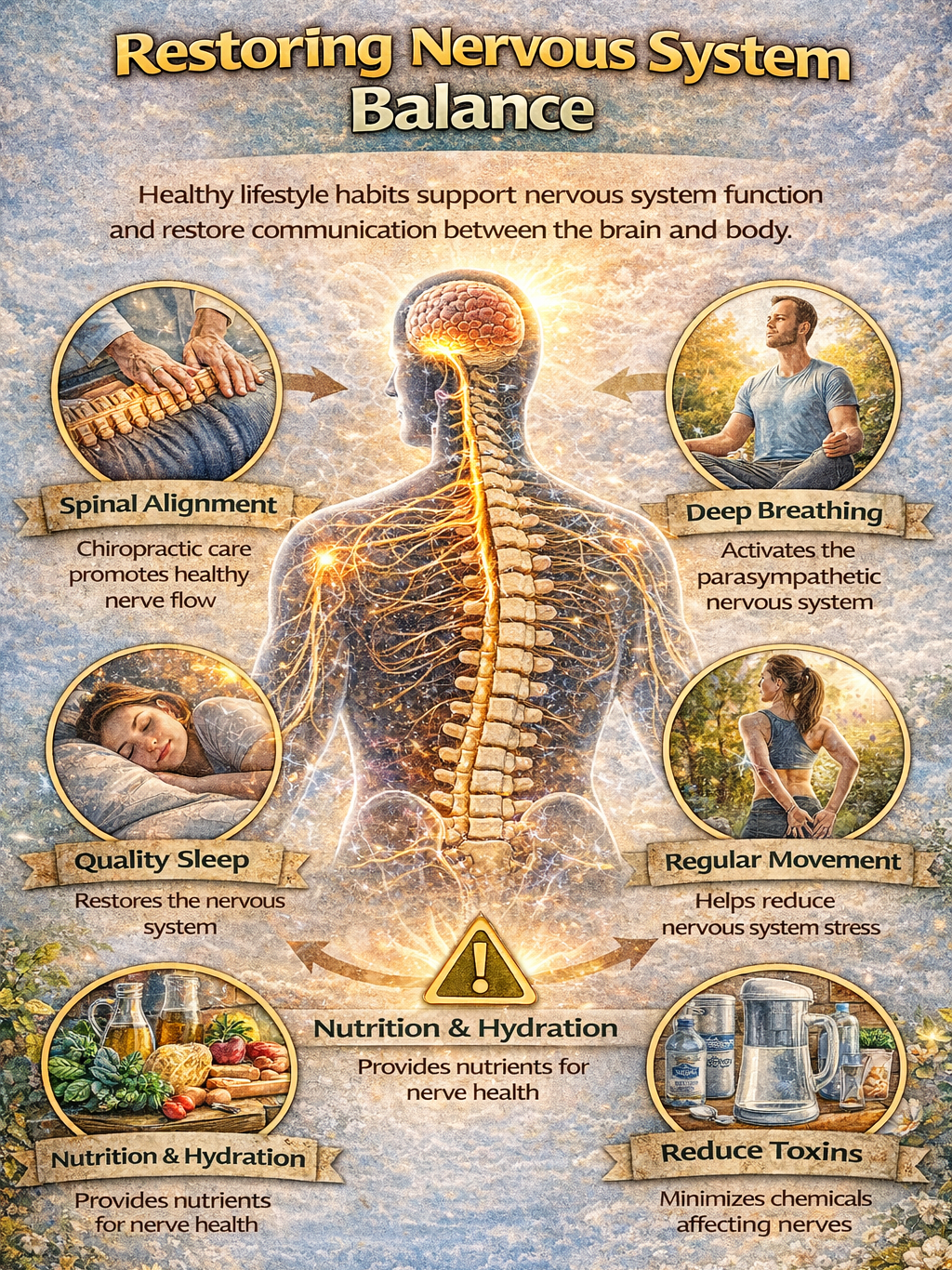
Supporting nervous system health requires a comprehensive approach that addresses both structural and lifestyle factors.
Maintaining spinal alignment is an important step in supporting clear communication between the brain and the body. Proper spinal movement and posture help ensure that nerves exiting the spine can transmit signals efficiently.
Lifestyle habits also play a major role in regulating nervous system balance. Practices that activate the parasympathetic nervous system—such as deep breathing, quality sleep, and regular movement—help shift the body out of chronic stress mode and into a state more conducive to healing.
Nutrition, hydration, and toxin reduction further support the nervous system by reducing inflammation and providing the nutrients required for nerve function.
When these elements are combined, the nervous system becomes better able to regulate digestion, hormone balance, immune activity, and metabolic health.
The Body’s Ability to Heal
The human body possesses remarkable self-healing capabilities. Cells repair themselves, tissues regenerate, and biological systems continuously work to maintain balance.
However, these processes depend on proper communication between the brain and the body. When the nervous system functions efficiently, the body receives the signals necessary to coordinate healing and maintain optimal function.
Addressing nervous system health therefore represents one of the most important yet frequently overlooked aspects of restoring wellness.
When interference is removed and communication pathways are restored, the body often begins to function the way it was designed to function—capable of adapting, repairing, and maintaining health naturally.