
Why “Healthy” Isn’t Always Healthy
Walk through any grocery store and you will see thousands of products proudly wearing the label healthy. Bright packaging promises heart health, digestive support, immune strength, and sustainable energy. Whole grains line the shelves, plant-based milks dominate refrigerated cases, protein bars promise metabolic balance, and smoothies packed with fruits and greens appear to offer the perfect nutritional shortcut.
Yet something strange is happening.
Despite an unprecedented obsession with “healthy eating,” rates of chronic disease continue to rise. Obesity, autoimmune disorders, digestive conditions, metabolic syndrome, thyroid disorders, and cardiovascular disease are more common than at any other time in modern history. Millions of people are eating what they believe to be the healthiest diets of their lives while simultaneously becoming more inflamed, more fatigued, and more metabolically compromised.
This contradiction raises an important question: What if many of the foods widely promoted as healthy are quietly contributing to the very health problems people are trying to avoid?
Food marketing has become exceptionally sophisticated. Terms such as natural, plant-based, whole grain, low-fat, gluten-free, and heart healthy create a powerful psychological effect. Consumers naturally assume these foods must promote wellness. However, nutritional science continues to reveal that many of these products may trigger inflammation, disrupt metabolic pathways, damage the gut lining, and contribute to long-term disease processes.
Understanding which foods quietly undermine health—and why—can help people make far more informed dietary choices.
Below are several of the most commonly consumed “healthy” foods that may be doing far more harm than most people realize.
Whole Wheat and “Whole Grain” Products
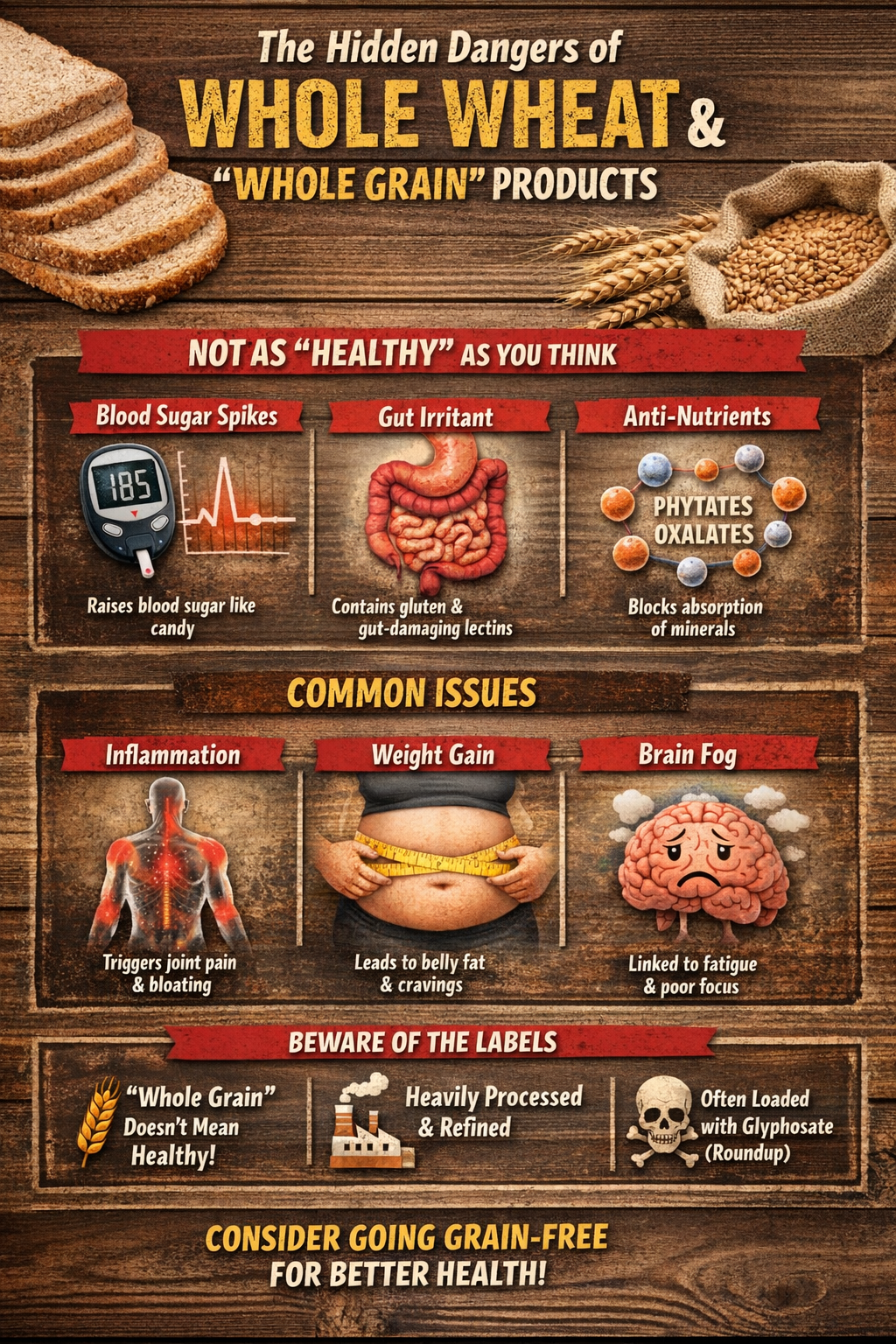
Few foods have been promoted more aggressively as healthy than whole grains. For decades, dietary guidelines have encouraged individuals to consume multiple servings of whole grains daily to support heart health, maintain stable energy levels, and reduce chronic disease risk.
However, emerging research paints a far more complicated picture.
Modern wheat is dramatically different from the wheat consumed by previous generations. Over the past several decades, agricultural breeding programs have altered wheat strains to improve yield and baking performance. These changes have increased the concentration of certain proteins, particularly gliadin, a component of gluten that can strongly stimulate the immune system.
Gliadin has several troubling biological effects.
First, it increases intestinal permeability by triggering the release of a protein called zonulin, which regulates tight junctions between intestinal cells. When zonulin levels rise, the intestinal barrier becomes more permeable. This phenomenon—often referred to as “leaky gut”—allows partially digested food particles, bacterial fragments, and toxins to enter the bloodstream.
Once these substances enter circulation, the immune system often responds aggressively. Chronic immune activation is believed to play a role in numerous conditions including autoimmune disease, inflammatory bowel disorders, thyroid dysfunction, and neurological symptoms.
Research published in Physiological Reviews by Fasano (2011) describes the role of zonulin in regulating intestinal permeability and its connection to autoimmune disease development.
Another problem with modern wheat lies in its carbohydrate structure. Wheat products rapidly convert to glucose during digestion, causing significant spikes in blood sugar. Elevated glucose triggers insulin release, and repeated insulin surges over time contribute to insulin resistance—a key driver of metabolic syndrome and type 2 diabetes.
In addition, wheat contains compounds called lectins, specifically wheat germ agglutinin (WGA), which can bind to intestinal cells and potentially interfere with nutrient absorption while stimulating inflammatory responses.
For individuals who experience chronic fatigue, digestive discomfort, skin conditions, or autoimmune symptoms, removing wheat products often produces noticeable improvements in overall health.
Plant-Based Milk Alternatives

Plant-based milk alternatives—such as almond milk, oat milk, soy milk, and rice milk—have exploded in popularity. They are often marketed as cleaner, lighter, and more environmentally friendly alternatives to traditional dairy.
Unfortunately, the reality behind many of these products is far less appealing.
One of the primary issues is the ingredient list. While consumers may imagine plant-based milks as simple blends of nuts and water, most commercial products contain a long list of additives including emulsifiers, stabilizers, gums, and sweeteners.
Common additives include:
- Carrageenan
- Guar gum
- Xanthan gum
- Sunflower lecithin
- Added sugars or syrups
Carrageenan in particular has drawn attention due to its potential inflammatory properties. Some laboratory studies have shown that carrageenan can provoke inflammatory responses in intestinal cells and may contribute to digestive irritation in susceptible individuals.
Another concern is the extremely low nutritional value of many plant-based milks. Almond milk, for example, often contains only a tiny fraction of almonds—sometimes as little as two percent. The rest of the beverage consists largely of water and additives.
Oat milk presents an additional metabolic challenge. Oats are high in carbohydrates and can rapidly elevate blood glucose levels. For individuals struggling with insulin resistance, weight gain, or metabolic dysfunction, regular consumption may worsen these problems.
Soy milk introduces another complication: phytoestrogens, plant compounds capable of interacting with estrogen receptors in the body. While the health implications remain debated, some researchers suggest excessive soy consumption may influence hormonal balance, particularly in individuals already experiencing endocrine disruption.
Plant-based milk alternatives can be convenient, but consumers should carefully review ingredient lists and consider whether these beverages truly support their long-term health goals.
Vegetable Oils
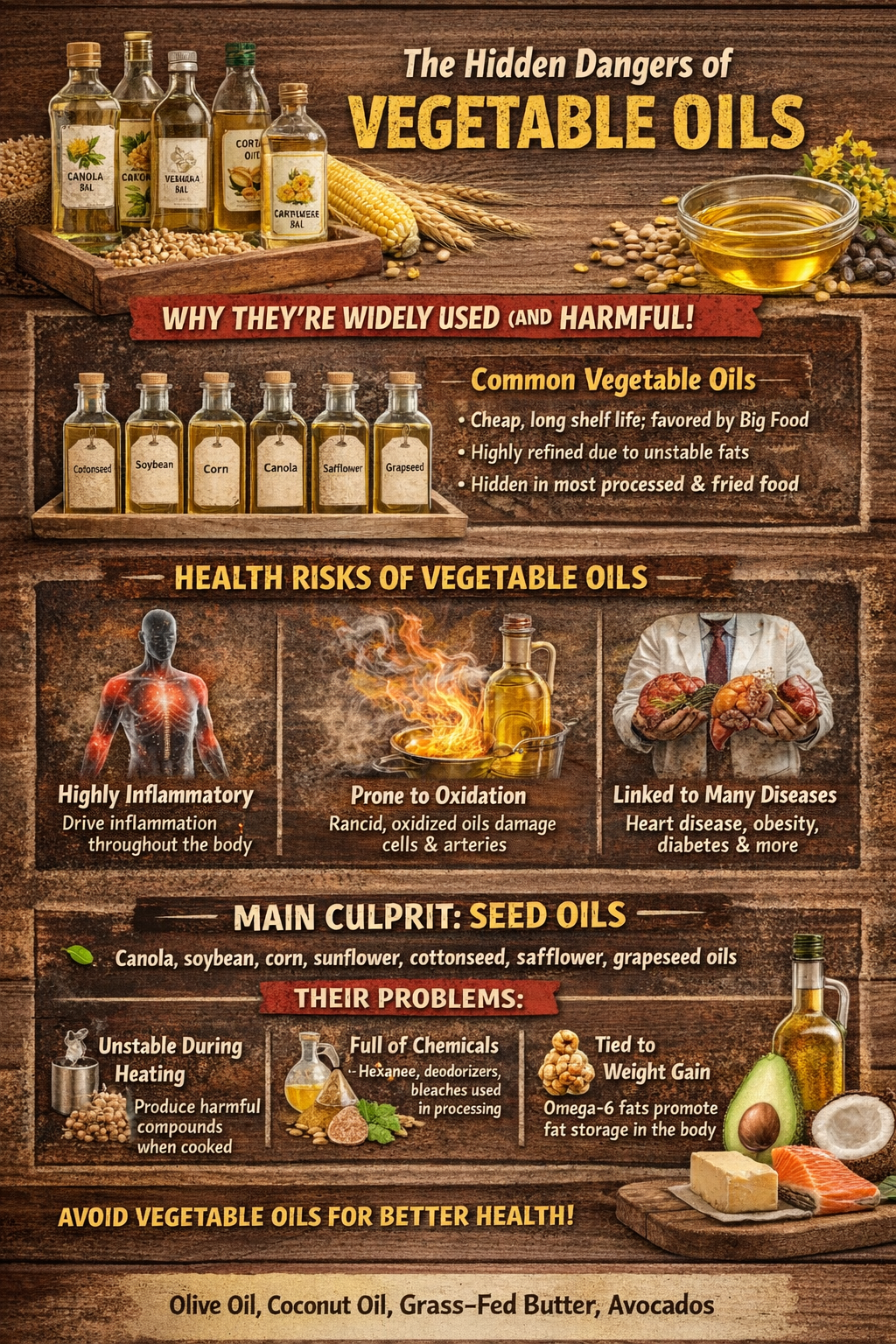
Vegetable oils are among the most widely used ingredients in modern cooking, yet they represent one of the most problematic components of the industrialized food supply.
Common examples include:
- Soybean oil
- Corn oil
- Canola oil
- Cottonseed oil
- Sunflower oil
- Safflower oil
These oils are extremely high in omega-6 fatty acids, particularly linoleic acid. While omega-6 fats are essential in small amounts, excessive consumption can create an imbalance with omega-3 fatty acids.
Human diets historically contained a roughly balanced ratio of omega-6 to omega-3 fats. Modern diets, however, often contain ratios as high as 20:1 or even 30:1, dramatically favoring omega-6 fats.
This imbalance promotes inflammatory signaling pathways in the body.
Research published in Biomedicine & Pharmacotherapy (Simopoulos, 2008) describes how excessive omega-6 consumption may contribute to inflammation, cardiovascular disease, obesity, and metabolic disorders.
Vegetable oils also undergo extensive industrial processing. Many are extracted using chemical solvents such as hexane and then subjected to bleaching, deodorizing, and high-temperature refining. These processes can damage the oil’s molecular structure and promote the formation of oxidation products.
Oxidized fats generate free radicals, which can damage cellular membranes and contribute to oxidative stress.
Furthermore, vegetable oils are frequently used in processed foods and restaurant cooking, exposing them repeatedly to high heat. Reheated oils degrade further and may produce harmful aldehydes linked to inflammation and vascular damage.
Replacing highly processed vegetable oils with more stable fats—such as olive oil, avocado oil, coconut oil, or grass-fed animal fats—may significantly reduce inflammatory burden.
Fruit Smoothies

Smoothies have become a staple of modern wellness culture. Juice bars and health cafés often promote fruit-based smoothies as nutrient-dense superfoods capable of boosting immunity, supporting detoxification, and fueling athletic performance.
However, many smoothies contain extraordinary amounts of sugar.
When whole fruit is blended, the natural fiber structure is partially broken down. While fiber still exists in the mixture, the body can absorb the sugars more rapidly compared to eating whole fruit.
Additionally, smoothies often contain multiple servings of fruit in a single drink. A typical smoothie may include bananas, mangoes, pineapple, berries, fruit juice, and sweetened yogurt. Combined, these ingredients can easily deliver 50–80 grams of sugar in one serving.
Rapid sugar absorption can lead to sharp increases in blood glucose followed by insulin spikes. Over time, this pattern contributes to metabolic instability and increased fat storage.
Another concern involves fructose metabolism. Unlike glucose, which can be used by nearly every cell in the body, fructose is processed primarily by the liver. Large quantities of fructose may promote fat accumulation within liver cells, potentially contributing to non-alcoholic fatty liver disease.
Fruit smoothies are not inherently harmful, but they are frequently consumed in forms that resemble sugary desserts more than balanced meals. Adding protein, healthy fats, and lower-sugar fruits can significantly improve their metabolic profile.
Protein Bars and Meal Replacement Products

Protein bars have become one of the fastest-growing segments of the health food industry. Marketed as convenient tools for weight management, muscle recovery, and energy stabilization, these products are often perceived as nutritionally superior to traditional snack foods.
However, many protein bars contain a complex blend of highly processed ingredients.
Common components include:
- Protein isolates or concentrates
- Artificial sweeteners
- Sugar alcohols
- Hydrogenated oils
- Artificial flavors
- Stabilizers and preservatives
Sugar alcohols such as maltitol, sorbitol, and erythritol are frequently used to reduce calorie counts while maintaining sweetness. Unfortunately, these compounds can cause digestive distress in many individuals, including bloating, gas, and diarrhea.
Protein isolates may also present challenges. The industrial extraction process often involves high heat and chemical treatments that can denature protein structures. Some individuals also experience inflammatory responses to certain protein sources, particularly soy or whey isolates.
Additionally, many protein bars contain a significant amount of hidden carbohydrates despite marketing claims of being “low sugar.”
While occasional use may be harmless, relying heavily on protein bars as dietary staples may expose individuals to a steady stream of additives, artificial ingredients, and metabolic stressors.
Whole-food protein sources generally provide a more balanced nutritional profile.
Granola and “Healthy” Breakfast Cereals
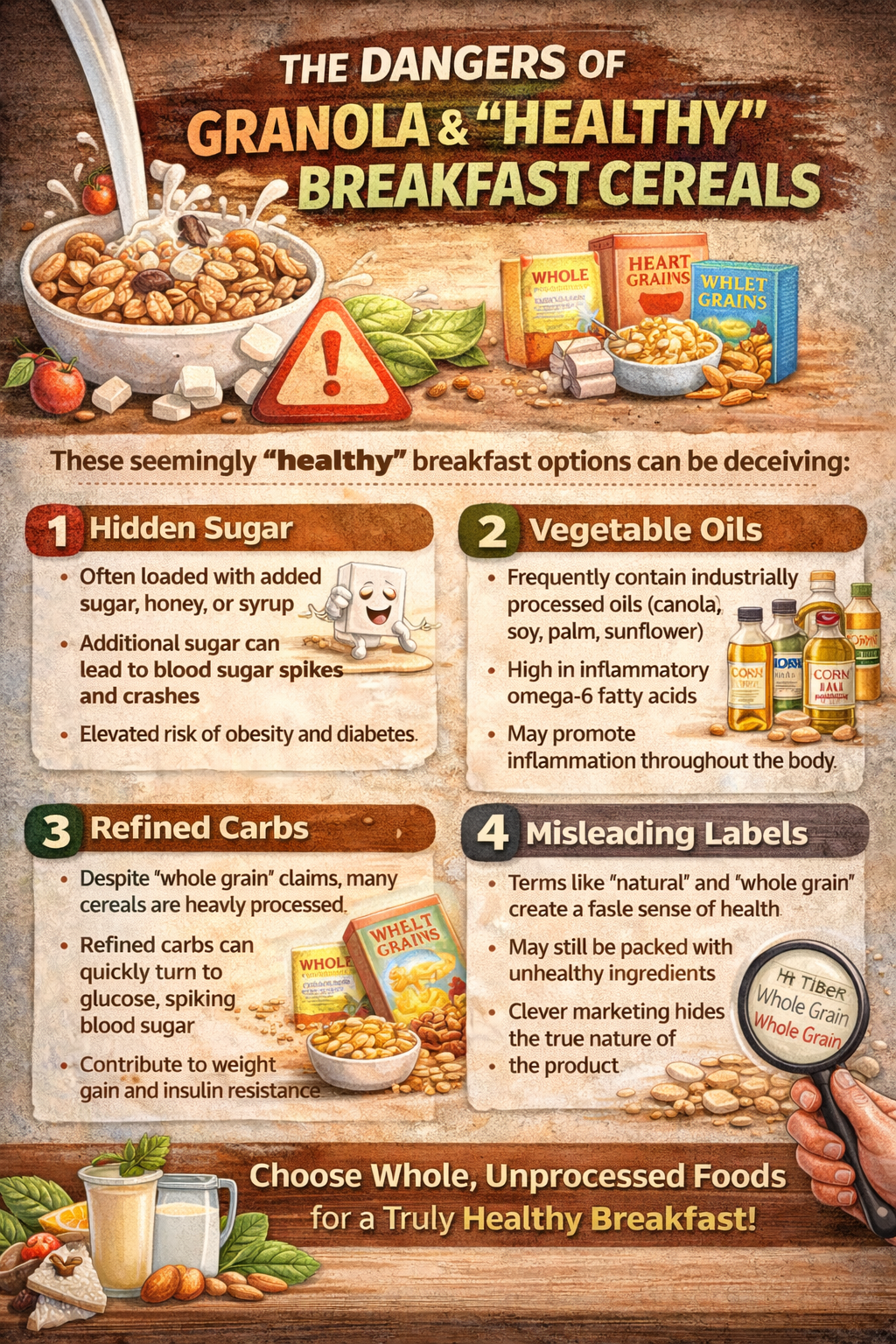
Granola is often perceived as one of the healthiest breakfast options available. Images of oats, nuts, seeds, and honey create the impression of a wholesome, nutrient-rich start to the day.
Yet most commercial granola products contain significant amounts of added sugar and vegetable oils.
Many brands rely on syrups, honey, brown sugar, or cane sugar to achieve their signature flavor and texture. Even small serving sizes can deliver substantial sugar loads.
Oats themselves can also contribute to rapid glucose elevations due to their carbohydrate density. Although oats contain beneficial fiber, the glycemic response may still be problematic for individuals with blood sugar dysregulation.
Furthermore, many granola products use vegetable oils during the baking process, adding the inflammatory concerns discussed earlier.
When combined with sweetened yogurt or plant-based milk, a seemingly healthy breakfast can easily exceed the sugar content of many desserts.
Preparing homemade granola using controlled ingredients—or choosing protein-rich alternatives—may offer a more balanced option.
The Hidden Role of Gut Health
Many of the foods discussed above share a common thread: their ability to disrupt gut health.
The intestinal lining serves as one of the body’s most important protective barriers. It regulates nutrient absorption while preventing harmful substances from entering the bloodstream.
When the gut barrier becomes compromised, several problems may arise:
- Immune activation
- Chronic inflammation
- Nutrient malabsorption
- Hormonal disruption
- Neurological symptoms
Diet plays a central role in maintaining the integrity of this barrier. Foods that promote inflammation, disrupt the microbiome, or damage intestinal cells may gradually erode gut function.
Conversely, diets emphasizing whole foods, healthy fats, high-quality proteins, and minimally processed ingredients tend to support microbial diversity and intestinal resilience.
Understanding this connection helps explain why seemingly “healthy” foods can produce unexpected health challenges when consumed frequently.
Rethinking What “Healthy” Really Means
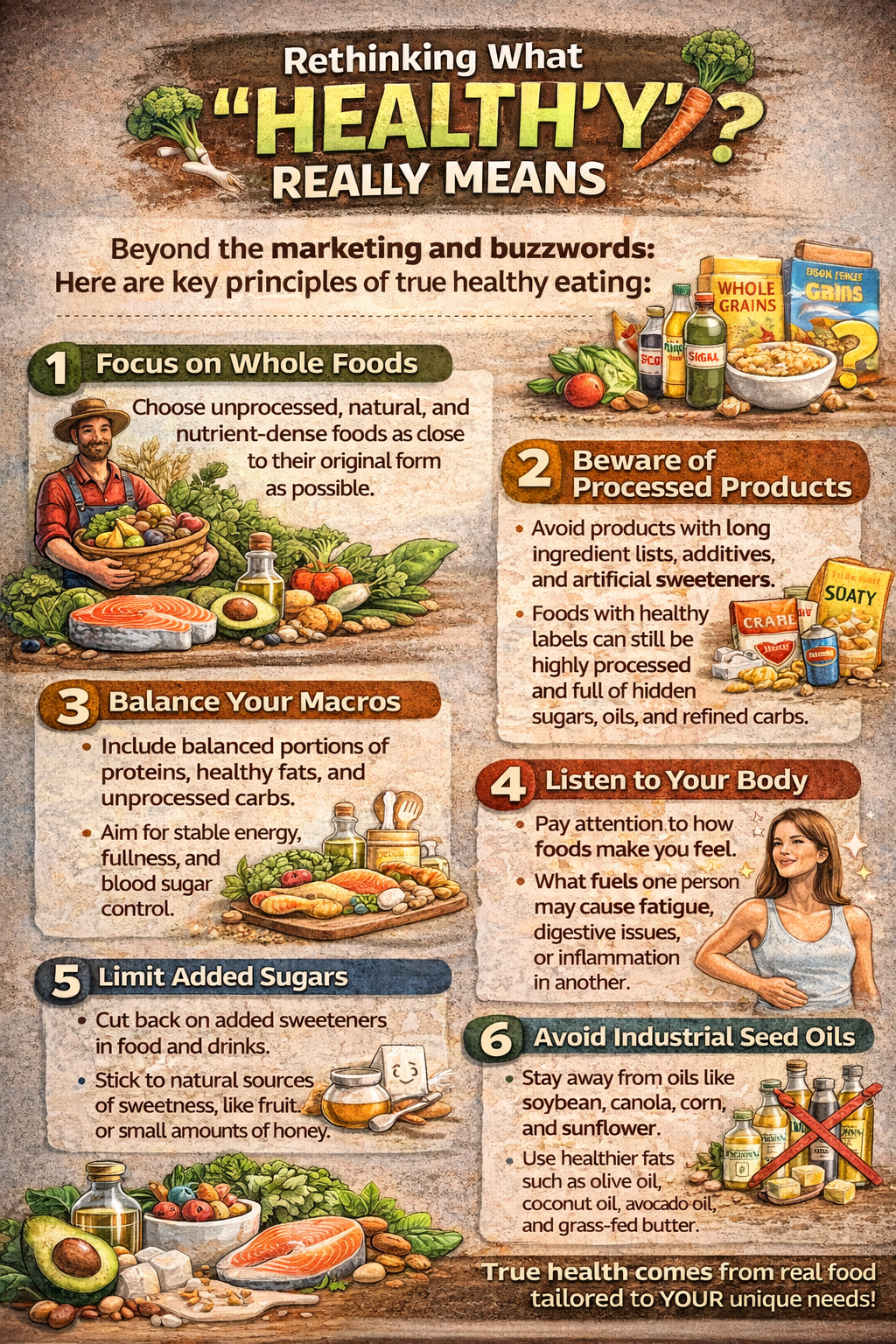
The concept of healthy eating has become deeply entangled with marketing narratives and outdated dietary assumptions. Labels such as low-fat, whole grain, and plant-based often create an illusion of health that does not necessarily align with biological reality.
True nutritional health tends to follow several simple principles:
Foods that closely resemble their natural state often provide the greatest benefit.
Highly processed products—even when marketed as healthy—frequently contain hidden additives, sugars, and industrial oils that may undermine metabolic stability.
Balance between fats, proteins, and carbohydrates plays a crucial role in maintaining energy regulation and hormonal balance.
Perhaps most importantly, individuals vary widely in how they respond to different foods. What works well for one person may provoke inflammation or metabolic stress in another.
Learning to observe how specific foods influence digestion, energy levels, mood, and long-term health can be far more valuable than relying on generic nutritional labels
Conclusion
The modern food landscape is filled with products designed to appear healthy. Bright packaging, persuasive marketing language, and selective scientific claims can easily convince consumers that certain foods promote wellness.
Yet many of these products quietly contribute to inflammation, blood sugar instability, gut disruption, and metabolic dysfunction.
Whole grains may damage intestinal barriers in susceptible individuals. Plant-based milk alternatives often contain inflammatory additives. Vegetable oils may promote oxidative stress and inflammatory signaling. Smoothies can deliver enormous sugar loads, while protein bars and granola frequently disguise processed ingredients behind a healthy image.
Recognizing these hidden pitfalls empowers individuals to make more informed choices about what they eat.
Health rarely emerges from clever marketing claims or nutritional buzzwords. Instead, it tends to arise from simple, whole foods consumed in thoughtful combinations.
When people begin focusing less on labels and more on how food interacts with the body’s biological systems, the path toward genuine wellness becomes far clearer.